-
Devotional Leadership as Service: Cultivating Unity, Harmony, and Joy in Community

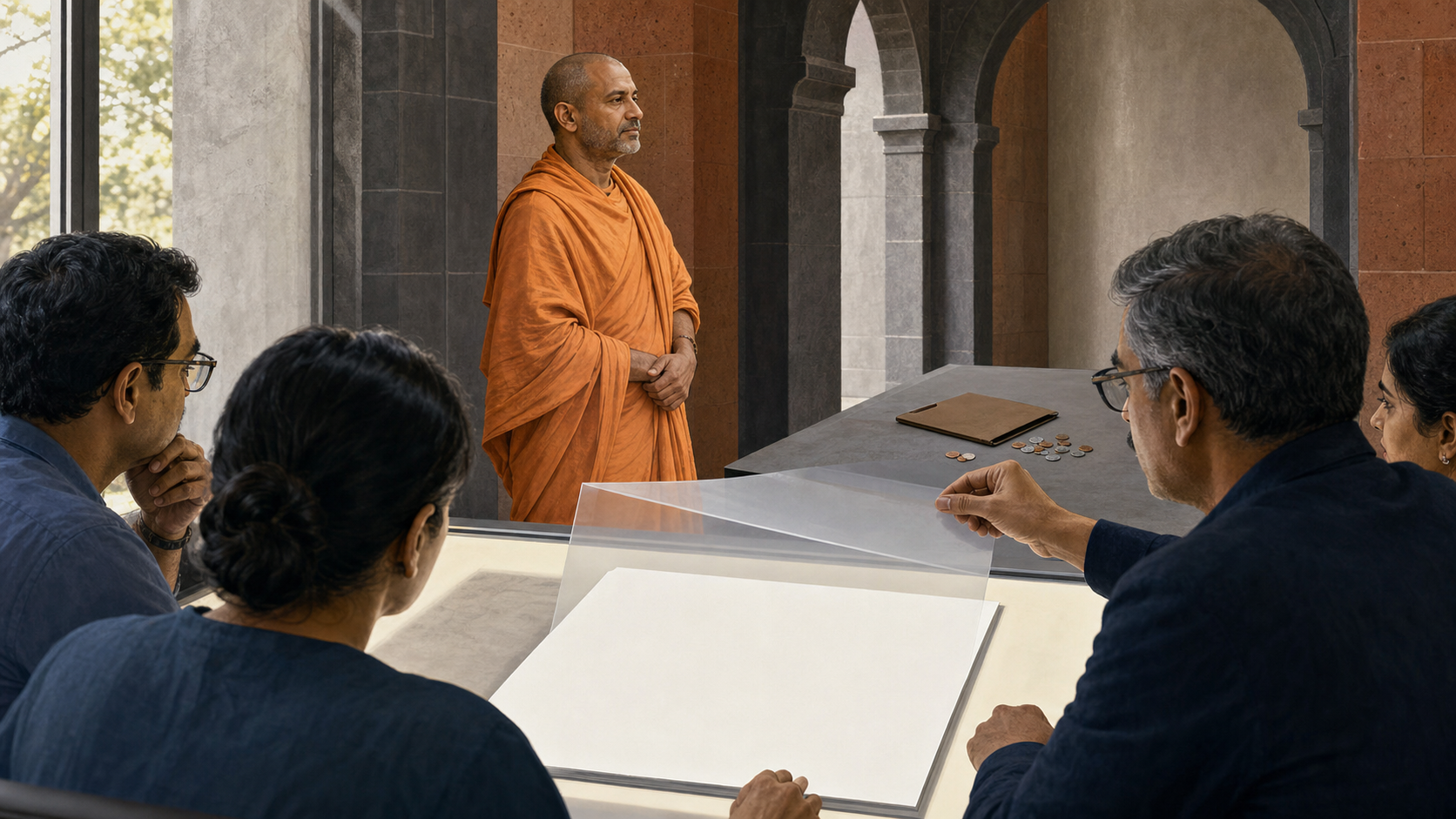
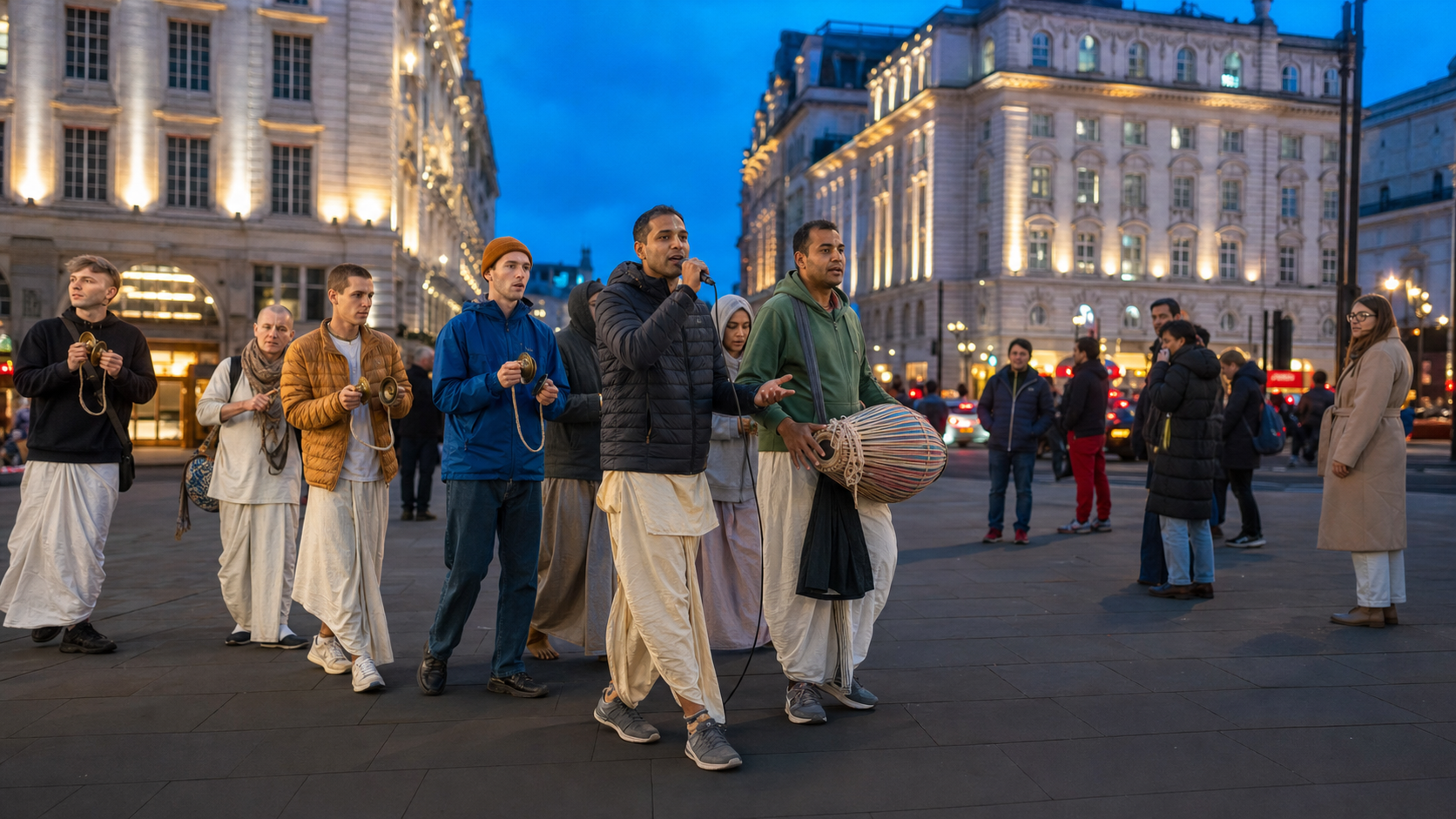
A recent talk in Stanmore, UK by HH SB Keshava Swami highlighted a rigorous principle of spiritual leadership: authority exists to serve, uplift, and empower. This analysis explains how seva reframes leadership in devotional communities, making success measurable through growth, happiness, and progress toward Krishna. It outlines competencies leaders need—deep listening, clarity of purpose, organizational…
-
Mahashivratri in Raigarh: 272 participants reaffirm dharma in a reverent ghar wapsi

On Mahashivratri in Kharsia, Raigarh district, 272 individuals publicly reaffirmed their adherence to the Hindu way of life in a dignified ghar wapsi ceremony at the Bargarh Dham complex. The rite, led by Prabal Pratap Singh Judev, featured the traditional washing of feet, symbolizing humility, respect, and reintegration into community life. Situated within India’s constitutional…
-
Decoding Lakshmi’s Lotus: Sacred Symbolism of Prosperity, Purity, and Dharmic Wealth

Goddess Lakshmi’s enduring association with the lotus is a precise theological and ethical statement, not a decorative habit. The lotus models purity-in-engagement—thriving in muddy waters yet remaining unstained—mirroring how dharmic wealth should arise and circulate without exploitation. Scriptural memory (Śrī Sūkta, samudra-manthana), iconographic conventions (padma-pīṭha, Gaja-Lakshmi), and temple arts all embed this meaning in public…
-
In Yamanashi, a Namaste and Sanskrit shlokas move Yogi Adityanath, spotlighting India–Japan ties

A classroom exchange in Yamanashi, where a student greeted Uttar Pradesh Chief Minister Yogi Adityanath with a namaste and Sanskrit shlokas, became the most resonant image of an India–Japan outreach focused on trade, strategy, and investment. The moment showcased education diplomacy and soft power in action, translating policy intent into relational trust. It highlighted how…
-
Jagannatha Pandita’s Rasagangadhara: Mastering Rasa, Poetics, and Indian Aesthetics

Jagannatha Pandita (1590–1670 CE) transformed Sanskrit poetics through Rasagangadhara, a landmark synthesis that clarifies how language, context, and propriety culminate in rasa—the refined relish of emotion. Born in Andhra Pradesh to Perubhaṭṭa and Lakshmi, he bridged southern scholastic lineages with the cosmopolitan courts of North India, reportedly earning the honorific Paṇḍitarāja. His oeuvre, including Bhaminivilasa…
-
A Guru Can Guide, Not Save: Self‑Realization Across Hindu, Buddhist, Jain, Sikh Paths

Across Hinduism, Buddhism, Jainism, and Sikhism, a unifying principle stands out: a guru can guide, not save, and Self-Realization depends on disciplined personal effort. This article grounds the point in the Bhagavad Gita and Upanishads, while showing its parallels in Buddhist, Jain, and Sikh teachings. It clarifies how grace and effort cooperate without inviting passivity,…
-
Decoding Hindu Iconography: Beyond Idolatry to Metaphysics—Bridging Dharmic–Abrahamic Insight

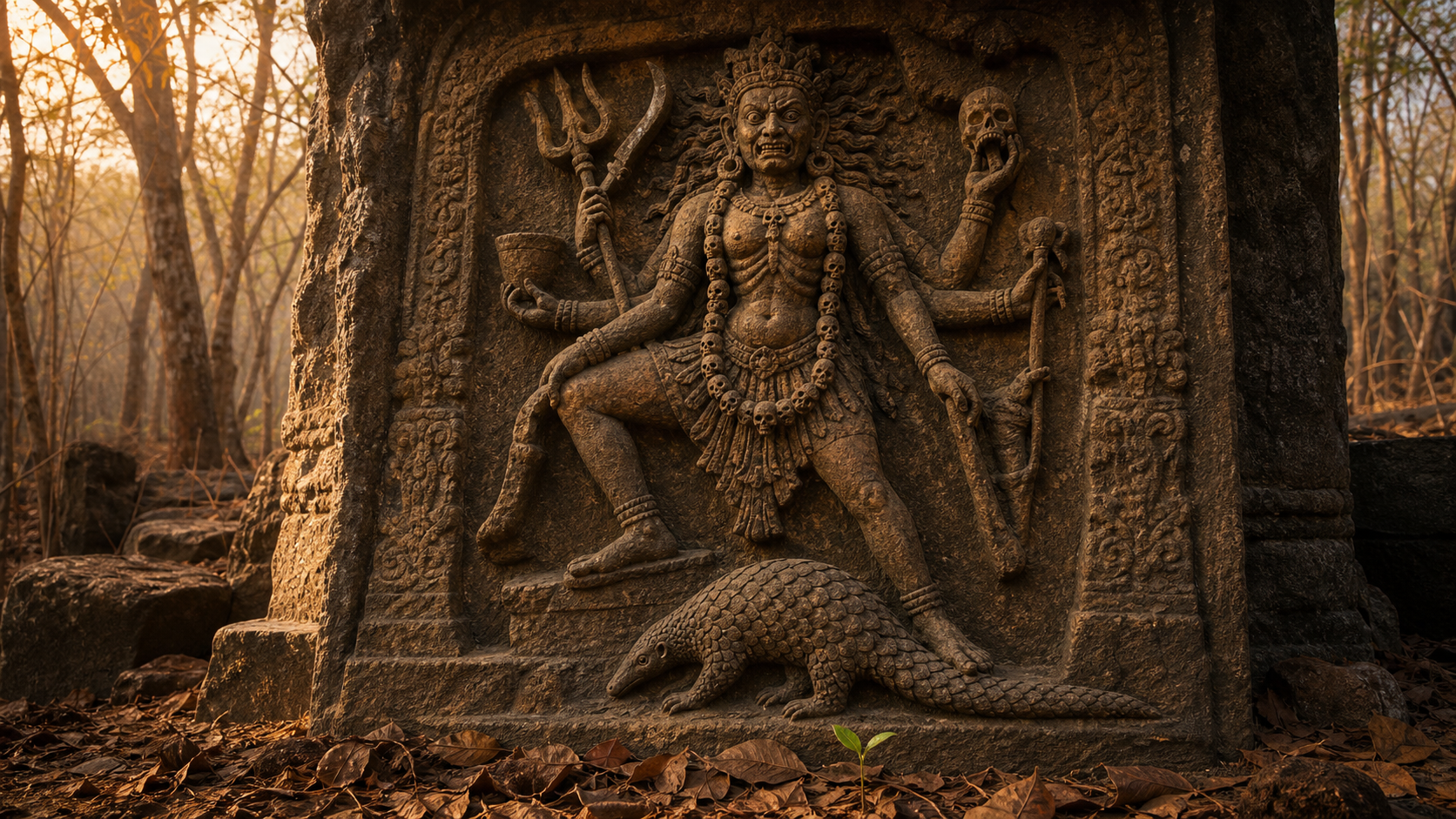
This article decodes Hindu iconography as a rigorous symbolic language that encodes metaphysics, ethics, and contemplative practice, rather than mere ‘idolatry’. It situates medieval misunderstandings within Abrahamic aniconism and outlines how mūrti, prāṇa-pratiṣṭhā, mudrā, and vāhana together form a coherent semiotic system. Readers gain a comparative framework linking Hindu saguṇa–nirguṇa practice to apophatic and cataphatic…
-
Dhanvantari Homam Explained: Benefits, Moolamantra, and Step-by-Step Vidhi for Lasting Health

Dhanvantari Homam is a Vedic yagna to invoke Lord Dhanvantari—the Divine Physician—for health, longevity, and the alleviation of disease. The rite integrates the Dhanvantari Moolamantra with disciplined vidhi and vidhana, aligning Ayurvedic symbolism and Havan Kund niyams with a clear, healing sankalpa. It is best performed on Dhanvantari Jayanti (Dhanteras), during Pushya Nakshatra, or in…
-
Nagabharana of Venkateswara Swamy: Adisesha’s Golden Embrace on Tirumala’s Divine Shoulders

The Nagabharana of Venkateswara Swamy—twin golden serpents resting on the Lord’s shoulders—embodies Adisesha’s protective presence in Tirumala’s Vaishnava tradition. This in-depth exploration explains its theological meaning, Agamic grounding, and South Indian craftsmanship, while showing how ornament becomes lived theology in darshan. It connects naga symbolism to Puranic narratives and to broader Dharmic motifs found in…
-
March 7, 2026 Panchang: Krishna Paksha Chaturthi to Panchami, Muhurat & Nakshatra Guide

Saturday, March 7, 2026, in the Hindu Panchang features Krishna Paksha Chaturthi until 6:28 PM, then transitions to Krishna Paksha Panchami in most regions. The note explains how tithi is calculated astronomically and why minor regional differences occur. It outlines the significance of Sankashti Chaturthi for Ganesha worship and provides practical guidance for completing the…
-
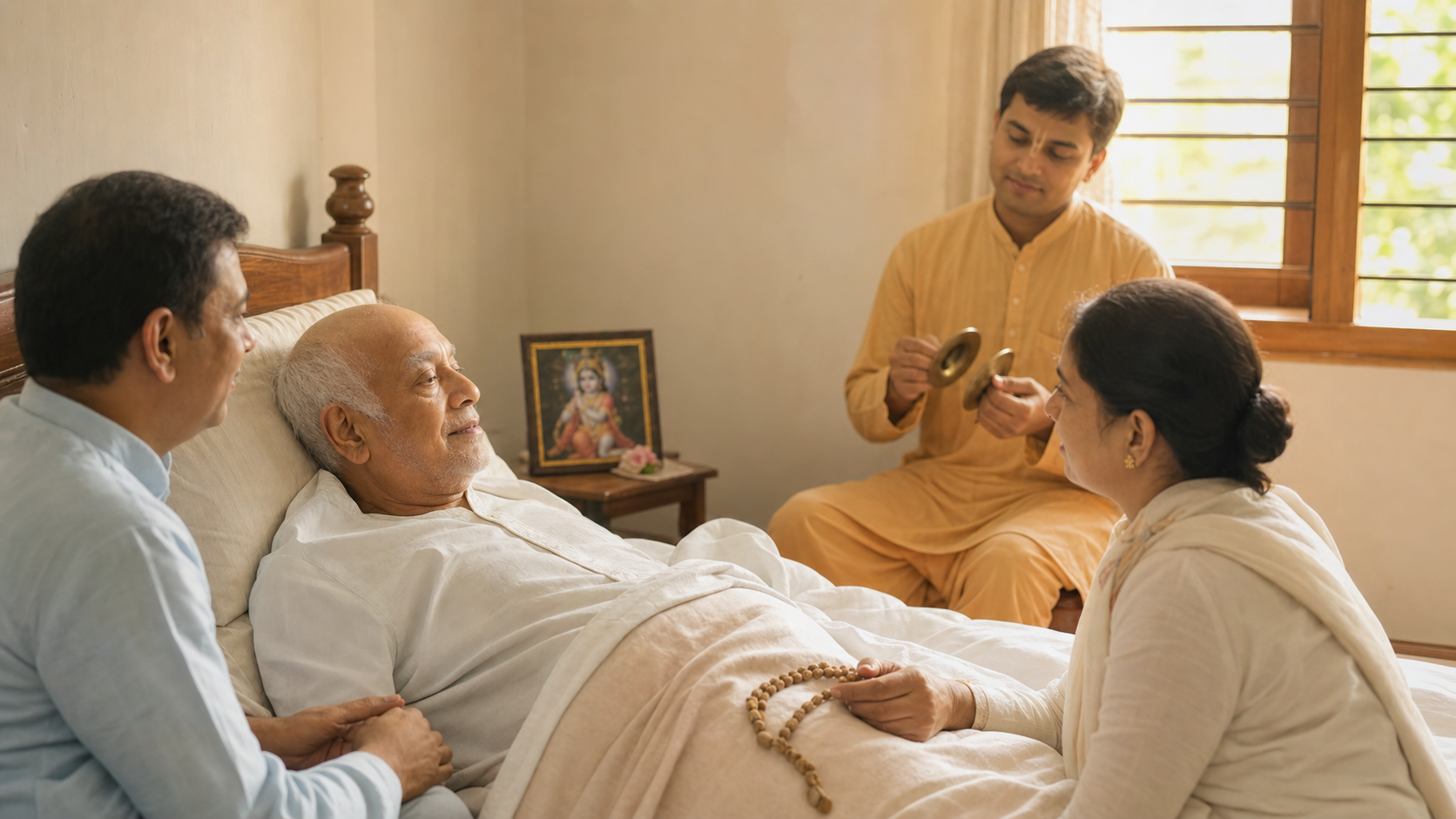
Honoring H.H. Badrinarayan Swami (ACBSP): A Life of Bhakti, Service, and Vrndavana Grace

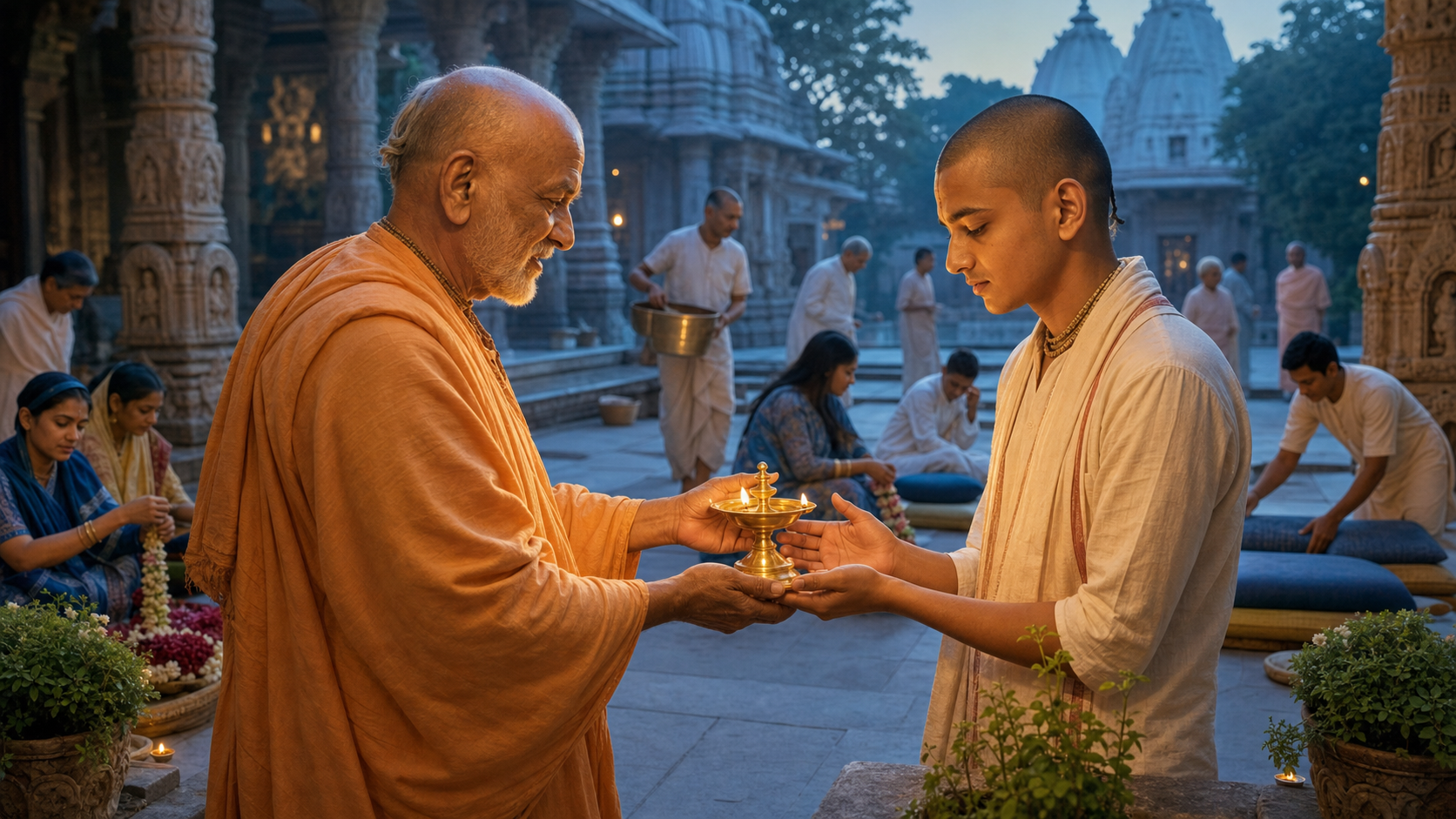
H.H. Badrinarayan Swami (ACBSP) departed on 26 February 2026 in Sri Vrndavana Dhama, leaving a legacy of Bhakti-yoga, principled leadership, and compassionate community building within ISKCON. This tribute explains the meaning of ACBSP and situates his life within the Guru–Shishya Tradition rooted in Srila Prabhupada’s teachings. It outlines the significance, in Vaishnava understanding, of departing…
-
Explosive claim: K P Raghuvanshi alleges pressure to arrest Shiv Sena–RSS leaders

Former Maharashtra ATS chief K P Raghuvanshi has alleged that political pressure was exerted to arrest “Hindutva leaders” linked to Shiv Sena and the RSS, as reported in connection with accounts in “The Troubleshooter: The Untold Encounters of IPS Officer.” Presented here is a rigorous, evidence-first analysis of why such claims matter for the rule…
-
Always Being the Easy One: How Self-Abandonment Breeds Burnout—and How to Heal

This essay analyzes the hidden costs of being the “easy one,” reframing people-pleasing as self-abandonment with measurable impacts on the nervous system. It integrates research on masked neurodivergence in girls, allostatic load, anniversary reactions, and polyvagal theory to explain how chronic appeasement sustains burnout and trauma. Through a third-person narrative of pregnancy loss, NICU stress,…
-
Beyond the Furrow: Peahen’s Egg Legends and Sita’s Birth Symbolism in Folk Ramayanas

Hindu folk Ramayanas preserve Sita’s sanctity through imaginative origin stories that complement the canonical Valmiki account. A striking variant presents Sita as arising from a peahen’s egg, recasting her as andaja while affirming her core identity as ayonija. The peahen symbolizes guardianship, beauty, and monsoon renewal, while the egg evokes the cosmic Hiranyagarbha—both intensifying the…
-
Maharashtra withdraws ad with sadhu caricature: ethics, law, and lessons for inclusive governance

Maharashtra’s Social Justice Ministry has withdrawn an advertisement that used a demeaning caricature of a Hindu sadhu, following calls by Hindu Janajagruti Samiti (HJS) for accountability. The episode highlights why state communication must avoid stereotyping and adhere to ethical and constitutional norms. This analysis outlines relevant legal touchpoints, including Article 25 and the duty to…
-
Kubera’s Jewel‑Spitting Mongoose: Decoding a Dharmic Icon of Wealth, Generosity, and Grace

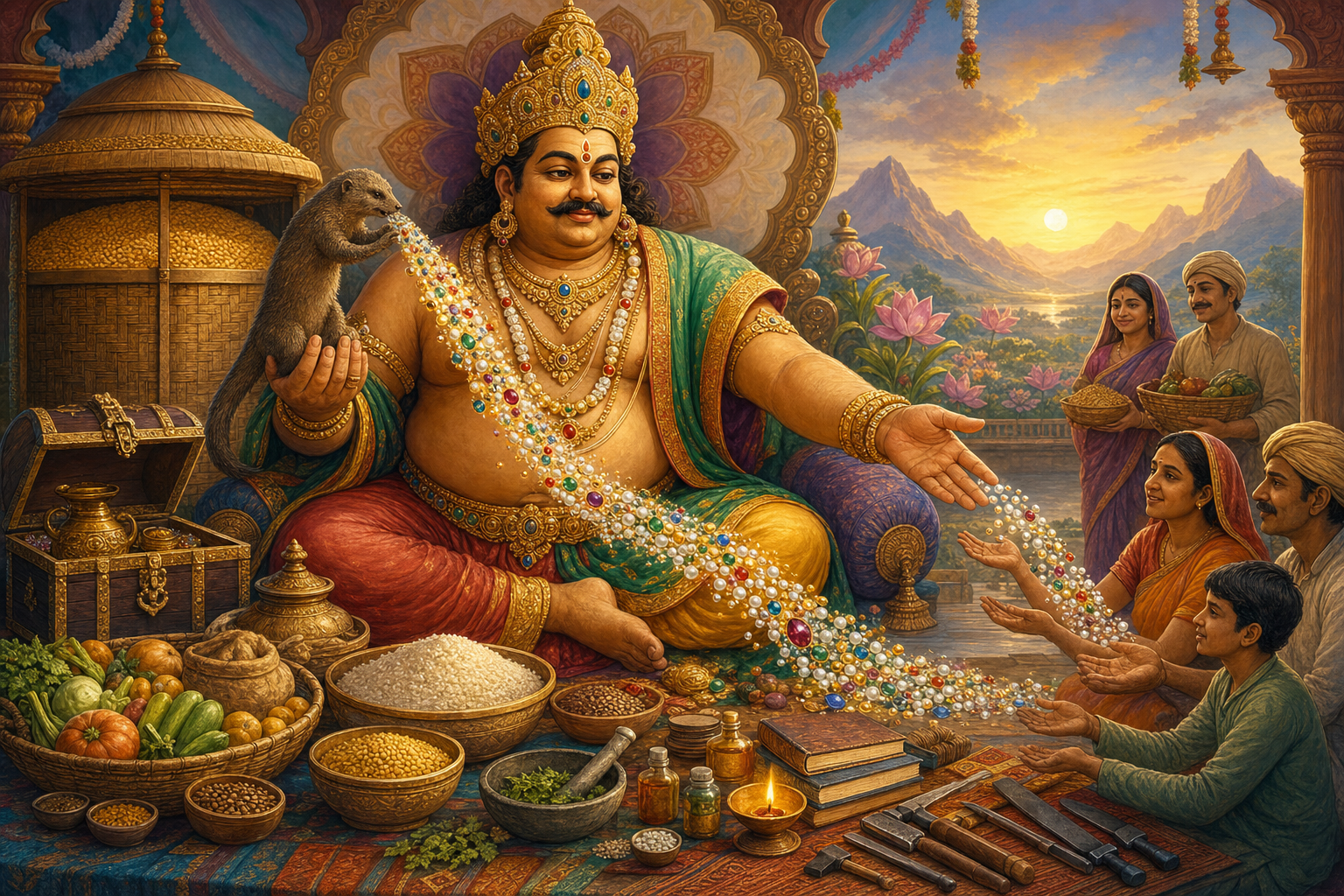
Kubera’s mongoose—often shown resting on his lap or spitting jewels—encodes a complete dharmic ethic of wealth: fearless guardianship, disciplined stewardship, and compassionate distribution. This long-form analysis decodes the iconography across Hinduism, Buddhism, and Jainism and shows how it resonates with Sikh ethics of seva. It explains why the mongoose signifies victory over hoarding and the…
-
Remembering Badrinarayan Swami: A Lasting Legacy of Hope, GBC Service, and Guru–Shishya Grace

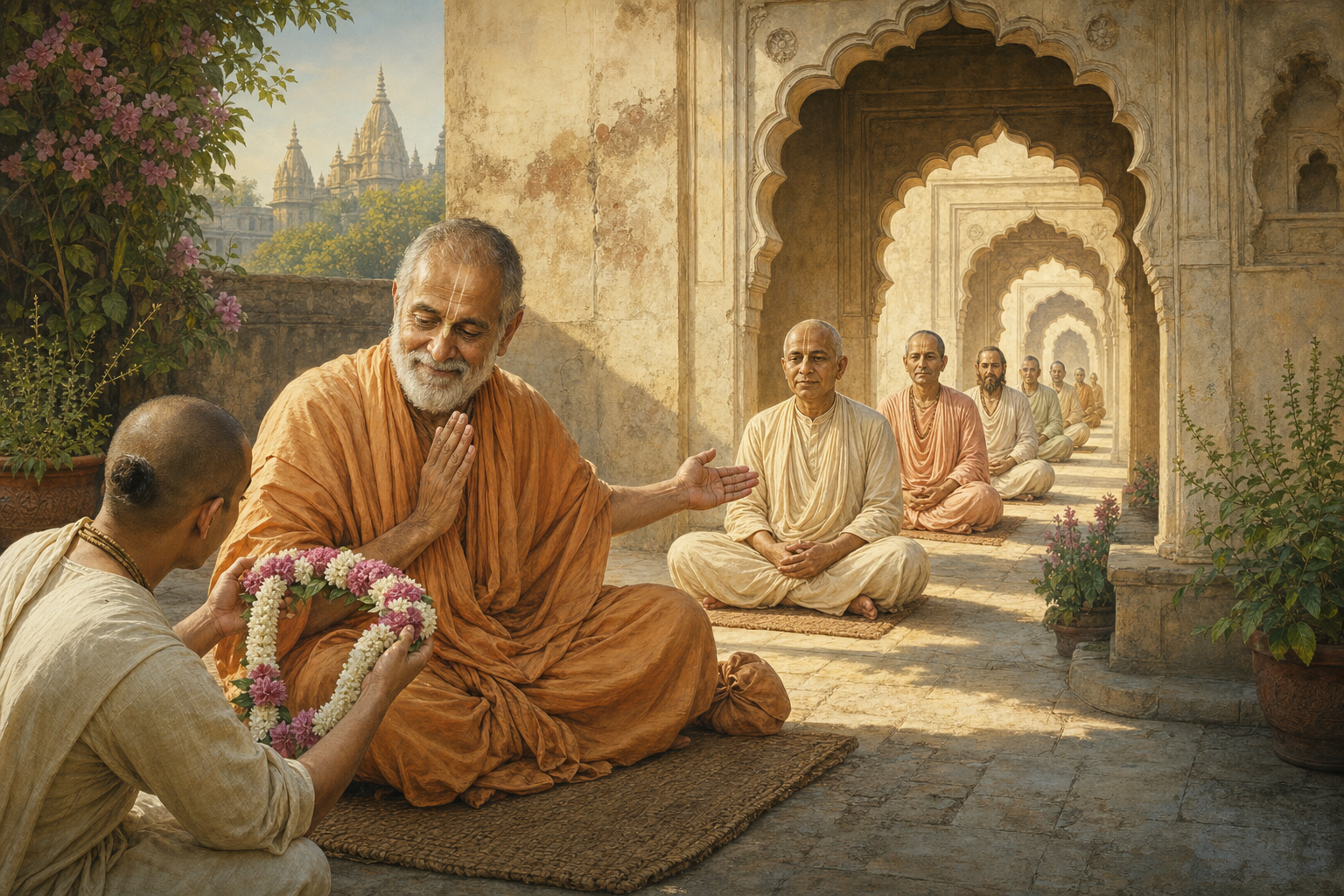
This tribute distills a remembrance of Badrinarayan Swami into practical insight on succession and spiritual leadership. It explains why a simple blessing—„Now I can peacefully die“—embodies generational trust and institutional resilience. Readers gain a clear overview of the GBC’s role within ISKCON and how governance aligns with the Guru–Shishya Relationship. The essay unpacks bhakti concepts…