
-
Agra Kalibari Temple: Living History, Miracle Pot Lore, and the Rhythm of Worship
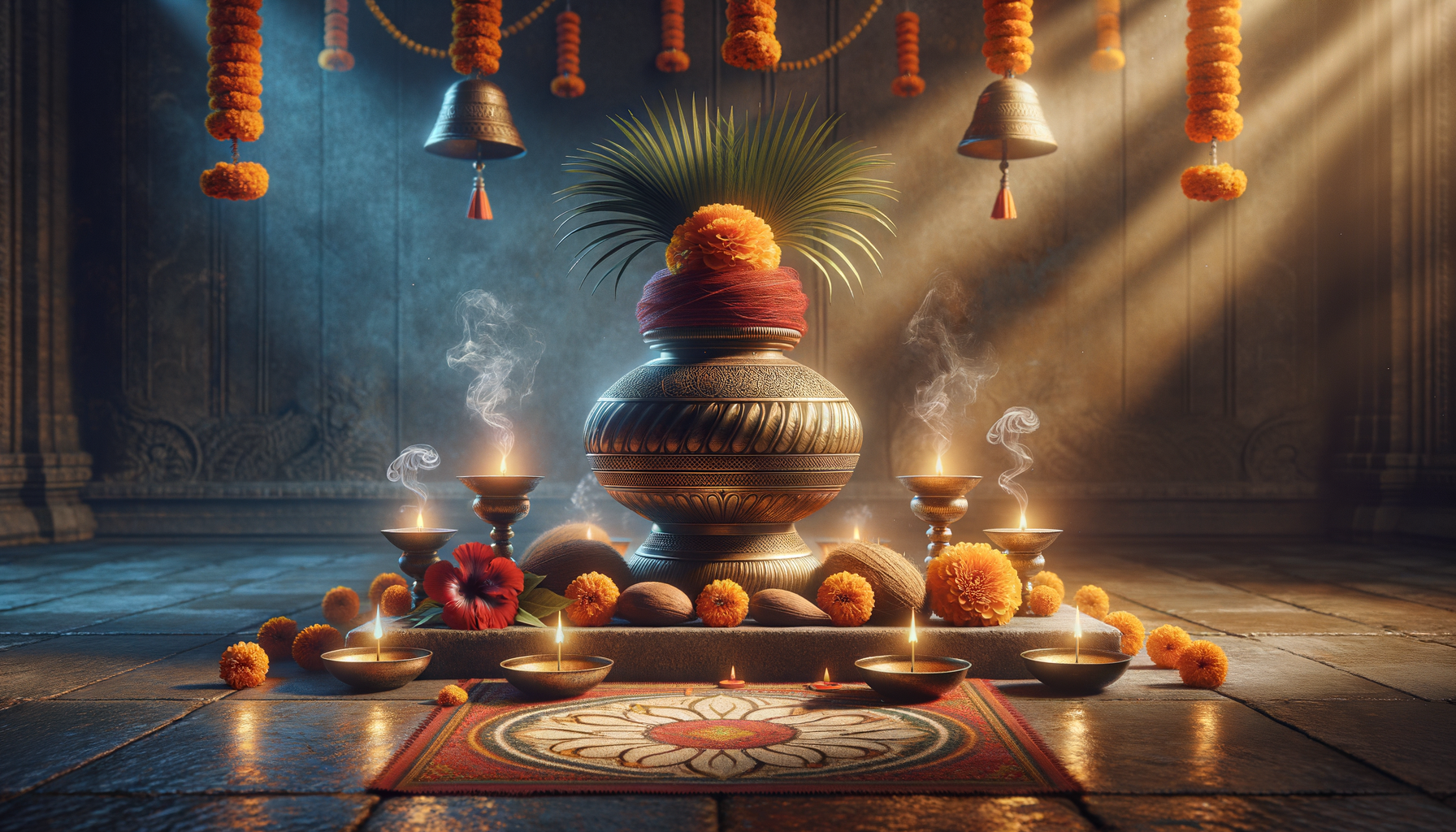
Agra Kalibari Temple in Uttar Pradesh offers a compelling blend of living history, devotional practice, and community memory. Oral narratives describe over two centuries of worship, with the cherished lore of a “miracle pot” symbolizing abundance and grace. The temple’s rituals—especially during Amavasya, Navaratri, and Kali Puja—foster focus, resilience, and gratitude. Sensory elements like incense…
-
Truth, Freedom, and Unshakeable Devotion: Insights on SB 10.1.58 from HH Devamrita Swami
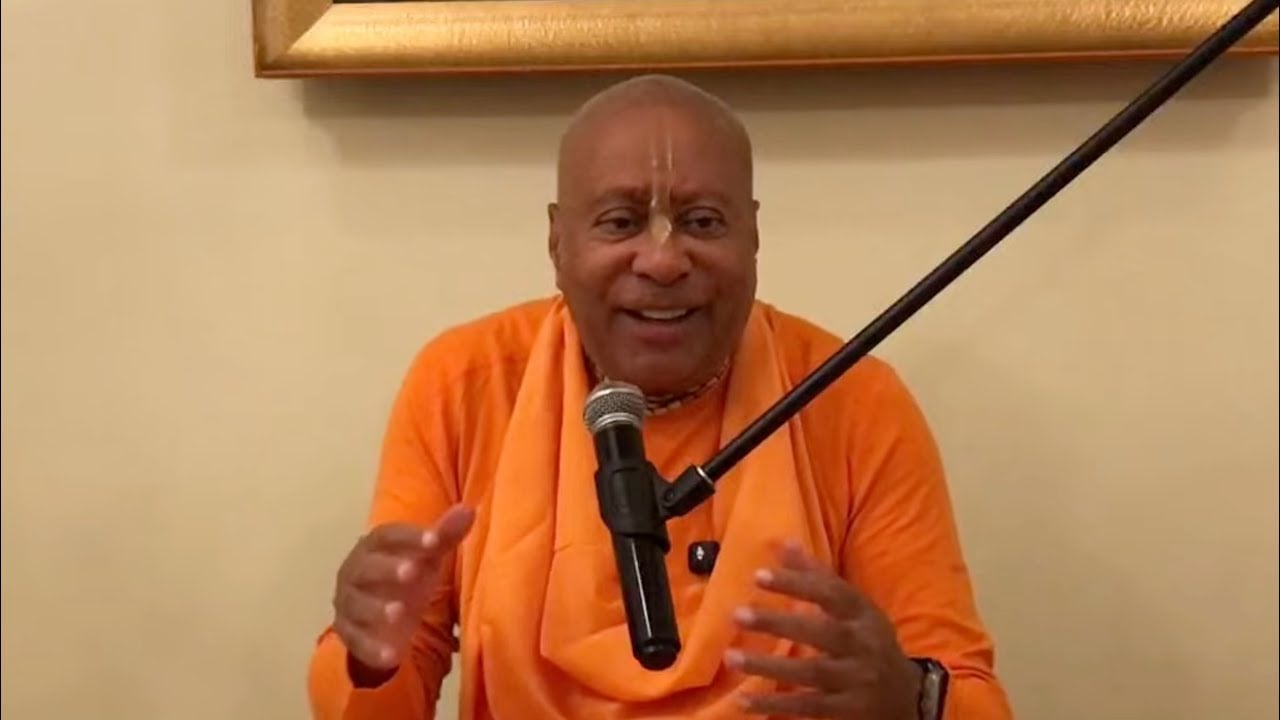
This reflection on Srimad-Bhagavatam (SB 10.1.58), drawn from a morning class by HH Devamrita Swami, distills four enduring lessons: truthfulness reduces avoidable suffering, spiritual realization fosters genuine freedom, ethical lapses erode boundaries, and devotion anchors life in purpose. Readers gain a clear framework for daily practice—speak truth kindly, simplify habits, serve others, and deepen scriptural…
-
Empowerment Prayers of Sukadeva Gosvami—HG Narayani Mataji on Living Bhagavatam

This lecture on Srimad Bhagavatam (Canto 2, Chapter 4, verses 11–17) explores Srila Sukadeva Gosvami’s empowerment prayers and the mood necessary to speak, hear, and live the Bhagavatam. It emphasizes humility and dependence on Krishna (Hrishikesha) as the foundation for meaningful spiritual communication. HG Narayani Mataji highlights how speech and action gain clarity through divine…
-
Success Sadhana 2026 Launch: Get Grounded in Equanimity with Bhagavad Gita’s Timeless Wisdom
The opening session of Success Sadhana 2026 focuses on equanimity and “getting grounded,” drawing on the Bhagavad Gita and Vedic wisdom for practical guidance. It presents sadhana as deliberate practice that elevates life beyond basic impulses toward a purpose aligned with dharma. Equanimity is framed as steadiness amid praise and blame, gain and loss, enabling…
-
Spirituality in Hinduism: Timeless wisdom to unlock the divine potential in every being
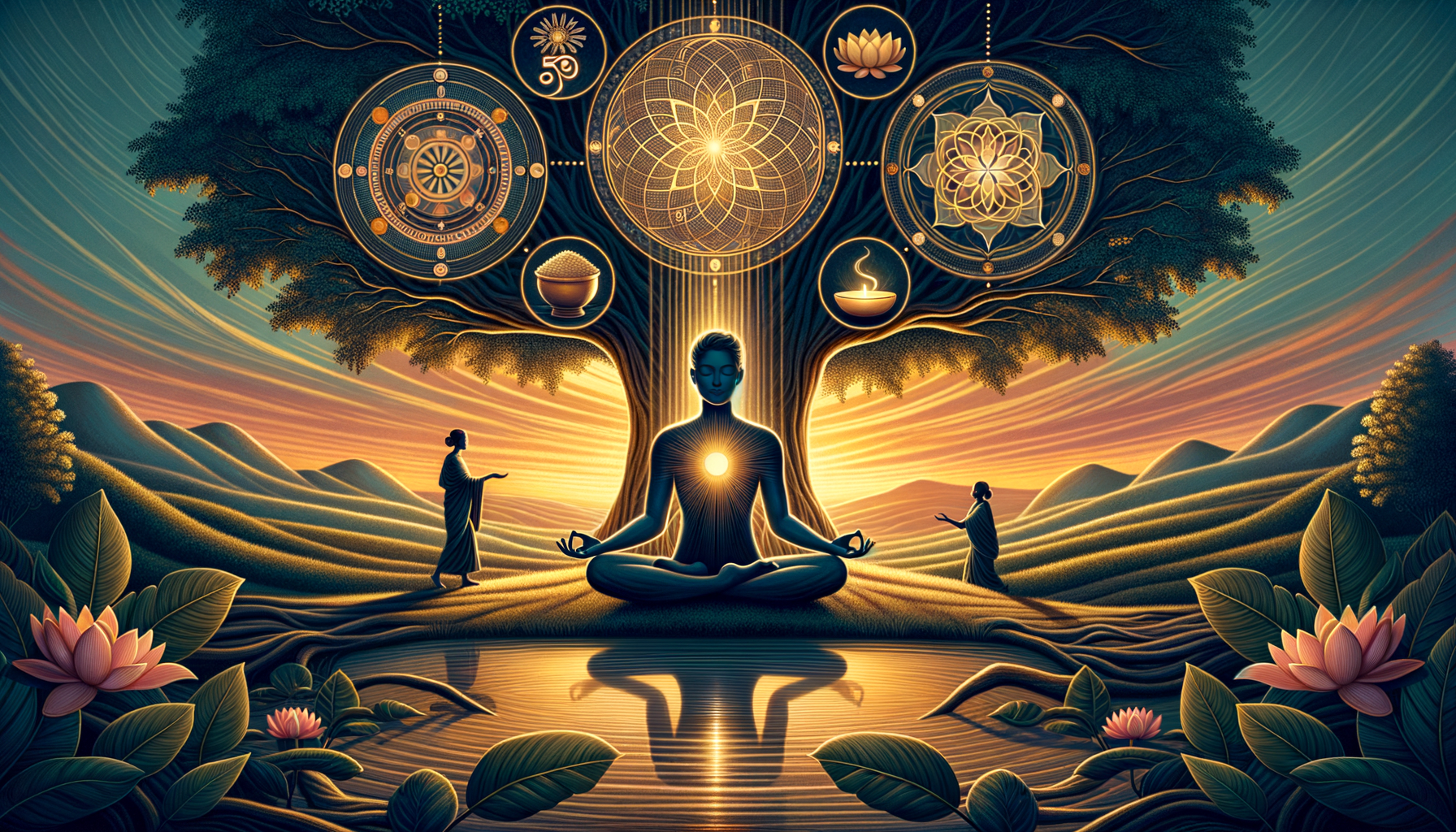
Hindu spirituality understands the “spiritual” as the intrinsic divinity (Atman) present in every being, a perspective rooted in the Upanishads and the Bhagavad Gita. It honors multiple authentic paths—jnana, bhakti, karma, and raja yoga—so seekers can grow according to their nature. Practical disciplines such as meditation, pranayama, mantra japa, and seva translate inner realization into…
-
Light and Shadow in the Heart: Dharmic Wisdom on Human Duality and Inner Harmony
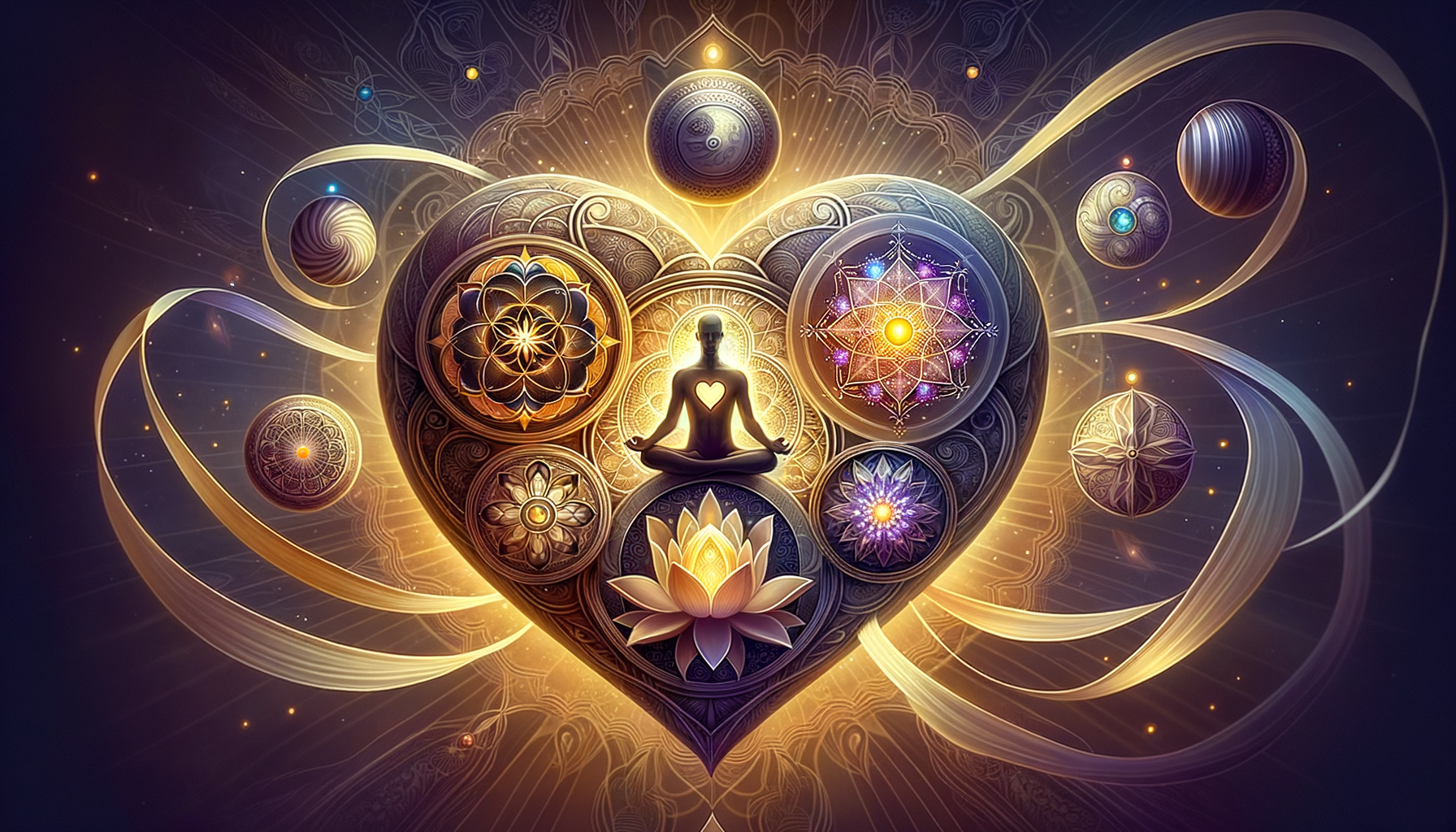
Dharmic traditions view the human heart as a dynamic interplay of light and shadow, emphasizing growth through accountability rather than moral absolutism. Hindu scriptures describe the guṇas and the contrast of daivī and āsurī qualities, while the Upanishads situate clarity in the Self beyond mental fluctuation. Buddhism’s Middle Way, Jainism’s Anekantavada, and Sikh reflections on…
-
From Sacrifice to Serenity: Ash Gourd Symbolism in Kali Temples and the Power of Ahimsa
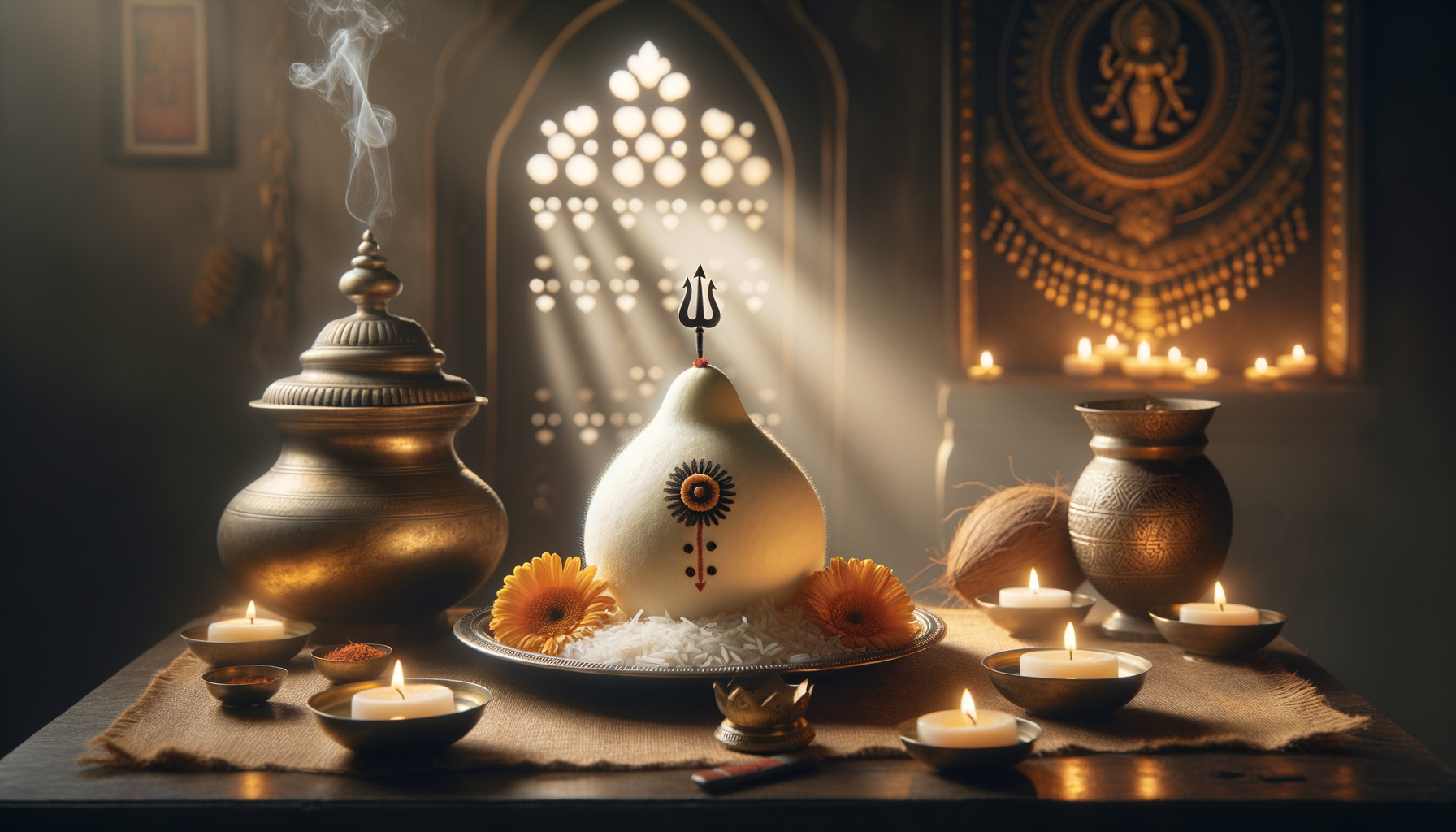
This post explores how ash gourd offerings in Goddess Kali temples serve as a non-violent alternative to animal sacrifice while preserving the intensity of Shakta ritual. It explains the ash gourd’s layered symbolism—purity, surrender, and inner transformation—and situates the practice within the broader dharmic ethos of ahimsa, karuna, and seva. Readers learn why communities increasingly…
-
January 18, 2026 Panchang: All‑Day Amavasya, Shukla Paksha Onset—Timings, Meaning, Mindful Planning

The Panchang for Sunday, January 18, 2026, marks Amavasya tithi for the entire day, continuing until 1:08 AM on January 19. Shukla Paksha Pratipada then begins and lasts until 1:59 AM on January 20. This transition from the no-moon day to the waxing phase offers a natural cue for reflection followed by steady, purposeful beginnings.…
-
Makara Rashi 2026: Powerful Auspicious Days, Shubha Muhurats, and Nakshatra Guidance

This guide explains how to identify auspicious days for Makara Rashi in 2026 using the Hindu Panchang—integrating Tithi, Vara, Nakshatra, Yoga, and Karana for clear, purpose-specific planning. It clarifies that Makara Rashi is determined by the Moon sign and Janma Nakshatra (Uttarashada 2–4, Shravana 1–4, Dhanishta 1–2), not Western Sun-sign dates. It offers a practical,…
-
Ashtabhuja Ganesh Mandir, Ramtek: A Soul-Stirring Sanctuary of Faith in Maharashtra

Ashtabhuja Ganesh Mandir in Ramtek, Maharashtra, is a renowned Lord Ganesha temple known for its devotional ambiance and cultural importance. The eight-armed (Ashtabhuja) form of Ganesha in the sanctum symbolizes wisdom, protection, prosperity, and compassion. Pilgrims often describe the darshan as a calming experience that strengthens intention and gratitude. Festival observances such as Ganesh Chaturthi…
-
Kiratamurti Unveiled: Shiva as Hunter Grants Arjuna the Pashupatastra in Mahabharata
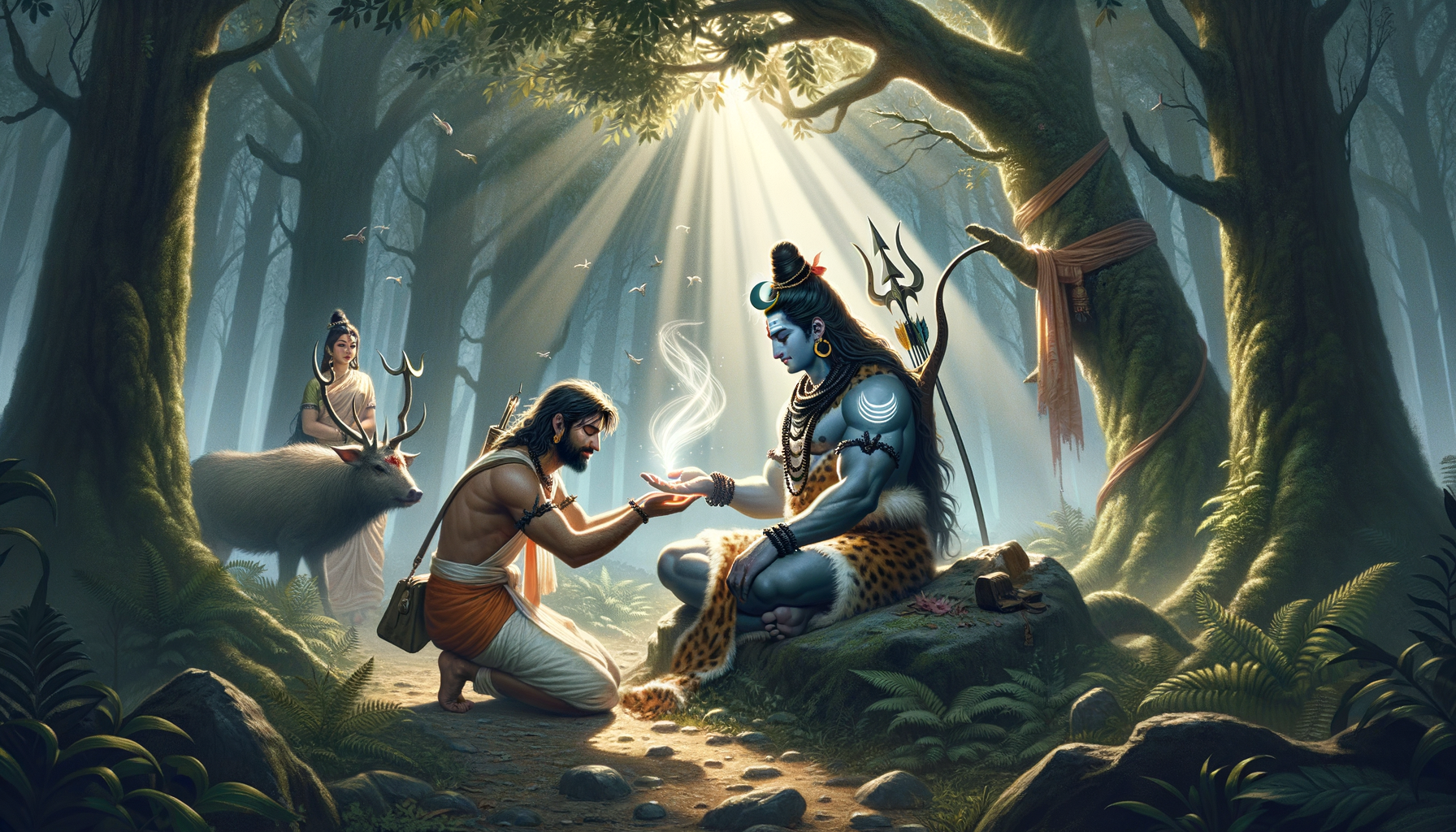
Kiratamurti, the manifestation of Shiva as a hunter, illuminates a defining episode in the Mahabharata where Arjuna receives the Pashupatastra after a test of humility and valor. The narrative demonstrates how tapasya and devotion attract divine grace. It also underscores the ethical governance of power, as even a supreme weapon must be guided by dharma.…
-
Kumbha Rashi 2026 Auspicious Days: Panchang Guide for Clarity, Confidence, and Harmony

Kumbha Rashi (Aquarius), the 11th sign in Hindu Astrology, draws its strength from Dhanishta (3–4), Shatabhisha (1–4) and Purvabhadra (1–3). In 2026, auspicious days are best identified through a location-specific Panchang, considering Tithi, Nakshatra, Yoga, Karana, weekday, and the Moon’s transit. A practical approach prioritizes Shukla Paksha, supportive Tithis, and favorable Nakshatras, while avoiding Bhadra…
-
Meena Rashi 2026: Auspicious Days and Nakshatra Insights to Time Success and Peace

Meena Rashi 2026 auspicious days can be approached through a clear Jyotisha framework that blends Tithi, Nakshatra, Yoga, Chandra Bala, and Tara Bala with thoughtful muhurta selection. Meena comprises Purvabhadra (4th quarter), Uttarabhadra (1–4 quarters), and Revathi (1–4 padas), with Nakshatra lords Guru, Shani, and Budha shaping timing nuances. Using a regional Panchang to note…
-
Rama’s Kalas and the Purpose of Avatars: Why the Number Matters Less Than Dharma

The discussion about whether Sri Rama manifested ten or sixteen kalas is best understood as symbolic theology rather than a literal metric of divinity. In many Vaishnava traditions, Rama’s purpose as Maryada Purushottam is to model ideal human conduct, hence a deliberate veiling of full cosmic potency. This academic reflection situates kalas within Hindu philosophy…
-
Ekapada Shiva Unveiled: The One‑Footed Cosmic Axis in Ancient Hindu Temple Iconography
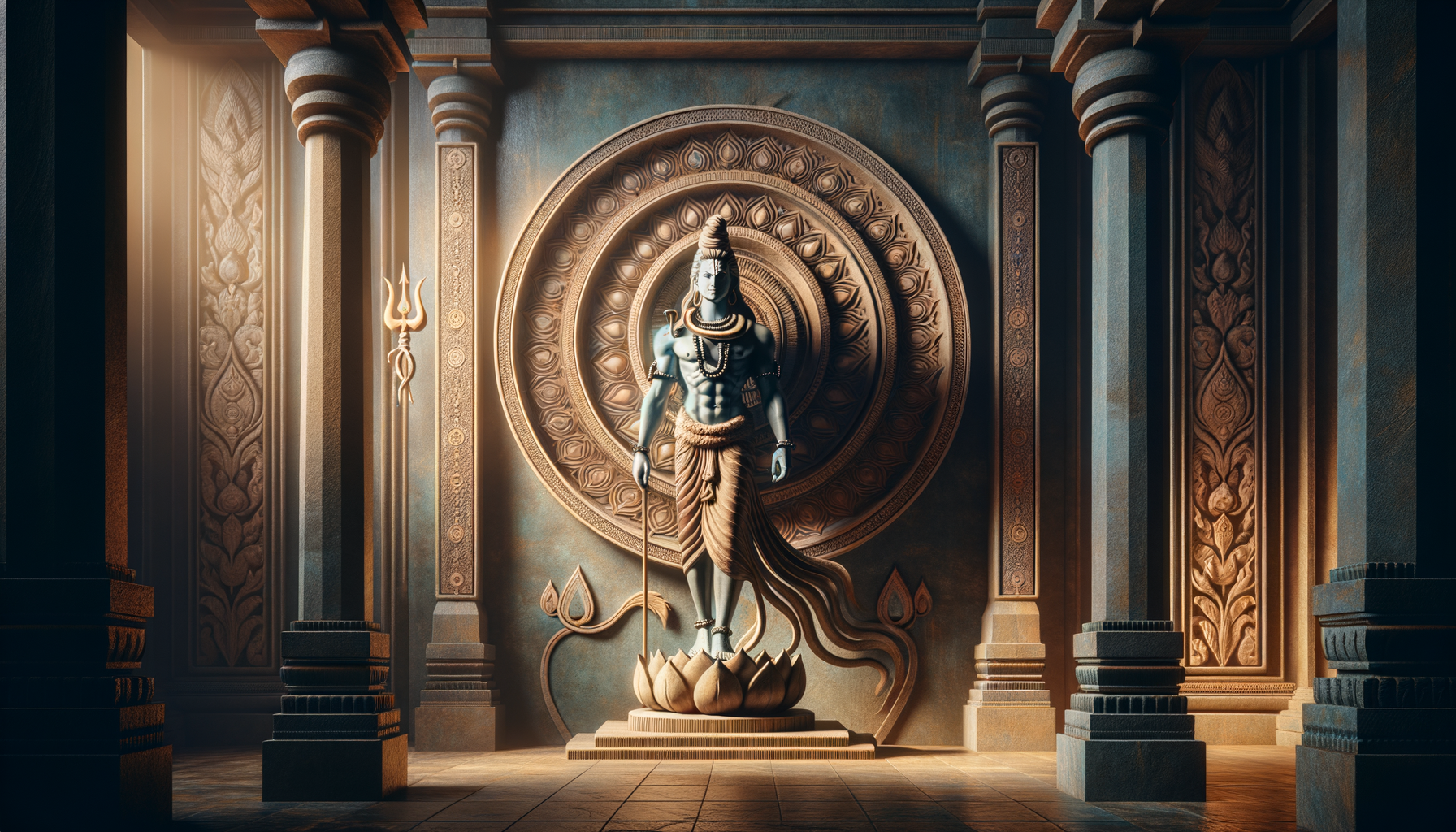
Ekapada Shiva (Ekapada Murthy) embodies Lord Shiva as the one-footed axis that sustains cosmic order. The single leg symbolizes the skambha, conveying steadiness, one-pointed concentration, and the yogic ideal of inner stillness. Found in select temples—especially in Odisha—and a few ancient Shiva sites across India, this rare icon deepens understanding of Hindu temples and sacred…
-
Pongal 2026 Muhurtham Guide: Surya Sankramana 3:07 PM (Jan 14) and 4-Day Ritual Plan

Pongal 2026 centers on Makara Sankranti, with Surya Sankramana recorded at 3:07 PM on 14 January 2026 as per standard Tamil calendars. This guide explains how to align Thai Pongal Pooja Muhurtham with that moment, while emphasizing that specific auspicious windows should be confirmed via a local Panchang. It outlines the four-day observance—Bhogi, Thai Pongal,…
-
Kotavde, Ratnagiri: Protests, Panchayat Action Close Halal Outlet Near Shri Mahalakshmi Temple

A Halal Chicken Centre near the Shri Mahalakshmi Temple in Kotavde, Ratnagiri closed after peaceful community protests and prompt Gram Panchayat intervention. The action, taken to maintain temple sanctity, showcases how local governance can defuse tension through due process. The episode highlights the value of clear planning norms around places of worship and transparent licensing.…
-
Beyond the Body: Resilience, Intuition, and Quiet Power in Dharmic Wisdom
Dharmic wisdom teaches that real strength emerges from within, not from physical appearance. By viewing the body as an instrument rather than ultimate identity, practitioners across Hinduism, Buddhism, Jainism, and Sikhism cultivate resilience, intuition, and love. Meditation, mindfulness, samayik, simran, Yoga, and Karma Yoga refine attention and character. This inner discipline develops a quiet power—calm,…
-
Vibhishana and Vikarna: Defiant Voices of Dharma Over Blood in India’s Epics

Vibhishana and Vikarna exemplify moral courage in India’s epics, choosing dharma over kinship and expedience. Vibhishana’s reasoned counsel to Ravana and subsequent alignment with Rama reflect fidelity to righteous order, not betrayal. Vikarna’s protest in the dice hall articulates truth amid power, even as his later choices reveal the tragic weight of duty. Together, they…
-
Disturbing Stone-Pelting in Bengaluru: Two Women Injured, FIR Filed, Calls for Peace

Two women were injured after stone-pelting targeted a Hindu religious procession in Chamarajpet, Bengaluru. Police have detained three minors and registered an FIR, with due process expected to follow child-protection norms. Residents and community leaders are urging calm, emphasizing ahimsa and mutual respect across dharmic traditions. Practical steps—route coordination, volunteer marshals, CCTV, first-aid readiness, and…