
-
Guardian of Sikh Heritage, Trailblazer in Conservation Science: A Life of Seva and Stewardship

This profile presents a rigorous yet compassionate model that unites conservation science with Sikh heritage stewardship. Readers gain a clear framework for protecting sarovars, Gurdwaras, manuscripts, and intangible practices such as kirtan, langar, and seva. The approach pairs ecological surveys and preventive conservation with oral histories and community training, making care both evidence-based and accessible.…
-
Beyond Dogma: How Losing Faith Rebuilt Meaning, Spiritual Wellness, and True Aliveness

A life built on compliance unraveled after divorce and family rupture, revealing not only depression but a deeper spiritual unwellness. Through surrender and grounded practices—therapy, yoga, meditation, journaling, community, and carefully held psychedelic work—personal meaning was rebuilt from the inside out. Ordinary moments became sacred through honesty, embodiment, and presence. The narrative illustrates why spiritual…
-
Dharma Beyond Black and White: Hindu Ethics Across Time, Circumstance, and Consequence

Hindu philosophy treats ethics as a disciplined, context-sensitive inquiry rather than a fixed rulebook. Grounded in dharma and guided by deśa–kāla–pātra, it balances intention, action, and consequence while honoring ahimsa, satya, svadharma, and lokasaṅgraha. Epic teachings from the Mahabharata and the Bhagavad Gita model how to act responsibly without attachment to outcomes. Parallels from Jain…
-
Goddess Yellamma’s Black Head: Powerful Symbol of Unity Beyond Caste, Class, and Creed

The black head of Goddess Yellamma (Renuka Devi) functions as an aniconic focus for compassion and unity, revered across Karnataka, Maharashtra, and Telangana. Rooted in narratives of beheading and restoration, the motif dissolves rigid social boundaries and affirms dignity for all. The black hue symbolizes all-embracing grace and fierce protection, aligning with Shakta theology. Pilgrim…
-
Advaita Siddhi vs. Nyayamrita: A Powerful, Unifying Inquiry into Truth in Vedanta

Advaita Siddhi, authored by Madhusudana Saraswati, engages Vyasa Tirtha’s Nyayamrita as a rigorous, constructive dialogue within Advaita Vedanta. The exchange centers on satya and pramana, clarifying how truth is discerned and communicated. Rather than fueling rivalry, it models how philosophical critique can refine understanding for all schools. Readers gain habits of patience, careful listening, and…
-
Mahanubhav Sampradaya: 13th-Century Origins, Key Differences, and Transformative Teachings

This introduction to the Mahanubhav Sampradaya situates the tradition in 13th-century Maharashtra and the wider Bhakti movement, highlighting Shri Chakradhar Swami’s role and the veneration of five gurus. Readers gain a clear overview of its important teachings—Bhakti, ethical discipline, simplicity, and inclusivity—and how these shape daily practice. The article clarifies key differences from other Bhakti…
-
Bhojavritti on Patanjali’s Yogasutra: A Brilliant Royal Exegesis Illuminating Yoga Philosophy
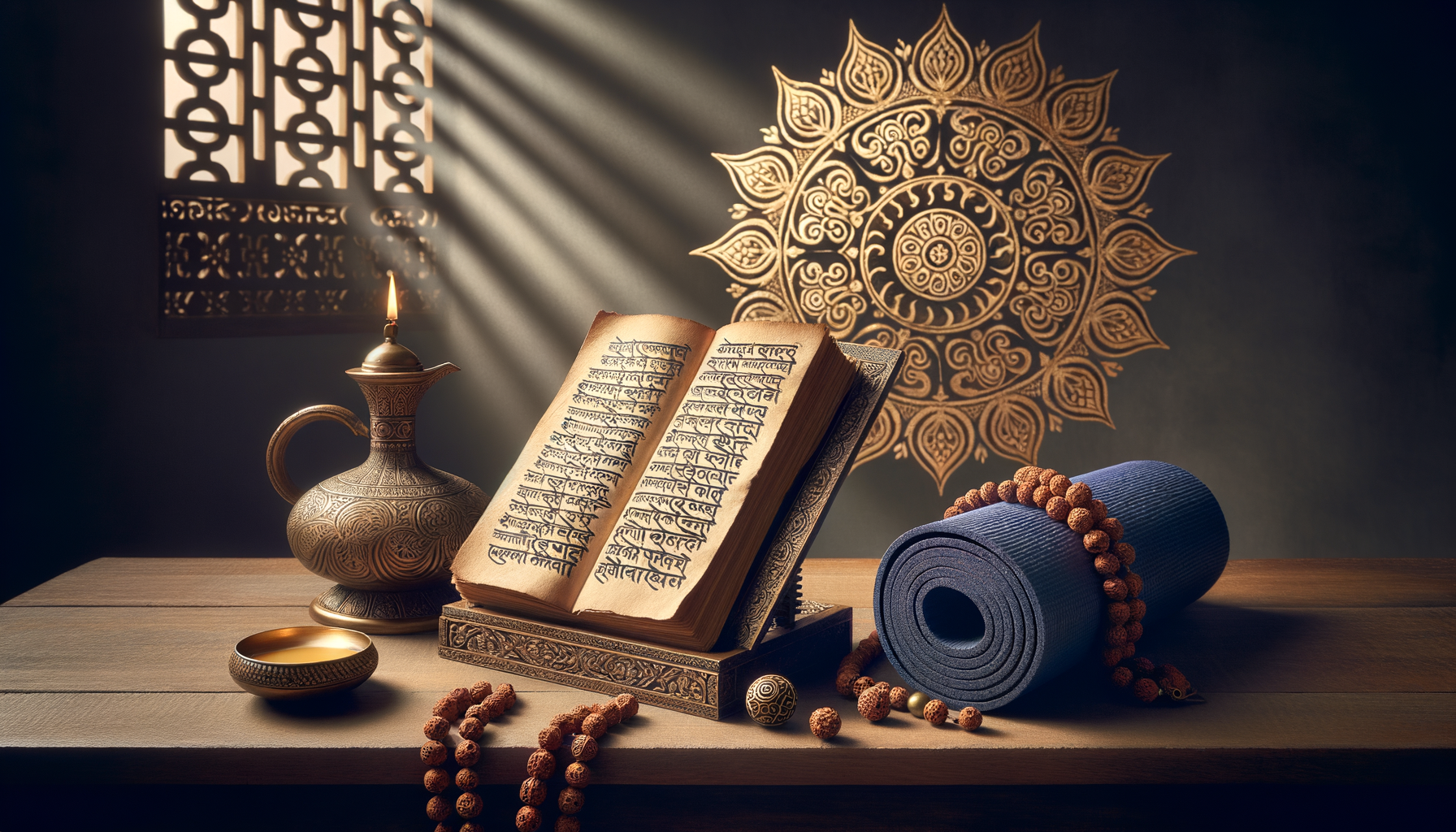
Bhojavritti (Rajamartandavritti) is a lucid and faithful Sanskrit commentary on Patanjali’s Yogasutra by Bhoja, the versatile king of Malava (1018–60 CE). It clarifies the internal meaning of the sutras while preserving their precision, making complex ideas accessible to careful readers. Drawing on Bhoja’s broad learning—from Ayurveda to governance—the work illuminates Yoga’s ethical, psychological, and contemplative…
-
Historic Miami’s First Ratha Yatra of 2026: ISKCON Chariot Ignites Coconut Grove Parade

ISKCON Miami inaugurated the city’s first Ratha Yatra of 2026 within Coconut Grove’s 41st Annual King Mango Strut Parade, bringing the Jagannath chariot and devotional chanting into a lively civic setting. The event showcased Hindu cultural celebrations in an accessible, family-friendly format that invited participation from residents and visitors. By foregrounding compassion, service, and shared…
-
SB 7.10.12: Nṛsiṁhadeva and Prahlāda’s Fearless Devotion—Timeless Lessons on Surrender

SB 7.10.12, set within the Nṛsiṁhadeva–Prahlāda pastime, offers a clear and compelling synthesis of pure devotion, courageous surrender, and compassionate leadership. The narrative transforms fear through spiritual shelter, guiding seekers toward inner steadiness and ethical action. Its insights are practical: remembrance of the Divine, scriptural study, association with the virtuous, and conscientious conduct. Emotionally, the…
-
Unraveling Jayadeva Goswami: A Shaka-Era Luminary, Birthplace Debates, and Devotional Legacy
Sri Jayadeva Goswami, a luminary of the Bhakti tradition, is situated by scholars in the 11th–12th centuries of the Shaka era, a transformative period for Indian devotional culture. His birthplace remains debated—Kendubilva in Birbhum (Bengal) holds the majority view, while Odisha and South India preserve alternative traditions. Rather than a contradiction, these claims reveal the…
-
IIT Delhi Conference on Hindutva Highlights Inclusiveness, Dharmic Unity, and Global Peace
A national conference at IIT Delhi on 9 January 2026 examined the eternal relevance of Hindutva through an academic lens centered on dharma, inclusiveness, and constitutional pluralism. Sessions emphasized unity in diversity across Hinduism, Buddhism, Jainism, and Sikhism, drawing on anekantavada and ahimsa to model respectful, evidence-based dialogue. Attendees reported a campus climate that encouraged…
-
Beyond Attachment, Fear, and Anger: Dharmic Wisdom to Unblock Moral and Spiritual Growth

Hindu philosophy explains how attachment, fear, and anger undermine moral clarity and spiritual growth, and it offers precise remedies grounded in the Bhagavad Gita, the Upanishads, and classical yoga. Fearlessness, non-grasping, and disciplined attention are presented as practical virtues, not abstractions. Shared insights across Buddhism, Jainism, and Sikhism reinforce a unifying dharmic approach that transforms…
-
Kushmanda: Unveiling the Cosmic Creative Power of Durga and Its Life-Shaping Symbolism

Kushmanda, the fourth manifestation of Goddess Durga, is honored as the creative force that brings the universe into being. Her name evokes the primordial warmth that animates the cosmic egg (Brahmanda), linking metaphysical insight with practical devotion. In Navaratri worship, Kushmanda symbolizes new beginnings, inner vitality, and disciplined compassion. Iconography portrays her as Ashtabhuja, radiating…
-
Rama’s Radiant Restraint: How the Ramayana Redefines Heroism Beyond Brutal Force

Popular culture often equates heroism with dominance, yet the Ramayana presents a higher ideal: power disciplined by restraint. Rama demonstrates that true courage is self-mastery first and calibrated action second, aligning kshatra dharma with ahimsa. Episodes such as the Kākāsura incident, the acceptance of Vibhīṣaṇa, and compassion after victory show justice without cruelty and strength…
-
Goddess Tara at Tarapith: Decoding the Divine Symbolism of the Twin Murti Forms

Tarapith Temple in West Bengal venerates Goddess Tara through two complementary images—an aniconic essence and an anthropomorphic Murti—offering a layered experience of darshan. The maternal icon of Tara nursing the infant Shiva symbolizes compassionate wisdom sustaining consciousness. Cremation ground motifs and skull garlands invite reflection on impermanence and fearlessness, common themes in Shakta Tantra. Rituals…
-
January 16, 2026 Panchang: Trayodashi to Chaturdashi at 10:10 PM — Timings, Meaning, Reflection

Friday, January 16, 2026 features Krishna Paksha Trayodashi in most regions until 10:10 PM, followed by Krishna Paksha Chaturdashi. The day’s progression supports calm routines, mindful reflection, and a gentle close to the lunar fortnight. Observers often note that Trayodashi encourages steadiness, while Chaturdashi deepens inward focus ahead of Amavasya. Key elements such as Nakshatra,…
-
Auspicious Days 2026 for Vrischika Rashi: Essential Nakshatra Guidance and Panchang Tips

Vrischika Rashi’s auspicious days in 2026 are guided by its Nakshatra anchors—Visakha (4th quarter), Anuradha, and Jyeshta—and by classical Panchang factors. Readers can use a reliable Hindu calendar to track Moon transits and identify supportive Tithi, Yoga, and Karana combinations. Planning key milestones during these aligned windows often brings steadiness, clarity, and confidence. Practical applications…
-
Auspicious Days for Dhanu Rashi in 2026: Practical Guidance for Rituals, Travel, and New Beginnings

This academic guide explains how to identify Auspicious Days for Dhanu Rashi in 2026 using the Panchang, without relying on a one-size-fits-all list. It clarifies the Dhanu Rashi linkage to Moola, Purvashada, and the 1st Pada of Uttarashada, and shows how tithi, nakshatra, yoga, karana, and weekday interplay to create Shubh Muhurat. Readers learn a…
-
Exposing Hinduphobic Tropes: Media Framing of Sai Baba, Maduro, and India’s Colonial Hangover

This analysis examines how Nicolás Maduro’s detention in New York reignited discussion of his spiritual ties to Sri Sathya Sai Baba and how mainstream coverage often frames Hindu and broader dharmic traditions through exoticizing or derisive tropes. It critiques racialized descriptors and the trigger word “Godman,” showing how such language primes readers toward suspicion rather…
-
Madras HC Bans ‘Scandalous’ Book Targeting Judge, Safeguards Karthigai Deepam Verdict

Madras High Court has banned a “scandalous” book that targeted a judge linked to the Stone Pillar Karthigai Deepam verdict at Thiruparankundram. The court found the publication contemptuous for undermining public confidence in the judiciary. The decision reaffirms that critique of judgments is legitimate, but vilifying judges erodes the rule of law. By doing so,…