
-
Mesha Rashi Chandrashtama 2026 Explained: Ashtama Chandra Timing, Effects, and Calm Remedies
This guide clarifies what Chandrashtama (Ashtama Chandra) means for Mesha Rasi in 2026 and explains how to identify the timing when the Moon transits the eighth house from the natal Moon. It notes the composition of Mesha RasiAshwini Nakshatra, Bharani Nakshatram, and Krittika Nakshatra 1st padaand situates the practice within Hindu astrology. A clear, Panchang-based…
-
Magha Masa 2026 in the Kannada Calendar: Sacred Dates, Rituals, and Shiva Puja Insights

Magha Masa 2026 in the Kannada calendar runs from 19 January to 17 February, a revered span for Shiva Puja and Magha snana. The month emphasizes discipline, purity, charity, and mindful living, aligning with dharmic values common to Hinduism, Buddhism, Jainism, and Sikhism. Core observances include dawn bathing, Rudrabhisheka, Monday vows, mantra recitation, and simple…
-
Chollangi Amavasya 2026: Experience the Sacred Godavari–Sea Confluence on Pushya Amavasya

Chollangi Amavasya in 2026 falls on January 18, aligning with Pushya Masa Amavasya, the No Moon day in Pushya masam. Observed at the sacred confluence where the River Godavari meets the Bay of Bengal (Bangala Khatham), the day invites reflection, gratitude, and ancestral remembrance. Devotees traditionally perform snana, sesame-based tarpan, deepa lighting, parayana, and daan,…
-
TTD January 2026 Festivals: Sacred Schedule, Darshan Tips, and Devotional Highlights at Tirumala

January 2026 at Tirumala Tirupati Devasthanam offers a continuous rhythm of worship, with daily temple rituals and special utsavams setting a sacred tone for the new year. Pilgrims can anticipate Makara Sankranti 2026 and, where applicable per the official calendar, Vaikunta Ekadashi, alongside monthly tithis and Pradosh observances. The pre-dawn ambiancemarked by mantras, bells, and…
-
Tiruchanur Padmavathi Ammavari Temple: Sacred January 2026 Festival Guide and Devotional Highlights
Tirumala Tirupati Devasthanams (TTD) has outlined January 2026 observances for the Tiruchanur temple group, centered on Sri Padmavathi Ammavari Temple. Notably, Sri Balarama Krishna Swamy Temple will mark Rohini on January 1 and January 28. This guide helps visitors plan schedules, anticipate crowds, and prepare for darshan with clarity. Practical tipsearly arrival, advance lodging in…
-
Magha Masam 2026 (Telugu Calendar): Auspicious Dates, Shiva Worship, and Sacred Practices

Magha Masam 2026 in the Telugu calendar spans 19 January to 17 February, a period widely honored for intensified Shiva worship and disciplined practice. The month’s core observances include Magh Snan, Mauni Amavasya, and Maghi Purnima, with devotees emphasizing prayer, japa, and dana. Families often consult the Telugu Panchangam to align vrata and temple visits…
-
Kanchi Kamakoti Peetham January 2026: Inspiring Guide to Vishesha Pujas and Festivals
This January 2026 guide to Kanchi Kamakoti Peetham in Kanchipuram clarifies how regional calendars align for Poush/Magh and Pushya/Magha observances. It explains what devotees can typically expect during Vishesha Pujas and major tithis in this spiritually active month. Readers gain planning tips for Makara Sankranti 2026 and Pongal 2026 dates, when crowds and rituals peak.…
-
Sankashti Chaturthi January 2026: Auspicious Date, Ritual Guide, and Peaceful Blessings

Sankashti Chaturthi in January 2026 falls on Tuesday, 6 January, a day considered highly auspicious for Ganesha Pujan. It aligns with Poush Month in Amavasyant calendars (Maharashtra, Gujarat, Karnataka, Telangana, Andhra Pradesh) and with Magh Month in Purnimant systems. Observance includes fasting from sunrise to moonrise, offering durva and modak, and reciting sacred texts such…
-
Shubh Muhurat January 2026: Auspicious Days and Timings for Confident, Harmonious Starts

This guide presents general Shubh Muhurat guidance for January 2026, highlighting auspicious days and timings for everyday tasks. It explains how to use the Hindu calendar (Panchang) and why local sunrise-based calculations matter for accuracy. Readers learn practical cues: favor Abhijit Muhurat for concise starts and avoid Rahu Kalam, Yamaganda, and Gulika Kalam. The approach…
-
Anyonyashraya Demystified: Avoid the Mutual Dependence Trap in Dharmic Reasoning
This article clarifies Anyonyashraya, the fallacy of mutual dependence, and distinguishes it from Anyonya Abhava (reciprocal negation) in Hindu philosophy. It explains how tarka (disciplined deliberation) exposes circular justification and safeguards sound reasoning. Everyday examples make the concept relatable and easier to spot in conversations and study. The discussion situates Anyonyashraya within Indian logic alongside…
-
Pradosh Kaal Bhojan: Sacred Twilight Discipline in Ancient Hinduism for Mindful Eating
Pradosh Kaal Bhojan is an ancient Hindu practice of eating once daily within the Pradosh periodsix ghatikas (about 144 minutes) after sunsetframing nourishment as a mindful, sacred act. The twilight interval, long revered in Hindu traditions, invites quiet reflection, gratitude, and simplicity. This practice resonates with shared dharmic values found across Buddhism, Jainism, and Sikhism,…
-
Kulluka Bhatta’s Manvarthamuktavali: A Brilliant Beacon in India’s Dharmashastra Heritage

Kulluka Bhatta’s Manvarthamuktavali shaped how generations interpret the Manusmriti, blending Mimamsa hermeneutics and Nyaya reasoning to clarify a foundational Dharmasastra text. Situated in Varendra Bengal and remembered as the son of Bhatt-ivakara, Kulluka’s biography points to vibrant medieval Sanskrit networks. His commentary stabilized a widely read recension, influenced later editions and translations, and refined debates…
-
Compassion Without Boundaries: BB Govinda Swami on Sri Chaitanya and Srila Prabhupada
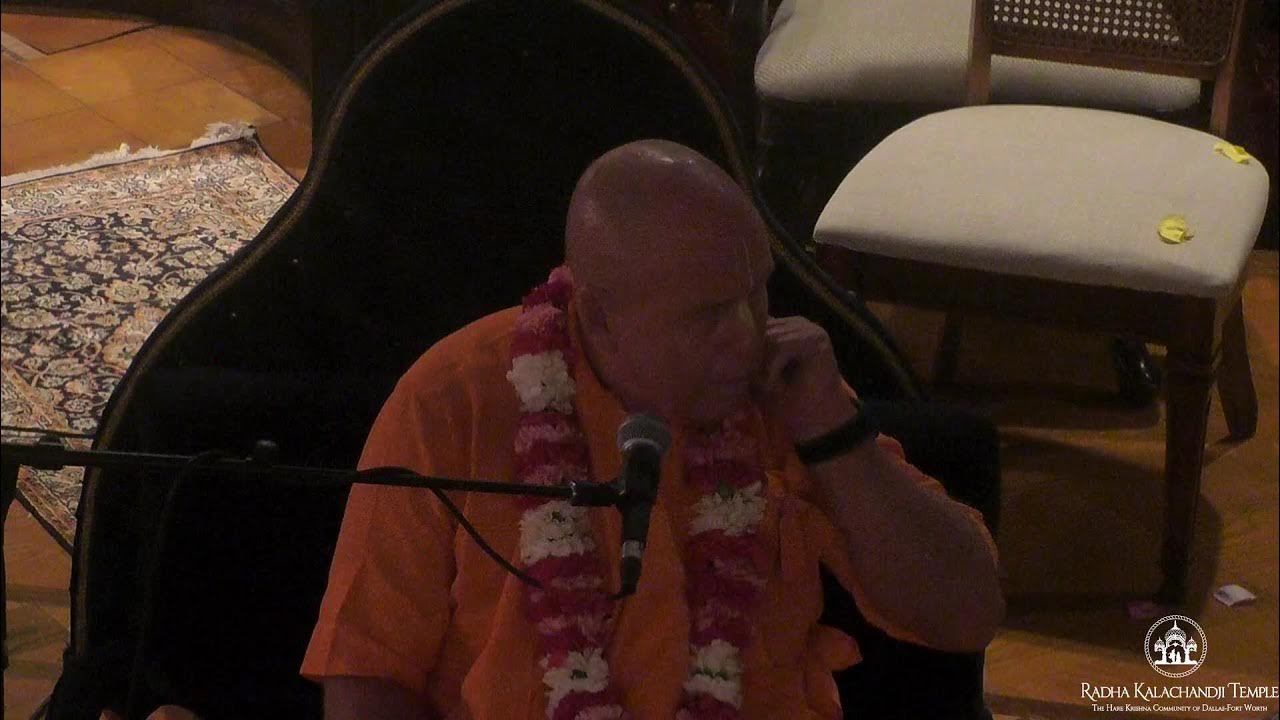
This article distills BB Govinda Swami’s presentation on the boundless compassion and inclusiveness modeled by Sri Chaitanya Mahaprabhu and Srila Prabhupada. It highlights how classical narrativessuch as the deliverance of Jagai and Madhai and the healing of the leper Vasudevademonstrate spiritual equality and dignity in practice. The discussion shows how ISKCON operationalized these ideals globally,…
-
Taming the Unruly Mind: Dharmic Reflections on Guidance and Grace at ISKCON Vrindavan
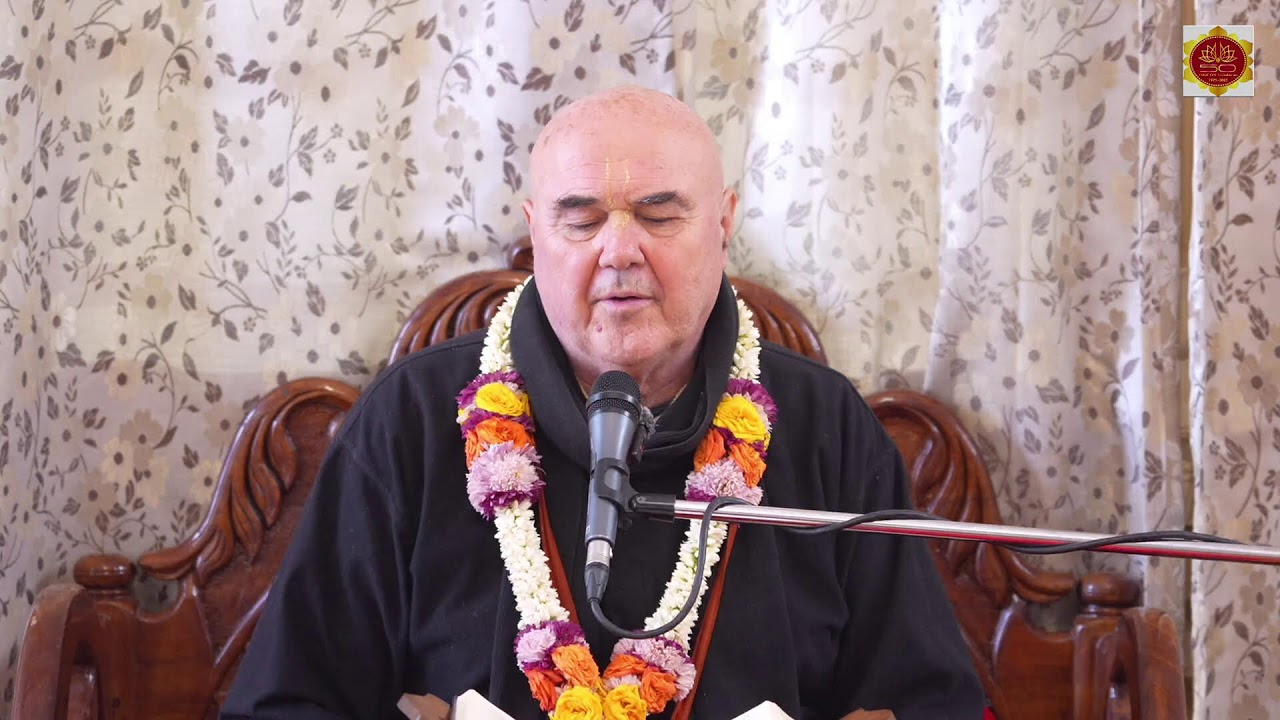
A classic teaching shared at ISKCON Vrindavan on 01.01.2025, associated with HG Pancha Gauda Prabhu, portrays the mind as an impetuous horsedifficult to master without ethical grounding and wise guidance. The reflection shows why technique alone, such as breath control, can falter without a trusted teacher and supportive community. It highlights how Hinduism, Buddhism, Jainism,…
-
Why the Upanishads Endure: A Fearless Quest for Truth and Unity Across Dharmic Paths

The Upanishads endure because they transform truth into a fearless, lifelong quest rooted in rigorous inquiry and contemplative depth. Unbound by dogma, they cultivate clarity through dialogue, discernment, and lived insight. Their openness to multiple paths aligns with unity across Dharmic traditionsHinduism, Buddhism, Jainism, and Sikhismwithout erasing distinct perspectives. Readers often find emotional resonance alongside…