-
CC Madhya 2.94–95: Humility, Paramparā, and the Blessings of Śrī Caitanya’s Lotus Feet

CC Madhya 2.94–95 articulates a devotional ideal of humility through the paramparā framework, expressing reverence for Śrī Caitanya Mahāprabhu, Nityānanda Prabhu, Advaita Prabhu, and their associates. The symbolism of taking dust from the lotus feet conveys surrender, gratitude, and receptivity to grace in the Bhakti Tradition. Situated within the Guru-Shishya Tradition, the passage affirms a…
-
Sant Maskeen Ji: From Partition Survivor to Panth Rattan, a Beacon of Sikh Wisdom and Unity

This profile traces Sant Maskeen Ji’s journey from Partition-era displacement to recognition as Panth Rattan, highlighting how Gurbani-centered practice nurtures resilience, ethical clarity, and community cohesion. Readers will gain a concise understanding of his teaching method—rooted in Naam Simran, humility, and seva—and how it translates into practical guidance for daily life. The narrative emphasizes religious…
-
Jassa Singh Ahluwalia’s Rise: Forging Kapurthala State and Sikh Unity in 18th-Century Punjab

In an age of upheaval following the Mughal decline and Afghan incursions, Jassa Singh Ahluwalia unified Sikh forces and laid the institutional foundations for the Kapurthala State. His leadership in the Ahluwalia misl and Dal Khalsa fused defense with public welfare, echoing the Khalsa principle “Deg Tegh Fateh.” The result was safer routes, protected communities,…
-
A Path to Truthful Living: A Transformative Review on Satya, Dharma, and Dharmic Unity
A Path to Truthful Living offers a rigorous yet accessible guide to satya as a daily practice, linking truthful speech to ahimsa and disciplined self-mastery. Readers gain a comparative understanding of Hindu, Buddhist, Jain, and Sikh perspectives, with an emphasis on unity in spiritual diversity and religious pluralism. Practical methods—mindfulness, meditation, samayik, simran, and reflective…
-
Navakandam in Medieval Tamil Nadu: Ritual Devotion, Cultural Memory, and Dharmic Lessons Today

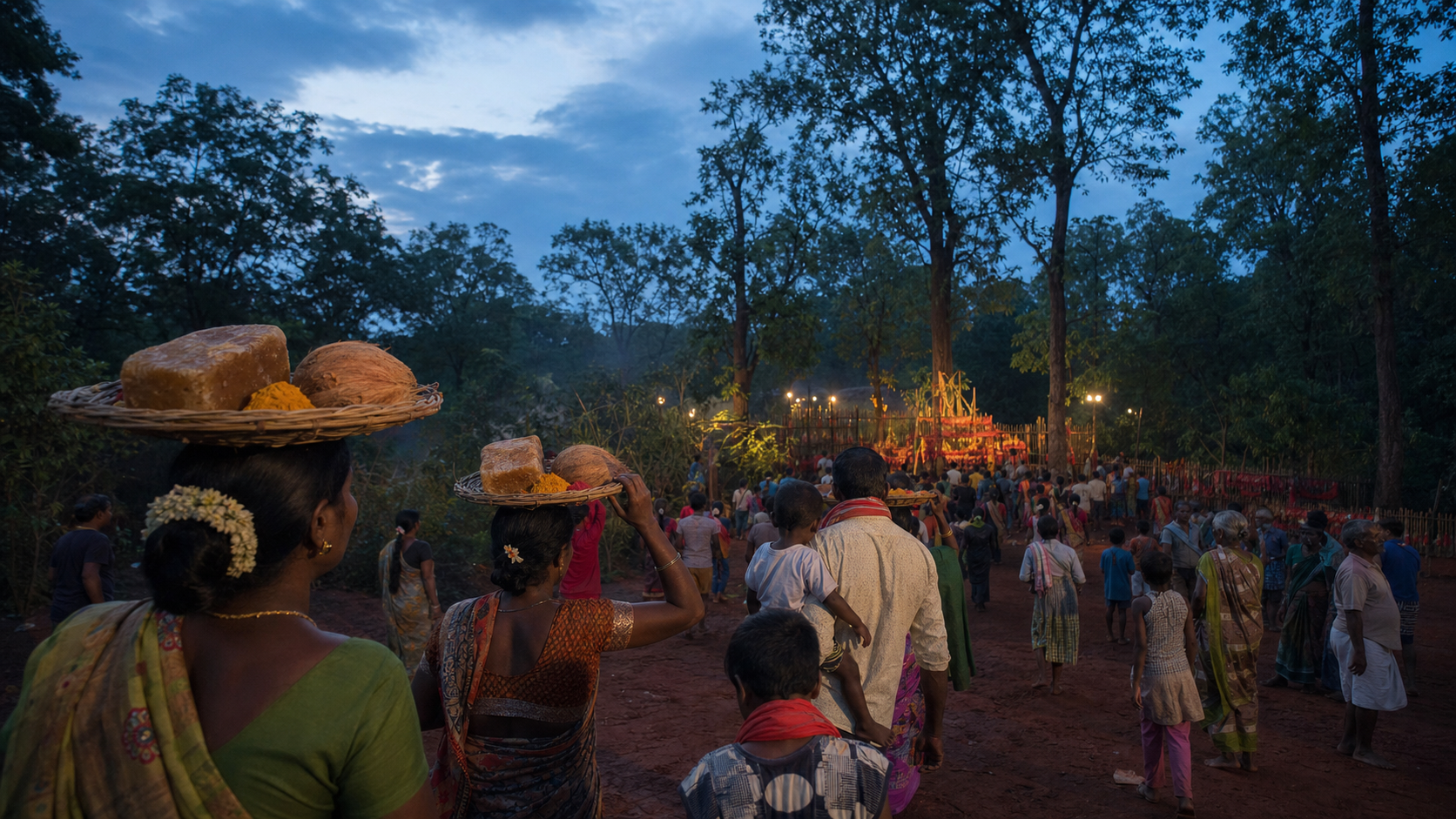
Navakandam, documented in Tamil Nadu between the 11th and 13th centuries, is a historical ritual of self-sacrifice associated with the goddess Kotravai and recorded in temple inscriptions and texts like Silappadhikaram, Kalingathup Bharani, and Takkayakap Bharani. Exploring this practice academically clarifies its medieval social and ritual context without endorsing it. The discussion highlights how dharmic…
-
Rudraksha Mala Decoded: Meaning, Benefits, and Types by Mukhi for Focused Japa

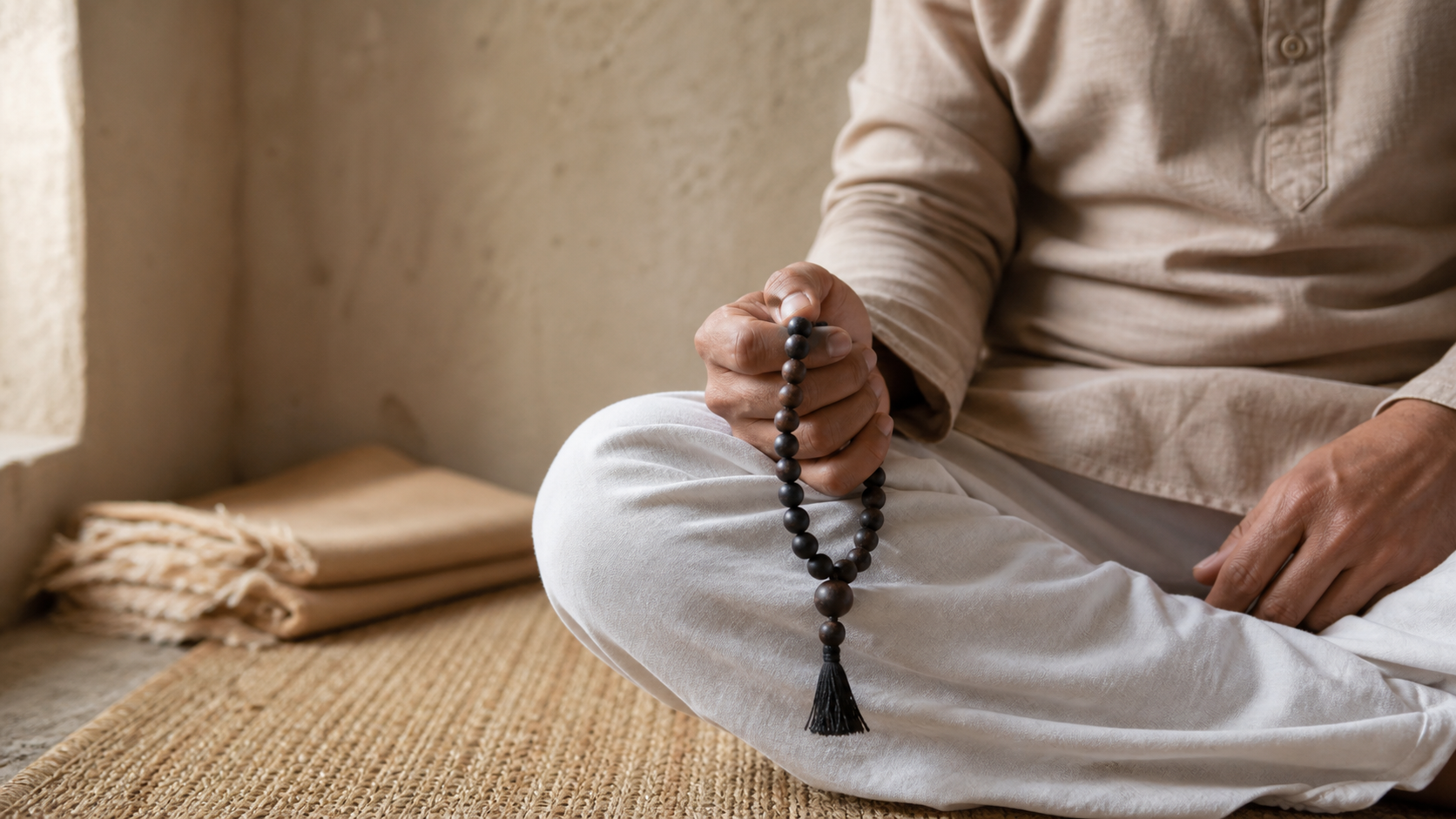
Rudraksha mala, sanctified in the Shiva tradition and embraced across dharmic paths, supports steady mantra japa, breath awareness, and focused meditation. Its 108+1 bead structure anchors discipline, while mukhi-based types—from widely used panchmukhi to rare ekmukhi—offer symbolic guidance. Authentic selection emphasizes natural beads, clear facet lines, and comfortable handling. Traditional etiquette—avoiding the index finger, not…
-
Shivaji to Vijayanagara: An Evidence-Based Chronicle of Dharmic Resilience and Unity

This essay presents an evidence-based narrative of Indian history from the rise of Chhatrapati Shivaji through the Vijayanagara Empire, emphasizing civilizational resilience and unity across dharmic traditions. It highlights how Rajputs, Marathas, Bundelas, and Sikhs aligned in moments of shared duty, while earlier lineages from the Mauryas to the Guptas modeled statecraft and frontier defense.…
-
Thaipusam 2026 at Batu Caves, Malaysia: A Powerful Journey of Devotion and Unity

Thaipusam 2026 will be observed on February 1 at Batu Caves, Kuala Lumpur, aligning with Pournami and the Poosam star in the Tamil month of Thai. The festival honours Lord Muruga through vows, Kavadi, and milk offerings as devotees ascend 272 steps to the cave temple. Visitors witness one of the world’s largest Thai Pusam…
-
Vatapi Ganapati, Tiruchenkâtankudi (Nannilam): Sacred Legend, Tevaram Glory, Living Heritage

Vatapi Ganapati at Tiruchenkâtankudi near Nannilam is a renowned Tevara Shivastalam, celebrated in early Tamil Saivite hymns. Tradition associates the shrine with Sirutondar, linking the Ganesha icon to Vatapi and illuminating how sacred narratives shape cultural memory. The temple’s integrated worship of Shiva as Ganapatishvaram and Ganesha as Vatapi Ganapati exemplifies Tamil Nadu’s living heritage.…
-
Shankaracharya urges Yogi Adityanath: Lead compassionate cow protection and ethical trade reforms

Shankaracharya Avimukteshwaranand Saraswati has urged Uttar Pradesh Chief Minister Yogi Adityanath to align governance with dharmic ethics through humane cow protection and ethical trade reforms. The appeal emphasizes a constructive, solutions-oriented dialogue over labels, focusing on practical measures, legal clarity, and transparent enforcement. By situating cow protection within the shared principle of Ahimsa respected by…
-
Beyond Gold and Fortune: How Goddess Lakshmi Cultivates Inner Peace and Lasting Prosperity

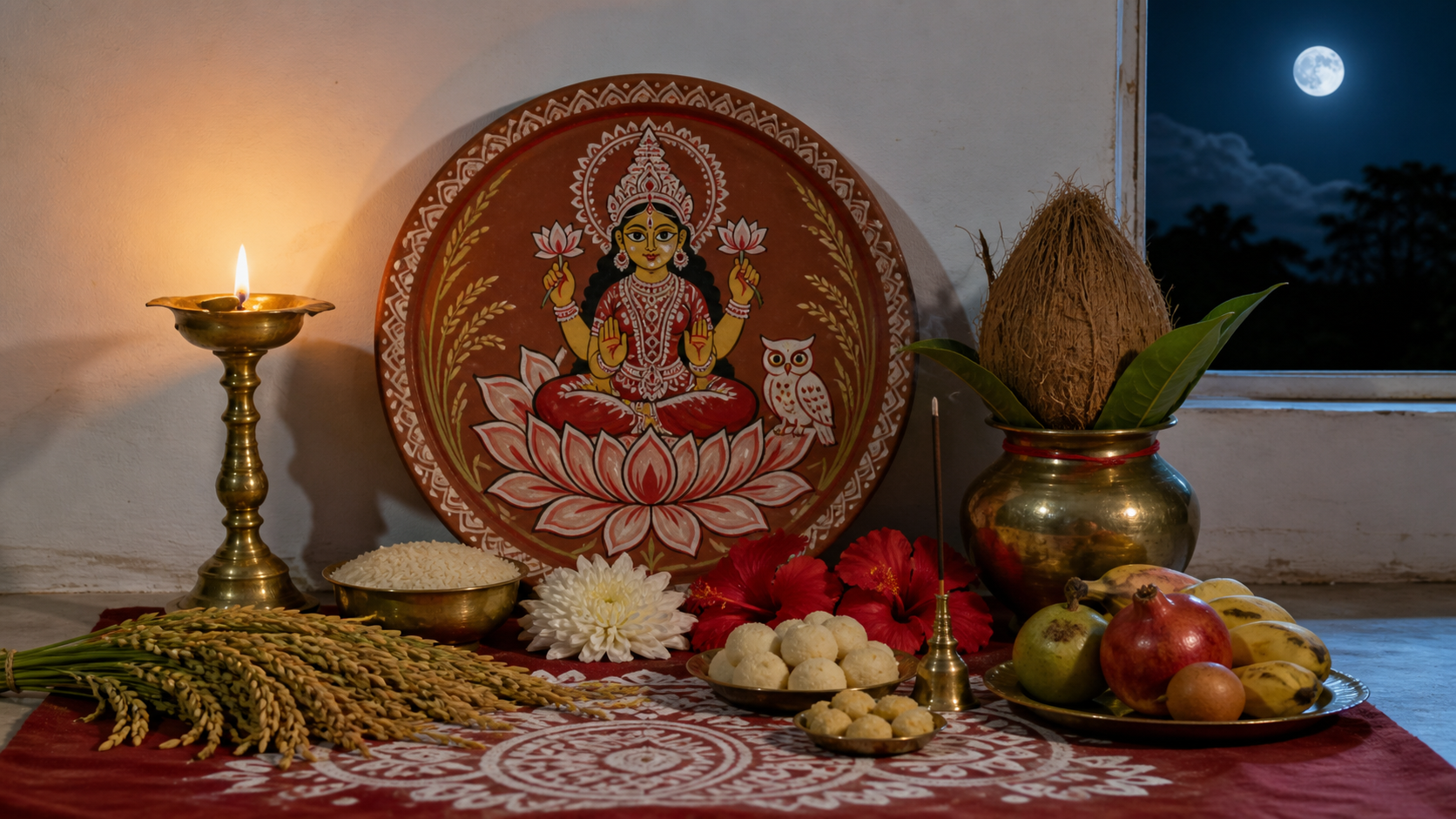
Goddess Lakshmi in Hinduism signifies far more than financial gain. Traditional imagery and the Ashta Lakshmi forms reveal a complete vision of prosperity that unites outer wealth with inner qualities like compassion, courage, and wisdom. Aligning artha with dharma transforms money into responsible stewardship that benefits families and communities. This integrated approach resonates across Buddhism,…
-
Lord Varahadeva’s Triumphant Appearance: Restoring Dharma and Hope on Varaha Dvadasi

Observed on Varaha Dvadasi (30-01-2026), Lord Varahadeva’s Appearance Day recalls Vishnu’s cosmic intervention to restore dharma and rescue Bhudevi. The narrative of Hiranyaksha’s pride and Varaha’s courage offers practical lessons on humility, responsibility, and protection of the vulnerable. Readers gain a deeper understanding of how dharmic values translate into everyday resilience and environmental stewardship. The…
-
Lord Nityananda’s Appearance Day: Sacred Origins, Living Memory, and Bhakti’s Unifying Grace

This post marks the appearance day of Lord Nityananda with an academic yet accessible overview of His sacred origins and enduring legacy. It locates His birth in Ekacakra dhama, outlines His familial lineage, and explains how community memory sustains sacred geography today. The account highlights pilgrim documentation that associates present-day sites with King Mukuta Roy,…
-
Mandir Mahasangh Backs Temple Entry Guidelines, Urges Unity Across Dharmic Paths

Mandir Mahasangh endorsed the stance of Ujjain’s saints and Hindu organisations on temple entry norms through a unanimous resolution at a national workshop in Ponda, Goa. The focus is on safeguarding sanctity while welcoming diverse devotees through clear, compassionate guidelines. The approach emphasizes education, respectful adherence to temple-specific customs, and dialogue over division. By aligning…
-
Atikaya and Yuyutsu: Dharma Beyond Birth in Ramayana–Mahabharata | A Compassionate Comparison

This essay compares Atikaya of the Ramayana and Yuyutsu of the Mahabharata to show how moral choice, not birth, defines character in the Hindu epics. It explains Atikaya’s courageous yet misplaced loyalty to Ravana and Yuyutsu’s principled decision to side with the Pandavas. The analysis highlights dharma versus adharma as a practical, action-based ethic rather…
-
Haviryajna Unveiled: Vedic Sacrifices that Harmonize Cosmos, Ethics, and Unity

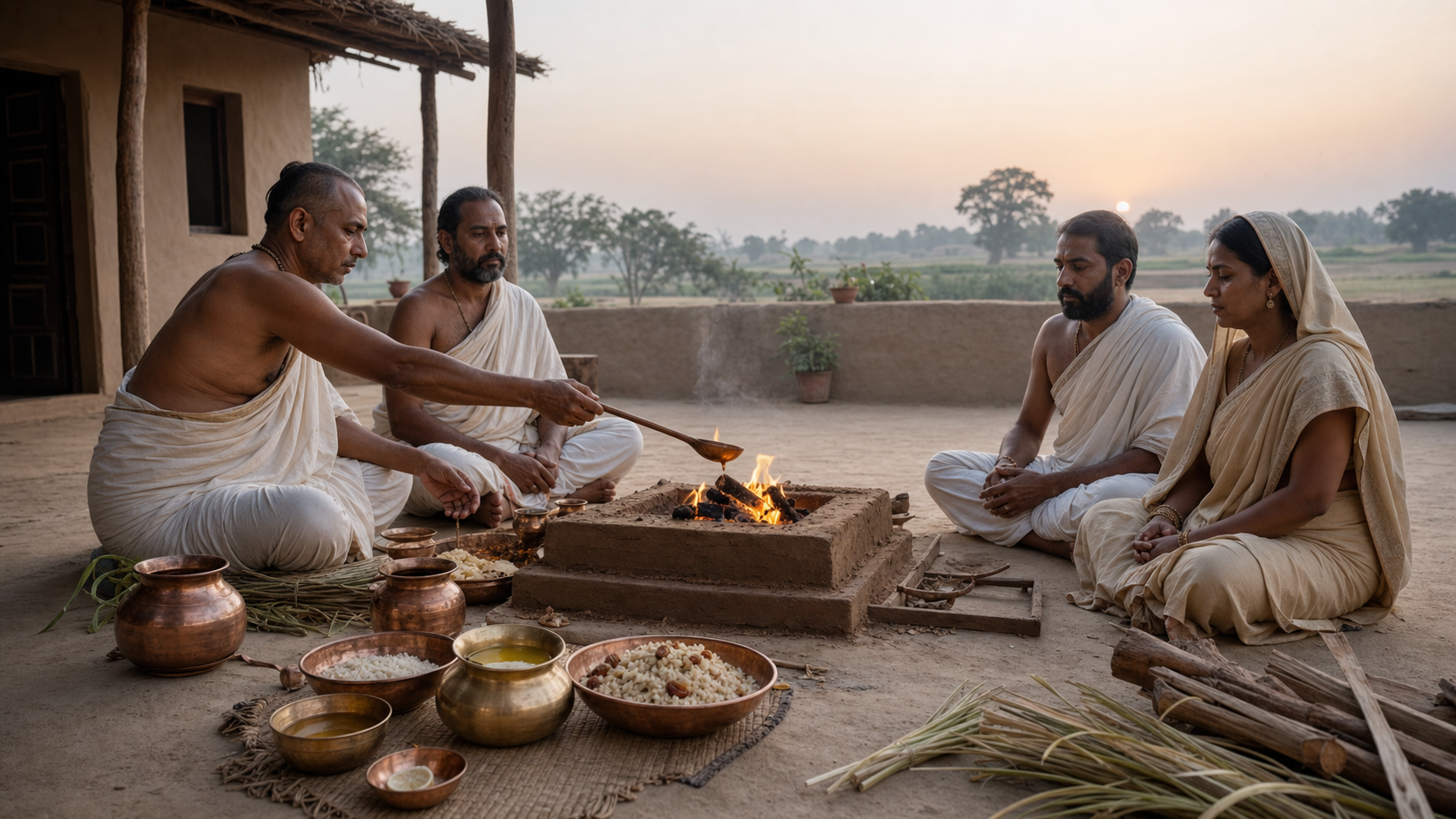
Haviryajna represents a core class of Vedic sacrifices using havis—measured offerings of grains and ghee—aligned with cosmic order. The threefold classification of Pakayajnas, Haviryajnas, and Soma Yajnas clarifies how Vedic ritual scales from household devotion to communal and cosmic responsibility. Rites such as Agnihotra, Darśa–Pūrṇamāsa, Cāturmāsya, and Āgrayaṇa illustrate the Haviryajna focus on sacred time…
-
Karya in Hindu Thought: How Actions Shape Destiny, Ethics, and Liberation

Karya, derived from the Sanskrit root “kr” (to act), encapsulates “that which is done” and unites Hindu philosophy, ethics, and daily practice. It connects intention with outcome across traditions—from Sāṅkhya’s satkāryavāda and Nyāya’s causal clarity to Mīmāṁsā’s duty and Vedanta’s purifying karma yoga. The Bhagavad Gita’s “kāryam karma” frames action as an obligation performed without…