
-
Aadi Pirappu 2026 Definitive Guide: Date, Rituals, Monsoon Blessings, and Cultural Meaning

Aadi Pirappu (Aadi Pandigai) in 2026 falls on Friday, 17 July, marking the first day of the Tamil solar month Aadi and the Sun’s entry into Karka (Cancer). Rooted in the Tamil Panchangam, the festival aligns devotion with the monsoon’s arrival and the replenishment of rivers and aquifers. Families honor Amman, offer arghya to Surya,…
-
Aadi Masam Unveiled: Deep Significance, Sacred Rituals, and Monsoon Blessings in the Tamil Calendar

Aadi masam (mid-July to mid-August) in the Tamil calendar is widely avoided for weddings, yet deeply revered for Shakti worship, water veneration, and ancestral rites. Beginning with Kataka Sankramana and overlapping Ashada masam elsewhere in India, Aadi coincides with Dakshinayanathe deva-rātriwhen inner disciplines and protective rituals are emphasized. Key observances include Aadi Velli and Aadi…
-
Aadi Chevvai 2026: Sacred Tuesdays for Goddess ShaktiDates, Puja Guide, Temple Insights
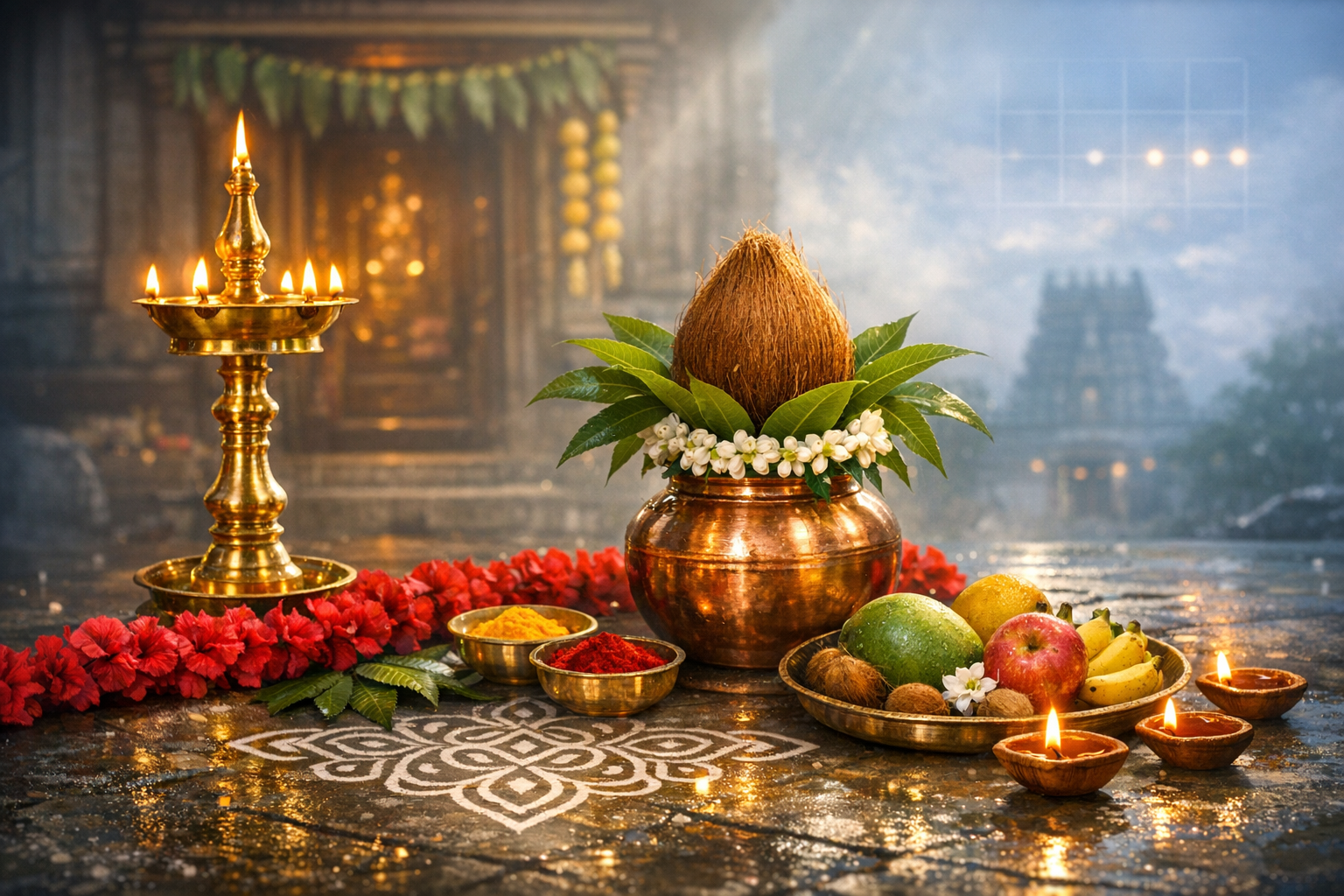
Aadi ChevvaiTuesdays in the Tamil month of Aadicenters on Goddess Shakti through focused temple and home observances. For 2026 in India, the commonly observed dates are 21 July, 28 July, 4 August, and 11 August, with some regions also including 18 August depending on local month reckoning. This guide explains why Tuesday (Chevvai/Sevvai, linked to…
-
Aadi Pooram 2026 on August 14: Definitive Guide to Andal Jayanti, Rituals, and Temple Traditions
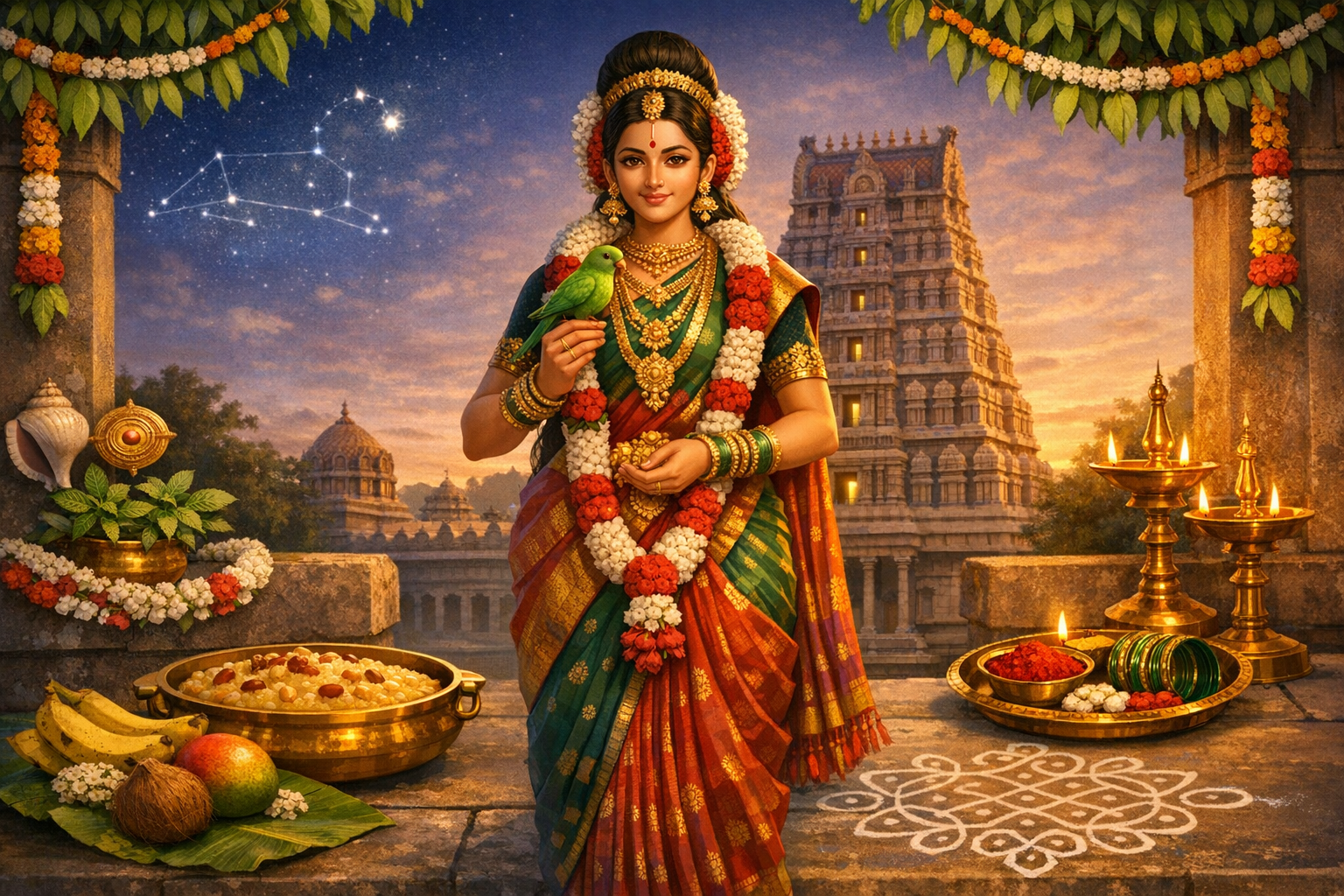
Aadi Pooram 2026 falls on Friday, August 14, coinciding with the Pooram (Purva Phalguni) nakshatram in Aadi Masam. Celebrated across Tamil Nadu and parts of Kerala, Karnataka, and Andhra Pradesh, the festival honors Andal Jayanti in the Sri Vaishnava tradition and Ambal worship in Amman temples. This definitive guide explains the astronomical basis (Pooram nakshatra,…
-
Sattainathar, the Ascetic Bhairava: Tamil Iconography, Temple Rituals, and Transformative Meaning

This in-depth study presents Sattainathar as an ascetic, guardian form of Shiva aligned with Bhairava within Tamil Shaiva Siddhanta. It clarifies iconographytrident, skull-bowl, drum, dog vahanaand interprets each symbol through a rigorous philosophical lens. It situates Sattainathar historically in Tamil temple culture and Chola–Pandya art, while outlining Agamic and Purāṇic bases, including the Skanda Purana.…
-
Aadi Masam 2026 Guide: Exact Tamil Calendar Dates, Auspicious Fridays, and Spiritual Significance

Aadi Masam 2026 in the Tamil calendar spans Friday, 17 July to Monday, 17 August (IST), beginning at Karkadaka Sankranti when the Sun enters Karkataka Rashi (Cancer). The month opens with Aadi Pirappu on a Friday, offering five powerful Aadi Vellis in 2026 (17, 24, 31 July; 7, 14 August) for intensified Devi upasana. Aadi…
-
Tiruchengode Murugan Temple: Arunagirinathar’s SengottuvelanHistory, Iconography, Pilgrimage
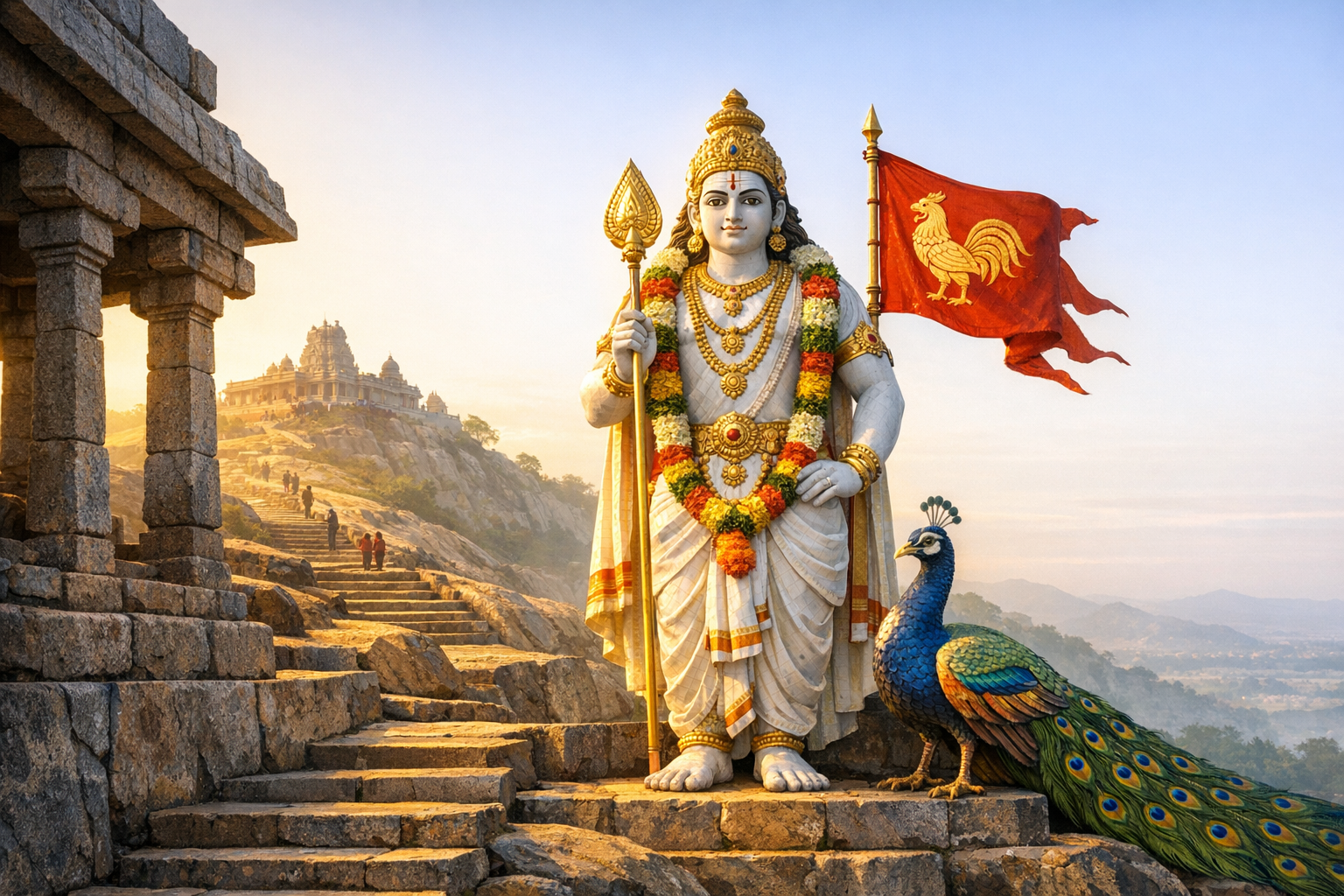
The Tiruchengode Murugan Temple in Tamil Nadu’s Kongu region enshrines a rare, east-facing, white icon of Subrahmanya known as Sengottuvelan. The icon’s Vel and rooster emblem (seval kodi) anchor a powerful visual theology rooted in Skanda Purana and the Tamil Kanda Puranam. Arunagirinathar’s Tiruppugazh situates the hill within a pan‑Tamil Murugan landscape, where poetry, raga,…
-
Compassion as Sadhana: Tamil Nayanars’ Timeless Blueprint for Charity, Seva, and Welfare
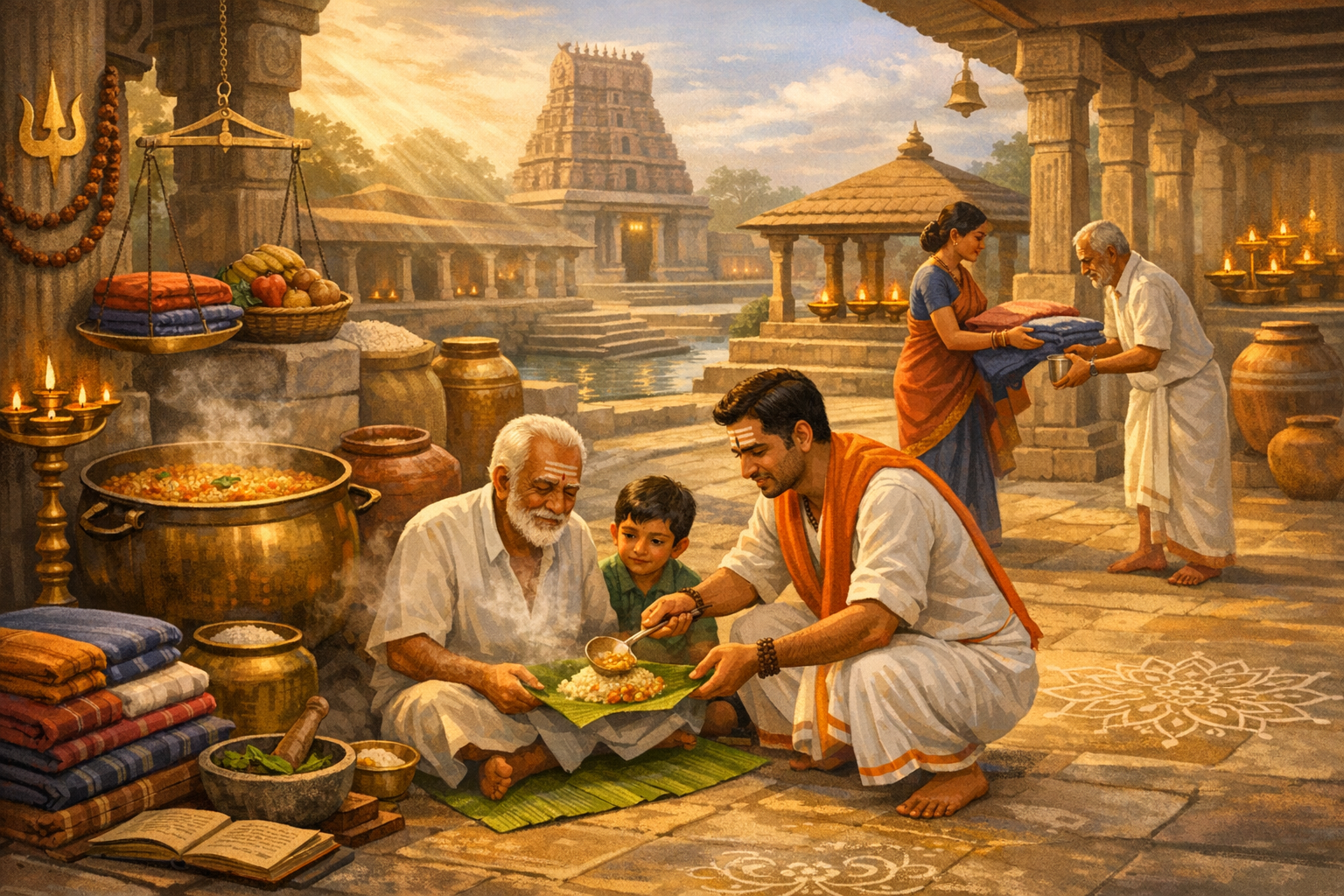
The Tamil Nayanars placed charity (dāna) and seva at the core of spiritual life and public welfare, as preserved in the Tevaram hymns and the Periyapuranam. Their blueprint prioritizes Ahara (Food) through Annadāna, honoring the principle that nutritious, dignified meals stabilize lives and cultivate devotion. Exemplars such as Ilayankudi Maranar (food charity), Amarneethi Nayanar (clothing…
-
June 2026 Vishesha Pujas at Kanchi Kamakoti Peetham: Ashrama Sweekara Day & Pradosha Guide

June 2026 at Kanchi Kamakoti Peetham, Kanchipuram, features a distinguished cycle of Vishesha Pujas: Ashrama Sweekara day on 2 June and Pradosha Pujas on 12 (Shukra Pradosham) and 27 (Shani Pradosham), with an additional observance on 29 June as per temple notifications. This guide explains the theological and calendrical foundations of Pradosham, showing how Trayodashi…
-
Unveiling Goddess Kaveri in Hindu Sculpture: Iconography, Ritual Power, and Sacred Geography
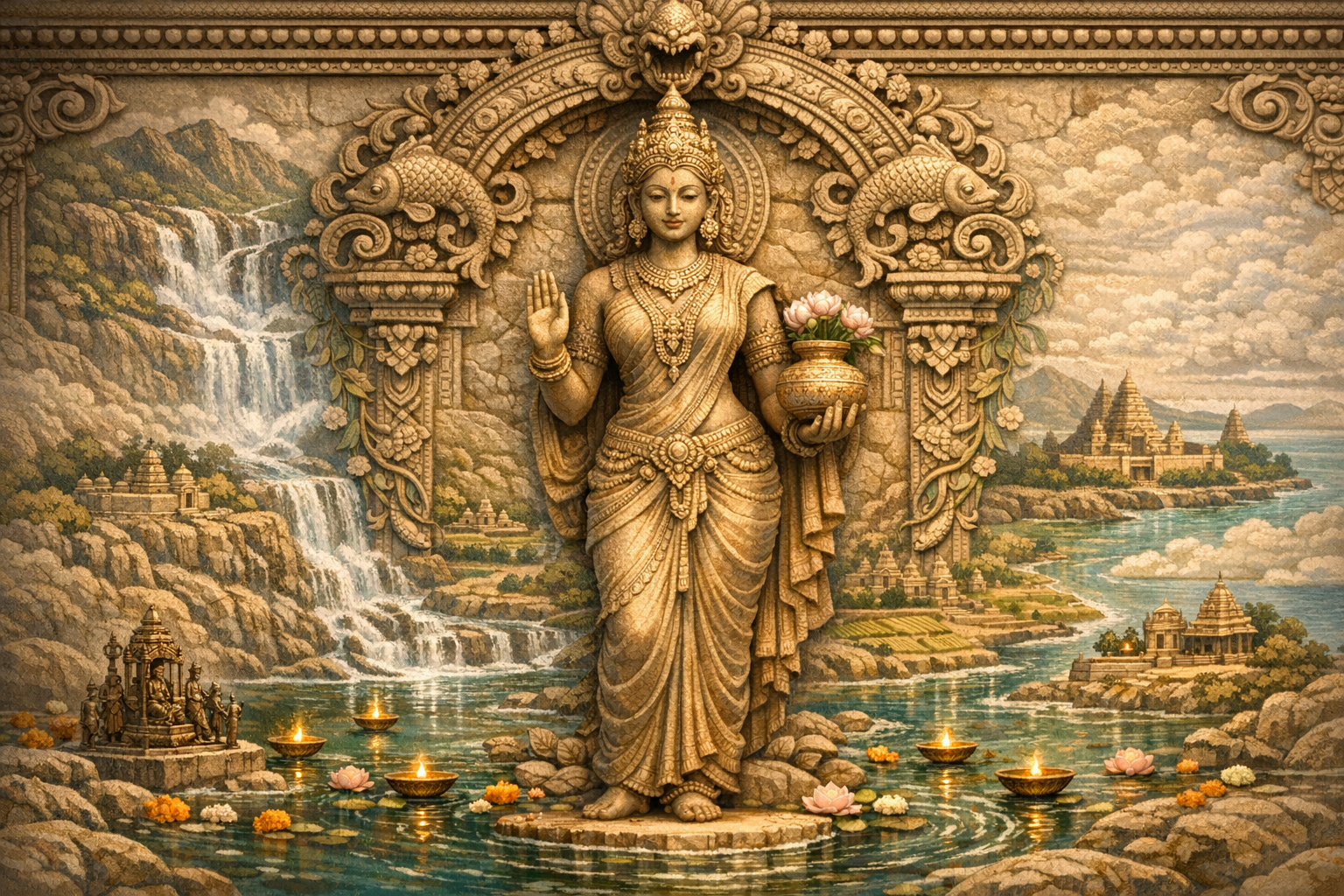
Goddess Kaveri, revered as a living river and divine mother, is rendered in Hindu sculpture through a precise visual grammar that blends Shilpa Shastra canons with the lived rhythms of sacred geography. This essay explains how to recognize her iconography, from kumbha and lotus attributes to makara-toranas and gentle mudras, and shows where she commonly…
-
Gajasurasamhara: Shiva’s awe-inspiring conquest of ego – history, symbolism, style
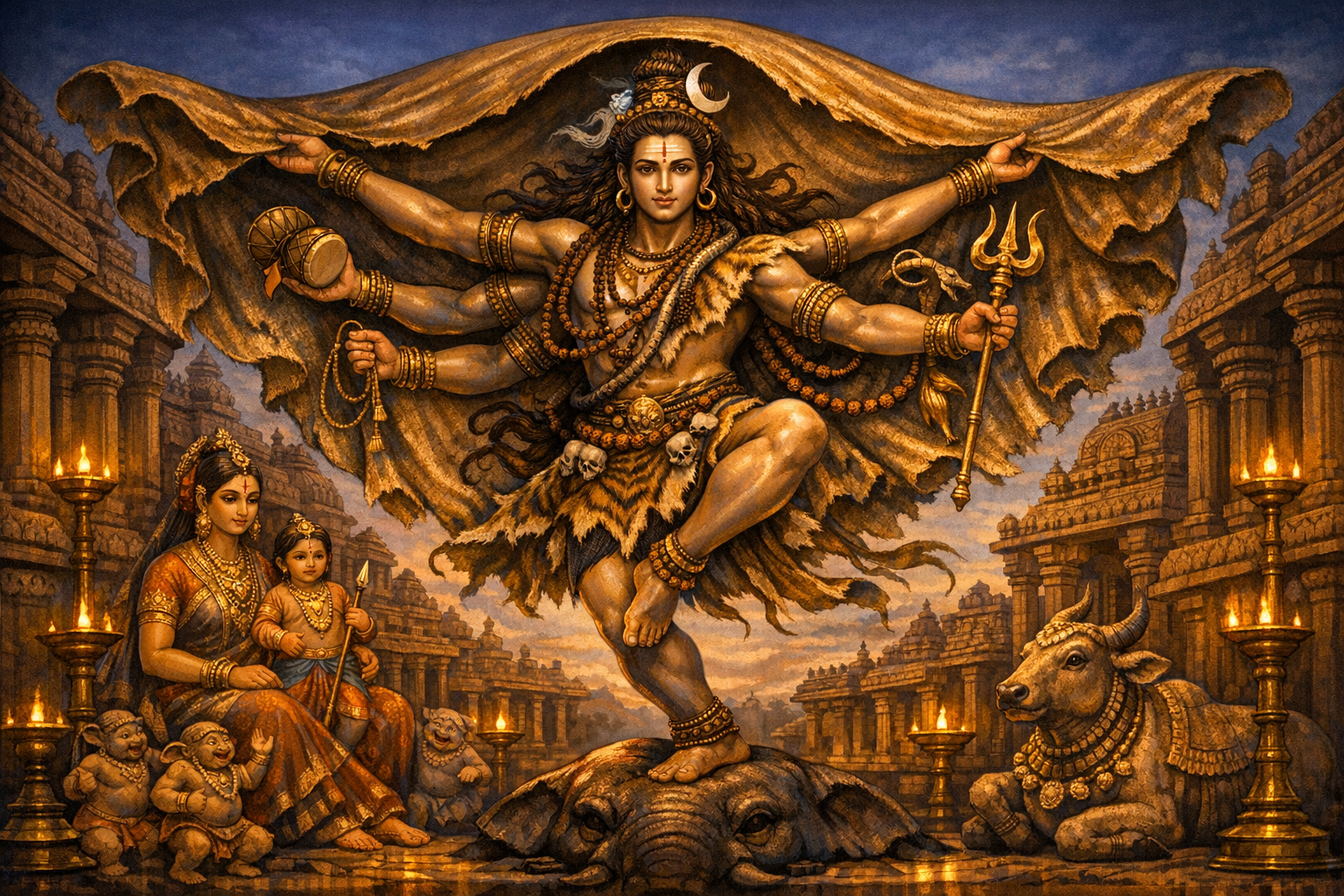
Gajasurasamhara presents Shiva in a fierce, transformative dance that subdues the elephant demonan enduring visual lesson on conquering ego. This long-form, research-driven overview traces the form’s Purāṇic and Āgamic foundations and explains its technical iconography, from multi-armed attributes and the distinctive elephant-hide canopy to posture, ornaments, and attendant figures. It maps stylistic evolutions across Pallava,…
-
Vaikasi Visakam 2026: Date, Rituals, Temple Highlights, and Deep Significance
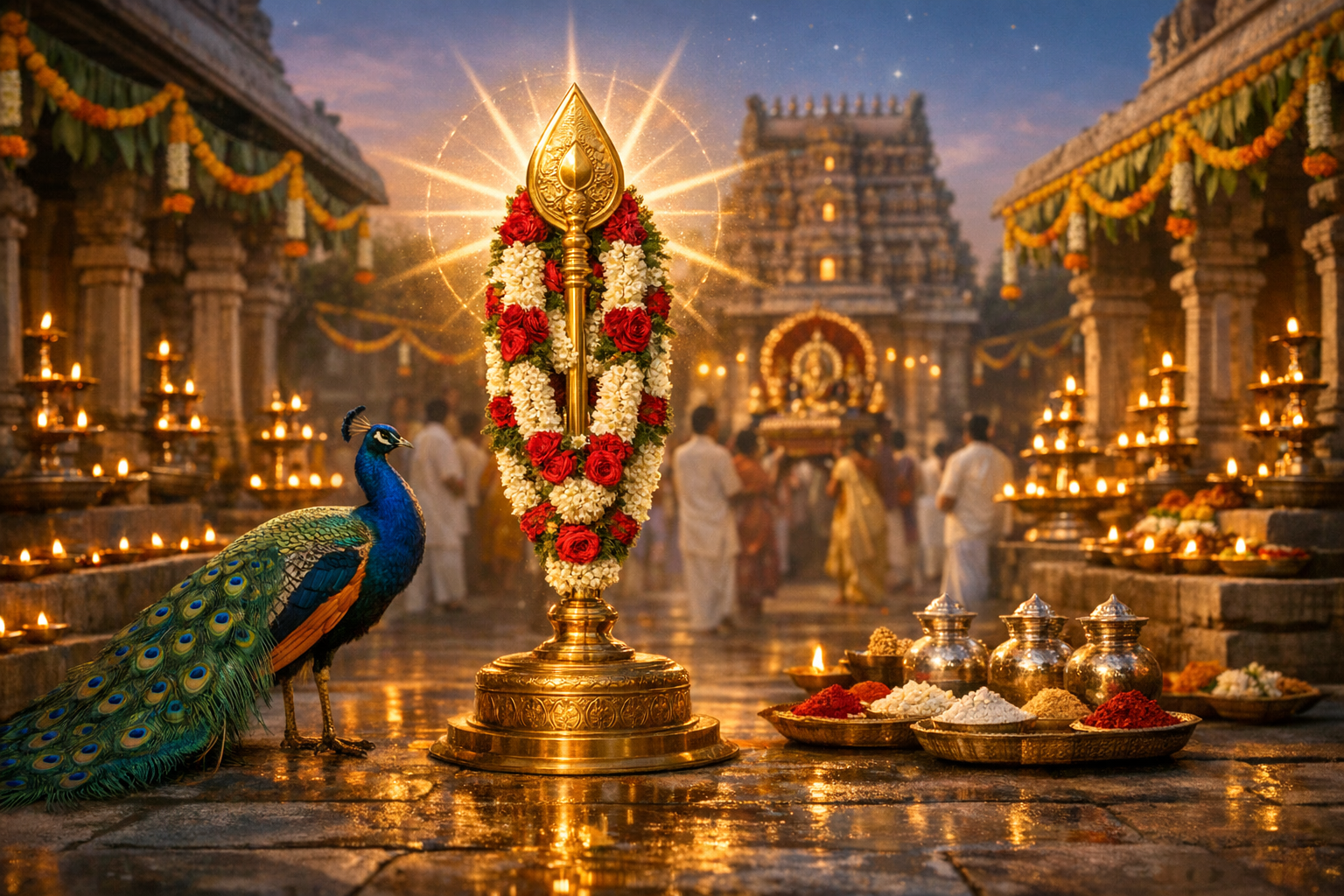
Vaikasi Visakam 2026, the birth-star festival of Lord Muruga (Subramanya, Shanmuga), will be observed on 30 May, when Visakam Nakshatra aligns with the Tamil solar month of Vaikasi. The festival is star-based, not tithi-based, and temples set muhurta locally, often guided by the sunrise rule or the dominant duration of Visakam. This comprehensive guide explains…
-
Seated Andal at Thiru Anbil: Chola Bronze Mastery, Iconography, and Living Devotion

The seated Andal at Thiru Anbil’s Sundararaja Perumal Temple is a rare Chola-era bronze that redefines Andal’s familiar standing iconography through a contemplative enthroned posture. This long-form study situates the image within Sri Vaishnava theology, Shilpa Shastra canons, and lost-wax panchaloha craftsmanship. Readers gain a framework to decode attributes such as the Andal Kondai, gesture,…
-
Tamil Nadu’s Hindutva–Sanatan Dharma Flashpoint: Context, Constitutional Law, and a Dharmic Unity Roadmap

A minister’s statement“We Are Not Against Hindus, But Hindutva”and subsequent responses by BJP leader K. Annamalai spotlight a delicate but crucial distinction between Sanatan Dharma as a living religious tradition and Hindutva as a modern sociopolitical ideology. This analysis explains why that distinction matters in Tamil Nadu’s political culture, where Dravidian rationalism and temple heritage…
-
Thirukozhi Nachiyar Koil, Uraiyur: Azhagiya Manavala Perumal’s Sacred Wedding to Kamalavalli
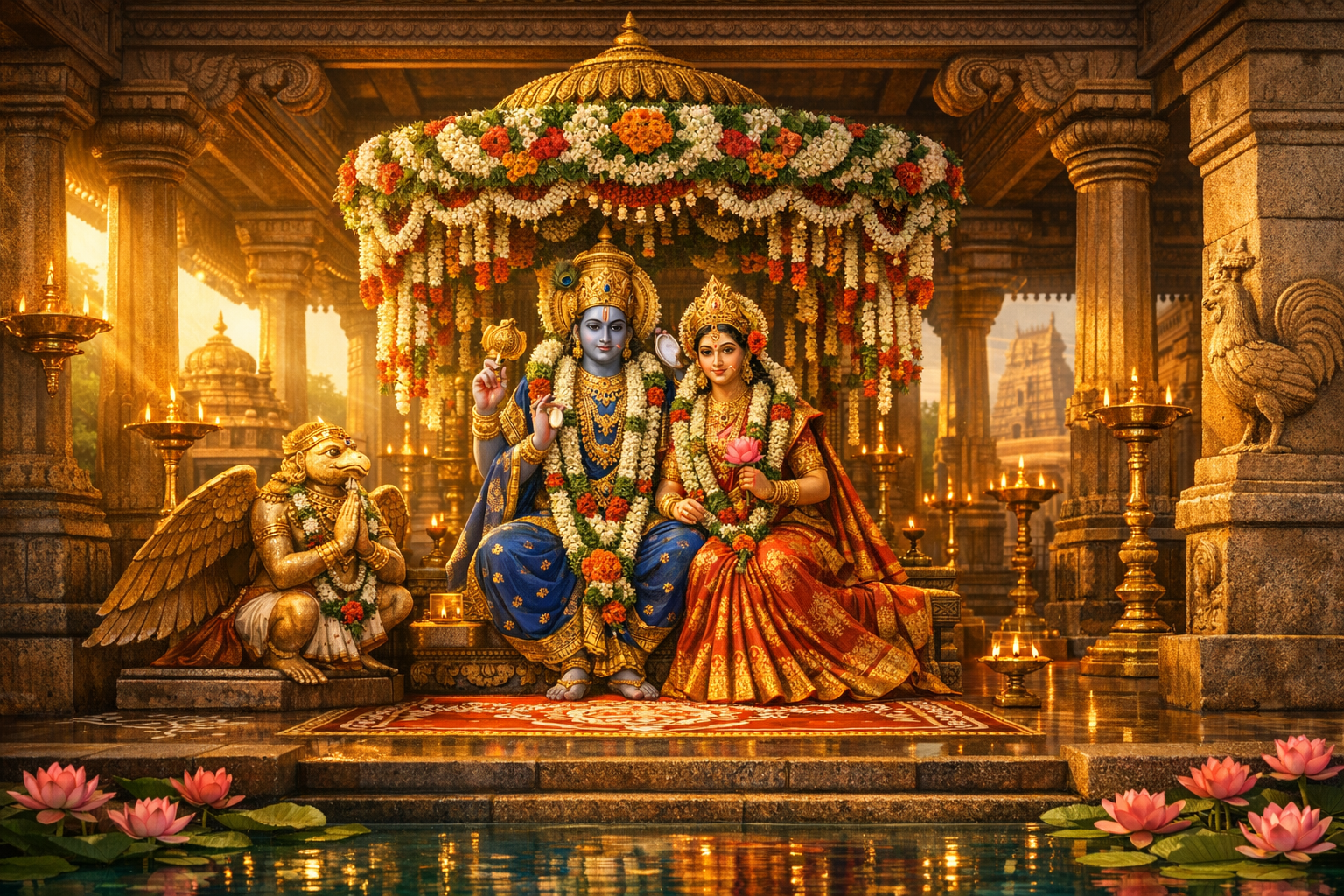
Thirukozhi (Uraiyur) Nachiyar Koil in Tiruchirappalli honors the divine marriage of Azhagiya Manavala Perumal (Vishnu) and Kamalavalli Nachiyar (Lakshmi), making it a preeminent kalyana-sthalam among Tamil Nadu’s Divya Desams. The temple’s Dravida architecture, ritual precedence for Nachiyar, and festival calendarespecially Panguni Uthiramexpress a living theology of compassion and auspicious union. Alvar hymns from the Nalayira…
-
Srirangam’s Divine Design: How Lord Ranganatha Chose Kaveri as His Eternal Abode
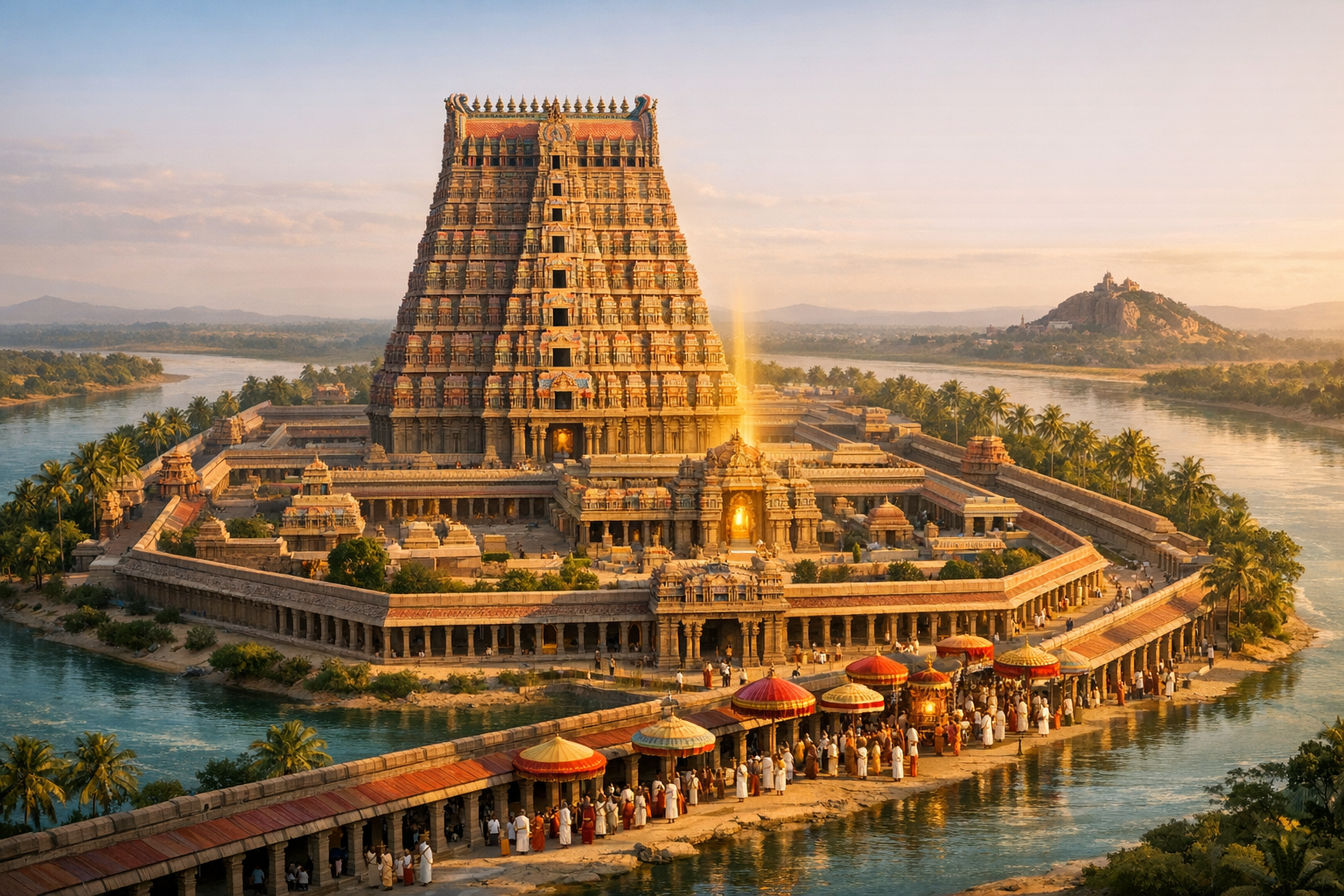
Sri Ranganathaswamy Temple at Srirangam is celebrated as Bhooloka Vaikuntham, where architecture, theology, and ritual converge around Lord Ranganatha’s divine choice to reside by the Kaveri. Drawing on Skanda Purana’s Sriranga Mahatmyam, temple chronicles, and Alvar hymns, this comprehensive account explains how the murti traveled from Vaikuntha to Ayodhya and, through Vibhishana, found a permanent…
-
ISKCON Salem in Tamil Nadu: Transformative Bhakti, Kirtan, and Unforgettable Temple Hospitality
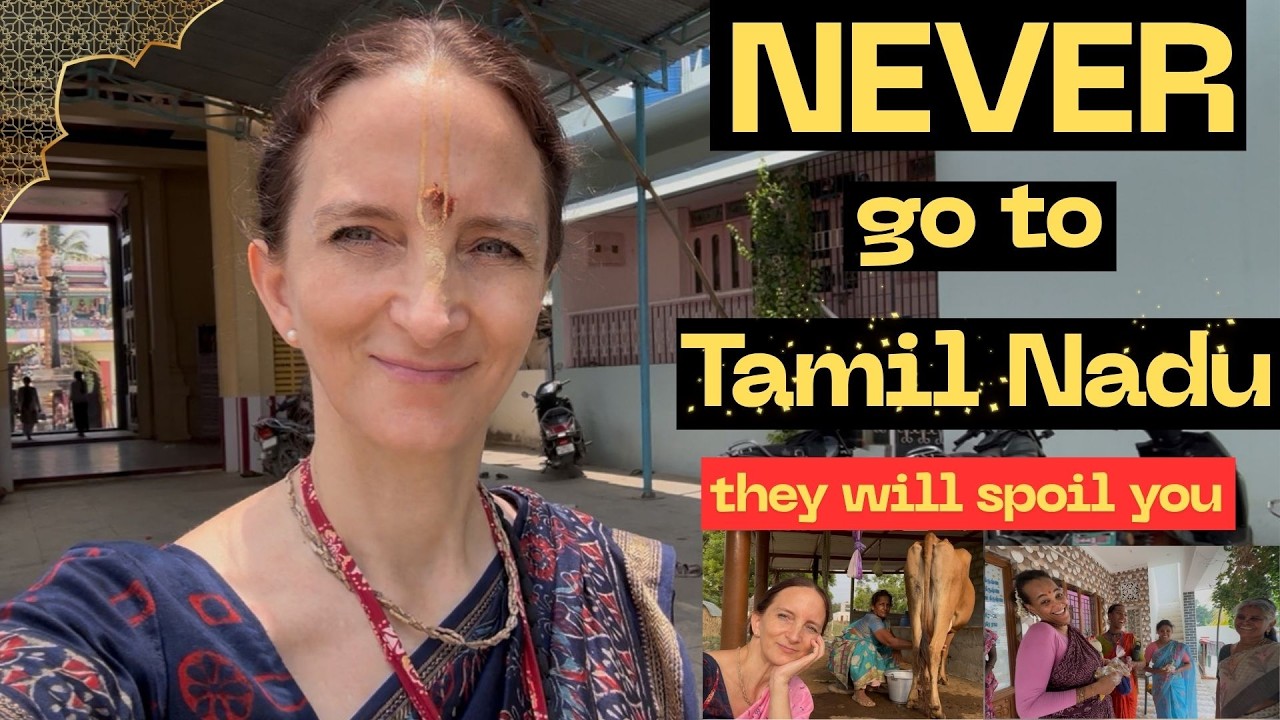
ISKCON Salem in Tamil Nadu is widely appreciated for a rare blend of devotional rigor and disarming hospitality. A clear daily schedulearati, kirtan, japa, scriptural study, and prasadamhelps first-time visitors engage without uncertainty. The community’s service ethos, rooted in bhakti-yoga and atithi devo bhava, makes participation easy and meaningful for all ages. Kirtan’s call-and-response format…
-
Nemili Sri Bala Tripurasundari Peetam, Vellore: Sacred history, rituals, darshan tips, and travel guide
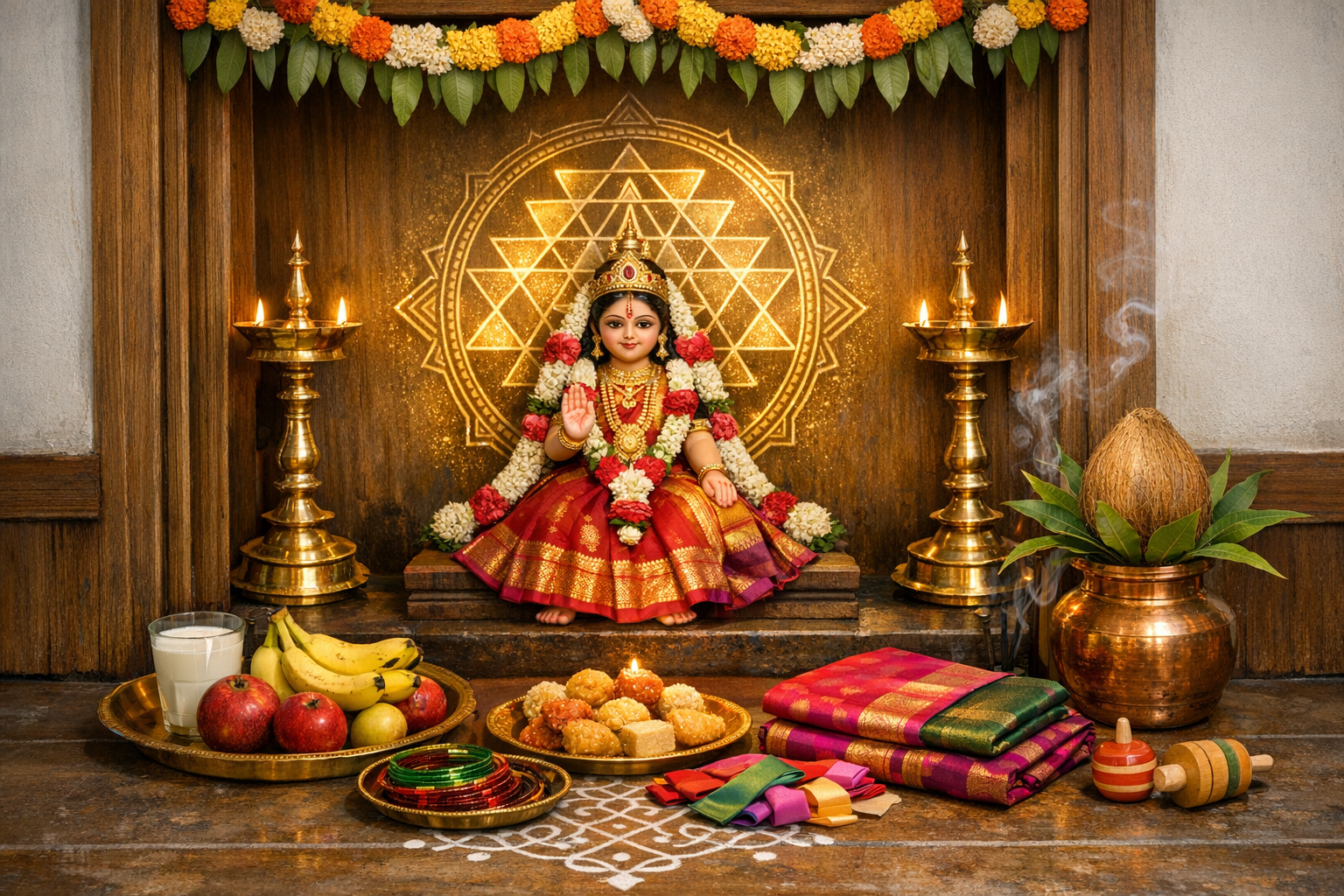
Nemili Sri Bala Tripurasundari Peetam in the Vellore region (Ranipet district) is a revered house-temple 20 km from Kaveripakkam, where devotees worship Sri Balathe powerful child-form of Tripurasundariwith intimate, precise Sri Vidya rituals. The shrine’s strength lies in its homely sanctity, meticulous daily puja, and Navaratri celebrations that blend tenderness with theological depth. Pilgrims can…
-
Awe-Inspiring Padalathri Narasimhar Temple: Pallava Rock-Cut Sanctum at Singaperumal Koil

Padalathri Narasimhar Temple (Singaperumal Koil) near Chennai is a rare Pallava-era rock-cut Vaishnava sanctuary carved into a red hill, with Lord Narasimha and Ahobilavalli Thayar presiding. The 8th‑century CE cave sanctum, later Dravidian additions, and continuous worship offer a compact study in South Indian temple architecture and living heritage. Devotees consistently describe the ascent as…
-
Thiruporur Kandaswamy Temple: Legends, Ritual Science, Darshan Timings, and Festival Guide
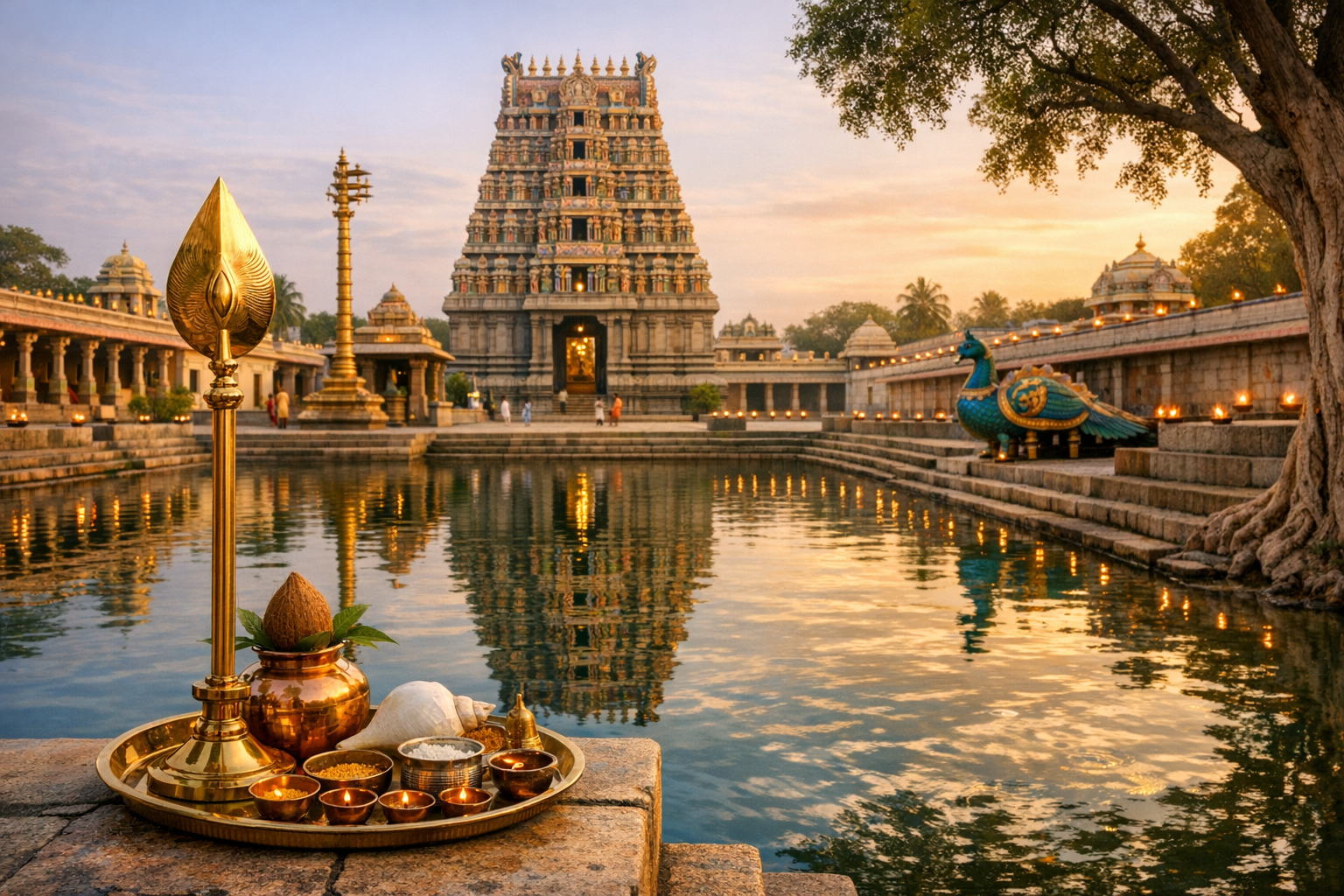
Thiruporur Kandaswamy temple (Thiruporur Murugan Temple) in Chengalpattu, Tamil Nadu, is a living center of Murugan worship renowned for Dravidian architecture, precise Agamic ritual, and a vibrant festival calendar. Visitors can plan around clear darshan timings (6:30 am–12:30 pm; 3:30 pm–8:00 pm) and four daily pujas that culminate in abhishekam and deepa aradhana. The temple’s…