
-
Rudra from Brahma’s Third Eye: Profound Symbolism and Cosmic Balance in the Devi Bhagavata Purana
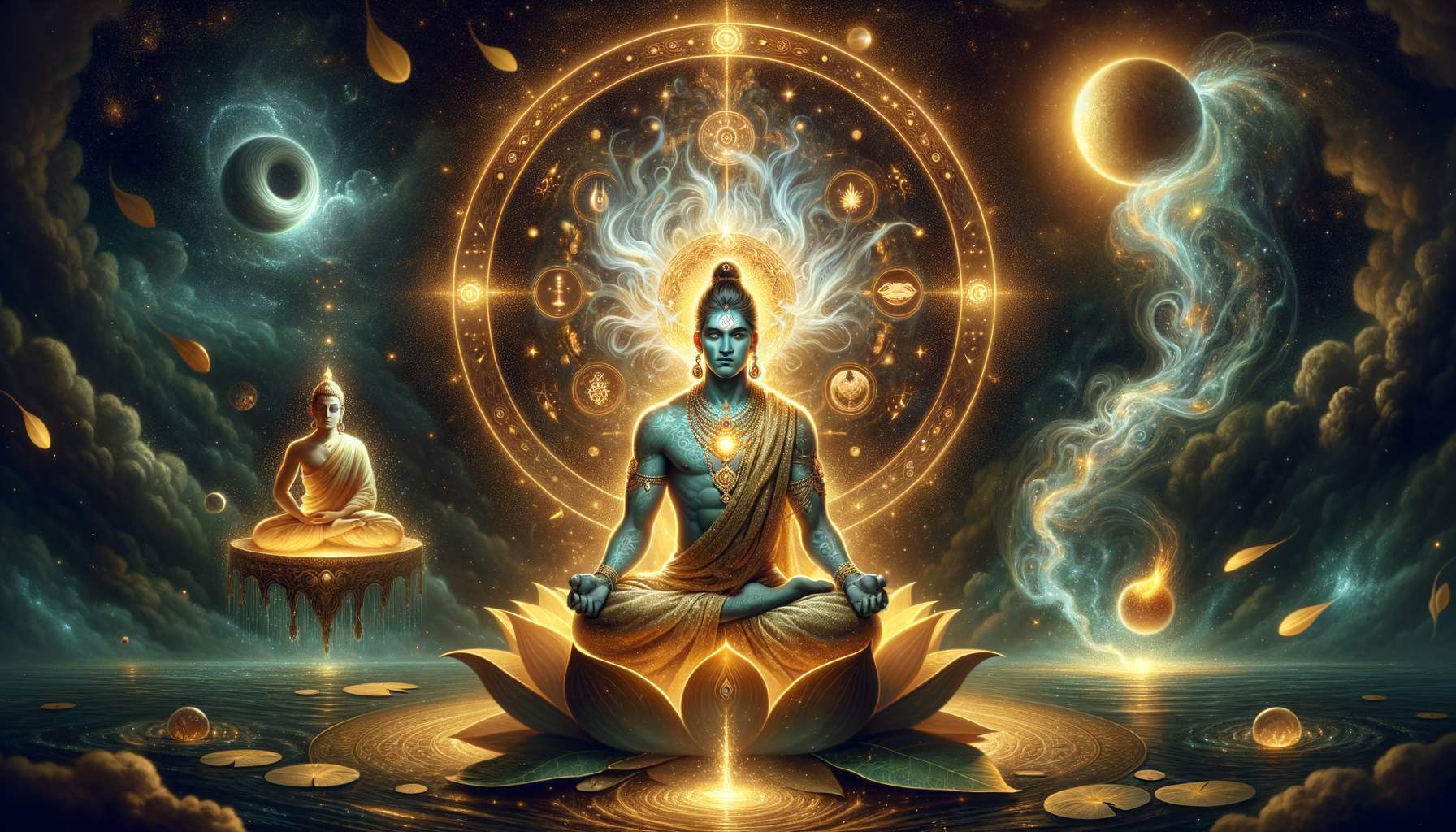
This analysis explores the Devi Bhagavata Purana’s account of Rudra emerging from Brahma’s third eye, highlighting its profound symbolism for cosmic balance and inner transformation. It explains how the narrative frames creation, preservation, and transformation as a harmonious continuum within the Trimurti. Readers gain practical insights into the third eye as discernment, the pancha mahabhutas…
-
Kalabhairava Unveiled: Decoding Shiva’s Fierce Iconography of Time, Justice, and Protection
Kalabhairava, Shiva’s fierce manifestation, embodies time and its dissolution while upholding uncompromising truth and justice. This post decodes his iconographytrident, drum, sword, skull-bowl, and dog vahanashowing how each symbol guides ethical living and fearless clarity. Drawing on Agamas, Tantras, Shilpa traditions, and the Skanda Purana, it situates Kalabhairava as Kshetrapala, the guardian of sacred boundaries,…
-
Maha Kali’s Ten Heads and Ten Legs: Profound Symbolism of Power, Time, and Liberation
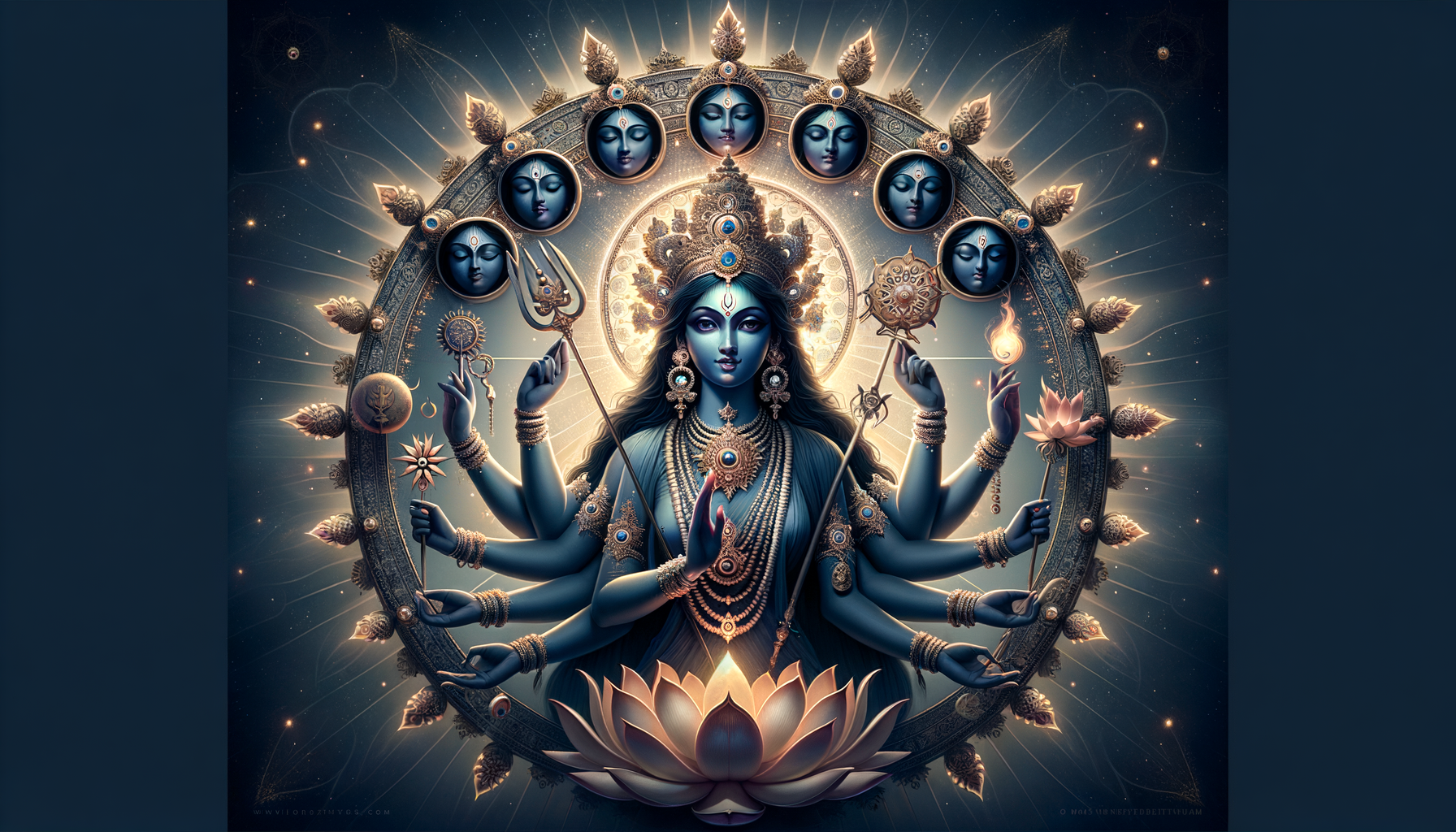
Maha Kali’s rare iconography with ten heads, ten arms, and ten legs encodes a complete path of wisdom, courage, and liberation. The ten heads symbolize panoramic awareness and the integration of the Mahavidyas, while the ten arms and legs express skillful action and stability in all directions. Read devotionally and philosophically, the form teaches how…
-
Goddess Vinayaki (Ganeshani): Unveiling the Sacred Feminine Power of Ganesha
Goddess Vinayaki (Ganeshani) embodies the sacred feminine of Lord Ganesha, uniting wisdom and compassion as a remover of obstacles in maternal form. Rooted in Puranic–Tantric traditions and Yogini lore, she reflects the inclusive plurality of Sanatana Dharma. Her iconographyelephant head, feminine form, and attributes like pasha, ankusha, modaka, and lotusemphasizes auspicious beginnings and protective grace.…
-
Four Faces of Varuna: Unveiling Vedic Symbolism for Cosmic Order and Inner Harmony
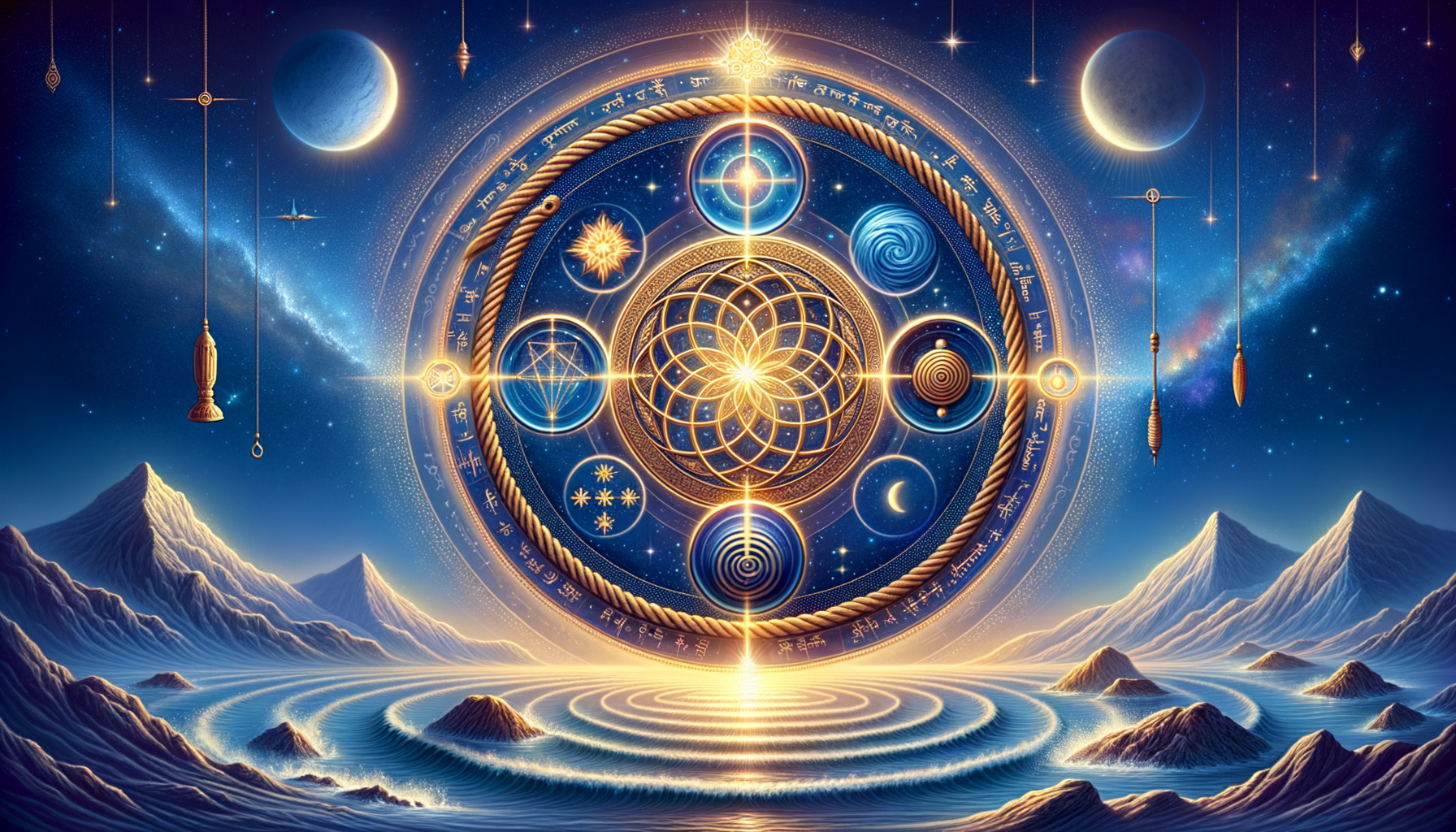
This article decodes the “Four Faces of Varuna” as a Vedic metaphor for omniscient care, moral order, and compassionate accountability. It clarifies how Rita (ṛta) structures both the cosmos and ethical life, linking Varuna’s symbolssuch as the pāśa and watersto practical integrity and social trust. Readers gain a clear framework that integrates the four Vedas,…
-
Pasha and Ankusha in Hindu Iconography: Powerful Symbols of Guidance and Restraint

Hindu iconography uses the pasha (noose) and ankusha (elephant goad) to teach a complete ethic of spiritual controlrestraining harm while guiding the seeker toward dharma. The pasha symbolizes compassionate containment and moral accountability; the ankusha conveys gentle yet firm redirection of mind and senses. Grounded in Āgamic, Purāṇic, and Śilpa-śāstra traditions, these attributes appear with…
-
Chamunda’s Sacred Elephant: Fierce Shakti, Ego’s Undoing, and the Path to Inner Freedom
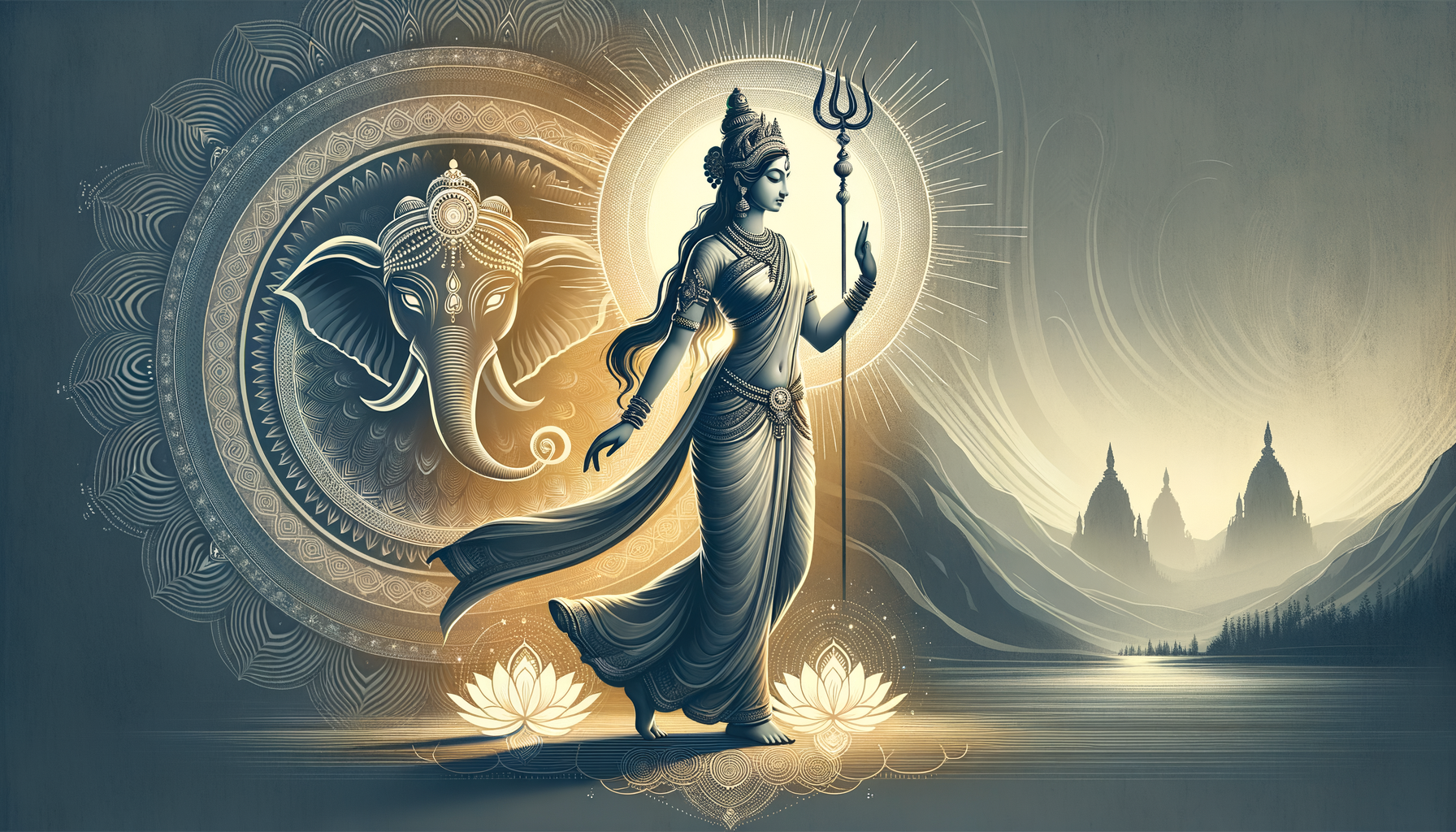
Goddess Chamunda’s association with the elephant in select iconography conveys a profound lesson: the fierce subjugation of ego, pride, and inertia that obstruct spiritual growth. Read as a visual theology of Shakti, the motif transforms heaviness into purposeful clarity aligned with dharma. The symbolism resonates psychologically, echoing Vedantic neti neti and Yogic pratyahara as disciplined…
-
Sarpa Abharana Moorthy: Why Shiva Wears Vasukiand the Powerful Promise of Protection

Sarpa Abharana Moorthy presents Lord Shiva wearing the sacred serpent Vasuki to convey protection, fearlessness, and compassion. This revered image communicates mastery over poison and danger while reassuring devotees facing anxieties about illness and harm. Puranic and Agamic traditions describe Shiva as naga-bhushana, integrating Naga symbolism of wisdom and auspiciousness into Shaiva iconography. Dharmic unity…
-
Why Devotees Break Coconuts to Vinayaka: Profound Symbolism, Blessings, and New Beginnings
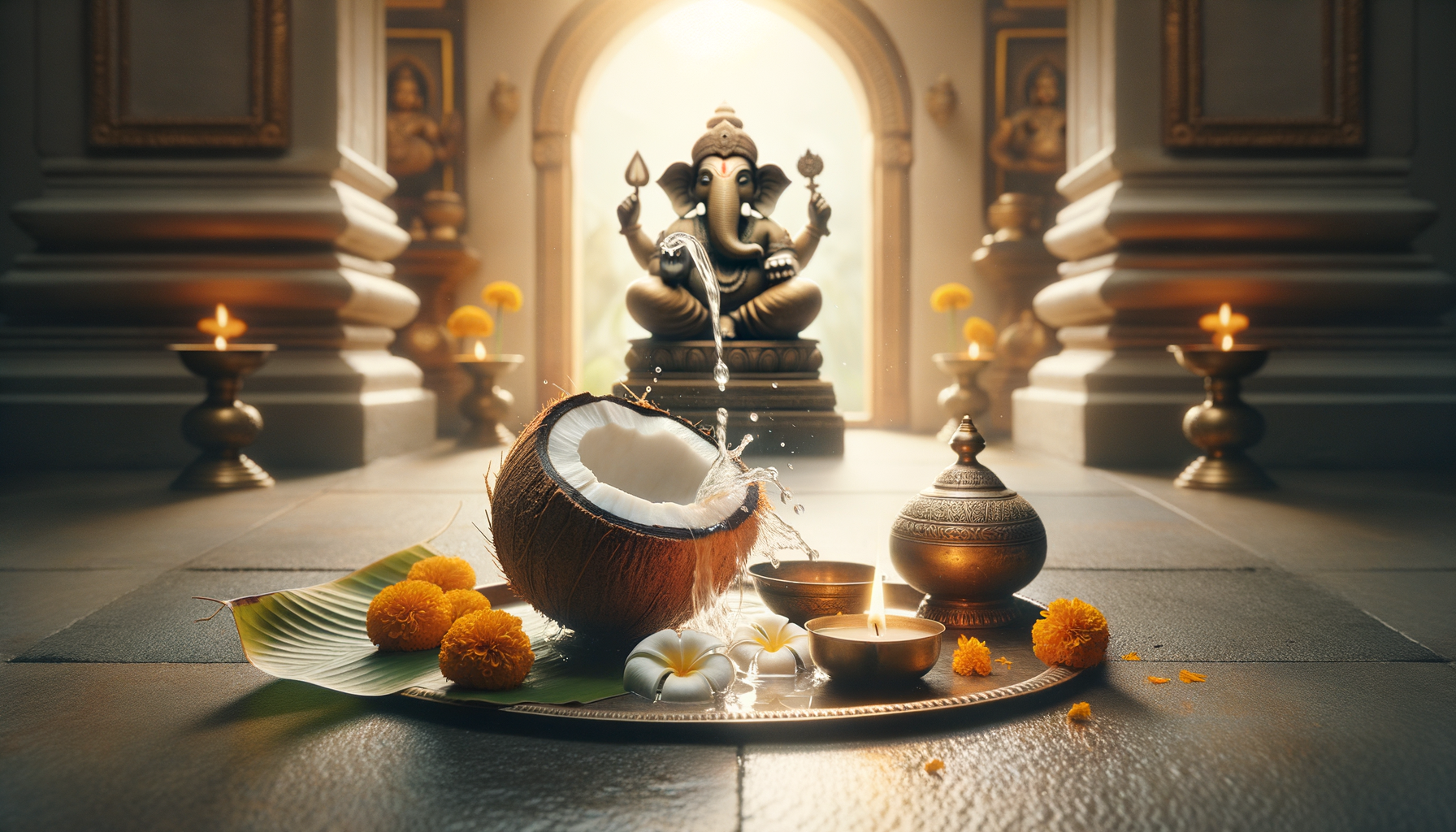
Breaking a coconut before Lord Vinayaka symbolizes surrendering ego, inviting clarity, and marking an auspicious beginning. The husk represents conditioning, the shell represents ego, the water signifies purity, and the white kernel reflects a sattvic mind ready for wise action. Performed with a clear sankalpa and environmental care, the ritual fosters courage and mindfulness. It…
-
Kubera and Pluto Compared: Wealth, Underworld, and Shared Ethics Across Civilizations

This comparative study examines Kubera in Hinduism and Pluto in Roman mythology to show how both embody wealth rooted in the earth and bounded by moral law. It clarifies their distinct rolesKubera as lord of prosperity and guardian of the north, Pluto as ruler of the underworldand explains how each tradition links abundance with duty.…
-
Panchapreta Unveiled: Tantric Symbolism of Five Corpses and the Living Power of Shakti

Panchapreta“the Five Corpses”is a Tantric teaching that uses paradox to convey a clear metaphysical insight: without Shakti, even exalted divine functions are inert. Framing the Pancha Brahma of creation, preservation, dissolution, concealment, and grace, the image portrays the Goddess as the living Power that animates all forms. Rather than morbid, the “corpse” metaphor is a…
-
The Divine Paradox of Ganesha on a Mouse: Transformative Symbolism to Conquer Ego
The iconic image of Lord Ganesha seated on a small mouse conveys a profound lesson: wisdom governs and transforms ego rather than destroying it. In Hindu symbolism, Ganesha embodies discernment while the mouse represents restless impulses, illustrating mastery of mind through knowledge. This insight harmonizes with Buddhist mindfulness, Jain aparigraha, and Sikh teachings on overcoming…
-
Darbha Sayana Murthy: Sri Rama’s Yoga Nidra Before LankaSymbolism, Strength, and Serenity

Darbha Sayana Murthy recalls the moment Sri Rama, poised to reach Lanka, prays to Lord Varuna and enters Yoga Nidra upon a bed of Darbha grass. The scene blends disciplined patience with strategic resolve, presenting leadership as calm strength before decisive action. Darbha symbolizes purity and protection, turning the earth into a sacred altar that…
-
Unmasking the Golden Deer: The Ramayana’s Allegory of Desire, Maya, and Dharma

The golden deer episode in the Ramayana functions as a refined allegory of human desire, maya (cosmic illusion), and ethical vigilance. By tracing Sita’s captivation, Rama’s pursuit, and Ravana’s exploitation, the narrative shows how alluring appearances disperse attention and compromise dharma. Read symbolically, the deer represents desire’s shimmerradiant yet elusivewhile the episode models the need…
-
Tripada Trimurti Unveiled: The Profound Symbolism of Shiva’s Three-Footed Trinity

Tripada Trimurti presents the TrimurtiBrahma, Vishnu, and Shivathrough the striking motif of three feet, highlighting the unity of creation, preservation, and transformation. This interpretation clarifies how the visible legs of Vishnu and Shiva, with the third principle implied through Brahma or the composite form, teach oneness-in-diversity. Readers gain a clear understanding of the term’s meaning,…
-
Ganesha’s New Head and the Grace of Correction: A Dharmic Meditation on Second Chances
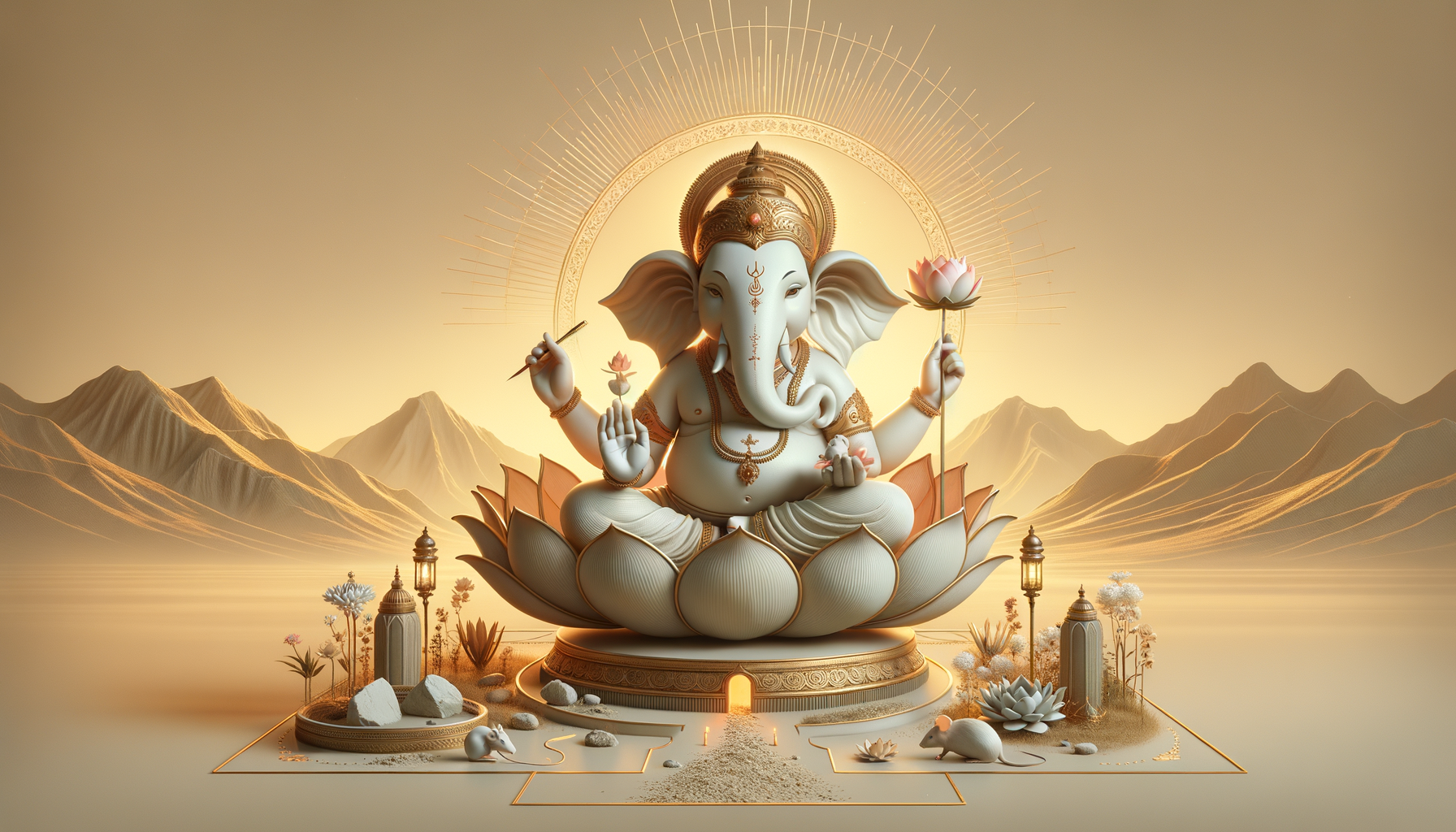
Ganesha’s birth and rebirth offers a timeless guide to human fallibility, emotional intelligence, and the ethics of second chances. The story highlights accountabilityrecognizing harm, accepting responsibility, and making meaningful amends. As a Hindu symbol, the elephant head teaches deep listening, measured speech, and adaptable strength. The narrative’s restorative vision resonates across Buddhism, Jainism, Sikhism, and…
-
Goddess Chamunda and Her Jackals: Unmasking Cremation-Ground Power, Fearlessness, and Grace
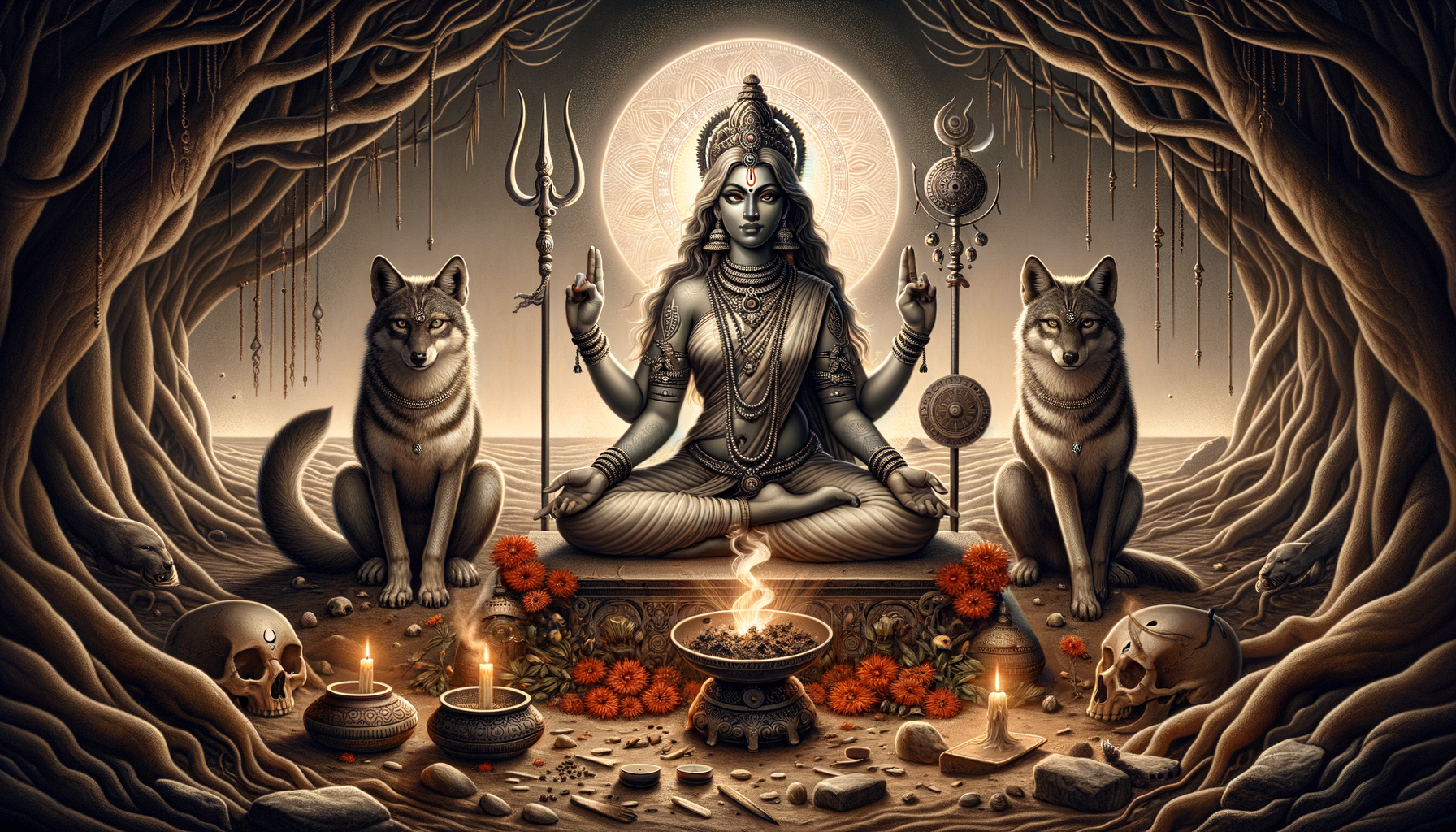
Goddess Chamunda’s fierce iconographycremation grounds, skull garlands, and jackalsconveys a precise spiritual message: transformation through fearlessness. The jackals signify liminality and guardianship at life’s thresholds, while the śmaśāna setting urges a direct encounter with impermanence. Read alongside Vajrayana charnel-ground practice, Jain anitya contemplation, and Sikh ideals of nirbhau, the symbolism affirms a shared dharmic insight…
-
Panchmukhi Hanuman Unveiled: Powerful Symbolism of Five Divine Directions and Protection
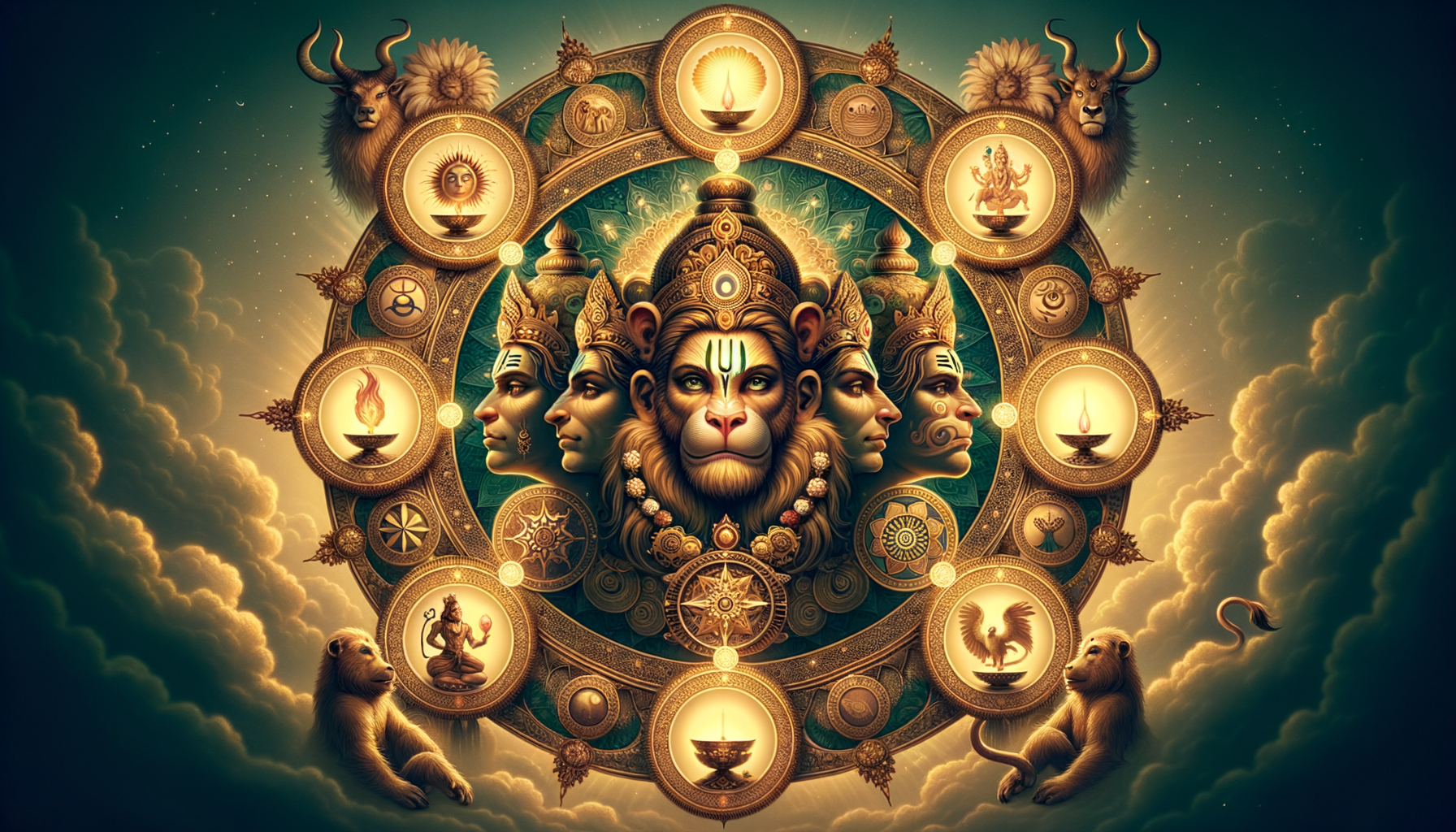
Panchmukhi Hanuman, the five-faced form of Hanuman, symbolizes protection and guidance across the five directions while uniting devotion, courage, vigilance, stability, and knowledge. Each faceHanuman, Narasimha, Garuda, Varaha, and Hayagrivaembodies a distinct spiritual energy that supports daily practice and contemplative focus. The form resonates with core Indic ideas such as the five elements, five vital…
-
Kapalins’ Sacred Black Visage: Unveiling Shaivism’s Fierce Compassion and Symbolic Power
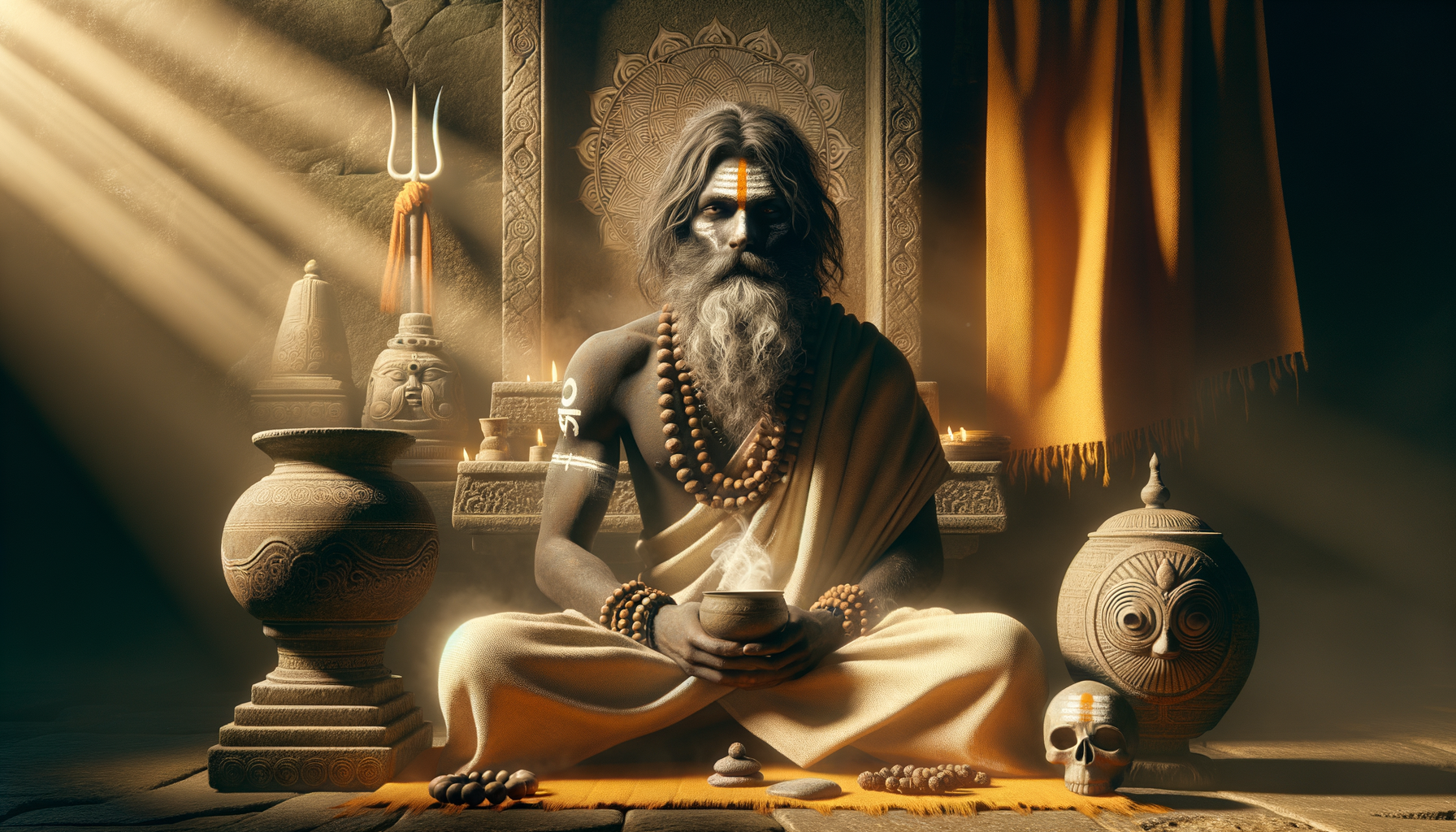
The Kapalin tradition in Shaivism uses stark symbolsthe darkened visage and the skull-cupto teach impermanence, humility, and ethical responsibility. Read as pedagogy rather than spectacle, these Hindu Symbols focus attention on inner transformation and compassion. The Bhairava framework clarifies their aim: to confront fear and ego through disciplined practice and reflection. Parallels in Vajrayana Buddhism,…
-
Peacock Symbolism in Hinduism: Majestic Vahana of Subrahmanya Swamy and Auspicious Grace
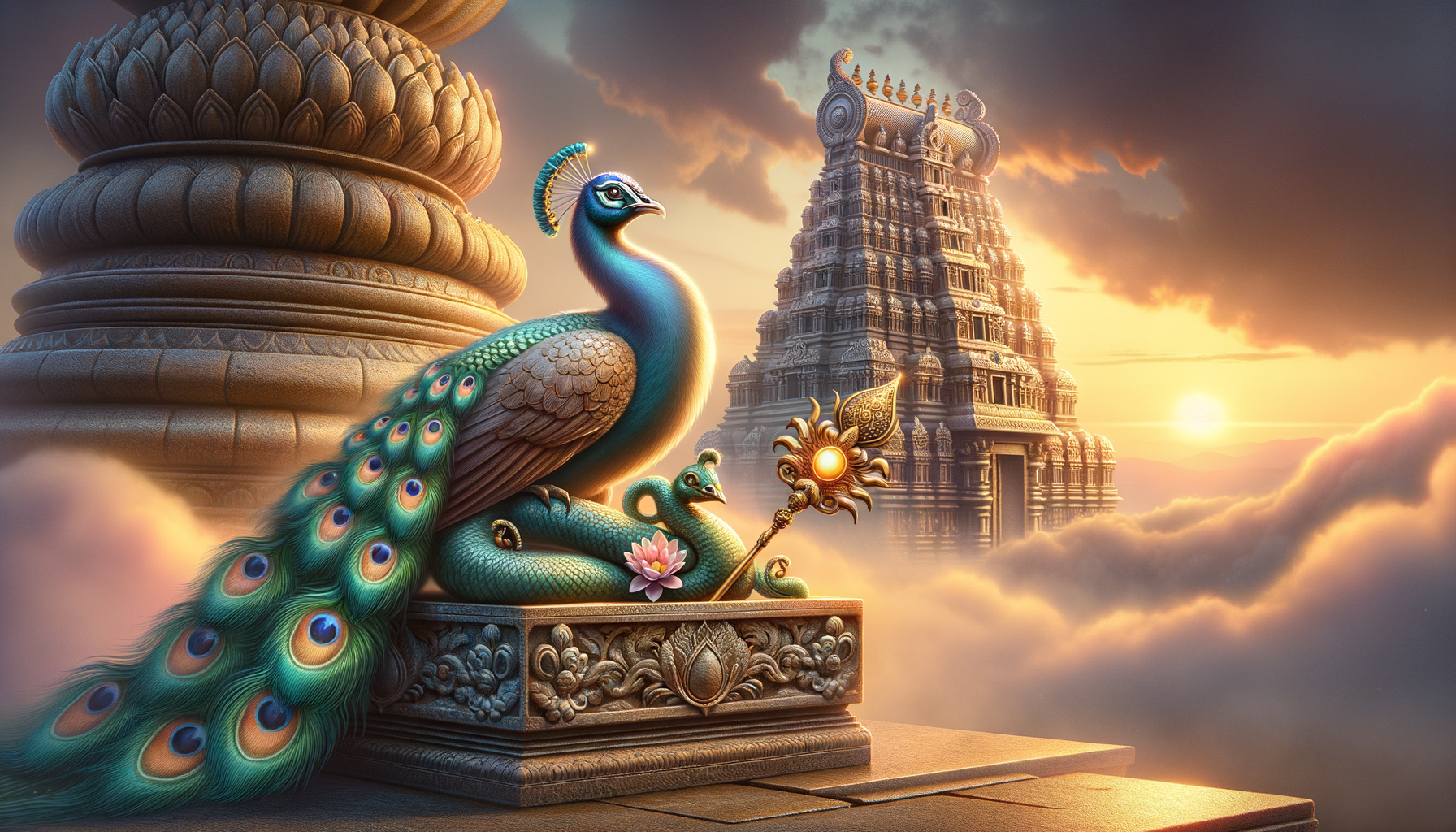
The peacock, vahana of Subrahmanya Swamy (Lord Muruga), symbolizes beauty, courage, and ethical clarity in Hinduism. Its iconographyoften subduing a serpentsignifies victory over ego and ignorance, aligning aesthetics with spiritual discipline. Devotees regard the peacock’s dance and call as auspicious, a sentiment reflected in festivals like Skanda Shashti and Karthigai, as well as in arts…