
-
Dhritarashtra’s Blindness as a Mirror to the Mind: A Mahabharata Guide to Moral Clarity

Dhritarashtra’s blindness in the Mahabharata symbolizes a universal human challenge: the mind’s tendency to turn away from uncomfortable truths when gripped by attachment and fear. Anchored in Hindu philosophy, the narrative shows how moha undermines viveka and invites motivated reasoning. Vidura and Sanjaya represent conscience and clarity, offering models for ethical perception that remain relevant…
-
Panchamukhi Hanuman and the Five Elements: Decoding a Powerful Symbol of Cosmic Balance for Harmony
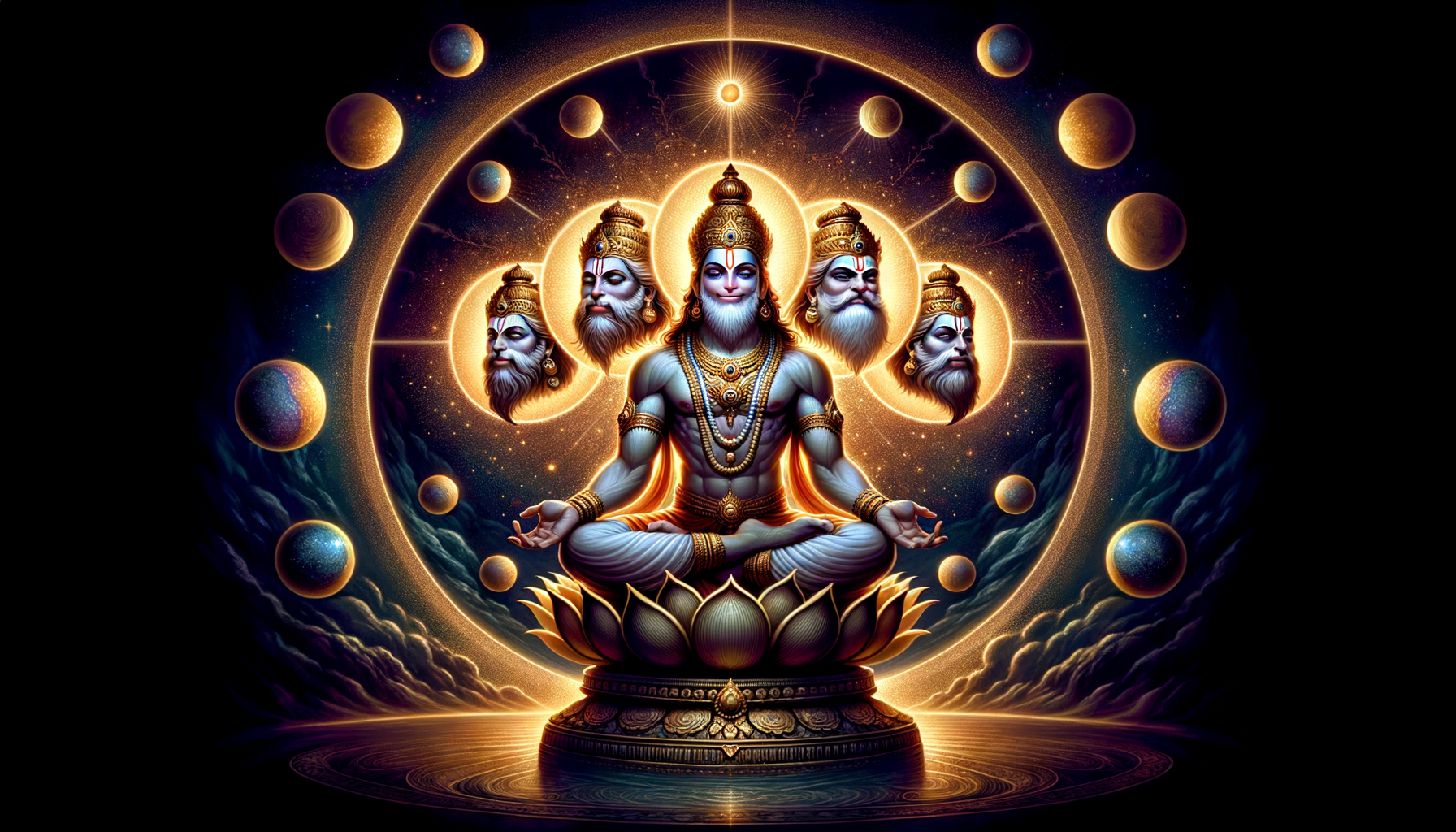
Panchamukhi Hanuman symbolizes vigilant protection and the harmony of the five elements, connecting devotion with a clear framework for inner balance. The five-faced form aligns with directions and elemental qualities, offering a contemplative map for stability, courage, breath, adaptability, and spacious awareness. While specific face–element mappings vary across traditions, the shared message remains: symbolism is…
-
Partha and Pārthiva Revealed: Profound Symbolism of the Mortal Seeker in Gita Chapter 1
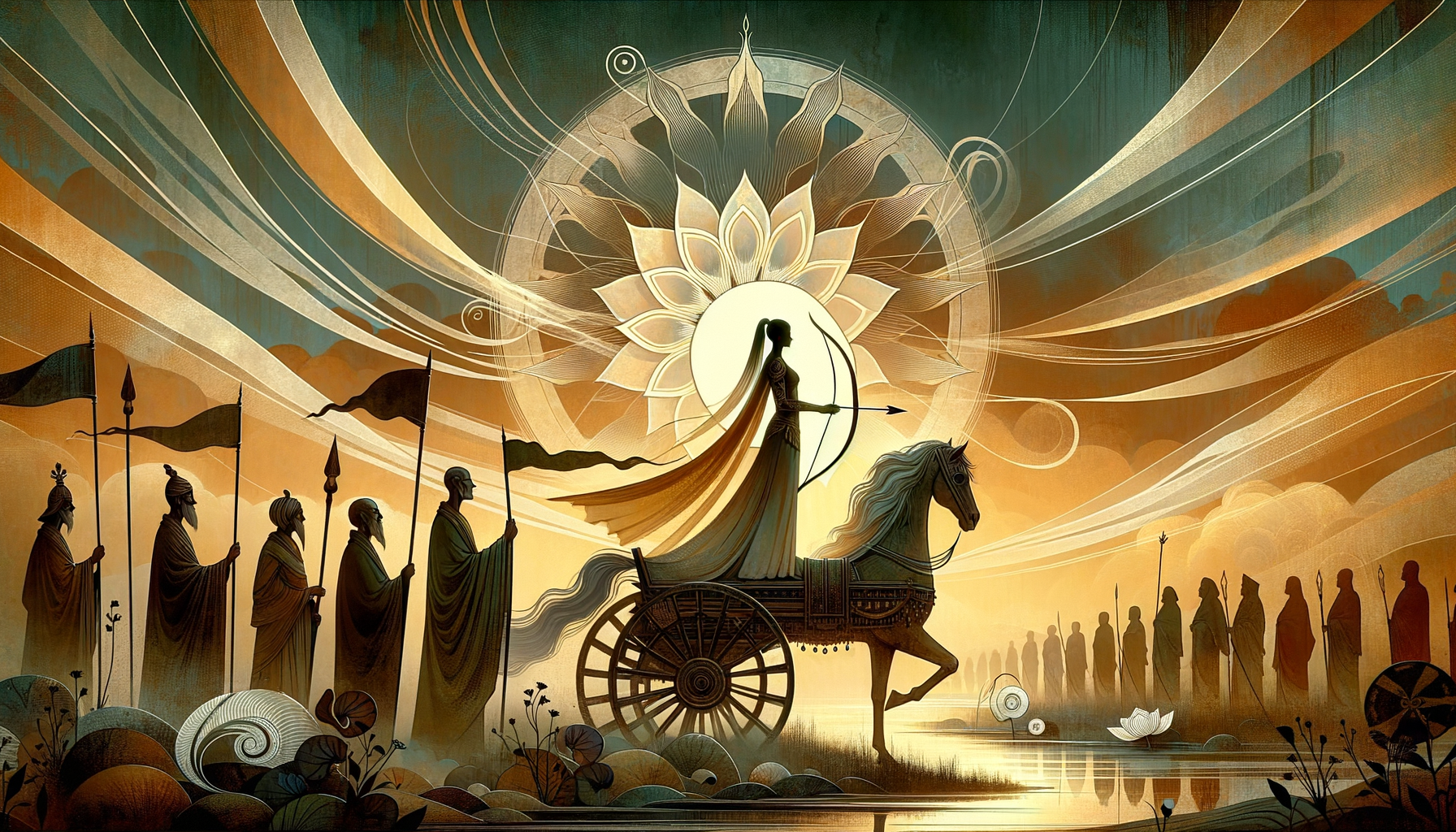
Bhagavad Gita 1.25 uses “Pārtha” to frame Arjuna not merely as a warrior but as a mortal seeker grounded in lineage, responsibility, and dharma. The cognate “pārthiva”earthly, princelydeepens this symbolism, suggesting rulership over the self as the heart of ethical action. Krishna’s selective use of names functions as pedagogy, stabilizing Arjuna amid Kurukshetra’s tumult and…
-
The Potter’s Gift and the Wasted Vessel: Hinduism’s Powerful Life Symbol and a Call to Purpose

The parable of the potter and the pot in Hinduism teaches that human life is a carefully crafted vessel meant to hold wisdom, compassion, and purposeful action. Read in the light of the Bhagavad Gita and the Upanishads, the vessel represents the body-mind where dharma is lived and moksha is pursued. The image resonates across…
-
From Deer to Owl: Unraveling the Powerful Animal Symbols of Goddess Lakshmi

This essay explores how animals and birdsespecially elephants, the owl (Ulooka), the deer, and cattleshape the evolving iconography of Goddess Lakshmi. It highlights Gaja-Lakshmi as a classical symbol of rain-blessed abundance and royal order, and explains the owl’s regional prominence in eastern India as a guide to vigilant, ethical prosperity. It interprets the deer as…
-
Broken Pot in Hindu Death Rituals: Powerful Symbolism of Impermanence, Grief, and Liberation

In Hindu death rituals, the breaking of a clay pot during Antyeṣṭi powerfully symbolizes impermanence, the release of attachments, and the soul’s onward journey. The water’s steady drip reflects the fading of prāṇa, while the final shatter marks the clear separation of body and atman. This rite provides emotional structure for mourners, transforming raw grief…
-
Pot-Bellied Deities in Hinduism: Profound Symbolism of Abundance, Restraint, and Wisdom
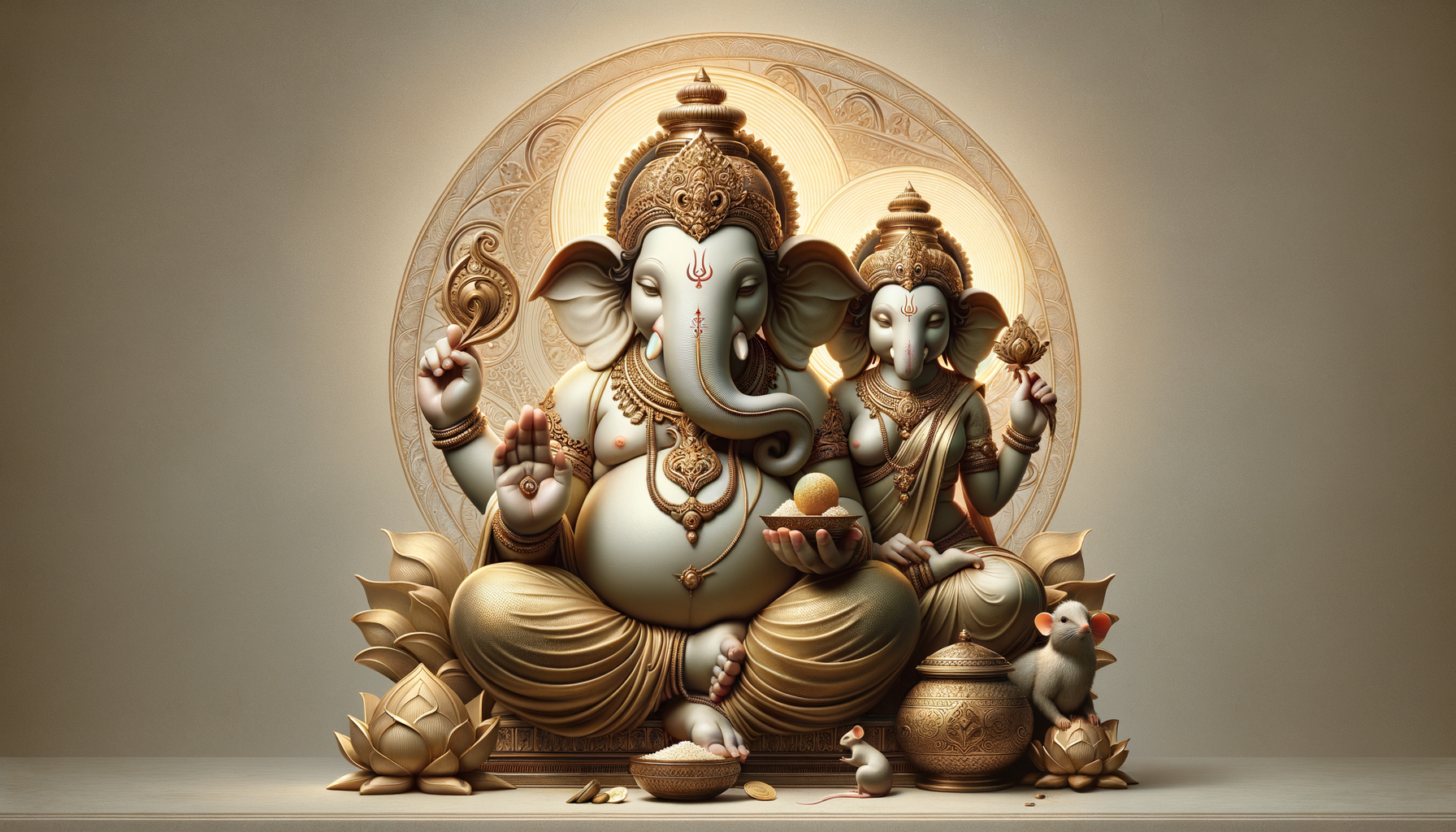
The pot belly in Hindu iconographyseen in deities like Ganesha and Kuberaembodies profound teachings on abundance, restraint, and inner integration. Rather than signaling excess, it symbolizes ethical wealth, contentment (santosha), and the yogic power to assimilate experience through jatharagni and mindful breath. The form also implies groundedness in muladhara, creative potential in the garbha, and…
-
Surpanakha Unveiled: The Powerful Etymology, Symbolism, and Dharma Lessons in the Ramayana

Names in the Ramayana carry layered meanings that guide ethical understanding, and Surpanakha is a vivid example. This piece explains the Sanskrit etymology of Surpanakha (śūrpa + nakha) and shows how the name functions as narrative symbol and moral cue. It places the episode within the Valmiki tradition while acknowledging later retellings that frame the…
-
Ardhaparyanka Unveiled: Powerful Symbolism of the Half-Seated Posture in Dharmic Art
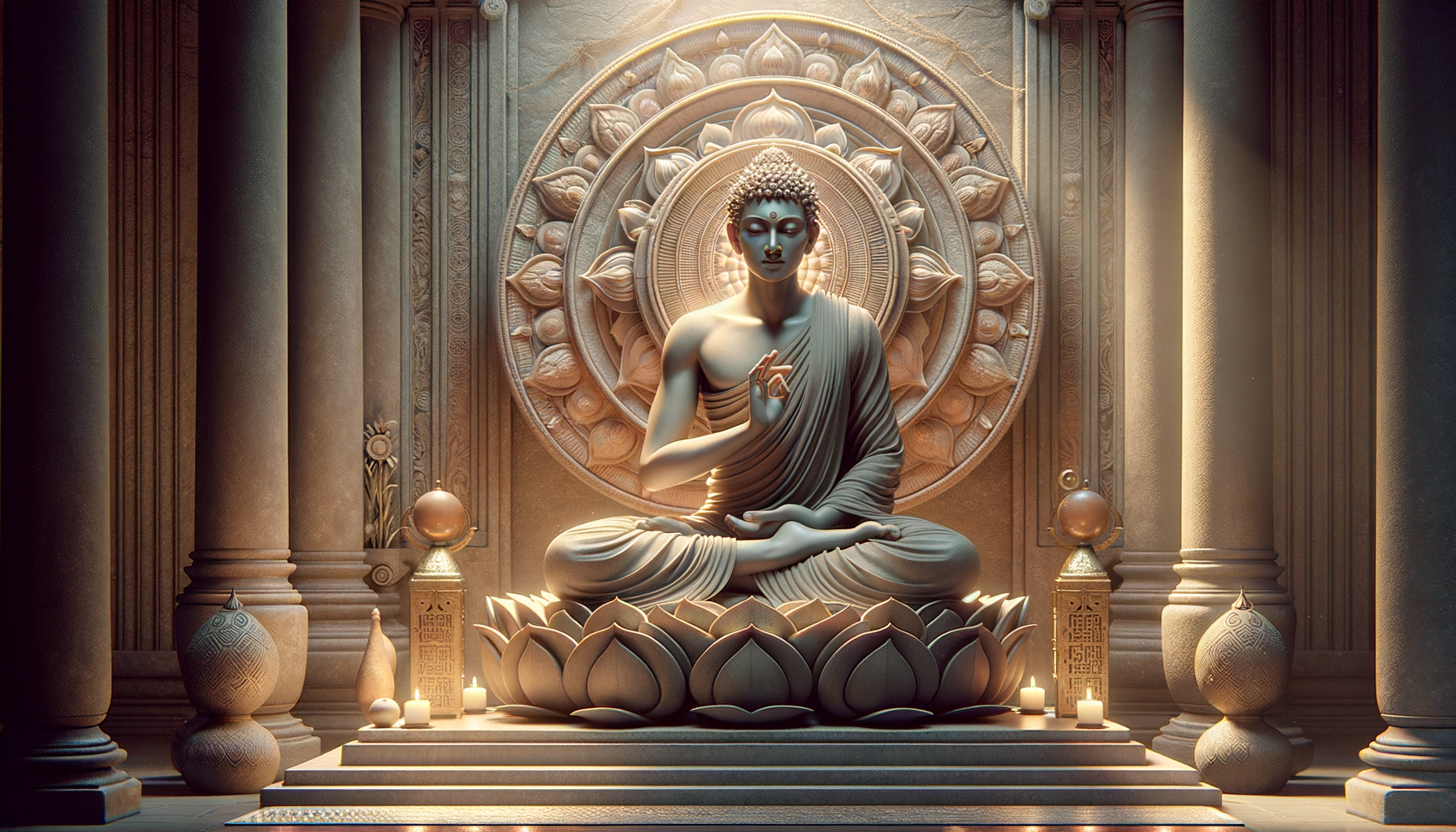
Ardhaparyanka, the “half-seated” posture in Hindu and Buddhist iconography, unites calm repose with poised readiness. It signals divine approachability without diminishing authority, harmonizing compassion with sovereignty. The posture’s balanced form resonates across dharmic traditions, supporting unity among Hinduism, Buddhism, Jainism, and Sikhism. In temples and galleries, viewers often experience a felt sense of stability and…
-
Bhakti and the Worship of Form: Why Murti-Puja Guides the Mind Toward the Infinite

Bhakti embraces worship of form because the universe is seen as emerging from the Supreme Being, making contemplation of Bhagavan accessible. Since human cognition relies on imagery, murti-puja provides a practical bridge from form to the formless. As a symbolic focus, a murti does not limit the Infinite; it points beyond itself while cultivating one-pointedness…
-
Decoding Lord Ayyappa’s Iconic Sitting Posture: Yogic Symbolism, Discipline, and Grace

The sitting posture of Lord Ayyappaoften termed Yogapattasanadoes more than depict meditation; it encodes restraint, discipline, and compassion through the stabilizing yogapatta. For Sabarimala pilgrims, it mirrors the vratham of vows and ethical living, transforming devotion into daily practice. The pose’s calm balance resonates across dharmic traditions, paralleling Buddhist mindfulness, Jain self-restraint, and Sikh remembrance…
-
Goddess Bhairavi Unveiled: Fierce Mahavidya Symbolism for Inner Liberation
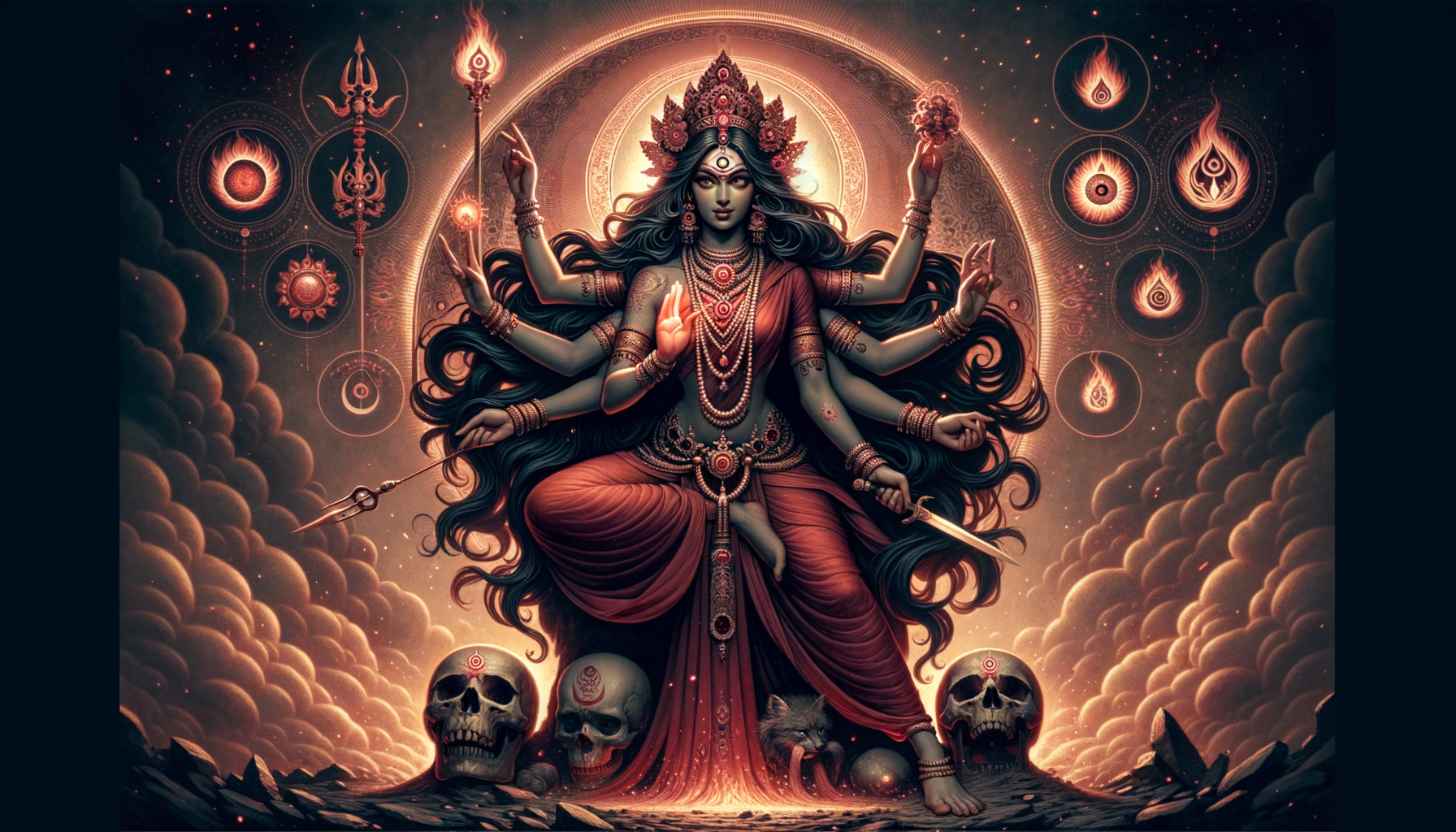
Goddess Bhairavi, one of the Dasa Mahavidyas, embodies fierce compassion that dismantles ignorance and supports inner liberation. Her Tantric iconographysword, trident, skull-cup, rosary, and bookforms a precise grammar of spiritual transformation. The cremation-ground setting and skull-garland highlight impermanence, while her lion and third eye symbolize courage and insight. Interpreted psychologically, Bhairavi’s energy refines fear, anger,…
-
Why Surya Is Worshipped in Sphatika: Illuminating the Symbolism, Science, and Serenity

Surya worship through sphatika (crystal) unites symbolism and practice, aligning the Sun God’s radiance with the crystal’s clarity to support focused, serene devotion. The crystal’s sattvic purity complements Surya’s illuminating qualities, fostering steadiness without agitation. In daily practice, gentle natural light refracted by sphatika creates a contemplative atmosphere ideal for mantra and meditation. Practical stepsclean…
-
Discover the Sacred Secrets of Panchavati: A Complete Guide to Its Symbolism in Ramayana

Panchavati, the sacred grove of the Ramayana on the Godavari River, is more than a location; it is a symbol of disciplined living, ecological reverence, and ethical courage. The grove’s “five trees” evoke harmony of the senses and elements, framing exile (vanvas) as a path of inner refinement. Key episodesŚūrpaṇakhā’s encounter, the golden deer, Sita’s…
-
Complete Guide to Kali’s Jackal Vahana: Discover Transformative smasana Symbolism

Goddess Kali’s association with the smasana (cremation ground) reveals a rigorous yet consoling lesson on impermanence, ego-dissolution, and compassionate presence. The jackal as Vahana functions as a precise Hindu symbol of transformation, liminality, and ecological renewal. This analysis clarifies how Tantric symbolism turns fear into insight and darkness into ethical action. It highlights shared values…
-
Discover the Complete Symbolism of Jagadhatri’s Elephant Head: From Devi Mahatmya to Bengal
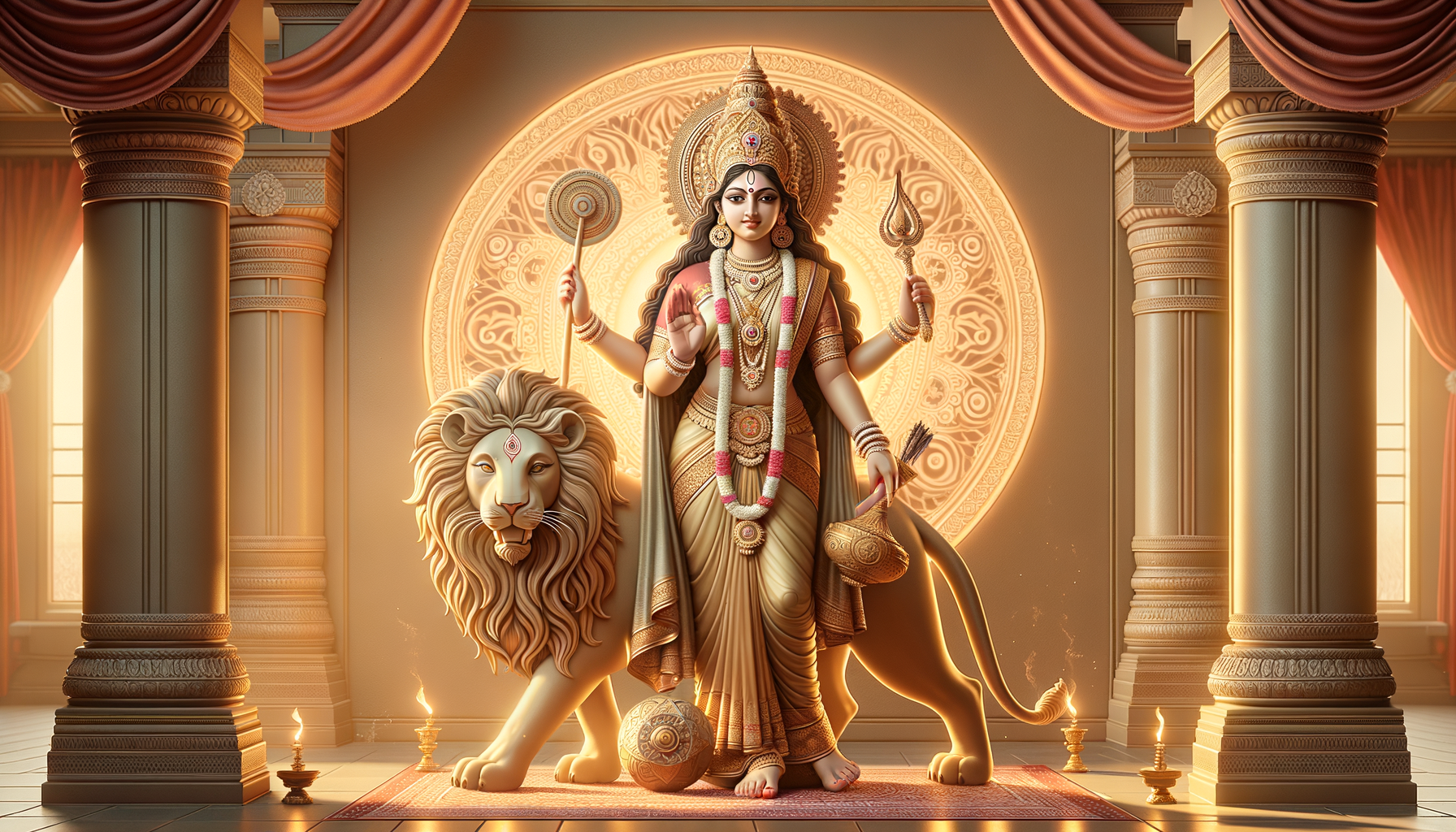
The elephant head beneath Goddess Jagadhatri’s feet is not an incidental detail; it is a direct reference to Devi Mahatmya, where Mahishasura assumes multiple illusory forms, including an elephant, before being subdued by the Goddess. Bengal’s Jagadhatri Puja translates this scriptural moment into vivid iconography: serene divinity above, restrained illusion below. The motif teaches mastery…
-
Dakat Kali Explained: The Ultimate Guide to Kali’s Proven Power for Justice and Transformation
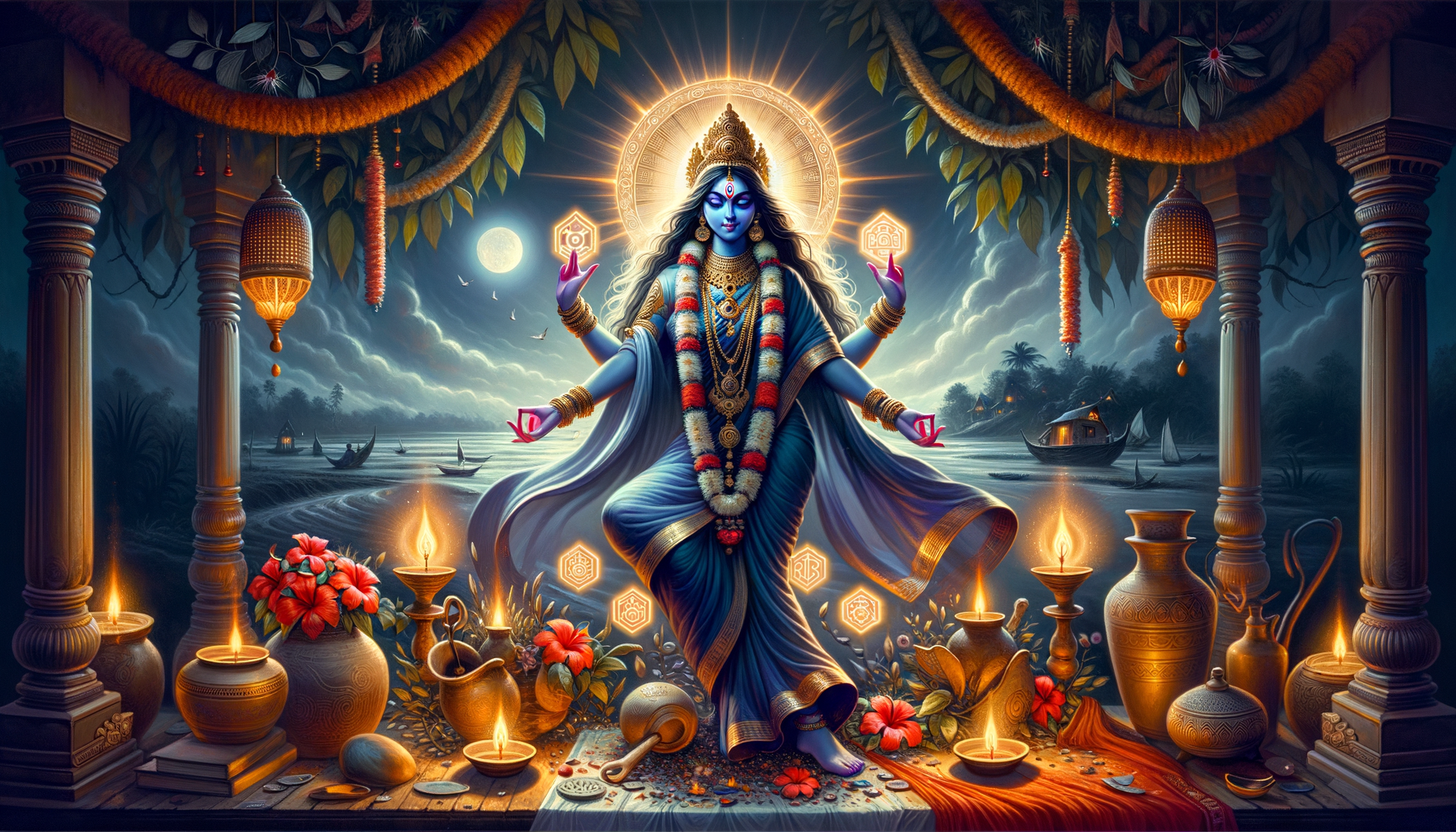
This article explains Dakat Kalithe Bandits’ Kalias a symbol of protective justice and ethical transformation rooted in Shakti. It situates Kali worship within historical contexts in which dacoit groups sought morale and spiritual aid against oppressive structures during the British era. The analysis clarifies key symbolismsuch as the sword and garland of headsas metaphors for…
-
Discover the Secret Eye on Kali’s Sickle Sword: A Complete Guide to Transformative Symbolism

The eye often depicted on Goddess Kali’s sickle-shaped sword (khadga or kripan) is a visual doctrine: wisdom guiding power. Far from signifying mere destruction, it encodes the union of discernment and actionawareness cutting through ignorance (avidya) with ethical clarity (dharma). The eye represents vigilant consciousness (jnana-netra), while the blade symbolizes transformative discernment (viveka). This symbolism…
-
Goddess Siddhikali Iconography: The Complete Guide to Sacred Symbolism and Inner Power

Goddess Siddhikali, a powerful manifestation of Shakti, communicates a complete path to inner transformation through richly layered iconography and sacred symbolism. Her dark hue, sword, trident, skull cup, and fear-dispelling mudras teach the dissolution of ego, ethical clarity, and compassionate courage. Practitioners can draw practical benefitsemotional resilience, mental balance, and purposethrough japa, visualization, and meditative…
-
Soorasamharam Explained: The Complete Guide to Skanda Shashti’s Transformative Symbolism

Soorasamharam, the culminating event of Skanda Shashti, teaches how humility aligned with Dharma overcomes ego and confusion. The symbolism of the Vel, peacock, and rooster offers a practical guide to discernment, self-mastery, and spiritual wakefulness. Temple observances and community recitations translate these teachings into lived experience. Read alongside Buddhist, Jain, and Sikh perspectives, the narrative…