
-
Duryodhana’s Lake Dwaipayana Refuge: A Powerful Mahabharata Lesson on Adharma Unmasked

On the war’s final day, Duryodhana’s retreat into Lake Dwaipayana becomes a powerful allegory for how adharma seeks concealment when confronted by truth. The episode’s symbolism reframes waterfrom purification to evasionwhile the subsequent mace duel with Bhima exposes the tension between rule-bound procedure and restorative justice. Read through a dharmic lens, the moment highlights karma’s…
-
From Trishul to Pinaka: Unveiling Shiva’s Supreme Weapon and Its Sacred Evolution
This essay explores the sacred relationship between Shiva’s Trishul and Pinaka as complementary symbols of transformation and protection. It shows how the Trishul dissolves ignorance and disorder, while Pinaka channels disciplined force to safeguard dharma. Drawing on Puranic and epic references, including the famed episode of the Śiva Dhanush in the Rāmāyaṇa, it highlights how…
-
Why Black Matters in Dharmic Life: Powerful Protection, Inner Confidence, and Devotion

Black holds profound significance across dharmic traditions, symbolizing protection, discipline, and inner steadiness. In Hindu practice, it is closely linked with Lord Shaneeswarar (Shani) and guardian deities like Muneeswarar, reflecting themes of karmic balance and safeguarding. Ayyappa devotees wear black during vratham to express austerity, humility, and equality ahead of the Sabarimala pilgrimage. Many practitioners…
-
Timeless Meaning of the Nath: Cultural, Ayurvedic, and Marital Significance in Hinduism

The nose ring, or nath, endures as a culturally significant ornament in Hinduism, symbolizing auspiciousness, marital commitment, and reverence for the sacred feminine. Regional stylesMaharashtrian, Punjabi/Rajasthani, and South Indianreflect localized identity and craftsmanship. Traditional Ayurvedic beliefs associate left-side piercing with women’s well-being, illustrating how symbolism and daily life intersect in Hindu traditions. As part of…
-
Shiva as Kamadahana Murthy: The Fiery Triumph Over Desire and Lessons for Inner Freedom

Kamadahana MurthyShiva who burns Kamadeva to ashesoffers a timeless lesson on transforming desire into inner freedom. Grounded in Puranic narratives, the episode reveals how Shiva’s third eye purifies compulsion while preserving compassionate renewal through Rati’s plea. The symbolism aligns with dharmic insights across Hinduism, Buddhism, Jainism, and Sikhism, emphasizing self-mastery and ethical living. Readers gain…
-
Chilling Symbolism of Asipatra: The Sword-Leaf Forest and Dharma’s Call to Compassion

The Asipatra or sword-leaf forest is a powerful Purāṇic symbol that dramatizes the consequences of harmful actions and the neglect of dharma. Rather than a literal geography of the afterlife, it functions as a moral pedagogy illustrating ethical cause and effect. Readers gain a clear understanding of how the image aligns with ahimsa, satya, and…
-
Vaikunta Ekadasi and Moksha Patam: Decoding Snakes and Ladders as a Path to Liberation

Vaikunta Ekadasi invites a reflective return to dharma, and the traditional game Moksha Patam (Snakes and Ladders) becomes a meditative tool for understanding karma and moksha. Ladders symbolize virtues like truth, compassion, charity, and devotion, while snakes represent vices such as anger, pride, greed, and delusion. The game aligns naturally with Ekadashi fasting and vrata,…
-
Begho Bhoot of Bengal: Haunting Tiger Spirits and Sacred Ecology of the Sundarbans

This exploration of Begho Bhoot in Bengal folklore examines the tiger-linked spirits of the Sundarbans as a cultural expression of fear, reverence, and environmental wisdom. It clarifies the term’s etymology from bagh (tiger) and situates the belief within local lifeworlds shaped by tiger-human conflict. Readers learn how these narratives function as cautionary guides, supporting safe…
-
Why Lalita Sahasranama Mentions Blood-Red and Meat: Unpacking Sacred Symbolism with Care

A widely asked question about the Lalita Sahasranama concerns references to blood-red imagery and seemingly non-vegetarian offerings. Verse 103‘Rakta-varna mansanishta gudanna pritamanasa. Samsta bhakta sukhada lakinyamba svarupini’describes Lakinyamba of the Manipura Chakra using symbolic language rather than prescribing universal dietary norms. The blood-red hue signifies life-force and courage; gudanna (sweet rice) highlights gentle, sattvic devotion.…
-
Varuna’s Pasha Unveiled: How the Celestial Noose Sustains Dharma and Cosmic Order

Varuna’s pasha, the sacred rope, symbolizes the bonds that sustain dharma and cosmic order in Vedic thought. Far from punitive, it represents restorative justice: transgression entangles, truth and repentance release. The symbol extends to the natural world, where cycles of rain, rivers, and seasons reveal a universe held together by relation. Ethically, the pasha calls…
-
Embodied Sri Chakra: A Profound Map of Shakti–Shiva Unity and the Five Elements Within

This article explores how the human body can be contemplated as Sri Chakra, an advanced symbol of Shakti–Shiva unity and an experiential map of yogic anatomy. It explains the five elements (pancha bhutas) as Shakti’s dynamic creativity and shows how this view grounds the senses, prana, and bodily tissues. Readers learn the core geometry of…
-
Padmanabha Unveiled: The Lotus-Naveled Vishnu and the Cosmic Source of Creation
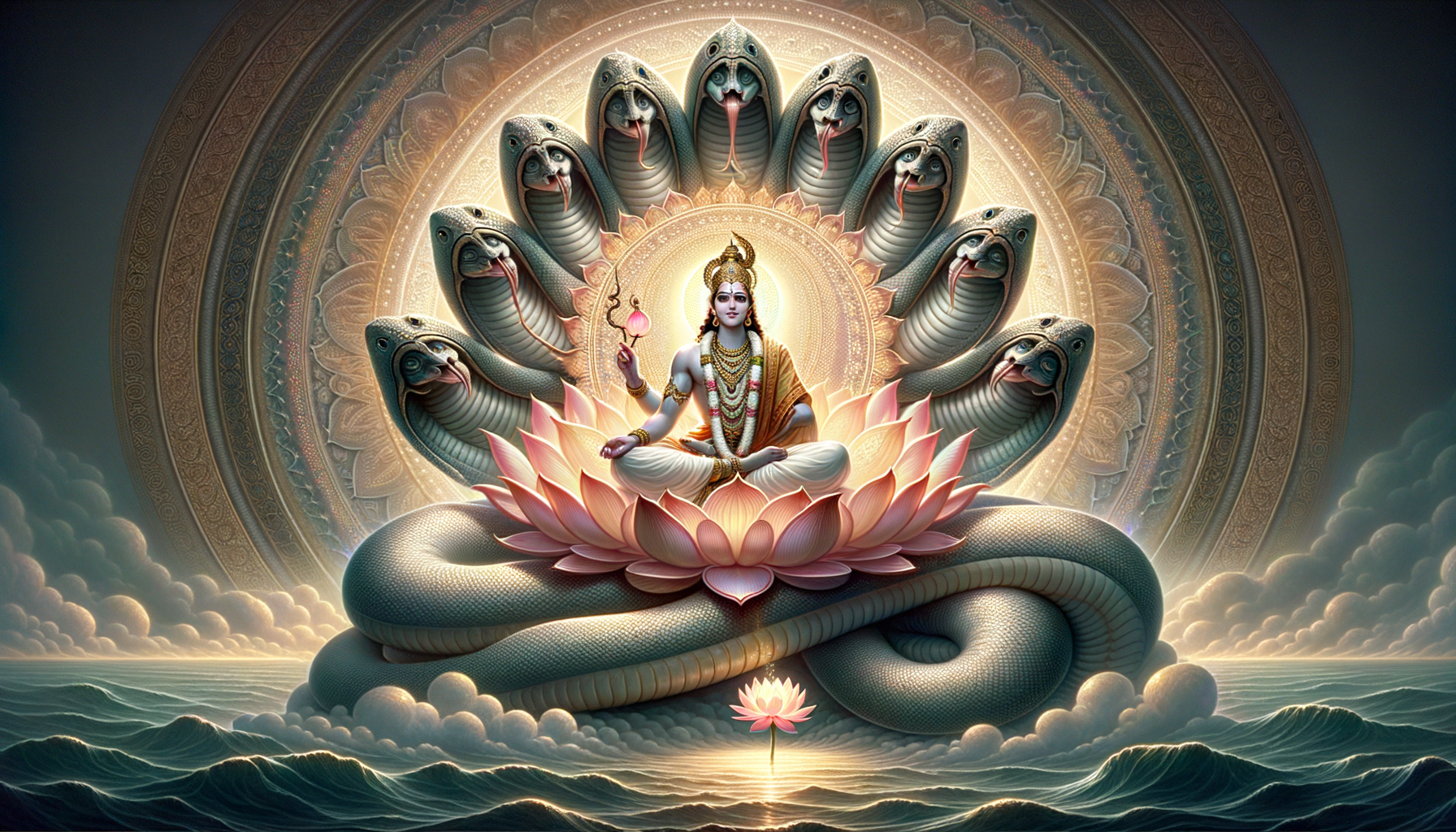
Padmanabha“He whose navel is the source of the lotus”encapsulates Vishnu’s role as the serene ground of creation in Hindu symbolism and Puranic cosmology. This post explains how the lotus and navel together express purity, origin, and balance, linking iconography with philosophy and practice. It explores scriptural foundations in the Bhagavata Purana and Padma Purana, and…
-
Goddess Chinnamasta and the Jackals: Tantric Symbolism, Fierce Grace, and Inner Transformation

Goddess Chinnamasta’s self-decapitated form and the presence of jackals create a profound Tantric teaching on ego-transcendence, impermanence, and compassionate energy. The three blood streams symbolize iḍā, piṅgalā, and suṣumṇā, suggesting redistribution of prāṇa rather than loss. Jackals, as cremation-ground denizens, represent threshold spaces and the recycling of form, turning fear and instinct into wisdom. Psychological…
-
Hindu Goddess Kali’s Fifty-Skull Garland: Fearless Wisdom on Creation, Death, and Renewal
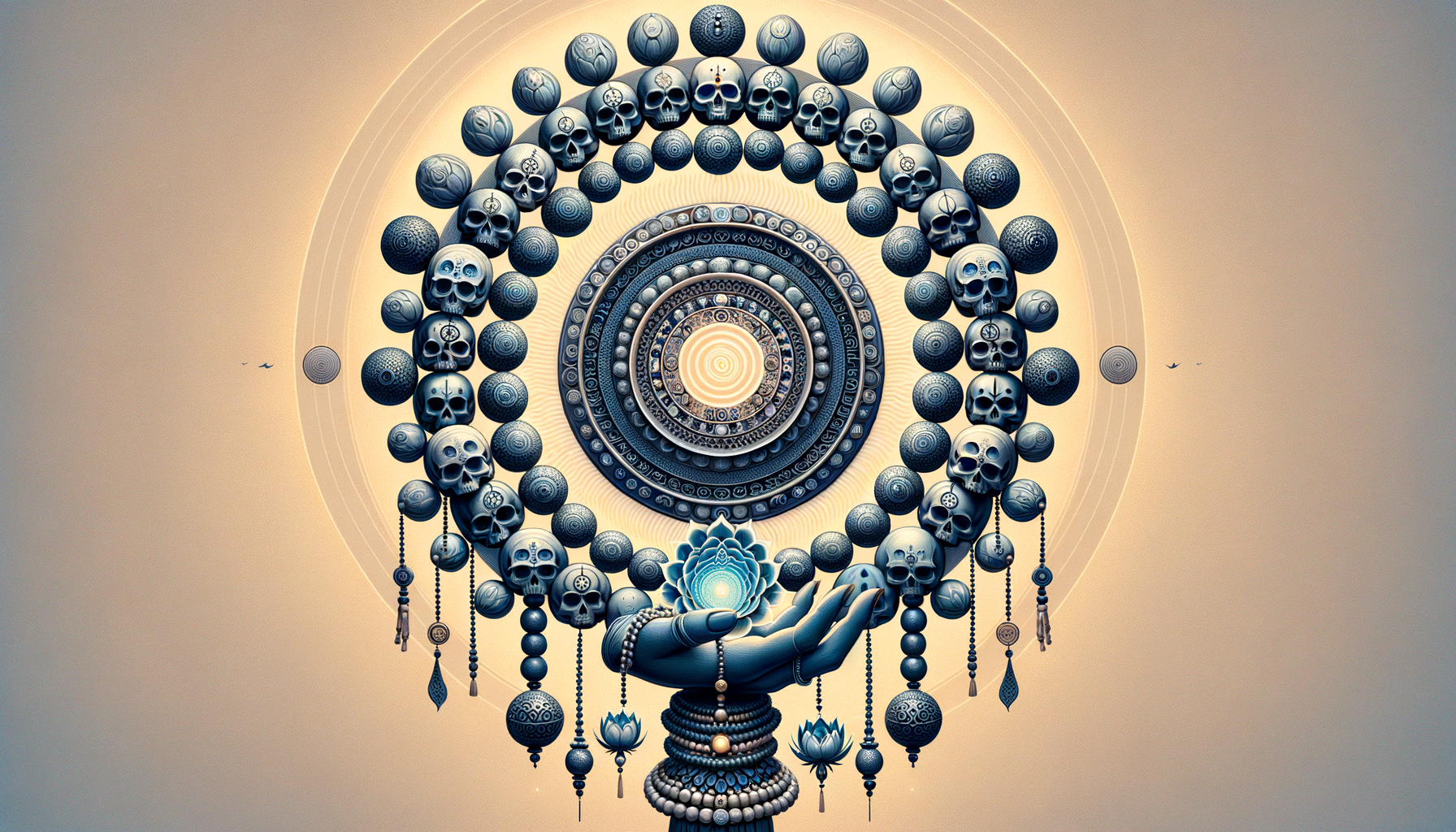
Kali’s mundamala, the garland of fifty skulls, is a precise philosophical symbol rather than a macabre accessory. Each skull corresponds to a Sanskrit phoneme, expressing the creative power of Vāk and the sovereignty of Shakti over time and form. The image teaches fearlessness, non-attachment, and ethical clarity by confronting impermanence and dissolving ego. Variations in…
-
The Sacred Black of Goddess Kali: Profound Symbolism, Unity, and Inner Awakening
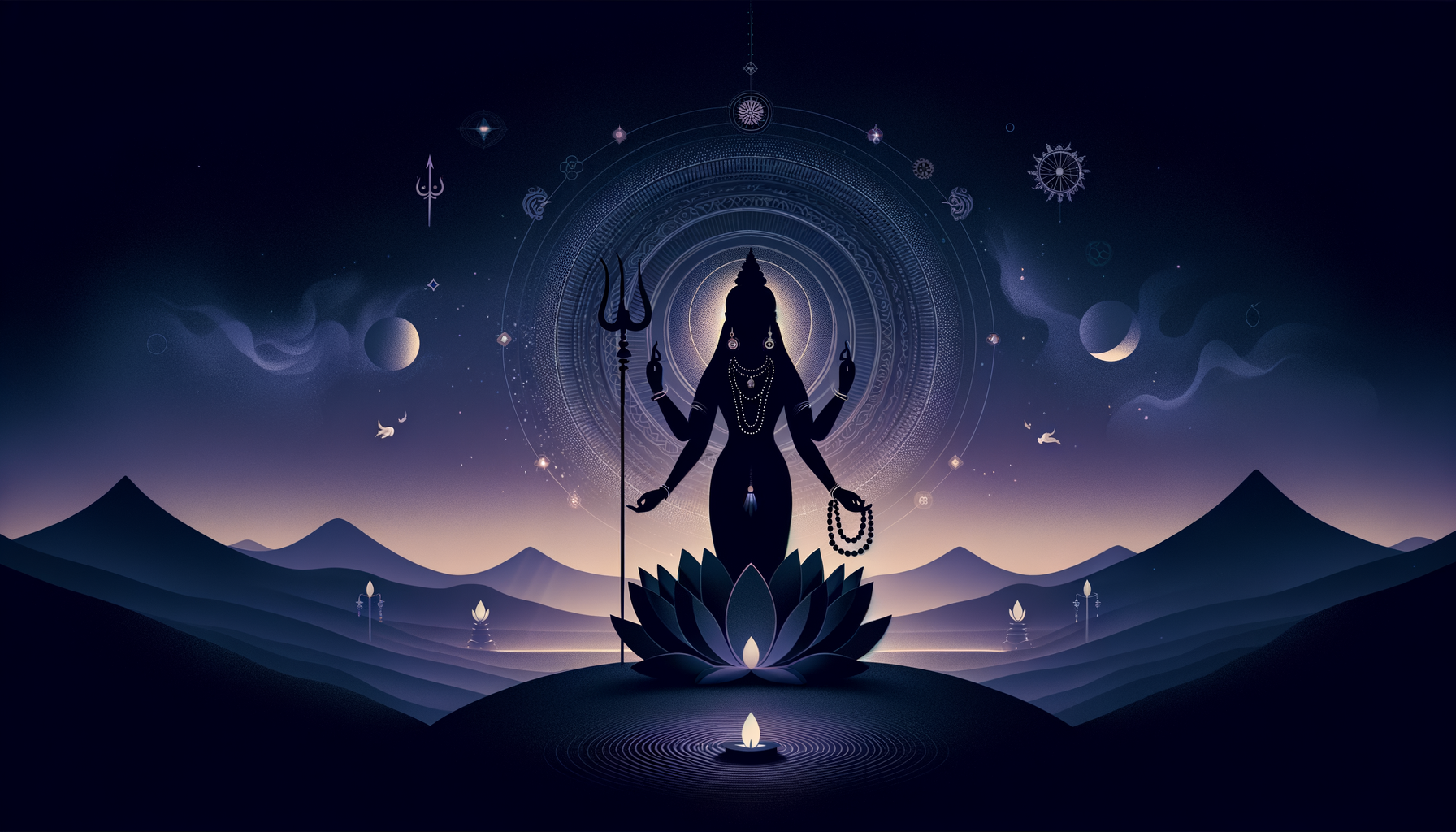
Goddess Kali’s blackness is a precise spiritual symbol, pointing beyond physical color to the infinite and unmanifested. In Hindu philosophy and Tantra, it signifies the absorptive wholeness that dissolves ego and form while nurturing clarity and courage. Practitioners often report calm and resilience when contemplating Kali, suggesting a lived integration of psychological and contemplative insight.…
-
Achyuta Unveiled: Meaning, Symbolism, and the Imperishable Grace of Vishnu
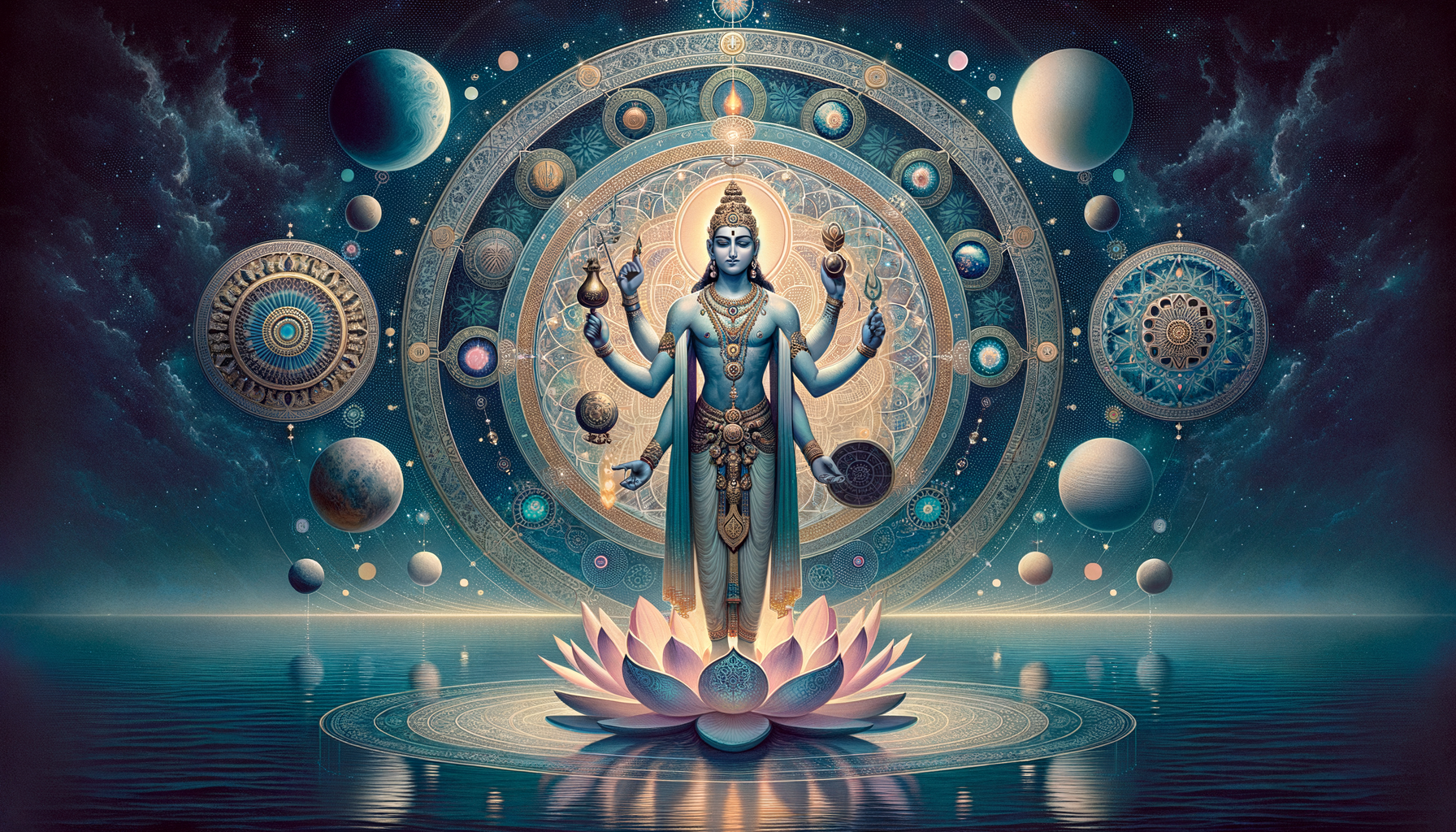
Achyutameaning “the unfallen”is a profound Sanskrit name of Lord Vishnu and Sri Krishna that conveys imperishability and unwavering grace. Scriptural anchors such as Bhagavad Gita 1.21 and the Vishnu Sahasranama highlight its theological depth and devotional relevance. The name’s symbolism nurtures steadiness, moral clarity, and resilience, guiding practitioners through uncertainty. Its core intuition of a…
-
MuktakeshiKali’s Disheveled Hair: A Fearless Symbol of Liberation, Compassion, and Power

Muktakeshi“one with disheveled hair”illuminates the fearless, compassionate power of Goddess Kali. Unbound hair signifies boundaryless śakti, autonomy, and the dissolution of fear and attachment. Shakta and Tantric readings frame this iconography as a metaphysical lesson in freedom, courage, and renewal rather than mere aesthetic. Devotees engage the symbol as a meditative cue to loosen rigid…
-
Gadadhara Vishnu: The Awe-Inspiring Power of Kaumodaki and the Protection of Dharma
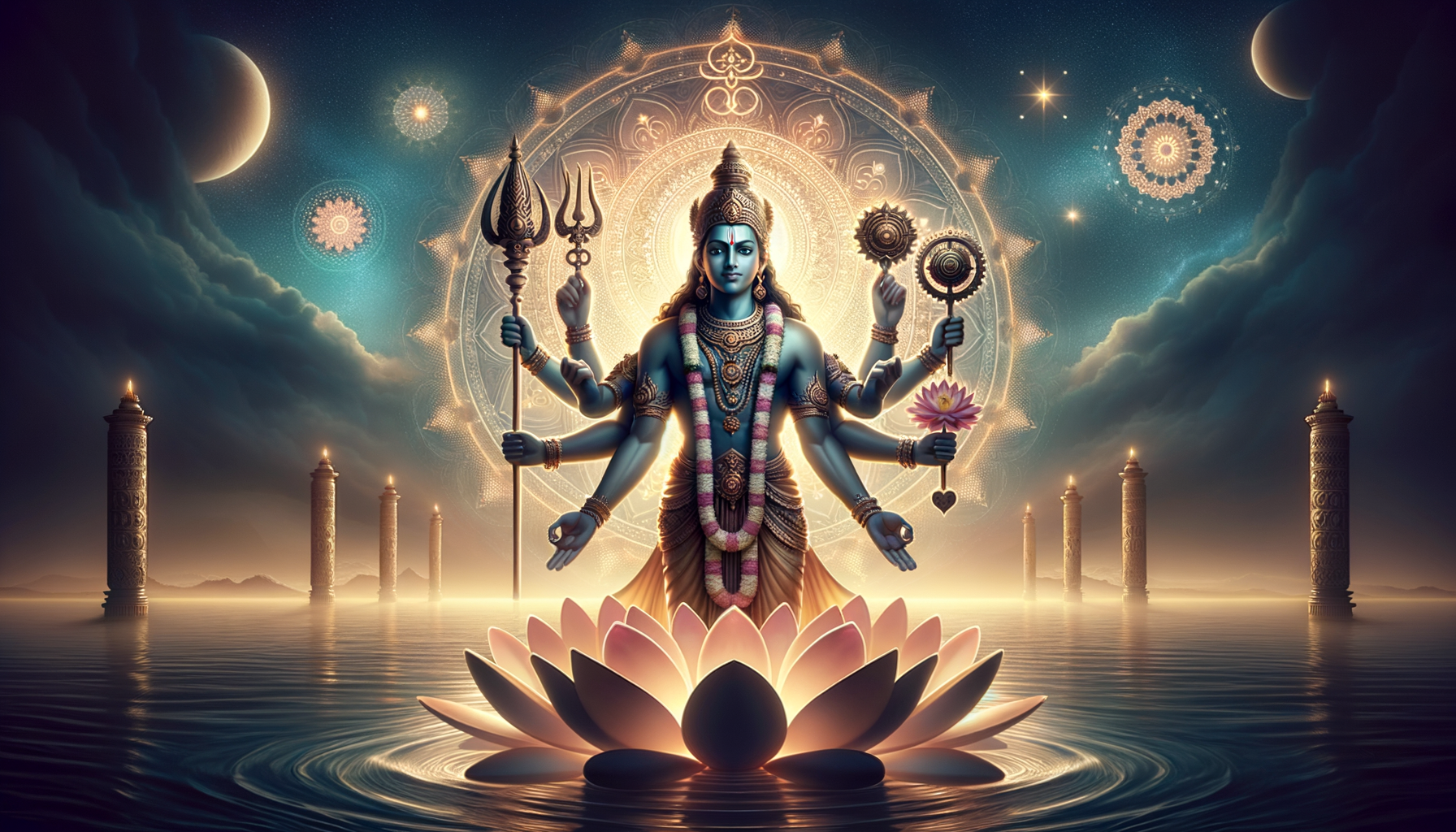
Gadadhara Vishnu, “He who holds the mace,” highlights Vishnu’s protective strength through the sacred Kaumodaki. In Hindu symbolism, the mace represents moral discipline, the power to dispel ignorance, and the guardianship of Dharma. Temple darshan and classical iconography communicate reassurance: strength aligned with compassion. This theme resonates across dharmic traditionsHinduism, Buddhism, Jainism, and Sikhismemphasizing ethical…
-
Pashupati’s Sacred Symbolism: How Shiva Liberates Bound Souls and Guides All Beings
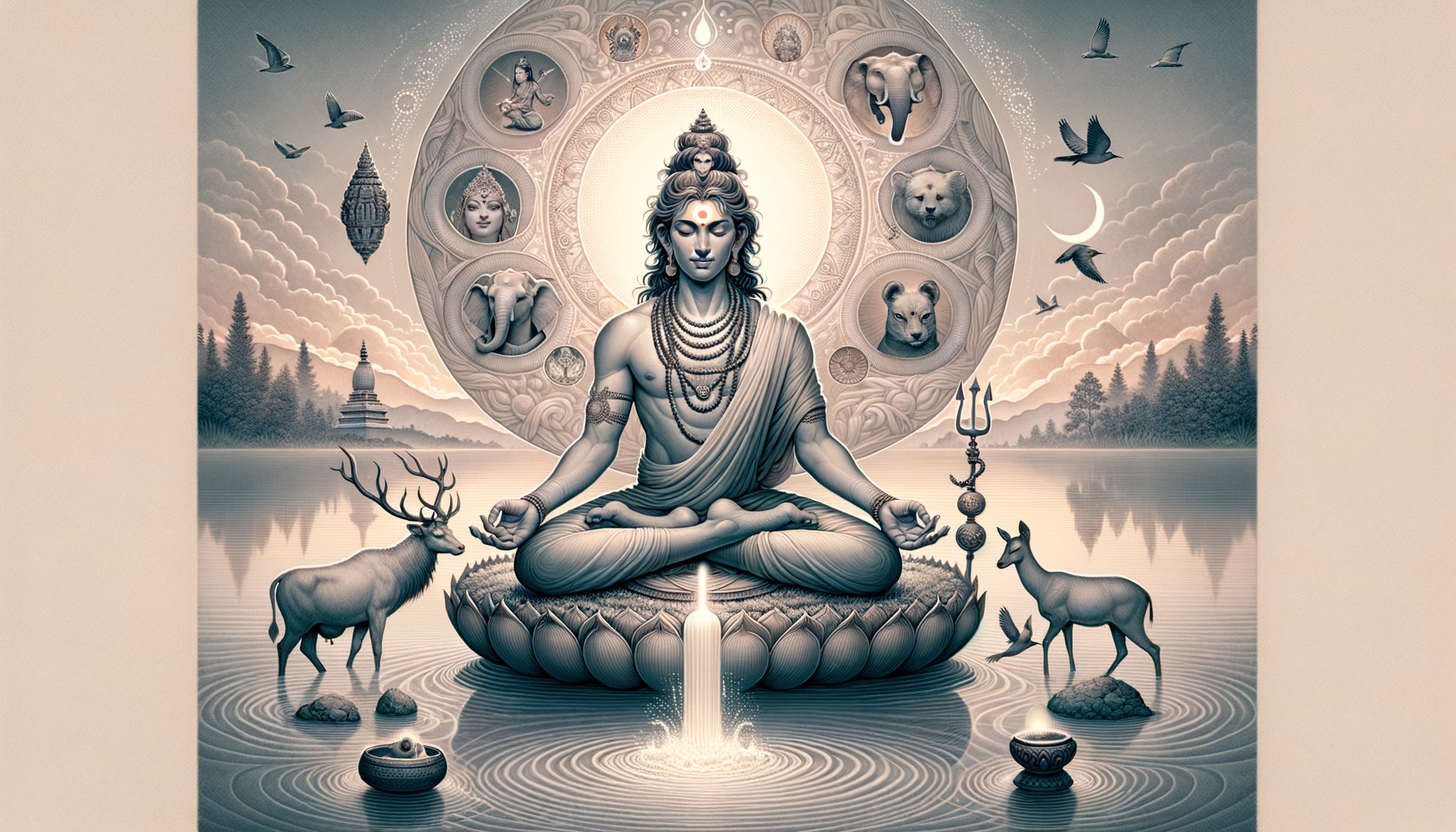
Pashupati, the profound epithet of Shiva, unites care for all beings with the promise of liberation from worldly bondage. Drawing on Hindu philosophy, it presents the Lord as protector of the bound soul and the One who severs the cords of ignorance and karma. The symbolism nurtures compassion, non-harm, and ethical living while guiding seekers…
-
Mushikasura Samhara Moorthy: Ganesha’s Powerful Lesson on Conquering Inner Obstacles

Mushikasura Samhara Moorthy presents Lord Vinayaka as the subduer of Mooshikasura, illuminating a Puranic lesson on conquering inner obstacles. The legendpreserved in ritual, iconography, and temple cultureteaches the ethical transformation of unruly forces into instruments of dharma. Read in tandem with broader dharmic insights from Buddhism, Jainism, and Sikh tradition, the story models how mindfulness,…