
-
Ekajata’s Single Braid: Powerful Symbolism of Focus, Protection, and Supreme Consciousness
Goddess Ekajata’s single braid is a concentrated teaching in Hindu Tantra: a symbol of supreme consciousness, one-pointed focus (ekagrata), and vigilant spiritual protection. Read as Tantric anatomy, it reflects the unification of ida and pingala within the sushumna nadi, supporting sustained dhyana and the ascent of Kundalini. The braid’s tightly bound form evokes vows, secrecy,…
-
Ratha Saptami’s Seven Erukkai Leaves: Ritual Symbolism, Inner Purification, Surya’s Grace
Ratha Saptami honors Surya’s northward journey in Magha with a unique sunrise bath using seven erukkai (arka) leaves. Each placementhead, shoulders, chest, back, and kneesmaps to clarity, duty, devotion, release, and humility, turning a simple act into contemplative purification. The number seven echoes sapta rishi, sapta dhatu, and sapta lokas, adding depth to the ritual’s…
-
Why Liquor Appears in Kali Worship: Tantric Symbolism, Sacred History, Dharmic Unity
Goddess Kali’s worship historically includes offerings of karanbari (liquor), especially within Tantric frameworks that emphasize transformation through the pañcamakāra: madya, mamsa, matsya, mudra, and maithuna. In this symbolic logic, madya represents ego-surrender and fearlessness rather than indulgence. Communities have adapted the practice across contextsfrom cremation-ground rites to household pujasoften opting for symbolic substitutes like coconut…
-
Bhagavan Sri Rama the Bridge-Builder: Powerful Symbolism Uniting Culture, Heart, and Spirit

This article explores the symbolism of Bhagavan Sri Rama as a bridge-builder, extending beyond Ram Setu into cultural, emotional, and spiritual realms. It highlights how the Ramayana’s bridge motif fosters unity in diversity and preserves the cultural fabric of society. Readers gain insights into ethical leadership, collective effort, and practical compassion as contemporary forms of…
-
Kubera’s Golden Eye (Eka Pingala): A Timeless Hindu Tale on Desire and Dharma

This academic retelling of Kubera’s epithet “Eka Pingala – The One With Golden Eye” explains how Hindu scriptures and Puranas use symbolic language to teach discernment and self-restraint. Readers learn why desire narrows perception and how dharma restores clarity in personal and social life. The narrative connects Kubera’s role in the Ramayana with a broader…
-
Decoding Lakshmi’s Sacred Iconography: Why the Owl Vanishes in South Indian Temples
Goddess Lakshmi’s iconography differs across regions, and South Indian temples rarely depict an owl as her vahana because Agamic traditions prioritize lotus and elephant symbolism. Drawing on the Pancharatra and Vaikhanasa frameworks, South Indian sanctums present Lakshmi as Shri on the lotus or as Gaja Lakshmi, emphasizing auspiciousness, rainfall, fertility, and ethical prosperity. In contrast,…
-
Decoding Kali’s Fierce Grace: Kali Tantra Symbolism, South-Facing Form, and Liberation

The Kali Tantra presents Goddess Kali as the south-facing embodiment of fierce grace, uniting destruction and liberation in a single, illuminating form. Kali’s orientation toward the south symbolizes a fearless encounter with death and change, transforming dread into wisdom. Her sword signifies discriminating insight, while the cremation-ground setting teaches impermanence without despair. Mudras of fearlessness…
-
Hindu Gods and Their Vahanas: Timeless Symbolism, Deeper Meaning, and Dharma in Daily Life
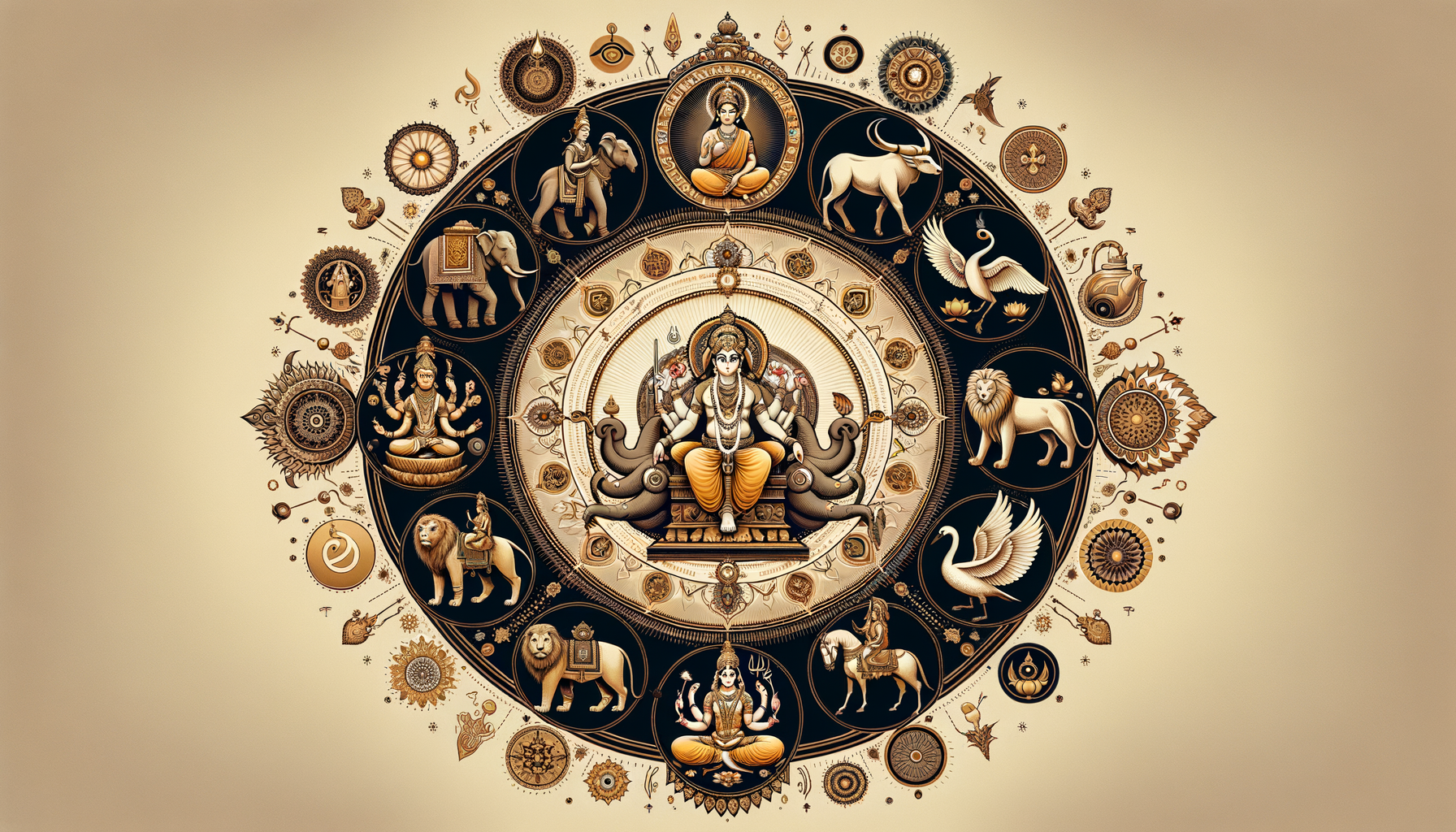
The vahanas (vehicles) of Hindu gods are not literal transport but layered symbols that teach ethics, ecology, and inner balance. Each deity–vahana pairing encodes a virtue to cultivate and an impulse to master, turning metaphysical insight into daily practice. Ganesha’s mouse models focused intellect; Shiva’s Nandi, disciplined strength; Vishnu’s Garuda, protective clarity; Durga’s lion or…
-
Seven Kandas of the Ramayana: Powerful Symbols for a Transformative Dharmic Journey
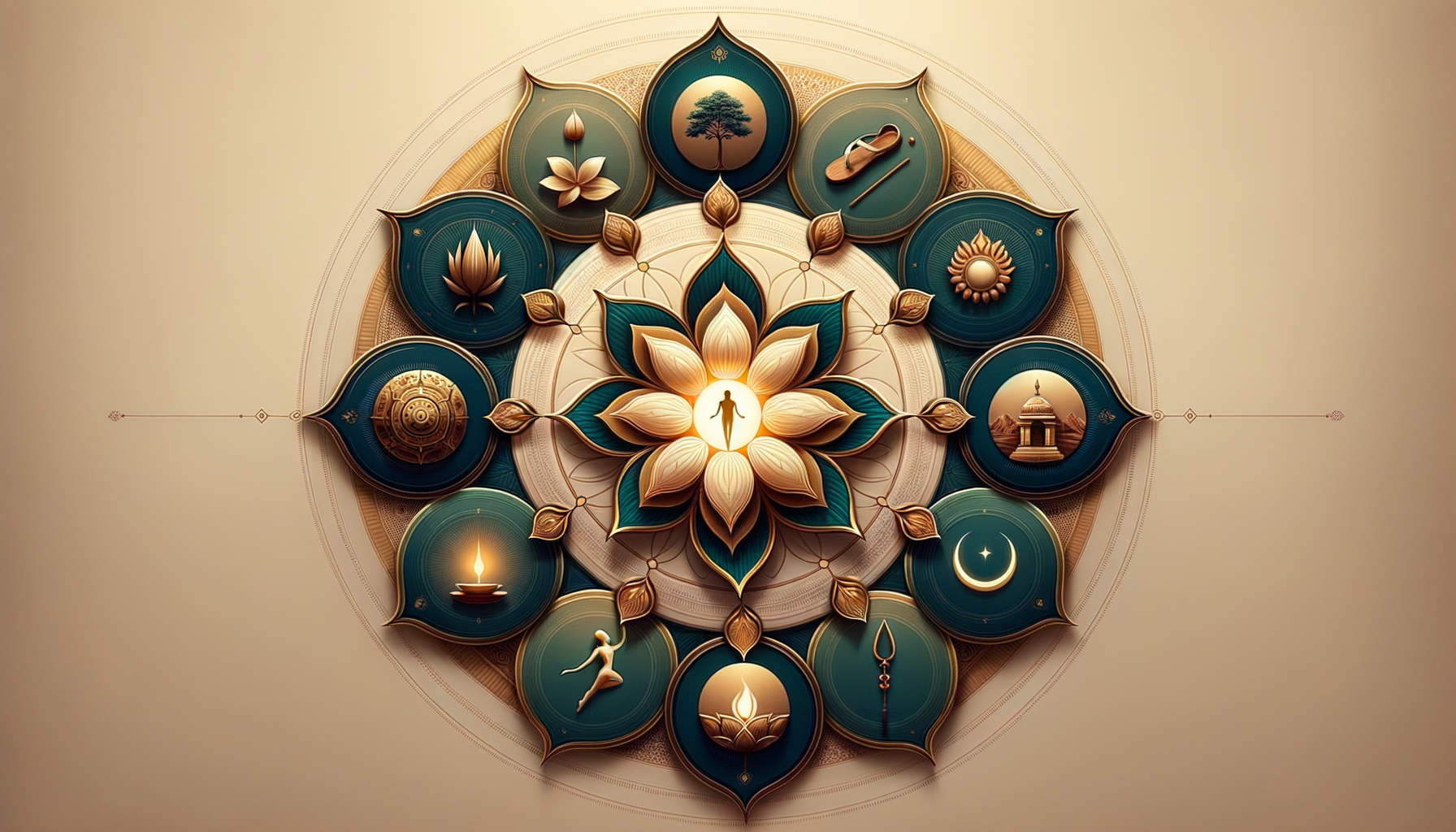
The Ramayana’s Seven Kandas form a symbolic map of spiritual transformationfrom the birth of dharma-consciousness to ethical leadership and serene release. Each Kanda models a stage of inner growth: intention, renunciation, purification, community, devotion, righteous action, and detachment. Read in this way, the epic becomes a practical guide to yama–niyama, tapas, seva, and courageous compassion.…
-
Severed Head of Daksha: Powerful Symbolism of Ego, Humility, and Sacred Reconciliation
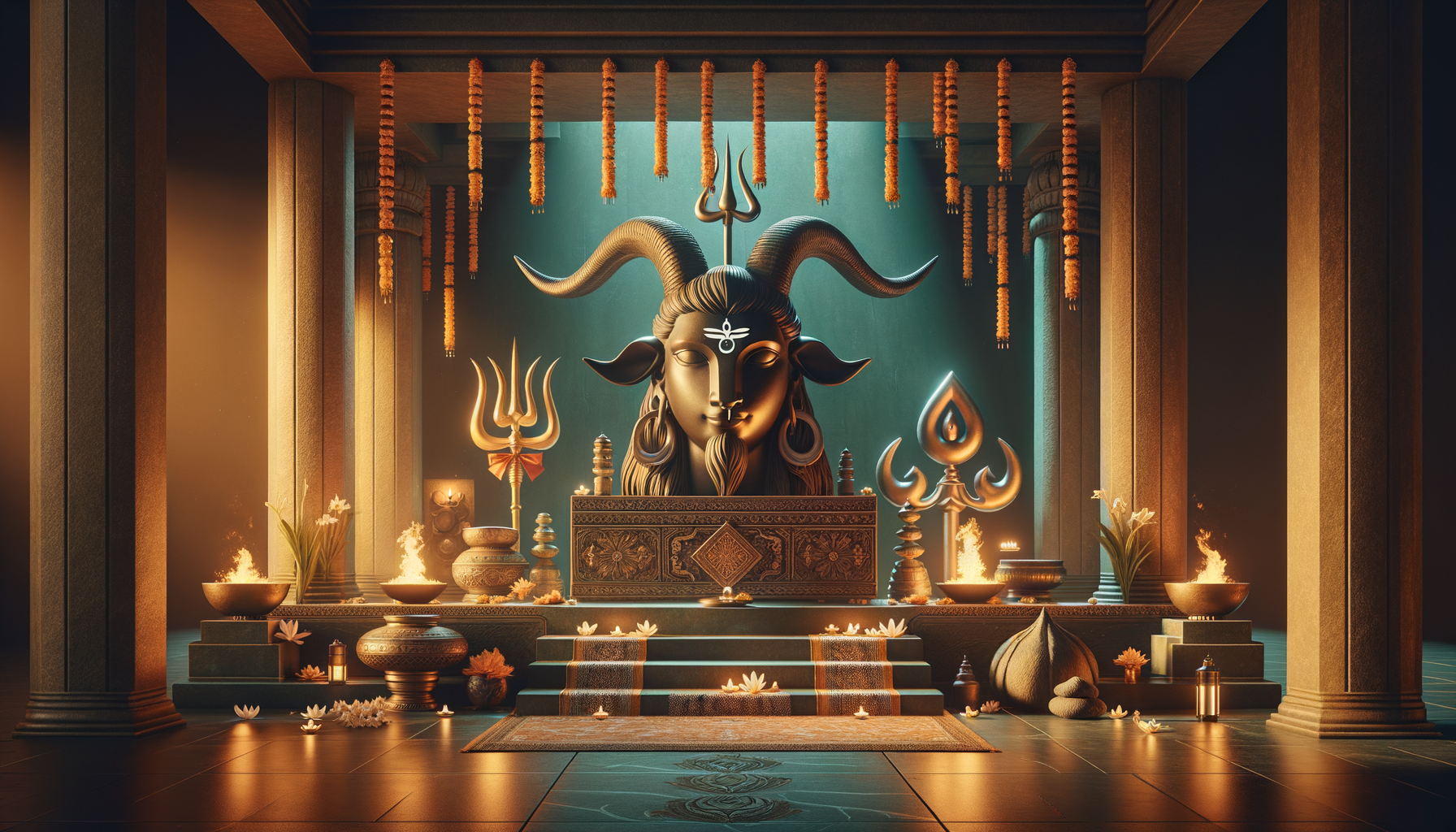
This analysis examines the Daksha Yajna narrative to explain why the severed head of Daksha endures as a powerful Hindu symbol of ego-transformation and humility. It clarifies how the head signifies pride cut away and how the goat’s head marks renewed, service-oriented understanding. The discussion connects ritual and devotion, showing that intention and reverence outweigh…
-
Five Faces of Goddess Siddhilakshmi: Tantric Symbolism, Shakti, and Fulfillment
Goddess Siddhilakshmi, revered in Shakta and Kaula Tantra, embodies Lakshmi’s auspicious abundance fused with transformative Shakti. The five-faced (Panchamukhi) symbolism presents an inner mandala of divine energies: Iccha (intention), Jnana (wisdom), Kriya (action), Aishvarya (prosperity), and Raksha–Anugraha (protection and grace). Interpreted through Hindu frameworks such as pancha-kosha and pancha-mahabhuta, this schema guides seekers from purpose…
-
Six-Armed Dhanalakshmi Decoded: Powerful Symbols of Fearlessness, Prosperity, and Dharma
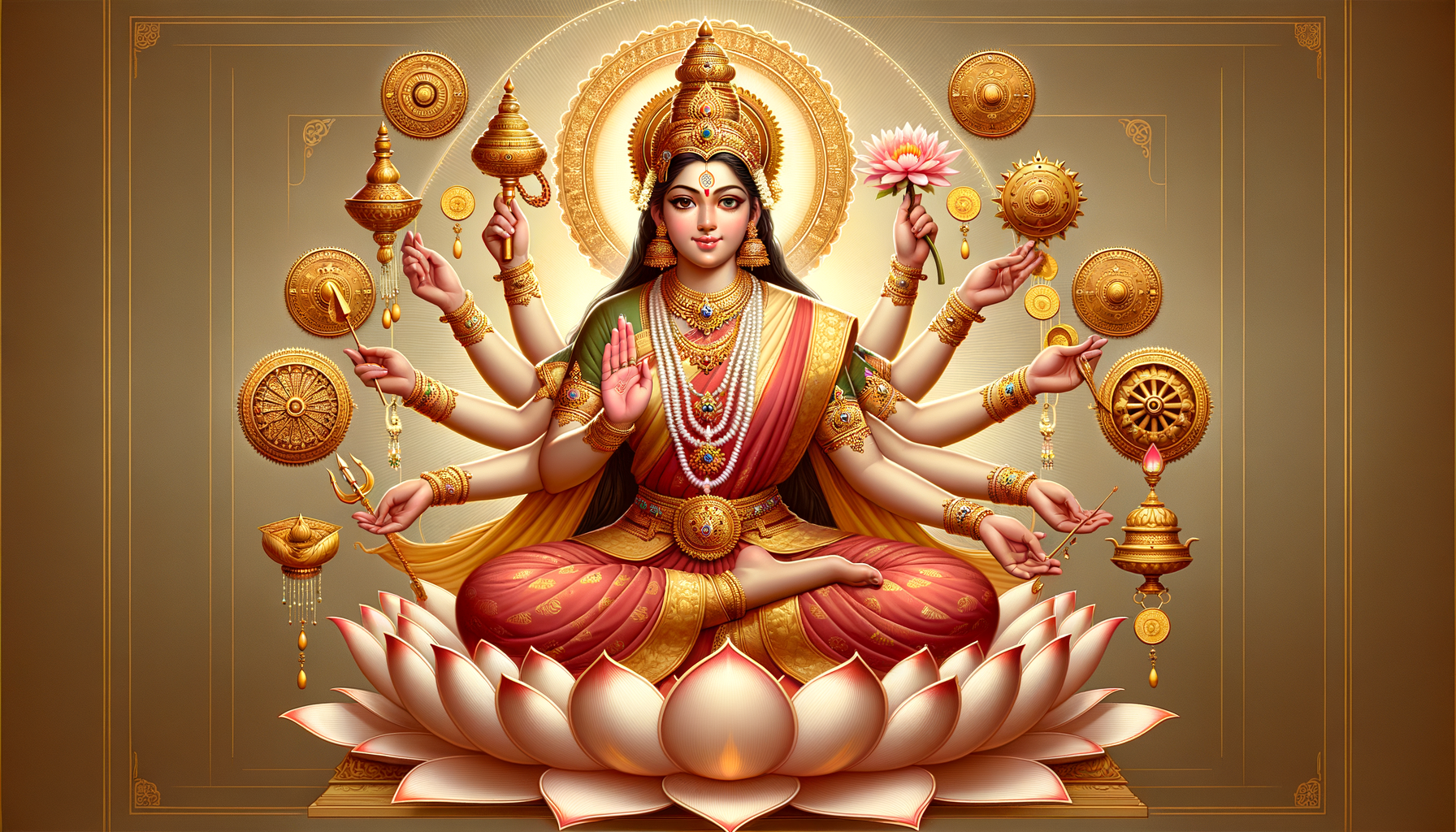
This article clarifies the two principal iconographic forms of Dhanalakshmifour-armed and six-armedand decodes the meaning of each sacred attribute. Readers learn how the chakra, padma, shankha, kalasha, bow and arrow, and abhaya mudra together convey prosperity grounded in dharma. The discussion highlights practical applications: ethical earning, mindful use of resources, and generosity. It also connects…
-
Karanda Mukuta: The Basket-Shaped Crown of Divine Authority, Grace, and Unity
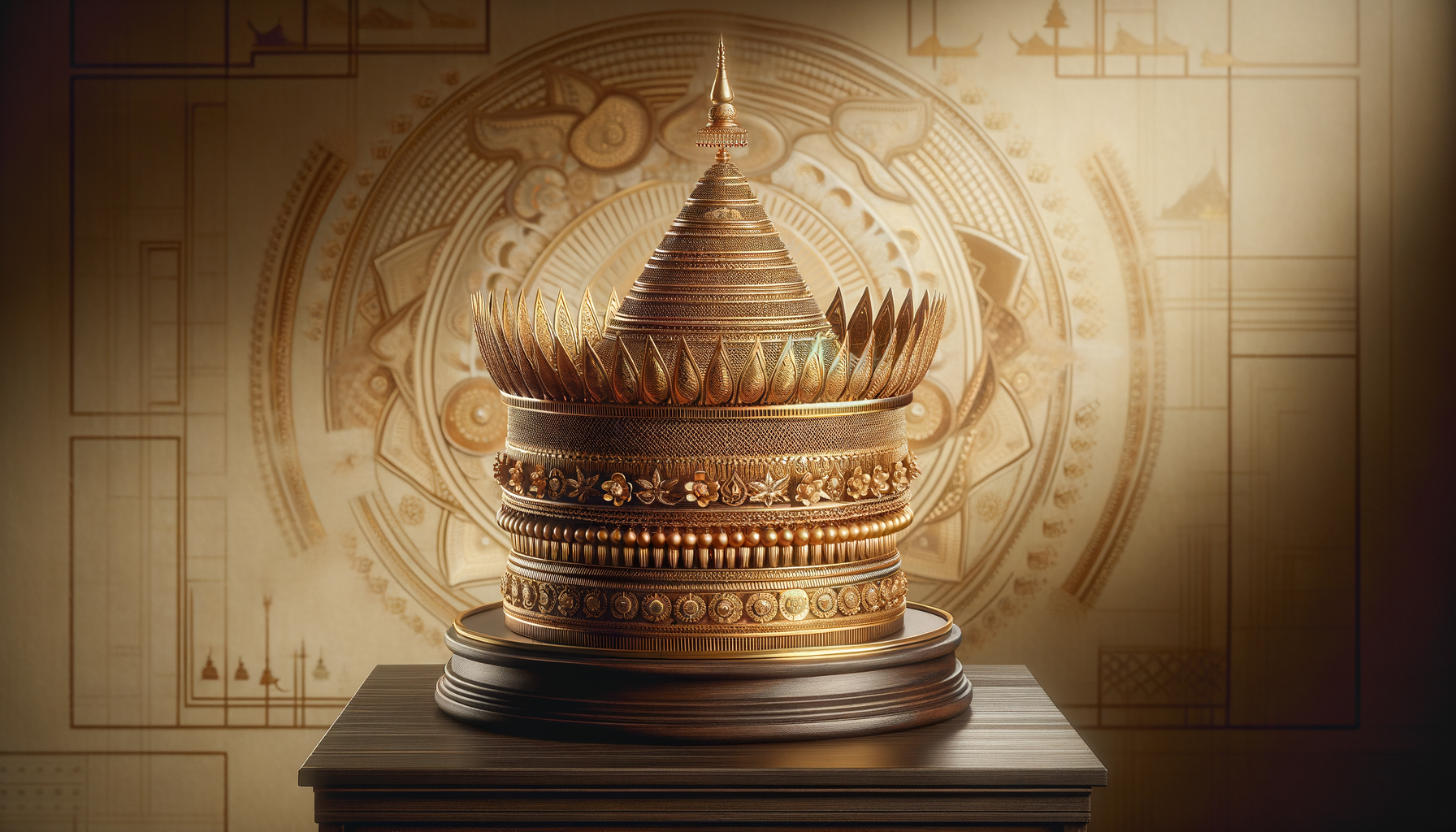
The Karanda Mukuta (karaṇḍa-mukuṭa) is a basket-shaped, tiered crown central to Hindu iconography and visible across dharmic arts. Its conical tiers and auspicious finial symbolize divine authority blended with nurturing abundance and spiritual ascent. Commonly adorning goddesses like Lakshmi and Parvati, and appearing in select regional depictions of Vishnu and Skanda, it also has parallels…
-
Ganesha and Kartikeya Manifested: Brahma Purana’s profound tale of love, duty, and wisdom
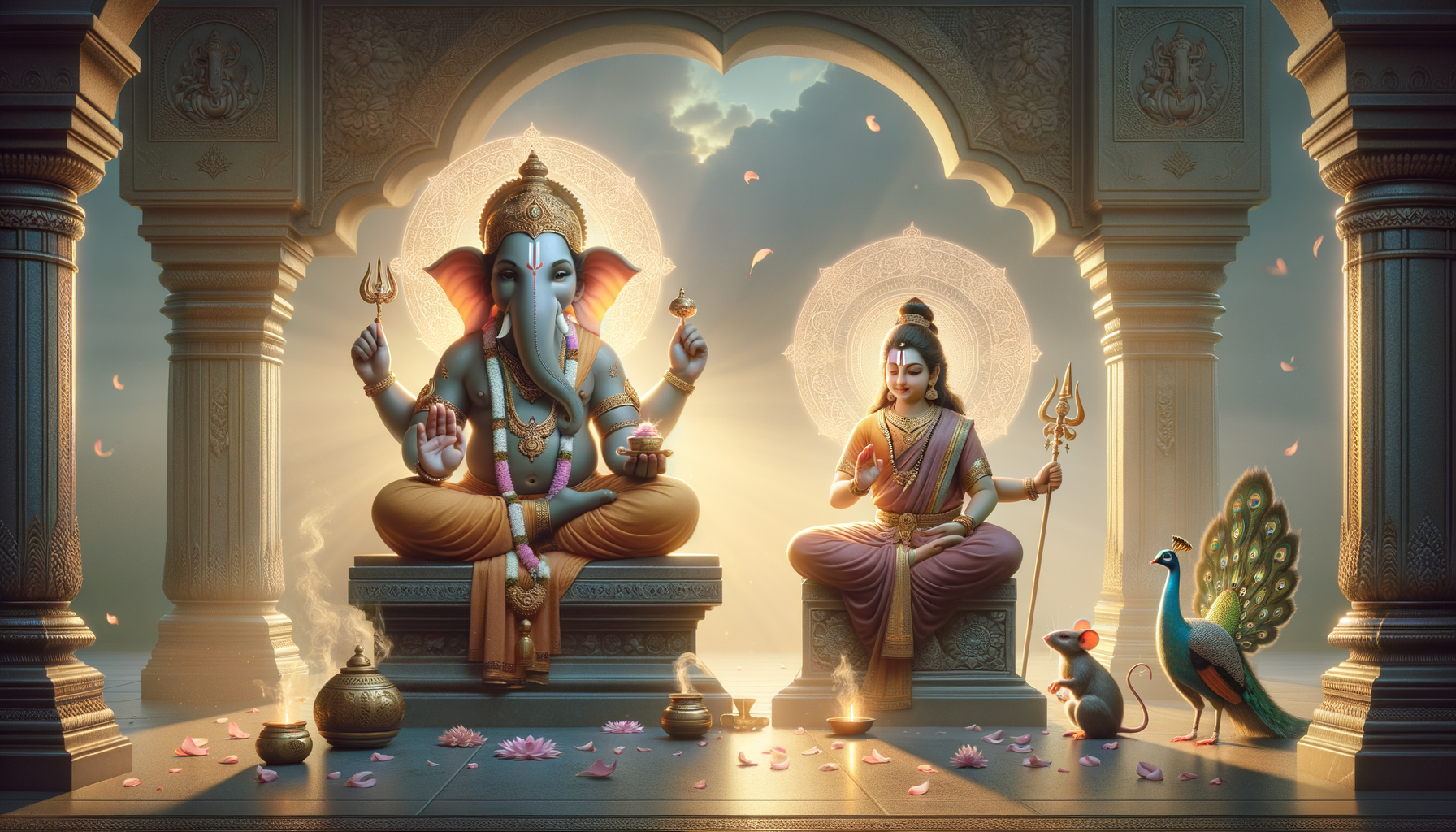
This Brahma Purana narrative explores the divine manifestations of Ganesha and Kartikeya as complementary embodiments of wisdom and valor. It explains Ganesha’s elephantine symbolismintellect, auspicious beginnings, and ethical guardianshipand Kartikeya’s martial ideal of disciplined courage. The story highlights how insight should precede action, offering a practical framework for facing obstacles and serving the community. It…
-
Goddess Karindrasuranisudini: Awe-Inspiring Slayer of the Elephant Demon and its Symbolism
Karindrasuranisudini, an epithet from the Devi Mahatmya, captures Durga’s subjugation of the elephant-form assumed by Mahishasura. The image fuses narrative drama with theological depth, presenting Shakti as the force that transforms power into protection and insight. Readers learn the name’s meaning, the key scene in the Markandeya Purana, and the layered symbolism of the severed…
-
Unveiling Yogini Tantra: Why Kali Stands on Shivaand the Sacred Union It Reveals

The image of Goddess Kali standing on Lord Shiva is often misunderstood as mere fury subdued. Read through the Yogini Tantra and related Tantric traditions, it teaches the sacred union of Shakti and Shivadynamic energy resting on pure consciousness. This interpretation reframes the posture as reciprocity, not hierarchy, and as transformation, not violence. The symbolism…
-
Kokamukhi Devi: Unmasking the Jackal-Faced Shakti of Time, Death, and Sacred Renewal

Kokamukhi Devi, the jackal-faced manifestation of Adi Shakti, illuminates how fierce iconography can teach compassion, courage, and clarity. This analysis situates her cremation-ground symbolism within Shakta Tantra while drawing bridges to Buddhist charnel-ground meditations, Jain vairāgya, and Sikh remembrance of hukam. Readers gain a grounded understanding of how time and impermanence catalyze ethical living, not…
-
Kali’s Fearless Sword: Symbolism that Cuts Ignorance and Awakens Dharmic Wisdom
Goddess Kali’s sword (kripana) symbolizes the discerning power that cuts through avidya while illuminating jnana, transforming a seemingly fearsome image into a compassionate guide to freedom. The severed head (chinnamunda) represents the surrender of constricting ego and the release of fear-driven patterns. Her right-hand mudrasabhaya and varadaassure protection and grace, balancing courage with compassion. Read…
-
Agra’s Kailash Mahadev Temple: Timeless Shivlings, Yamuna Sanctity, and Living Symbolism

On the banks of the Yamuna in Agra, the Kailash Mahadev Temple preserves a continuous line of worship linked by tradition to Lord Parashurama and two ancient Shivlings. The shrine’s symbolism highlights the formless Absolute while anchoring devotion in community practice. River sanctity, quiet ritual life, and simple architecture invite contemplative attention over spectacle. The…
-
Alopi Devi Temple, Prayagraj: Sacred Shakti Peeth Where a Cradle Becomes the Deity
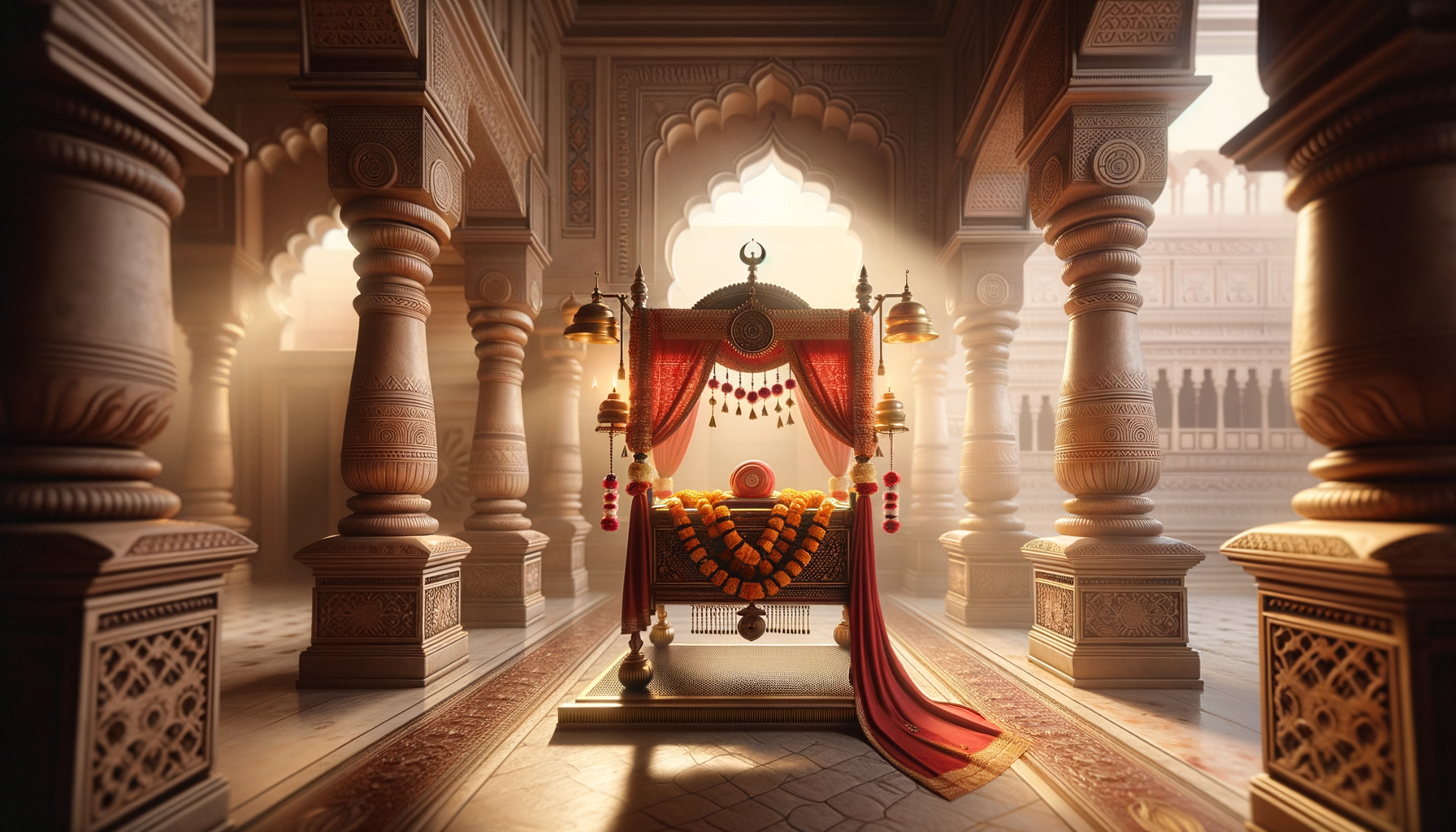
Alopi Devi Temple in Prayagraj, a revered Shakti Peeth, is renowned for an aniconic sanctum where a red-draped cradle is worshipped instead of an idol. The shrine’s symbolism emphasizes the formless presence of the Divine Mother while honoring maternal tenderness, protection, and renewal. Local lore links the name “Alopi” to disappearance, suggesting a sacred presence…