
-
Sagittarius 2026 Horoscope (Dhanu Rashi): Purposeful Growth, Career Wins, Money Stability

Sagittarius (Dhanu Rashi) can expect 2026 to deliver purposeful growth, career momentum, and gradual financial stability. Professional gains arise from disciplined execution, upskilling, and ethical leadership. Finances improve through prudent budgeting, diversified cash flows, and calmer decision-making. Relationships strengthen when honesty is paired with empathy and service-mindedness. Steady health habitsbreathwork, sleep hygiene, and moderate exercisesupport…
-
Hinduism’s Holistic Vision: Purusharthas and Ashramas for a Balanced, Ethical Life
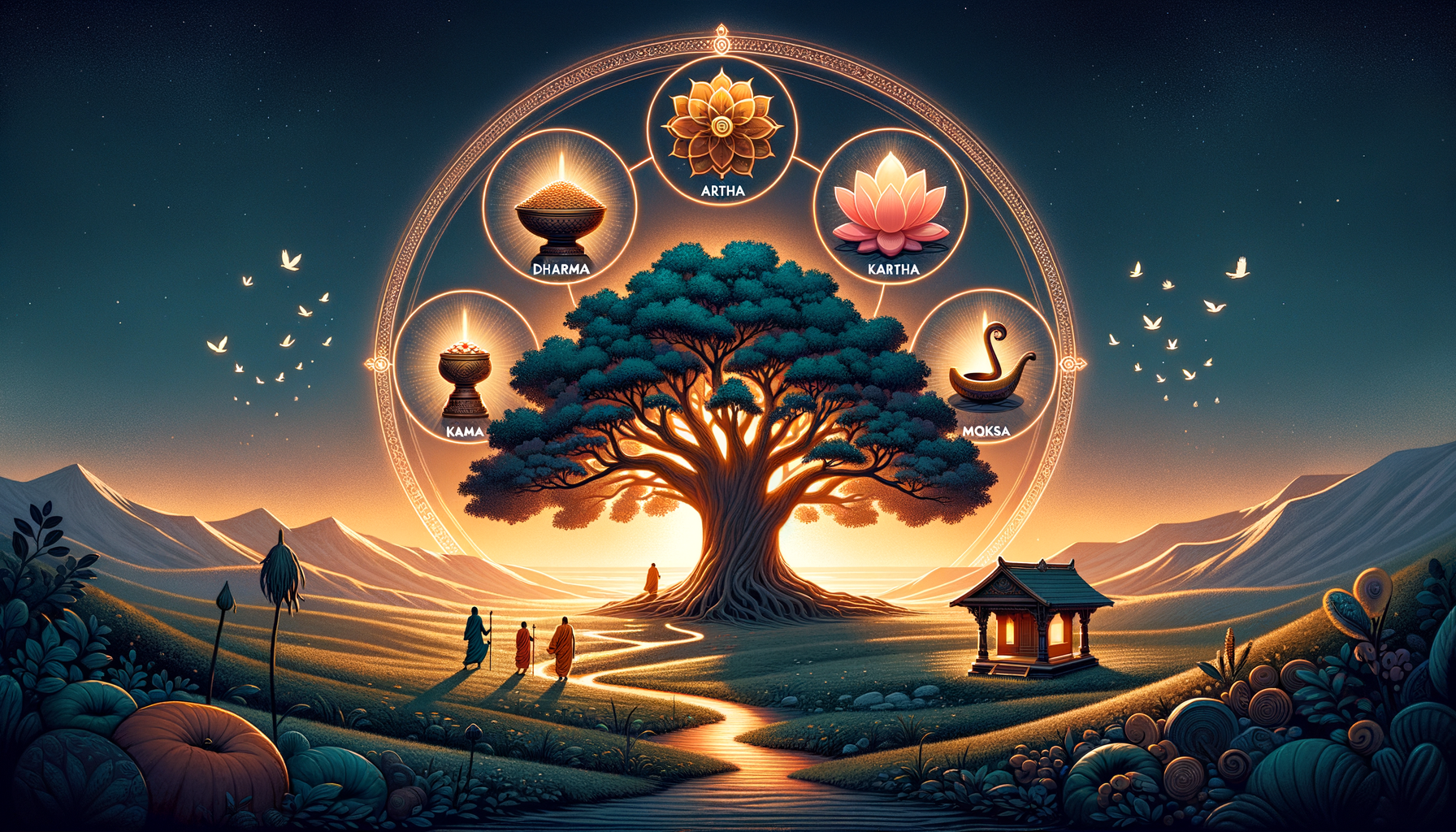
Hinduism offers a holistic, pragmatic model for living through two complementary frameworks: the Purusharthas (dharma, artha, kama, moksha) and the Ashramas (Brahmacharya, Grihastha, Vanaprastha, Sannyasa). These principles balance ethical clarity, material stability, meaningful enjoyment, and spiritual liberation. They also map a realistic life rhythm in which responsibilities evolve with time. Applied to modern challenges, this…
-
Daksha–Shiva and the Dharma Dilemma: Powerful Lessons on Order, Freedom, and Unity

The Daksha–Shiva narrative illuminates a universal dilemma: how to balance social order with individual freedom without sacrificing either. This analysis interprets Daksha as the guardian of institutional harmony and Shiva as the emblem of spiritual sovereignty, arguing that dharma requires both. Drawing parallels with Buddhism’s Middle Way, Jainism’s Anekāntavāda, and Sikh ethics, it highlights a…
-
Varṇa–Āśrama as Cooperative Dharma: Harmonizing Wisdom and Power for Spiritual Ascent
Srimad Bhagavatam (3.22.4) presents varṇa–āśrama as a cooperative system that harmonizes wisdom and power for social harmony and spiritual ascent. Brāhmaṇas offer ethical counsel while kṣatriyas provide protection, creating principled governance and knowledge that benefits society. This reciprocity nurtures lokasaṅgraha and encourages inclusive upliftment. The model resonates across Buddhism, Jainism, and Sikhism, where wisdom and…
-
Nityasuris of Vaikuntha: Profound Symbolism of Eternal Service, Grace, and Freedom
Vaikuntha is portrayed as the timeless abode of Lord Narayana, where the Nityasuriseternally liberated beingsserve in pure devotion beyond the reach of karma. Their symbolism illuminates the ideals of selfless service, humility, and steadfast remembrance that guide seekers in the Bhakti Tradition. Exemplars such as Garuda, Adiśeṣa, and Vishvaksena demonstrate how strength, discipline, and loyalty…
-
When Scriptures Go Viral: How to Protect Sacred Wisdom from Digital-Age Distortions

In the digital age, sacred texts from Hinduism, Buddhism, Jainism, and Sikhism are often decontextualized and repackaged into viral slogans. This academic reflection explains how algorithmic amplification and selective translation fuel misinterpretations of the Bhagavad Gita, Upanishads, Dhammapada, Jain Agamas, and Guru Granth Sahib. Drawing on Hindu hermeneutics, Jain Anekantavada, Buddhist Right Speech, and Sikh…
-
Stephen Knapp (Śrī Nandanandana): Inspiring Bridges to Vedic Wisdom and Dharmic Unity
Stephen Knapp (Śrī Nandanandana Dāsa) is presented as a dedicated scholar-practitioner who brings Vedic culture (Sanātana Dharma) to global audiences with clarity and respect. His association with ISKCON and his disciplined engagement with Sanskrit texts and temple traditions ground his work in living practice. The profile highlights how his accessible style helps readers appreciate Hindu…
-
Unveiling Mama Dharma in the Bhagavad Gita: A Blueprint for Duty, Identity, and Unity

Mama Dharma“my dharma”is a concise, thematic key to the Bhagavad Gita’s message: align personal identity and responsibility with the larger moral order. The Gita frames this insight from 1.1’s dharma-kṣetre and māmakaḥ to 18.78’s assurance of prosperity, victory, well-being, and sound policy when wisdom and action unite. Rather than imposing a single path, it honors…
-
Unveiling the Supreme Goal: A Dharmic Journey Through Knowledge, Yoga, Service, and Unity

This reflection presents a Dharmic synthesis of the human spiritual journey, grounded in Vaishnava scripture and open to inter-traditional harmony. It explains how knowledge, sacrifice, yoga, austerity, and action converge on the realization of Sri Krsna, the Personality of Godhead. It integrates these insights with the broader spirit of Sanatana Dharma, affirming unity across Hindu,…
-
Sanatan Rashtra Shankhnad Mahotsav: Delhi’s 2025 Confluence of Dharma, Unity, and Valour
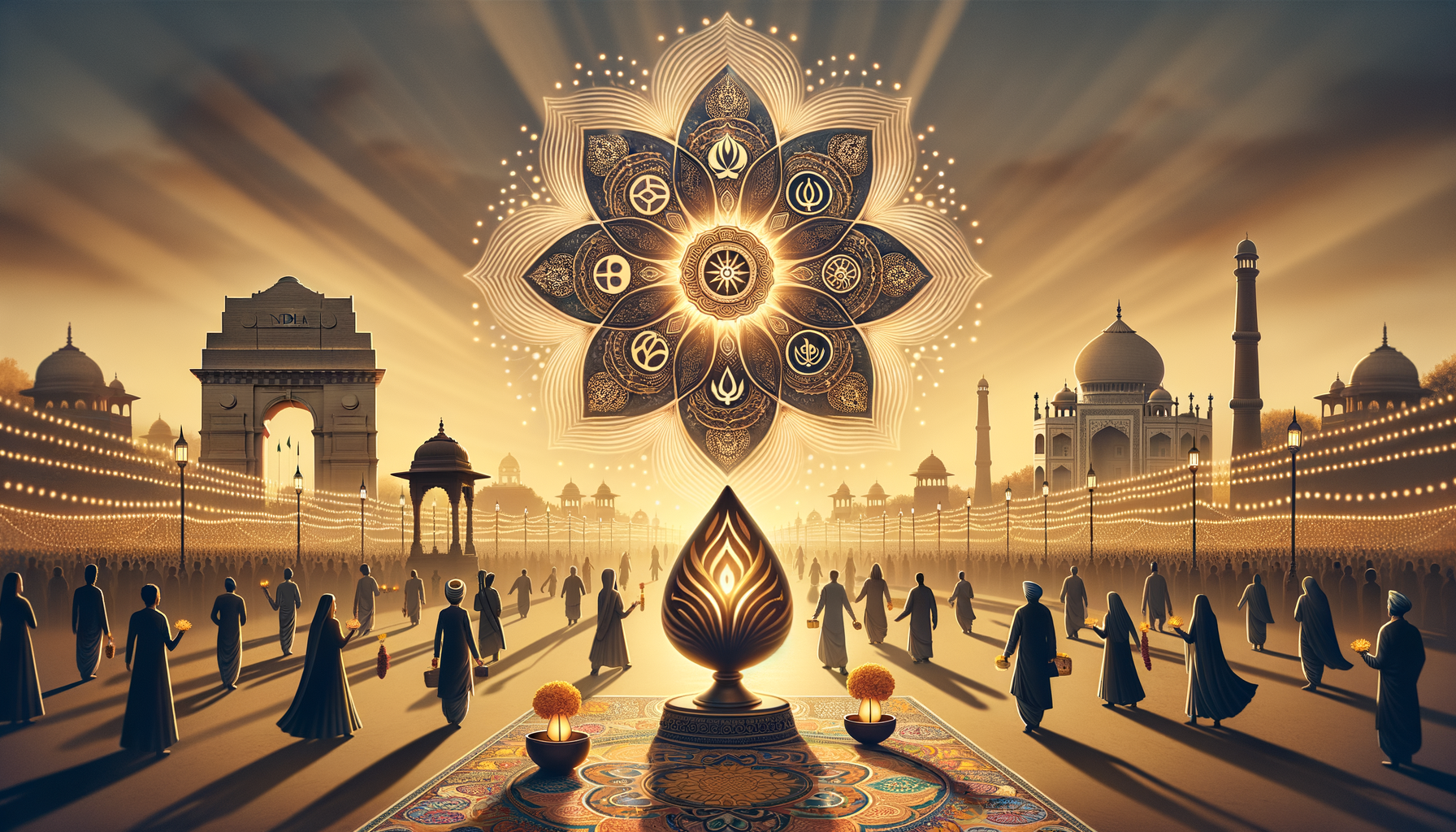
Delhi will host the ‘Sanatan Rashtra Shankhnad Mahotsav’ on 13–14 December 2025, highlighting Vigilance, Values, and Valour in a culturally resonant gathering. The event aligns with Sanatana Dharma and champions unity among Hinduism, Buddhism, Jainism, and Sikhism. By emphasizing shared ethics and moral courage, it promotes interfaith harmony and community cohesion. Set in the national…
-
Sanatana Dharma Unveiled: Living the Eternal Philosophy of Unity, Duty, and Harmony
Sanatana Dharma is presented as an eternal, living philosophy that prioritizes ethical action over mere belief. It unites Hinduism, Buddhism, Jainism, and Sikhism around shared values such as compassion, self-discipline, and respect for diverse paths. The philosophy emphasizes daily practicestruthfulness, non-violence, generosity, and servicethat strengthen personal integrity and social cohesion. Concepts like Ishta and loka-saṅgraha…
-
Why Rama Chose Humanity: Profound Wisdom Behind Ravana’s Boon, Suffering, and Dharma

This article explains why Lord Rama, an avatar of Vishnu, chose to be human in response to Ravana’s boon. It shows how Ravana’s selective invulnerability created a lawful path for dharma to prevail without violating cosmic commitments. By accepting human limitations and suffering, Rama modeled maryadaethical excellence under constraint. The narrative highlights the power of…
-
Srimad Bhagavatam 10.90.18: Mortal Wounds, Spiritual Resilience, and Dharma’s Healing Power
This reflection on Srimad Bhagavatam 10.90.18 clarifies the metaphor of a “mortal wound” and applies it to spiritual ethics and daily practice. It distinguishes minor setbacks from integrity-compromising harms that demand urgent repair. The analysis offers practical toolsatonement, meditation, seva, satsangto prevent moral injury from becoming entrenched. It highlights parallels across Hinduism, Buddhism, Jainism, and…
-
Gita Jayanti 2025: December 1 Date, Mokshada Ekadashi Meaning, and Timeless Dharma

Gita Jayanti 2025 falls on December 1, aligning with Mokshada Ekadashi (Shukla Paksha Ekadashi) in the Margashirsha month. The day honors the revelation of the Bhagavad Gita, a unifying scripture of dharma, jnana, bhakti, and karma yoga. Observances include Ekadashi fasting, Gita parayana, japa, satsang, and acts of dana. Practical suggestionssuch as studying one chapter,…
-
Eternal Truth in Time: How Hindu Avatars Restore Dharma and Inspire Inner Freedom

This article explores the Hindu concept of avatars as the eternal manifesting within time to restore dharma and guide beings toward moksha. It grounds the discussion in the Bhagavad Gita and Puranic narratives, while noting philosophical nuances across Advaita, Viśiṣṭādvaita, and Dvaita. Readers discover how avatars function as ethical exemplars whose presence educates through action…
-
Tamil Nadu’s Quiet Bhakti Resurgence: Grassroots Devotion Reframes Dravidian Politics

A vivid scene on the steps of Sholingur’s Yoga Narasimha Swamy Temple reveals how everyday Bhakti remains deeply woven into Tamil life. Set against centuries of cultural pressuresfrom missionary inculturation to modern linguistic-political movementsTamil Nadu’s temple traditions display remarkable resilience. The 2019 Atti Varadarajaswamy festival in Kanchipuram, with its forty-eight days of worship once every…
-
Inspiring Global Preaching Strategies at ISKCON’s Italy GBC: Tech-Driven Outreach and Unity
Day 5 of the GBC meetings in Italy spotlighted Global Preaching Strategies & Commemorations, guided by Praghosa Dasa’s “Reflections on the Eve of ISKCON 60.” The session advanced practical ways to reinvent outreach for the digital age while honoring Sanatana Dharma’s inclusive ethos. Key steps included podcasts for accessible learning, QR codes in books for…
-
Srimad Bhagavatam 3.21.32: Unveiling Divine Expansions and the Unity of Dharmic Paths

Srimad Bhagavatam 3.21.32 explains how the Supreme is one yet manifests as many through kalā, svāṁśa, and vibhinnāṁśa. The passage distinguishes viṣṇu-tattva forms like Vāmana, Govinda, and Nārāyaṇa (svāṁśa-kalā) from ordinary living beings (vibhinnāṁśa). This precise vocabulary aids careful study and deepens devotional focus. Readers find that these insights foster humility, compassion, and ethical service…
-
Discover the Essential Meaning of Disappearance Day: A Devotional Tribute to Srila Prabhupada
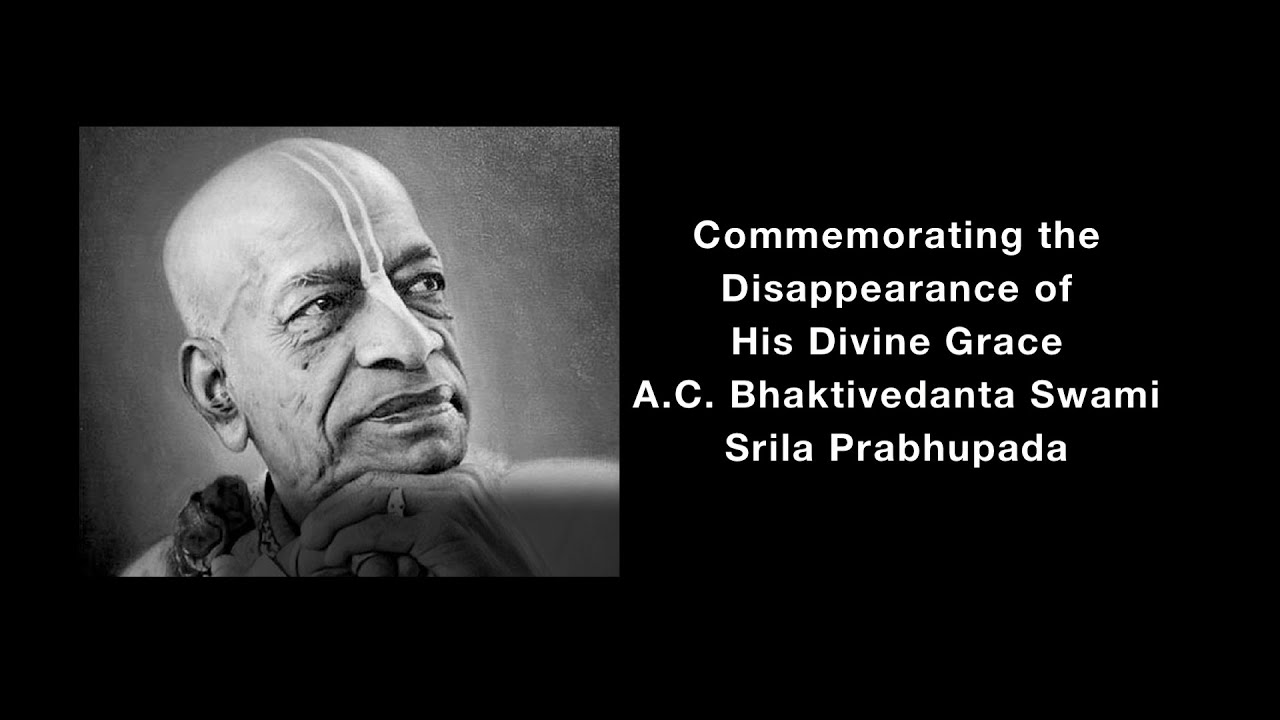
Srila Prabhupada’s disappearance on 14 November 1977 in Vrindavan dham is observed in the Bhakti Tradition as a dignified celebration of spiritual attainment rather than a loss. Within Sanatana Dharma, a disappearance day marks the return of a pure Vaishnava to eternal service, inspiring gratitude, devotion, and seva. This perspective harmonizes with broader Dharmic TraditionsBuddhist…
-
Essential Guide to Śrīmad Bhāgavatam 3.21.25: Discover Manu’s Rule and Sacred Geography

Śrīmad Bhāgavatam 3.21.25 presents Svāyambhuva Manu as an exemplar of righteous leadership grounded in dharma. The verse’s reference to Brahmāvarta and its association with Kurukṣetra illuminate how sacred geography encodes ethical memory in Hindu scriptures. Read in context, the imagery of ruling over the earth “with its seven oceans” signals cosmic completeness and responsible stewardship.…