
-
Divine Touch and Sacred Grace: What Bhakti Teaches About Service, Liberation, and Unity

Divine touch in Hindu spiritualityanugraha or gracesignifies a transformative contact that sanctifies life and aligns it with dharma. Drawing on Upanishadic insight and Purāṇic narratives, this exploration analyzes how devotion, humility, and service dispose seekers to receive grace. Case studies of Sage Bhrigu, Markandeya, Periyalvar, Malayathvaja Pandiyan, and Akaasaraja show how sacred touch operates in…
-
Maharishi Parashara Jayanti 2026: Sacred Date, Timeless Vedic Legacy, and Jyotisha Impact

Maharishi Parashara Jayanti 2026 falls on April 18, coinciding with Vaishakh Shukla Paksha Pratipada in North Indian (Purnimanta) calendars. The observance honors Parashara Maharshi’s far-reaching legacy across Purana theology, dharma discourse, and Jyotisha, especially through Vishnu Purana, Parāśara Smṛti, and the foundational Brihat Parashara Hora Shastra. Devotees observe the day with guru-vandana, parayana, study, dhyana–japa,…
-
Who Is a True Guru? Shrimad Bhagavat’s 24 Transformative Lessons from the Avadhut

What is a true Guru according to the Shrimad Bhagavat? The Eleventh Canto’s dialogue between King Yadu and an Avadhut answers by expanding the Guru beyond a single figure to a universal function that dispels ignorance wherever it appears. Through 24 striking lessons from nature and human lifeEarth’s forbearance, the Ocean’s equanimity, Pingalā’s renunciation, the…
-
A Triplicane Teacher’s Encounter with Ramana Maharshi: Silence, Self-Inquiry, and Grace
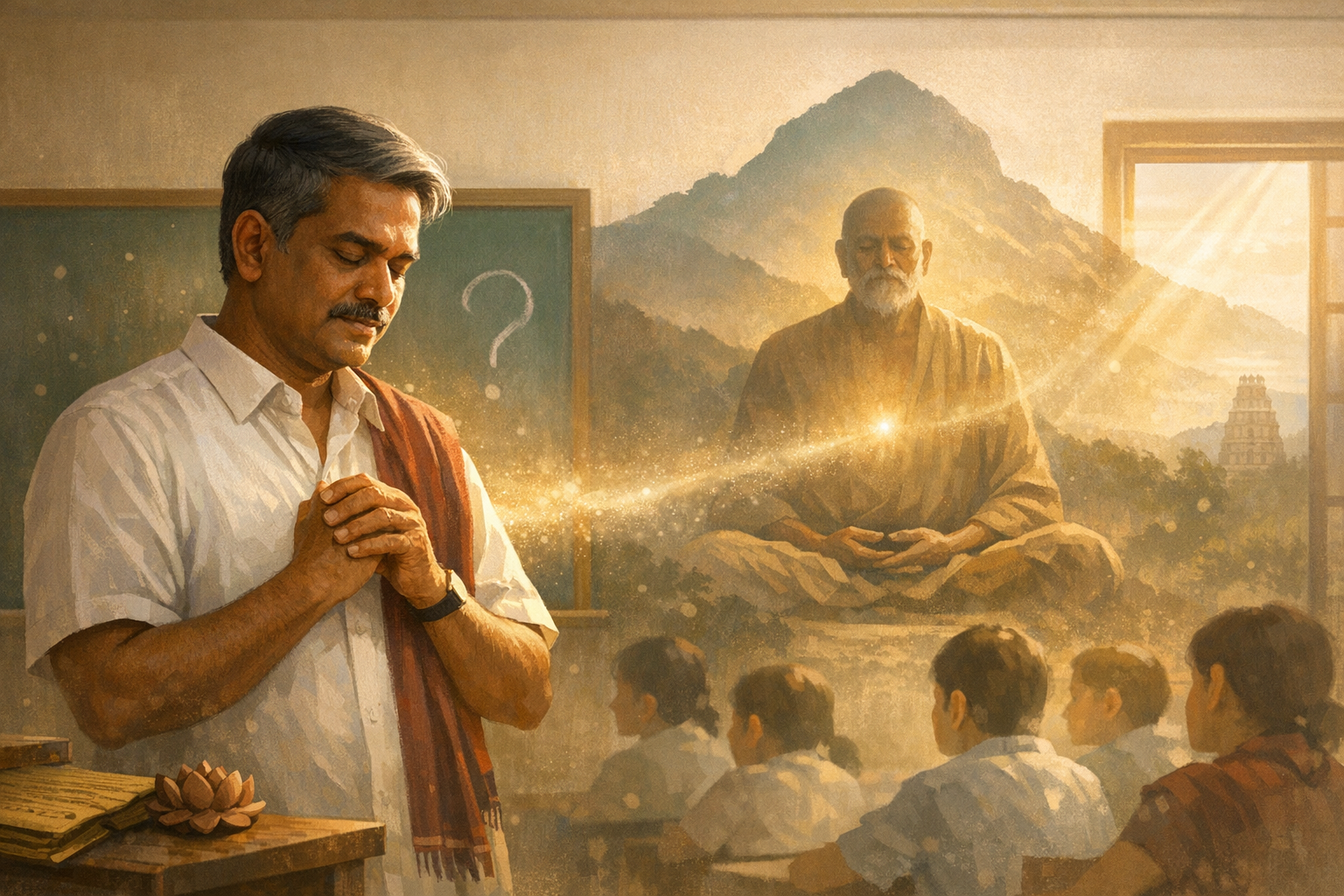
Set in the 1980s at Hindu Higher Secondary School, Triplicane, this reflective account presents a teacher’s encounter with Ramana Maharshi and situates it within Advaita Vedanta. It clarifies the core of self-inquiry (“Who am I?”), explains how silence functions as a rigorous pedagogical medium, and shows how contemplative insight can enrich classroom ethics and student…
-
Manavala Mamuni (1370–1443): Architect of Sri Vaishnava Revival and Vishishtadvaita Grace

Manavala Mamuni (1370–1443 CE) transformed Sri Vaishnavism by uniting rigorous Vishishtadvaita scholarship, heartfelt bhakti, and practical temple reform. Grounded in Ubhaya Vedanta, he elevated the Tamil Divya Prabandham alongside Sanskrit śruti, making Hindu philosophy accessible to everyday practitioners. His worksUpadesa Rathina Malai, Arthi Prabandham, Tiruvaradana Kramamand his teaching on prapatti shaped living devotional practice across…
-
Rajarshi Mudgala’s Timeless Legacy: The Mudgala Purana, Ganesha’s Eight Avatars, and Puja Vidhi

Rajarshi Mudgala is remembered as a Kshatriya sovereign who attained rishihood through intense tapas and is traditionally linked to the Mudgala Purana, a Ganesha-centered Upapurana. The text offers a lucid map of devotion to Vighneshwara, weaving myth, vrata guidance, mantra-vidhi, puja, and homam into a practical manual. Its hallmark is the teaching on Ganesha’s eight…
-
Date, Rituals, and Meaning of Sati Anasuya Jayanti 2026: A Devotional Guide to Vaishakh Chaturthi
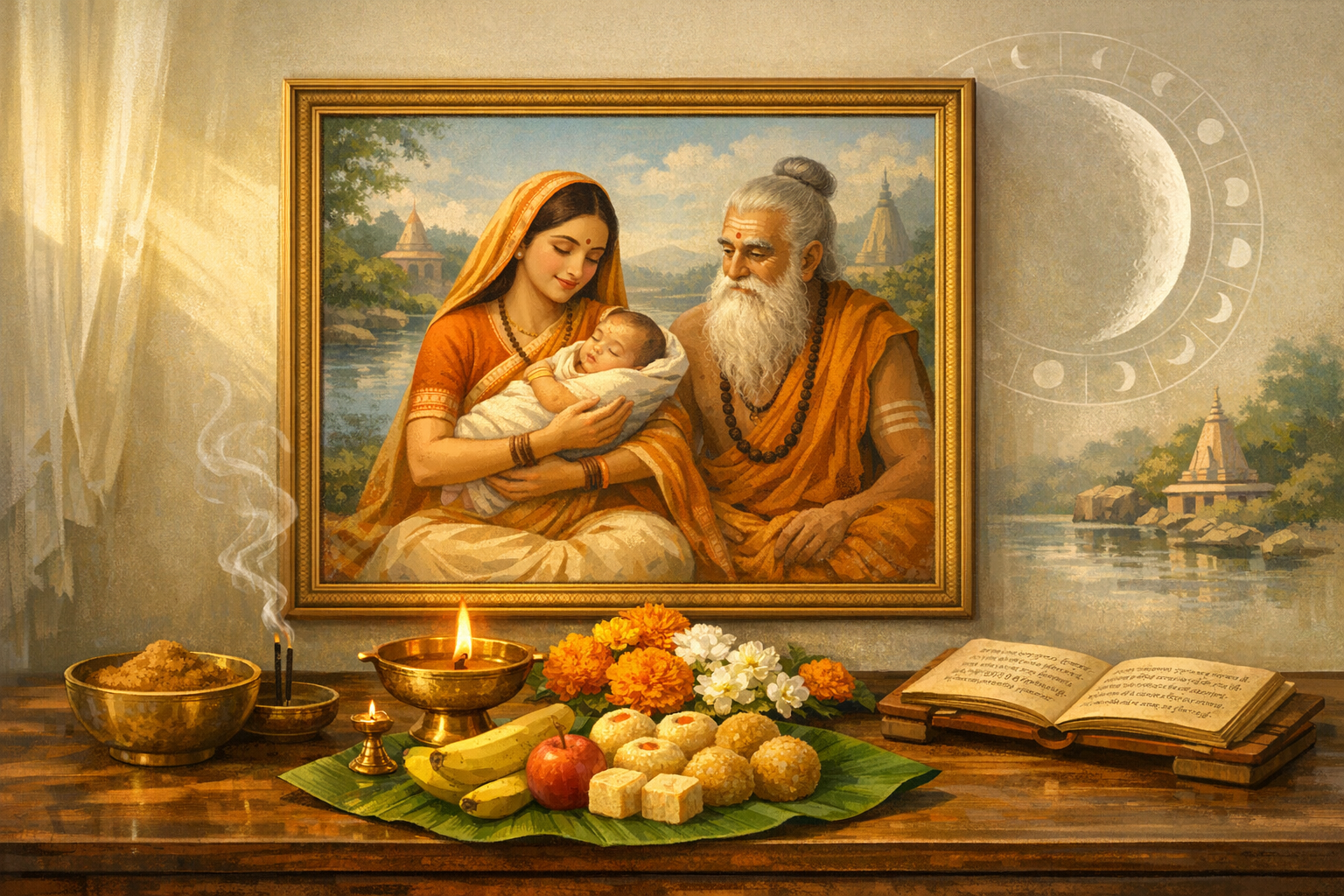
Sati Anasuya Jayanti 2026 falls on Monday, 6 April, aligned with Krishna Paksha ChaturthiVaishakh (Purnimant) and Chaitra (Amavasyant). This guide explains the date and tithi clearly, helping readers plan according to their local panchang. It outlines an accessible home puja-vidhi centered on panchopachara, dhyana, and Puranic reading, with practical fasting and charity recommendations. The article…
-
When Ancestors Hung by a Thread: Jaratkaru’s Vision and the Imperative of Lineage
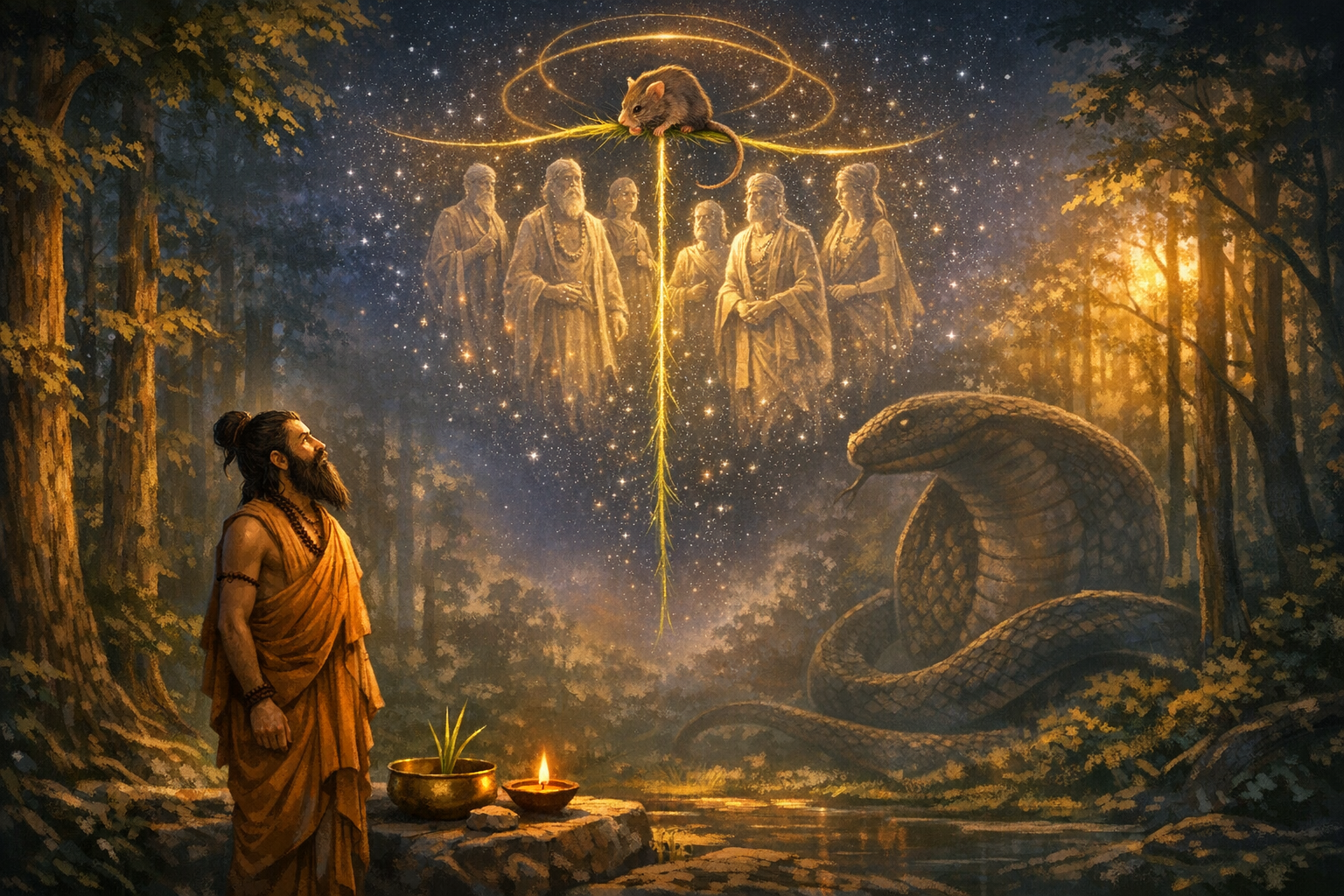
Sage Jaratkaru’s forest vision in the Mahabharataancestors hanging by a single kusa fiberembodies the urgency of pitri-rna, the debt to one’s lineage. The narrative shows how disciplined renunciation can align with householder responsibility to sustain family, memory, and community. Through the birth of Astika and the halting of Janamejaya’s Sarpa Satra, it reveals dharma as…
-
Agastya as Asura Samhara Moorthy: Outwitting Ilvala–Vatapi with Spiritual Fire
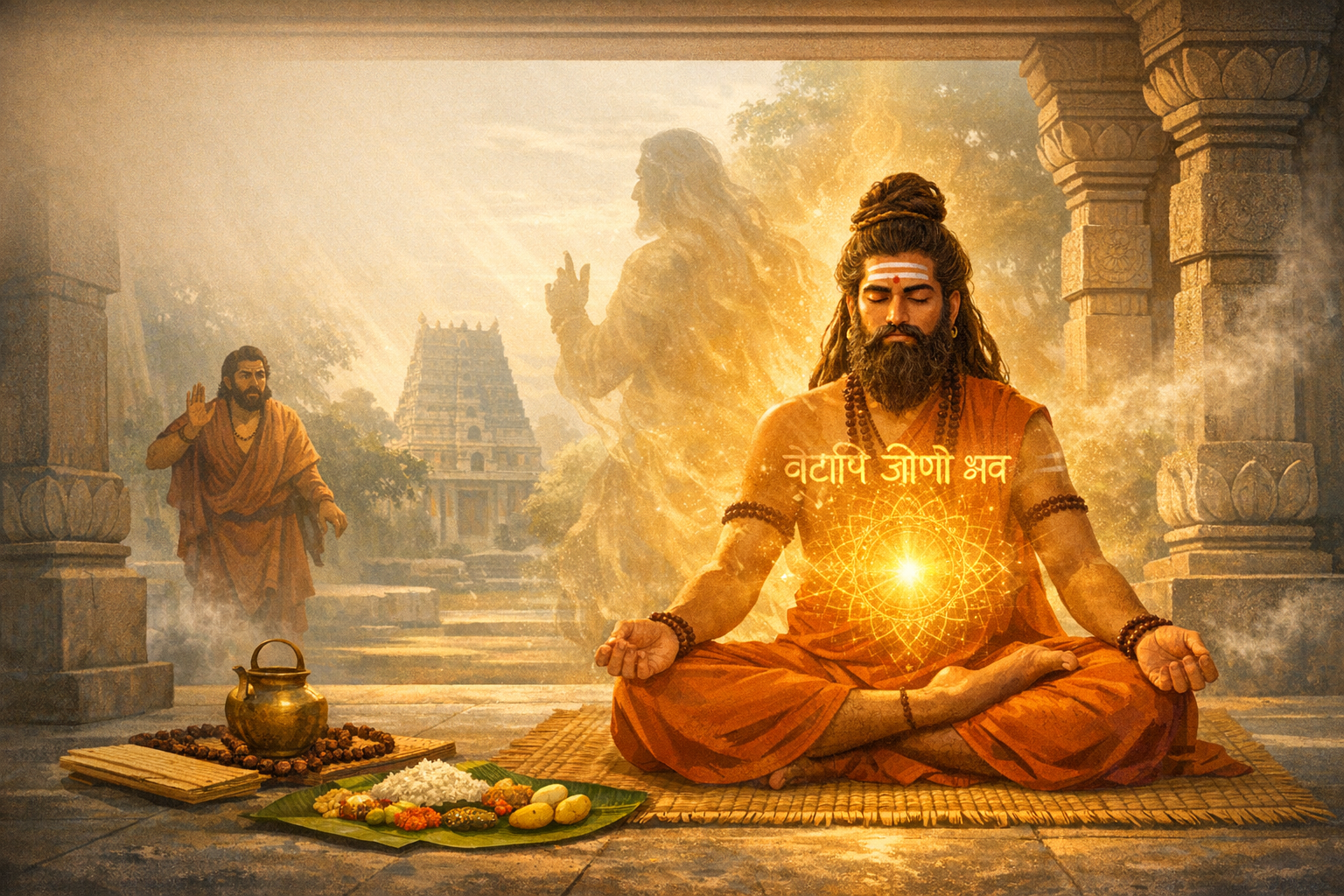
Rishi Agastya’s epithet Asura Samhara Moorthy comes alive in the famed Ilvala–Vatapi episode, where deception is neutralized by yogic insight rather than spectacle. The story upholds Dharma by safeguarding hospitality, demonstrating how spiritual fire (tapas) transmutes harm without amplifying violence. Yogic and Ayurvedic lenses deepen the teaching: jatharagni and disciplined breath digest not only food…
-
Navagvas and Dāśagvas in Hinduism: Angiras Lineage, Vedic Timekeeping, Ritual Mastery

This study explains why Navagvas and Dāśagvas matter in Hinduism by situating them within the Angiras lineage and the Rigvedic ritual world. It clarifies how these names encode nine‑ and ten‑month attainments in year‑long sattras (Sattrayāga), while noting alternative scholarly views that treat them as Angirasa group designations. Readers gain a clear overview of Vedic…
-
Who Was Madhava Dasar? A Profound Bhakti Legacy Across Vedas, Vedanta, and Vaiseshika

Madhava Dasar is remembered as a Brahmin exemplar who harmonized Vedic learning, Vedanta, and Vaiseshika with an accessible Bhakti ethos. Hagiographic accounts compare his householder ideal to Janaka, signaling ethical engagement in the world without attachment. His devotional legacyevoked in searches for “who is Madhava Dasar,” “Madhava Dasar Katha,” and “Madhava Dasar bhakti songs”illustrates how…
-
Sri Hanuman Das: A 1st-century Devotee-Poet of Rama and HanumanHistory, Poetics, Legacy
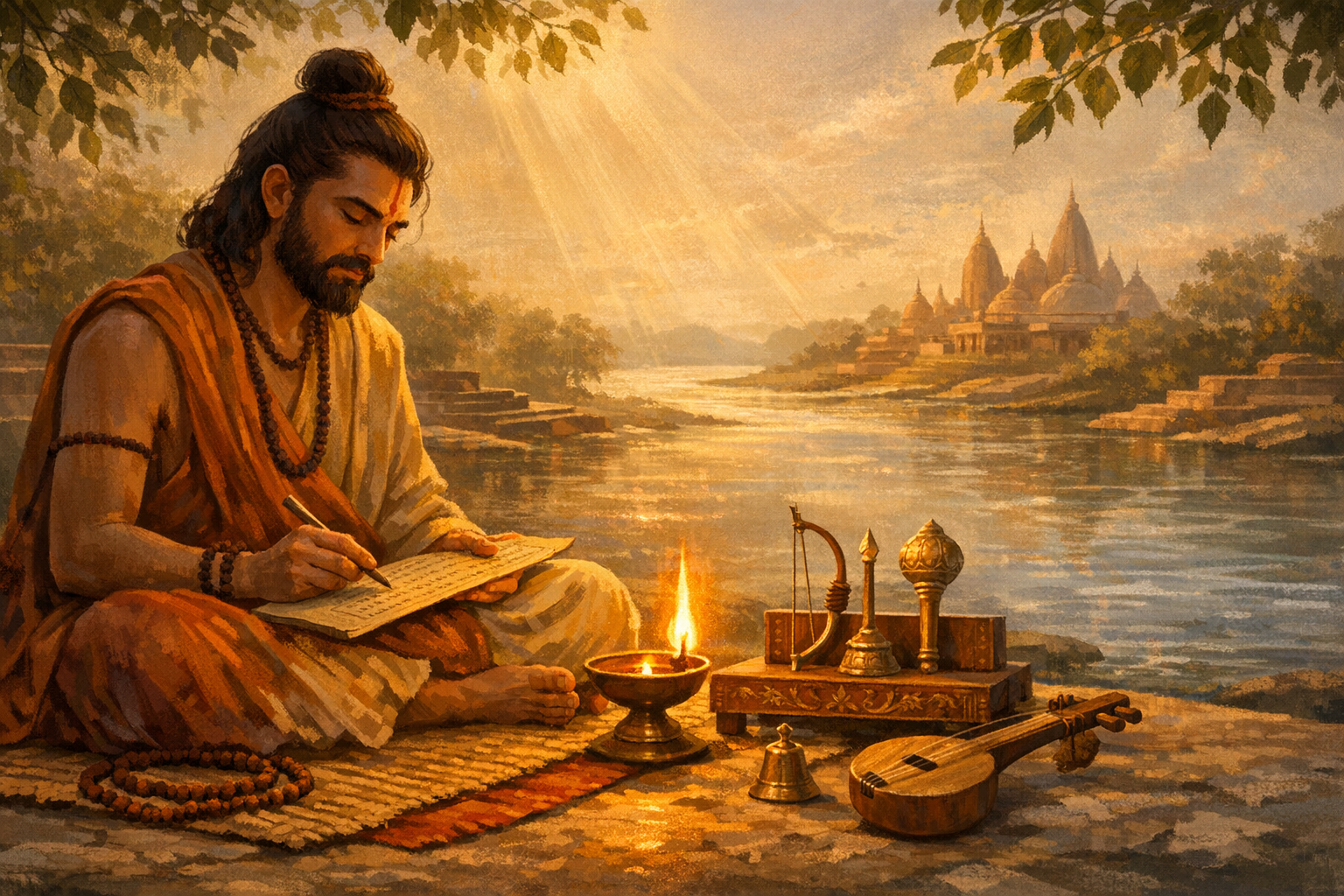
Sri Hanuman Das is remembered as a Hindu saint and Sanskrit poet from present-day Uttar Pradesh, traditionally dated to the 1st century CE and celebrated for deep devotion to Lord Rama and Lord Hanuman. The devotional name “Hanuman Das” reflects dāsya-bhāvaservice as a spiritual pathlinking Hanuman’s exemplary loyalty to Rama-bhakti. While the precise chronology remains…
-
Narottama Dasa Thakura: Unifying Gaudiya Bhakti Through Timeless Kirtana and Scholarship
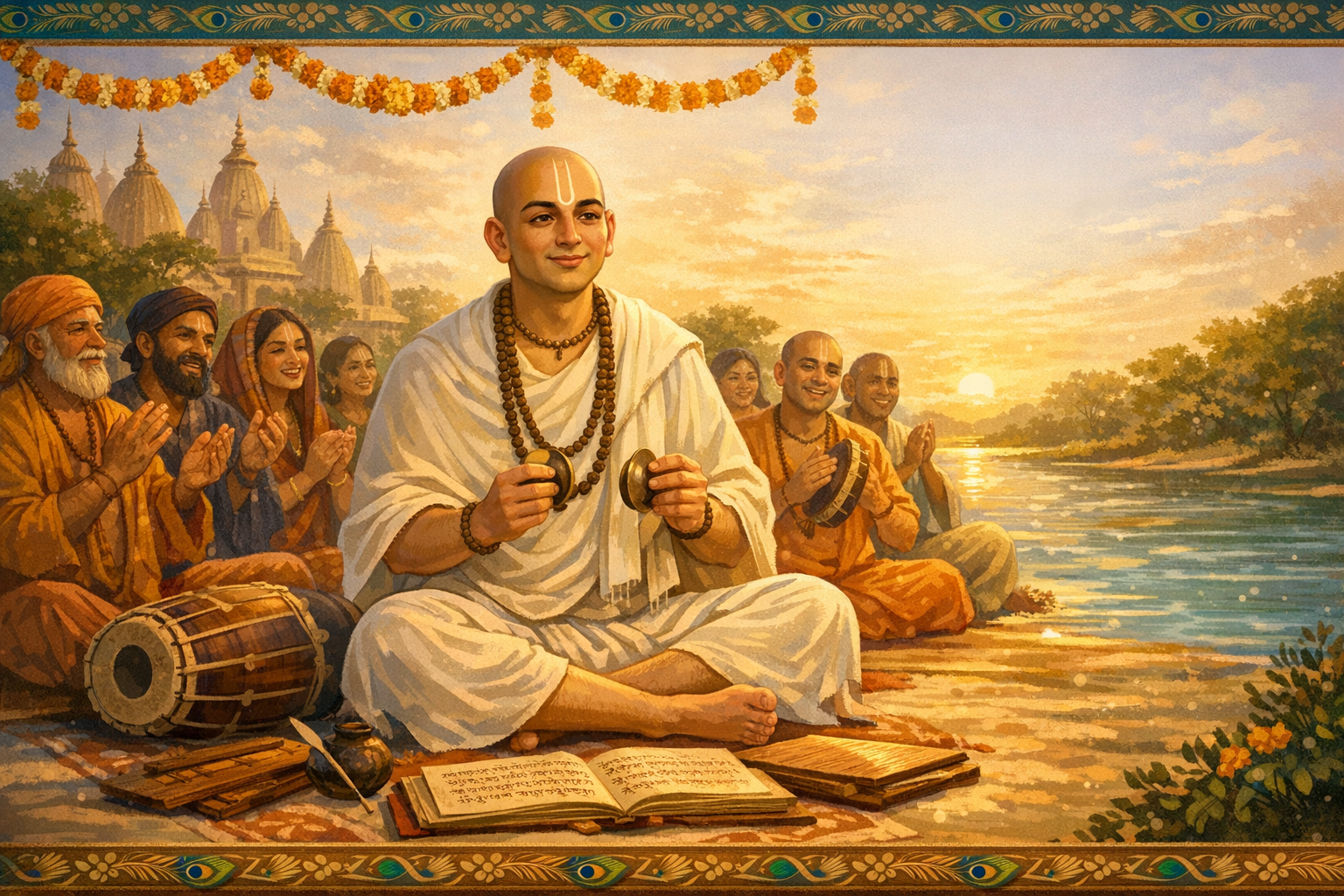
Narottama Dasa Thakura (16th–17th century) helped translate Shri Chaitanya’s vision into enduring practice by uniting theology, kirtana, and community-building across Bengal and present-day Bangladesh. Born into an aristocratic family in Kheturi, he received advanced training in scripture and music, studied in Vrindavan under Jiva Goswami, and accepted initiation from Lokanatha Goswami, remaining celibate throughout life.…
-
Sri Hanuman Das: Enigmatic Early Bhakti Poet of Uttar Pradesh and Rama-Hanuman Devotion

Sri Hanuman Das is remembered as a Hindu saint and Sanskrit poet from Uttar Pradesh, celebrated for ardent devotion to Lord Rama and Lord Hanuman. While a 1st-century CE date appears in some traditions, available evidence suggests this chronology is hagiographic, not epigraphically confirmed. Placed within the broader Bhakti Tradition and the ritual geography of…
-
Kshemaraja of Kashmir Shaivism: Timeless Nondual Wisdom, Practice, and Dharmic Harmony

Kshemaraja, the eminent disciple of Abhinavagupta, distilled Kashmir Shaivism’s non-dual insights into lucid, practice-ready guidance. Core textsPratyabhijñāhṛdayam, Spandanirṇaya, Spandasandoha, and Śiva Sūtra Vimarśinībridge rigorous Indian philosophy and accessible methods. Readers gain a clear map of upāyas to steady attention, reduce stress, and cultivate compassion. Everyday beauty and stillness become gateways to recognition (pratyabhijñā) through the…
-
Sage Parashara and King Kalmashapada: A Timeless Saga of Curse, Dharma, and Redemption
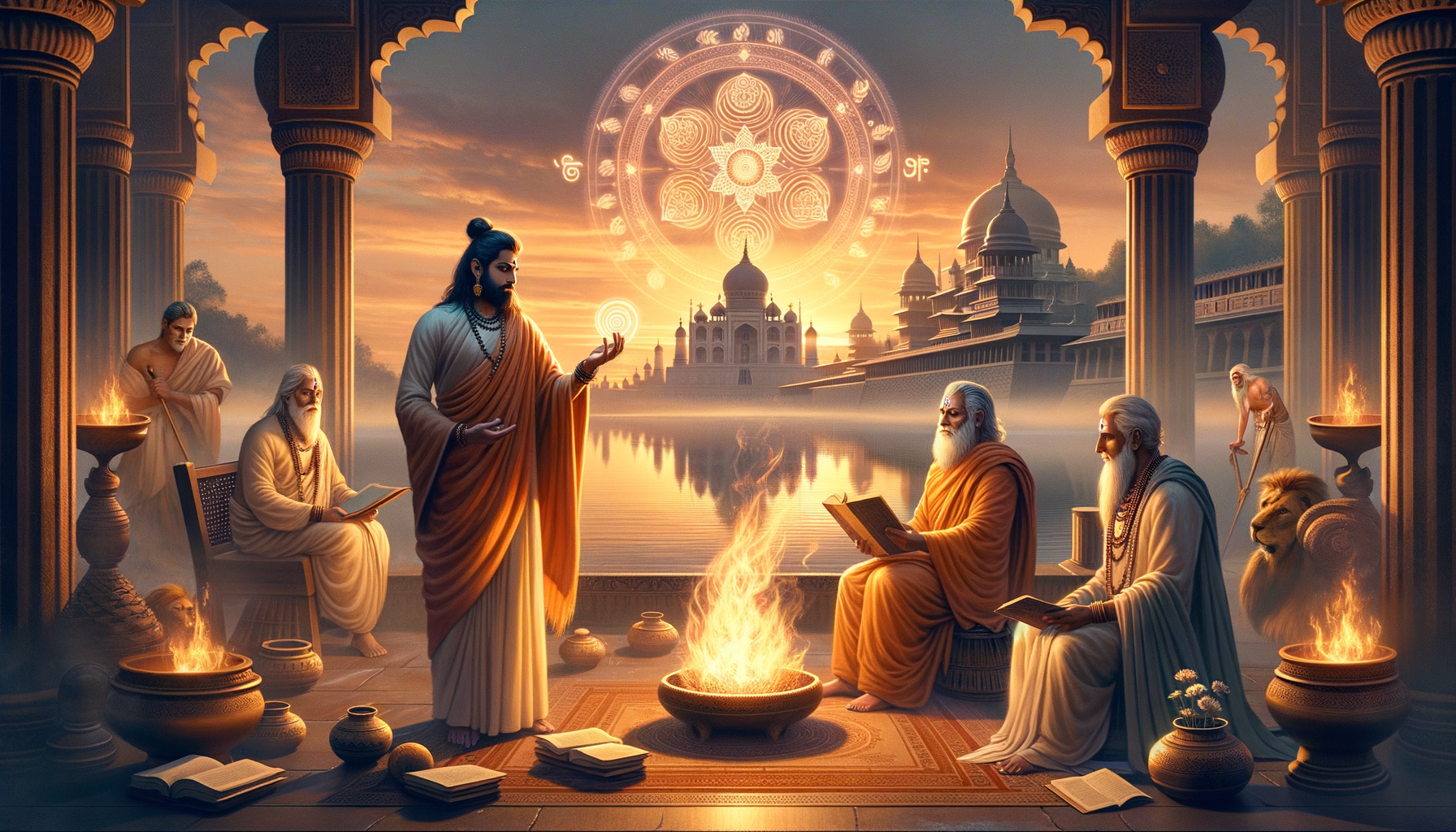
This tale from Ayodhya follows Sage Parashara and King Kalmashapada through a dramatic arc from a devastating curse to ethical renewal. Multiple textual strands highlight how vengeance and misjudgment spiral into adharma, and how counsel from Vashishtha and Pulastya redirects Parashara from retribution toward wisdom. The episode explains why restraint, clarity, and accountability are essential…
-
Baba Lokenath: Early Life, Enduring Wisdom, and Practical Lessons for Today’s Seekers

Baba Lokenath, born in 1730 in a Brahmin family near Kolkata, exemplifies the disciplined learning and practice that defined 18th century Indian spirituality. Trained in the Vedas and Shastras under a learned scholar, he followed his father’s wish to embrace the spiritual path. Leaving home in youth for rigorous sādhanā within the guru–śiṣya paramparā, he…
-
Rishi Agastya–Lopamudra Kalyanam: Sacred Union at Pothigai Hills and Vedic Legacy

The Agastya–Lopamudra Kalyanam, revered in Hindu tradition and situated in the sacred Pothigai Hills, portrays a luminous union of tapas and vidya. It presents Agastya Maharshi as a pioneering sage and Ma Lopamudra as a Rigvedic voice and learned princess of Vidarbha, modeling the Vedic ideal of mutual respect and scholarly partnership. Their son Dridhasyu,…
-
Sage Kapila: Vishnu’s Fifth Avatar and the Transformative Power of Sāṁkhya Wisdom

Sage Kapila, revered as the fifth avatar of Vishnu, anchors Sāṁkhya’s profound vision of consciousness and nature. This account distinguishes purāṇic narrative from the classical philosophical school, clarifying Kapila’s teachings in the Bhāgavata Purāṇa and the later scholastic texts like the Sāṁkhya-kārikā. Readers gain a concise map of core conceptsPurusha, Prakriti, gunas, and the tattvasalongside…
-
Madhuchandas and the First Ten Suktas: Unveiling the Rig Veda’s Foundational Voice

Madhuchandas, son of Vishwamitra, is traditionally credited with the first ten suktas of the Rig Veda’s first mandala, establishing a foundational voice for Vedic hymnody. These hymns, revered as shruti, combine ritual power with philosophical clarity, highlighting themes of cosmic order, gratitude, and truthful living. The poetic craftmeters like Gāyatrī and Triṣṭubh, and vivid imagery…