
-
Sri Umapathi Sivam: A Luminous Shaivite Sage from Chidambaram’s Sacred Tradition

Sri Umapathi Sivam, a 13th-century Shaivite sage of the Dikshithar lineage, embodied the living fusion of Vedic learning and devotional practice in Chidambaram’s sacred ecosystem. His mastery of the Vedic scriptures and contributions to Shaiva literature exemplify how scholarship and bhakti can mutually reinforce spiritual clarity. Rooted near the Thillai Natarajar Temple, his life highlights…
-
Markandeya Charitra Unveiled: Timeless Devotion, Shiva’s Grace, and Ever‑Youthful Wisdom

Markandeya Charitra presents a timeless portrait of devotion, courage, and divine grace centered on the enduring relationship between a devotee and Lord Shiva. Born in the Bhrigu lineage to Mrikandu and Marudvati, Markandeya meets a fated lifespan with fearless worship, prompting Shiva’s intervention as Kalantaka. The Bhagavata Purana and Markandeya Purana deepen this account, linking…
-
Witnessing the Sky of Consciousness: Sri Shyamdas Babaji’s Transformative Sadhana and Unitive Wisdom

Set in Sri Jagannath Kshetra and later Varanasi, this reflective account presents Sri Shyamdas Babaji’s rare synthesis of jnana, bhakti, and yoga. Readers encounter his lucid teaching on drashta bhava (witness-consciousness) and the chidakasha (sky of consciousness), framed by living connections to Trailinga Swami, Prabhu Jagadbandhu, Sri Sri Maa Anandamayi, and the Gaudiya tradition. The…
-
Dasharatha and Shani in the Padma Purana: A Timeless Legend of Karma, Courage, and Grace

Padma Purana’s Uttara Khanda presents Narada’s inquiry to Mahadeva on Shani’s feared reputation and reveals Shani as a stern upholder of karmic justice rather than a capricious force. The legend of King Dasharatha complements this insight, illustrating leadership grounded in devotion, responsibility, and service. Readers gain a clear, balanced understanding of Shani’s symbolism within Hindu…
-
From Heaven to Anjali: Patanjali’s Divine Birth and the Profound Meaning of His Name

This exploration of Sage Patanjali’s birth story traces a luminous descent from heaven into human hands, revealing how the meaning of his name‘pata’ plus ‘anjali’embodies the meeting of grace and disciplined effort. It introduces the traditional account of Gonika’s sunrise prayer and the child who appeared in her cupped palms, linking the narrative to Ananta…
-
Chatus Sana in Hinduism: The Eternal Four Sages of Brahma and Their Timeless Wisdom

The Chatus SanaSanaka, Sanatkumara, Sanatsujata, and Sanandanaare revered in Hinduism as the eternal, mind-born sages of Brahma who embody purity, wisdom, and spiritual knowledge. Their presence across the Puranas, the Mahabharata, and the Upanishads highlights a shared commitment to contemplation, ethical clarity, and inner freedom. Sanatkumara’s Upanishadic teaching, Sanatsujata’s discourse on deathlessness, and Sanaka and…
-
Desire, Discipline, and Redemption: Vishwamitra’s Fall and Rise to Enlightened Self-Mastery
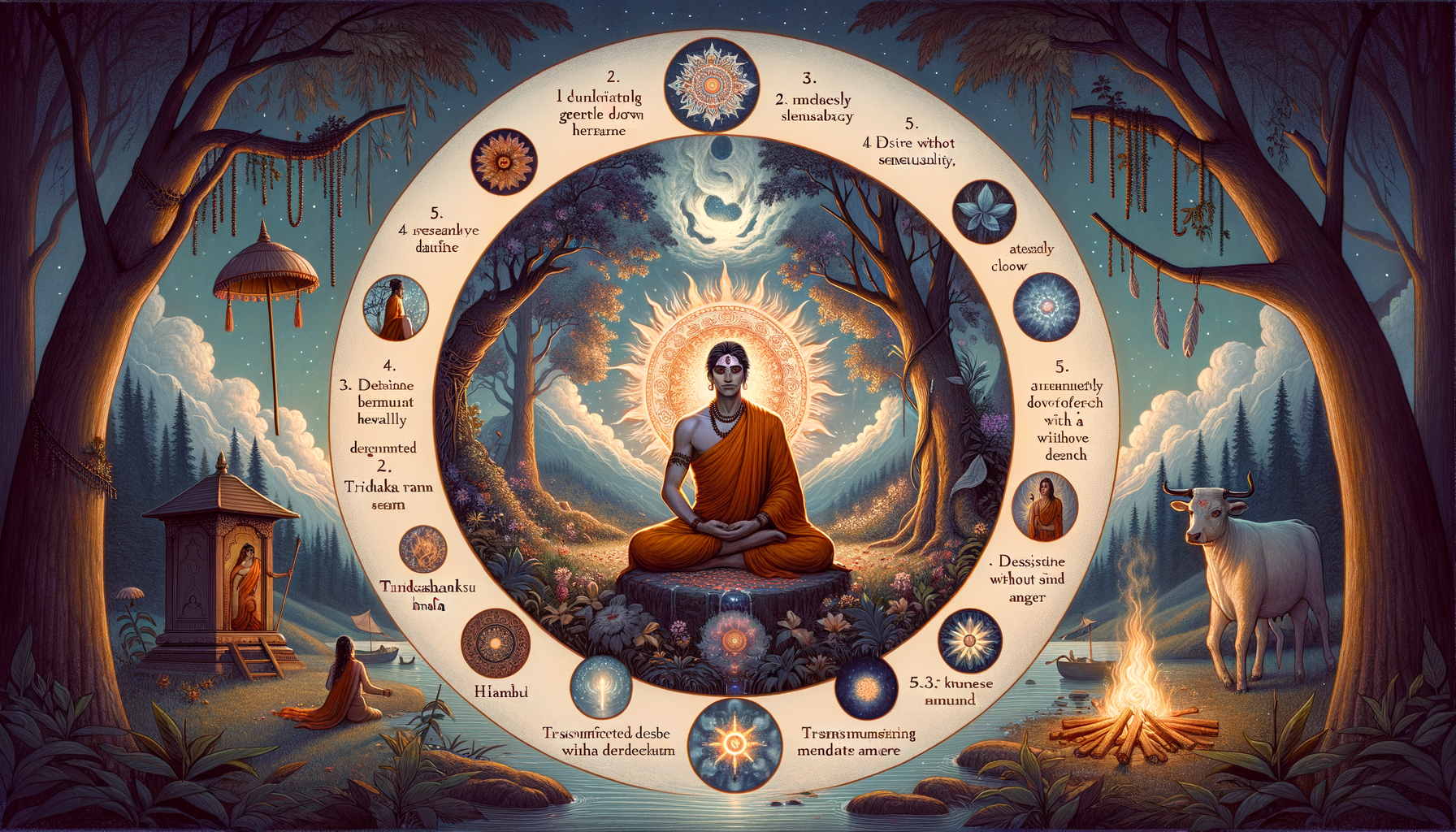
Sage Vishwamitra’s journey, preserved in the Ramayana and Puranas, reveals how desire, discipline, and humility shape authentic spiritual growth. The episodes of Menakā, Rambhā, and Trishanku illuminate why repression alone fails and how insight transforms both desire and anger. Read as a spiritual psychology, the narrative models tapas joined to compassion, equanimity, and surrender. The…
-
Discover the Timeless Pillars of Hinduism: Temples, Saints, and Living Pluralism

Hinduism’s enduring features include a global network of Hindu temples, a lineage of rishis and saints, and historic royal patronage that nurtured sacred architecture and social welfare. Its core principlesdharma, karma, ahimsa, and mokshasupport multiple valid paths such as Bhakti, Jnana, Karma, and Yoga. This religious pluralism aligns naturally with the broader dharmic family of…
-
Jatukarnya: Unveiling an Ancient Dharmashastra Luminary Shaping Dharma and Society
Jatukarnya (Jatukarni/Jatukarna) emerges from the Dharmashastra tradition as an early voice in Hindu legal history, likely predating the 3rd century CE. Even without a fully preserved standalone text, later references attest to his participation in formative debates on law, ethics, and social norms in Ancient India. His remembered contributions exemplify how the Dharmashastras blend jurisprudence,…
-
Piercing Shunya: Kashi’s ‘Pagal Baba’ on Effulgent Truth and the Infinite Void
This rigorously documented Kashi encounter presents the profound teachings of the saint known as the “Pagal Baba,” framed within a careful, comparative dharmic lens. It maps a structured ascent through Jagat-Surya, Praṇava, Bindu, and luminous Jyotis toward the elusive Nirañjana Jyoti. The discussion of Shunyalayered, vast, and culminating in Ananta Shunyaoffers rare clarity on the…
-
Sage Gopatha’s Legacy: Gopatha Brahmana and Why the Atharva Veda Matters Today
Sage Gopatha is traditionally linked with the Gopatha Brahmana, the only Brahmana of the Atharva Veda and a cornerstone of Vedic literature. The text explains Atharvan ritual and cosmology, emphasizing healing, protection, and communal well-being. Rather than being marginal, the Atharva Veda emerges as a complementary and indispensable voice within the Vedic canon. Readers gain…
-
Journey to Goloka Vrindavan: Transformative Bhakti, Silent Ecstasy, and Dharmic Unity
This reflection explores Gopa Kumara’s journey in Goloka Vrindavan, where devotion matures into serene fulfillment. It explains how the brajvasis’ speechless ecstasy exemplifies the depth of bhakti and the transformative power of remembrance. Readers gain clear, actionable insights: refine longing, seek community with realized devotees, and accept gentle guidance on the path. The narrative highlights…
-
Gobhila Rishi’s Enduring Legacy: Sama Veda Ritual Wisdom in Grihya Sutras and Smritis
Gobhila Rishi’s contributions to Vedic literatureespecially the Gobhila Grihya Sutra and Gobhila Smritioffer a clear, textually grounded guide to Hindu domestic rites within the Sama Veda tradition. His works detail samskaras that sanctify life’s milestones while nurturing ethical steadiness and communal harmony. The remembered but lost Gobhiliya Shraddhakalpa highlights his focus on śrāddha and intergenerational…
-
Discover Panchavati’s Sacred Origins: The Ultimate Tale of Sage Agastya’s Transforming Curse

This exploration of Sage Agastya and Panchavati presents a timeless Ramayana narrative where karma, divine justice, and redemption converge. It situates Panchavati within the sacred geography of the Godavari and Nashik, highlighting the grove’s enduring spiritual resonance. The account clarifies that the five gandharvas motif arises from later retellings, while honoring Valmiki Ramayana’s core portrayal…
-
Discover the Complete Legacy of Bhagat Ram Sharan Das: A Proven Exponent of Sanatan Dharma

Bhagat Ram Sharan Das (born March 6, 1915, Pilakhua, Ghaziabad) is remembered as a gifted exponent of Sanatan Dharma. Known for mastering Hindi, Sanskrit, Urdu, and Punjabi, he embodied the inclusive communication central to Hindu spiritual traditions. His early interest in saints and scholars reflects the living culture of satsanga and study. This orientation aligns…
-
The Essential Dharmic Secret to Clarity: Discover Travel as a Proven Path to Inner Renewal

This article explores a time-tested Dharmic insight: intentional travel as a disciplined practice for clarity. Drawing on Hinduism’s tirtha-yatra and the parivrajaka ethos, it shows how movement functions as sādhanā that resets cognition, widens perspective, and supports mindful self-discovery. Scriptural themessuch as Charaiveti charaiveti and the Gita’s emphasis on equanimityare connected to modern psychology’s findings…
-
Essential Female Hindu Saints: Discover Hemalekha, Akka Mahadevi, and Anandamayi Ma

This academically grounded profile explores three essential female Hindu saintsHemalekha, Akka Mahadevi, and Anandamayi Mawhose lives illuminate self-inquiry, radical devotion, and compassionate service. Readers discover how Hemalekha’s guidance transformed a prince through disciplined reflection on identity and impermanence. Akka Mahadevi’s fearless renunciation exemplifies Bhakti courage and ethical freedom aligned with dharmic values. Anandamayi Ma’s inclusive…
-
Why Sage Vishwamitra Laid Down Arms: The Complete Dharma Breakthrough from King to Rishi

Sage Vishwamitra laid down arms not out of weakness but as a deliberate, dharmic choice to conserve brahma-tejas and complete his transformation from warrior king to Brahmarshi. His renunciation reflects a mature realization that spiritual power surpasses martial force, and that anger and violence dissipate tapas-shakti. The Ramayana preserves this balance: he equips Rāma with…
-
Who is a Guru?
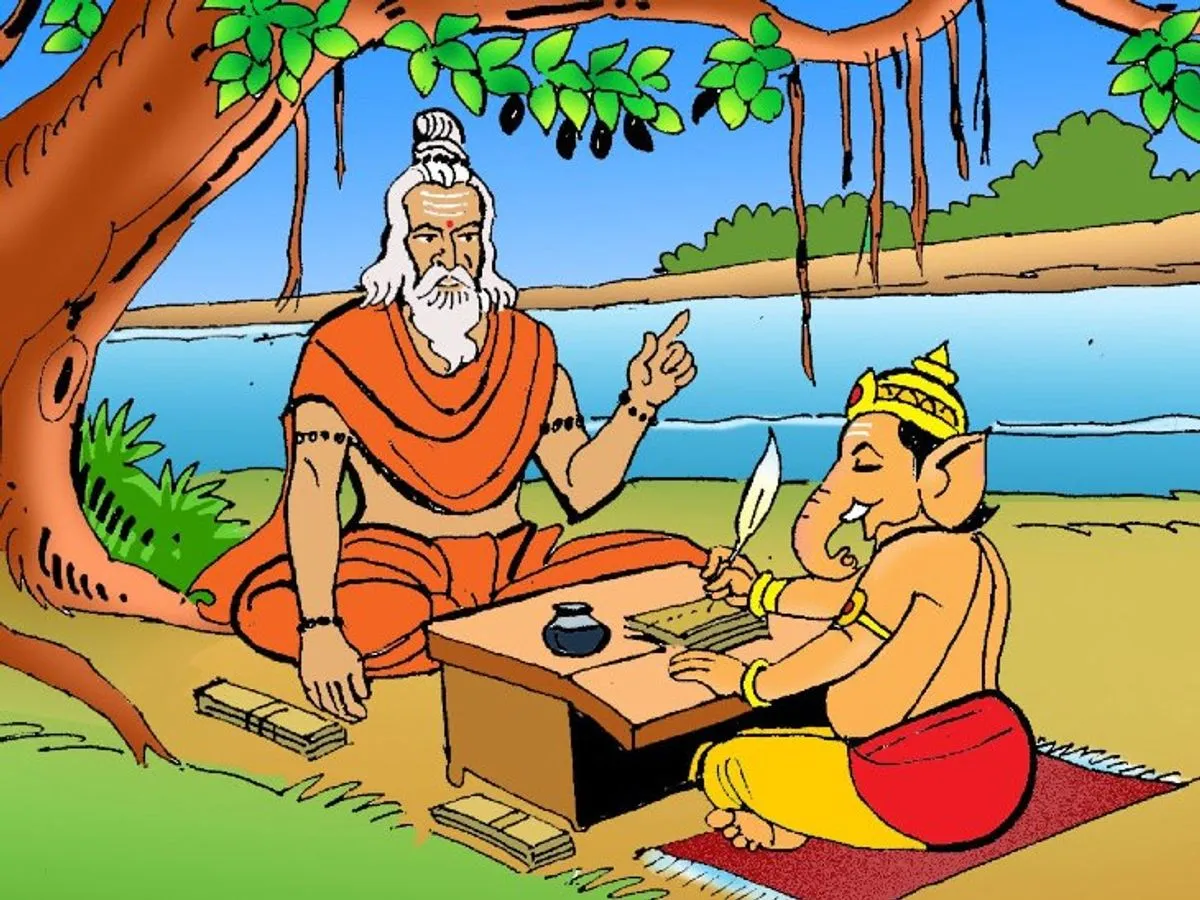
Explore the significance of Guru Purnima, a celebration of Maharishi Ved Vyas’ birthday, and dive into the profound role of a true Guru in the spiritual journey. Maharishi Ved Vyas, the sage behind the Mahabharata and the classification of Vedic literature, holds a unique place in Hindu history. This blog delves into the essence of…