
-
Ramabhadra, Not King of Ayodhya: Sri Rama’s Humility in Bhavabhuti’s Uttara Rāma

This article explores why classical sources such as Bhavabhuti’s Uttara Rāma emphasize the intimate name “Ramabhadra” for Sri Rama over the formal title “King of Ayodhya.” It shows how the choice reflects a deliberate centering of dharma, humility, and ethical proximity rather than hierarchical distance. Readers gain insight into Rama’s model of kingship, where restraint,…
-
Why Shiva Rejected Ravana After Sita’s Abduction: Dharma, Bhakti, and Divine Justice

This analysis explores why Shiva is portrayed as withdrawing protective grace from Ravana after the abduction of Sita, drawing on the Valmiki Ramayana and regional traditions like Kamba and Krittivasi Ramayanas. It shows that divine boons operate within the moral framework of dharma and cannot shield adharma. The piece highlights how Ravana’s sacred deceptionmisusing the…
-
Bhasa’s Bold Reimagining of Sita’s Abduction in Pratima Natakam: Ethics, Dharma, Drama

Bhasa’s Pratima Natakam (Pratimanatakam) presents Sita’s abduction not as onstage spectacle but as a reflective, ethically charged episode grounded in classical Sanskrit dramaturgy. By channeling the event through memory, messenger-reports, and the symbolic power of the pratima (statue), the play emphasizes dharma, agency, and the psychology of crisis over physical action. This approach foregrounds rasaespecially…
-
Darbha Sayana Murthy: Sri Rama’s Yoga Nidra Before LankaSymbolism, Strength, and Serenity

Darbha Sayana Murthy recalls the moment Sri Rama, poised to reach Lanka, prays to Lord Varuna and enters Yoga Nidra upon a bed of Darbha grass. The scene blends disciplined patience with strategic resolve, presenting leadership as calm strength before decisive action. Darbha symbolizes purity and protection, turning the earth into a sacred altar that…
-
Unmasking the Golden Deer: The Ramayana’s Allegory of Desire, Maya, and Dharma

The golden deer episode in the Ramayana functions as a refined allegory of human desire, maya (cosmic illusion), and ethical vigilance. By tracing Sita’s captivation, Rama’s pursuit, and Ravana’s exploitation, the narrative shows how alluring appearances disperse attention and compromise dharma. Read symbolically, the deer represents desire’s shimmerradiant yet elusivewhile the episode models the need…
-
Surpanakha in Kerala Folklore: A Gripping Tale of Love, Betrayal, and Sacred Justice
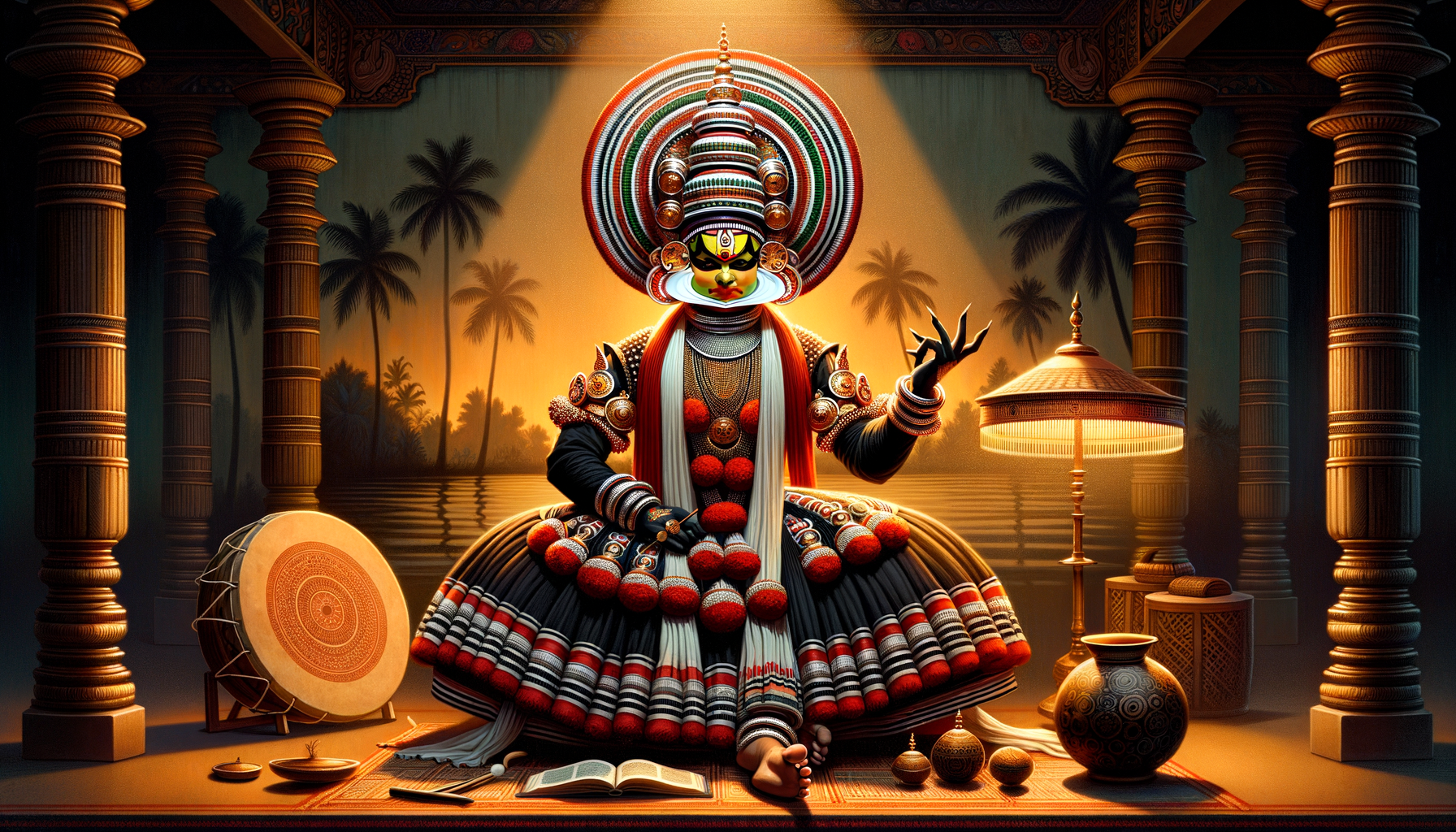
This article explores a compelling Kerala folktale in which Surpanakha is depicted as killing her husband, highlighting how regional Ramayana variants deepen ethical reflection. It situates Surpanakha within the sacred lineage of Pulastya, Vishrava, and Ravana while examining how Kerala’s oral tradition reframes her agency and motives. The discussion analyzes themes of raudra rasa and…
-
Rama, Jatayu, and Dharma: Was Cremation a Transgressionor Compassionate Justice?
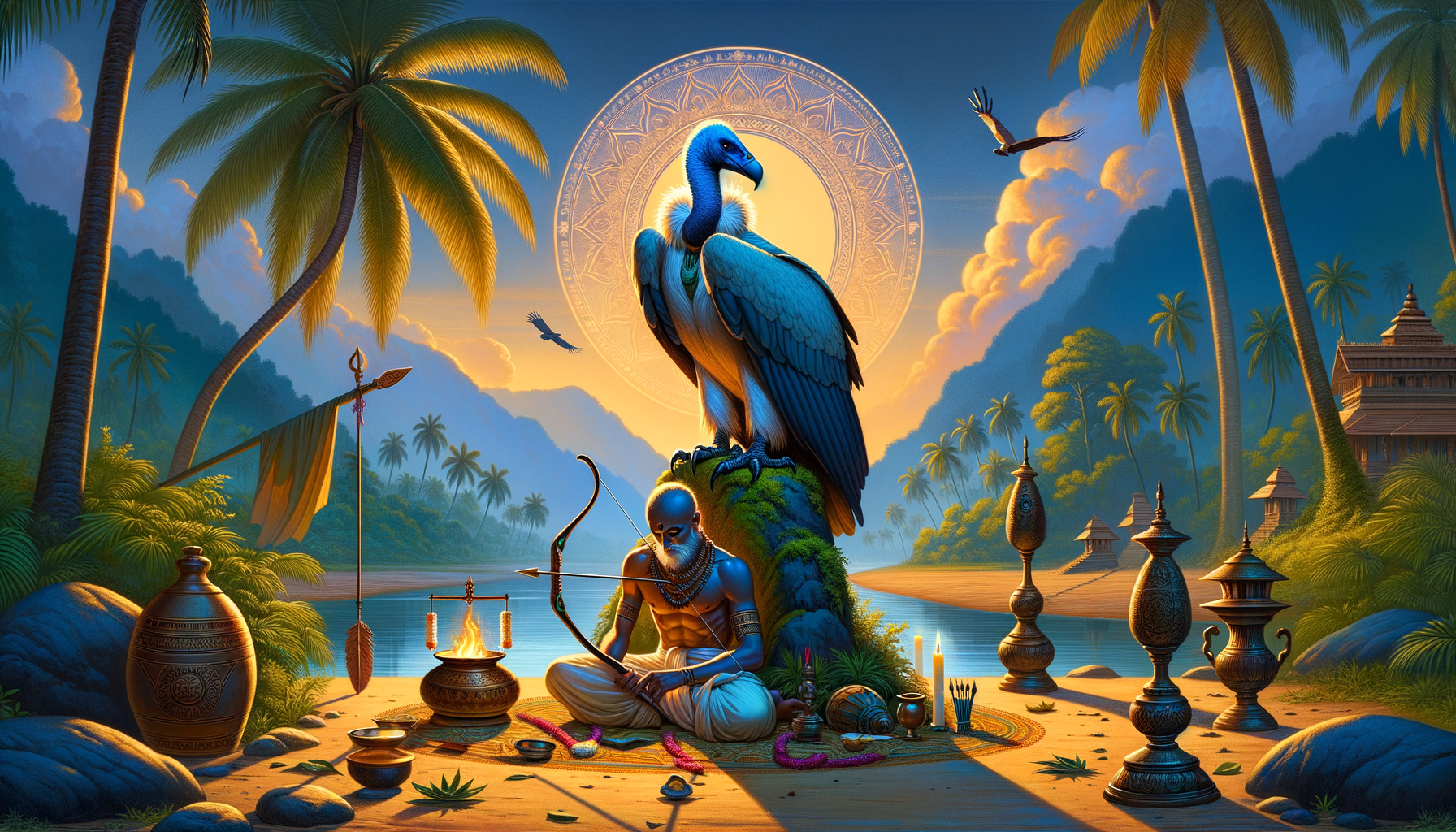
A northern Kerala folk questionwas Rama wrong in cremating Jatayu?opens a nuanced inquiry into dharma, ritual norms, and compassion in the Ramayana. The episode portrays Rama honoring Jatayu as a father-figure through antyeṣṭi, foregrounding intention and gratitude over rigid taxonomies. While some customs reserve cremation for humans, the epic frames Jatayu’s valor as ethically exceptional.…
-
Riksharaja’s Astonishing Origin: The Dual-Gender Parent of Vali and Sugriva in Ramayana

Some Ramayana traditions portray Riksharaja as the dual-gender progenitor of Vali and Sugriva, a striking motif that expands the epic’s philosophical depth. Born from Brahma’s tear and associated with Indra and Surya, Riksharaja embodies both fatherhood and motherhood in one sacred figure. This narrative resonates with dharmic symbolism such as Ardhanarishvara, where complementarity and balance…
-
Unshakeable Hanuman Bhakti: Humility, Strength, and Service Across Dharmic Traditions
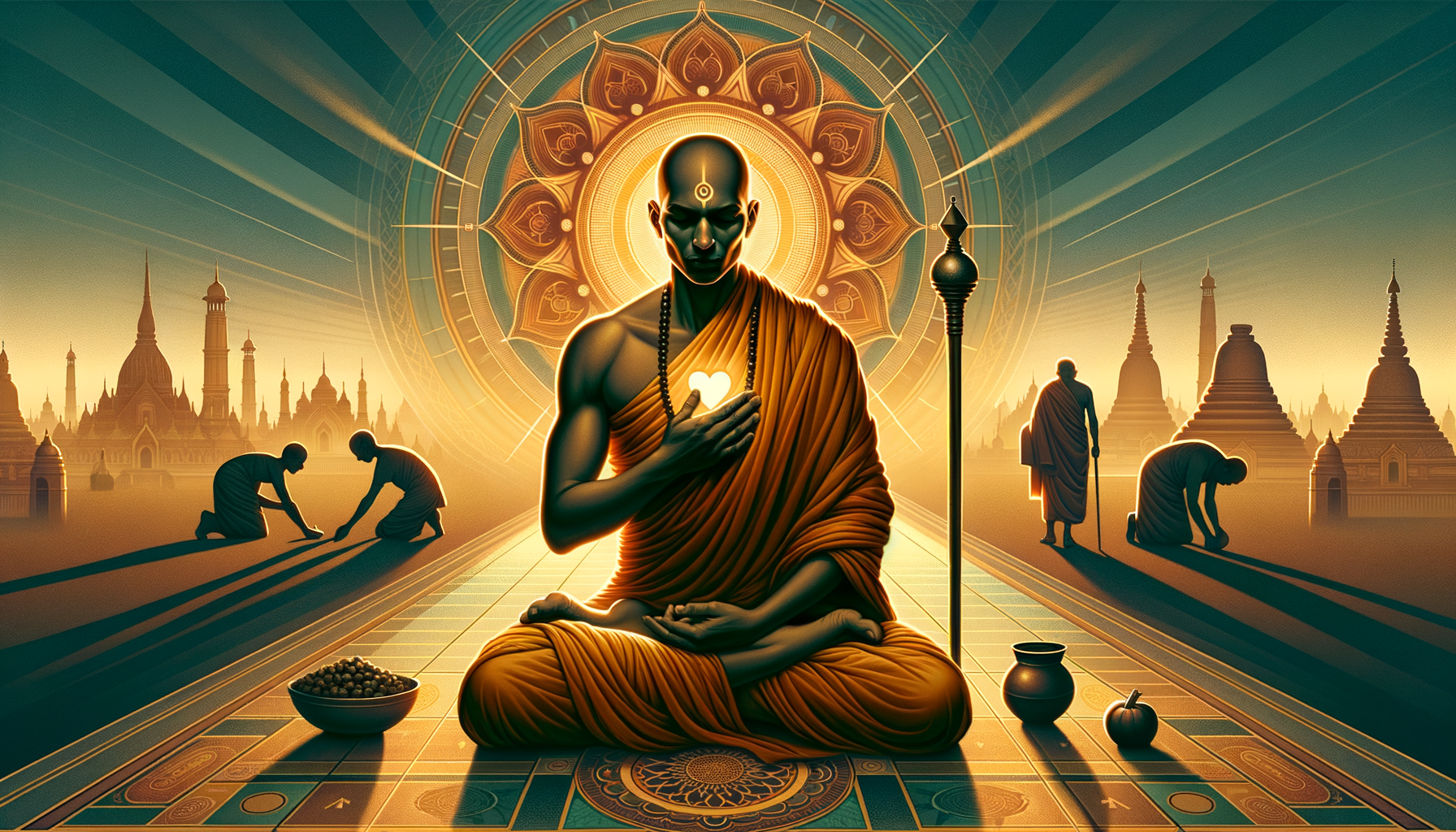
Hanuman Bhakti stands as a timeless model of humility, disciplined strength, and selfless service. Within Hindu Dharma, and in many traditions as an avatar of Lord Shiva, Hanuman exemplifies power refined by discernment, applied only when duty and compassion demand it. The Ramayana’s portrayal highlights devotion without pride and capability without excess. These values resonate…
-
Kshirgram Jogadya Shaktipeeth: Hanuman’s Triumph, Bhadrakali’s Grace, and Dharmic Unity

Kshirgram Jogadya Shaktipeeth in West Bengal unites Ramayana lore with Shakta devotion, preserving the legend of Hanuman’s rescue of Rama and Lakshmana from Mahiravana through Bhadrakali’s grace. The narrative, remembered locally as Maa Jogadya’s establishment, underscores how courage is guided by compassion in the Shakti tradition. Readers gain an accessible overview of the temple’s sacred…
-
Ravana’s Calculated Deception at Panchavati: Strategy, Dharma, and the Road to Lanka’s Fall

Ravana’s decision not to march with a large army to Panchavati reflects a strategic calculus grounded in recent battlefield evidence, logistical realities, and counsel from Maricha. After Rama’s defeat of Khara and Dushana’s Janasthana garrison, direct confrontation appeared perilous. Instead, Ravana adopted deceptionthe golden deer stratagemto create psychological asymmetry and relocate the conflict toward Lanka.…
-
Lakshmana’s Impossible Choice: Duty, Honor, and Dharma in Ramayana’s Golden Deer Episode

The Golden Deer episode in the Ramayana crystallizes Lakshmana’s ethical dilemma between explicit duty and perceived emergency. The narrative contrasts svadharma with maryada, asking how to act when a clear mandate collides with an uncertain cry for help. By highlighting discernment, foresight, and proportional response, it shows how intention and outcome must be balanced. The…
-
Surpanakha’s Karmic Odyssey: Desire, Dharma, and Redemption in Brahma Vaivarta Purana

This article explores Surpanakha’s story as a karmic odyssey across yugas, drawing on the Ramayana and interpretive Puranic traditions associated with the Brahma Vaivarta Purana. It examines how desire, when unguided by dharma, invites consequence yet also opens pathways to learning and inner refinement. Readers gain an emotionally resonant, academically grounded view that balances compassion…
-
TTD’s 16-Day Sundarakanda Parayanam 2025: Dates, Ankurarpanam, and Devotional Grace at Tirumala

TTD will conduct the Shodasha Dina Sundarakanda Parayanam at Tirumala’s Vasantha Mandapam from November 28 to December 13, 2025, with Ankurarpanam on November 27 at Dharmagiri Veda Vignana Peetham (7–8 PM). The programme offers a focused, daily recitation window between 8:30 and 9:30, enabling devotees to engage deeply with the Sundara Kanda of the Valmiki…
-
Lakshmanrekha in the Ramayana: Why Valmiki omits itand how later retellings reshape it
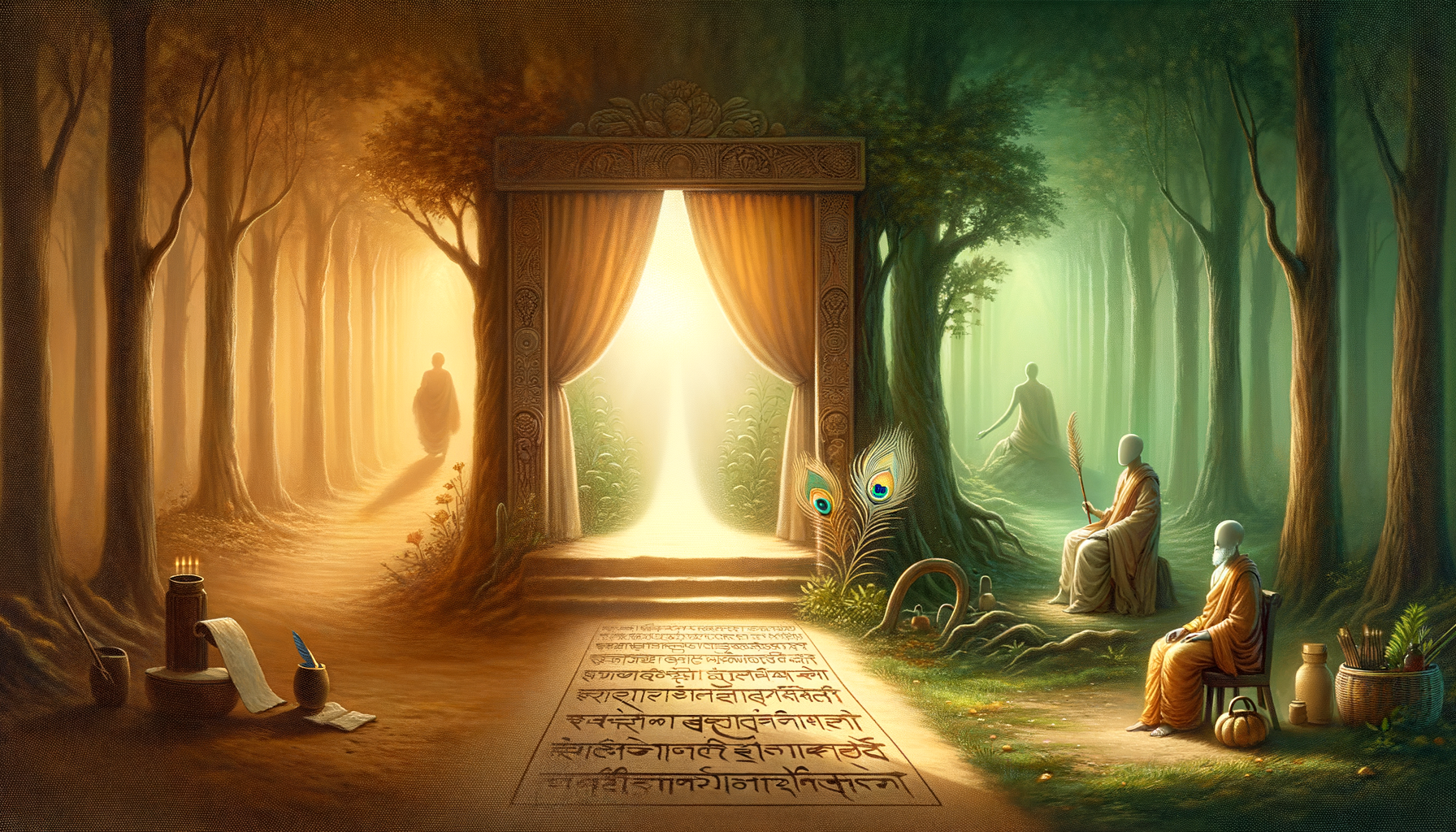
The Lakshmanrekha is one of the Ramayana’s most iconic imagesyet it does not appear in the Valmiki Ramayana. This article clarifies the textual record, explains how the motif emerged in later Ramayanas and folk performance traditions, and explores why it endures as a vivid symbol of maryada. Readers gain a clear distinction between the earliest…
-
Sita’s Ashokavana Ordeal: Unwavering Dharma, Karma, and Timeless Strength to Endure

Sita’s ordeal in Ashokavana exemplifies how dharma and karma inform spiritual resilience under extreme duress. Confined by Ravana and pressured to capitulate, she remained unwavering through ethical clarity, disciplined remembrance, and self-restraint. Her acceptance of karma’s ripening never became fatalism; instead, it sustained equanimity and moral agency. The Sundara Kanda encounter with Hanuman affirmed her…
-
Parashurama, Balarama, Sri Rama: Mapping Humanity’s Ascent from Force to Righteousness
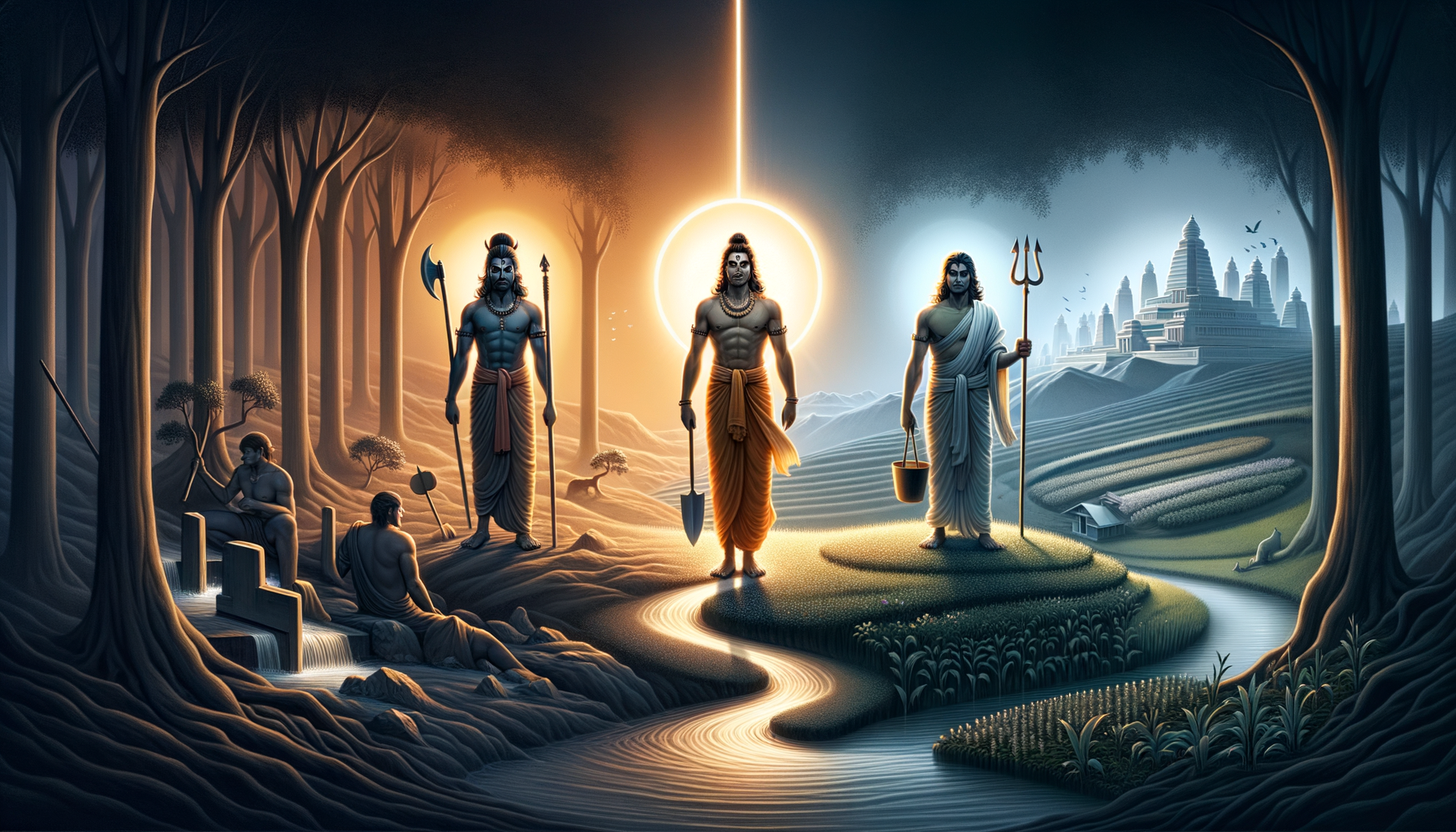
Hindu scriptures present an integrated model of moral evolution through Parashurama, Balarama, and Sri Rama. Together, these avatars map a movement from raw force to cultivated strength and ultimately to principled righteousness. Parashurama encodes the courageous correction of entrenched adharma. Balarama anchors strength in restraint, agriculture, and social balance. Sri Rama perfects the arc through…
-
Surpanakha Reimagined: Folk Ramayana’s Haunting Lament and Dharma’s Grey Zones

South Indian folk Ramayana retellings give Surpanakha a complex, empathetic voice that challenges simplistic binaries of dharma and adharma. This analysis explains how Yakshagana, Kathakali, and Kaliyattam frame her suffering as an ethical prompt rather than a narrative footnote. Readers gain a nuanced understanding of gender dynamics, humiliation, and proportionality in responses. The piece connects…
-
Pushpaka Vimana: Legendary Flying Chariot in Vedas, Puranas, Ramayanaand a Unifying Vision

Pushpaka Vimana, the most renowned among ancient vimanas, is presented in Hindu scripturesespecially the Ramayana and Puranasas a radiant aerial chariot bound to dharma. Traditionally linked to Lord Kubera and later seized by Ravana, it ultimately returns Sri Rama, Sita, and Lakshmana to Ayodhya, symbolizing moral restoration. Descriptions emphasize inclusivity and immense capacity, reinforcing ideals…