-
Proven Ramayana Lessons on Fortune’s Turns: Master Resilience, Dharma, and Equanimity

Fortune can change overnight, yet the Ramayana shows how dharma-centered living creates inner stability. Rama’s exile, Sita’s steadfastness, and the choices of Bharata, Sugriva, Vibhishana, and Ravana reveal a proven framework for navigating sudden reversals. These narratives highlight resilience, ethical leadership, and the consequences of hubris. The insights align with broader Dharmic principlesHindu dharma and…
-
Essential Hindu Wisdom to Master the Mind: Hanuman’s Leap and the Science of Potential

Hanuman’s leap to Lanka in the Ramayana’s Sundara Kanda illustrates how disciplined mind and ethical purpose unlock human potential. The narrative shows uncertainty transformed into decisive action through counsel, devotion, and training. Hindu practices like yoga, pranayama, dhyana, and japa build the steadiness required for courageous goals. Parallel insights across Buddhism, Jainism, and Sikhism reinforce…
-
Discover Angada’s Proven Strength and Dharma: The Invincible Warrior Prince of the Ramayana

Angada, the warrior prince of the Ramayana, unites extraordinary strength with unwavering adherence to dharma. As Vali’s son and Sugriva’s nephew, he balances inheritance with ethical restraint, becoming a model of Kshatra Dharma in action. His leadership in the search for Sita and his role in Lanka illustrate how courage and diplomacy can work in…
-
Discover Sarabha of the Ramayana: The Ultimate Vanara Commander and Dharma Warrior

Vanara Sarabha emerges in the Ramayana as a fearless commander who embodied disciplined courage in service of Lord Rama. Associated with Salveya Mountain, he represents the ethical leadership that sustains dharma-yuddha beyond individual heroism. Though textual traditions vary in detail, Sarabha’s role underscores the epic’s reliance on a coordinated, principled army led by capable vanara…
-
Discover the Proven Aesthetic Secret: K. Viswanath’s Mastery of Rasa and the Marga–Deshi Fusion

This essay explores how K. Viswanath’s cinema exemplifies a proven Indian aesthetic secret: the rasa-centric fusion of Marga (classical, codified) and Deshi (regional, idiomatic). It traces the lineage from the Natya Shastra and Prof. M. Hiriyanna’s insights to contemporary film, showing how aesthetic experience, not didacticism, sits at the core of art. Through examples from…
-
S.L. Bhyrappa’s Epic Genius: The Complete, Proven Legacy That Transformed Indian Literature
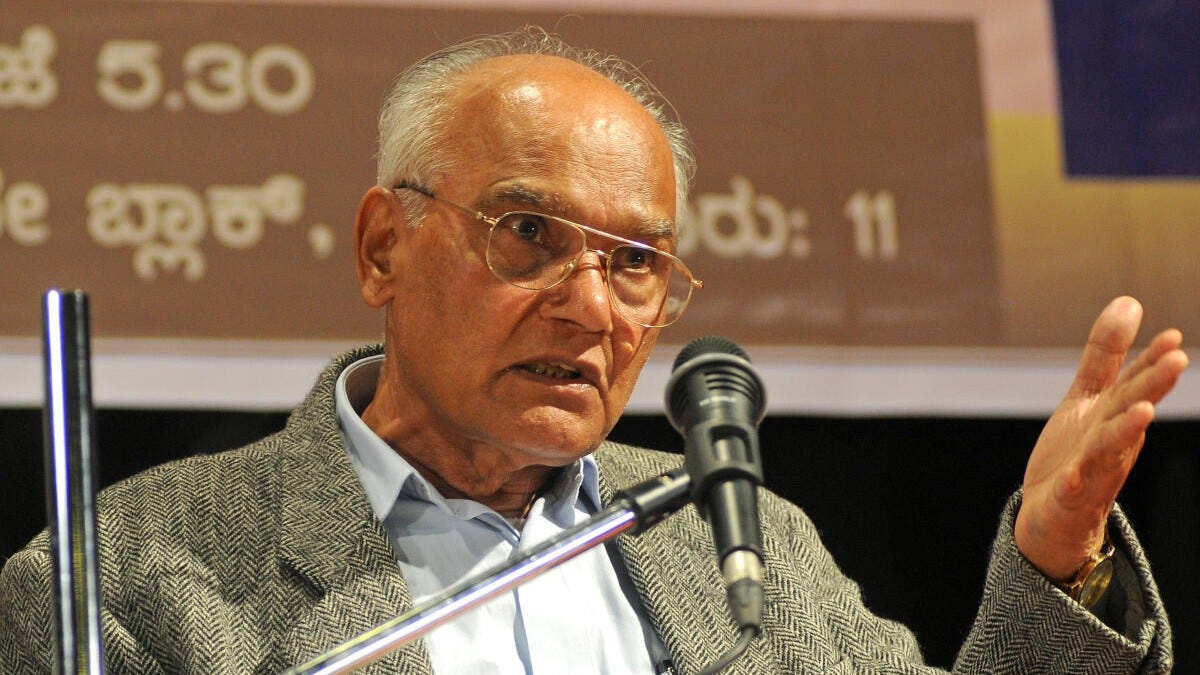
S.L. Bhyrappa’s passing closes a monumental chapter in Indian literature and Kannada letters. His novels, rooted in Sanatana Dharma, the epics, and Hindustani classical music, fused philosophical depth with lived experience to create an unmistakable epic sensibility. Signature moments in Tantu and Mandra demonstrate how Puranic metaphor and Rasa aesthetics can still transform contemporary moral…
-
Discover Sri Rama’s Proven Integrity: Mastering Words-in-Action Dharma in the Ramayana

This article analyzes Sri Rama’s integrity in the Ramayana as a proven model for uniting speech and action. It explains how Maryada Purushottama transforms dharma from ideal to practice through vows honored in exile, alliances kept with integrity, and refuge granted with justice and compassion. Readers gain a practical five-step frameworkvrata, sankalpa, abhyasa, satsanga, and…
-
Discover Panasa in the Ramayana: The Invincible Vanara General and a Proven Dharma Icon
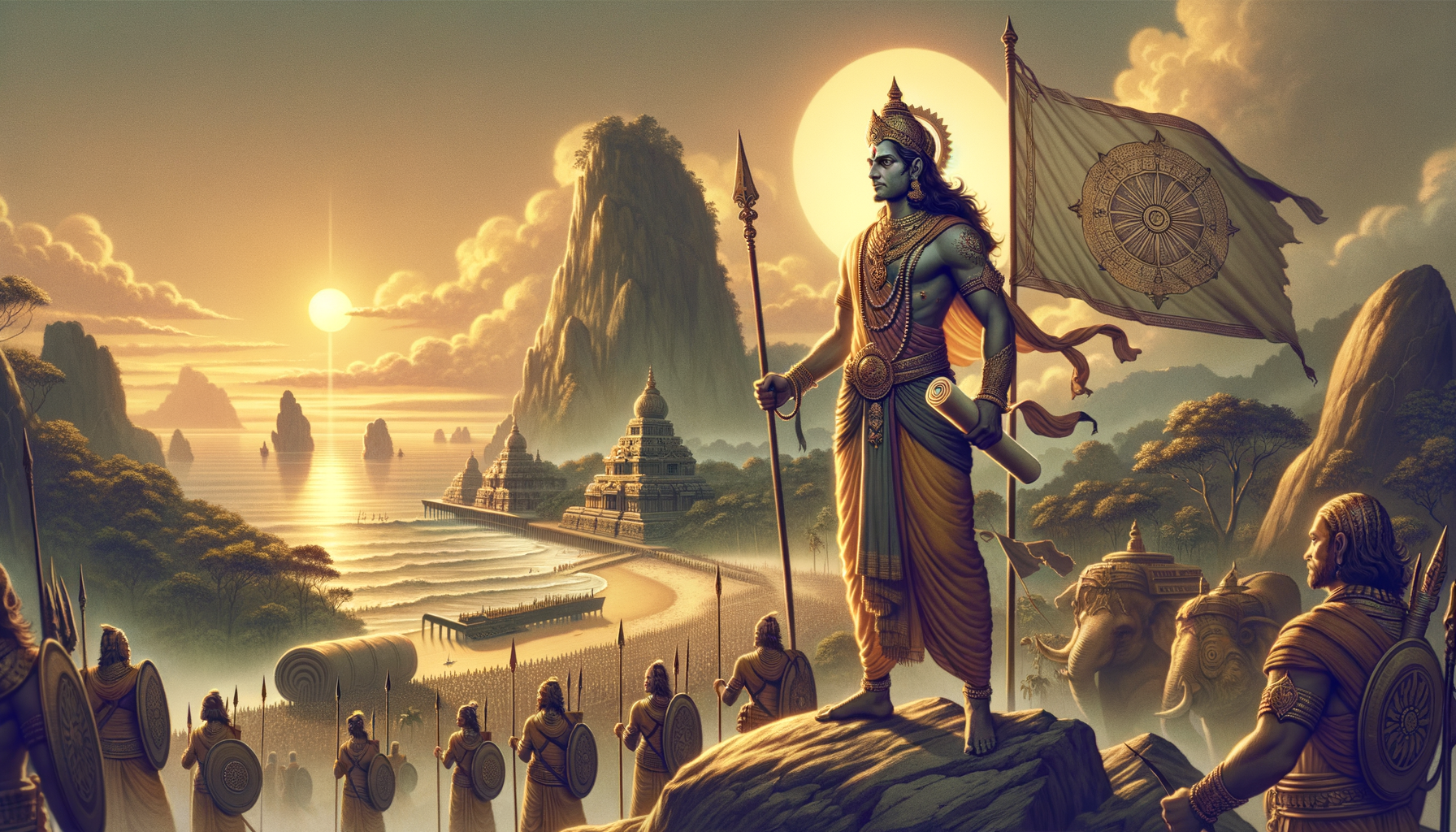
Panasa, remembered in traditional retellings of the Ramayana as an invincible Vanara general, exemplifies disciplined strength, strategic clarity, and steadfast loyalty to Lord Rama. His profile illuminates how the Hindu epics honor not only central heroes like Hanuman but also the field commanders whose quiet excellence ensures collective success. Interpreted through Dharma, Panasa’s “invincibility” signifies…
-
Indrajit and Shiva: The Complete Ramayana Mystery RevealedDiscover a Timeless Truth

Was Indrajit truly Shiva’s son? The Ramayana’s canonical account identifies Indrajit (Meghnad) as the son of Rāvaṇa and Mandodarī, while later traditions speak of him as Shiva’s ‘son’ in a spiritual sense. This analysis clarifies the difference between biological lineage and theological kinship through concepts like amsha and dīkṣā-putra. Readers gain a precise understanding of…
-
Mahakapala in the Ramayana: Discover the Complete Path to Moksha through Divine Grace
Mahakapala’s brief but evocative appearance in Ramayana lore illustrates how divine grace can reveal the path to moksha even for those aligned with adharma. Framed within Dharma-Yuddha, his defeat is contemplated as a sacred end that preserves justice and dignity. The narrative shows how loyalty becomes virtue only when tethered to truth, and how sincere…
-
Why Sage Vishwamitra Laid Down Arms: The Complete Dharma Breakthrough from King to Rishi

Sage Vishwamitra laid down arms not out of weakness but as a deliberate, dharmic choice to conserve brahma-tejas and complete his transformation from warrior king to Brahmarshi. His renunciation reflects a mature realization that spiritual power surpasses martial force, and that anger and violence dissipate tapas-shakti. The Ramayana preserves this balance: he equips Rāma with…
-
The Essential Story of Hanuman’s Curse: Discover the Secret Path to Eternal Seva
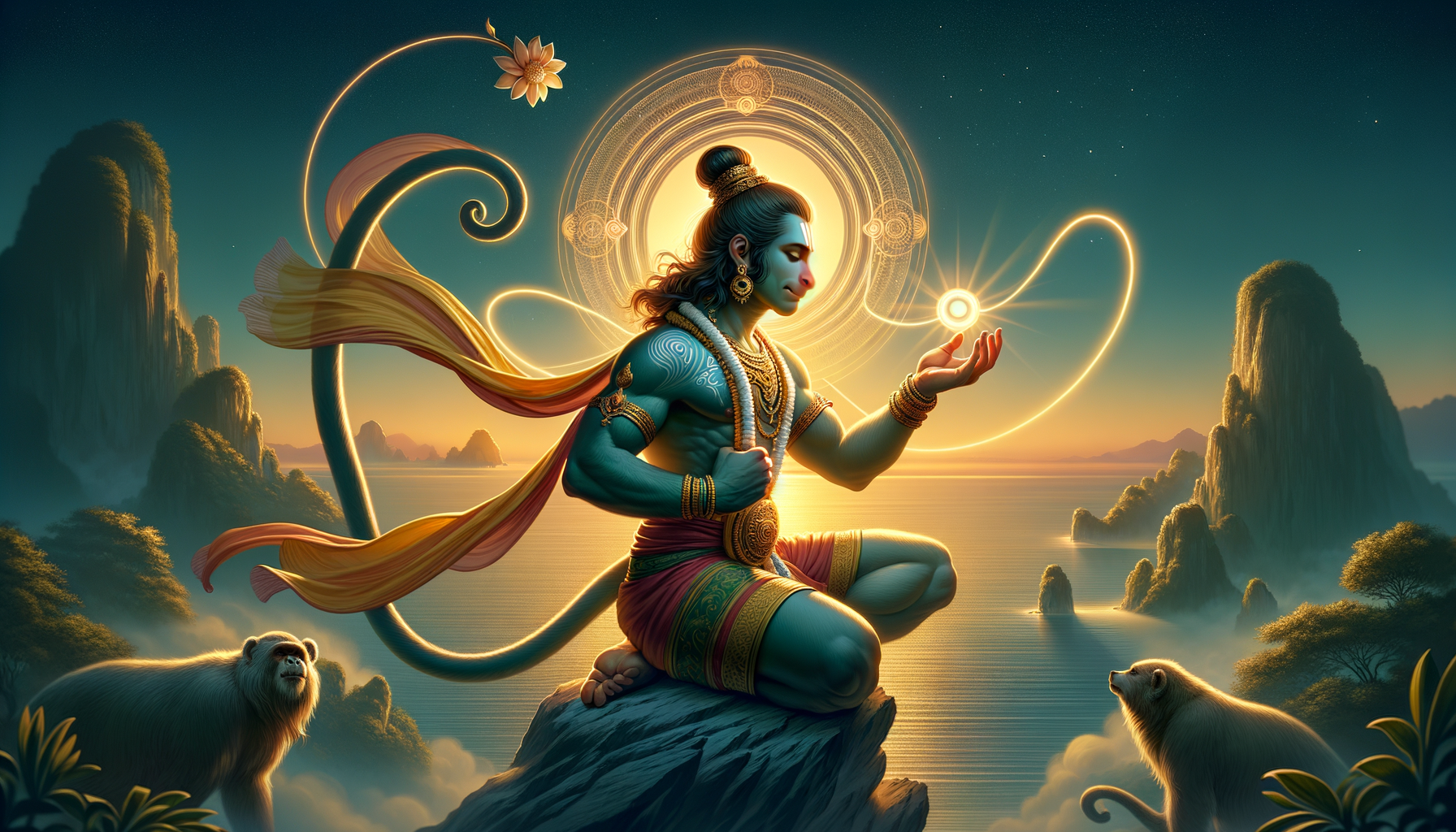
This analysis reframes Hanuman’s famed “curse” as a transformative restraint that cultivated humility, disciplined power, and unwavering service. It traces the arc from Kishkindha’s mischievous youth to Sundara Kanda’s awakening, where Jambavan’s reminder unlocks Hanuman’s latent strength for Sri Rama’s mission. The piece clarifies how dharma regulates shakti, making servicenot dominancethe hallmark of true mastery.…
-
Essential Dharmic Lens on Trump’s Middle East Peace: Discover Hope, Risks, and Paths Forward
This analysis applies a dharmic lens to the Israel–Hamas conflict and the broader Middle East, exploring why high-profile peace initiatives, including those linked to Donald Trump, inspire both hope and skepticism. It highlights the dangers of absolutist narratives while distinguishing extremist ideologies from entire faiths. Drawing on the Mahabharata and Ramayana, it explains why Dharma…
-
Shravana Kumara in Ramayana: The Essential Story of Innocent Suffering and Divine Justice

Shravana Kumara’s episode in the Ramayana offers a moving meditation on innocent suffering, filial duty, and divine justice. Readers gain an accurate, accessible account of the story and its karmic implications for King Dasharatha. The analysis highlights dharma versus adharma and explains how compassion, restraint, and accountability create moral balance. Parallels across Buddhism, Jainism, and…
-
Ultimate Ramayana Insight: Guru Shukracharya’s Prophetic Curse and Ravana’s Downfall
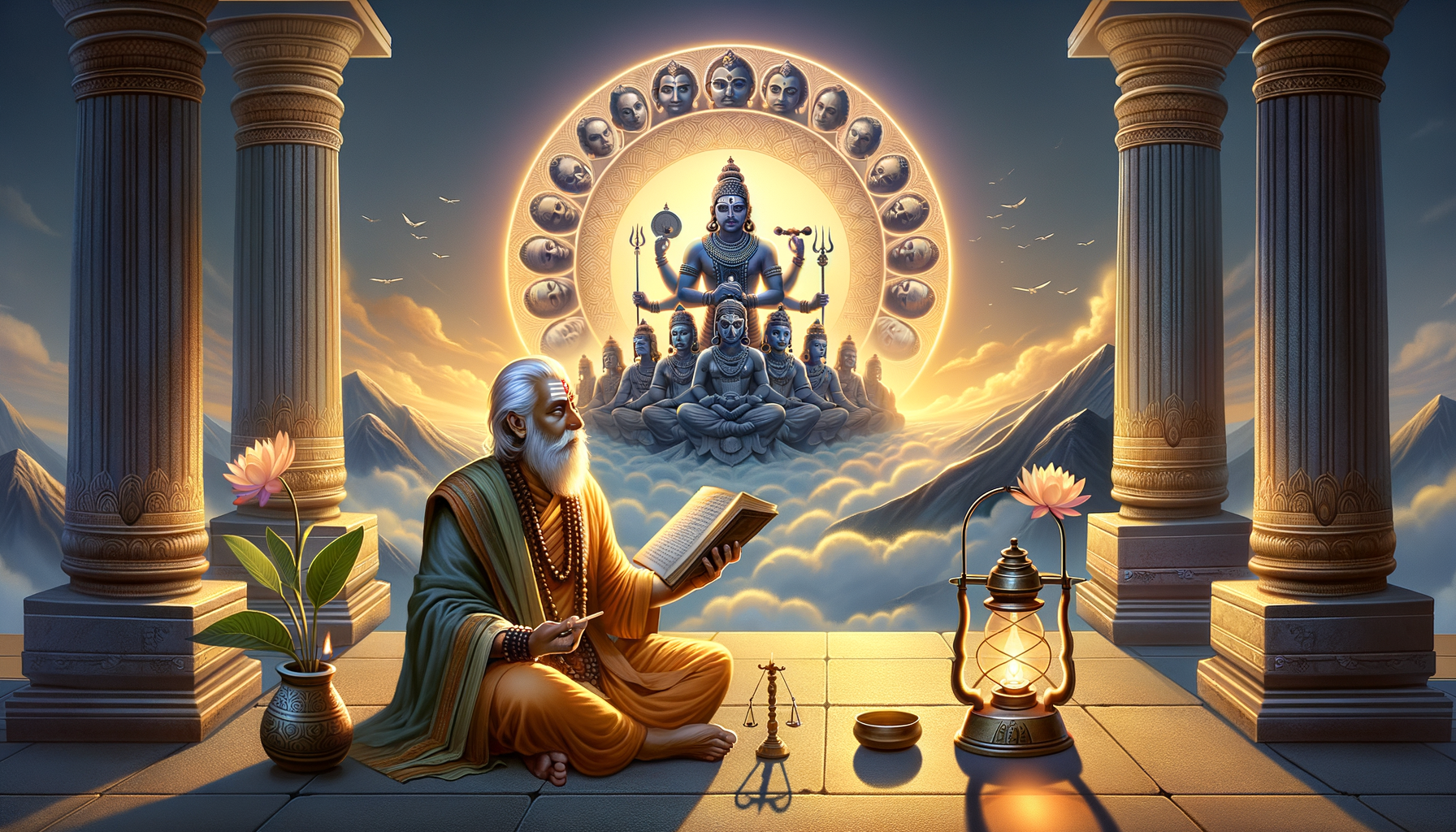
This exploration presents a scholarly reading of a lesser-known Ramayana motif linking Guru Shukracharya’s prophetic curse with Ravana’s downfall. It situates the episode within Hindu scriptures while acknowledging parallel vows and pronouncements such as those of Nandi, Vedavati, and Nalakubera. Readers discover how the language of “curse” functions as ethical causality, reinforcing the Ramayana’s core…
-
Essential Truth of ‘Finding Sita’ in Kali Yuga: Discover a Proven Path to Living Virtue

The phrase “impossible to find a Sita in Kali Yuga” is best read as a call to cultivate, not abandon, virtue. Grounded in the Ramayana and supported by shared ethics across Hinduism, Buddhism, Jainism, and Sikhism, Sita represents steadfast character, dignity, and courage under trial. Kali Yuga challenges these qualities, but does not extinguish them.…
-
Master Hanuman’s Proven Path: Transform Bhakti into Everyday Strength and Service

On Hanuman Jayanti, I recommit to living bhakti and shakti in everyday life, guided by Bhagwan Hanuman’s example of fearless seva. Studying the Hanuman Chalisa with my guru during the pandemic transformed how I understood Hanuman-ji’s serenity, discipline, and devotion. His legendary couragefrom crossing the ocean to revealing Bhagwan Rama in his heartteaches me to…
-
Episodes from the Udyoga Parva as Profound Guides to the Contemporary Hindu Society

Delve into the Udyoga Parva, a pivotal section of the Mahabharata, and explore its significance as a guide to statecraft, diplomacy, ethics, and values. This blog post draws parallels between the Udyoga Parva and the Sundara Kanda in the Ramayana, highlighting how both serve as preludes to battles defending Dharma against Adharma. Contrasting Sri Rama’s…
-
Adipurush: The Outcome of a Century of Artistic Perversion

Adipurush” receives a scathing critique in this article as a three-hour-long cinematic travesty that has deeply offended many viewers, especially in regions with a strong cultural connection to the Ramayana. The article points out that the movie’s creators, despite being of Indian origin, have displayed disdain for the epic’s cultural and religious significance, reducing it…
-
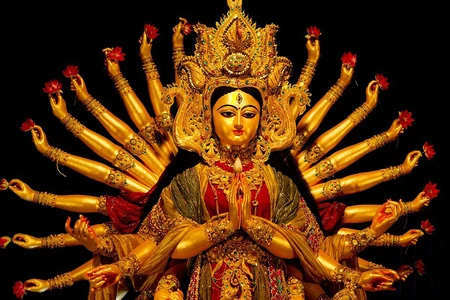
Navaratri and it’s broad spectrum dharmic influence