
-
Unite to Defend Sacred Heritage: Dapoli Conference Blueprint for Temple Trustees in Maharashtra

At a Temple Conference in Dapoli organized by the Maharashtra Mandir Mahasangh, Shri. Ramesh Shinde emphasized that unity among temple trustees is crucial to protect Devasthans, preserve temple culture, and resist harmful encroachments and poorly framed regulations. This in-depth analysis translates that message into a practical governance blueprint grounded in Articles 25–26 and the Bombay…
-
Why Israel Will Honor Chhatrapati Shivaji with a Statue: A 2000-Year Bond Renewed
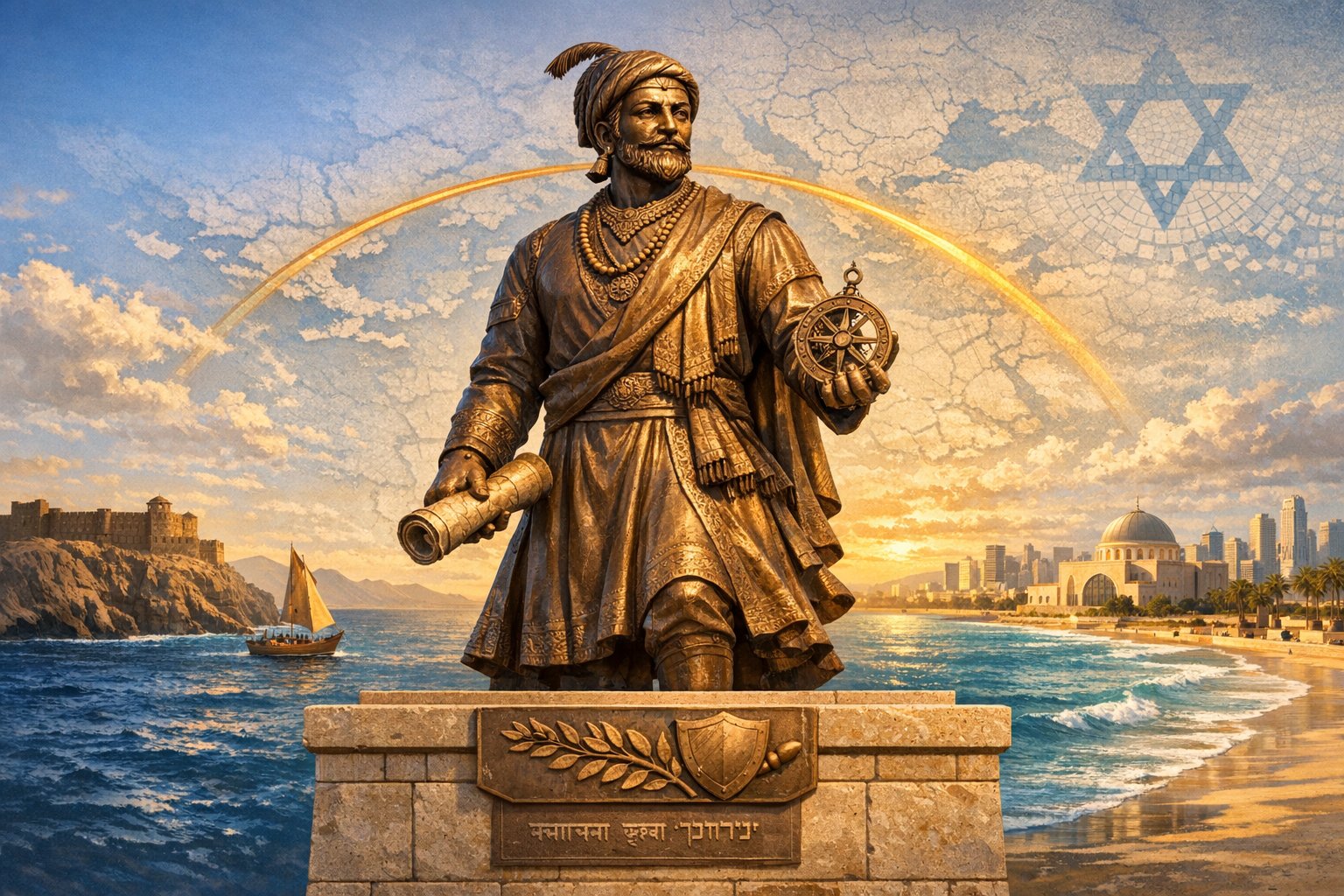
Plans in Israel to honor Chhatrapati Shivaji Maharaj with a statue spotlight a 2,000-year relationship between India and the Jewish Bene Israel community from Maharashtra’s Konkan coast. The piece traces Bene Israel origins, integration into Marathi society, and service within the Maratha polity and later the British Indian Army, framing the memorial as heritage diplomacy…
-
Worli Tragedy Ignites Dadar Rally: Permanent Sunburn Ban Sought to Protect Maharashtra’s Youth

A Dadar protest by Nasha Virodhi Sangharsh Abhiyan has thrust youth safety at music events into the spotlight, following the reported death of a young attendee at a Worli concert. The piece explains the group’s demand for a permanent ban on the Sunburn Festival in Maharashtra and legal action against organisers and officials. It frames…
-
Decoding the ‘Halal Economy’: Law, Markets, and Inclusive Trade Strategies in India

An entrepreneurs’ session in Kolhapur, Maharashtra examined the expanding “Halal economy” within India’s secular constitutional framework. This analysis reframes the debate in terms of economics, law, and supply-chain design to help traders and MSMEs navigate certification-driven markets. It details how Halal, Kosher, vegetarian/vegan, organic, and jhatka assurances can coexist as voluntary, transparent signals. It outlines…
-
Maharashtra Halts Devasthan Inam Abolition Draft: Inside Stakeholder Pushback and the Road Ahead

Maharashtra has paused the draft ‘Maharashtra Devasthan Inam Abolition Act, 2026’, reflecting a decisive rethink after strong stakeholder feedback. The move highlights constitutional guardrails under Articles 25 and 26 and longstanding Supreme Court doctrine that allows regulation of secular administration while protecting essential religious practice. Stakeholdersincluding HJS, VHP, and trustees from Hindu, Buddhist, Jain, and…
-
Gatari Amavasya 2026 in Maharashtra & Goa: Date, Rituals, Meaning, and Shravan Prep

Gatari Amavasya 2026 in Maharashtra and Goa falls on Wednesday, August 12, marking Ashadh Amavasya in the Marathi (Amanta) calendar. Beyond its popular community gatherings, the day emphasizes core Amavasya ritestarpana, deepa-dana, and annadanaand a thoughtful Shravan sankalpa. The 2026 date appears later due to Adhik Jyeshta Maas, underscoring why local panchang consultation is important.…
-
Takht Sri Hazur Sahib, Nanded: Final Abode of Guru Gobind Singh and the Living Heart of Khalsa
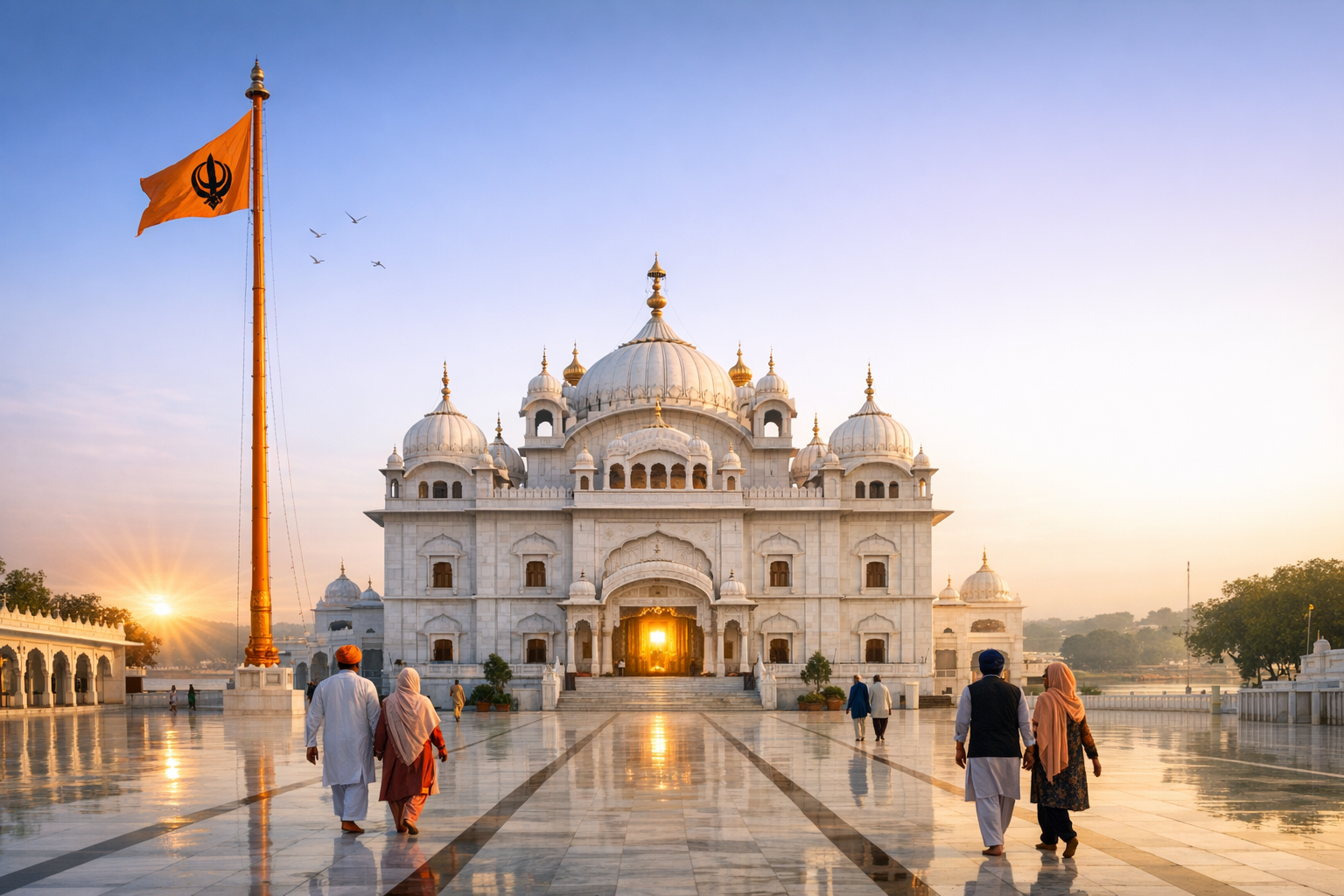
Takht Sri Hazur Sahib in Nanded, Maharashtra, is one of the five Takhts of Sikhism and the final earthly abode of Guru Gobind Singh Ji. Situated on the Godavari, it unites sacred memory with living practice, preserving Khalsa traditions such as shastar veneration, kirtan, and the daily maryada of the Guru Granth Sahib. The complex…
-
Detentions at Durgadi Fort: Kalyan’s Temple Access vs Eid PrayersA Test of Harmony

Police detained several Shiv Sena and allied Hindu organization workers during a Ghantanad protest near Kalyan’s Durgadi Fort after demonstrators opposed temporary restrictions on access to Shri Durgadevi Temple during Eid prayers. The episode highlights India’s constitutional balance between Freedom of worship (Articles 25–26) and public order, underscoring the need for proportional, time-bound, and non-discriminatory…
-
Protect Savarkar Sadan: HVP urges Maharashtra to acquire and seek National Monument status

Hindu Vidhidnya Parishad has called on the Maharashtra government to acquire, conserve, and pursue National Monument status for Savarkar Sadan in Mumbai, citing the successful precedent of preserving Dr Babasaheb Ambedkar’s residence in London. The proposal emphasizes legal and administrative clarity: state acquisition, interim protection under Maharashtra’s heritage framework, and a formal recommendation to the…
-
Maharashtra’s Devasthan Bill Sparks Temple Uprising: Legal Showdown to Protect Sacred Lands
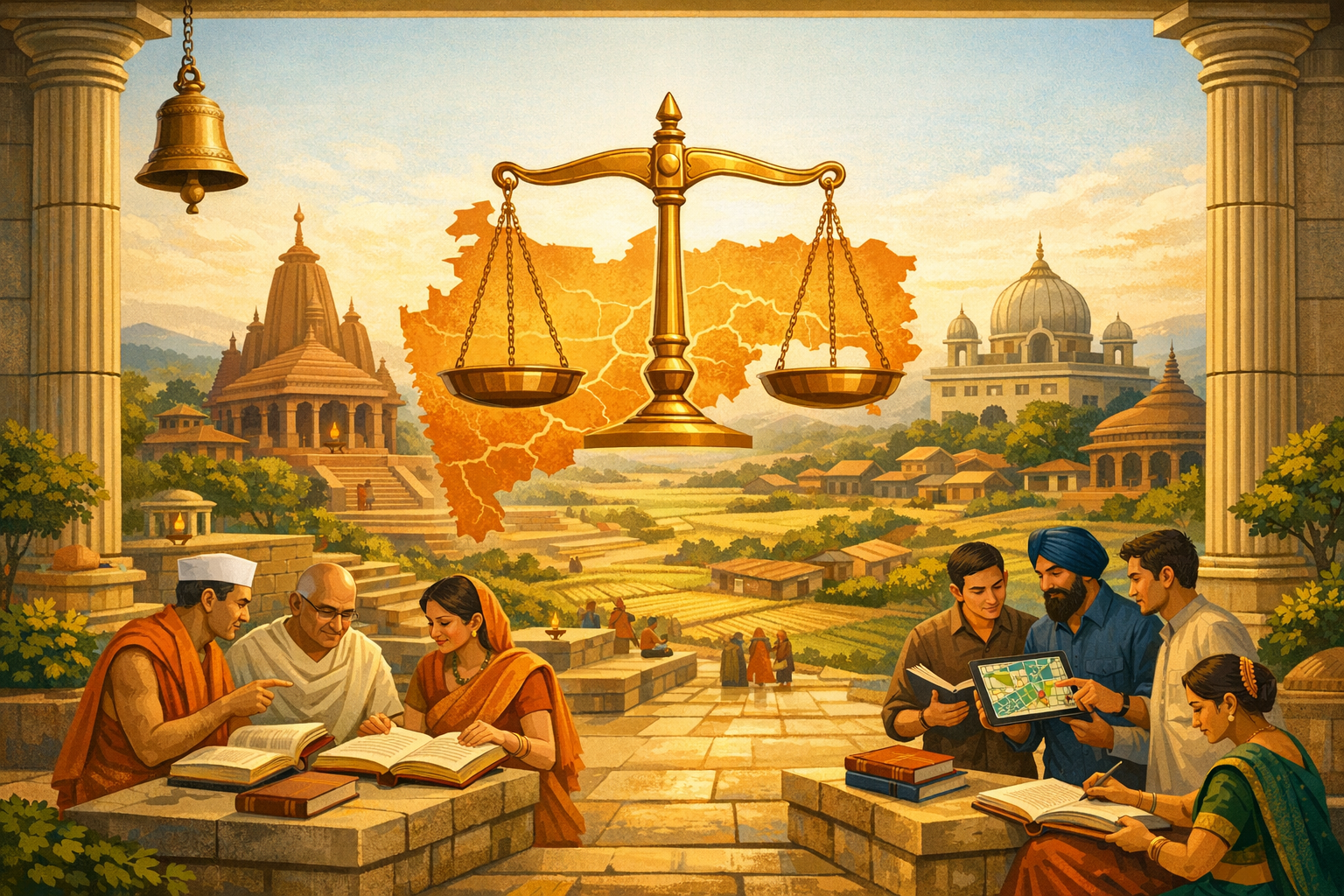
Hundreds of Maharashtra temple trusts have launched a coordinated legal and civic response to a proposed Devasthan Inam Abolition measure they fear could centralize control over sacred lands and weaken religious autonomy. The analysis explains how Articles 25, 26, and 300A frame the debate, and why Supreme Court precedents like Shirur Mutt and Dr. Subramanian…
-
Temple Lands at Risk? Why Maharashtra’s 2026 Devasthan Inams Draft Act Alarms Dharmic Bodies

Maharashtra’s proposed Devasthan Inams Abolition Draft Act, 2026 has raised alarms among temple trusts and dharmic institutions that rely on endowment-backed revenues for worship, welfare, and heritage conservation. This analysis clarifies what devasthan inams are, why they matter to community life across Hindu, Buddhist, Jain, and Sikh traditions, and how constitutional safeguards under Articles 25,…
-
Safeguarding Vishalgad’s Sanctity: Heritage-First Legal Review of Rehan Malik’s Urs

Hindu Ekta Andolan’s appeal regarding the Urs of Rehan Malik at Vishalgad Fort raises a conservation and public-safety question rather than a dispute of faith. This analysis explains Vishalgad’s historical significance, outlines how heritage and environmental laws apply, and details the conservation science behind crowd-induced stress on fragile masonry. It clarifies the meaning and practices…
-
Mira Road on Edge Before Bakri Eid: Urgent Call for Dialogue, Lawful, Humane Solutions

Ahead of Bakri Eid (Eid-ul-Aazha), Mira Road faces rising tensions over temporary goat sheds and the prospect of public sacrifice in housing societies. This article maps the legal and civic terraincovering constitutional protections, municipal by-laws, animal welfare norms, and housing society ruleswhile offering a practical, peace-first roadmap. It argues against provocative counter-actions, including introducing pigs…
-
Maharashtra Temple Trusts Slam ‘Devasthan Inam Abolition Act 2026’, Seek Equal, Transparent Rules

A statewide conclave of trustees and community voices in Maharashtra has opposed the proposed ‘Devasthan Inam Abolition Act 2026,’ asking why Devasthan temple lands appear targeted while other religious endowments are treated differently. The discussion clarifies what Devasthan inam lands are, why they matter to worship, welfare, and heritage, and how constitutional safeguards under Articles…
-
Safeguard Residents’ Health: End Illegal Animal Slaughter in Housing Societies this Bakri Eid

Illegal animal slaughter in housing societies during Bakri Eid raises significant public-health, environmental, and legal concerns in Maharashtra’s urban clusters, including Mira-Bhayandar. Judicial directives and municipal by-laws require slaughter only in licensed slaughterhouses with veterinary oversight; violations can contaminate water, overload drains, and spread pathogens. This analysis details the central and state legal frameworksPCA Act…
-
Kalaram Mandir, Nashik: Sacred Origins, Peshwa-Era Grandeur, and the Legacy of Panchavati
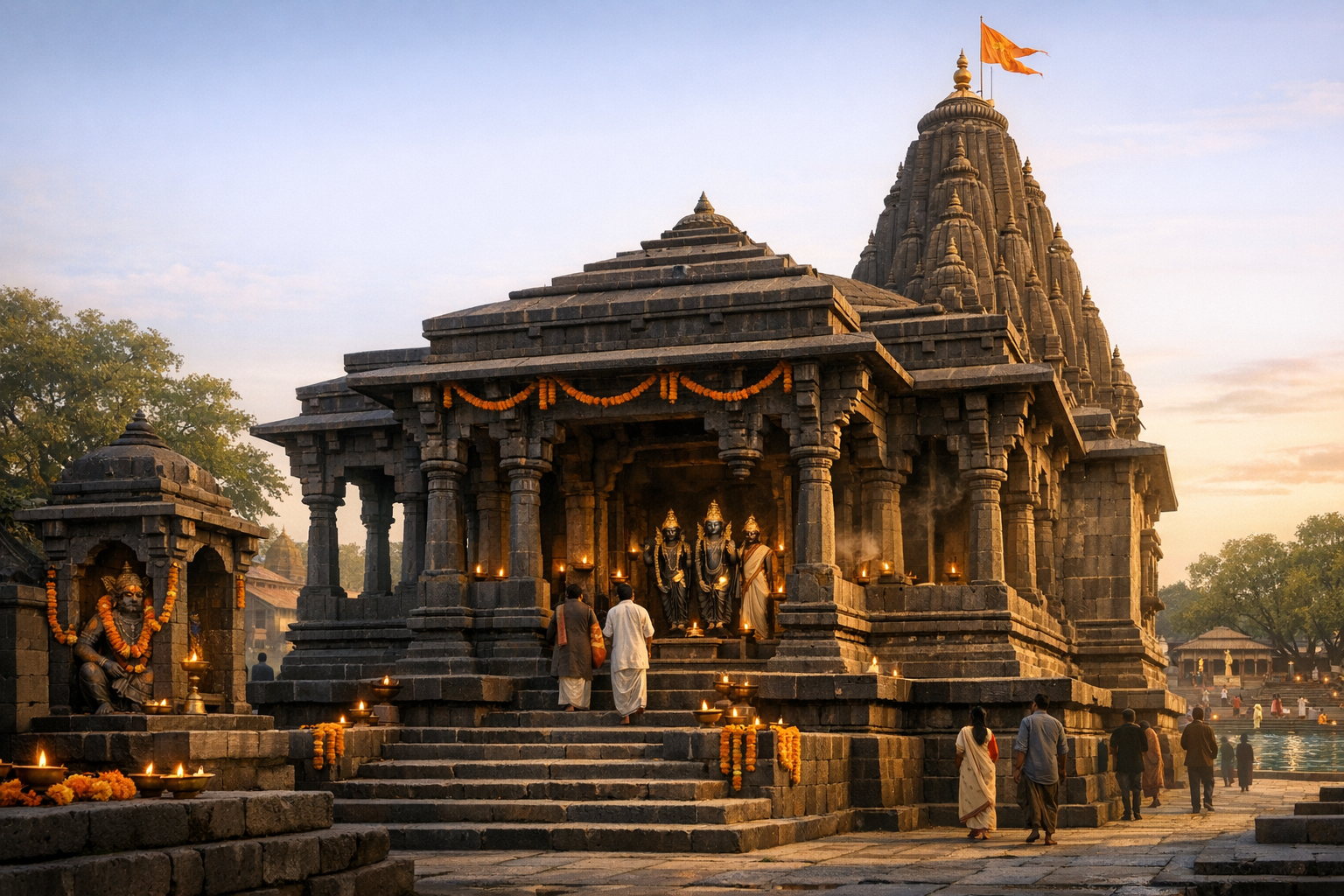
Kalaram Mandir in Panchavati, Nashik, is a landmark of Rama-bhakti and Peshwa-era craftsmanship renowned for its black stone murti of Bhagavan Sri Rama with Mata Sita and Lakshmana. Local tradition venerates the deity as swayambhu, with the temple’s late-18th-century construction attributed to Sardar Rangarao Odhekar. Set within the Ramayana-rich landscape of Ramkund, Sita Gufa, and…
-
Maharashtra’s Devasthan Inam Abolition Draft Act 2026: Why Temple Lands Must Be Protected Now

Maharashtra’s Devasthan Inam Abolition Draft Act 2026 seeks to alter how temple and other dharmic institutions sustain religious and charitable work by targeting endowed lands. Devasthan inams historically funded daily worship, festivals, and social services; abolishing them risks fragmenting sacred endowments and destabilizing predictable income. The constitutional frameworkparticularly Article 26protects denominational autonomy to own and…
-
Inside BJP’s Power Shift: Hardline Hindutva, Regional Titans, and 2026 Governance

BJP’s leadership strategy now privileges regionally rooted figures aligned with a more assertive Hindutva program. This analysis explains the organizational logic behind that shift, the policy agenda it advancesUCC, anti-conversion statutes, law-and-order emphasis, and cultural heritage stewardshipand how delivery-oriented governance underpins the model. It assesses state-level prototypes in Uttar Pradesh, Assam, Gujarat, and Maharashtra while…
-
Miraj Temple Trust Land Encroachment Halted: Authorities Seal Site, 30‑Day Resolution Sought
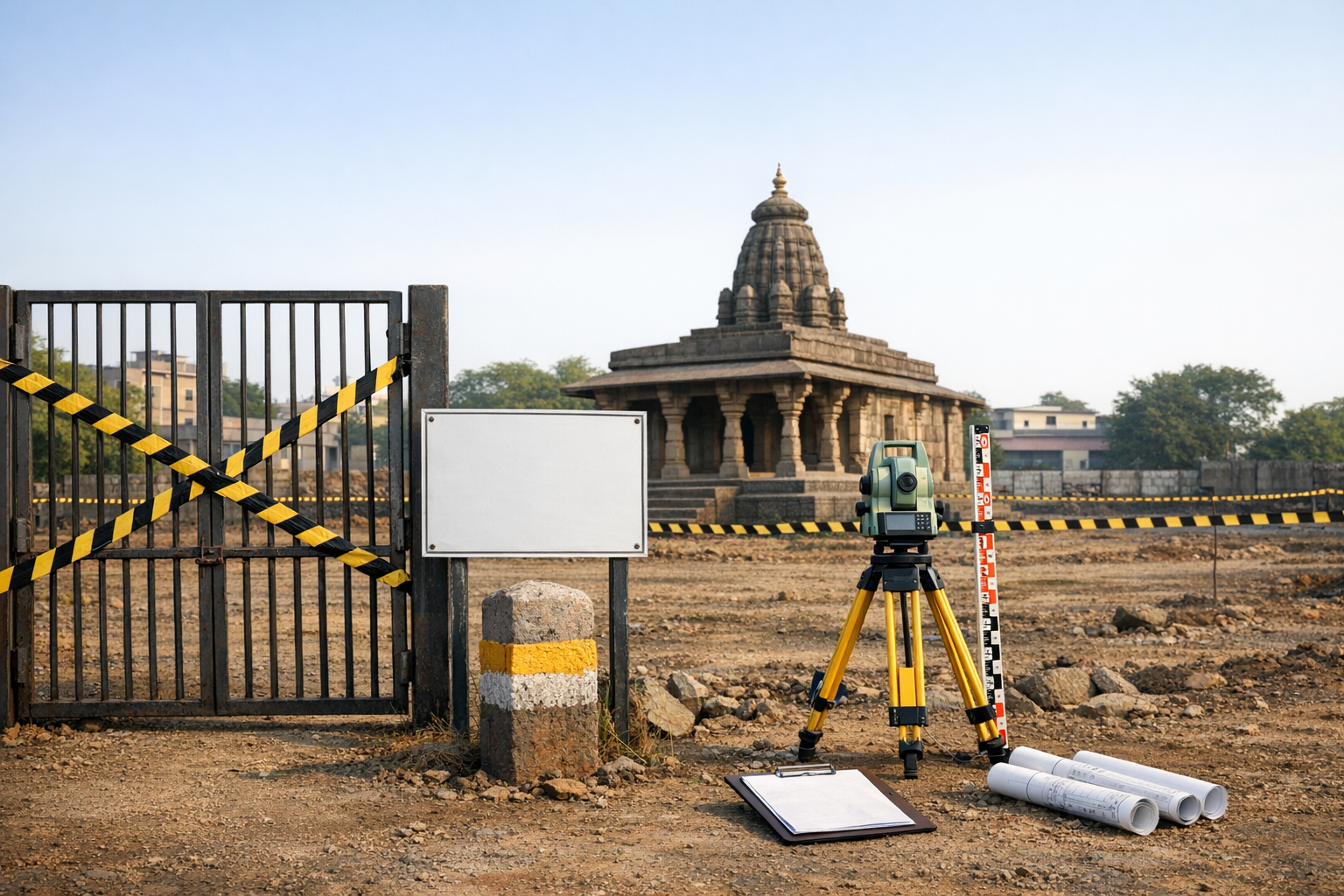
Authorities in Miraj halted unauthorized construction on Shri Dnyangiri Swami Maharaj Trust land and sealed the site, initiating a due-process pathway for resolution. The legal frameworkincluding Article 26 of the Constitution, the Bombay Public Trusts Act, 1950, and the MRTP Act, 1966supports firm, fair enforcement against encroachment. Community representatives have requested complete removal of the…
-
Shahuwadi Tehsildar Office Toilets: Hindu Vidhidnya Parishad Demands Urgent, Dignity-Centered Steps
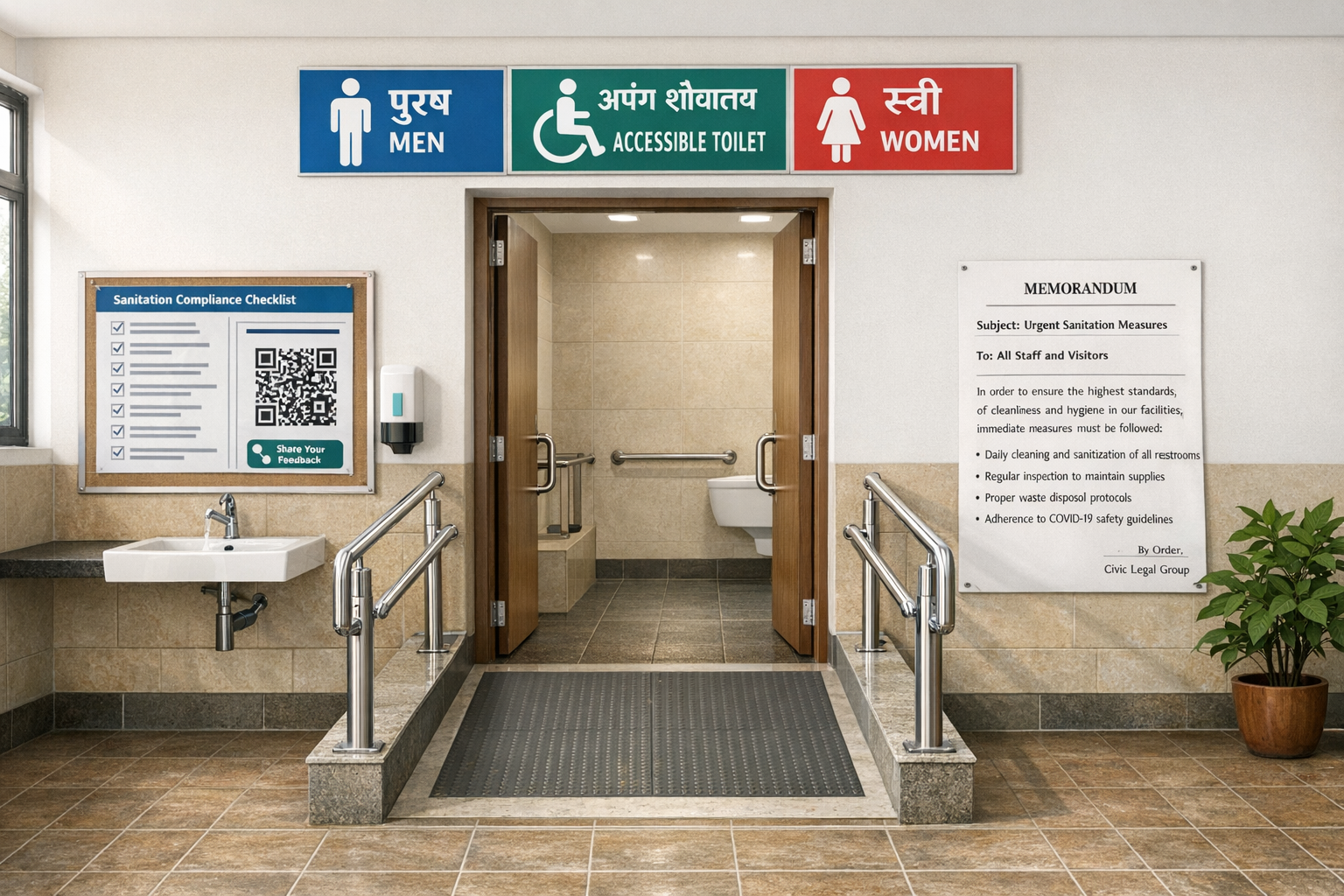
Hindu Vidhidnya Parishad has sought urgent remediation of unhygienic public toilets at the Shahuwadi Tehsildar office in Kolhapur, placing public health and dignity at the center of the discussion. The issue engages constitutional protections for sanitation under Article 21 and long-standing Supreme Court guidance on abating public health nuisances. National standards (Swachh Bharat Mission, National…