
-
Mandir Mahasangh’s Statewide Drive Challenges Maharashtra Devasthan Inam Abolition Draft 2026

Mandir Mahasangh has launched a statewide memorandum campaign opposing the Maharashtra Devasthan Inam Abolition Draft Act 2026, bringing temple autonomy and dharmic heritage to the forefront of policy debate. This analysis explains what Devasthan inams are, why abolition frameworks can affect core religious and charitable functions, and how Articles 25 and 26 shape constitutional limits…
-
Satara Hindu groups seek decisive legal action to protect legacy of Rashtraguru Samarth Ramdas

Representatives of pro-Hindu groups in Satara have sought decisive, lawful action against derogatory and unverified claims about Rashtraguru Samarth Ramdas Swami. The report explains why such appeals matter for cultural heritage, outlines the legal framework balancing free speech and public order, and clarifies relevant IPC provisions and due process. It highlights the civic role of…
-
Landmark relief for commuters: Maharashtra to cap private bus fares, regulate online aggregators

Maharashtra has announced a landmark plan to cap private bus fares and regulate online travel aggregators, responding to Surajya Abhiyan’s sustained advocacy. The initiative leans on strong legal foundations under the Motor Vehicles Act, 1988, and complementary consumer protection and IT rules. Expected provisions include fare bands with indexation, caps on algorithmic surge, upfront all-in…
-
Ulhasnagar Interfaith Marriage Tensions: Legal Rights, Policing Protocols, and Paths to Harmony

Reports from Ulhasnagar on 13 May 2026 describe an alleged post-marriage family altercation linked to an interfaith union; this analysis uses the case as a lens to clarify law, policing, and peacebuilding. Readers will learn how Article 21, landmark Supreme Court rulings, and the Special Marriage Act protect adult choice while guiding authorities to deter…
-
Maharashtra’s Devasthan Land Draft: Legal, Economic, and Cultural Risks for Temples

Maharashtra’s draft policy to transfer Devasthan lands to occupants and tenants raises constitutional, economic, and cultural red flags. Under Articles 26 and 300A, religious endowments enjoy property protections that demand a compelling public purpose and non-illusory compensation, while the Bombay Public Trusts Act requires Charity Commissioner oversight of alienations. Economically, endowment lands are the perpetual…
-
Maharashtra’s Devasthan Land Transfer Row: Legal Risks, Community Fears, and a Sensible Way Forward

The Maharashtra Mandir Mahasangh has warned of a statewide agitation against a proposed law enabling transfers of Devasthan lands, citing fears of land mafia capture and erosion of sacred trusts. This analysis maps the constitutional guardrails (Articles 25, 26, and 300A), the statutory framework of the Maharashtra Public Trusts Act, 1950, and key Supreme Court…
-
Gadhinglaj Outrage: Hindu Organisations Protest Shiroli Pulachi Abuse, Video Circulation
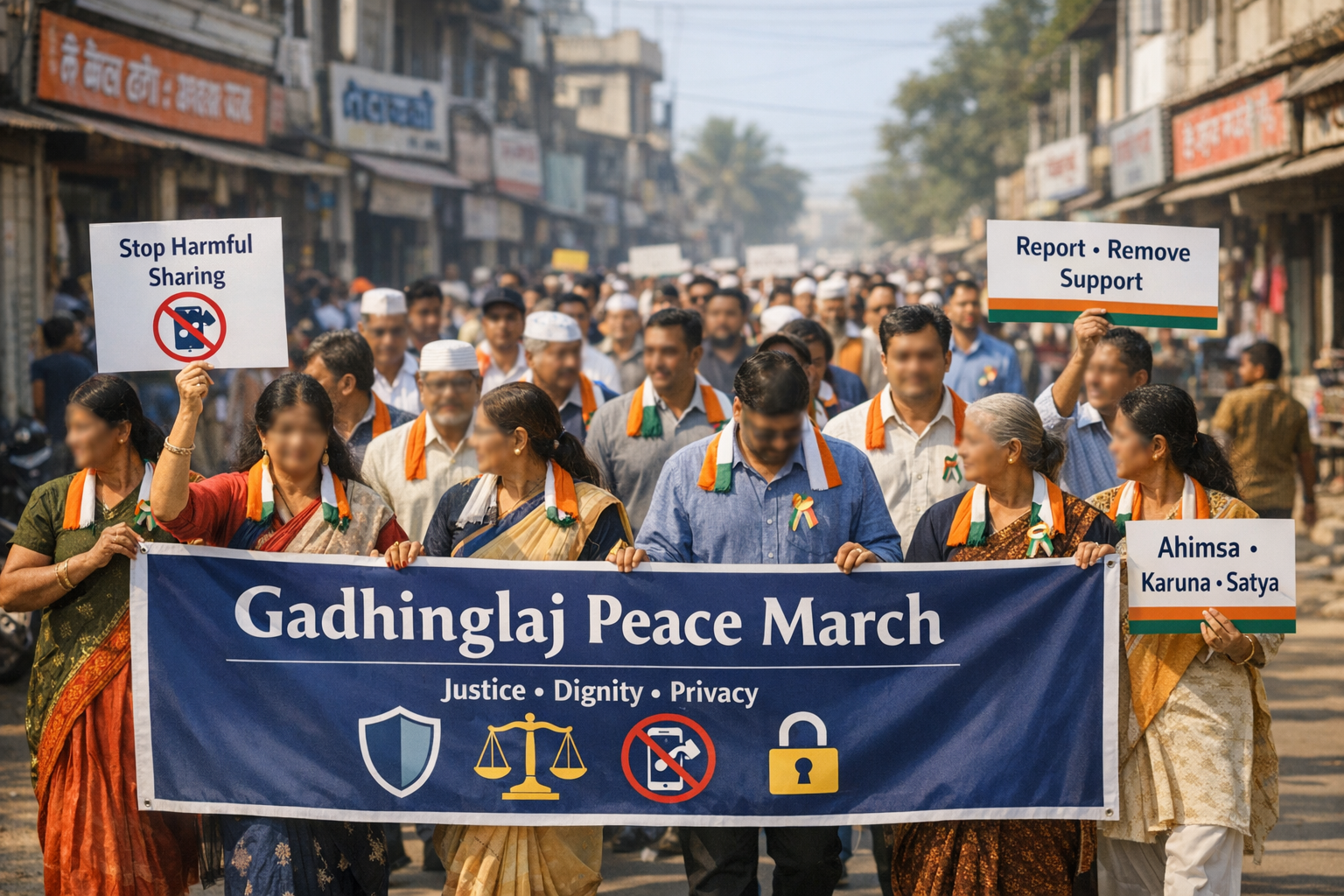
Hindu organisations in Gadhinglaj, Maharashtra staged a peaceful protest after the alleged abuse of a Hindu girl in Shiroli Pulachi and the unlawful circulation of her video. This report explains the socio-legal dimensions of the incident, detailing applicable provisions of the IPC, the POCSO Act (where relevant), and the IT Act. It outlines victim-centric procedures…
-
Akola’s Hindu Rashtra-Jagruti Sabha Draws 16,000+: Data-Driven Insights on Dharmic Unity

Over 16,000 participants gathered in Akola, Maharashtra, for the ‘Hindu Rashtra-Jagruti Sabha’ organized by the Hindu Rashtra Samanvay Samiti, underscoring strong civic interest in dharmic values and lawful public assembly. The analysis situates the event within India’s constitutional framework and Maharashtra’s long tradition of community forums. It explains how crowd-science heuristics contextualize reported attendance while…
-
Temple Land Row in Maharashtra: Hindutva Groups Demand Transparent, Devotee‑First Safeguards

A temple land policy debate in Maharashtra has prompted Hindutva organisations to seek clear, transparent safeguards from the BJP-led government. This analysis explains what is at stake for temple endowments, outlines the constitutional boundary between secular regulation and religious autonomy, and summarises key Supreme Court precedents such as Shirur Mutt and Subramanian Swamy. It situates…
-
From Tehsils to Nation: Gau Samman Avahan Abhiyan’s Roadmap to Honor Gaumata as ‘Rashtramata’

The ‘Gau Samman Avahan Abhiyan’ channels reverence into a lawful, evidence-based framework for cow protection and conservation. By submitting detailed memorandums to Tehsildars across Maharashtra and Goa, citizen groups seek tehsil-level coordination, humane animal care, and transparent, data-driven governance. The campaign’s invocation of Gaumata as ‘Rashtramata’ functions as an inclusive civilizational metaphor that unites Hindu,…
-
Sindhudurg Memorandum: HJS, Mandir Mahasangh urge funding transparency to safeguard temple autonomy
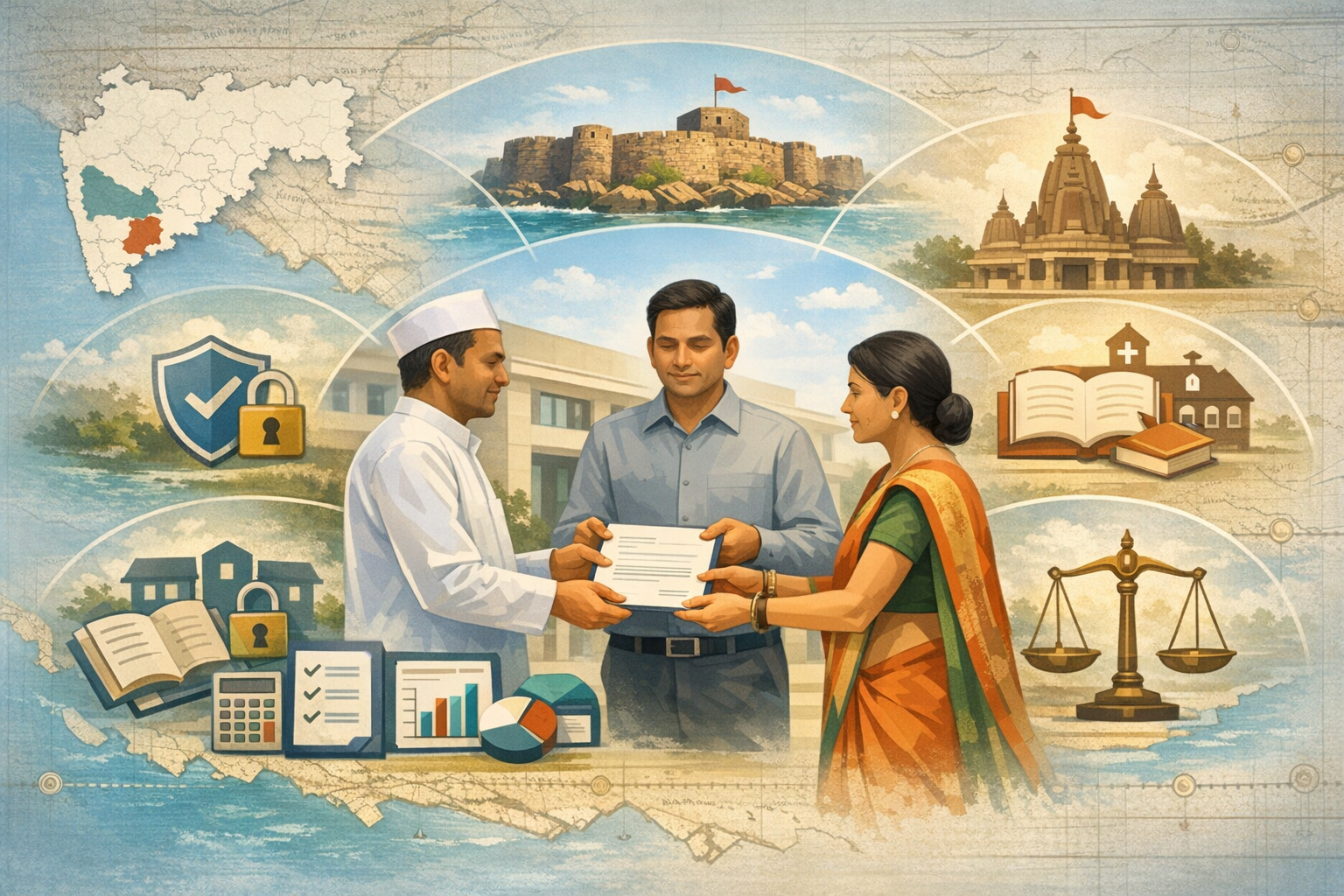
A joint memorandum in Sindhudurg by Hindu Janajagruti Samiti (HJS) and the Maharashtra Mandir Mahasangh urges the state to improve funding transparency for religious education, proportionately address illicit financial flows into extremism, and protect Hindu temple autonomy. The submission frames these as constitutional, administrative, and cultural priorities that build public trust. It recommends neutral, parity-based…
-
Unauthorized mosque on government land near Pune ATS hub sparks high-stakes security review
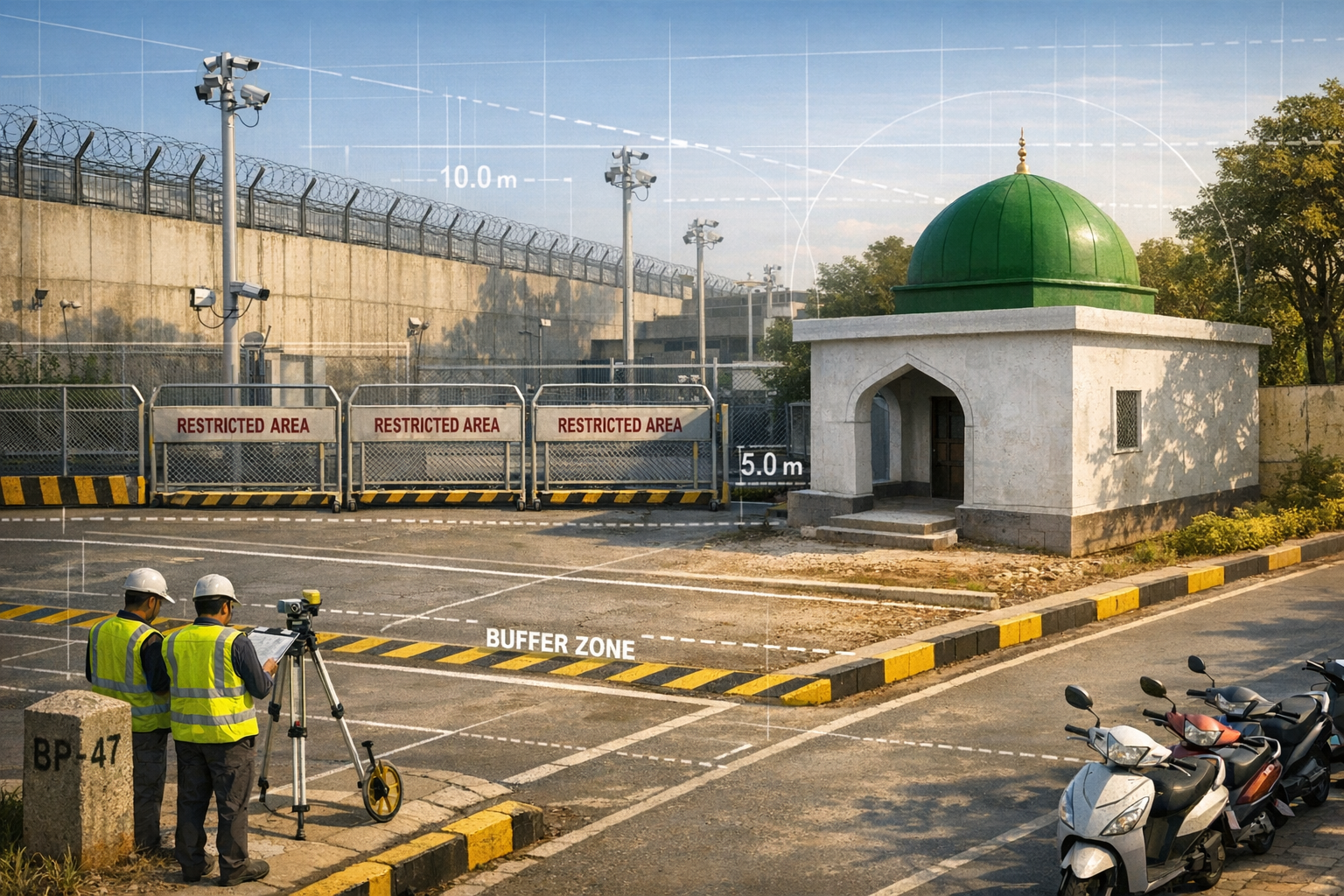
An unauthorized religious structure identified as a mosque has reportedly been built on government land adjoining the Pune Police Lines ATS facility, raising urgent public safety and critical infrastructure protection concerns. Addressing the matter within India’s constitutional framework, which balances religious freedom with public order, requires a law-based, transparent, and community-sensitive approach. Supreme Court–guided norms…
-
Bombay High Court Grants Bail to Sharad Kalaskar in High-Profile Dabholkar Murder Case
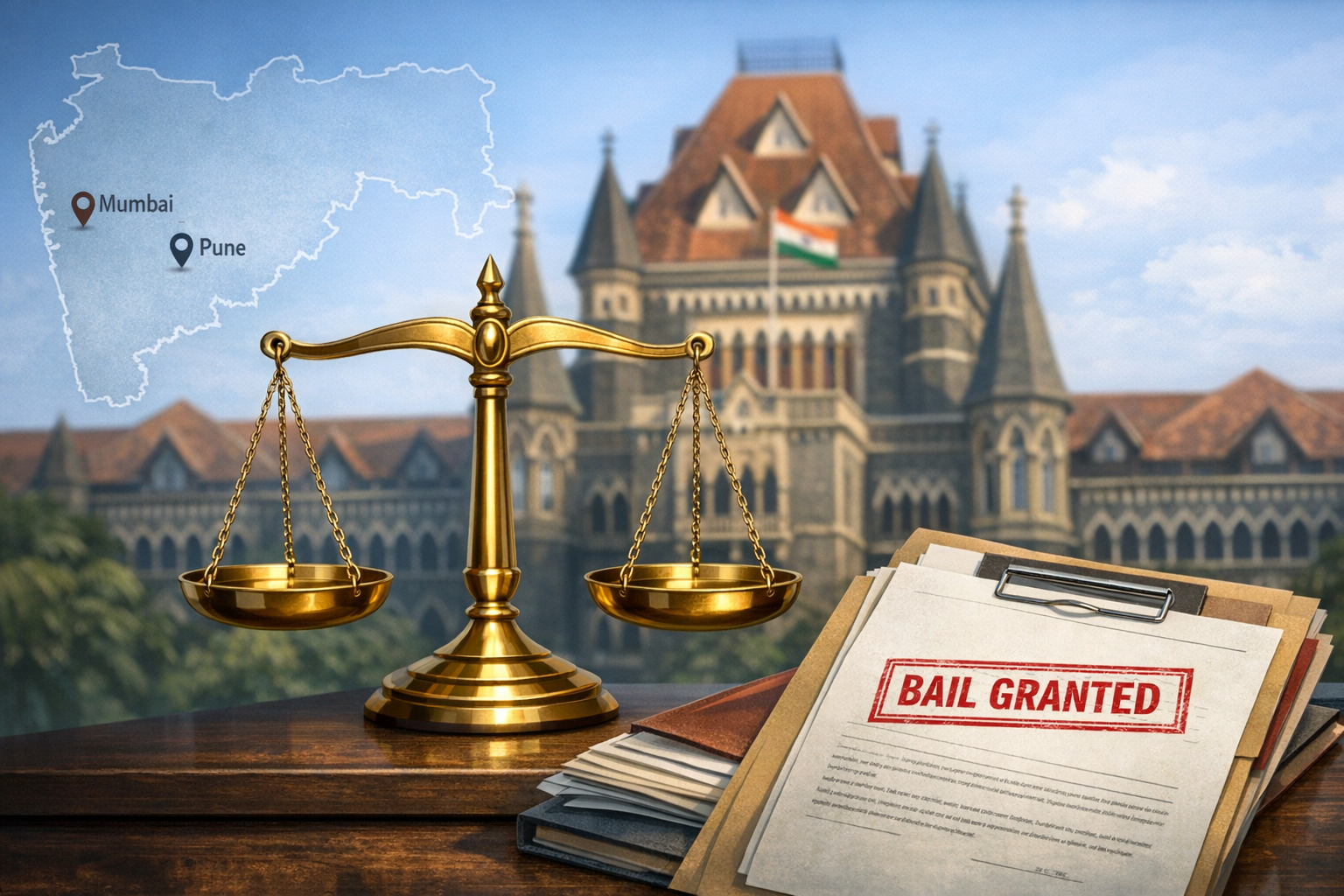
The Bombay High Court has granted bail to Sharad Kalaskar, an accused in the 2013 murder of Dr Narendra Dabholkar in Pune, marking a notable procedural shift in a long-running prosecution. The order highlights a core principle of Indian criminal law: bail is a conditional release, not an acquittal. Set against the backdrop of a…
-
Inside Mumbai’s ‘corporate jihad’ debate: actionable safeguards, unity, and policy reforms

An awareness programme in Mumbai on ‘corporate jihad’ was reframed into a practical, rights-respecting agenda to prevent the misuse of corporate structures by any coercive or extremist network. The discussion emphasized due process, interfaith harmony, and unity among dharmic traditions while focusing on measurable corporate safeguards. Key takeaways include actionable AML/KYC and third-party controls, stronger…
-
Ahead of Bakri Eid 2026, HJS Calls at Pune’s Sarasbaug: A Data-Driven Plan for Harmony
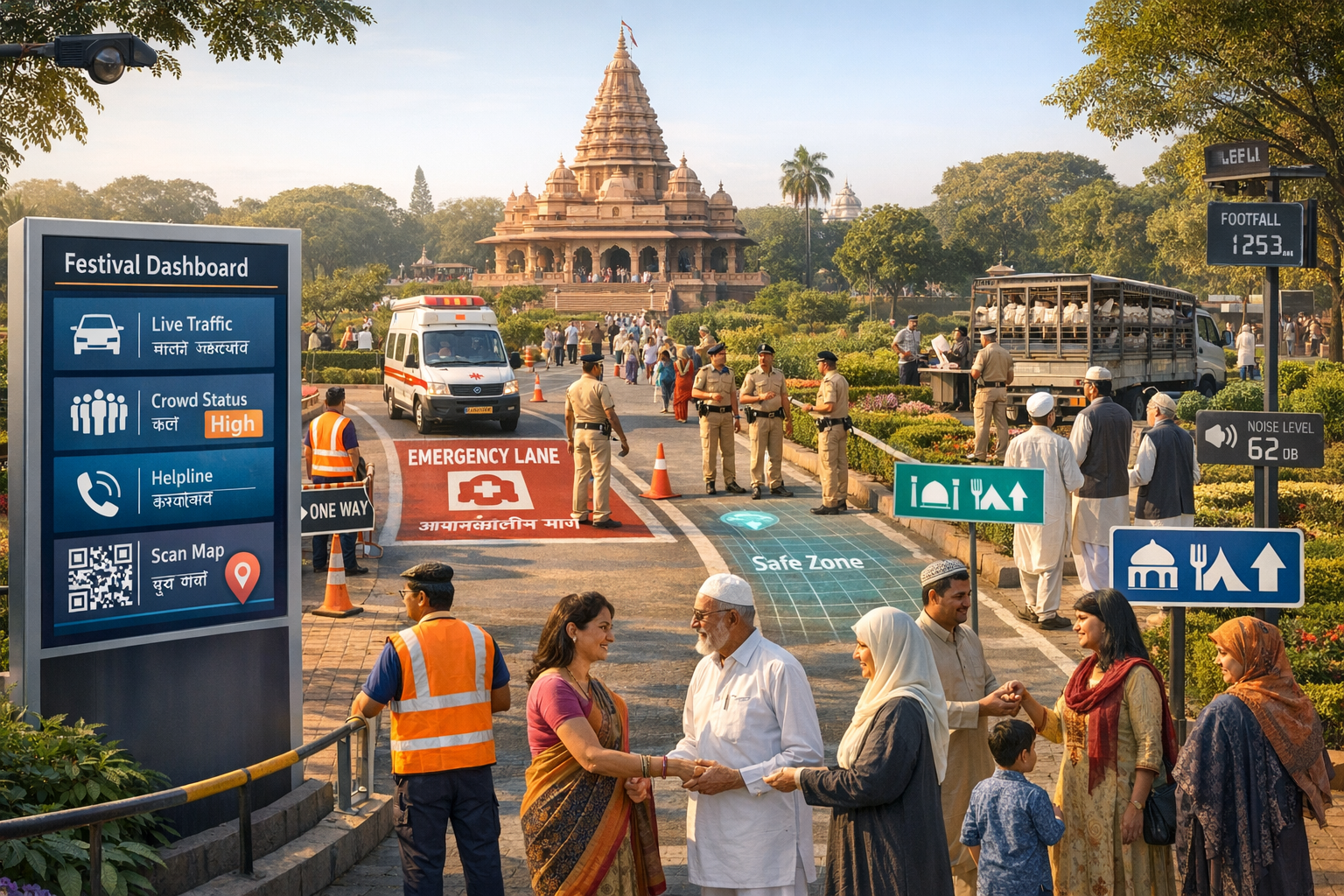
Reports from Pune indicate that civil society organisations, including Hindu Janajagruti Samiti (HJS), have sought calibrated restrictions near Sarasbaug ahead of Bakri Eid 2026. This analysis reframes the issue from ideology to administration, outlining a lawful, proportionate, and time-bound plan rooted in Article 25, the Maharashtra Police Act, animal-welfare statutes, and the Noise Rules. Drawing…
-
HJS urges legal action on NCP’s Vikas Lavande to protect Warkari dignity and harmony

Hindu Janajagruti Samiti (HJS) has urged immediate legal actionup to arrest if warrantedagainst NCP leader Vikas Lavande over remarks alleged to insult the Warkari Sampradaya. The analysis explains why Warkari devotion, centered on Vithoba and the Pandharpur Wari, holds deep social significance in Maharashtra. It sets out the applicable legal framework (IPC Sections 295A, 153A,…
-
Tukdoji Maharaj Jayanti 2026: Date, Gramgeeta’s Vision, and Inspiring Village Action Guide

Tukdoji Maharaj Jayanti 2026 falls on April 30 and honors the Maharashtrian sage celebrated for uniting bhakti with seva. Anchored in his Gramgeeta, the day spotlights practical village developmentsanitation, water management, cooperative institutions, and ethical governance. Communities mark the occasion with readings, kirtans, cleanliness drives, and inclusive gram sabhas that translate spiritual insight into measurable…
-
Kolhapur Protests over Shivaji’s Legacy: Calls to Ban ‘Shivaji Kon Hota?’ Spark Legal Debate

Protests erupted at Shivaji Chowk in Kolhapur demanding a ban on Comrade Govind Pansare’s ‘Shivaji Kon Hota?’. Demonstrators allege the book distorts the legacy of Chhatrapati Shivaji Maharaj and hurts religious sentiments, and they submitted a memorandum seeking prohibition and legal action. This analysis explains why Shivaji’s image carries deep emotional weight across Hindu, Buddhist,…
-
Jyotiba of Maharashtra’s Sacred Hills: Radiant Warrior-Protector, Fusion of Shiva and Surya
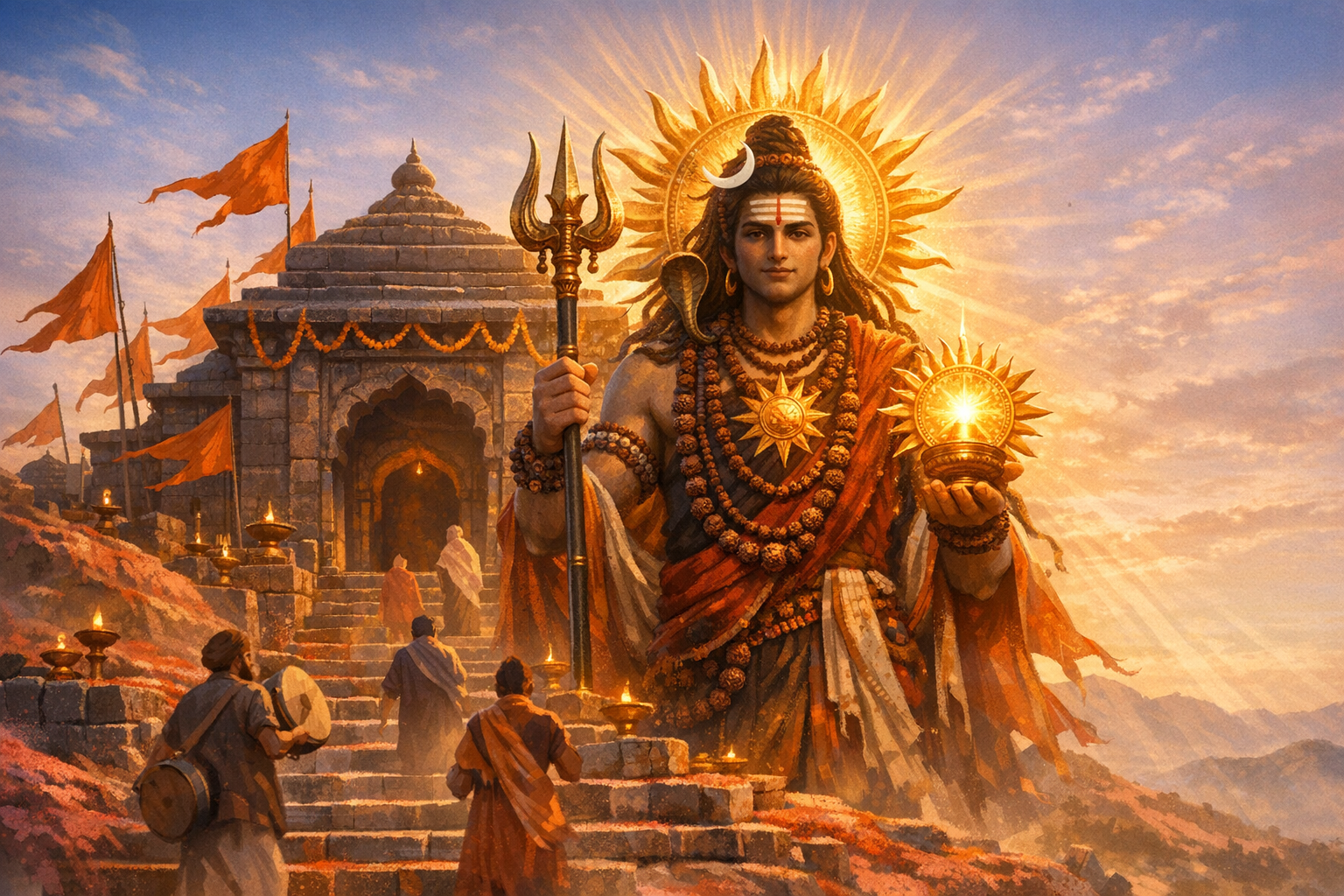
Jyotiba, the radiant warrior-protector of Maharashtra’s sacred hills, is revered across the Deccan as a powerful fusion of Shiva’s transformative force and Surya’s life-giving radiance. Set on Wadi-Ratnagiri near Kolhapur, the temple anchors a sacred geography that interlinks with the famed Mahalakshmi shrine, illustrating how local ecology and pan-Indic theology cohere. The Chaitra Purnima yatra,…
-
Khandoba’s Idol Decoded: Valor, Protection, and Sacred Kingship in Maharashtra’s Jejuri

Khandobarevered as Martanda Bhairava, Malhari, and Mallariunites Shiva’s protective grace, martial valor, and divine kingship in a compelling idol form central to Maharashtra’s sacred geography. The anthropomorphic equestrian murti and the aniconic linga together encode a complete theology of guardianship, justice, and prosperity. Weapons such as the khanda and spear symbolize Kshatra Dharma and Dharma-Yuddha,…