
-
Vishu Festival Unveiled: Astronomical New Year of Kerala, Sacred Kani, Kaineettam & Sadya
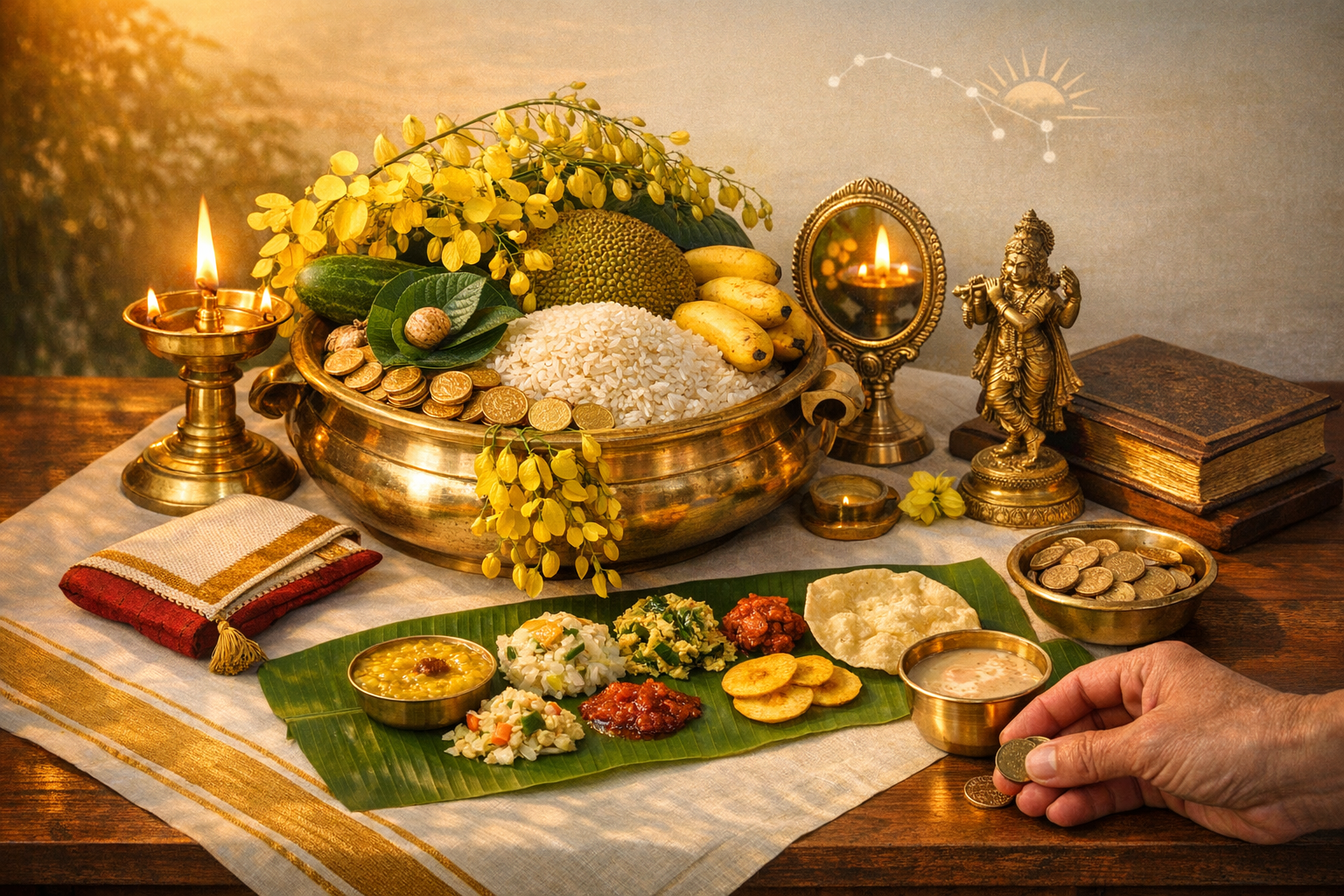
Vishu, Kerala’s Astronomical New Year, is celebrated at Mesha Sankramana when the Sun enters sidereal Aries, aligning the festival with the first day of Medam in the Malayalam calendar. The hallmark Vishukkani Darshan—an arrangement of uruli, konna blossoms, lamp, coins, sacred text, and mirror—encapsulates prosperity, knowledge, and self-reflection in a single auspicious sight. Vishu Kaineettam…
-
Vishukkani Darshan Unveiled: Meaning, Muhurta, and Complete Setup for a Prosperous Vishu

Vishukkani Darshan is the sacred “auspicious sight” that inaugurates Vishu, the Malayalam solar New Year, by presenting a curated ensemble of light, abundance, and devotion. This comprehensive guide explains what Vishukkani is, when it is celebrated (on Mesha Sankranti, typically 14–15 April), and why each component—konna pua, the ‘Uruli’ of rice, fruits, vegetables, lamp, mirror,…
-
Vishu Kanji & Vishu Katta: Authentic Kerala New Year Breakfast—History, Method, and Meaning
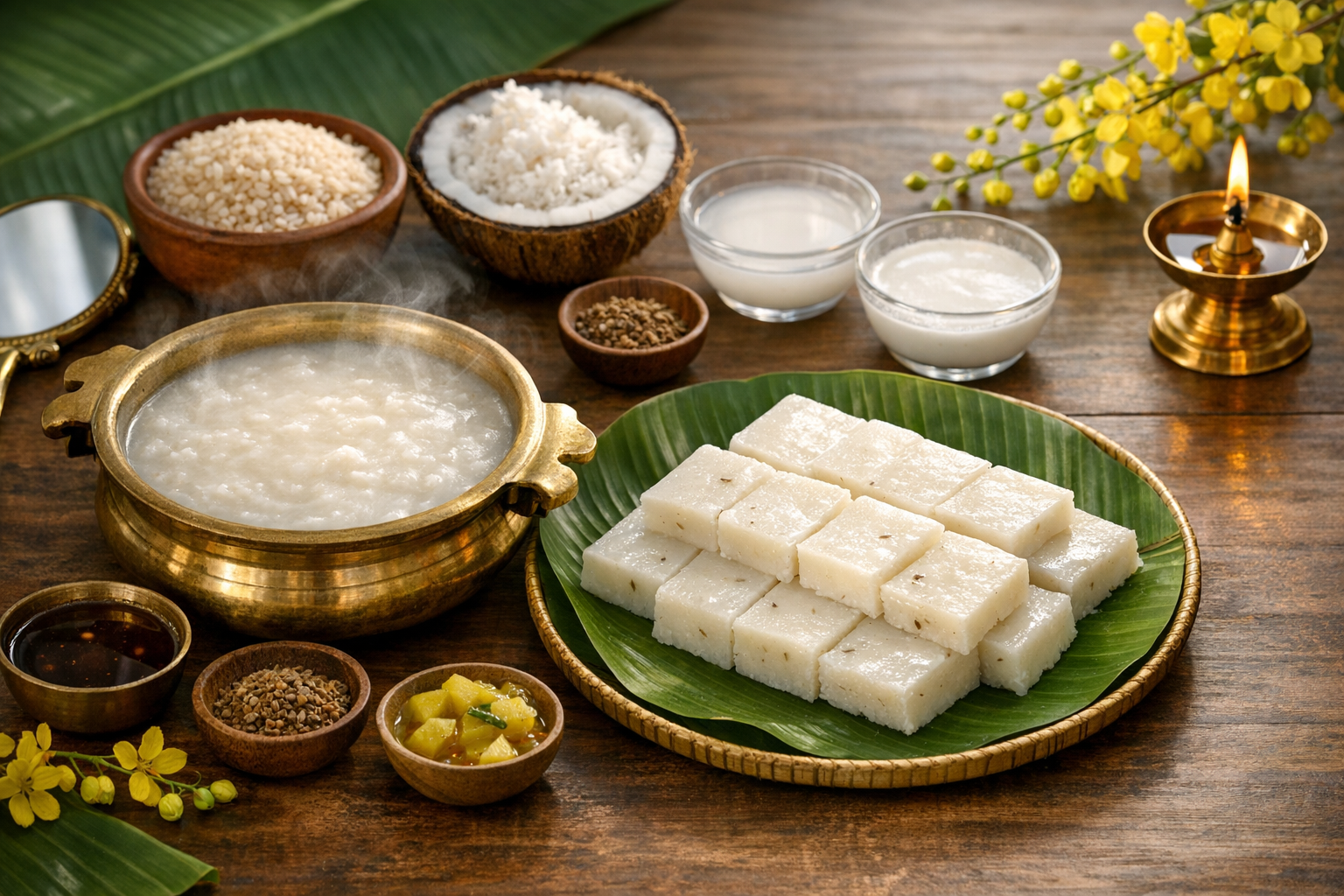
Vishu Kanji and Vishu Katta anchor the Vishu morning in Kerala with a sattvic, auspicious breakfast rooted in simplicity and seasonality. Drawing on raw rice, abundant fresh coconut, cumin, and a restrained use of salt, both dishes can be prepared within one hour. Vishu Kanji is a silken coconut–rice porridge, while Vishu Katta is a…
-
Vishukkani Vili in North Malabar: Living Heritage of Vishu, Community Joy, and Generous Giving

Vishukkani Vili is a living folk tradition of Vishu in North Malabar, Kerala, where children move door to door calling ‘vishukaniye, vishukaniye’ and receive Vishukkaineettam as blessings. Rooted in the dawn viewing of the Vishukkani, the practice turns private auspiciousness into a shared neighborhood experience. The custom strengthens intergenerational ties, teaches dana (giving) and reciprocity,…
-
Vishukkani Vili of North Malabar: Children’s Calls, Community Joy, and Vishu’s Living Heritage
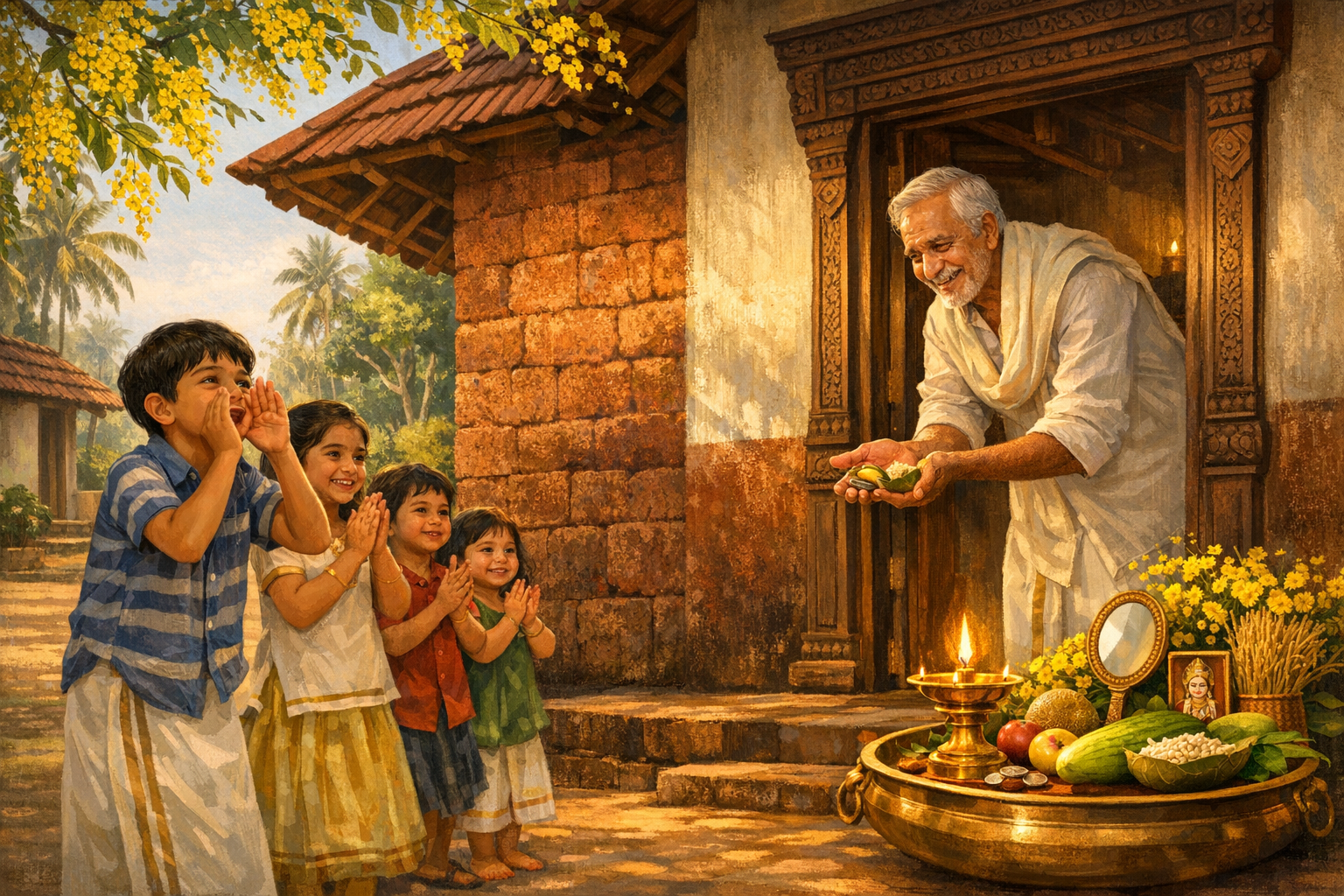
Vishukkani Vili is a living North Malabar custom in Kerala that brings the spirit of Vishu—the Malayalam New Year—out of the home and into the village street. At dawn, groups of children move house to house calling ‘vishukaniye, vishukaniye.’, receiving modest tokens that formalize generosity and goodwill. This article explains the astronomical and cultural logic…
-
Decoding Kerala’s Sacred Geometry: Tantric Blueprints that Shape Hindu Divine Forms
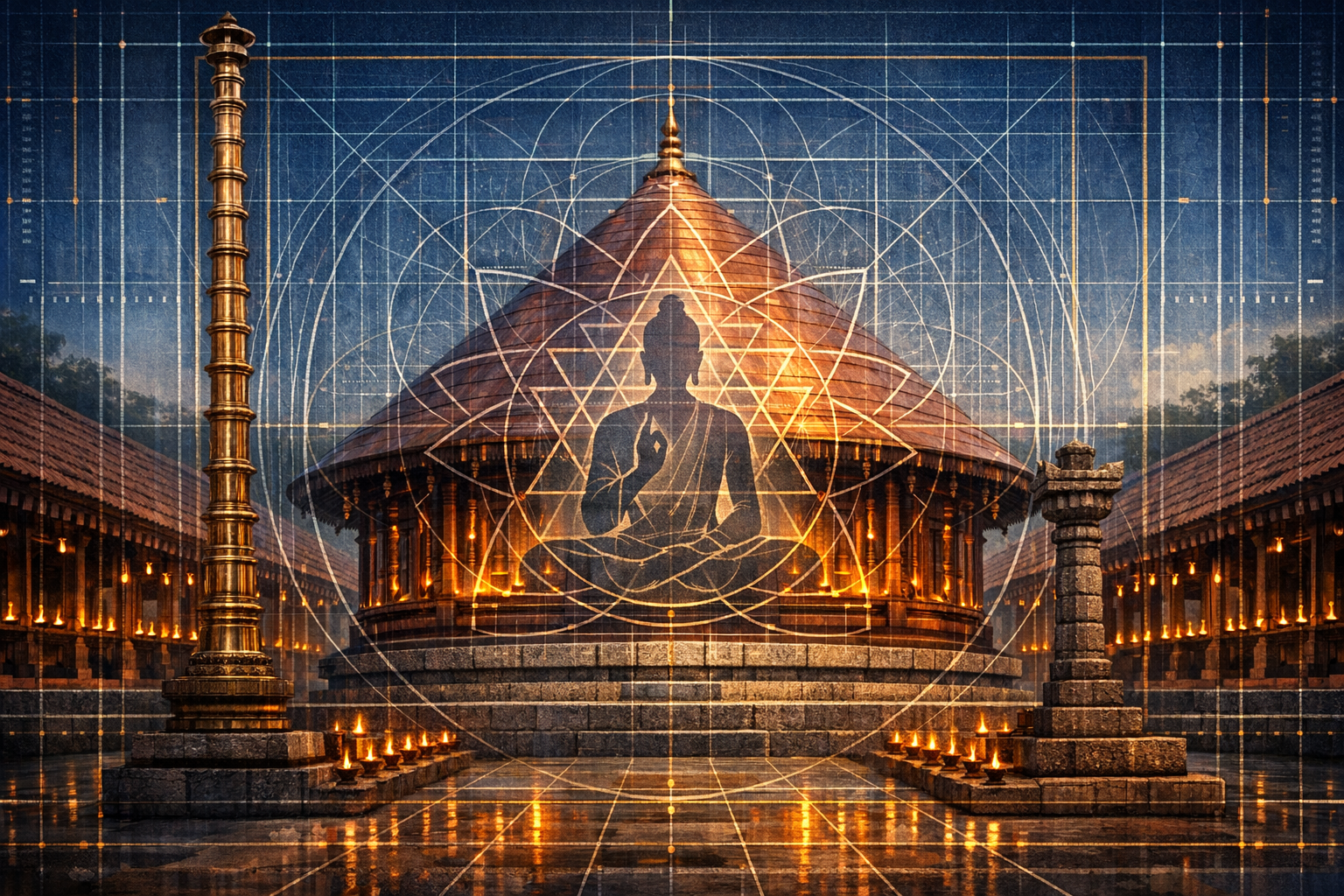
Kerala’s temple sculpture is governed by a rigorous synthesis of Tantra, Āgama, and Śilpa-śāstra that translates metaphysical vision into precise sacred geometry and iconography. The Tantrasamuccaya and allied Sanskrit manuscripts calibrate everything from ground plans to mudras, ensuring that Hindu divine imagery remains theologically faithful and experientially powerful. Visitors can read this grammar in the…
-
Matrisadbhava of Kerala: Authoritative Guide to Shakta Tantra and Bhadrakali (Rurujit)
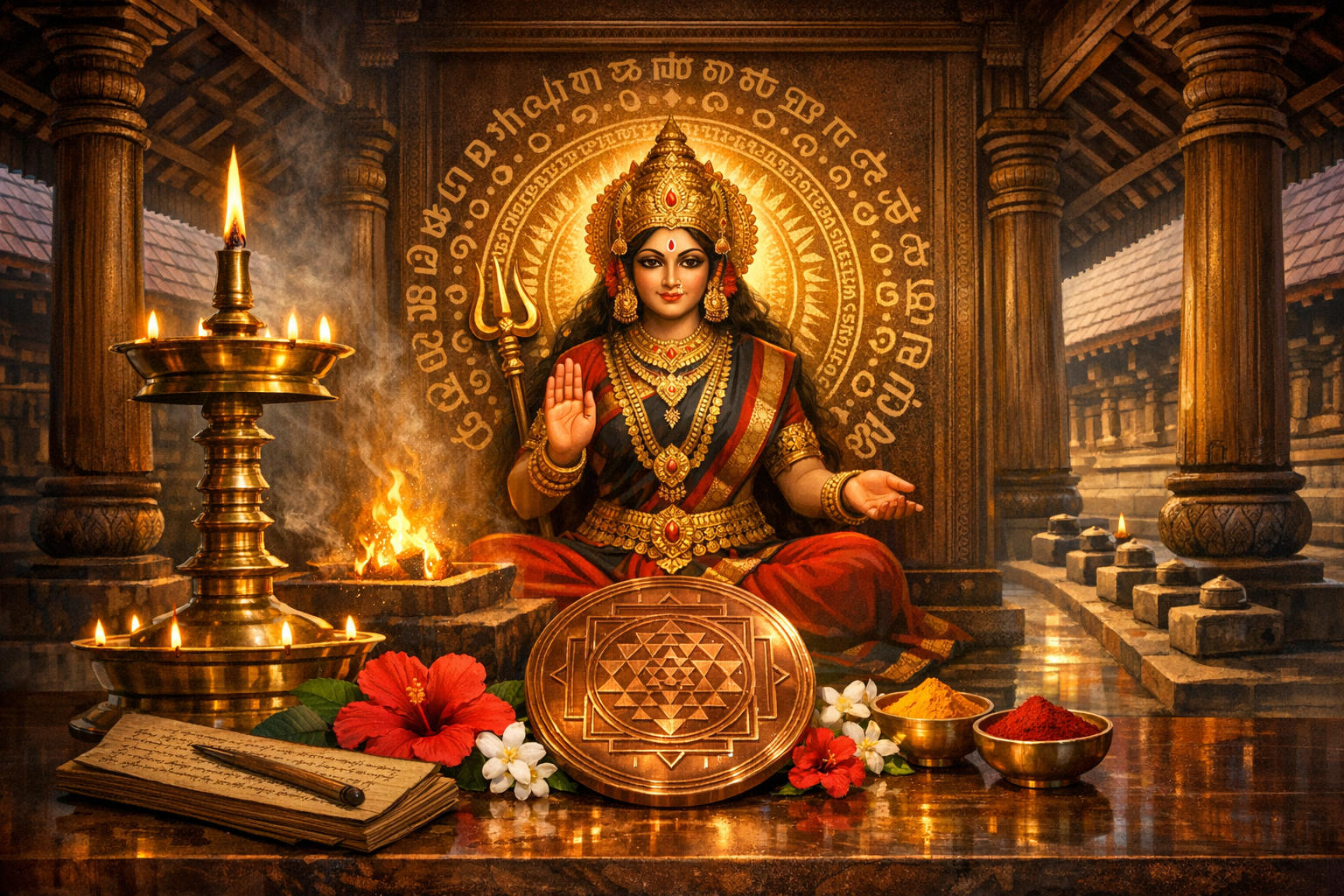
Matrisadbhava stands out in Hindu scriptures as a Kerala-centered Shakta Tantra that systematically encodes the worship of Goddess Bhadrakali, also revered as Rurujit. It unites doctrinal depth with Kerala’s temple pragmatics—nyāsa, mantra, yantra, homa, and bali—while foregrounding an ethic of care and precision. The text’s maternal vision affirms unity in diversity across Dharmic traditions, highlighting…
-
Vishu Phalam 2026–2027: Definitive Zodiac & Nakshatra Forecasts, Remedies and Auspicious Dates
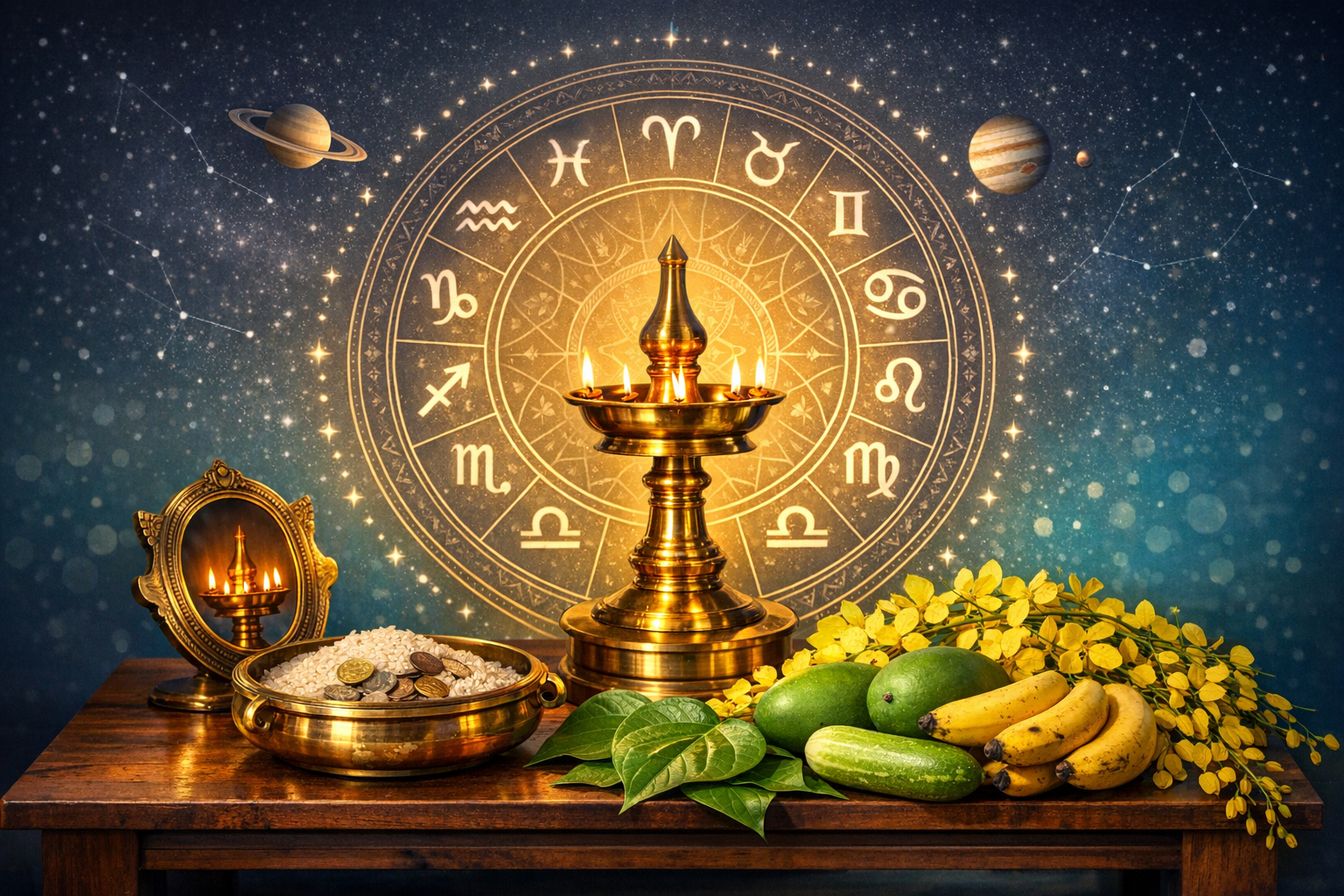
Vishu Phalam 2026–2027 offers a comprehensive yearly horoscope for all 12 rashis and Nakshatra Phalam from 14 April 2026 to 14 April 2027. Grounded in Mesha Sankramana and the Kerala tradition of Vishu, it explains how predictions are derived using the sidereal zodiac, Panchanga, and key transits. The guide summarizes the planetary backdrop (Saturn in…
-
Hanuman Jayanti 2026 (Vaishakha): Auspicious Date, Puja Guide, and South Indian Traditions

Hanuman Jayanti 2026, as observed in South Indian calendars, falls on 12 May 2026 (Vaishakha Bahula Dasami). This guide explains why the date differs from the Chaitra Purnima observance in other regions and clarifies Panchang terms like tithi, paksha, and the Amanta system. It outlines when to perform the puja during the Dashami window and…
-
The Kerala Story 2 clears legal hurdles: High Court nod sparks X reviews calling it a warning

‘The Kerala Story 2- Goes Beyond’ released after legal hurdles with a High Court verdict enabling its exhibition, and producer Vipul Shah welcomed the decision. Early X reactions frame the work as “not just a film, it’s a warning,” prompting calls for family viewing. This analysis situates the release within India’s constitutional framework, summarizing how…
-
Decoding Nagapadma Kalam: Sacred Serpent Geometry and Rituals in Kerala Snake Temples
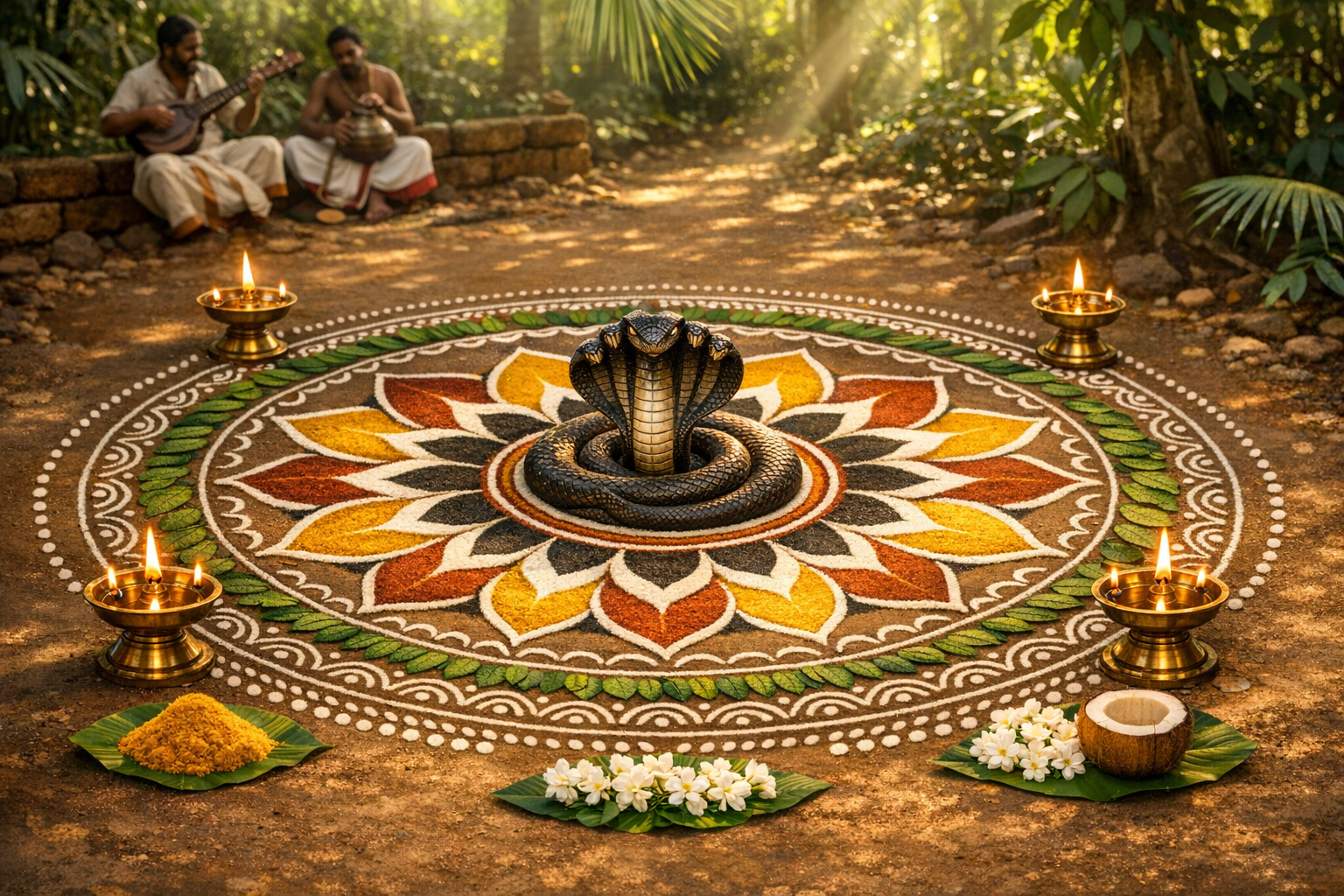
Nagapadma Kalam is Kerala’s sacred serpent-ritual painting where art, geometry, music, and ecology converge. Rooted in Kalamezhuthu, it frames the Naga upon a lotus padma and is enacted with natural pigments, mantra, and Pulluvan Pattu. The rite unfolds in snake temples and Sarpa Kavu, aligning spiritual protection, fertility, and environmental stewardship. Its padma-based geometry, multi-hooded…
-
Vishu 2026 Malayalam New Year: Exact Date, Kani Rituals, Kaineettam, and Cultural Insights
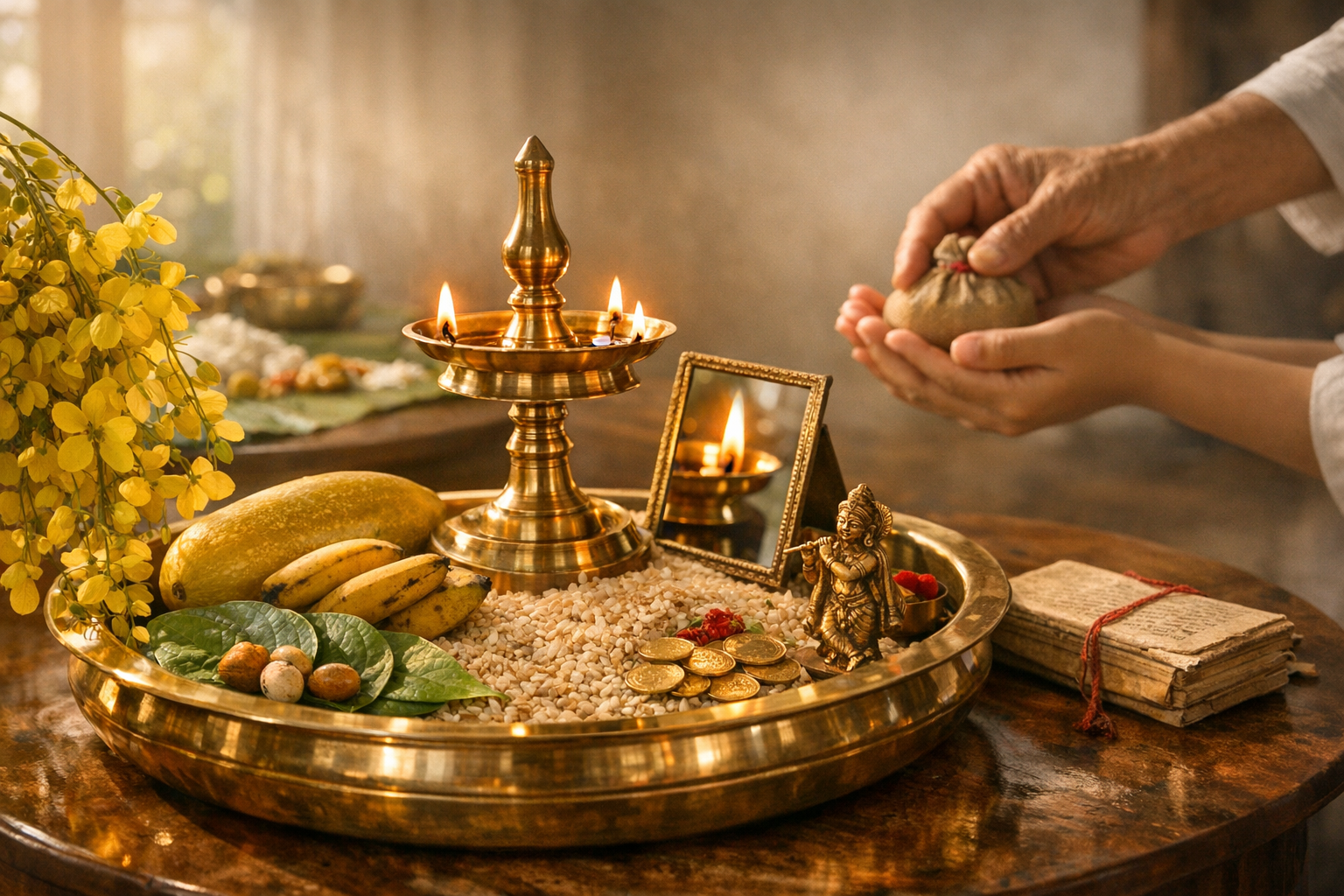
Vishu 2026 in Kerala falls on Wednesday, 15 April 2026, aligning with the first day of Medam in the Malayalam Panchang and the Sun’s ingress into sidereal Aries (Mesha Sankranti). The date follows Kerala’s sunrise rule: because Sankranti occurs after sunset on 14 April, the observance shifts to the next dawn. The festival’s centerpiece is…
-
Meenam (Meena Masam) 2026 in Kerala: Exact Dates, Festivals, Astronomical Insights & Culture

Meenam (Meena Masam), the eighth month of the Malayalam Calendar (Kolla Varsham), spans March 15 to April 13, 2026 in Kerala, aligning with Panguni (Tamil) and overlapping Phalguna–Chaitra in other Hindu calendars. Set by Surya’s sidereal ingress into Pisces (Meena Sankramam), Meenam ends just before Mesha Sankranti, after which Vishu is observed on April 14.…
-
Enigmatic Two-Headed Golden Deer: What Regional Ramayanas Reveal about Sita’s Abduction
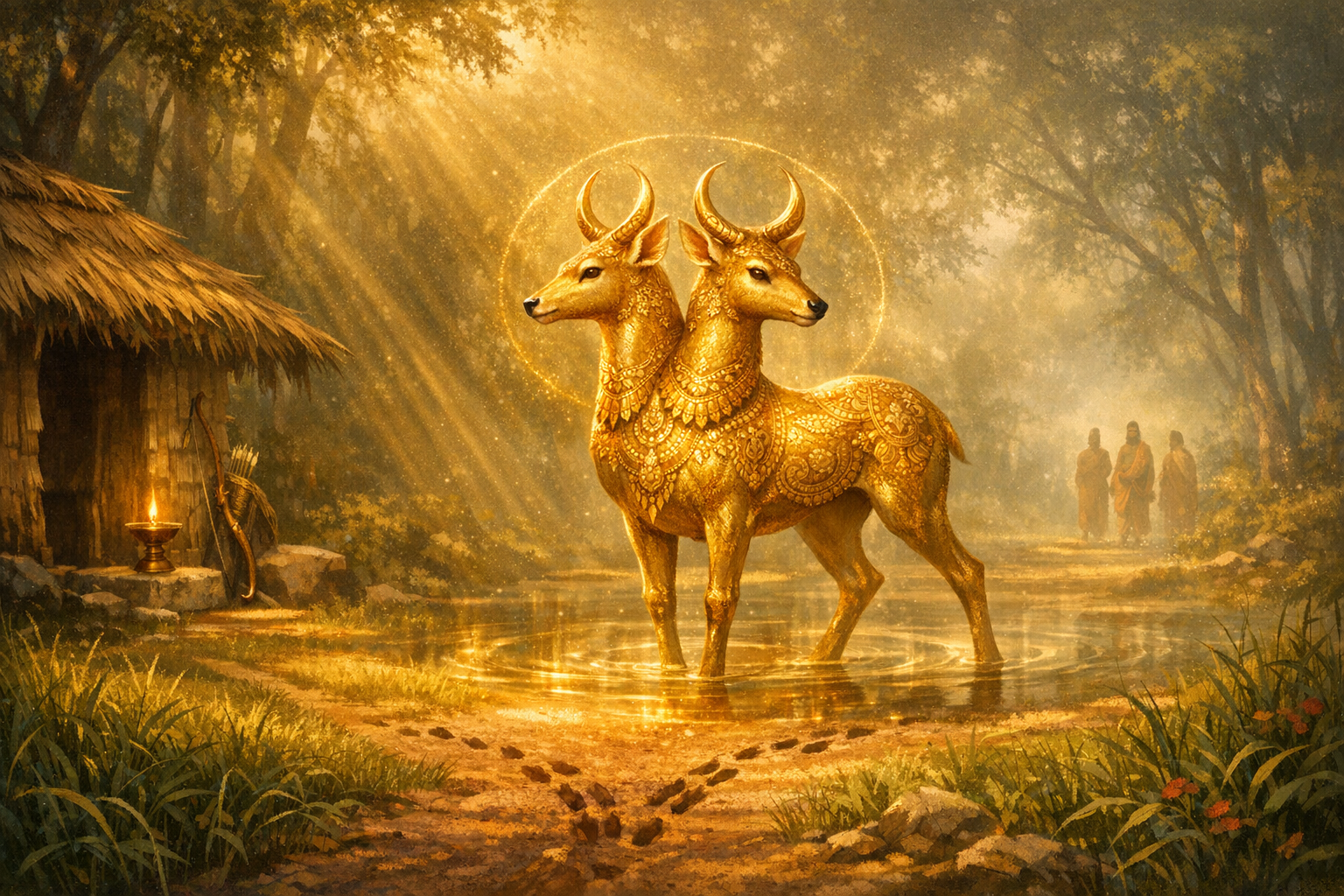
The Ramayana’s Sita abduction episode is not a fixed script but a living tradition across India. In select Kerala and Tamil Nadu repertoires, the golden deer becomes a two-headed marvel, amplifying the epic’s meditation on maya, desire, and deception. Anchored in Valmiki’s Aranya Kanda yet enriched by Kamba Ramayanam, Adhyatma Ramayanam Kilippattu, and folk performance,…
-
Mannarasala Nagaraja: Parashurama’s Penance and the Serpent King Who Made Kerala Bloom
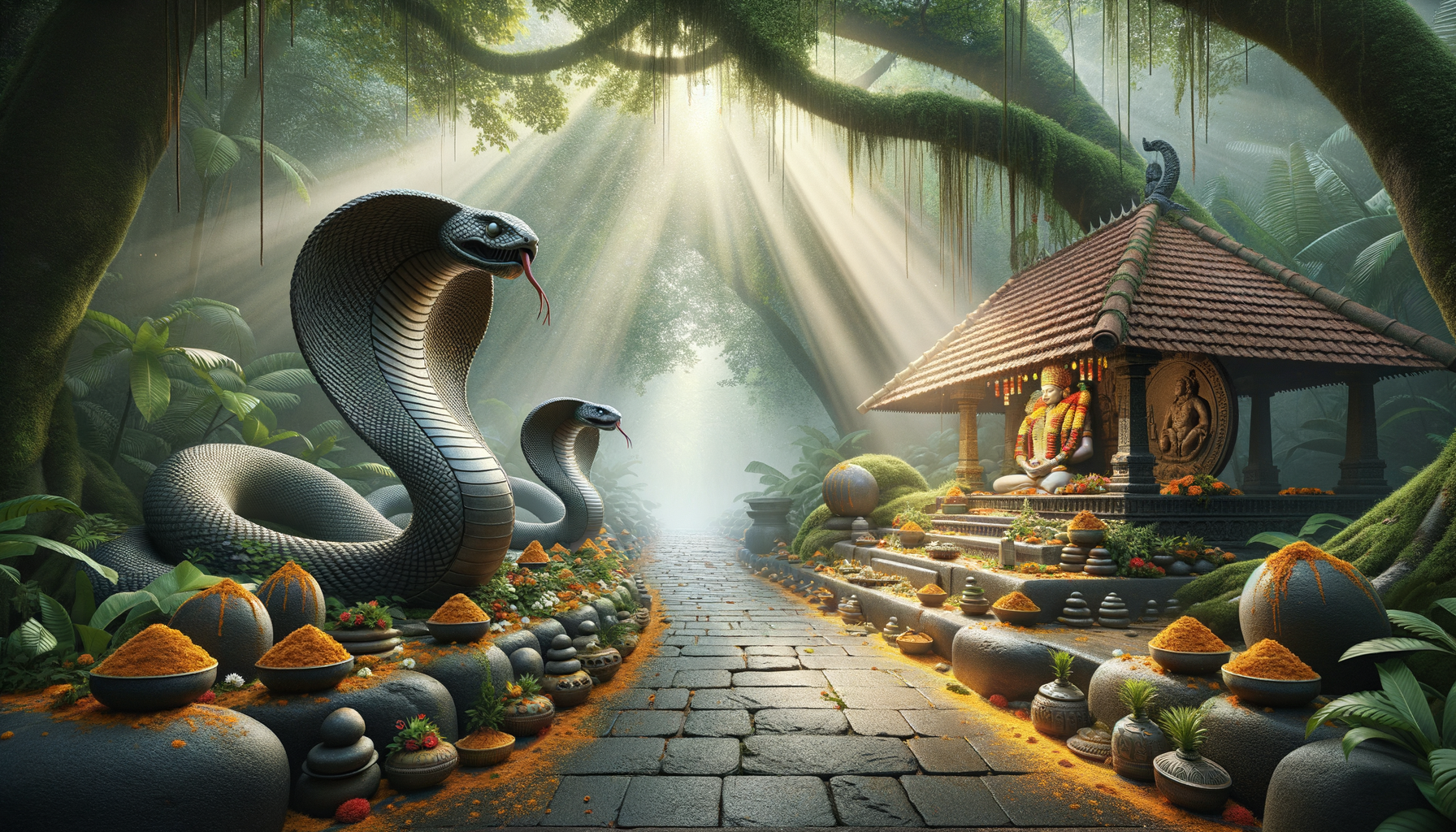
Mannarasala Nagaraja Temple in Kerala is revered as the sacred grove where Parashurama’s penance and the serpent king’s grace transformed reclaimed coast into fertile land. Rooted in Treta Yuga tradition, the shrine venerates Sree Nagaraja and Sarpayakshi amid thousands of serpent stones. The Ayilyam festival in Kanni draws devotees seeking blessings for fertility, health, and…
-
Mamankam Reborn on Kerala’s Nila: A Dharmic Kumbh Uniting Faith, Peace, and Prosperity

Mamankam’s revival on the Bharathapuzha (Nila) functions as Kerala’s own Kumbh-like gathering, renewing a historic festival through inclusive, dharmic values. The event reframes heritage as a living practice—prioritizing peace, prosperity, and unity across Hinduism, Buddhism, Jainism, and Sikhism. Readers gain clear historical context, a sense of the festival’s rituals and symbolism, and insight into how…
-
Kumbha Masam 2026: Sacred Kerala Festivals, Key Dates, and Malayalam Calendar Insights

Kumbha Masam (Kumbham) is the seventh month of the Malayalam calendar (Kolla Varsham), running from 14 February to 13 March in 2026. Kerala’s cultural heartbeat is palpable through Kumbha Bharani Utsavam and Attukal Pongala, two major festivals that spotlight devotion, service, and community solidarity. As a solar month tied to the Sun’s transit into Kumbha…
-
Kumbha Masam 2026 in Kerala: Dates, Key Festivals, and Timeless Traditions to Cherish
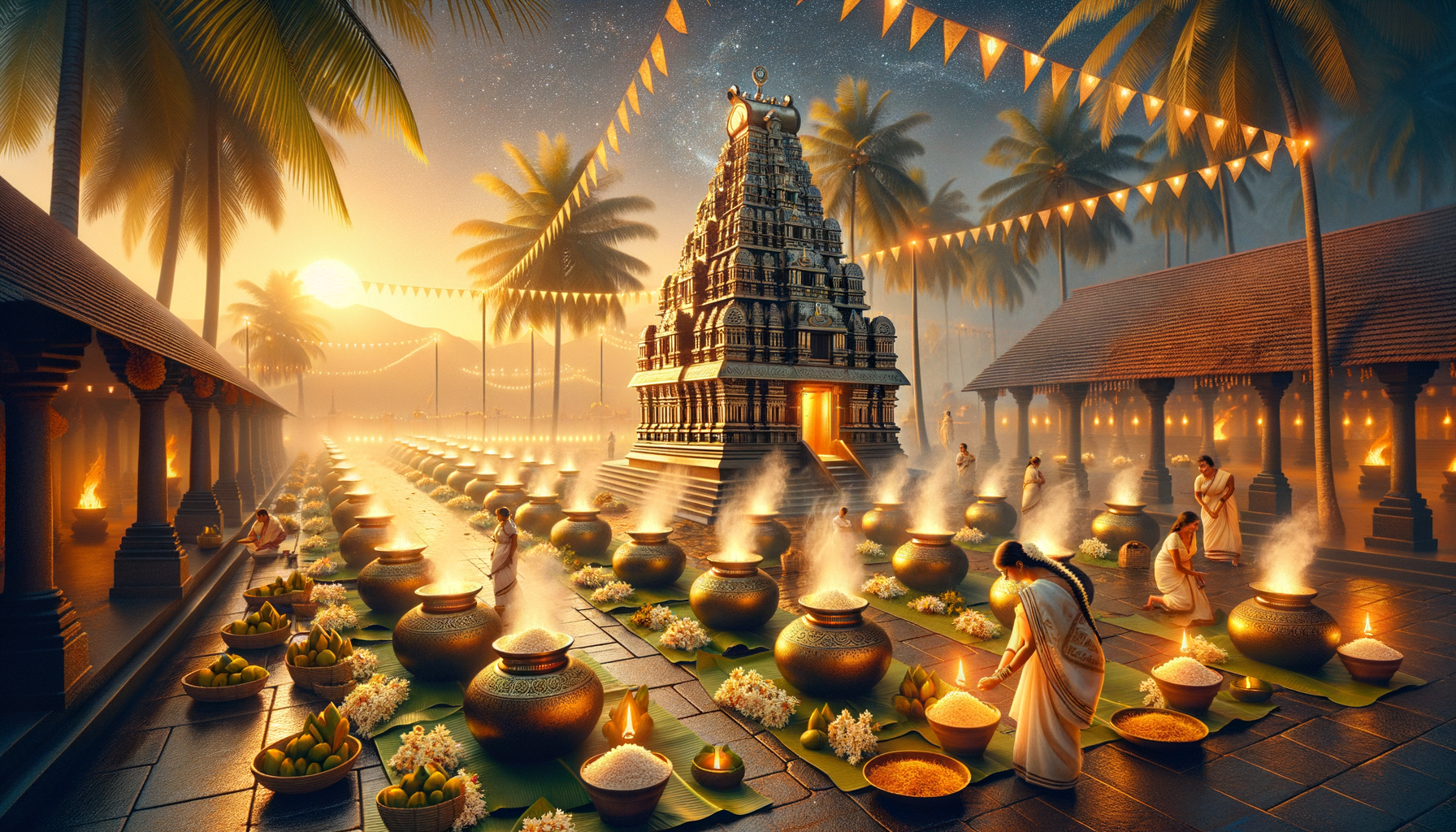
Kumbha Masam (Kumbham), the seventh month of the Malayalam calendar, runs from February 14 to March 13 in 2026. This period in Kerala is revered for calm devotion, community-centered rituals, and an emphasis on seva, dana, and vrata. Hallmark observances include Kumbha Bharani Utsavam, centered on Bharani Nakshatra, and Attukal Pongala, one of the world’s…
-
Kerala’s Palakkad Road Prayer Incident: Balancing Public Safety, Respect, and Harmony

A brief road prayer in Palakkad, Kerala, momentarily halted traffic and sparked thoughtful discussion on balancing religious freedom with public safety. The analysis frames the incident within India’s constitutional protections and practical civic norms. It highlights how empathy, clear communication, and swift facilitation can de-escalate tensions in shared urban spaces. Drawing on dharmic values—ahimsa, karuna,…
-
Saraswati Puja 2026: Dates, Traditions, and the Joy of Learning in Sharad Navratri

Saraswati Puja (Saraswati Triratra Vrata) during Sharad Navratri will be observed in 2026 from October 16 to October 19 across Andhra Pradesh, Telangana, Kerala, Karnataka, Tamil Nadu, Maharashtra, and Gujarat. The final three days focus on Goddess Saraswati, celebrating wisdom, learning, music, and the arts. Families honor books, instruments, and tools of learning, while communities…