
-
Life After Death in Hinduism: A Clear, Compassionate Guide to Karma, Rebirth, and Moksha

Hindu philosophy portrays life after death as an ethically coherent, compassionate continuum shaped by karma, guided by dharma, and culminating in moksha. Core ideas from the Upanishads, the Bhagavad Gita, and Puranic literature explain how the atman journeys onward through subtle and causal bodies, modulated by sanchita, prarabdha, and agami karma. Temporary states such as…
-
Unveiling the Soul’s Journey: Life After Death in HinduismKarma, Yama, Moksha

Hinduism presents life after death as a just, compassionate, and educative journey governed by karma and oriented toward moksha. Foundational textsthe Upanishads, Bhagavad Gita, and Puranasaffirm that the immortal ātman continues through realms (lokas) or returns via reincarnation according to ethical causality. Lord Yama Dharma embodies impartial moral order, while rites such as antyeṣṭi, śrāddha,…
-
Upamana in Mimamsa Darshana: Unlocking How Comparison Becomes Valid Knowledge in Hindu Epistemology

Upamāna, or comparison, is treated in the Mimamsa Darsana as a disciplined source of valid knowledge that aligns testimony, perception, and relevant similarity. Rather than a loose metaphor, it is a technical pramāṇa with clear conditions: credible prior śabda, relevance of features, and the absence of defeaters. Classical debatesespecially with Nyāyaclarify whether comparison yields the…
-
Cut Through the Noise: Yoga Vasistha’s Radical Call for Direct Experience over Debate

Yoga Vasistha confronts the overload of modern discourse with a precise remedy: shift from argument to direct experience. Framed as a dialogue between Vasishta and Rama, this classical Hindu scripture privileges aparoksha-anubhutiimmediate realizationover conceptual accumulation. It maps a practical path through dispassion, inquiry, meditation, and ethical alignment, showing how transformation is verified in everyday equanimity…
-
Viral Bengaluru Video: Monkey’s Embrace for Elderly Caregiver Reveals Profound Dharmic Bond
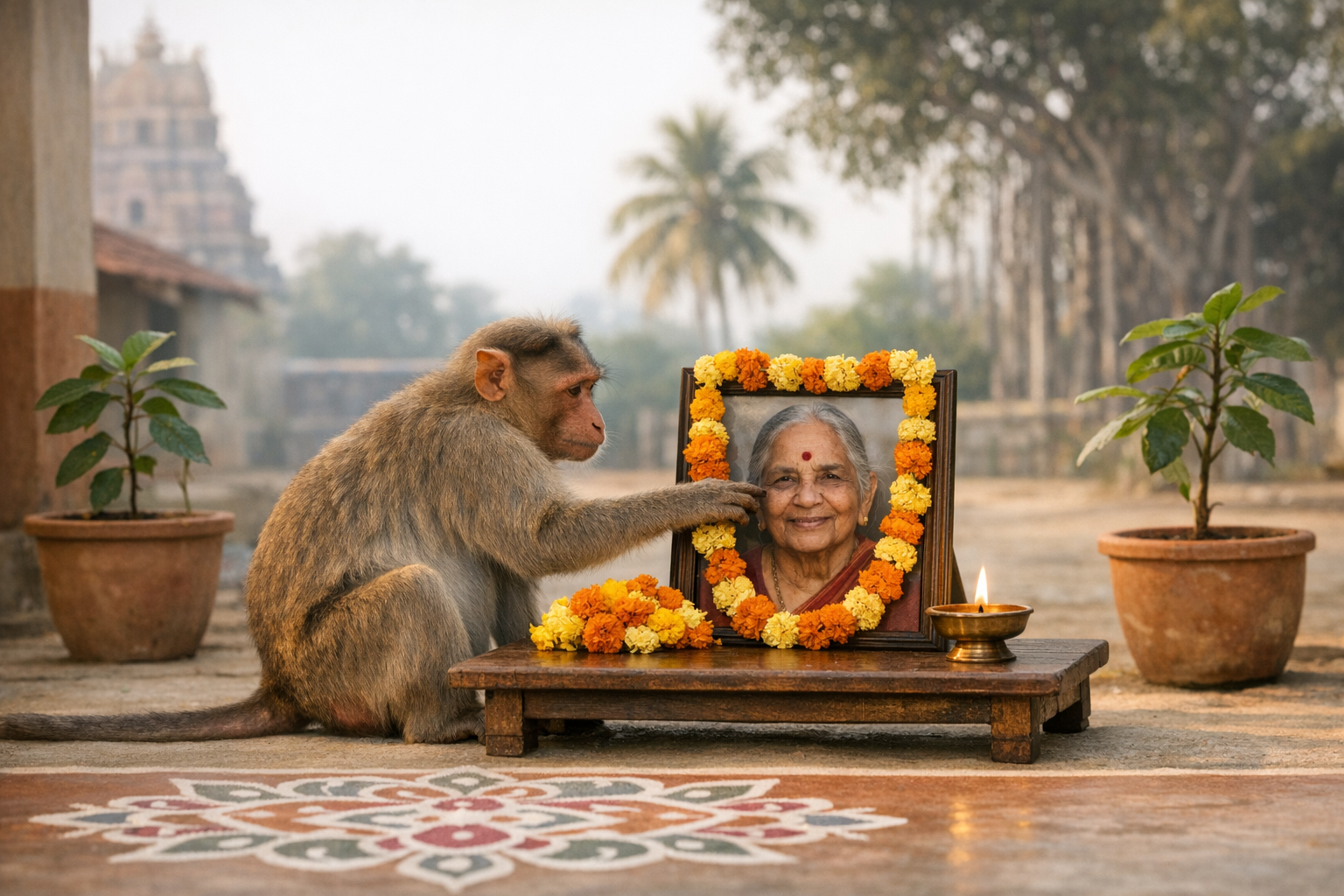
A viral video from Rayara Doddi in Channapatna near Bengaluru shows a monkey approaching the body of an elderly woman who had regularly fed local macaques and briefly embracing her, moving onlookers across India. Placed in context, the behavior aligns with known primate affiliative responsesproximity, touch, and stillnessobserved under social stress and familiarity. The incident…
-
Deep Ecology through Vedic Wisdom: A Dharmic Blueprint for Compassionate Sustainability
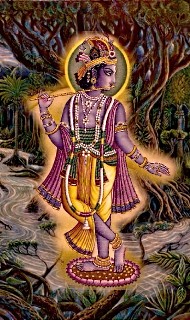
This essay presents a rigorous, dharmic framework for deep ecology rooted in Vedic culture and enriched by convergences across Hinduism, Buddhism, Jainism, and Sikhism. It explains how Krishna-centrism and principles like ahimsa, aparigraha, and seva generate practical Environmental stewardship. Readers gain a clear understanding of the Bhagavad Gita’s ethical architecture, the Guna model’s relevance to…
-
The Eternal Now: Guru Nanak’s Mindfulness for Fearless Clarity and Compassionate Living

Guru Nanak’s teachings present a precise, research-aligned path to mindfulness that integrates attention training (Naam Simran), ethical action (Kirat Karo, Vand Chhako, Seva), and wise acceptance (Hukam). By cultivating fearless clarity (nirbhau) and non-resentment (nirvair), practitioners stabilize presence in the “eternal now” and translate inner poise into compassionate service. The approach resonates with dharmic practices…
-
Vedic Environmentalism: Dharmic Ethics for Sustainability, Ahimsa, and Planetary Care

This in-depth exploration of Vedic environmentalism presents a rigorous, dharmic framework for sustainability that unites Hinduism, Buddhism, Jainism, and Sikhism around shared ecological ethics. Drawing on the Īśā Upaniṣad, Bhūmi Sūkta, and the Bhagavad Gītā, it translates reverence into practical guidance on resource conservation, circular economy design, and Clean Energy transitions. It highlights sacred groves,…
-
Prabhasa Patan’s Timeless Confluence: Where Krishna Departed and Somnath Inspires Unity

Set on Gujarat’s Saurashtra coast, Prabhasa (Prabhasa Patan/Prabhasa Kshetra) is the Triveni Sangam of the Hiran, Kapila, and subterranean Sarasvati, long revered as a threshold of purification and insight. Scripture situates epochal events here: the Mahabharata’s Mausala Parva narrates the Yadavas’ final conflict, while the Bhagavata Purana memorializes Sri Krishna’s departure at Bhalka and Dehotsarg…
-
Hindu Population 2050: Pew Projections, South Asian Demographic Shifts, and India’s Roadmap

Pew Research Center’s cohort-component projections to 2050 indicate that Hindus will grow substantially in absolute numbers while maintaining a broadly stable global share. India remains the demographic center of gravity and a Hindu-majority nation, even as fertility converges across communities due to education, urbanization, and health gains. Nepal sustains a Hindu-majority profile, Sri Lanka and…
-
When Power Outpaces Wisdom: Ancient Dharmic Insights to Heal a Wealthy, Wounded World

Modern society holds immense technological power and material wealth, yet faces crises born of its own momentum. Drawing on Hinduism, Buddhism, Jainism, and Sikhism, this analysis explains how shakti (power) must be yoked to viveka (wisdom) through dharma to restore ecological balance, social harmony, and inner clarity. It maps Purusharthas to contemporary dilemmas, applies yama–niyama…
-
Eighteen Steps, One Presence: The Fierce Aniconic Power of Karuppasamy at Azhagar Kovil

Situated in the Azhagar Malai hills near Madurai, the Pathinettam Padi Karuppasamy shrine at Azhagar Kovil embodies an aniconic form of worshipno carved idol, only an intense guardian presence encountered at a threshold of eighteen steps. The shrine harmonizes classical Vaishnava temple worship with the fierce protection of a kaval deivam, emphasizing vows, truth, and…
-
Shiva’s Playful Forms (lilamurtis): Deep Symbolism, Agamic Iconography, Living Tradition

This essay decodes Shiva’s lilamurtisplayful sacred forms that translate the formless into transformative encounterthrough the lenses of Agamic iconography, Purāṇic narrative, and living ritual. It explains the aniconic meaning of the Linga and shows how iconic forms like Nataraja, Ardhanarishvara, and Dakshinamurti encode philosophy as gesture and posture. Readers learn how temple architecture and ritual…
-
Pranavopasana: Mastering Om for Self‑Realization, Inner Calm, and Dharmic Unity
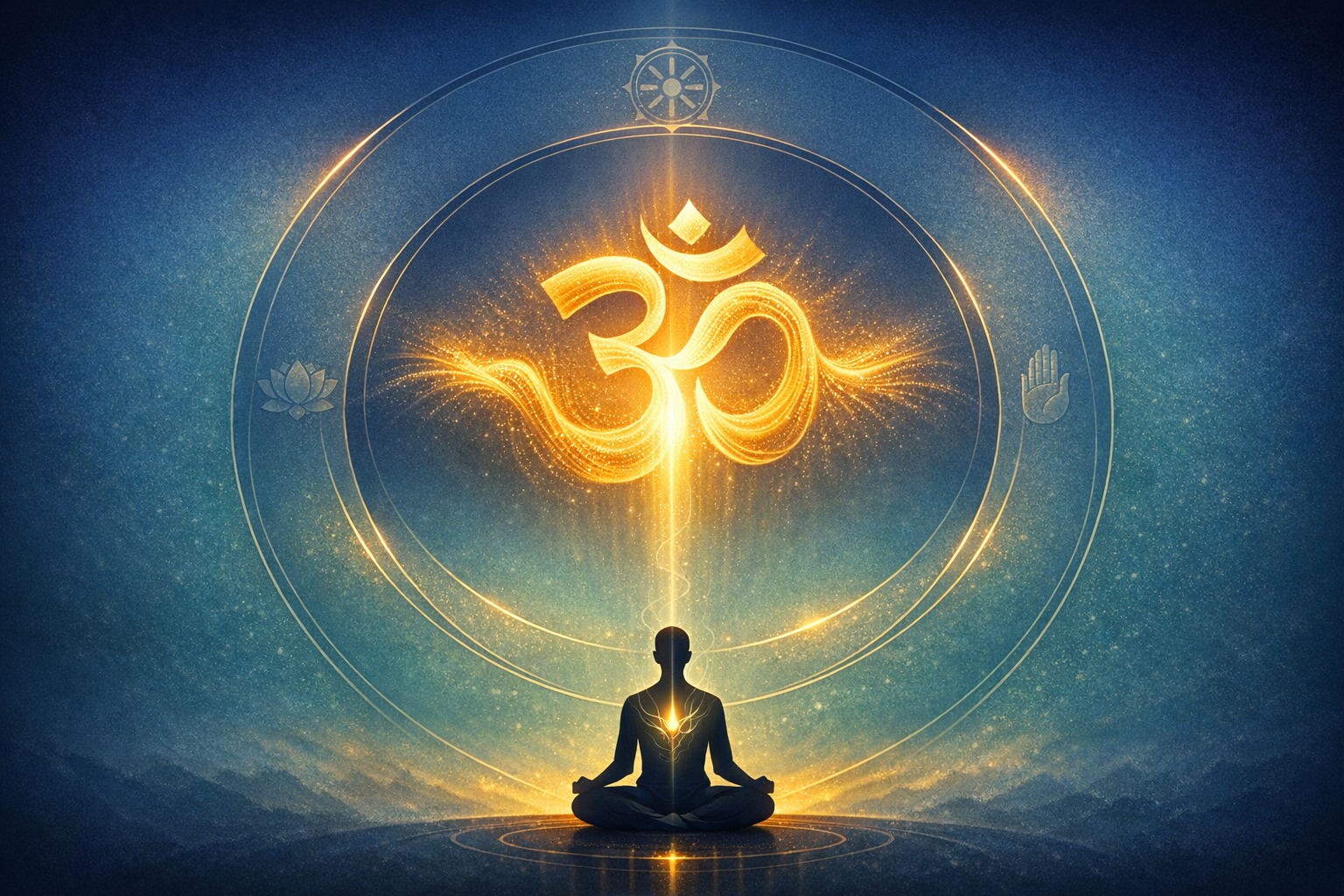
Pranavopasanameditation on the Pranava (ॐ)is a disciplined path in Hinduism and Advaita Vedanta that moves attention from sound to silence and from symbol to the Ultimate Reality. Drawing on the Upanishads, Bhagavad Gita, and Patanjali, it unites devotion, meditation, and inquiry into a coherent practice for Self-realization. The article explains the A–U–M arc, the turiya…
-
A Triplicane Teacher’s Encounter with Ramana Maharshi: Silence, Self-Inquiry, and Grace
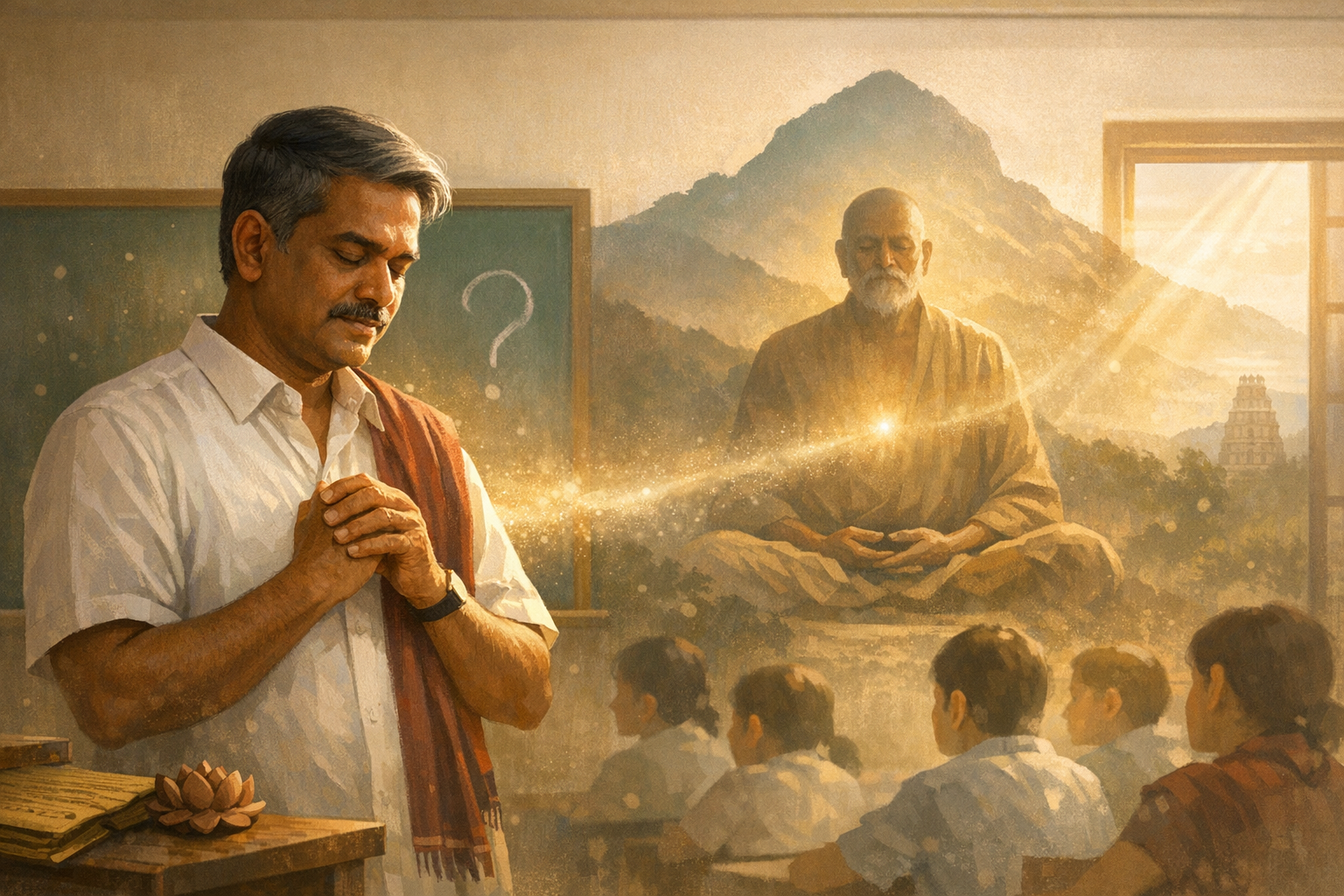
Set in the 1980s at Hindu Higher Secondary School, Triplicane, this reflective account presents a teacher’s encounter with Ramana Maharshi and situates it within Advaita Vedanta. It clarifies the core of self-inquiry (“Who am I?”), explains how silence functions as a rigorous pedagogical medium, and shows how contemplative insight can enrich classroom ethics and student…
-
Supreme Court clarifies: SC status for Hindus, Sikhs, Buddhists; conversion ends benefits

The Supreme Court of India has reaffirmed that Scheduled Caste status, under the Constitution (Scheduled Castes) Order, 1950, applies to persons professing Hinduism, Sikhism, or Buddhism and ceases upon conversion to any other religion. The ruling emphasizes constitutional continuity under Article 341 and clarifies that expansions of eligibility are for Parliament to decide, not the…
-
From Adversity to Excellence: How Dharmic Wisdom Transforms Hardships into Strength

This article explains how adversity functions as a deliberate curriculum for strength and wisdom across Hinduism, Buddhism, Jainism, and Sikhism. It synthesizes dharmic teachings with contemporary research on resilience to present a unified, practical method. Readers gain a daily protocol that combines Karma Yoga, meditation, yogic breathing, ethics, and seva to build measurable resilience. Clear…
-
Uragas vs. Nagas in Hinduism: Origins, Scriptural References, and Sacred Symbolism

Hindu texts distinguish clearly between uragas and nāgas. Uraga is a generic Sanskrit term for serpentsa poetic synonym alongside sarpa, ahi, and bhujaṅgawhile nāga denotes a semi-divine class with genealogy, kingship, and realm (nāga-loka). Epic and Purāṇic narratives feature named nāga personages such as Śeṣa, Vāsuki, and Takṣaka, whose roles in cosmology and ethics far…
-
Laghima Siddhi in Hinduism: The Sacred Science of Lightness to Elevate Mind, Body, and Life

Laghima Siddhi, one of the classical ashta-siddhis in Hinduism, signifies far more than levitation; it encodes a holistic science of lightness spanning ethics, breath, posture, diet, and contemplation. Anchored in sources like the Bhagavata Purana and thematically aligned with Patanjali’s Yoga Sutra, Laghima relates to mastery of udana vayu and the cultivation of sattva. In…
-
When Mistakes Happen: A Dharma-Guided, Science-Backed Playbook for Calm, Compassionate Resilience

Errors are inevitable, but responses can be principled, compassionate, and effective. This essay synthesizes dharmic wisdom from Hinduism, Buddhism, Jainism, and Sikhism with evidence-based tools from behavioural science and reliability engineering to offer a practical protocol for handling mistakes. Readers will learn a five-step responseregulate, acknowledge, repair, learn, and recommitthat protects relationships while improving systems.…