
-
Banadurga of Bengal: Sacred Forest Daughter of Durga and Guardian of Rural Devotion

Goddess Banadurga (Banadebi) endures in Bengal’s folk spirituality as the compassionate Forest Daughter of Durga and a vigilant guardian of rural life. This post explores her approachable identity, simple iconography in clay and terracotta, and community-centered worship aligned with monsoon and harvest cycles. It highlights lived village memories, from lamps beneath sacred trees to songs…
-
Baishakhi Sankranti at Kshirgram: The Sacred Awakening of Maa Jogadya and New Beginnings

Baishakhi Sankranti at Kshirgram Maa Jogadya Temple marks the Sun’s entry into Mesha (Aries) and the start of Baishakh, aligning with the Bengali New Year. The festival’s centerpiece is a solemn yet celebratory divine awakening of Maa Jogadya that symbolizes renewal, ethical intention, and harmony with seasonal cycles. Visitors encounter an immersive atmosphere of conch…
-
Unconquerable Love in Epics: Behula and Savitri’s Sacred Quests and Dharmic Resilience

Behula from Manasamangal Kavya and Savitri from the Mahabharata reveal how unwavering love, disciplined practice, and moral intelligence can transform fate into compassion and balance. Readers gain a clear comparative analysis of Bengali folklore and Sanskrit epic traditions, including narrative context, symbolism, and ethical method. The discussion highlights common dharmic valuescompassion, responsibility, and resiliencerecognizable across…
-
Sacred Hearth of Bengal: How the Kitchen Stove Embodies Goddess Manasa’s Protection

The sacred hearth in rural Bengal carries a profound symbolism: the kitchen stove (chulha) doubles as a domestic altar that invokes the protection of Goddess Manasa. This article explains who Manasa isBishahari, Jagat Gauri, Padmavatiand why her worship intensifies during the monsoon. It shows how daily acts of cleaning, marking, and offering from the first…
-
Youthful Vishwakarma in Bengal: Inspiring Work, Creation, and Determination Today

Vishwakarma, the eternal architect in Hindu tradition, appears in Bengal with a youthful radiance that symbolizes energy, aspiration, and innovation alongside timeless wisdom. This icon resonates powerfully during Vishwakarma Puja, when workshops and factories become spaces of devotion and precision. The emphasis on vitality complements Bengal’s heritageterracotta temples, rivercraft, and textileswhile aligning with Shilpa Shastra…
-
Behula and Lakhindar in Manasamangal: Love’s Triumph and the Origin of Manasa Devi Puja

The saga of Behula and Lakhindar in Manasamangal presents a timeless Bengali epic that explains the origin of Manasa Devi Puja while celebrating love, devotion, and reconciliation. Set in medieval Bengali literature, it explores how local goddess worship found recognition through communal dialogue and spiritual accommodation. Behula’s river voyage for her husband’s life elevates female…
-
Lakshmi Shora of Bengal: Revered Clay Discs and the Living Heritage of Kojagari Puja

Lakshmi Shora (Lakshmi Sora) are painted clay discs central to Kojagari Lakshmi Puja and Thursday worship in Bengal, preserving an intimate form of household devotion. Crafted by traditional potters and adorned with lotus, owl, and grain motifs, each shora embodies layered symbolismearthy humility, cyclical abundance, and alert wisdom. The ritual centers the home with alpona,…
-
Sarapot, Kolabou, and Clay Idols: A Deep Dive into Bengal’s Living Lakshmi Traditions
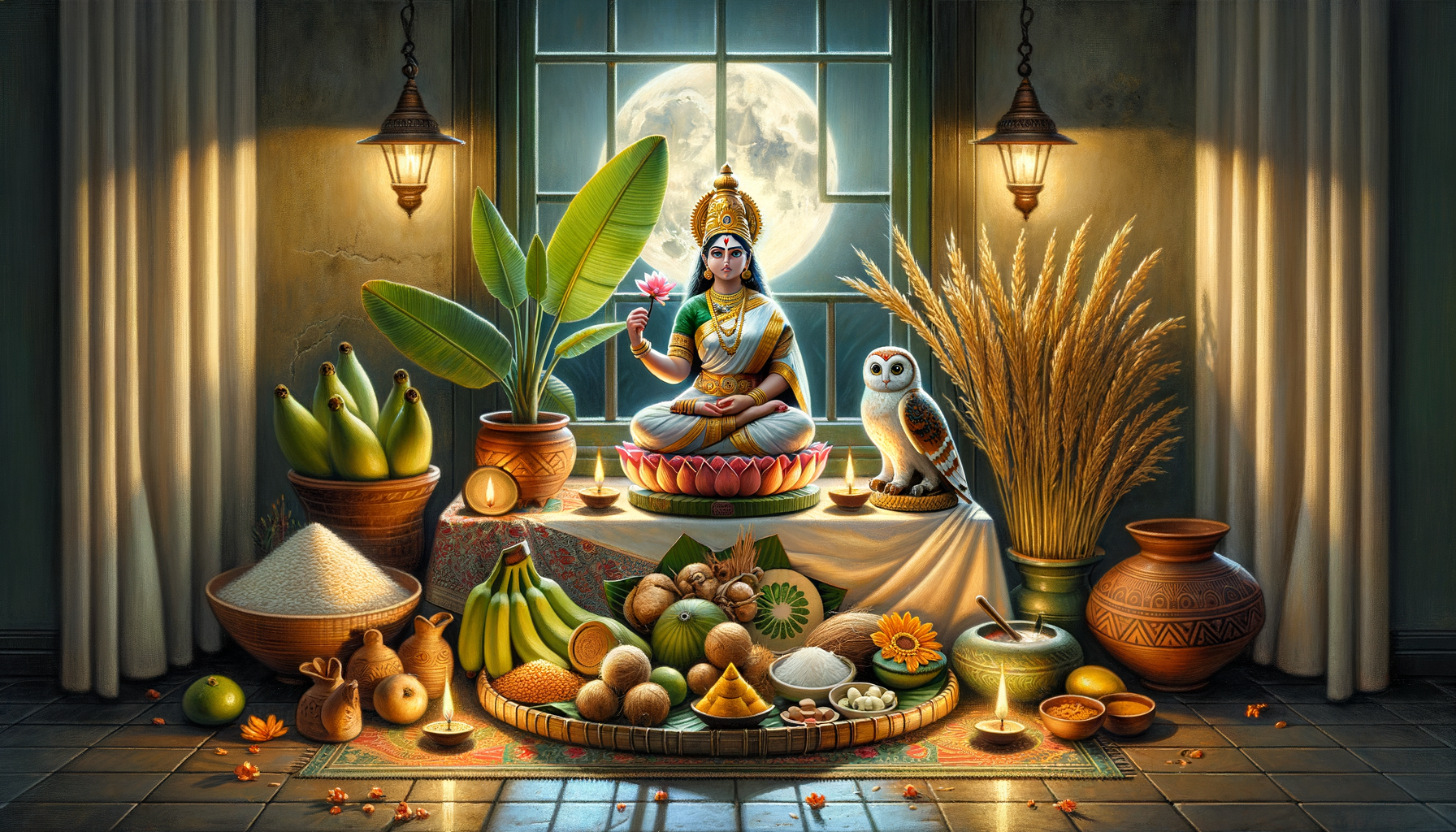
Bengal’s Lakshmi Puja unfolds through three living formsSarapot, Kolabou, and clay idolseach illuminating prosperity as an ethical relationship with home, community, and ecology. Sarapot Lakshmi preserves a compact, household-centered tradition rooted in local clay craft and simple offerings. Kolabou, the banana plant honored in Nabapatrika, embodies a vegetal form many households revere as Lakshmi, linking…
-
Story of Masan Thakur: Kali’s Fearsome Folk Son and Guardian of North Bengal’s Dead

Masan Thakur, the fearsome folk son of Goddess Kali, is revered in North Bengal as a guardian of the cremation ground and mediator between the living and the dead. His worship commonly occurs on Tuesdays, Saturdays, and Amavasya, aligning with traditions of fierce protective deities and ancestral rites. Simple, locally rooted offerings reflect the humility…
-
Brahmadaitya of Bengal: Enigmatic Scholarly Guardians of Sacred Groves and Memory

Bengali folklore presents the Brahmadaitya as a benevolent, scholarly spirit linked to banyan and peepal groves rather than a fearful ghost. This portrayal reflects a cultural ethic that honors wisdom, compassion, and restraint, resonating across Hinduism, Buddhism, Jainism, and Sikhism. The narrative supports environmental stewardship by sacralizing trees and groves, encouraging community-based conservation. Rich oral…
-
Kamalakanta Bhattacharya: Bengal’s Mystic of Kali and the Transformative Power of Bhakti

Kamalakanta Bhattacharya (born 1769 CE, Bardhaman) stands among Bengal’s most resonant devotional voices, known for Shyama-centered songs that blend emotional honesty with theological depth. His poetry frames Kali as both cosmic force and compassionate refuge, turning everyday speech into living Bhakti. Hagiographic traditions describe grace-filled interventionsread as spiritual pedagogy that emphasizes surrender, courage, and transformation.…
-
Kolabou as Lakshmi: Sacred Symbolism of the Banana Plant in Bengali Hindu Tradition
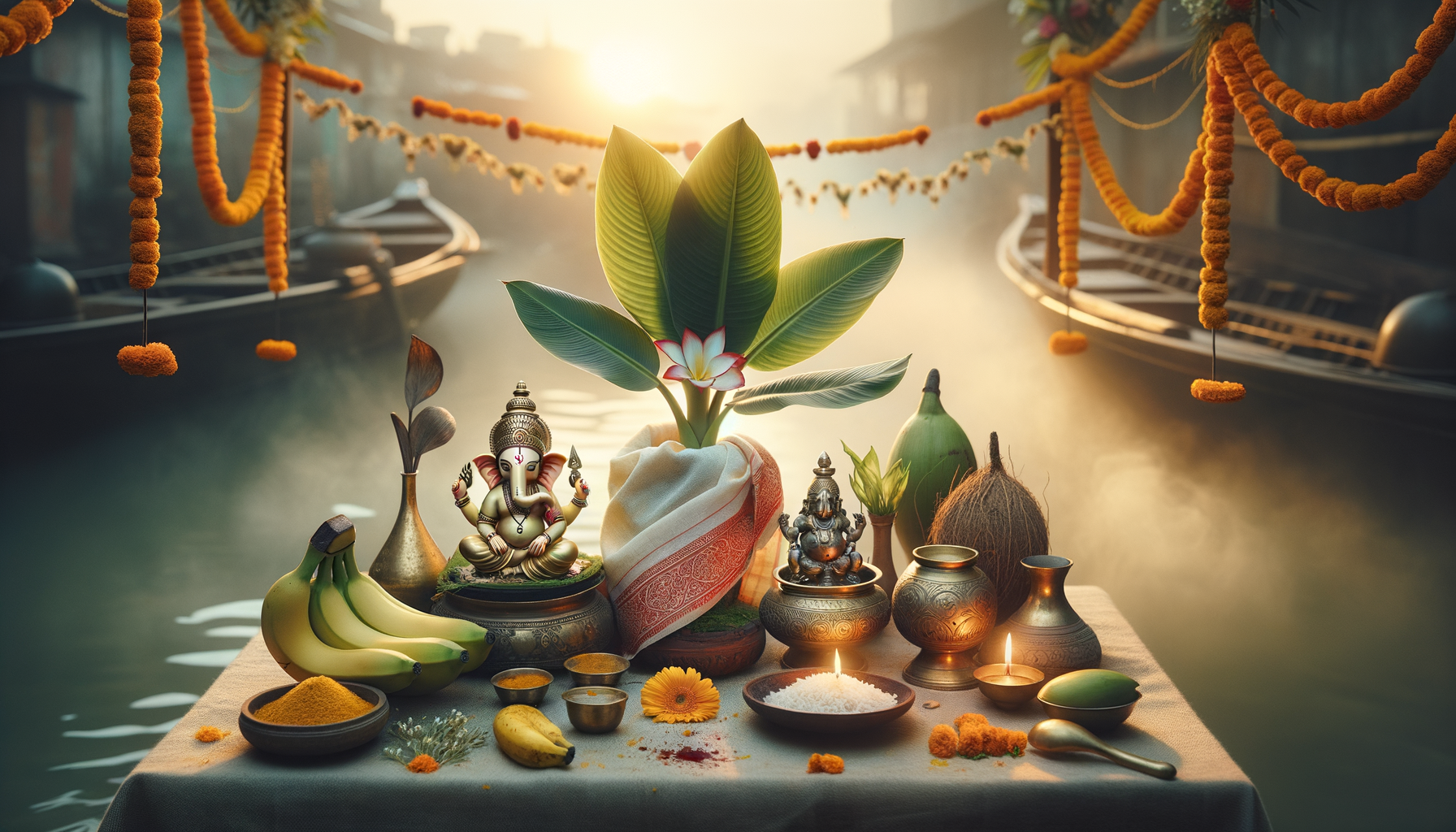
This article explores Kolabou (Kola Bou) worship in Bengali Hindu tradition, where the banana plant is revered as Goddess Lakshmi and also understood within the Nabapatrika during Durga Puja. It highlights the practice’s cultural roots in Faridpur and Barisal, its migration into the diaspora, and its layered meanings that embrace plural interpretations without conflict. The…
-
Gangasagar Mela 2026: Dates, Sacred Ganga Snan on Makar Sankranti, Complete Guide
Gangasagar Mela 2026, the largest fair in West Bengal, will be observed from 13 to 15 January on Sagar Island, with the principal Ganga Snan on 14 January (Makara Sankranti). The pilgrimage centers on the sacred confluence of the Ganga and the Bay of Bengal, where devotees seek purification and renewal. The mela’s rituals, community…
-
Ari Lakshmi of Bengal: The Humble Bamboo Basket Ritual That Radiates Prosperity
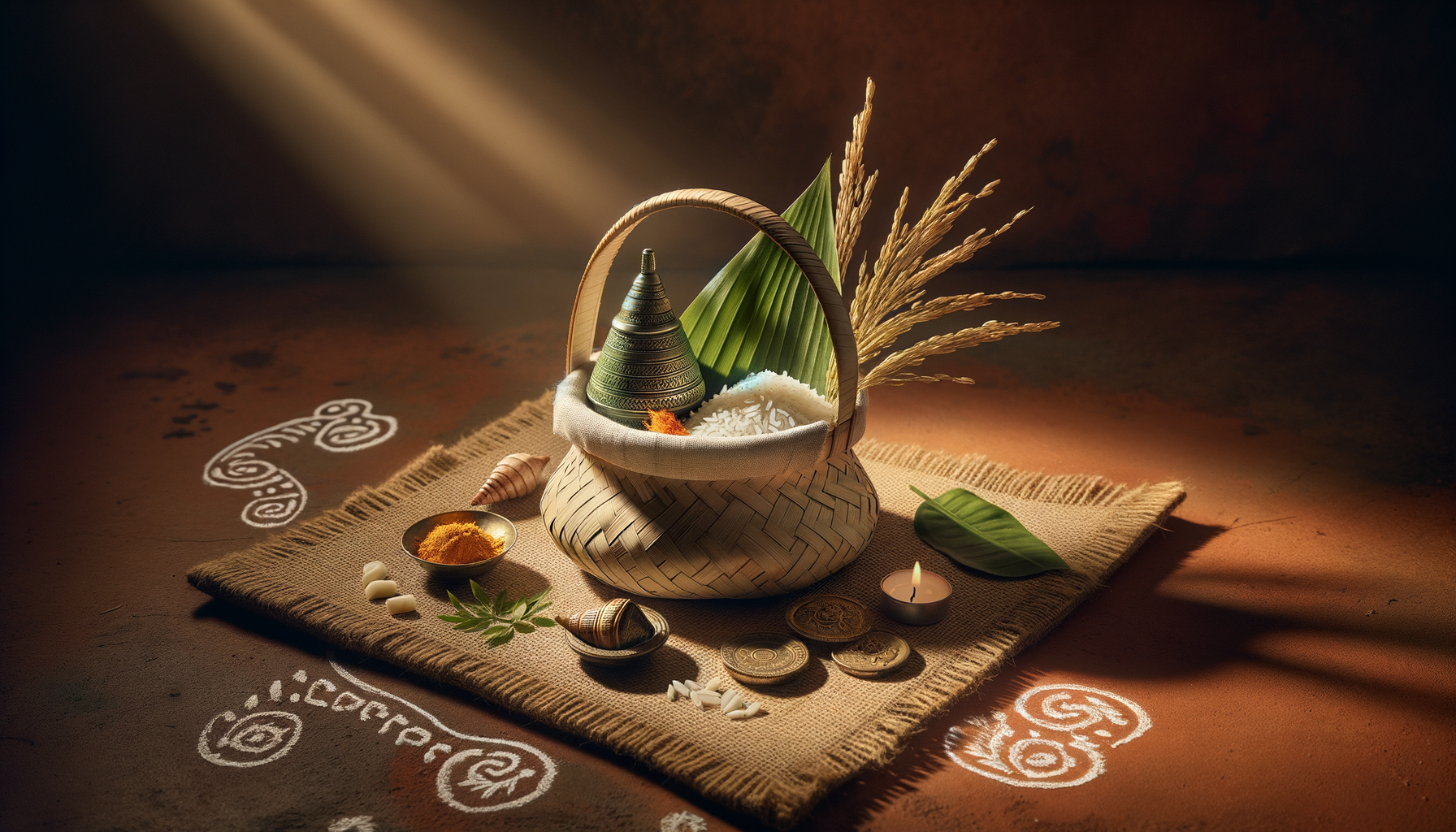
Ari Lakshmi is a Bengali household tradition that invokes Goddess Lakshmi using a small bamboo basket filled with rice, turmeric, and other auspicious items. The ritual, associated with Dhaka and Comilla family lineages, transforms agrarian materials into a focused shrine of prosperity and ethical wealth. Each elementbasket, grains, lamp, and alponacarries layered symbolism that honors…
-
From Battlefield to Home Shrine: The Gentle Rise of Dakshina Kali in Bengal’s Devotion
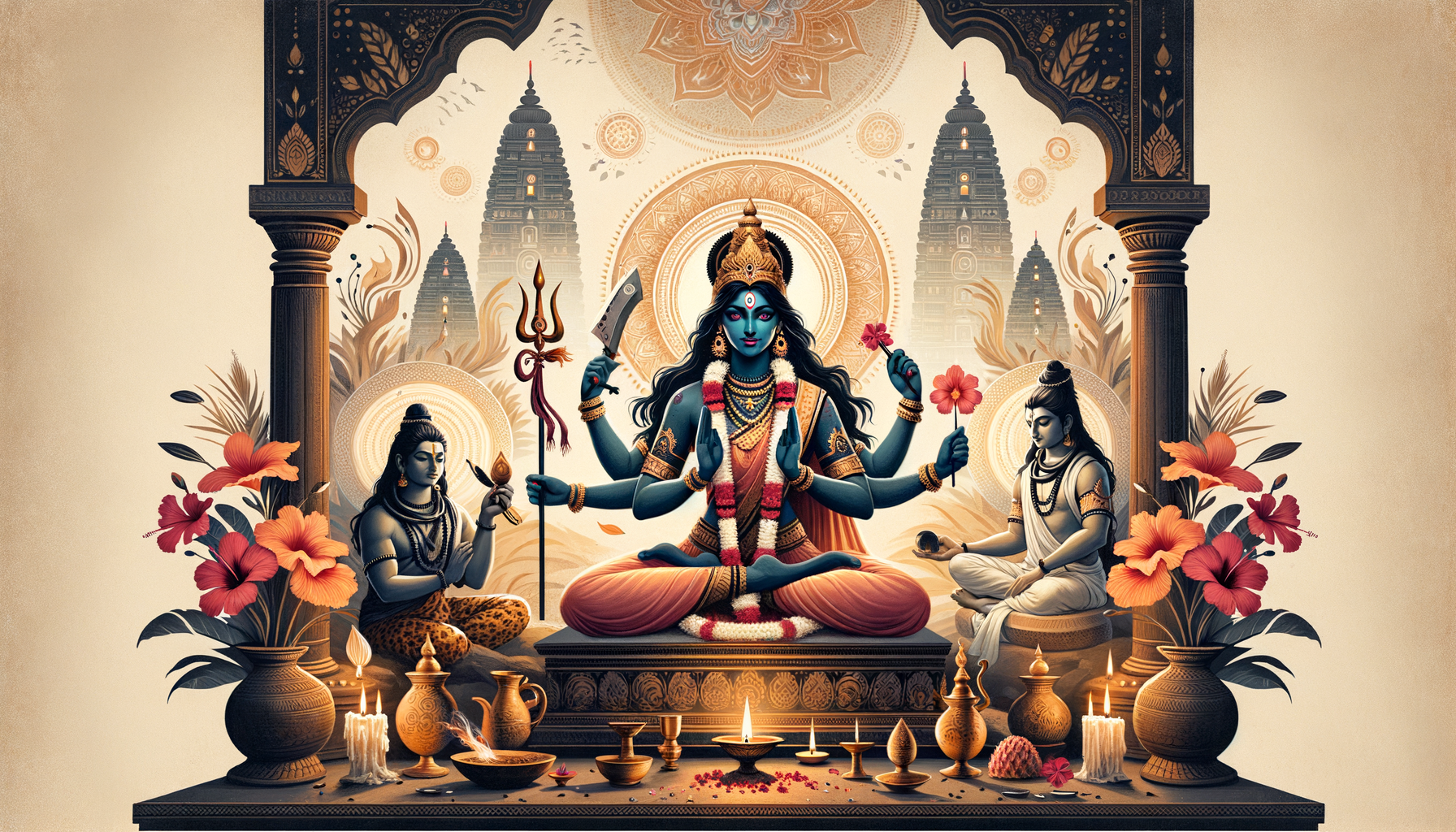
This article traces how Dakshina Kali, first revealed in the Devi Mahatmya as a ferocious force of dharma, became a compassionate presence in Bengali homes. It explains the iconographic shift to the gentler Dakshina Kali and shows how Shakta Tantra, bhakti poetry, and popular art enabled domestic worship. The roles of Kalighat, Dakshineswar, and 19th-century…
-
Unmasking the Kanabhulo Bhoot: Bengal’s Illusory Path Spirits and Sacred Folklore

Kanabhulo Bhoot, a distinctive figure in Bengali folklore, is described as an illusory path spirit linked to Bengal’s sacred geography of crossroads, ponds, and groves. The legend encodes practical guidancetravel together, carry light, and respect thresholdswhile evoking the emotional texture of rural Bengal at dusk. Readers gain a balanced view that includes natural explanations such…
-
Agrahan Month 2025 (Agrahayan 1432): Auspicious Dates, Harvest Spirit, Bengali Calendar Guide
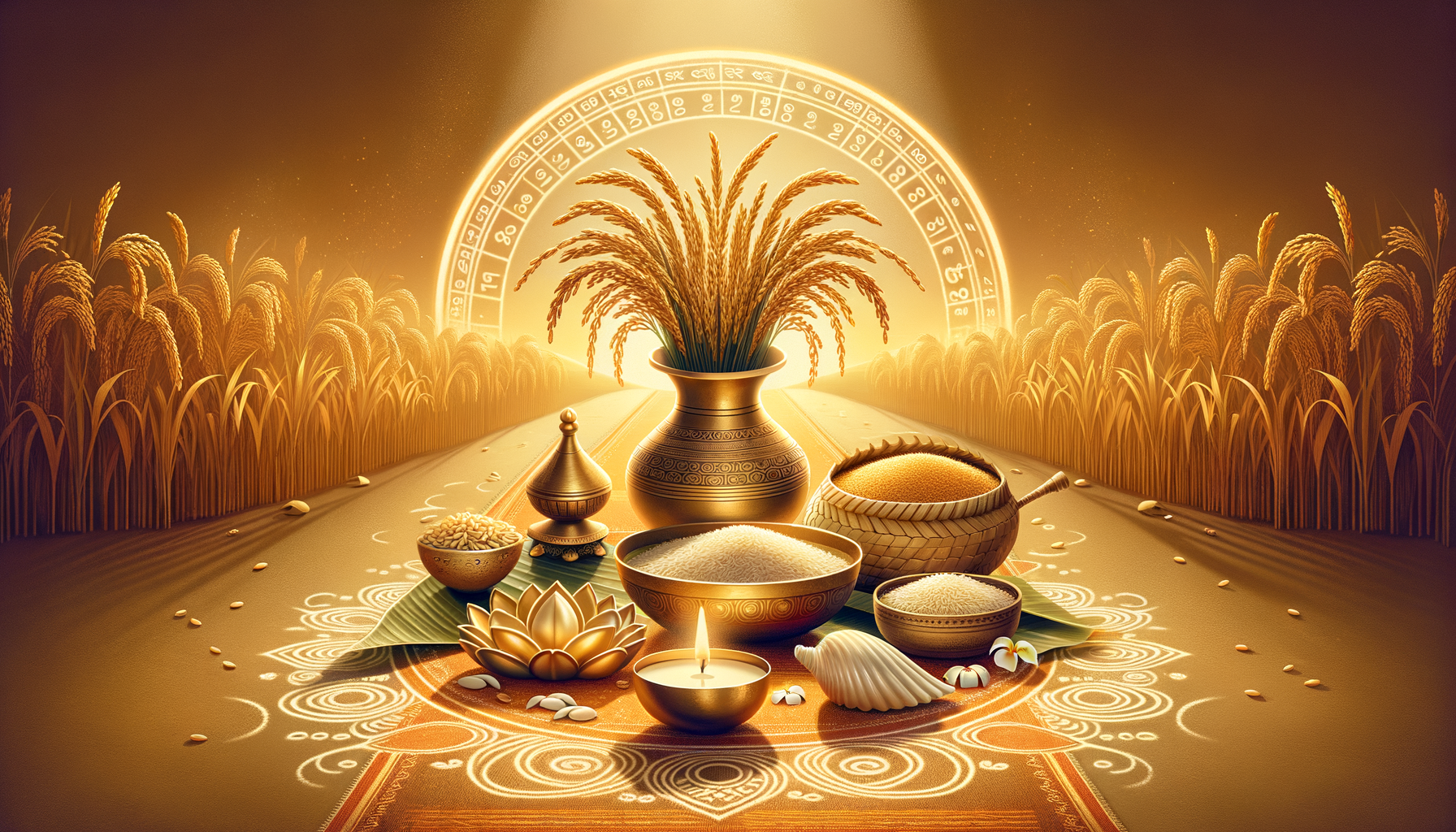
Agrahan Month (Agrahayan, Agahan) is the eighth month of the Bengali calendar, running from 18 November to 16 December in 2025. It aligns with the transition from Kartik to Margashirsha in other Hindu calendars, anchoring a season of devotion and harvest. Communities in West Bengal, Bangladesh, Tripura, and the diaspora mark this period with gratitude,…
-
Kartik in Bengal: Sacred Seasons of a War-God Reborn as Harvest and Fertility Guardian

Kartikknown as Kartikeya, Skanda, Murugan, and Subrahmanyaassumes a distinct agrarian identity in Bengal as a guardian of fertility, family well-being, and seasonal prosperity. Set against the autumnal month of Kartik, his worship aligns with the ripening of aman paddy and the rituals of Kartika Purnima, creating a deep bond between devotion and agricultural timekeeping. Iconography…
-
Bholebaba of Bengal: Why Shiva’s Serene Compassion Captivates the Land of Kali

Bengal reveres Lord Shiva as Bholebaba, the simple-hearted and compassionate Mahadeva, highlighting serenity and forgiveness over ascetic severity. This devotional focus aligns with Bengal’s Shakta heritage, where Kali’s power complements Shiva’s tranquil grace in a harmonious spiritual balance. Simple offerings and accessible ritual practices reflect an egalitarian ethos within Hindu traditions. The ethic of karuna,…
-
Itu Puja 2025 in Bengal: Timeless Dates, Rituals, and Heartfelt Prayers for Family Wellbeing

Itu Puja (Itu Vrata) in Bengal is a morning observance dedicated to family health, prosperity, and harmonious relationships. In 2025, it is expected on consecutive Sundays during Agrahayan (mid-November to mid-December), with exact dates best confirmed through the local Bengali Panchang or temple notices. The ritual emphasizes simplicity: an early bath, a clean altar, lighting…