-
Unveiling the Golden Glow of Temple Bronzes: Sacred Metallurgy and Living Rituals Explained

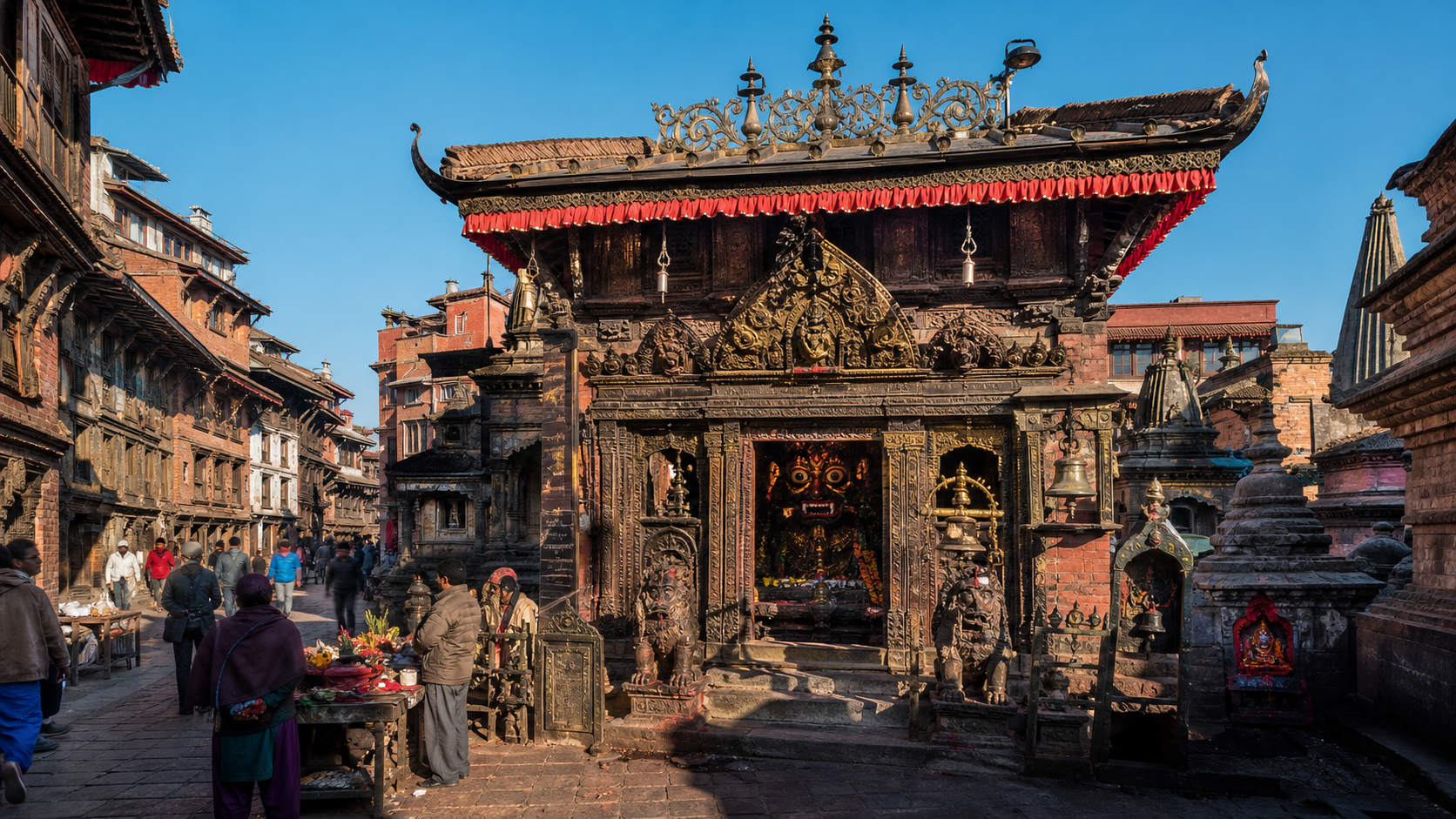
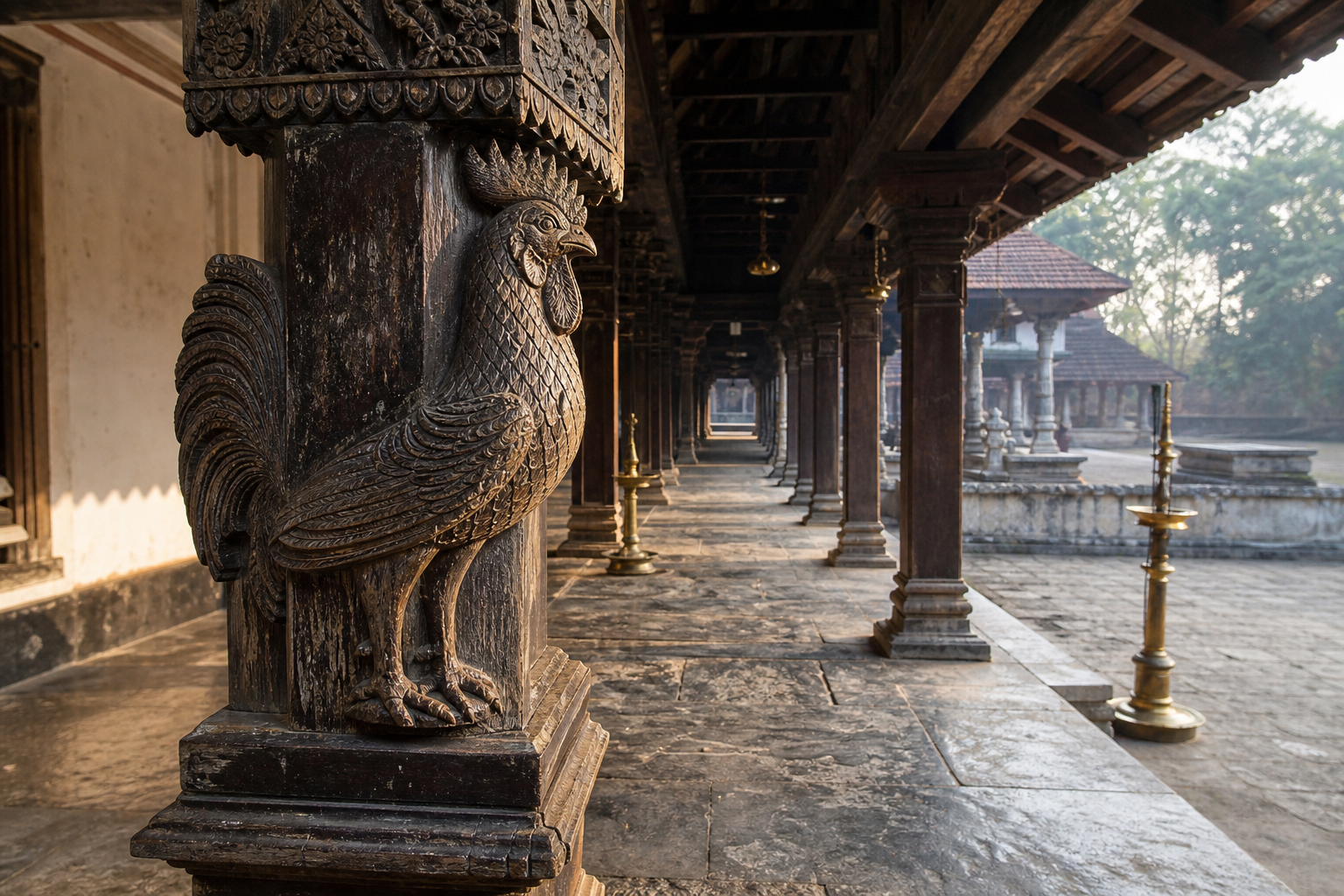
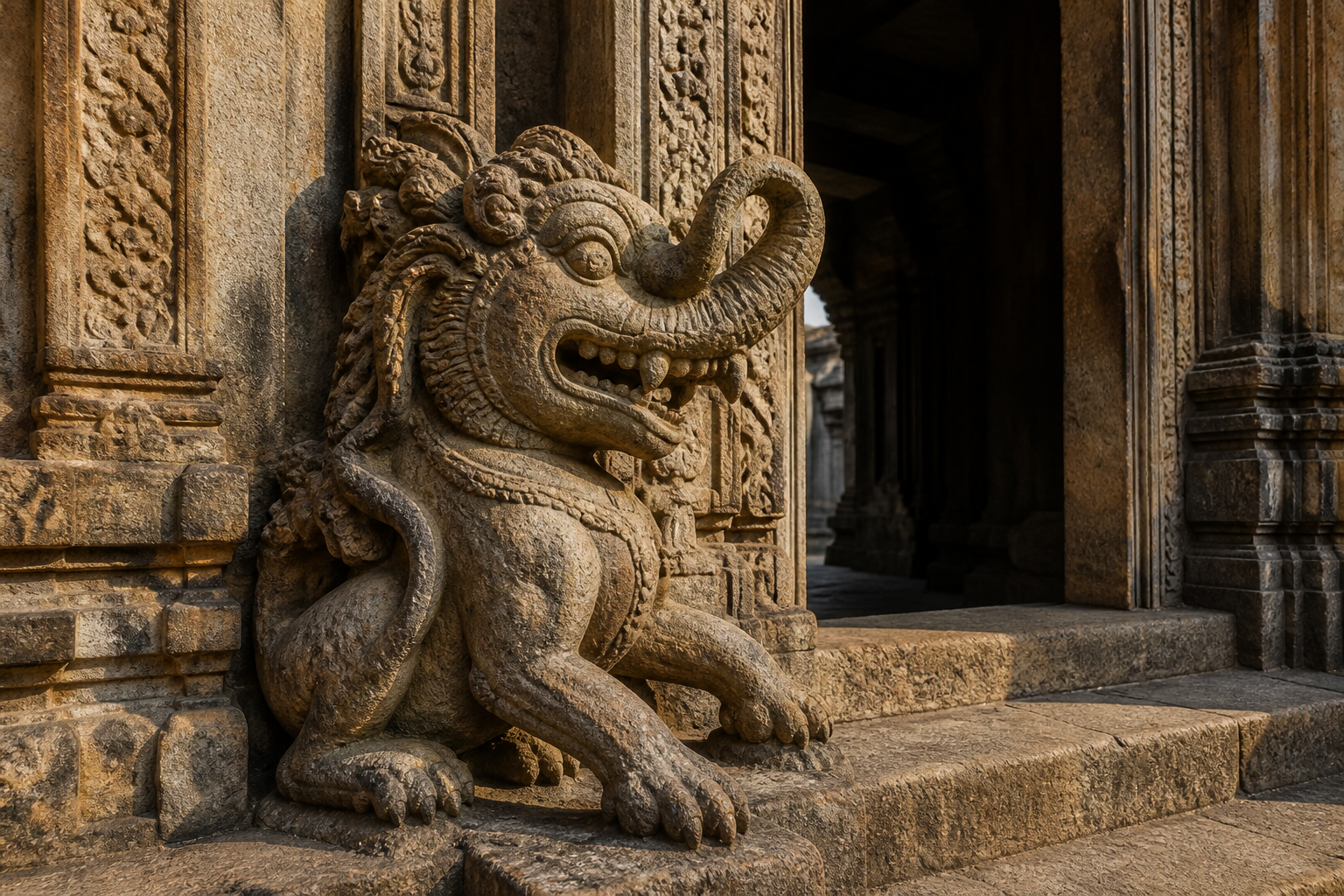
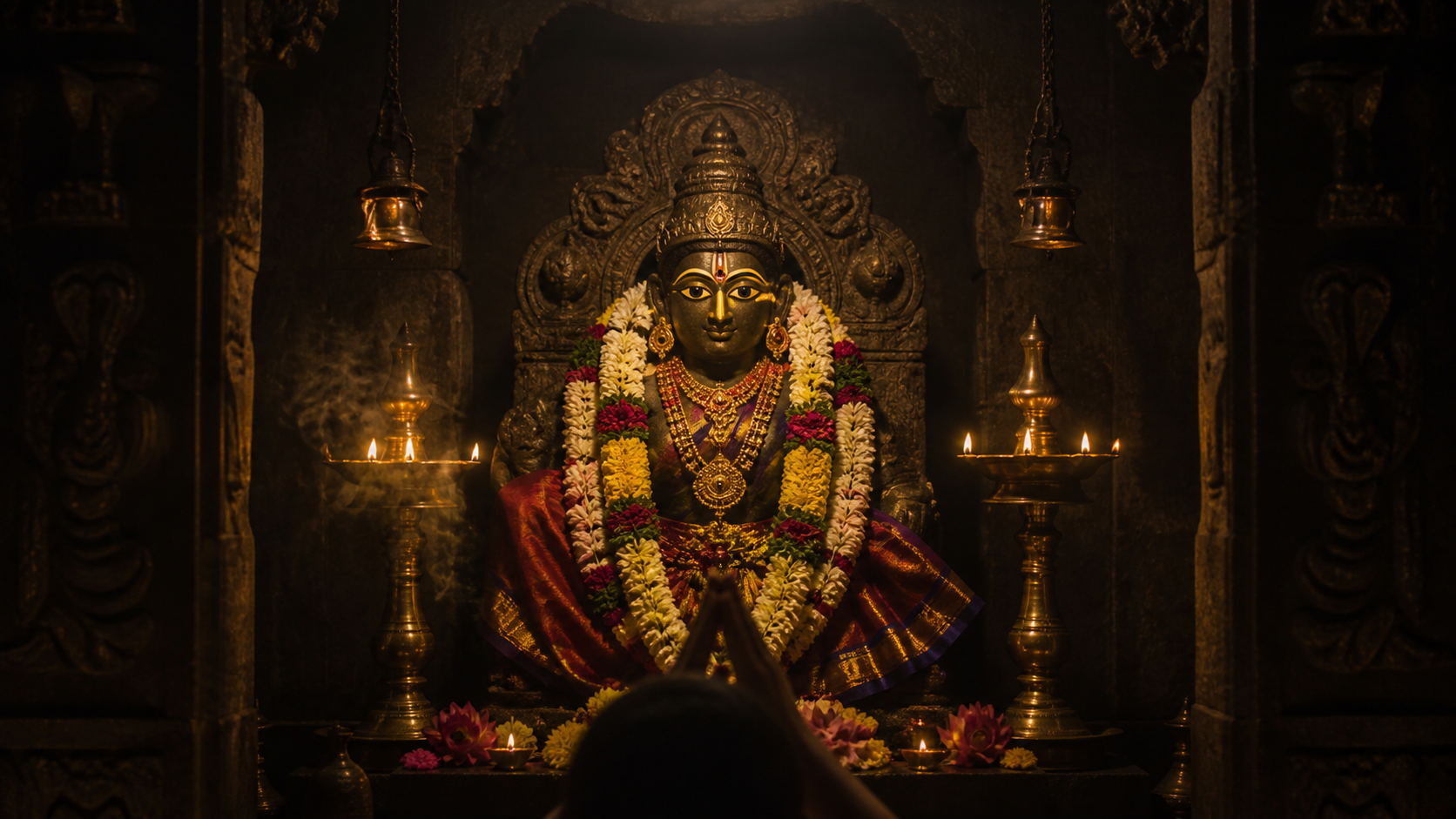
Temple bronzes often appear golden, yet their radiance rarely comes from gold. Instead, copper-rich alloys—bronze or brass—are cast using the lost-wax method, finished to high smoothness, and then refined by centuries of ritual. Abhishekam cycles, lamp soot, incense resins, sandalwood paste, and gentle wiping together thin oxides, add hydrophobic films, and produce a warm, stable…
-
Inside ISKCON Korea’s Grand Welcome for Maharaj Ji: Kirtan Energy, Bhakti-Yoga, and Dharmic Unity

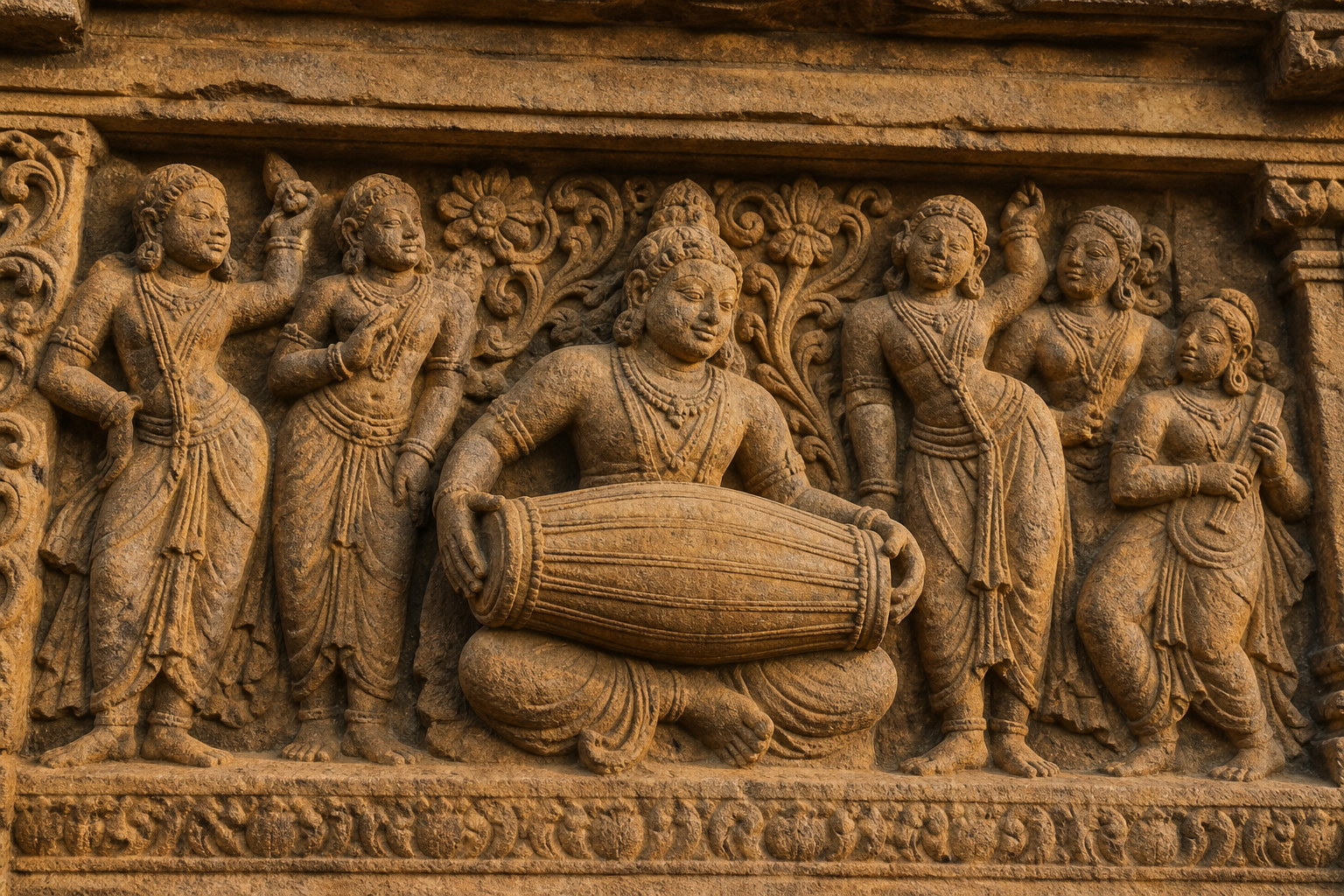
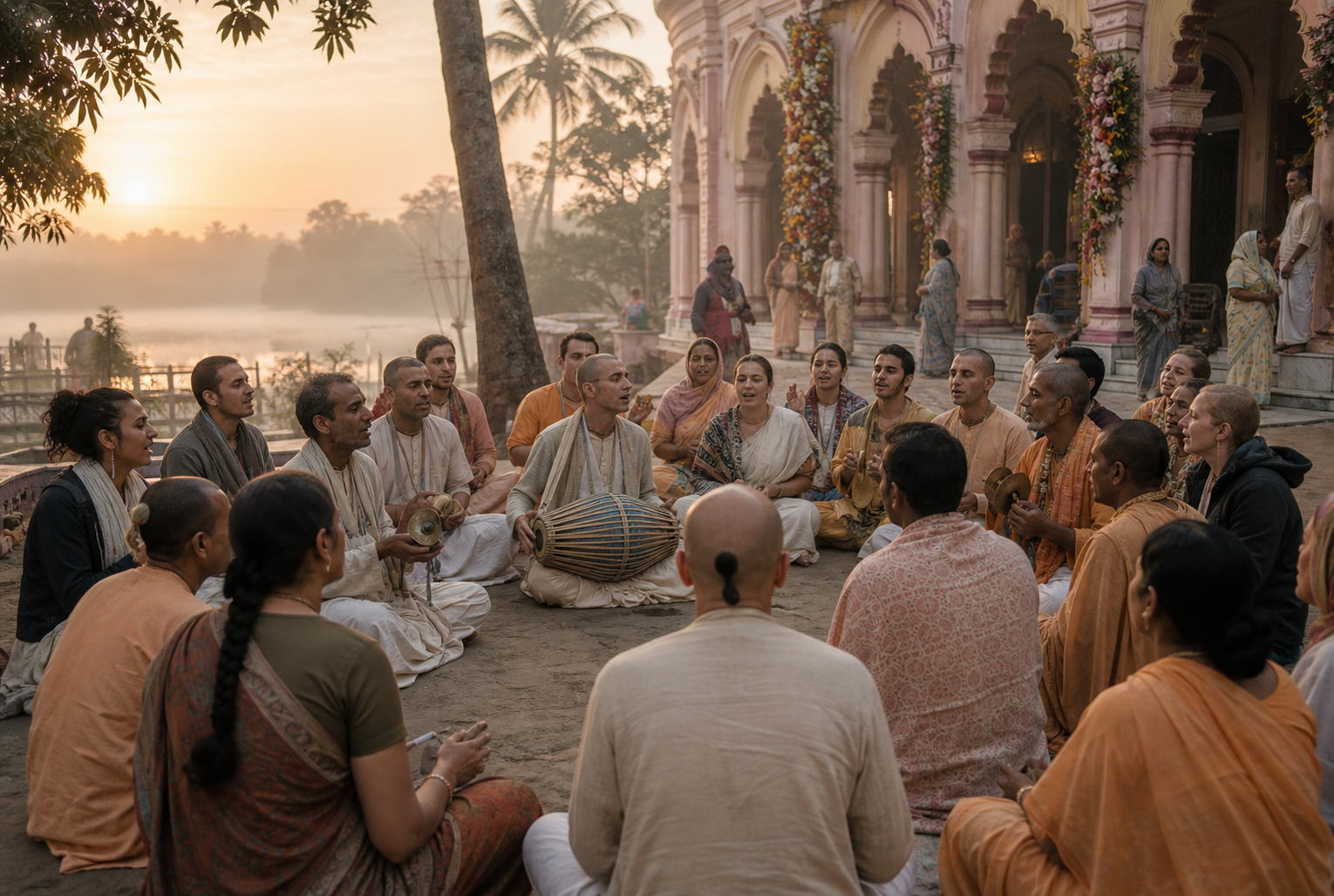
ISKCON Temple Korea’s grand welcome for Maharaj Ji showcased how congregational kirtan, ritual hospitality, and prasadam distribution translate Gaudiya Vaishnava theology into lived experience. The ceremony’s structured sequence—garlanding, arati, and a brief discourse—provided clear entry points for newcomers while reinforcing disciplined sadhana for regular practitioners. Kirtan’s technical elements (call-and-response singing, mridanga, kartals, and harmonium) created…
-
Thirukannapuram Sowriraja Perumal: A Divya Desam of Compassion, Legend & Living Faith

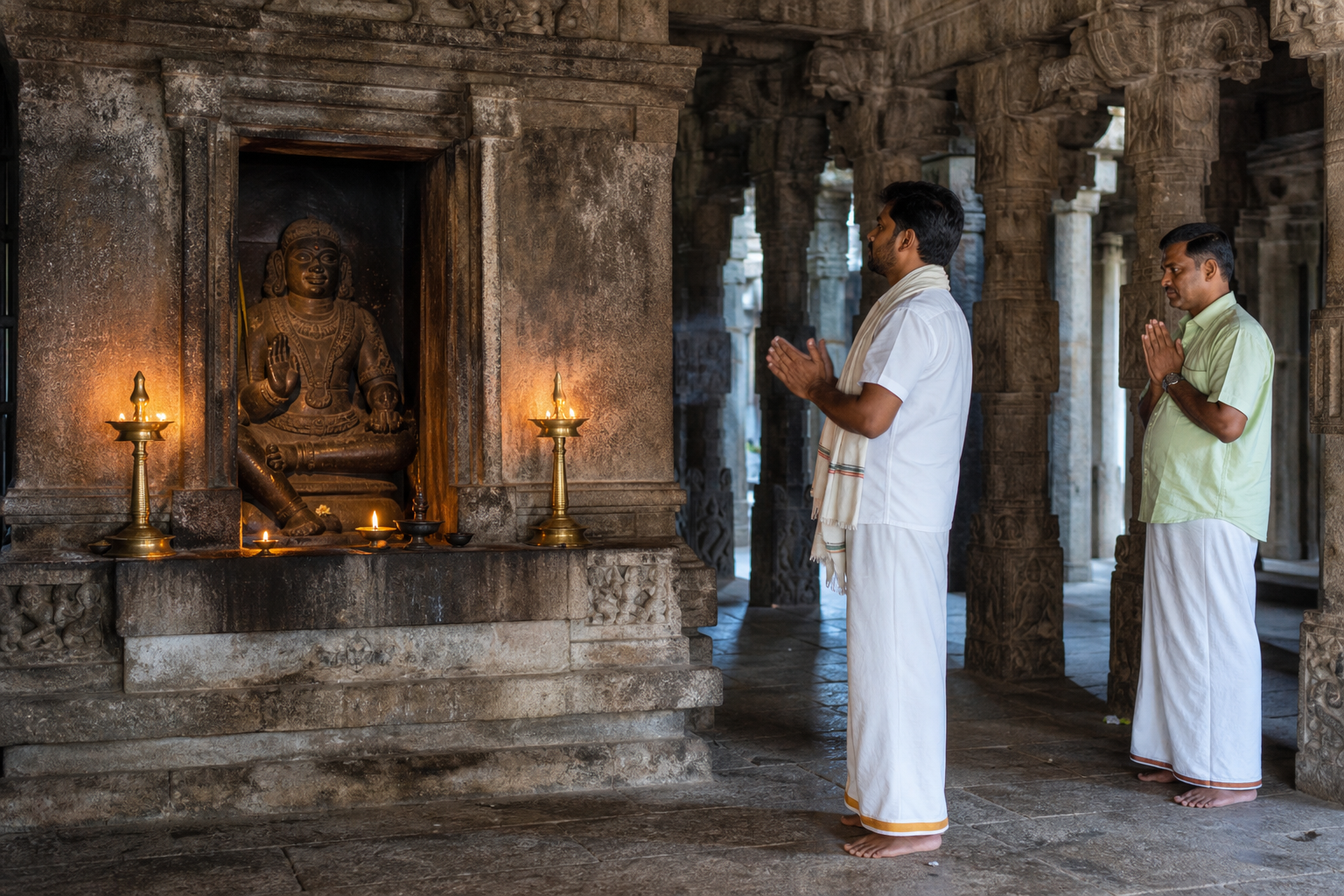
Thirukannapuram, a revered 108 Divya Desam in Tamil Nadu, venerates Lord Vishnu as Sowriraja Perumal (Neelamegha Perumal), celebrated for a unique legend in which the Lord manifested flowing locks to uphold a devotee’s word. Interpreted through the arca-avatara doctrine, this act signifies divine compassion and ethical protection, themes that resonate with shared dharmic values—Buddhist karuna,…
-
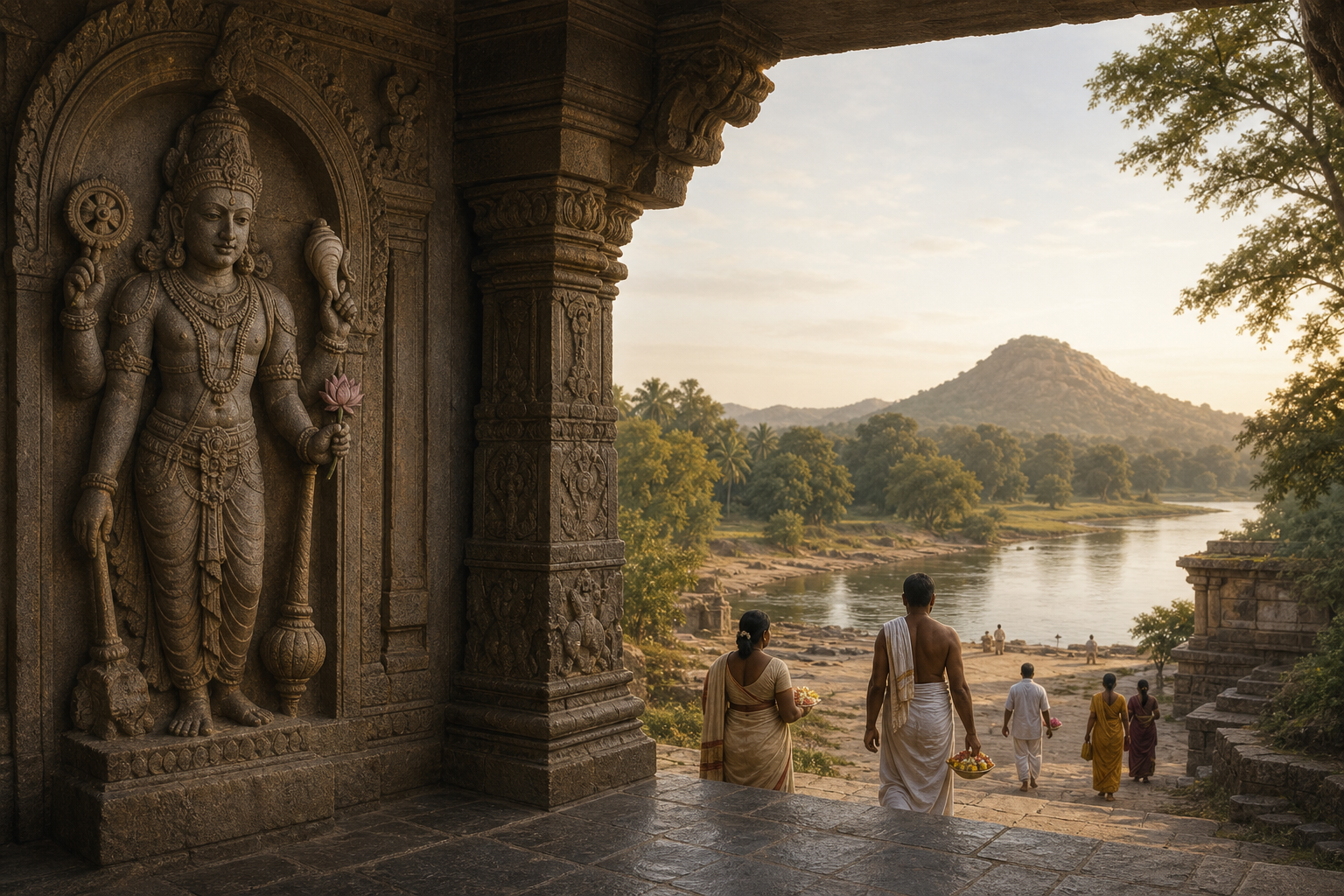
Bahubandha Unveiled: How the Sacred Tied Armlet Embodies Power in Hindu Temple Sculpture

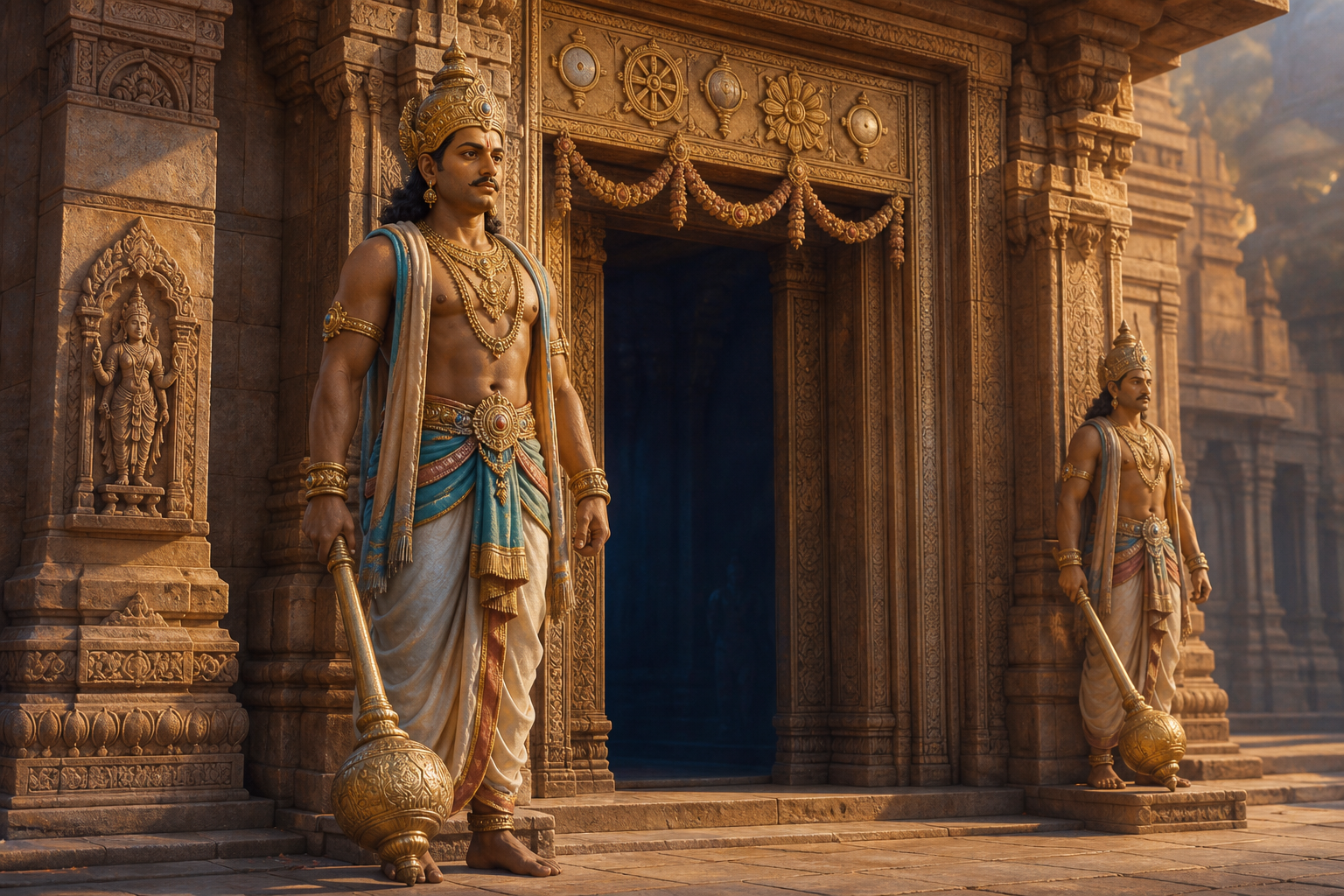
This comprehensive exploration of the bahubandha—the sacred tied armlet—clarifies how it differs from rigid armlets like the bahuvalaya and keyura in Hindu temple sculpture. Readers gain a clear typology of forms, construction details, and visual cues for identifying tied armlets in stone and bronze across Gupta, Chola, Hoysala, Odisha, and Central Indian traditions. The piece…
-
End ‘Paid Darshan’ Now: Mandir Mahasangh Demands Equal Access and Depoliticised Temple Governance

The Mandir Mahasangh’s call to ban “paid darshan” and end political appointments in temple trusts places equality, transparency, and accountability at the heart of Hindu temple governance. The analysis explains why monetised priority queues undermine darshan’s egalitarian spirit and sit uneasily with constitutional principles under Articles 14, 25, and 26. It outlines lawful, practical alternatives—time-slot…
-
Trimbakeshwar ‘Quick Darshan’ Scam: Trustee, NCP Leader Arrested as Calls for Temple Reforms Grow

An alleged “quick darshan” black-marketing racket at Trimbakeshwar temple in Nashik has led to the arrest of a trustee associated with the NCP and several others, highlighting persistent vulnerabilities in pilgrimage management. The case underscores the need for cashless, auditable e-darshan systems, clearly defined and monitored priority access, and separation-of-duties to prevent collusion. It recommends…
-
Nagarkot’s Sacred Red Silk Rope: Uniting Brajeshwari Devi and Vaidyanath—Ritual, Symbol, Science

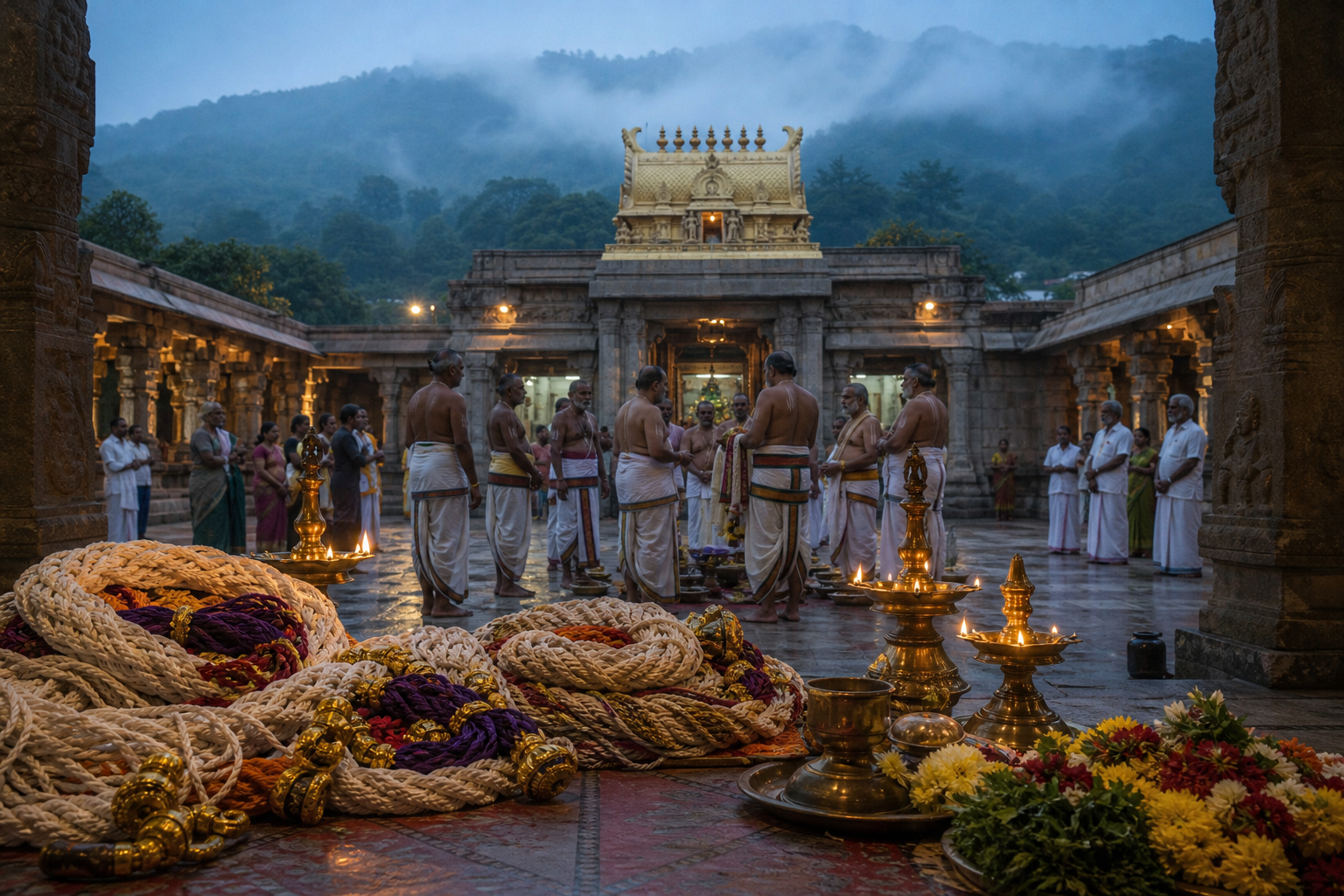
In Kangra’s Nagarkot, a vivid red silken rope links the shikharas of Brajeshwari Devi Shakti Peetha and Vaidyanath, translating Shakti–Shiva philosophy into a powerful public symbol. The cord functions as a civic raksha-sutra and an expanded mauli, integrating ritual, urban space, and sacred architecture. Its red silk communicates auspicious energy while engineering considerations ensure safe,…
-
Solid vs Hollow Hindu Bronzes: Lost‑Wax Mastery, Sacred Meaning, and Smart Selection
Hindu bronze icons emerge from a living dharmic craft shared with Buddhist and Jain traditions, where solid and hollow lost‑wax methods serve different ritual, aesthetic, and conservation needs. This in‑depth guide explains how ghana‑bimba (solid) and suṣira‑bimba (hollow) are made, why temples often prefer hollow casting for processional use, and why small domestic images are…
-
Bhadrachalam Sthala Puranam: Sacred Legends, Living Devotion at Sita Ramachandra Swamy

Set on the banks of the Godavari, the Bhadrachalam Sita Ramachandra Swamy Temple embodies a living synthesis of Valmiki’s Ramayana, sacred geography, and historical tradition. Its Sthala Puranam links Ayodhya’s epic events to the forests of Dandakaranya, where Sri Rama, Seetha, and Lakshmana are venerated in the unique Vaikuntha Rama iconography. The kshetra’s renaissance under…
-
Jagannath Arrives in Sahibabad: A Majestic ISKCON Temple and Beacon of Dharmic Unity

On 16 March 2026, ISKCON Sahibabad inaugurated the murtis of Lord Jagannath, Baladeva, and Subhadra amid Vedic rituals and kirtans, creating a new spiritual anchor for Delhi–NCR. The consecration followed Gaudiya Vaishnava liturgy rooted in Hari-bhakti-vilasa and Pancharatra practices, culminating in abhishekam and darshan. As one of the twenty ISKCON temples within the Delhi region,…
-
Viralimalai Murugan Temple & Arunagirinathar: Hunter-Lord Legend, Art, Rituals, and Peacocks

Viralimalai’s Shanmuganathar Temple presents a rare seated-on-peacock icon of Lord Murugan, uniting legend, music, and sacred ecology in a single hilltop experience. The site’s historical layers and South Indian hill-temple architecture encode a living Kaumāra tradition guided by Śaiva āgamas and Śilpa-Śāstra canons. Local memory of “When the Lord became the Hunter” situates Viralimalai within…
-
Awe-Inspiring Miracles of Venkateshwara Swamy: Testimonies, Temple Science, and Grace

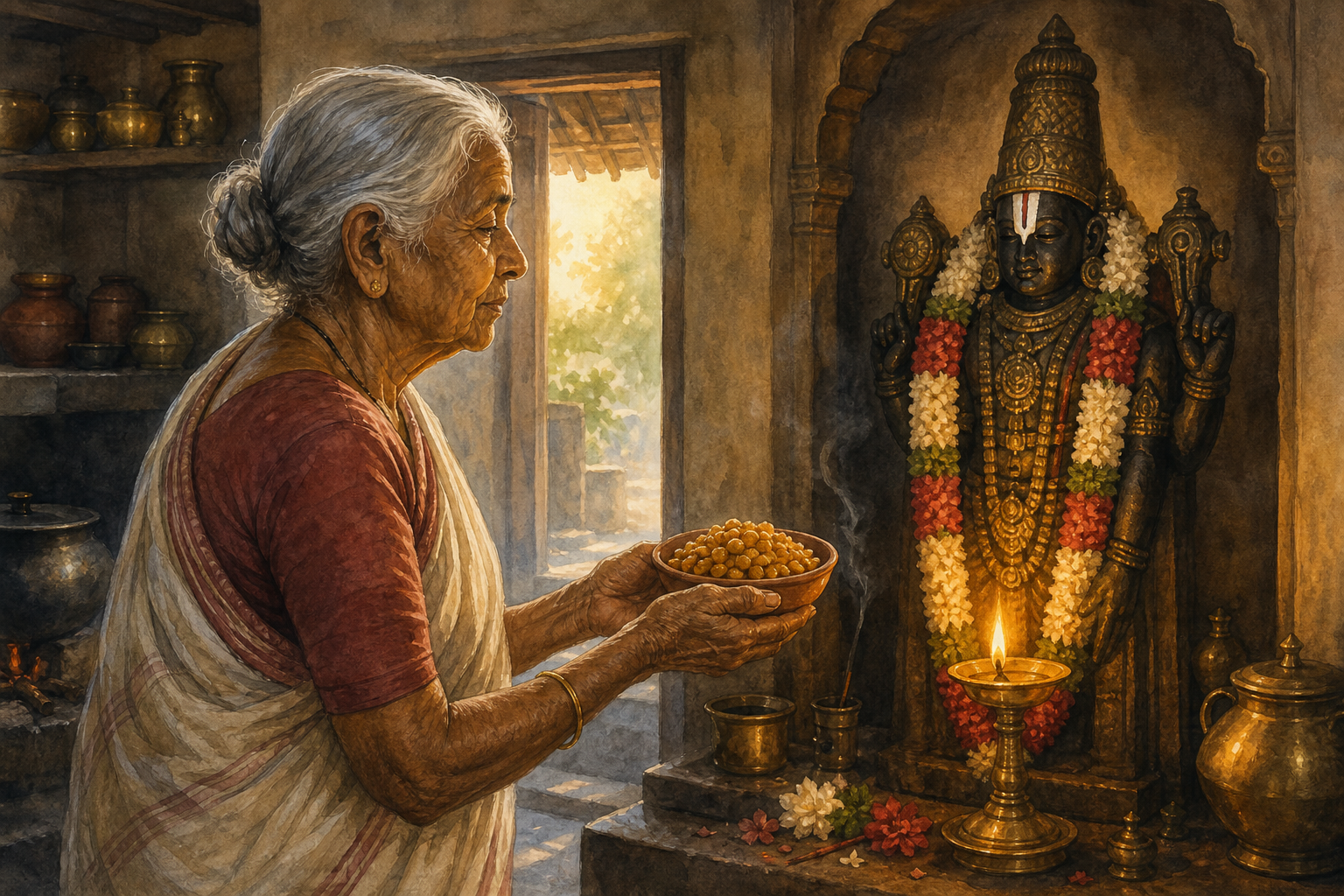
This in-depth exploration examines the miracles attributed to Venkateshwara Swamy through scriptural sources, inscriptional history, and contemporary testimonies. It clarifies how dharmic traditions frame miracles as anugraha (grace) that aligns karmic causes with compassionate help. Readers will discover how temple ritual—Suprabhātam, arjitha sevas, Annadanam, and festival cycles like Brahmotsavam and Vaikuntha Ekadasi—functions as a lived…
-
Scaling Britain’s Three Peaks: Leicester devotees unite to restore ISKCON Leicester’s heritage

A Leicester-based team of 22 participants, including the Temple’s Head Pujari, is set to undertake the National Three Peaks Challenge on 24th April, 2026, to support the renovation of ISKCON Leicester. The event links a demanding 24-hour triad of Ben Nevis, Scafell Pike, and Snowdon/Yr Wyddfa with community-led heritage conservation. It emphasizes rigorous planning, safety…
-
Ayodhya’s Sacred Flame Debate: Honouring Akhand Jyoti while Meeting Modern Safety Norms

A social media dispute about an alleged plastic lamp at the Shri Ram Janmabhoomi Mandir sparked a wider discussion about the Akhand Jyoti, ritual integrity, and heritage stewardship. This analysis distinguishes the sacred, ghee-fed flame from decorative or safety lighting, clarifying why Agni as Devata cannot be reduced to mere illumination. It draws on safety…
-
Naimisharanya Lalita Devi Shakti Peeth: Timeless Power, Textual Echoes, Living Devotion

Naimisharanya’s Lalita Devi Temple in Uttar Pradesh is revered in living practice as a Siddha Shakti Peeth, drawing thousands of devotees daily. A verse in the Devi Bhagavata—“Vārāṇasyāṁ Viśālākṣī Naimiśe Liṅga Dhāriṇī, Prayāge Lalitā Devī Kāmakā Gandha Mādanē…” —situates Naimisharanya within a sacred map that includes Kashi and Prayag. The temple’s theology harmonizes Shaiva and…
-
Vaishno Devi video controversy: why ritual protocols matter and how temples must respond

A viral video allegedly showing a Shri Mata Vaishno Devi Shrine Board official wearing footwear during a ritual has sparked public concern and debate. This analysis explains why footwear protocols are central to Hindu rituals, rooted in pavitrata, sthala-shuddhi, and maryada, and shared across Sikh, Buddhist, and Jain traditions. It outlines the Shrine Board’s legal…
-
Gorakhpur’s Budhiya Mai Temple: 600 Years of Sacred Forest Devotion, Memory, and Living Heritage

Set amid the Kusmhi forest near Gorakhpur, the Budhiya Mai Temple is locally regarded as a Purvanchal heritage site with around six centuries of remembered devotion. This analysis situates the shrine within sacred ecology, showing how forest setting, ritual practice, and communal memory reinforce one another. Readers gain a careful account of the origin legend—an…
-
Rameshwaram’s Sacred Paradox: Ananda Ramayana on Rama Consecrating Shiva’s Jyotirlinga

Rameshwaram—Rāmeśvara, “Shiva, the Lord of Rama”—embodies the Ramayana’s sacred paradox: the vanquisher of adharma kneels in devotion. Drawing on the Ananda Ramayana and the Skanda Purana’s Setu-mahātmya, this long-form analysis traces how Rama’s consecration of the Ramanathaswamy liṅga shaped South Indian pilgrimage, temple architecture, and living ritual. It explains the paired sancta of Rāmalīṅga and…