-
Narasimha Iconography Decoded: Forms, Symbols, and Sacred Meanings in Hindu Temple Art

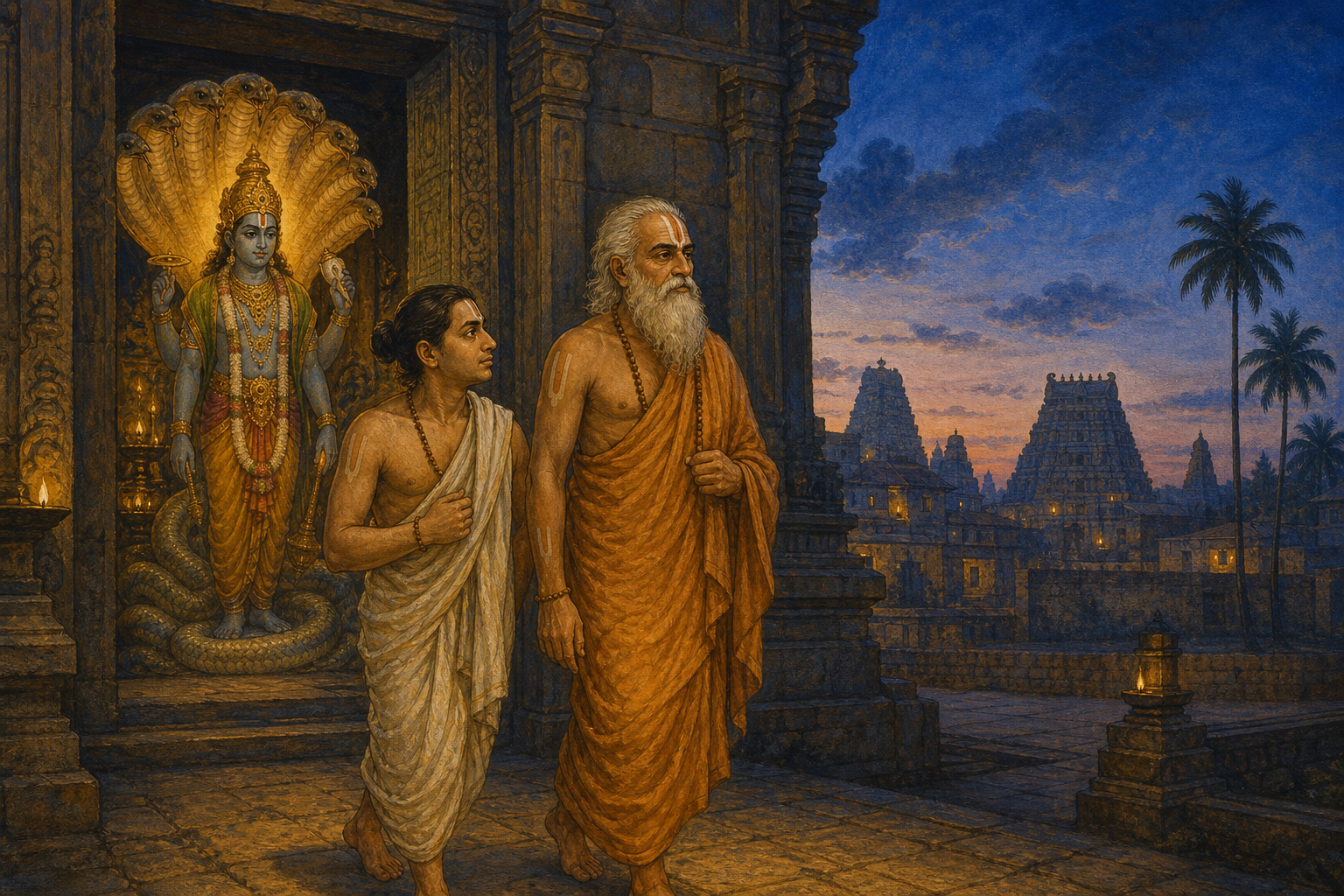
This long-form guide decodes the iconography of Narasimha—Hinduism’s half-lion, half-man avatar of Vishnu—across textual sources, temple sculpture, and living ritual. It details the major forms (Ugra/Kevala, Lakshmi-Narasimha, Yoga-Narasimha, Jvala/Krodha), their attributes and mudras, and how Shilpa Shastras and Agamas govern measurements and aesthetics. Readers learn to recognize narrative panels (pillar-theophany, twilight justice) and to interpret…
-
Bahuka Armlets in Hindu Iconography: Decoding a Powerful Symbol of Divine Martial Strength

Bahuka is the cylindrical upper arm cuff seen in Hindu temple sculpture, distinct from the circular bahuvalaya and the tied bahubandha. Its compact mass and unbroken profile convey divine strength, martial virtue, and disciplined grace across Shaiva, Shakta, and Vaishnava imagery. Recognizing bahuka in the field refines visual literacy, helping viewers read gestures, moods, and…
-
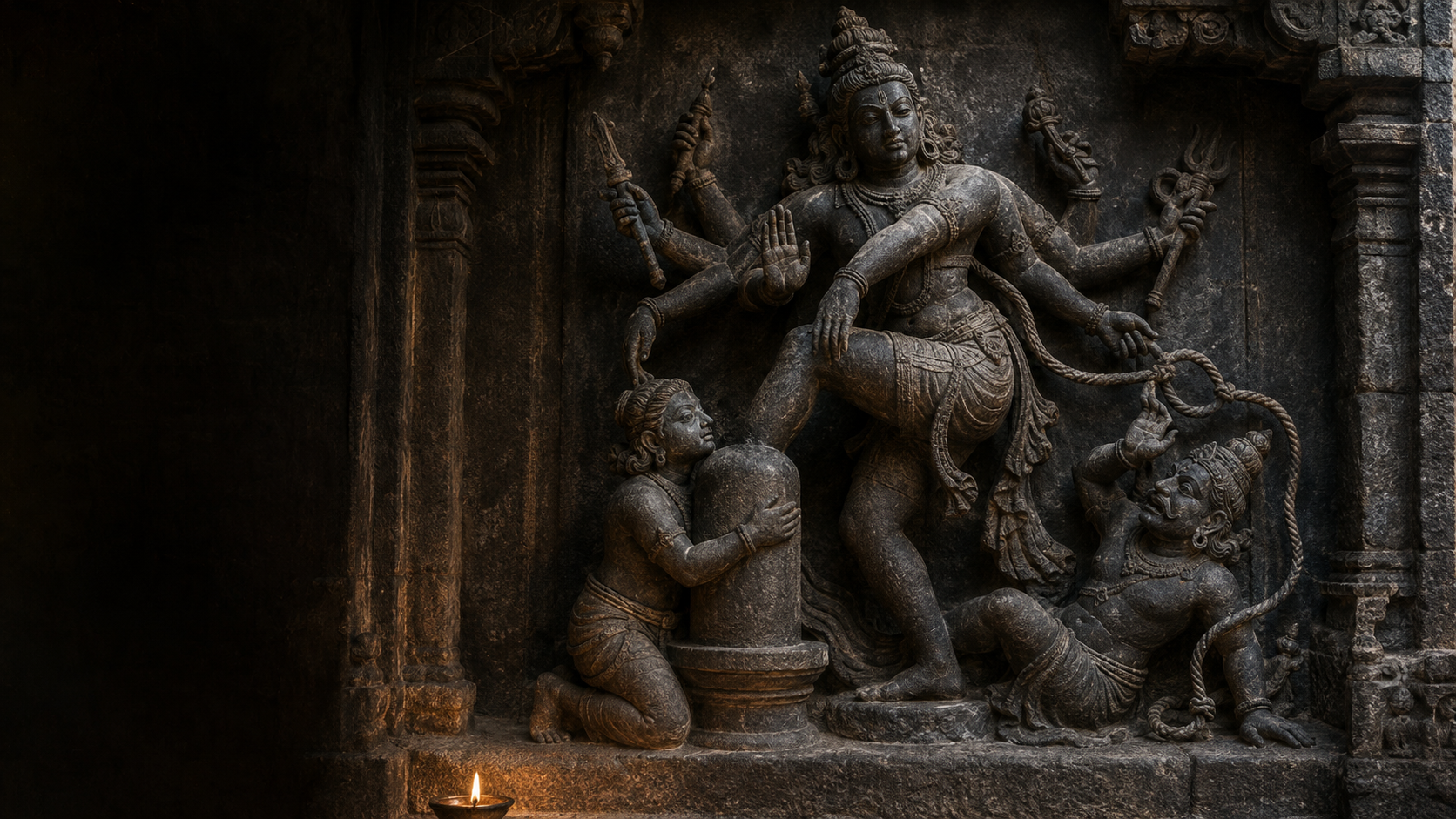
Purva Linga and Achala Shivlings: Uncreated Symbols of Shiva’s Eternal Presence

This article explains why the Purva Linga is counted among the Achala Shivlings in Shaivism and how it epitomizes an uncreated, immovable presence of Shiva. It clarifies the philology of “pūrva” and the aniconic meaning of the Shivalinga, linking these ideas to Lingodbhava and Maha Shivaratri. Readers learn how temple architecture, Abhishekam, and daily puja…
-
Lakuti Dakshinamurti Unveiled: Tantric Iconography, Sacred Symbols, and Living Wisdom

This in-depth exploration unveils Lakuti (Lagudi) Dakshinamurti as the south-facing Adi Guru whose staff encodes sovereignty, discipline, and the subtle spinal axis of awareness. Readers gain a clear, textually grounded understanding of how this staff-bearing variant fits within the broader Dakshinamurti quartet set out in Agamas and Shilpa Shastra. The article decodes each attribute—chinmudra, akshamala,…
-
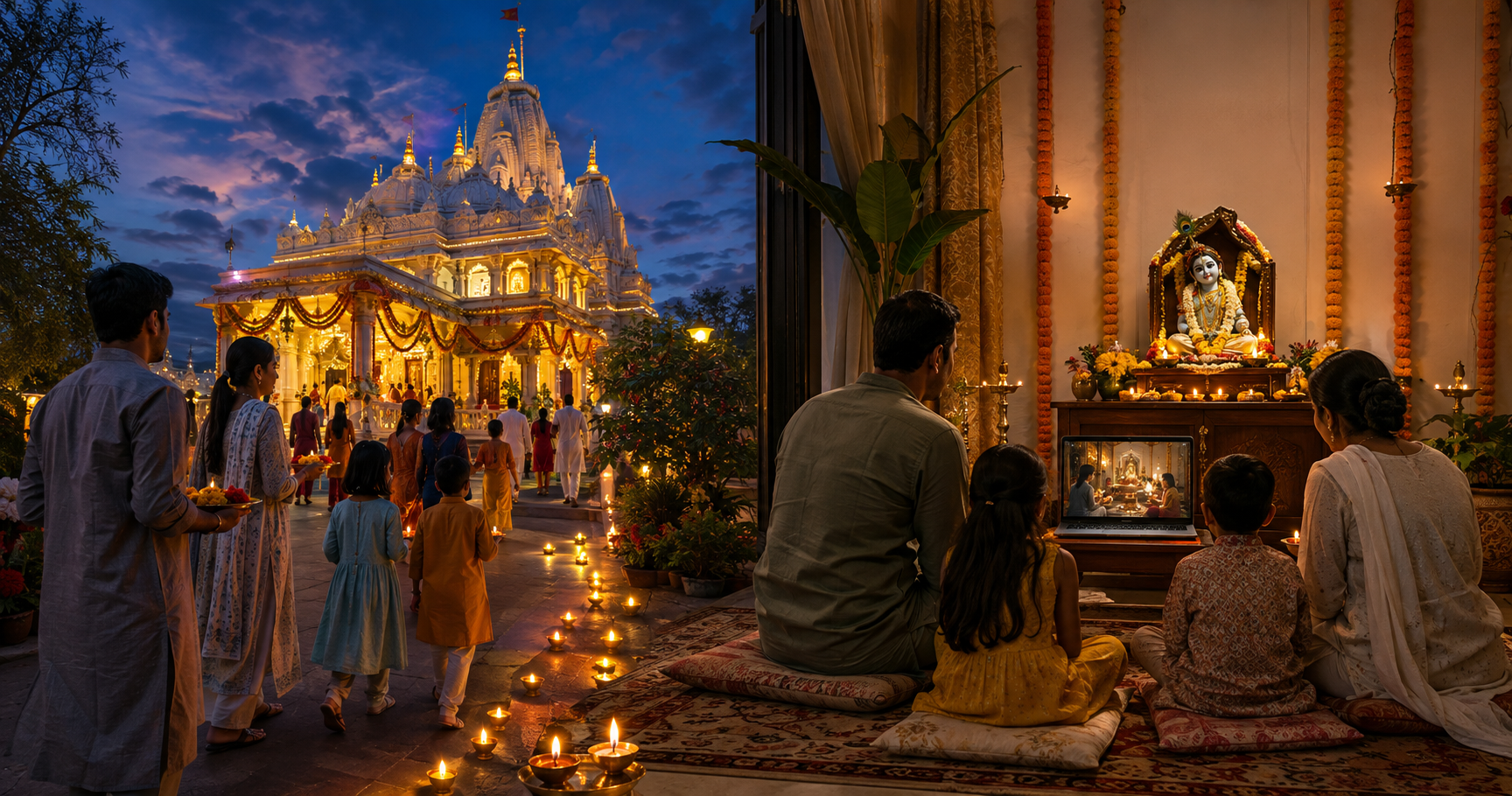
Inside TOVP’s Countdown: Prabhupada 50 Grand Opening Vision and the Nrsimha Caturdasi Finale

The Temple of the Vedic Planetarium in Mayapur marked a contemplative 12-day observance that concluded on Nrsimha Caturdasi, aligning the community’s attention with the Prabhupada 50 opening vision on November 1, 2027. The plan includes a three-month sequence of ceremonies to relocate the Mayapur Deities into their new palace home while maintaining unbroken worship. The…
-
Why Atharva Veda Appears Monkey-Faced: Unveiling Sacred Simian Symbolism in Temples

Hindu temple art often personifies the four Vedas as living presences, and in some regional traditions Atharva Veda appears with a monkey-like face. This simian marker is not caricature but a sophisticated code for healing, protection, breath-centered efficacy, and agile, disciplined intelligence—qualities deeply associated with Atharvan rites. The discussion situates the motif within flexible Śilpaśāstra…
-
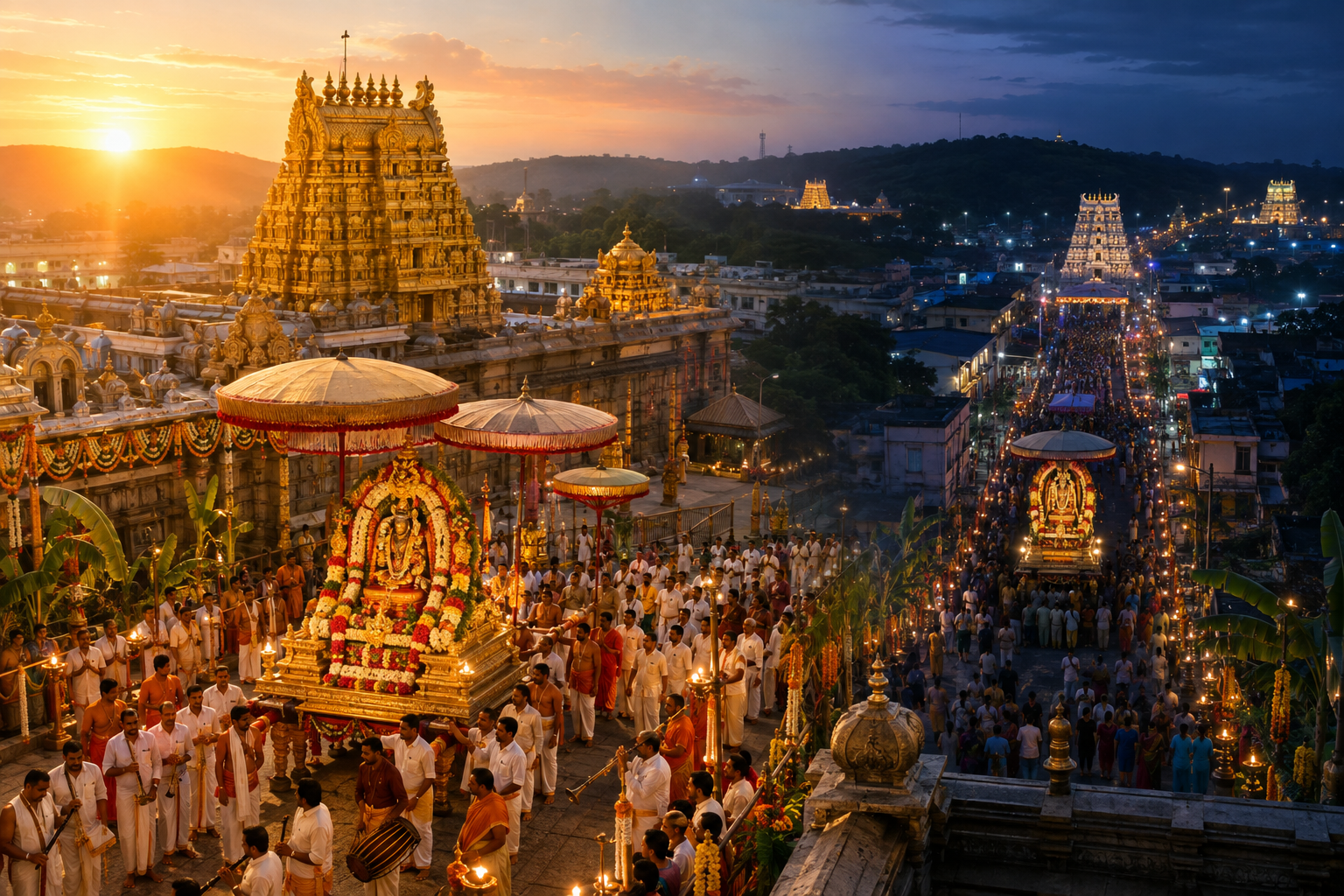
May 2026 Sacred Festivals at Tirupati Sri Kodandarama Swamy Temple: Timings, Rituals, Processions

Sri Kodandarama Swamy Temple in Tirupati will observe two Poornima festivals in May 2026—on May 1 and May 31—with the Ashtottara Shatakalasabhishekam at 9:30 AM and an evening procession at 5:30 PM. The 108-kalasha abhishekam honors Sri Kodandarama Swamy with Sita and Lakshmana, echoing classical symbolism tied to the number 108. The Mada-street procession extends…
-
Panchamrita Abhisheka: Sacred Science, Symbolism, and Temple Tradition of the Five Nectars

Panchamrita Abhisheka—the bathing of deities with milk, curd, ghee, honey, and sugar/jaggery—unites sacred symbolism, Ayurveda, and practical icon care. Sri Sri Ravishankar’s observation that these five are “like nectar” echoes Agamic and Puranic guidance and explains why they endure in temple ritual. Each substance contributes uniquely: milk cools and nourishes, curd clarifies, ghee protects, honey…
-
Jyotiba of Maharashtra’s Sacred Hills: Radiant Warrior-Protector, Fusion of Shiva and Surya

Jyotiba, the radiant warrior-protector of Maharashtra’s sacred hills, is revered across the Deccan as a powerful fusion of Shiva’s transformative force and Surya’s life-giving radiance. Set on Wadi-Ratnagiri near Kolhapur, the temple anchors a sacred geography that interlinks with the famed Mahalakshmi shrine, illustrating how local ecology and pan-Indic theology cohere. The Chaitra Purnima yatra,…
-
Tirupati Kodandarama Swamy Temple May 2026: Auspicious Purnima Abhishekam, Timings & Processions

Sri Kodandarama Swamy Temple in Tirupati will observe two major festival days in May 2026, featuring Ashtottara Shatakalasabhishekam at 9:30 AM on May 1 and on May 31 (Poornima), and evening processions at 5:30 PM along the four Mada streets. The 108-kalasha abhishekam highlights Vaishnava liturgical precision and communal well-being, while the public procession extends…
-
Panchamrita Abhisheka Explained: The Sacred Science of Milk, Curd, Honey, Jaggery, and Ghee

Panchamrita Abhisheka—using milk, curd, ghee, honey, and jaggery/sugar—stands on a foundation of scriptural sanction, symbolic depth, and practical wisdom. Puranas and Agamas prescribe these edible, sattvika substances because they nourish, purify, and sweeten both the murti and the devotee’s inner state. Ayurveda further clarifies their properties: milk soothes, curd transforms, ghee illumines, honey harmonizes, and…
-
Majestic Kala Sastha of Ayyappa: Elephant-Mounted Guardian of Dharma and Living Tradition

Kala Sastha—also known as Gajaruda Sastha or Maha Sastha—reveals Ayyappa’s regal, protective dimension as the Elephant-Mounted Guardian of Dharma. The icon harmonizes Shaiva–Vaishnava theology (Hariharaputra) with the elephant’s symbolism of strength, memory, and auspicious sovereignty. Drawing on Agamic templates and Kerala Tantra (Tantrasamuchaya), temples install and celebrate this form through daily puja and festival processions,…
-
Khandoba’s Idol Decoded: Valor, Protection, and Sacred Kingship in Maharashtra’s Jejuri

Khandoba—revered as Martanda Bhairava, Malhari, and Mallari—unites Shiva’s protective grace, martial valor, and divine kingship in a compelling idol form central to Maharashtra’s sacred geography. The anthropomorphic equestrian murti and the aniconic linga together encode a complete theology of guardianship, justice, and prosperity. Weapons such as the khanda and spear symbolize Kshatra Dharma and Dharma-Yuddha,…
-
Unveiling Yajur Veda’s Goat-Faced Icon: Sacred Symbolism in Hindu Temple Art

Hindu temple art often personifies the Vedas as living, intentional presences called veda-purushas, and the Yajur Veda is sometimes shown with a goat-faced form. This article explains why: it links ritual practice (yajna), philology (aja as both “goat” and “unborn”), and the Adhvaryu’s tools to a coherent iconographic language. It also clarifies common confusions with…
-
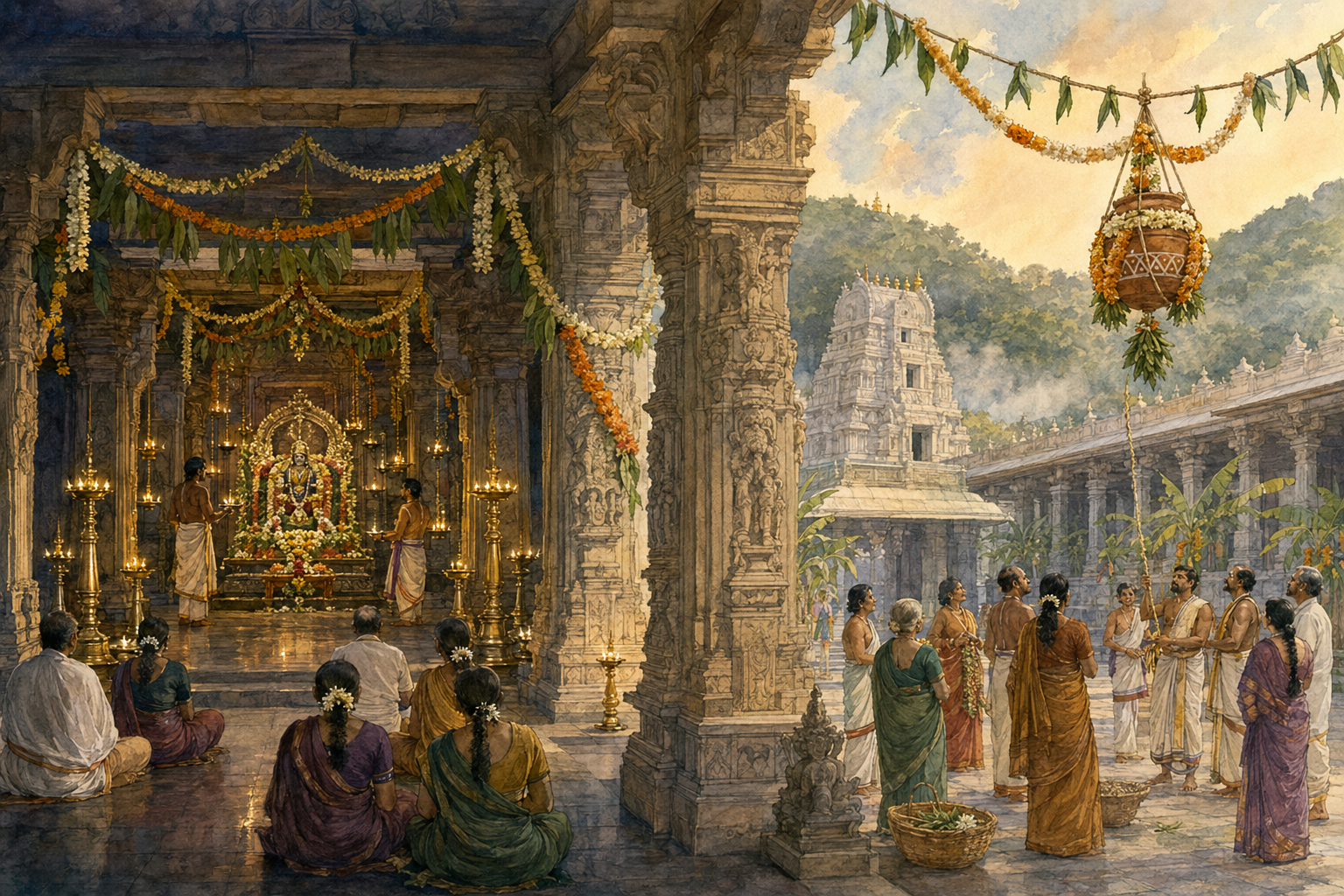
Keelapatla Konetiraya Swamy Brahmotsavam 2026: Devotional Guide to Dates, Rituals & Travel

Keelapatla Konetiraya Swamy Temple will celebrate Brahmotsavam from April 24 to May 3, 2026, with Koil Alwar Tirumanjanam on April 21 preparing the precincts. This guide explains the festival’s Agamic structure—from ankurarpanam and dwajarohanam to vahana sevas, rathotsavam, and chakrasnanam—while noting that the day-wise schedule is announced locally. Readers learn how the event unites theology,…
-
Tarigonda Vengamamba Jayanthi 2026: Grand 296th Jayanti across Tirumala–Tarigonda

Tarigonda Vengamamba Jayanthi 2026 marks the 296th birth anniversary of the revered Telugu poet-saint with two days of celebrations across Tirupati–Tirumala and Tarigonda. The principal rites at Tarigonda feature Snapana Tirumanjanam at 7:00 am on 30 April at Sri Lakshmi Narasimha Swamy Temple, followed by Pushpanjali at Vengamamba’s statue. The observance highlights her enduring legacy…
-
Decoding the Donkey-Faced Rig Veda: Esoteric Agamic Iconography, Sound, and Sacred Memory

This article decodes a rare Agamic iconographic motif that personifies the Rig Veda as a donkey-faced sage, showing how Hindu sculptures render living śruti in pedagogical form. It explains why the donkey-face signifies raw sound, ascetic endurance, and hermeneutic humility—all central to Vedic study and temple practice. Readers learn how mūrti-lakṣaṇa principles translate doctrine into…
-
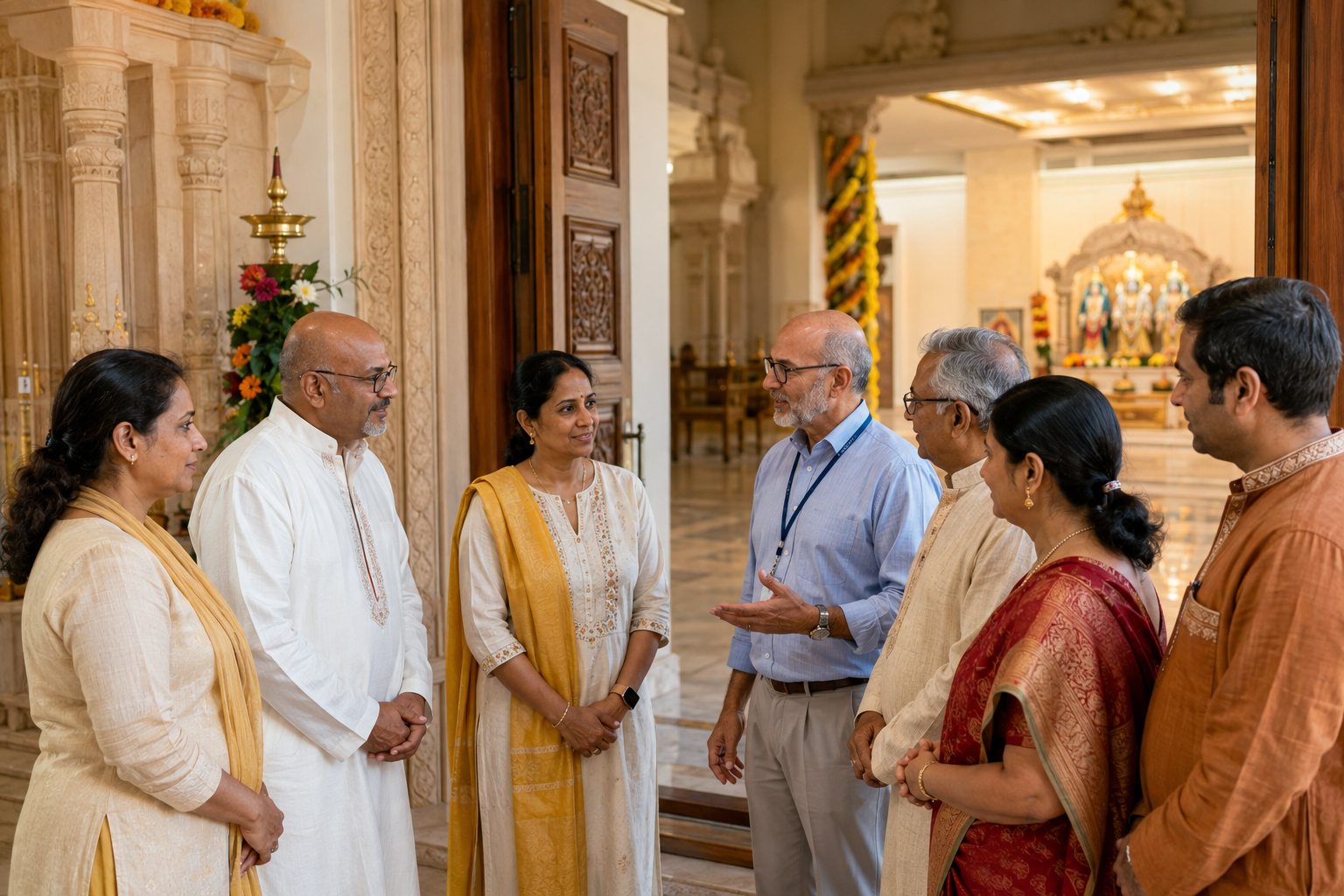
Why Temples Have Doors: Sacred Thresholds that Protect, Purify, and Deepen Darshan

Temple doors are sacred thresholds, not mere barriers. In Hindu temple architecture grounded in Vastu-shastra and Agama-shastra, doors regulate ritual cycles, pace darshan, and uphold sanctity in the garbhagriha. They serve conservation needs by stabilizing microclimates, managing acoustics, and protecting murtis, textiles, and paintings from dust, humidity, and light. Doors also secure community-held heritage such…