-
Magh Mela 2026: Jan 3–Feb 1 at Prayagraj (Allahabad) Triveni Sangam with Sacred Snan

Magh Mela 2026 will be observed from January 3 to February 1 at the Prayag Sangam in Allahabad (Prayagraj), where devotees undertake the sacred Magh Snan at the Triveni Sangam. The observance emphasizes inner austerity, communal devotion, and service, reflecting values shared across Hinduism, Buddhism, Jainism, and Sikhism. Key bathing observances typically include Poush Purnima,…
-
Invoking the Divine in Hinduism: Symbolism, Inner Awakening, and Inclusive Dharma Paths

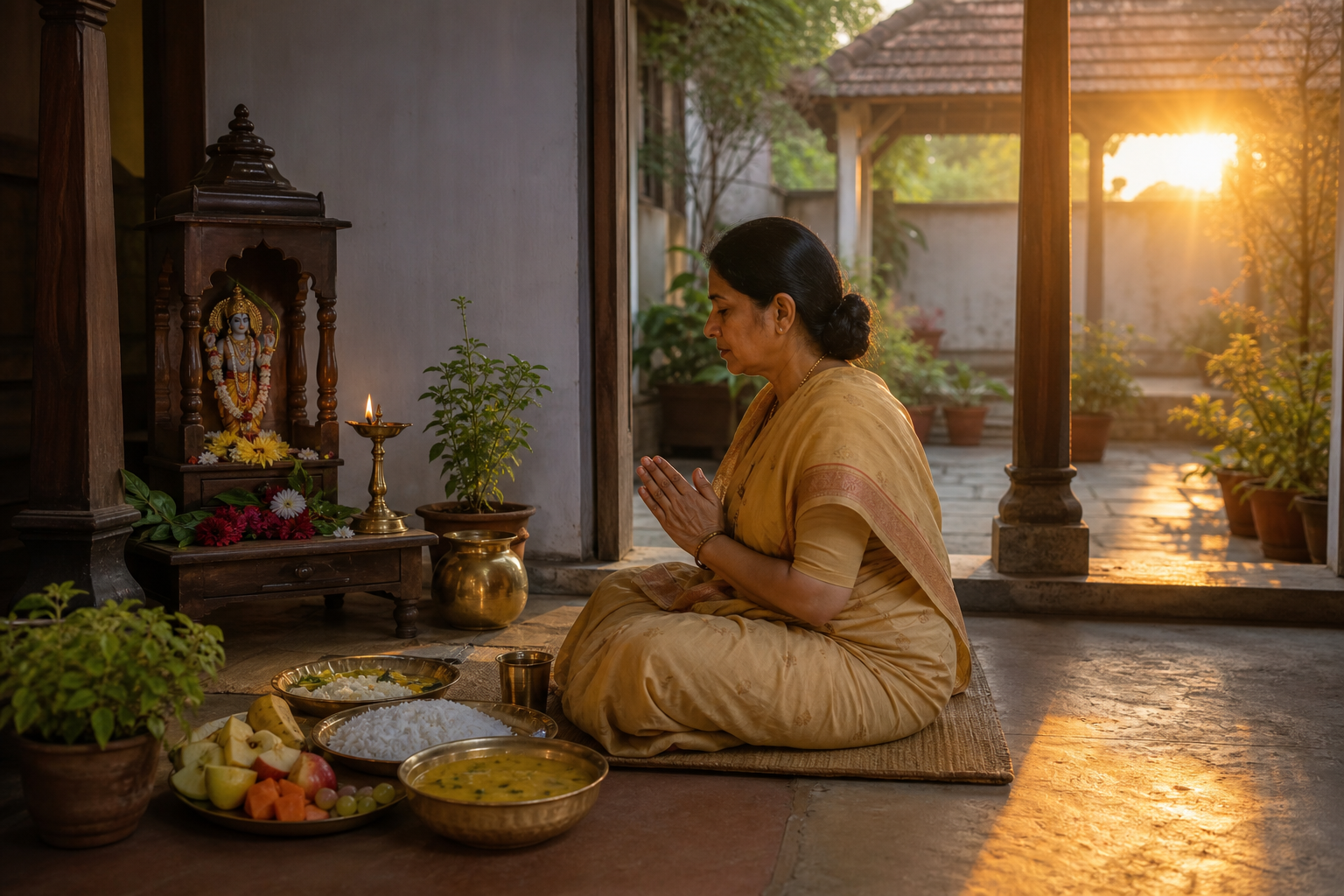
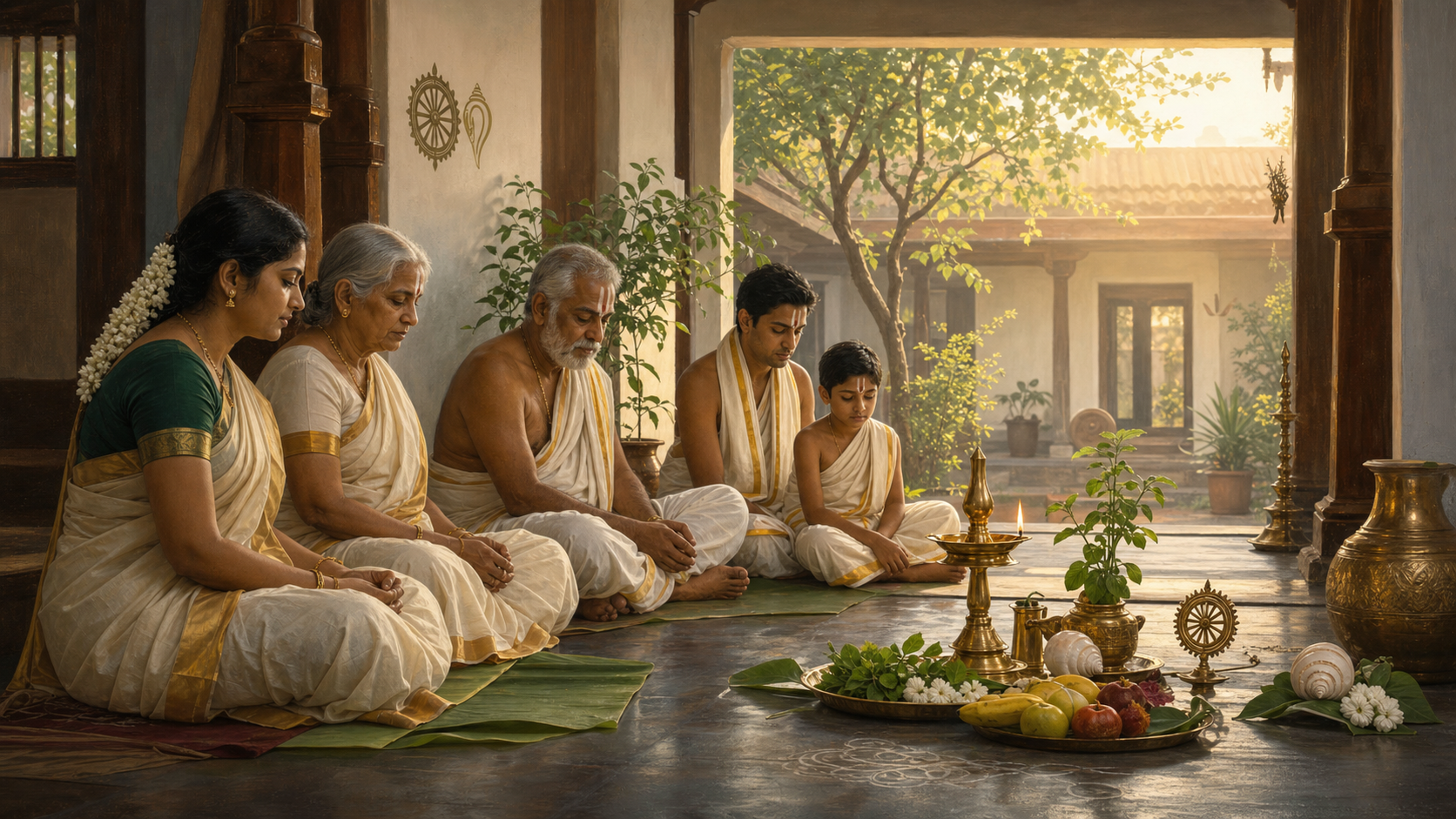
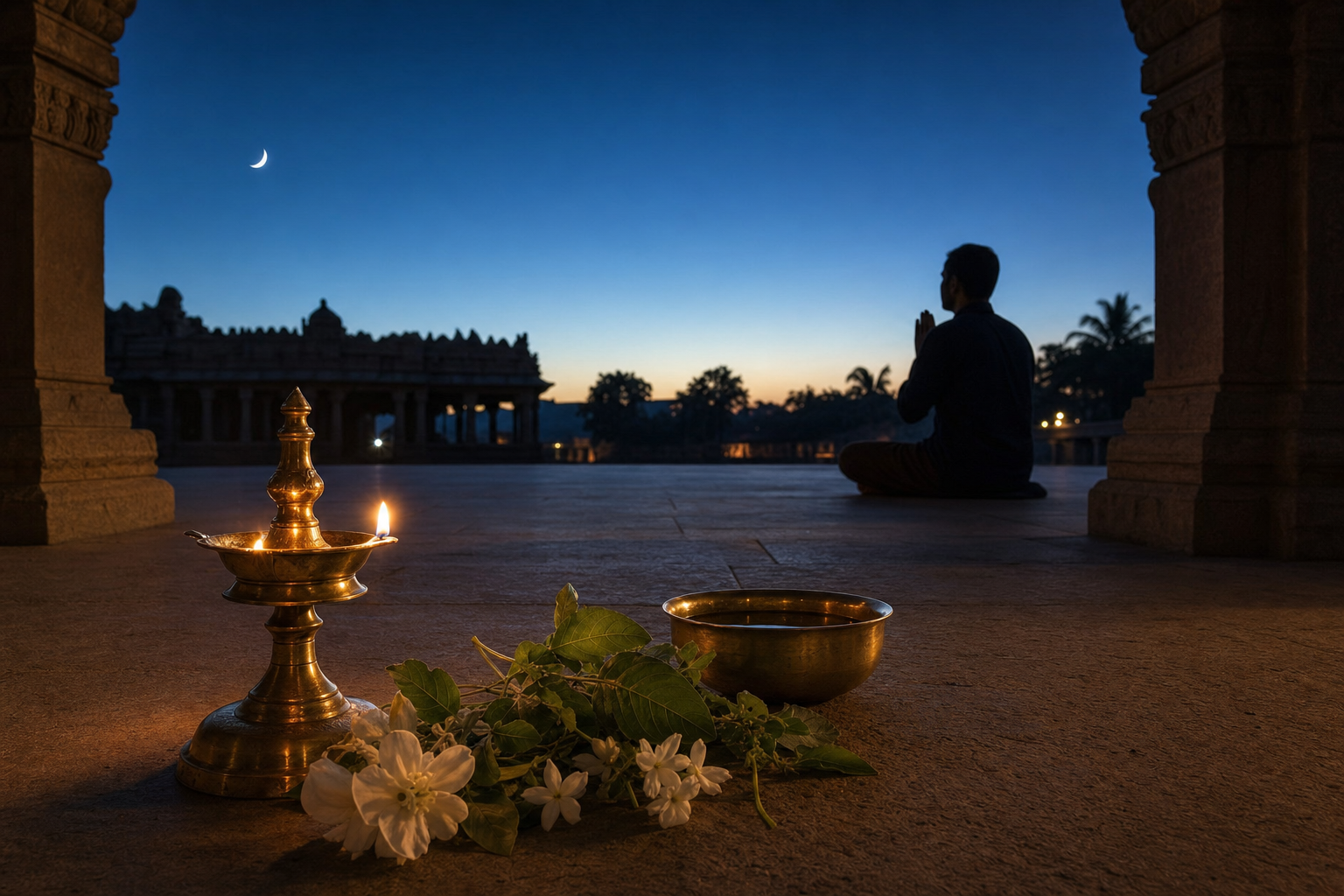
Deity invocation in Hinduism aligns devotion with inner divinity while honoring inclusive, pluralistic practice. Through puja, mantra, meditation, and seva, practitioners cultivate clarity, compassion, and ethical steadiness. Symbolic offerings like light, water, and flowers transform everyday actions into sacred gestures. The Ishta-devata principle affirms unity in spiritual diversity, enabling practitioners to choose a path that…
-
Inspiring Unity in Bhakti: Hare Krishna in Italy and the Timeless Dharmic Path

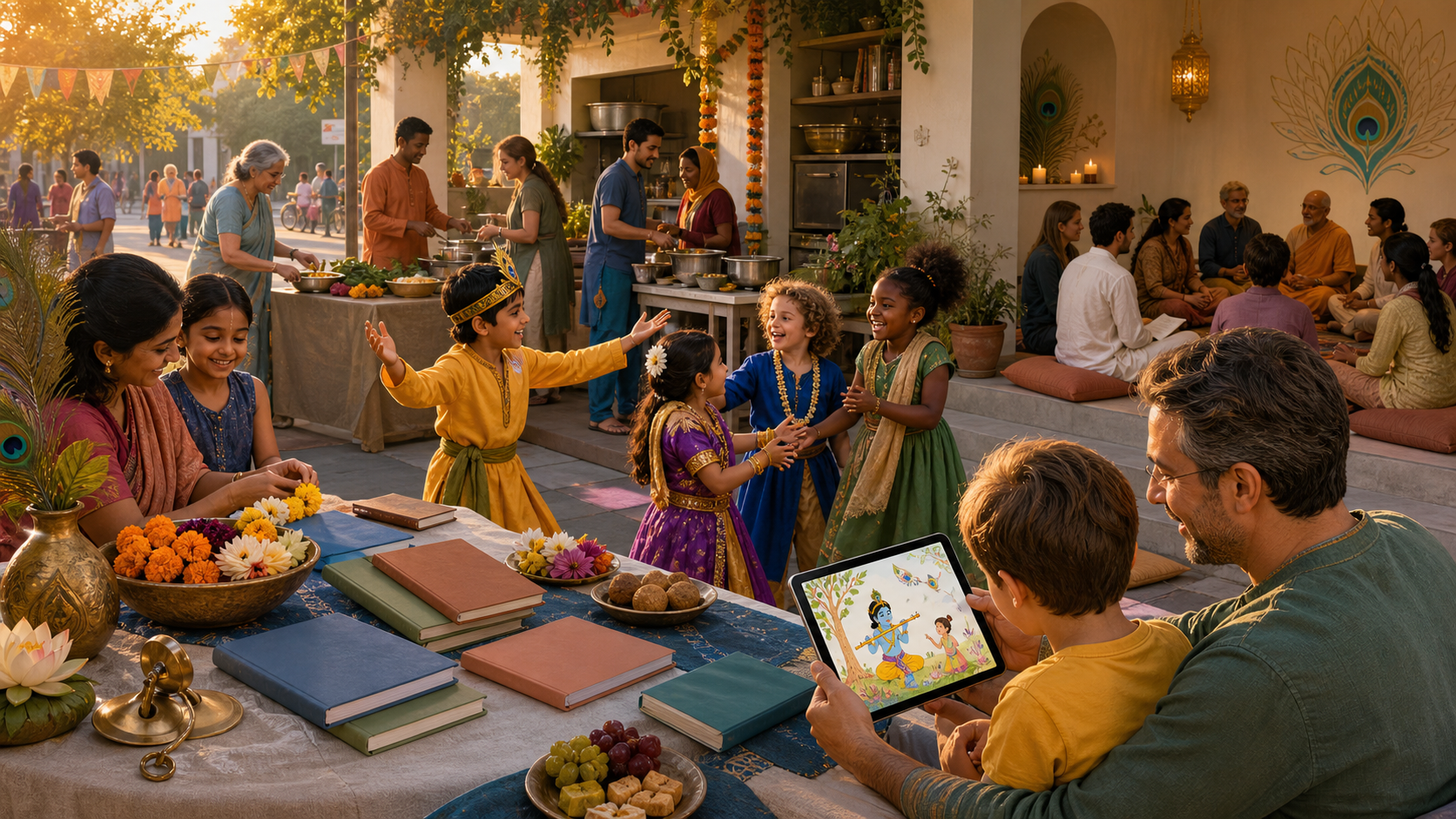
In a world where public life often overlooks the sacred, Italy’s Hare Krishna communities offer a clear, compassionate model of spiritual advancement. Drawing from Srila Prabhupada’s teachings, Vaishnava bhakti provides accessible practices—chanting, study, and service—that answer essential questions with coherence and depth. This vision aligns naturally with the wider dharmic ethos, where Buddhist mindfulness, Jain…
-
January 4, 2026 Panchang Guide: Exact Tithi Timings, Deep Meanings, and Auspicious Tips

Sunday, January 4, 2026 features Krishna Paksha Pratipada until 2:08 PM, followed by Krishna Paksha Dwitiya. The waning fortnight’s first tithi supports introspection, gentle restarts, and orderly routines, while Dwitiya favors steady, balanced progress later in the day. Nakshatra and Rashi vary by region and should be checked in a local Panchang for precision. Shubh…
-
Magnanimous Devotion: How Exemplary Bhakti Inspires and Unites Dharmic Traditions

A magnanimous devotee, praised throughout the Bhakti Tradition and Hindu scriptures, is described as purifying, inspiring, and transformative in the lives of others. Even brief association with saintly persons—sadhu-sanga—often catalyzes ethical clarity, devotion, and renewed purpose. Comparable ideals appear across Buddhism, Jainism, and Sikhism, underscoring unity in spiritual diversity. The “ornaments” of the devotee—humility, compassion,…
-
From City Rush to Country Calm: A 1965 Ananda Ashram Encounter with Raja Yoga Meditation

In September 1965, a quiet visit to Ananda Ashram near New York City offered a contemplative encounter with Raja Yoga. The program included a lecture, a brief reading, and a focal-point meditation on a circle drawn on the wall. As perception of the circle shifted—changing size, shape, and form—concentration became difficult, redirecting attention to the…
-
Unlocking Life’s Mission: Clear-Mind Meditation and Dharmic Wisdom for Enduring Purpose

How does one find a life’s mission? Sri Sri Ravishankar Guruji’s insight places clarity of mind at the center, using Hollow and Empty meditation to dissolve mental noise. The result is a lucid awareness where genuine strengths, values, and dharma-aligned purpose become visible. Practical steps—breath awareness, pranayama, mindfulness, and regular sessions—build consistency and confidence. Signs…
-
Mind, Body, and Soul in Balance: Practical Strategies to Build Inner Strength and Harmony

Asking whether mind, body, or soul is strongest creates a false contest; each holds a distinct role that becomes powerful in balance. The body anchors vitality, the mind refines attention and choice, and the soul aligns life with dharma and meaning. Practical routines—movement, breath awareness, and meditation—integrate these dimensions to cultivate emotional resilience and holistic…
-
From sraddha to nishtha: Authentic sadhu sanga that builds unshakable devotion

This article explains why spiritual practice may feel stalled and how the progression from sraddha to nishtha becomes reliable through authentic sadhu sanga. It outlines the interconnected stages—sraddha, sadhu sanga, bhajana-kriya, anartha-nivritti, and nishtha—and shows how proper guidance turns enthusiasm into consistent practice. Readers learn practical markers of genuine association and how small, precise adjustments…
-
Do Sacred River Baths Erase Sin? Symbolic Purification, Karma, and Inner Transformation

This piece clarifies a widespread question: whether bathing in sacred rivers literally erases sin. It explains that traditional promises of purification are symbolic and ethical, pointing to inner transformation rather than transactional absolution. Readers gain a dharmic framework linking ritual bathing with repentance, restitution, and sustained virtue. Practical guidance shows how vows, meditation, seva, and…
-
Kashi–Varanasi as Moksha Sthala: Uncover the Sacred City Within and the Path to Liberation

Kashi (Varanasi) is honored as a Moksha Sthala not only for its sacred geography at the confluence of Varuna and Asi, but for the inner journey it reflects. The city’s sanctity points to the Ajna chakra, the inner seat of clarity central to Yoga and contemplative practice. Pilgrimage (Tirtha-Yatra) thus becomes a dual movement—toward the…
-
Jupiter–Saturn Conjunction in Vedic Houses: Decode Brihaspati–Shani Effects and Life Phases

This analysis explains how the Jupiter–Saturn (Brihaspati–Shani) conjunction in the same house blends expansion and discipline across the Vedic astrology houses. It clarifies a key rule of interpretation: planets in House No 11 significantly influence outcomes, and if that house is vacant, Saturn tends to deliver its own unmitigated results. The conjunction’s combined effects are…
-
January 2, 2026 Panchang: Shukla Chaturdashi to Illuminating Purnima Timings, Good Time, Nakshatra, Rashi

January 2, 2026 begins with Shukla Paksha Chaturdashi and transitions to Purnima in the evening, a sequence that many practitioners use to plan worship and reflection. Chaturdashi continues until 6:12 PM, after which Purnima prevails and is reported to last until 4:03 PM, subject to regional variations. The day’s rhythm supports mindful effort earlier and…
-
Why Modern Paganism Is Surging in Britain: A Powerful Return to Nature and Choice

Modern Paganism is rising swiftly in Britain as a credible, nature-centered alternative in a plural, multi-faith society. Census data and recent research show significant growth, while public rituals such as Winter Solstice at Stonehenge signal growing visibility. Defined as an umbrella of contemporary religions inspired by pre-Christian Europe and the Near East, Paganism emphasizes ritual…
-
Madanakala’s Sacred Fire: The Transformative Power of Divine Passion in Tantrism & Shaktism

Madanakala in Hindu Tantrism and Shaktism reframes passion as a sacred, creative force rather than mere desire. Anchored in Shakti-tattva and guided by iccha-, jnana-, and kriya-shakti, it channels emotional intensity toward clarity, compassion, and purposeful action. Through Tantric practices—mantra, yantra, mudra, and pranayama—this energy is ethically refined, supporting transformative kundalini processes. The approach aligns…
-
Online Gurbani Kirtan Mastery: A Step-by-Step Learning Manual for Ragas, Taal, and Simran

This step-by-step online manual equips learners with a clear path to Gurbani Kirtan, combining sur sadhana, raag–taal foundations, and careful Gurmukhi diction with devotional focus. It outlines a four-phase pedagogy—from simran and technique to shabad learning, rhythmic integration, and digital presentation—suited to beginners and intermediates. Practical guidance covers harmonium basics, tabla or app-based theka, metronome…
-
Sashti 2026: Skanda Sashti Viratham Dates Explained, Fasting Rites, and Devotional Insights

Sashti 2026 brings two monthly observances—after Purnima and after Amavasya—rooted in the Hindu calendar’s precise tithi system. This guide explains how to identify locality-specific dates using a regional Panchang, why Skanda Sashti in Aippasi is especially significant, and how Shashti fasting (vratham) can be adapted responsibly. It outlines core practices—puja to Lord Subramanya (Murugan), hymns…
-
Adhik Maas 2026 (Purushottam Maas): Double Jyeshtha, Significance, Rituals, Dates

Adhik Maas (Adhika Masam, Mala Maas, Purushottam Maas) occurs in the Hindu lunisolar calendar during Parabhava Nama Samvatsara (2026–2027). In 2026, Jyeshta Masam arrives twice—first as Adhika Jyeshta (Pratham Jyeshta) and then as Nija Jyeshta—maintaining alignment between lunar months and the solar year. The month is dedicated to intensified sadhana, including japa, daana, vrata, and…
-
December 29, 2025 Panchang: Navami to Dashami Shift, Auspicious Timings and Panchang Insights

On Monday, December 29, 2025, the Panchang indicates a tithi shift: Shukla Paksha Navami ends at 5:33 AM, after which Shukla Paksha Dashami prevails for the day. The waxing phase favors clarity, constructive action, and steady progress. Readers can use pre-dawn and midday windows for meditation, study, and focused tasks. Because tithi timings are location-dependent,…
-
Discover Your Janm Kundli in Hindi: Accurate Online Birth Chart & Vedic Insights

This guide explains how anyone can obtain a precise Janm Kundli in Hindi online using accurate birth data and trustworthy Vedic settings. It outlines essential components—Lagna, Rashi, Nakshatra, Vimshottari Dasha, yogas, and transits—and why Hindi/Devanagari output preserves nuance. Practical tips cover verifying birth time, selecting Lahiri Ayanamsa, reviewing divisional charts like Navamsa, and safeguarding data…