
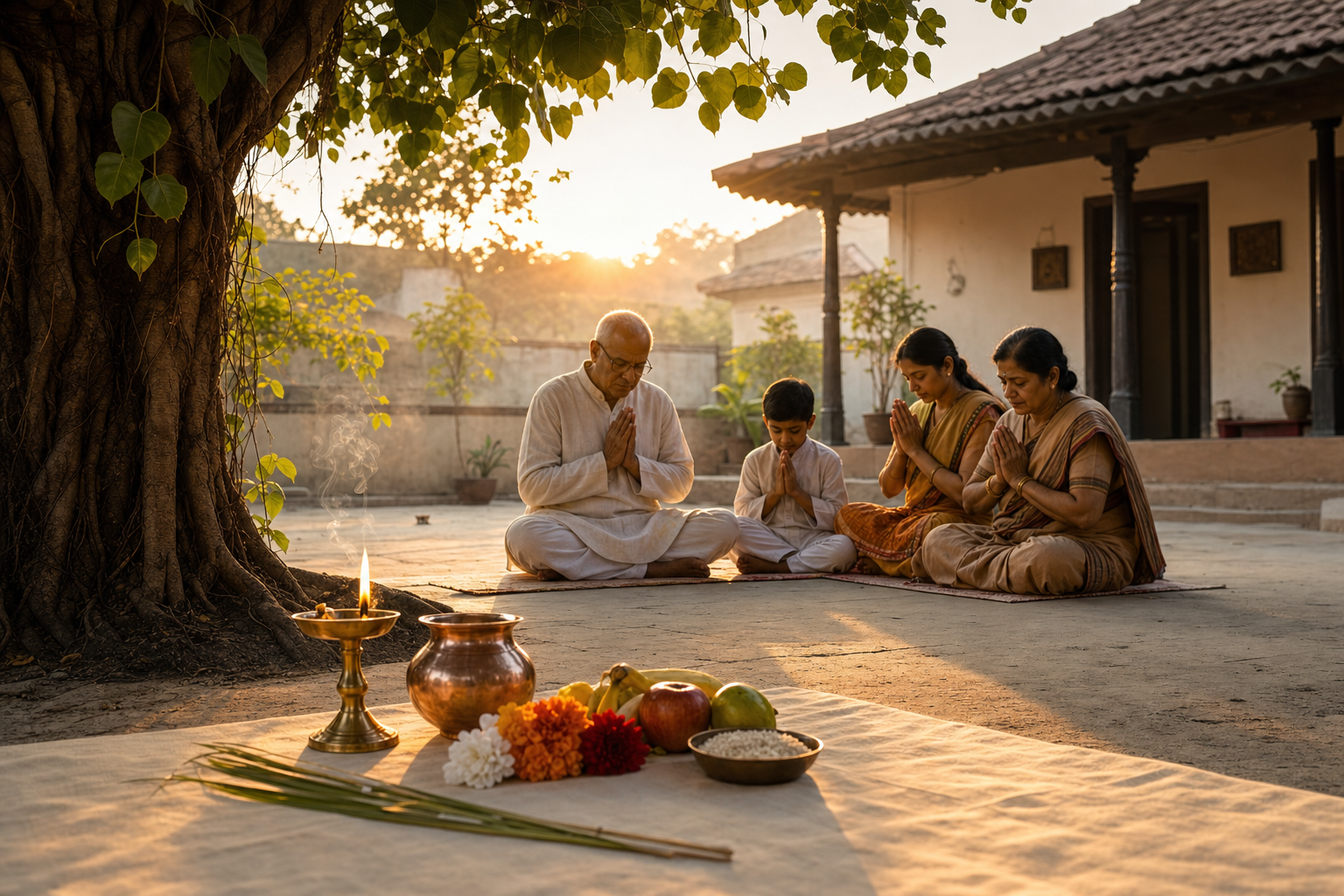
If you are planning family puja, a vrata, or pitru rites in 2026, block two Mondays now: 15 June and 9 November. The important caveat is location. Those dates are calculated for Indian Standard Time, so a date copied from an Indian calendar may not settle the observance for you abroad.
Once your local timing is confirmed, you do not need an elaborate ceremony to observe the day meaningfully. A sound plan has a clear sankalpa, worship suited to your sampradaya, respectful remembrance of ancestors, a safe form of fasting, and charity that reaches someone who can use it.
The two dates in 2026, and the sunrise rule behind them

For Indian Standard Time, Somvati Amavasya occurs on Monday, 15 June 2026, and Monday, 9 November 2026. The June observance is commonly called Jyeshtha Somvati Amavasya, while the November observance is commonly called Kartik Somvati Amavasya.
| Date in India | Common calendar name | What you still need to verify |
|---|---|---|
| Monday, 15 June 2026 | Jyeshtha Somvati Amavasya | Local sunrise, Amavasya tithi boundaries, and lineage-specific puja or tarpana timing |
| Monday, 9 November 2026 | Kartik Somvati Amavasya | Local sunrise, Amavasya tithi boundaries, and lineage-specific puja or tarpana timing |
The governing rule is more precise than simply finding an astronomical new moon on a calendar. A day is generally treated as Somvati Amavasya when Amavasya tithi prevails at local sunrise on Monday. If Amavasya begins only after Monday sunrise and remains at Tuesday sunrise, most lineages would not designate that Monday as Somvati Amavasya. An astronomy app showing the instant of the Sun-Moon conjunction therefore cannot replace a regional panchang.
This distinction matters outside India because your sunrise and tithi boundaries may fall on a different civil date. Use the Indian dates to plan, then confirm the final observance with a panchang calculated for your city. If the calendar does not display your location, ask a nearby temple which regional panchang it follows.
You may also encounter a different lunar-month label for the same observance. Amavasyant calendars end the month at Amavasya, while Purnimant calendars end it at Purnima. That naming difference does not create a second tithi. Follow the locally accepted name without losing sight of the actual Amavasya at Monday sunrise.
Key takeaways
- In India, reserve Monday, 15 June 2026, and Monday, 9 November 2026.
- Outside India, confirm the date with a city-specific panchang rather than converting Indian clock times yourself.
- The tithi present at local Monday sunrise determines the Somvati designation in most traditions.
- There is no single worldwide clock-time muhurta. Brahma Muhurta, sunrise, pratahkal, and aparahna must be read against your local sunrise and family practice.
Build the observance around sunrise, not around a shopping list
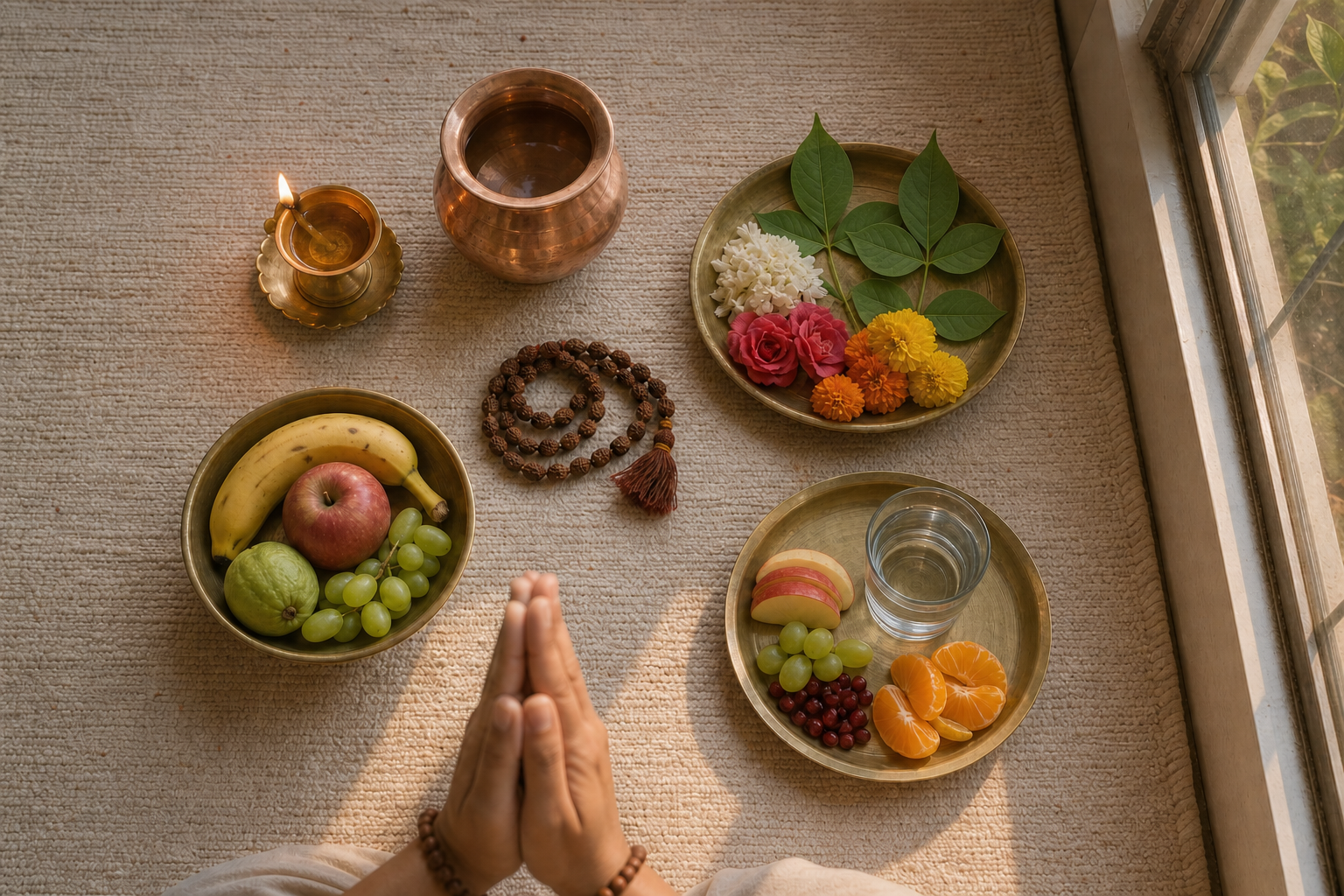
Somvati Amavasya joins two devotional currents. Amavasya is associated with inwardness, restraint, and remembrance of the pitrs; Somvar carries the symbolism of Soma or Chandra and has a strong connection with Shiva bhakti. The practical result is a day ordered around mental steadiness, gratitude, worship, and dana rather than display.
The following sequence works as a household framework. Where your family, guru, or temple prescribes a different order, that inherited practice takes precedence.
- Prepare the previous evening. Check local sunrise and tithi boundaries. Decide whether you will fast fully, take fruit, or eat simple sattvic food. Set out clean water, a lota or kalasha, a lamp, flowers, and the materials needed for your chosen puja. Add black sesame and darbha only if you will perform the form of tarpana taught in your tradition.
- Rise before sunrise if your circumstances allow. Brahma Muhurta is approximately one and a half hours before sunrise and is well suited to quiet japa or meditation. Bathe and wear clean clothes. A mindful bath at home is valid when travel to a river or tirtha is impractical.
- Make one clear sankalpa. You can state it in your own language: on this Somvati Amavasya, you will observe according to your capacity, remember your forebears with gratitude, practise self-restraint, and dedicate the merit to dharmic conduct and collective well-being. Precision of intention matters more than ornate wording you do not understand.
- Offer Surya arghya at local sunrise. After snana, offer clean water from a lota while facing the sunrise. Use the act to express gratitude for vitality, light, and the discipline required for right conduct. Do not delay this part to match an Indian clock time if your own sunrise is different.
- Perform your principal deity puja in the morning. Choose Shiva, Vishnu, or Devi according to your ishta-devata and family tradition. You may honor more than one form, but you do not need to compress several elaborate pujas into the same morning.
- Reserve ancestral rites for the locally prescribed period. Many lineages prefer aparahna or a specified kutapa kala for tarpana. These are local calendar windows, not fixed universal hours. Confirm the correct interval and the form of rite before the day begins.
- Complete dana and compassionate service. Give food, grains, til, ghee, clothing, or support to a suitable community cause. Feeding cows, birds, dogs, or people in need is also practiced in many regions. Choose a form that is useful, respectful, and within your means.
- Close with a supervised lamp and quiet japa. A small evening lamp may be offered at the home altar or, where permitted and safe, near a sacred tree. Do not leave a flame unattended. Conclude the fast after the prescribed pujas and at the point established by your sankalpa or lineage; many devotees wait until evening.
If work, caregiving, disability, or travel prevents the full sequence, preserve its spine: snana, sunrise remembrance, one focused form of japa or puja, gratitude to the ancestors, dana, and a restrained evening. Somvati Amavasya is not invalidated because your altar is small or your materials are simple.
Choose one devotional centre and practise it steadily
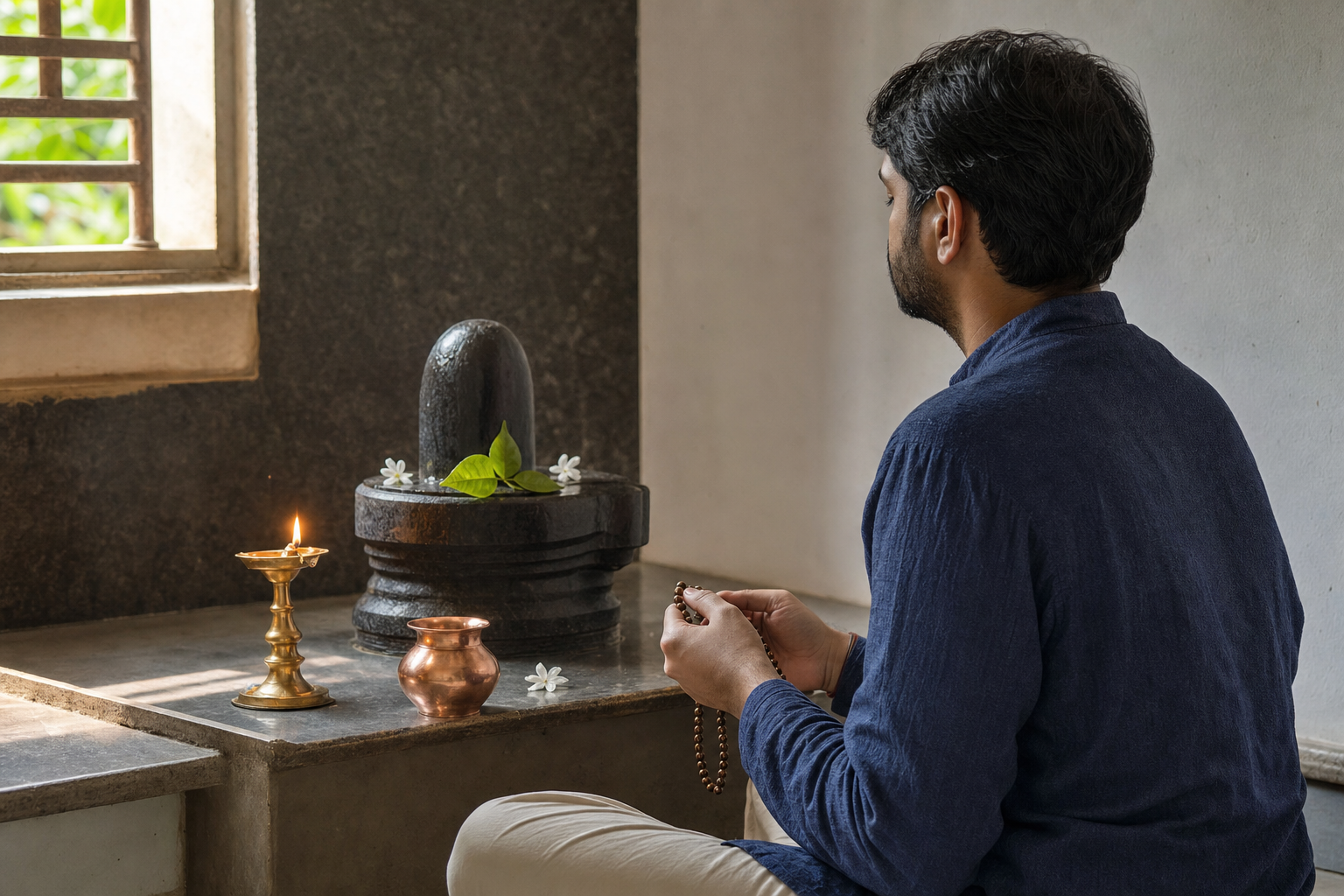
A common mistake is to treat Shiva Puja, Surya Puja, Vishnu Puja, Durga Puja, peepal parikrama, tarpana, and fasting as a compulsory checklist. These are established streams of observance, not a demand that every household perform every rite. Begin with the practice your family actually knows.
For a Shiva-centred observance
Offer abhisheka with clean water, followed by bilva patra where available and appropriate. Panchamrita may be used when it belongs to your household practice, but an abundance of substances is not the measure of devotion. Chant the Mahamrityunjaya mantra or Shiva nama with attention. Those trained in a fuller liturgical practice may include Namakam-Chamakam according to capacity.
The Monday association makes Shiva worship especially natural on Somvati Amavasya. Let the sankalpa address steadiness of mind, resilience, and truthful conduct rather than treating the puja as a transaction for a guaranteed outcome.
For a Vishnu-centred observance
Perform Tulsi seva, recite Vishnu Sahasranama if that is part of your practice, and offer simple sattvic naivedya. If a full recitation is not possible, choose a manageable period of nama-japa and protect it from interruptions. Charity can be dedicated to the welfare of the recipient without an expectation of recognition or return.
For a Devi-centred observance
Offer red or yellow flowers and recite a familiar Devi hymn such as Ya Devi Sarvabhuteshu. Frame the sankalpa around courage, clarity, protection, household harmony, and compassionate action. Shakti worship is not separated from ahimsa: the conduct of the day should remain calm, truthful, and considerate.
Whatever centre you choose, Surya arghya, ancestral gratitude, and dana can remain simple supporting practices. Repetition performed with attention is more coherent than rushing through several unfamiliar recitations simply because they appear on a festival checklist.
Where lineage, health, and local custom change the right practice
Do not improvise a family-specific tarpana
In a commonly practised form, clean water is combined with black sesame and offered using darbha while facing south. Gotra and ancestral names are spoken when known. The exact mantras, eligibility rules, hand positions, and sequence can differ, however. If you have been taught a family method, use it without mixing in unrelated instructions.
People whose parents are living should check their family rule before performing formal pitru tarpana, because some lineages restrict particular forms until after the parents have passed. If you are uncertain, do not guess on the morning itself. Seek guidance from a knowledgeable family elder, purohit, or acharya beforehand. Respectful remembrance, prayer, ethical conduct in the ancestors’ memory, and charity remain meaningful when a formal rite is not appropriate.
Choose a fast your body can safely sustain
Somvati Amavasya fasting ranges from nirjala vrata to phalahara or a simple sattvic diet. The strictest option is not automatically the most dharmic option for every person. Pregnant women, children, elders, and anyone with a health condition should adapt the vrata and obtain appropriate medical guidance when food or fluid restriction could be unsafe. Taking prescribed care of the body is consistent with ahimsa; religious effort should not be used as a substitute for medical treatment.
If you cannot fast, choose a concrete discipline that is safe: avoid excess, eat sattvic food, speak truthfully, refrain from anger and harmful speech, reduce distraction, and give the time or money saved to seva. This keeps the vrata anchored in restraint rather than hunger alone.
Treat peepal parikrama as reverence for a living tree
Peepal Puja is a hallmark of Somvati Amavasya in many regions. Some local customs prescribe 11, 21, or 108 circumambulations. Follow the number actually taught in your tradition rather than treating one regional count as a universal rule.
Walk calmly, keep the path usable for others, and use biodegradable offerings. Do not leave plastic, synthetic thread, food packaging, or lamp debris around the roots. Sacred-tree worship should protect the tree and its surroundings; otherwise the outward offering contradicts the reverence it is meant to express.
Make dana useful rather than merely symbolic
Traditional gifts include grains, til, ghee, oil, cloth, and prepared food. Contemporary dana can also support a community kitchen or a suitable educational or medical cause. Decide on the recipient in advance, confirm what is genuinely needed, and give without turning the act into a performance. A modest meal delivered where it will be eaten carries more dharmic sense than an elaborate item the recipient cannot use.
Resolve the calendar and family questions before the day
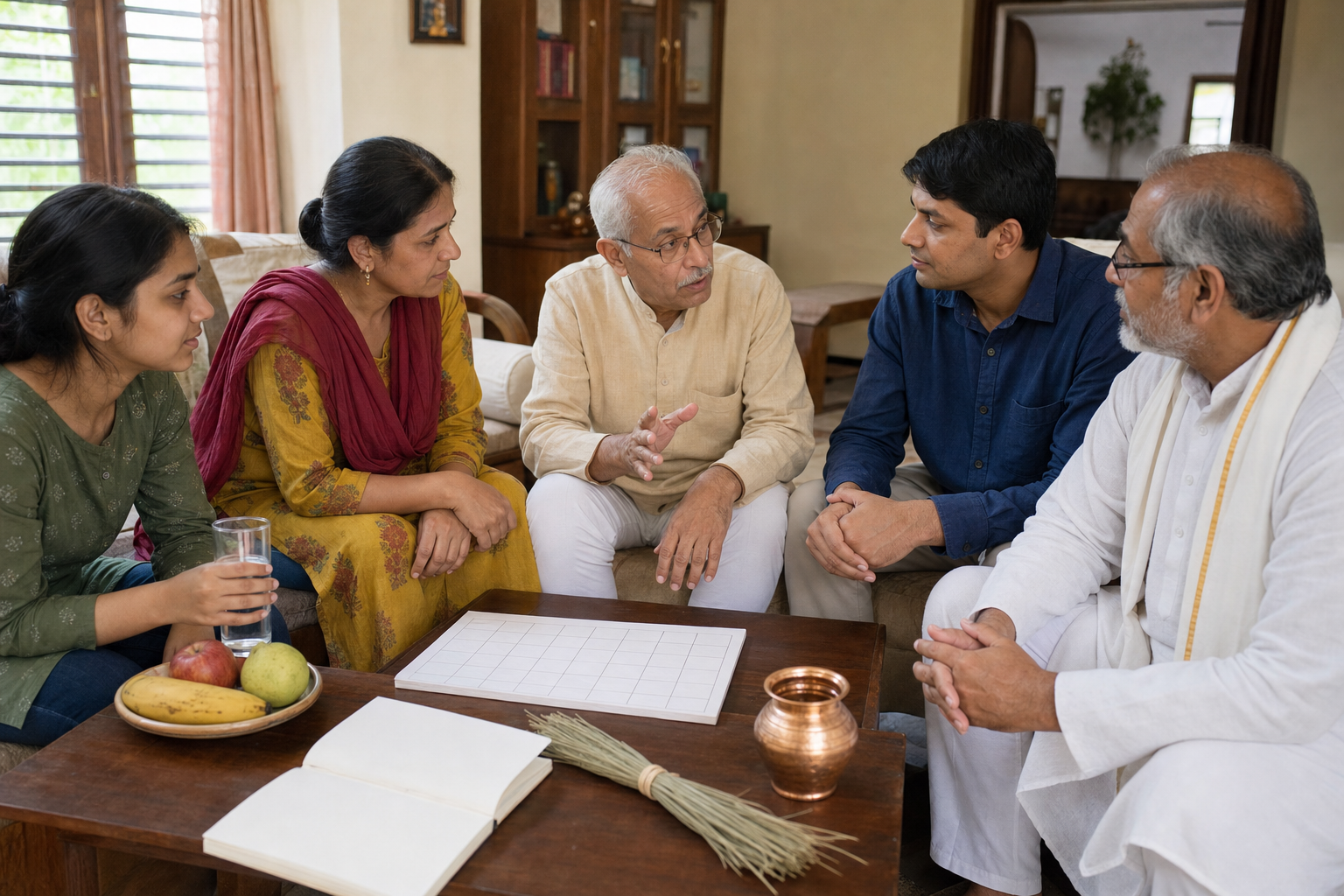
The most avoidable problem is not a missing flower or an imperfect mantra count. It is carrying unresolved timing, fasting, and tarpana questions into Monday morning. Use this preparation checklist for each of the two dates:
- Save 15 June and 9 November as planning dates, with a note that they are the Indian observances.
- Confirm Amavasya at Monday sunrise through a panchang calculated for your location.
- Record local sunrise, Brahma Muhurta if you will use it, and the locally prescribed aparahna or kutapa period.
- Ask which month-naming system your temple follows so a label difference does not become a date dispute.
- Choose one principal deity practice and one mantra or text you already know.
- Confirm whether formal tarpana is appropriate in your family situation and who will conduct it.
- Select a safe form of fasting before making the sankalpa.
- Arrange the donation and recipient instead of leaving dana as a vague intention.
- Prepare only the materials you will actually use, and plan responsible disposal of offerings.
Put both Mondays in your calendar now, then add a reminder to verify the regional panchang when its local timings are available. With the date settled and your family practice clarified, you can enter Somvati Amavasya without haste: offer the morning light, remember those who came before you, keep one sincere discipline, and let the day produce a concrete act of seva.
References
- DharmaRenaissance Blog — Somvati Amavasya 2026: Auspicious Monday New Moons, Dates, Shubh Muhurat, and Ritual Guide
- DharmaRenaissance Blog — Somvati Amavasya (Monday New Moon): Sacred Timing, Pitru Rites, and Transformative Rituals