-
Khodiyar Mata Vrat Katha and Jayanti 2026: Timeless Legend, Rituals, and Devotional Unity

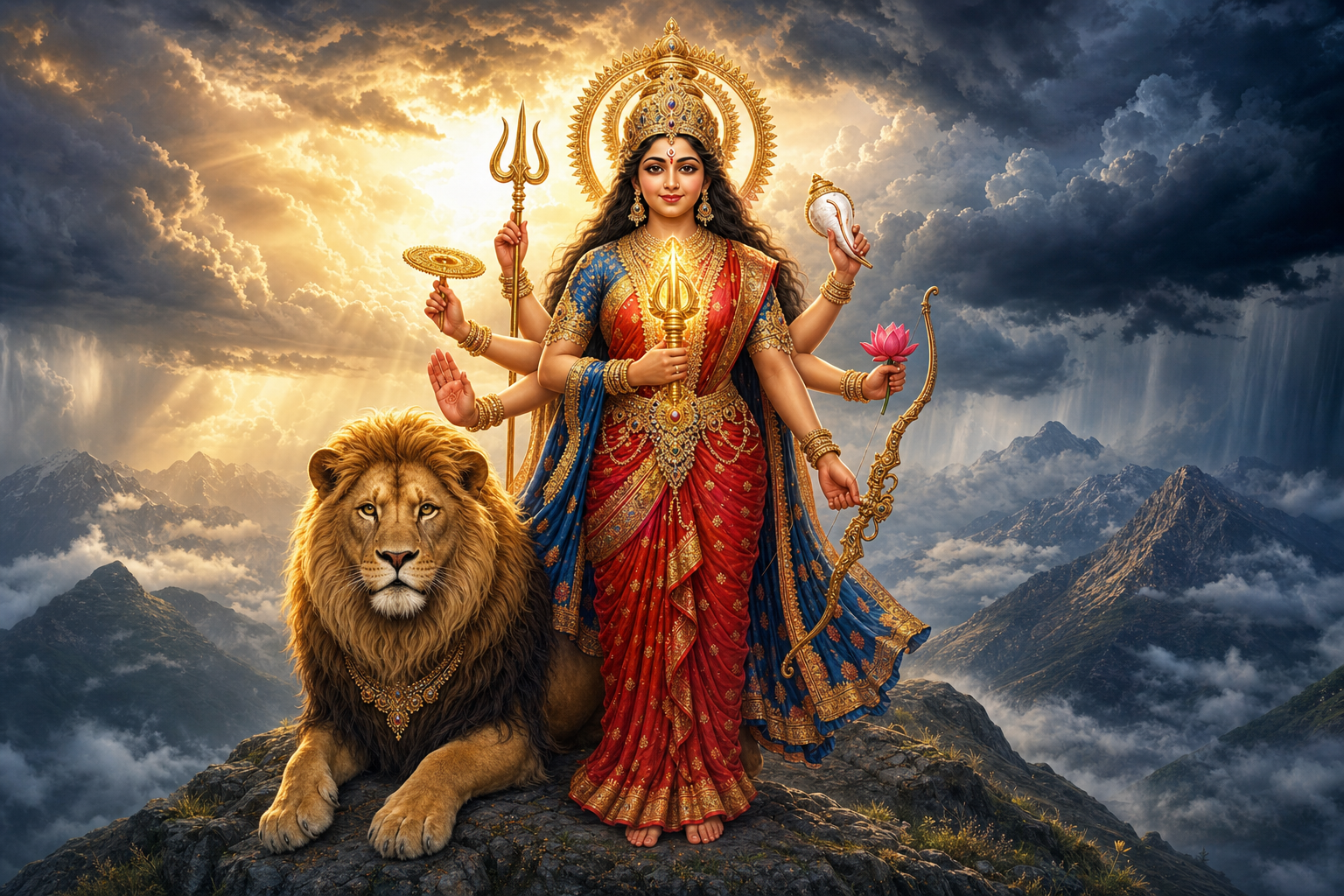
Khodiyar Mata Jayanti (Khodiyar Maa Pragatya Din) in 2026 falls on January 26, guiding devotees toward a day of reflective worship and community solidarity. The Khodiyar Maa Katha, rooted in 8th-century Gujarati and Rajasthani traditions, emphasizes protection, courage, and ethical living. The Vrat Katha’s core themes remain consistent across regional versions, reinforcing dharma and compassionate…
-
January 29, 2026 Panchang: Auspicious Guidance for Shukla Paksha Ekadashi, Nakshatra & Rashi

Thursday, January 29, 2026 features Shukla Paksha Ekadashi in the Hindu Calendar until 11:38 AM, transitioning to Shukla Paksha Dwadashi thereafter. The day is widely regarded as auspicious for study, prayer, and charity, though exact Shubh Muhurat windows depend on location. Readers are encouraged to consult a city-specific Panchang for precise Nakshatra and Rashi details.…
-
Jaap Sahib Unveiled: Critical, Compassionate Insights into Guru Gobind Singh’s Universal Hymn
Jaap Sahib, a foundational Sikh hymn in the Dasam Granth, is a rigorous and compassionate celebration of the One beyond name and form. This study clarifies its historical setting in Anandpur Sahib, its multilingual poetics, and its role in Nitnem. The analysis shows how its rhythmic invocations cultivate steadiness, courage, and ethical clarity in daily…
-
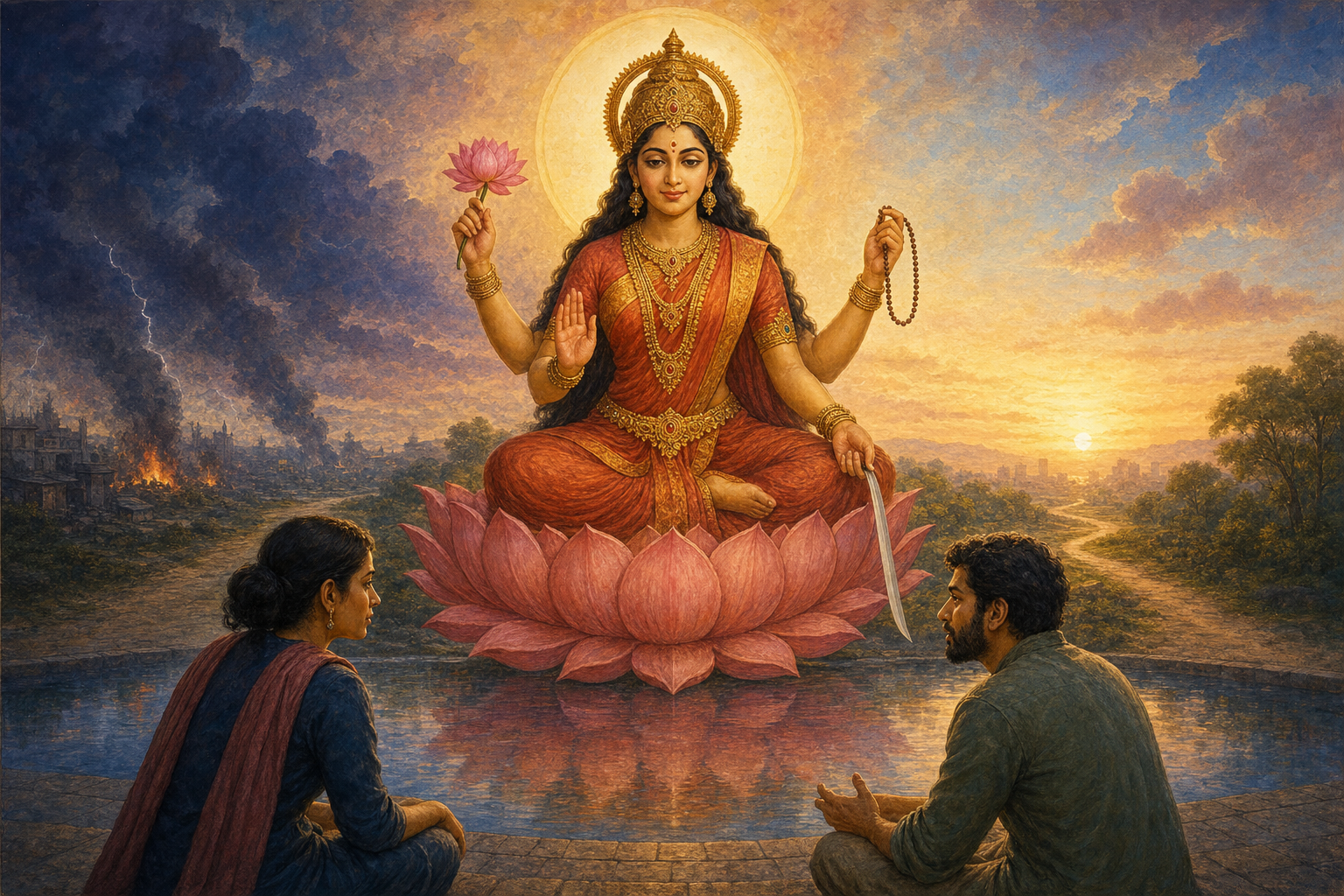
Decoding Kali’s Fierce Grace: Kali Tantra Symbolism, South-Facing Form, and Liberation

The Kali Tantra presents Goddess Kali as the south-facing embodiment of fierce grace, uniting destruction and liberation in a single, illuminating form. Kali’s orientation toward the south symbolizes a fearless encounter with death and change, transforming dread into wisdom. Her sword signifies discriminating insight, while the cremation-ground setting teaches impermanence without despair. Mudras of fearlessness…
-
George Harrison’s ‘My Sweet Lord’: Vaishnava Bhakti, Soulful Longing, and a Bridge to Dharma

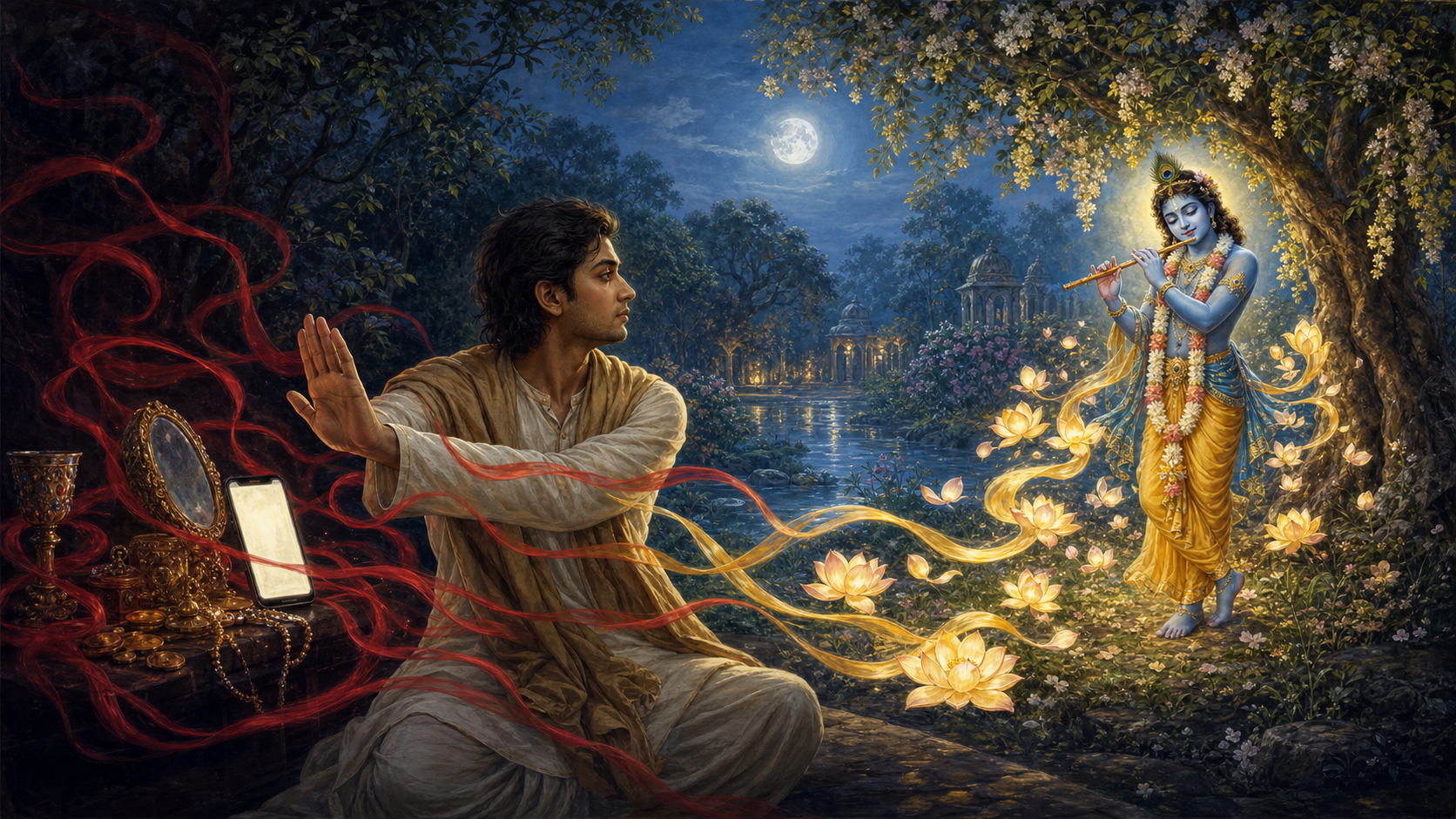
This essay examines how George Harrison’s “My Sweet Lord” and related songs convey core themes of Vaishnava bhakti, especially love in separation (vipralambha-bhāva), without claiming spiritual attainment. It shows how mantra, melody, and meaning make Krishna-centered devotion intelligible to global audiences. Readers gain a concise framework for recognizing stages of love in the Bhakti Tradition…
-
Timeless Wisdom of Srila Bhaktisiddhanta: Humility, Kirtana, and Radha–Krishna Bhakti

This essay distills Srila Bhaktisiddhanta Sarasvati Thakura’s insights on Radha–Krishna bhakti, humility, and the centrality of asraya (spiritual shelter). It explains why worship framed by Sri Radhika’s role refines devotion and protects against ego-centric religiosity. The discussion presents kirtana and hari-katha as practical means of rest and orientation, echoing Sri Caitanyadeva’s kirtaniyah sada harih. It…
-
When Incense Becomes Instruction: Srila Prabhupada’s Quiet Lesson in Devotional Presence

An evening darshan with Srila Prabhupada and Jananivas Prabhu’s frankincense service becomes a gentle lesson in presence and austerity. Retaining the incense smoke inside the room challenged comfort while deepening focus and reverence. The moment illustrates how sacred space can teach through environment as much as through discourse. It highlights the purificatory symbolism of incense…
-
Śrīmad-Bhāgavatam 3.12.23: Nārada’s Birth, Timeless Symbolism, and Dharmic Unity

Śrīmad-Bhāgavatam 3.12.23 portrays Nārada’s birth from Brahmā’s highest deliberation, while Vasiṣṭha, Dakṣa, Bhṛgu, and Kratu arise from breath, thumb, touch, and hand—an elegant schema uniting contemplation, vitality, relationship, and sacred action. The narrative’s symbolism clarifies key themes in Hindu philosophy and Vedic wisdom, showing how devotion, ethics, and disciplined practice cohere in the Bhakti Tradition.…
-
Avighna Vrata 2026 (Falgun): Auspicious Date, Chaturthi–Panchami Significance, and Blessings

Avighna Vrata (Avigna Vratam) is a two-day observance during Chavithi and Panchami in the Shukla Paksha of Falgun, with the primary 2026 date on February 22. Dedicated to Sri Ganesha, it centers on the removal of obstacles—both external and inner—while fostering clarity, resilience, and auspiciousness. The vrata’s practices typically include a purificatory bath, mindful fasting,…
-
When Words Meet Light: Pen and Camera Shaping Shared Dharmic Memory and Meaning

This article explores how the synergy of writing and photography preserves cultural heritage and strengthens unity across Hindu, Buddhist, Jain, and Sikh traditions. It shows how Anekantavada, Ahimsa, Seva, and Karuna guide ethical documentation and storytelling. Readers gain practical methods for pairing field notes with metadata-rich images to support long-term archival value and SEO discoverability.…
-
Conquering avidyā with ekāgra chitta: dharmic wisdom to end spiritual blindness

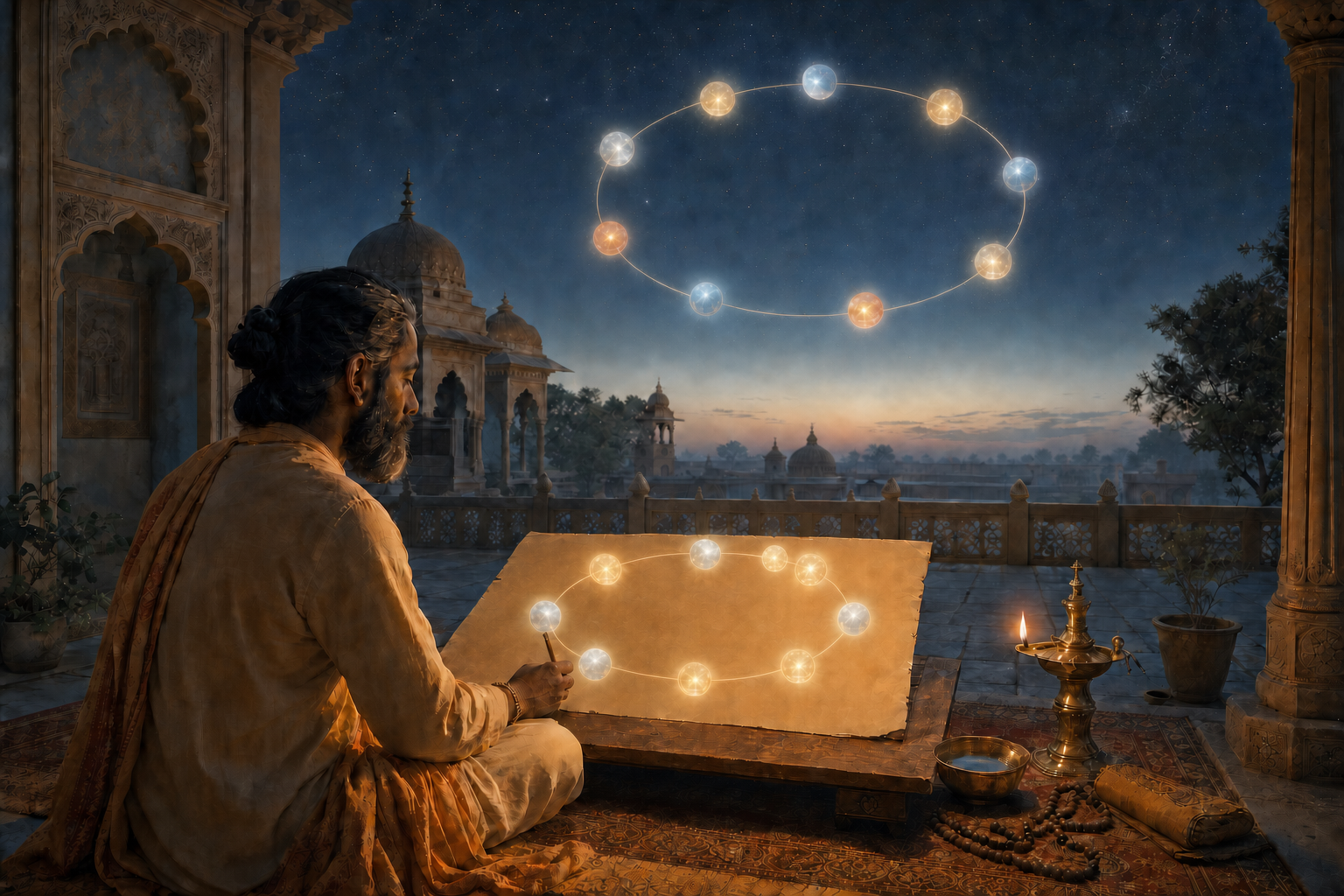
Spiritual blindness, or “avidyā,” obscures the “ātman” and fuels suffering; dharmic wisdom teaches that only sustained steadiness—“ekāgra chitta”—can dissolve this ignorance. Hinduism, Buddhism, Jainism, and Sikhism converge on this principle while honoring diverse methods such as dhyāna, remembrance, ethical restraint, and self-inquiry. Practical steps—daily meditation, mindful breathwork, japa, and reflective study of the Upanishads and…
-
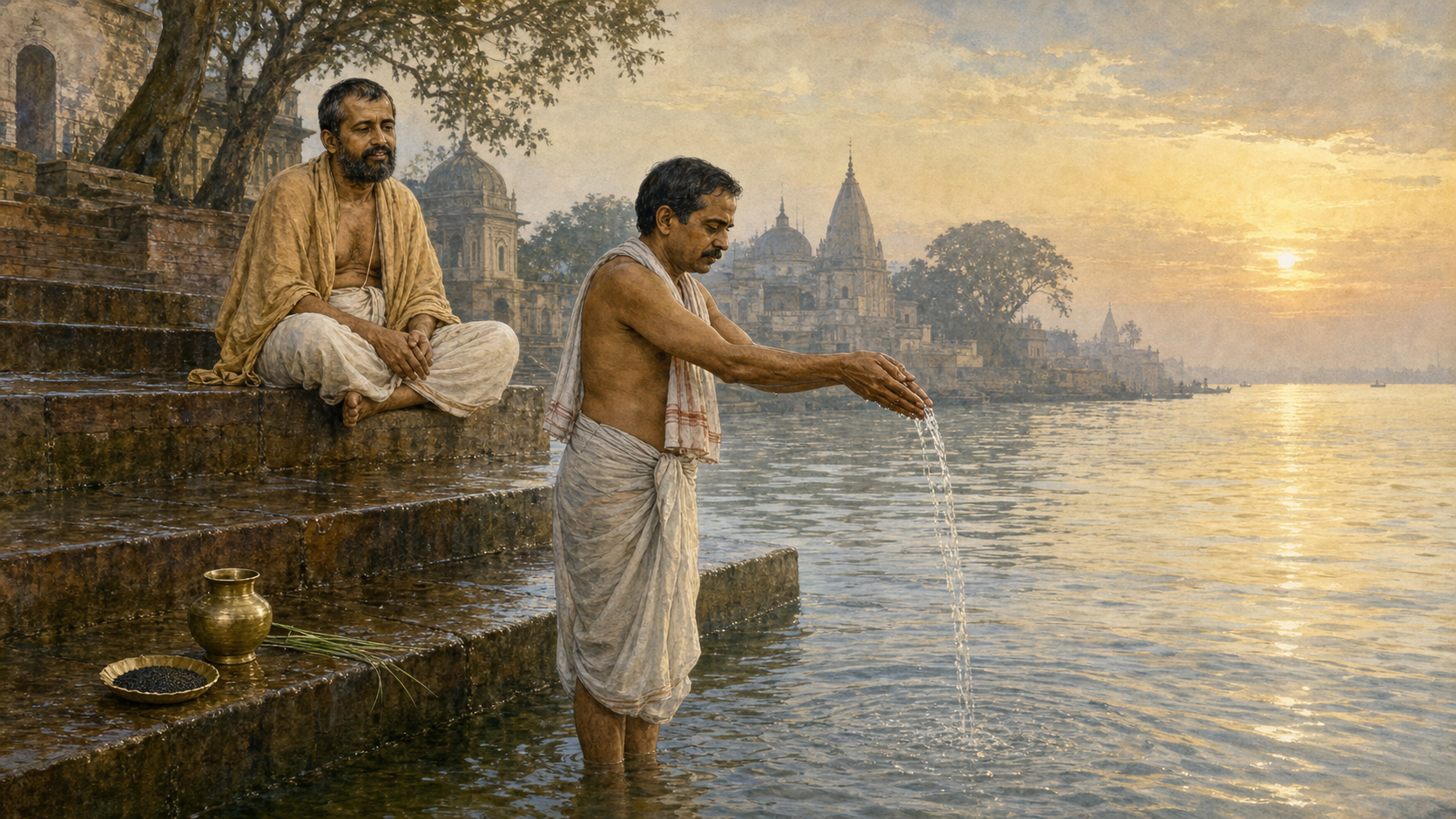
Magh Snan Mahatmya: Profound Significance of the Holy Magha Dip for Purity and Moksha
Magh Snan (Magha Snana) is honored during Magh Month (Magha masam) as a sacred vow for inner purification and the pursuit of moksha. Observed before sunrise, often in Brahma Muhurta, it integrates ritual bathing with sankalpa, japa, and charity, with special focus on Mauni Amavasya and Maghi Purnima. Pilgrims gather at the Ganga, Yamuna, Brahmaputra,…
-
Shani Sade Sati for Karka Rashi: Navigate Viraya Shani’s First 2.5 Years and Protect Finances

Shani’s transit through the 12th house from Karka Rashi initiates Sade Sati’s first 2.5-year phase, called Viraya Shani (Expenses). This period often heightens outlays and responsibilities but also cultivates discipline, clarity, and minimalism. Saturn’s aspects to the 2nd, 6th, and 9th houses encourage careful budgeting, healthy routines, and ethical guidance. Practical steps such as mindful…
-
Shiva–Parvati as Yin–Yang Archetypes: A Timeless Guide to Balance, Unity, and Grace

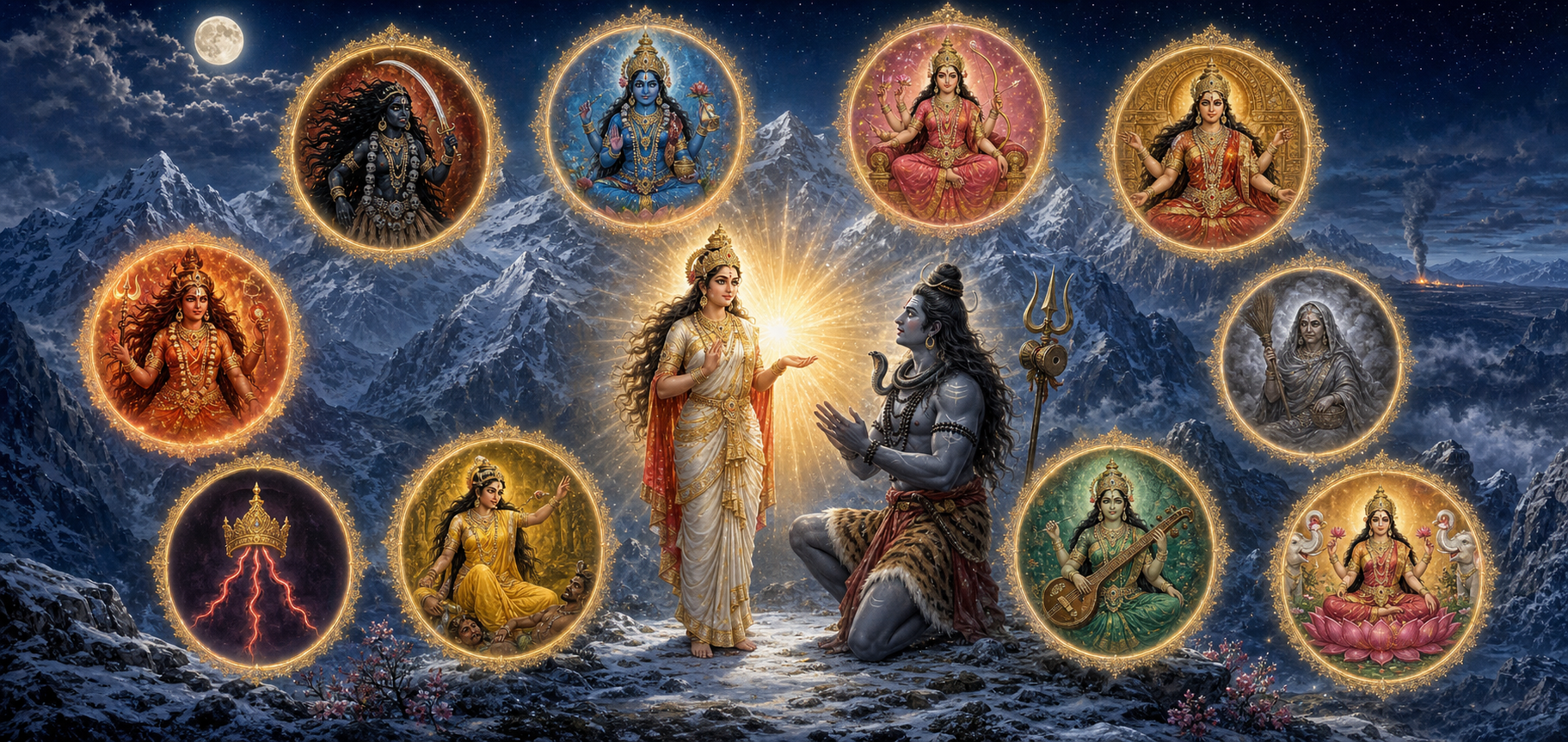
Shiva and Goddess Parvati embody a powerful archetype of complementary balance in Eastern philosophy, comparable to yin and yang. Their union models non-duality: awareness and energy co-arise to sustain harmony. The same insight appears across dharmic traditions—Buddhism’s Middle Way, Jainism’s Anekantavada, and Sikhism’s integration of temporal and spiritual life—affirming unity in spiritual diversity. Readers gain…
-
Hindu Gods and Their Vahanas: Timeless Symbolism, Deeper Meaning, and Dharma in Daily Life

The vahanas (vehicles) of Hindu gods are not literal transport but layered symbols that teach ethics, ecology, and inner balance. Each deity–vahana pairing encodes a virtue to cultivate and an impulse to master, turning metaphysical insight into daily practice. Ganesha’s mouse models focused intellect; Shiva’s Nandi, disciplined strength; Vishnu’s Garuda, protective clarity; Durga’s lion or…
-
Seven Kandas of the Ramayana: Powerful Symbols for a Transformative Dharmic Journey

The Ramayana’s Seven Kandas form a symbolic map of spiritual transformation—from the birth of dharma-consciousness to ethical leadership and serene release. Each Kanda models a stage of inner growth: intention, renunciation, purification, community, devotion, righteous action, and detachment. Read in this way, the epic becomes a practical guide to yama–niyama, tapas, seva, and courageous compassion.…
-
Pratyahara in Hinduism: Mastering Sensory Withdrawal for Profound Calm and Clarity

Pratyahara, the fifth limb of Patanjali’s Ashtanga Yoga, is the disciplined art of sensory withdrawal that bridges outer practices with meditation. Rather than suppressing experience, it redirects attention inward, stabilizing the mind-body connection and preparing the ground for dharana and dhyana. The principle resonates across dharmic traditions—Buddhism, Jainism, and Sikhism—affirming a shared commitment to clarity…