-
Cradled by Prakriti: A Dharmic and Science-Backed Guide to Caring for Mother Nature

This article reframes the classic insight—God as supreme source and nature as nurturing mother—through a unified dharmic and scientific lens. Drawing on Hindu concepts of Prakriti, the pañca-mahābhūta, and guṇa theory, it aligns Vedic philosophy with modern ecology’s ecosystem services. It integrates Ayurveda’s seasonal and daily regimens to translate ecological literacy into embodied health. Ethical…
-
Mastering Discipline: Dharmic Practices for Spiritual Bliss and Devotional Growth

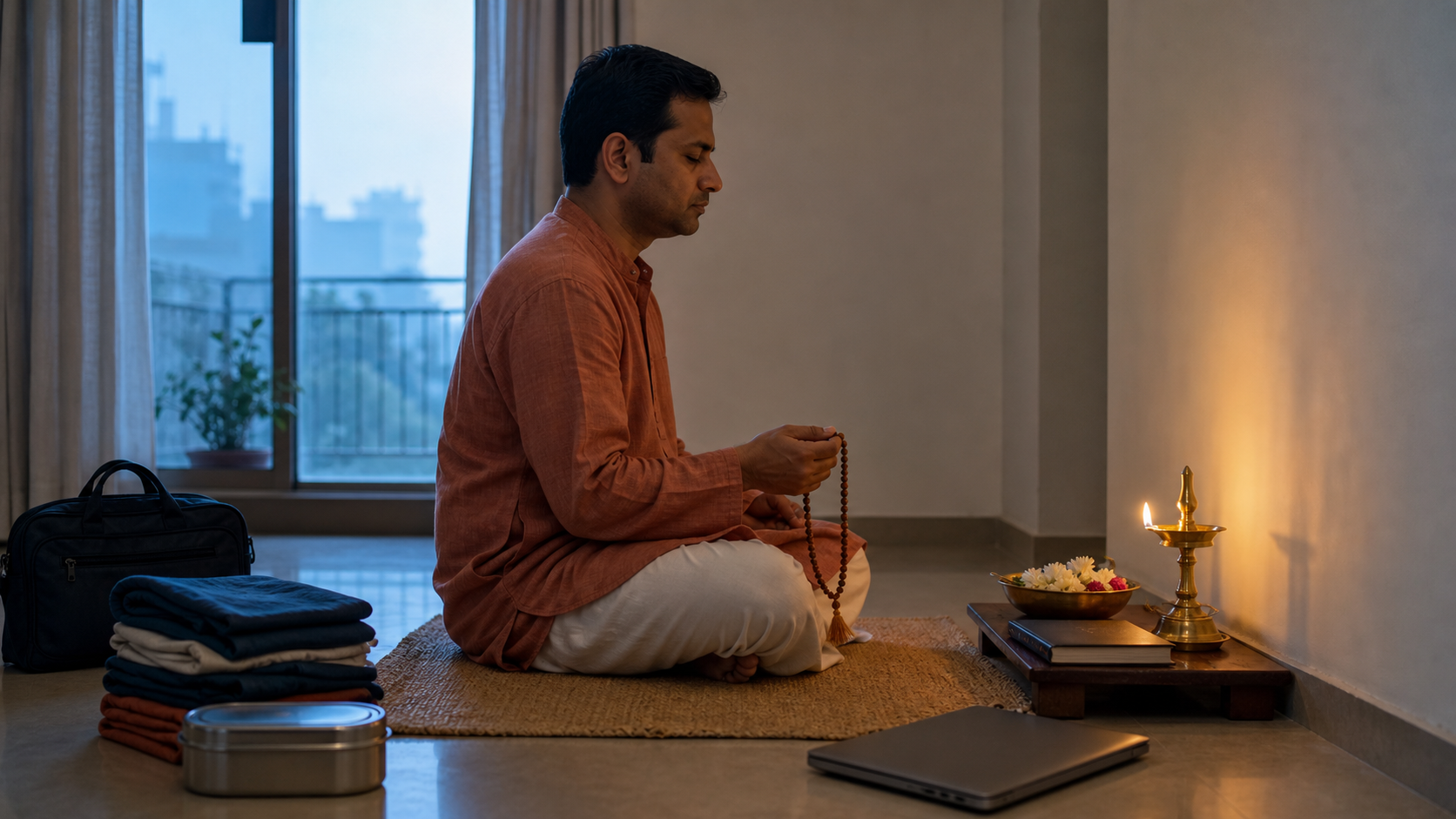
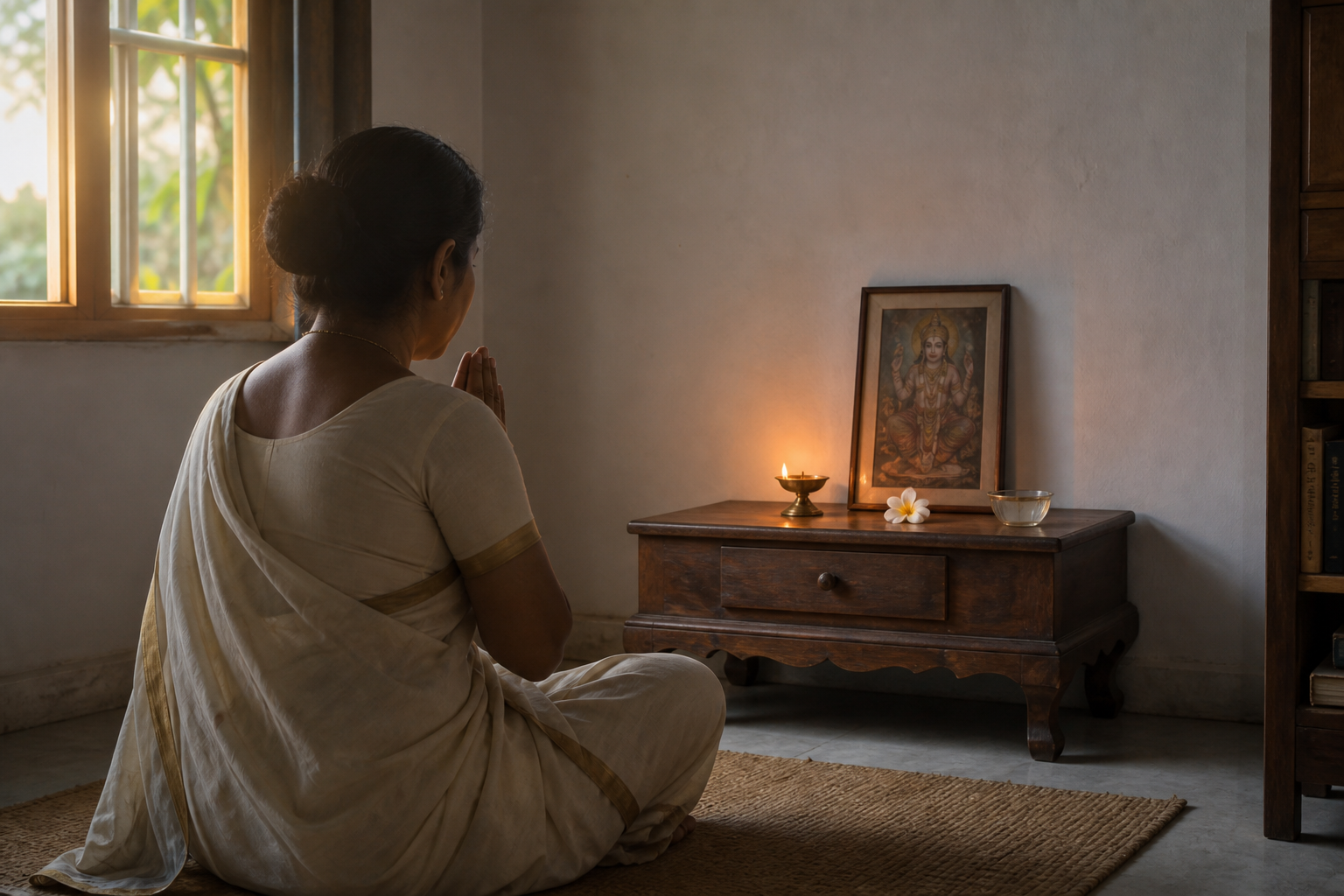
Discipline in the dharmic traditions is not mere suppression but the intelligent redirection of desire toward higher aims. Drawing on Hindu, Buddhist, Jain, and Sikh sources, this article explains how ethical restraint, attentional training, and ritual regularity form a unified system that sustains devotional service and spiritual bliss. It translates Patanjali’s abhyasa–vairagya, the Bhagavad Gita’s…
-
Tarpan in Hinduism: Comprehensive Guide to Ancestral Gratitude, Types and Mantras

Tarpan in Hinduism is a precise Vedic water offering that honors Devas, Ṛṣis, and Pitṛs with sesame, barley, darbha, and mantras. This comprehensive guide explains core principles, palm-tīrthas, sacred-thread positions, timing, and directional rules for accurate practice. It clarifies how Tarpan differs from Śrāddha while detailing major types: Nitya, Naimittika, Kamya, Deva, Ṛṣi, Pitṛ, Tilatarpaṇa,…
-
Vihangama Nyaya Explained: The Bird’s-Eye Method for Clarity and Mastery in Hindu Philosophy

Vihangama Nyaya, the Maxim of the Bird, teaches how a panoramic, bird’s-eye orientation complements careful, stepwise effort and agile adaptation in both study and practice. By contrasting the bird with the ant and the monkey, it highlights that efficiency depends on capacity, context, and method—not on a single superior path. Framed within Hindu philosophy, it…
-
Unattached Like the Sun: Dharmic Wisdom on the Divine Light That Impartially Illumines All

This article examines the Hindu aphorism that the Divine is like the sun—illuminating all without attachment—and shows how this insight unifies the Dharmic traditions of Hinduism, Buddhism, Jainism, and Sikhism. Drawing on scriptural anchors such as the Bhagavad Gita (13.33; 5.10; 9.9; 15.6; 15.12) and the Upanishads, it explains why Brahman/Īśvara is described as nirlepa…
-
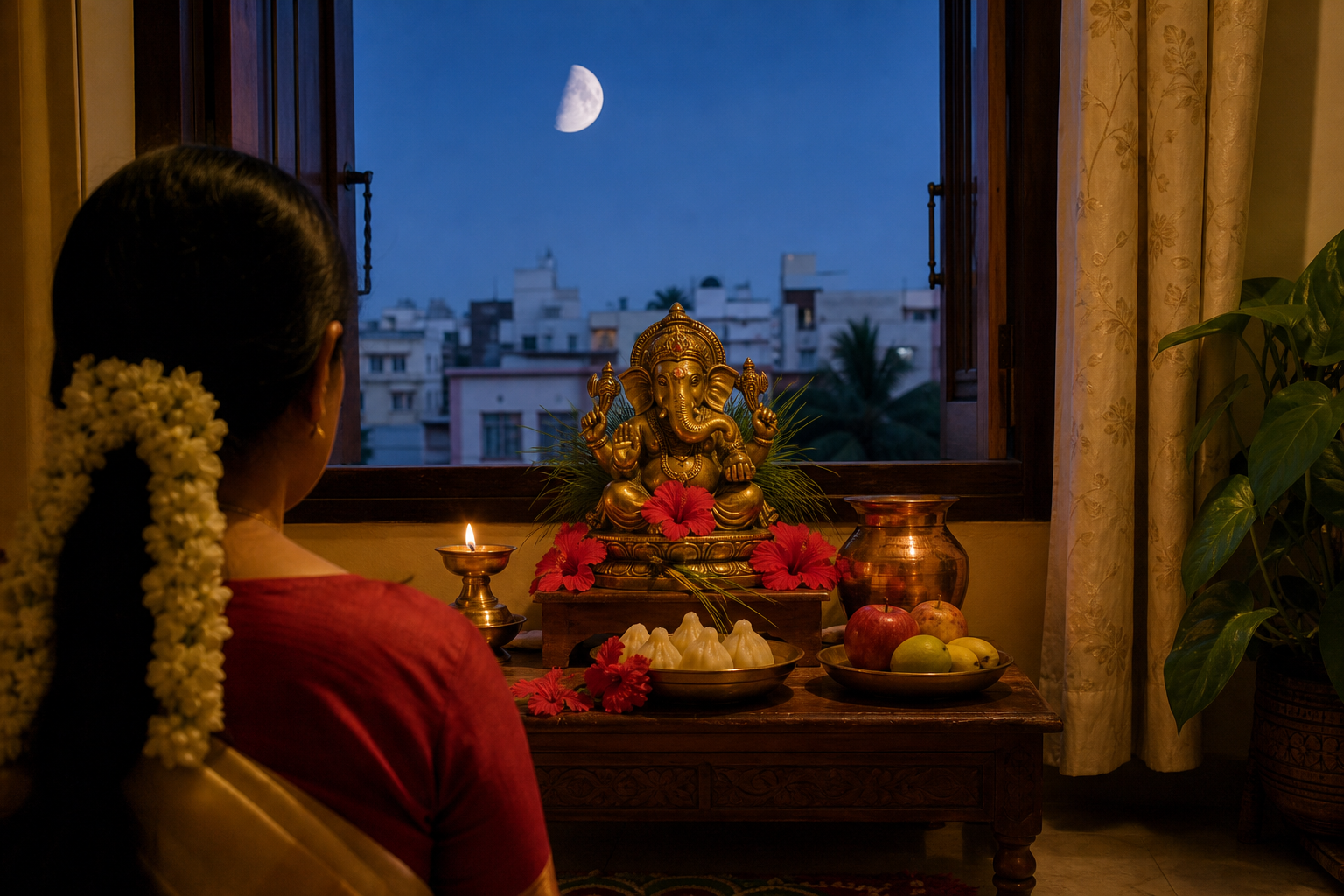
April 30, 2026 Panchang Guide: Shukla Chaturdashi to Purnima, Essential Auspicious Timings & Rashi

Thursday, April 30, 2026 transitions from Shukla Paksha Chaturdashi to Purnima after 8:17 PM, offering a powerful arc from culmination to fullness in the Hindu calendar (Panchang). The day’s structure supports clarity for planning worship, study, and ethical decision-making. Abhijit Muhurat around local noon and Brahma Muhurta before sunrise are recommended for auspicious undertakings and…
-
Shani Sade Sati for Simha Rashi: Master the Final 2.5 Years (Paada Shani) with Wisdom

Shani Sade Sati’s final 2.5 years (Paada Shani) for Simha Rashi unfold when Saturn transits Kanya (Virgo), spotlighting the 2nd, 4th, 8th, and 11th houses from the Moon through transit and aspect. This period refines speech, finances, home routines, and networks, exchanging speed for structure and visibility for stewardship. The analysis clarifies timing (with 2009–2011…
-
Divine Dwarapalakas of Lord Murugan: Sumukha & Sudeha—Veerabahu’s Fearless Gatekeepers of Dharma

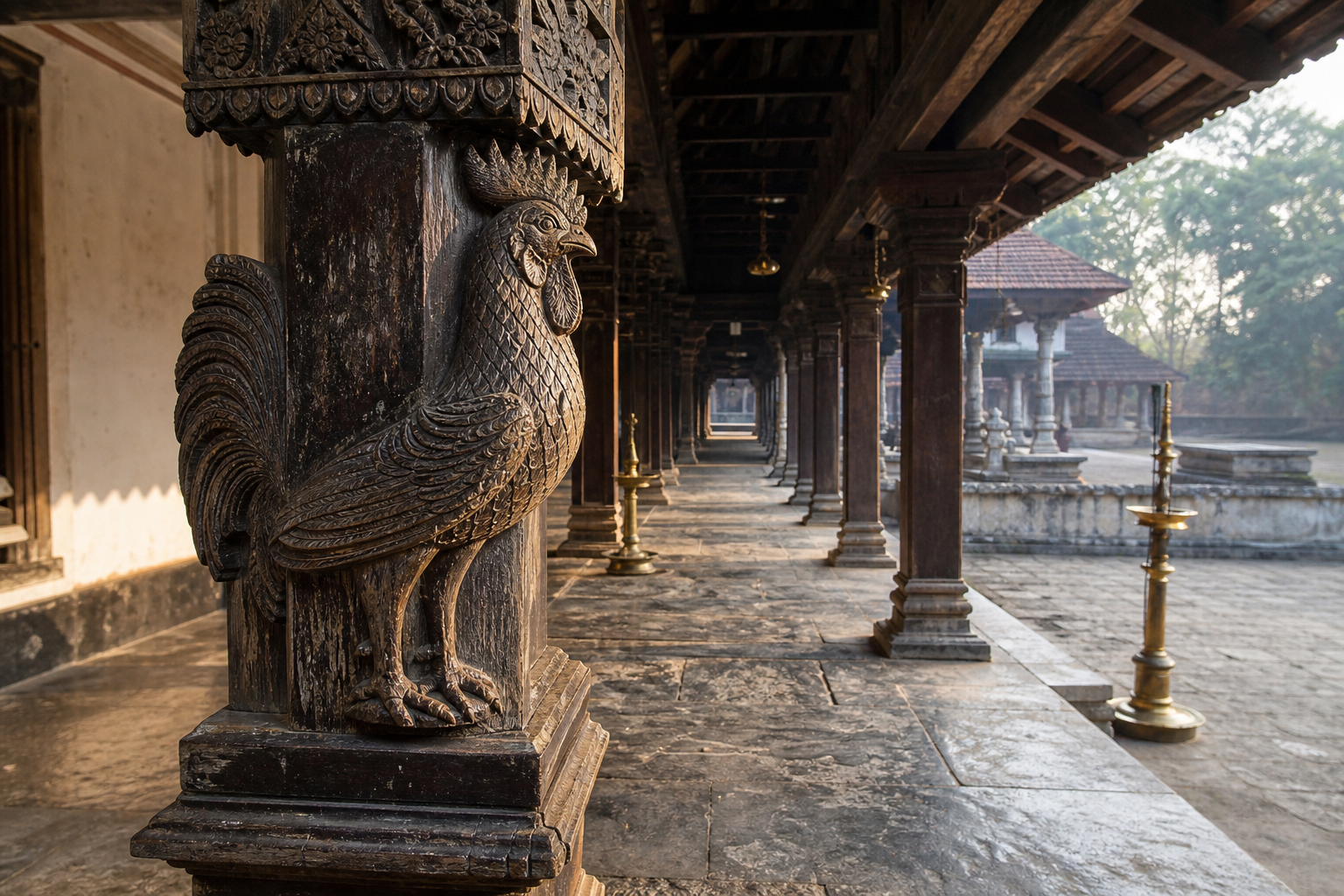
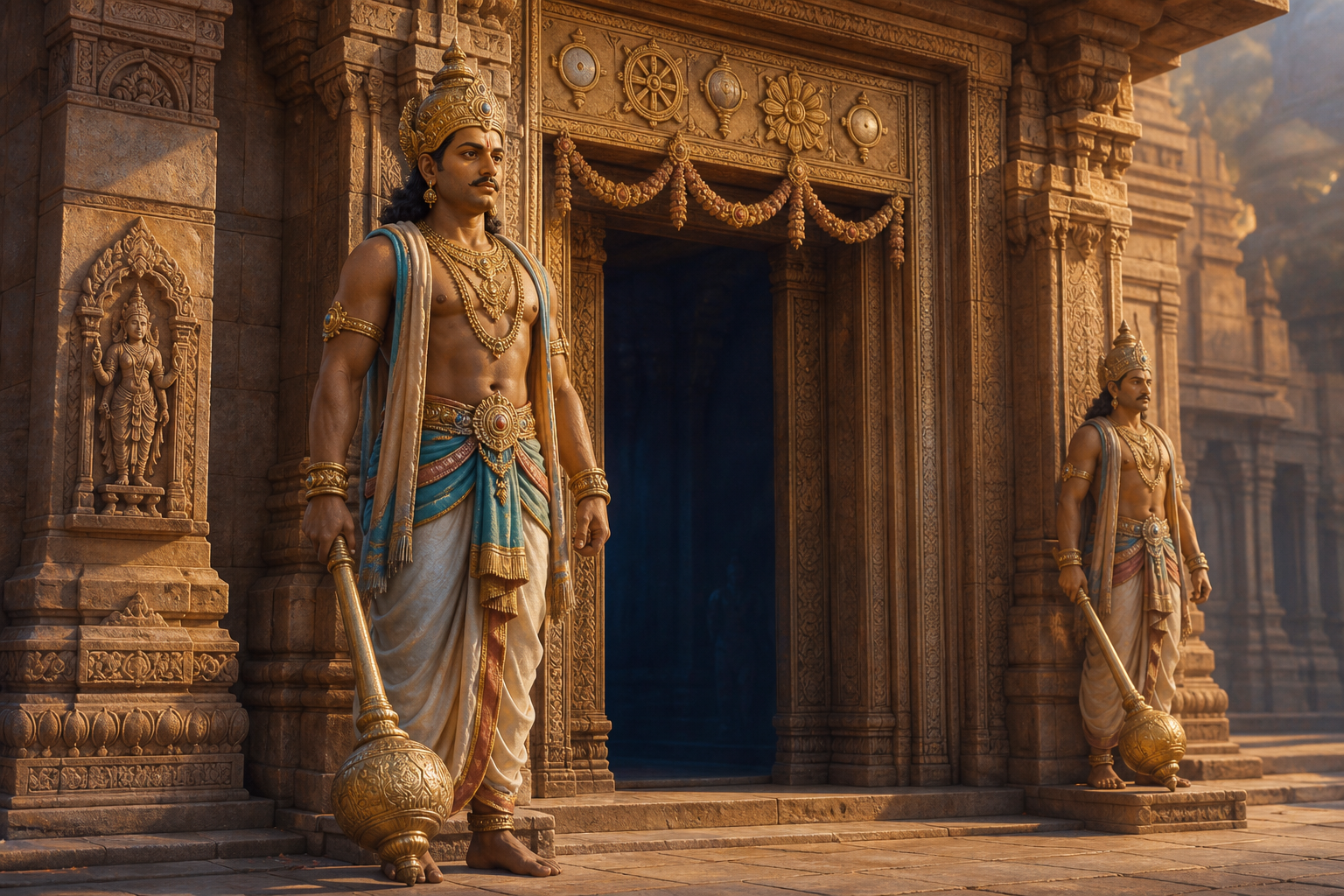
This in-depth exploration examines Sumukha and Sudeha—the revered sons of Lord Veerabahu—who serve as the Dwarapalakas (divine gatekeepers) of Lord Murugan. It situates their roles within the wider narrative arcs of the Skanda Purana and Tamil traditions, linking their valor in the Surapadman campaign to their enduring presence at the temple threshold. Readers gain a…
-
Are the Puranas Just Fiction? A Rigorous, Heart-Centered Guide to Finding God and Trusting Truth

Are the Puranas fiction or a reservoir of living wisdom? This analysis explains how Puranic narratives operate beyond a literal-versus-fable dichotomy by integrating mythic memory, ethics, ritual rationale, and contemplative instruction. Drawing on Indian epistemology (pramāṇa), it clarifies how śabda (trustworthy testimony), anumāna (inference), and yogic pratyakṣa (direct insight) jointly ground a rational, testable faith.…
-
When a Village Dog Joined the Kirtan: Compassion and Dharma on ISKCON Maharashtra Padayatra

During an ISKCON Maharashtra Padayatra, a village dog quietly joined the evening nagar sankirtan, offering a vivid case study in compassion expressed through public devotion. The incident illustrates how bhakti practice, sound, rhythm, and calm human posture can create a sense of safety recognizable even to animals. A cross-dharmic lens—drawing on Hindu daya and ahimsa,…
-
From Shame to Self-Compassion: Overcoming Erythrophobia with Science and Dharmic Wisdom

Erythrophobia—the fear of blushing—often arises not from physiology itself but from shame-based interpretations that amplify anxiety and avoidance. This comprehensive guide integrates clinical psychology, neurophysiology, and dharmic wisdom to reframe sensitivity as attunement rather than defect. Readers learn how cognitive and attentional biases sustain the fear cycle and how psychoeducation, attentional retraining, and graded behavioral…
-
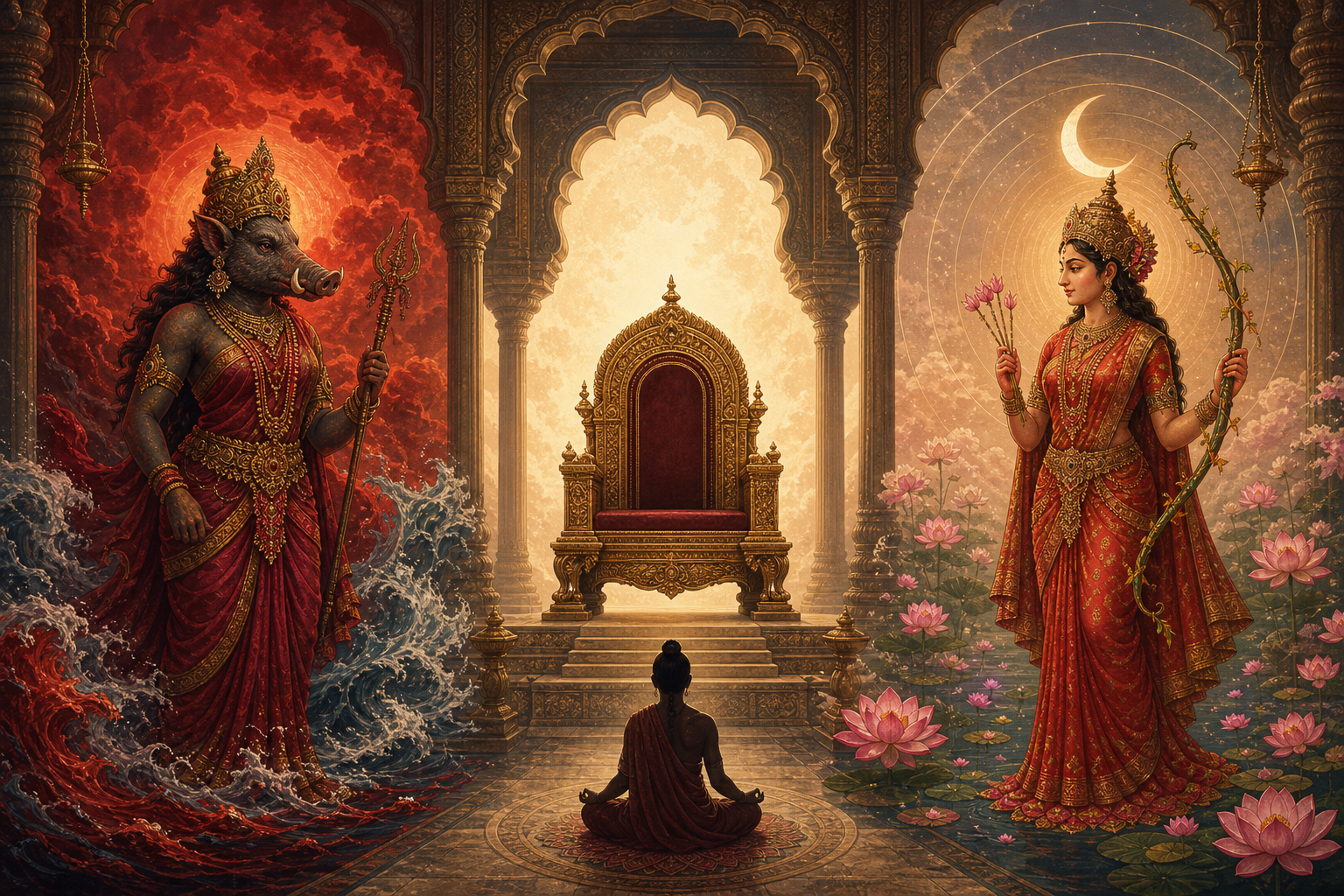
Divine Timing vs Desperation: Kumbhakarna’s Forced Awakening and Ravana’s Catastrophic Folly

This essay examines Kumbhakarna’s forced awakening in the Ramayana as a study in divine timing and human impatience. It clarifies the nature of his cyclical sleep, traces textual variants, and situates Ravana’s choice within decision theory and dharma-yuddha ethics. The battlefield narrative is read alongside modern sleep science to show how premature activation degrades performance…
-
Unity in Diversity: Harmonizing Distinct Personalities in Dharmic Service and Devotion

This article presents an academic yet accessible exploration of unity in diversity across Dharmic traditions. It clarifies Srila Prabhupada’s insight—”Variety is the mother of enjoyment”—and shows how distinct talents become seva that strengthens cohesion. Drawing on Srila Rupa Goswami’s Bhaktirasamrita- sindhu, it highlights Krishna’s identities as dhirodatta and dhiralalita to validate diverse human temperaments in…
-
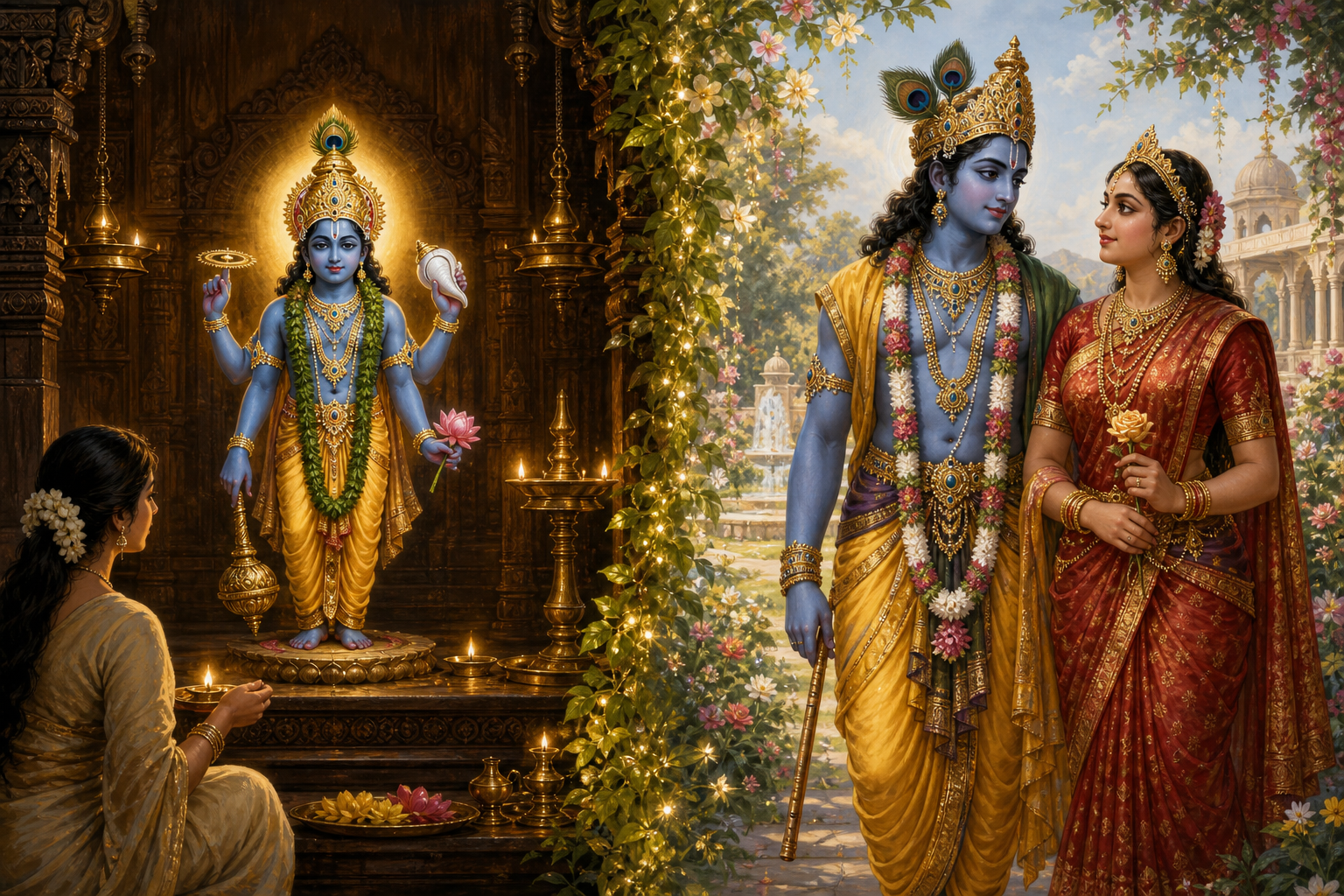
Unlocking the Dhama: Gentle, Forgiving Krsna and the Power of Loving Name-Chanting

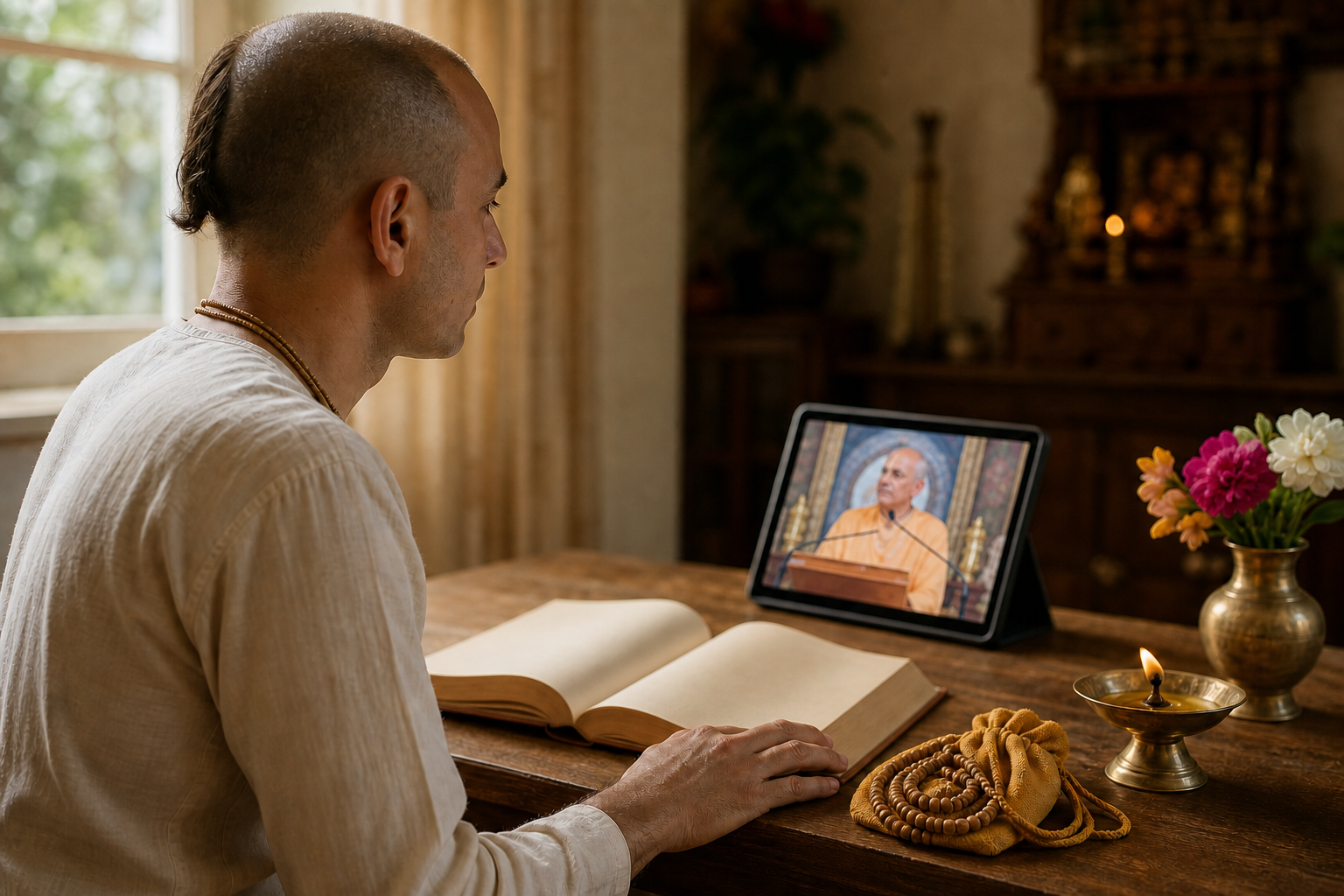
This exploration clarifies why chanting the Holy Name with loving affection functions as the practical key to the dhama in the Bhakti Tradition. It explains the ontology of the Name, the difference between mechanical and affectionate recitation, and how ethical alignment amplifies practice. Technical guidance on japa, kirtan, posture, breath, rhythm, and daily vows supports…
-
Learning Without Chains: Hindu-Dharmic Wisdom to Turn Past Mistakes into Clarity and Power

This essay examines how Hinduism and allied dharmic traditions treat the past as a teacher rather than a burden. It integrates Hindu concepts such as karma, saṃskāra, smṛti, and karma-yoga with Yogic psychology (abhyāsa, vairāgya), Buddhist mindfulness (sati), Jain Anekantavada with Pratikraman, and Sikh teachings on hukam and Naam simran. Readers gain a clear, compassionate…
-
Stop Buying What the Mind Sells: A Dharmic Art of Witnessing for Lasting Inner Freedom

A tireless inner salesman—fear, regret, desire, anxiety—constantly pitches stories and urges. This long-form analysis presents the dharmic antidote: the art of witnessing across Hinduism, Buddhism, Jainism, and Sikhism. Drawing on Patanjali’s Yoga Sutra, Sankhya, the Bhagavad Gita, Vedantic discernment, Buddhist mindfulness, Jain samayik, and Sikh simran, it explains why the mind’s pitch works and how…
-
Kabir’s Weekly Discipline Planner: A Dharmic, Science-Backed Path to Focus, Calm, and Service

This weekly discipline planner draws from Kabir’s ethic of simplicity and sincerity to create a dharmic, science-backed structure for daily life. It integrates niyama, mindfulness, japa, pranayama, svadhyaya, and seva into a humane seven-day arc adaptable to Hindu, Buddhist, Jain, and Sikh traditions. The design aligns with circadian and ultradian rhythms, protecting attention for deep…
-
Decoding Nakshatras: A Timeless Vedic Star Map Uniting Dharmic Traditions and Skywatchers

Nakshatras, the 27 lunar mansions of Vedic astronomy, form a precise star map that has guided Hindu Dharma and related dharmic traditions for millennia. Each mansion spans 13°20′ along the Moon’s path and is anchored by recognizable stars such as the Pleiades (Krittika), Aldebaran (Rohini), Spica (Chitra), and Antares (Jyeshtha). Classical sources—from the Rigveda and…
-
Sita’s Return to the Earth: An Evidence-Based Reading of Ramayana Symbolism, Not Suicide

The question of whether Sita’s return to the Earth in the Valmiki Ramayana constitutes suicide dissolves under a careful textual and cultural reading. Composed as epic poetry, the Ramayana deploys layered symbolism: Sita, born of a furrow, returns to Bhoomi Devi in a divinely sanctioned homecoming rather than an act of self-harm. Dharmaśāstra condemns ātma-hatyā,…