-
Idle Mind, Restless Life: Dharmic, Yogic, and Mindfulness Practices to Build Purposeful Focus

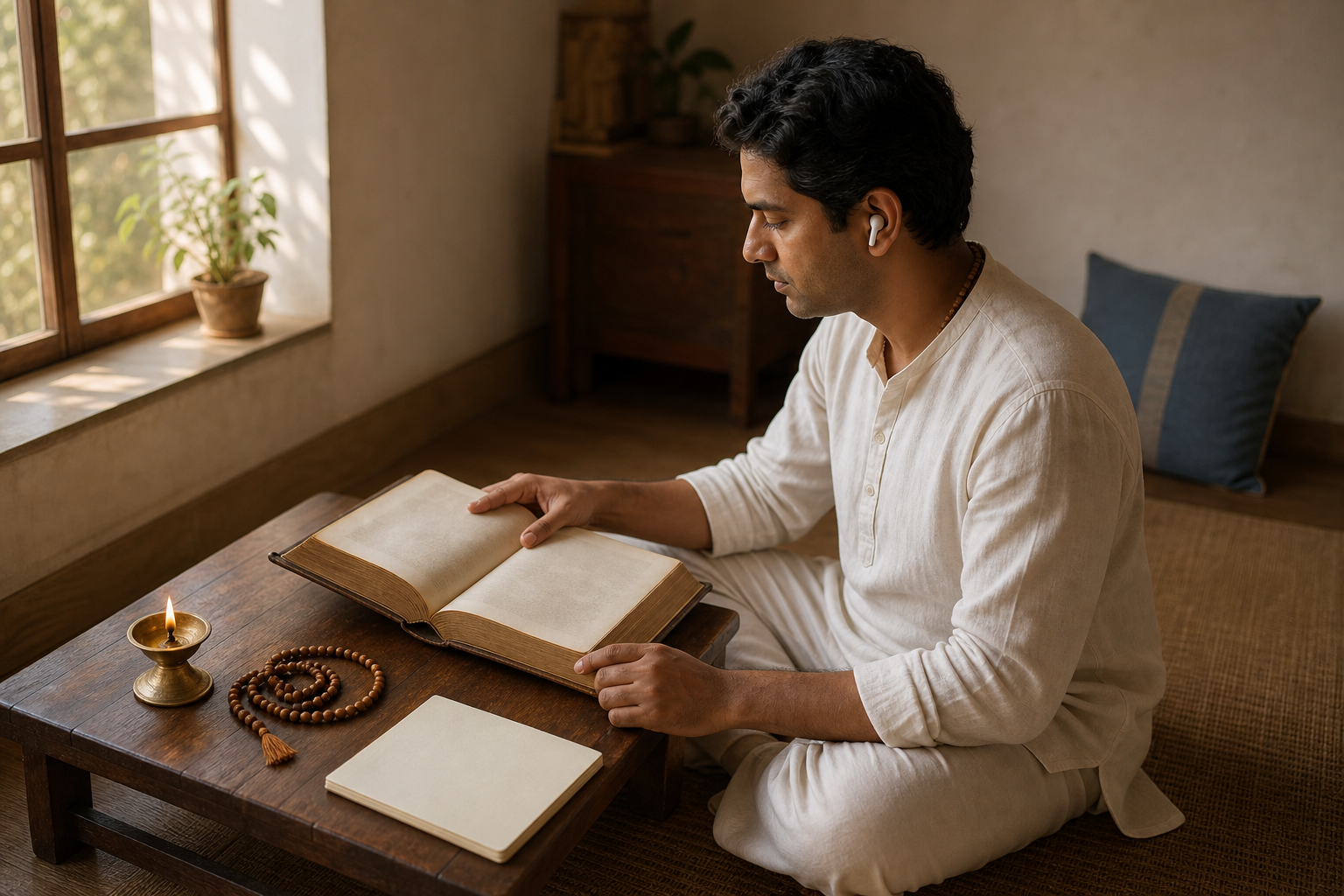
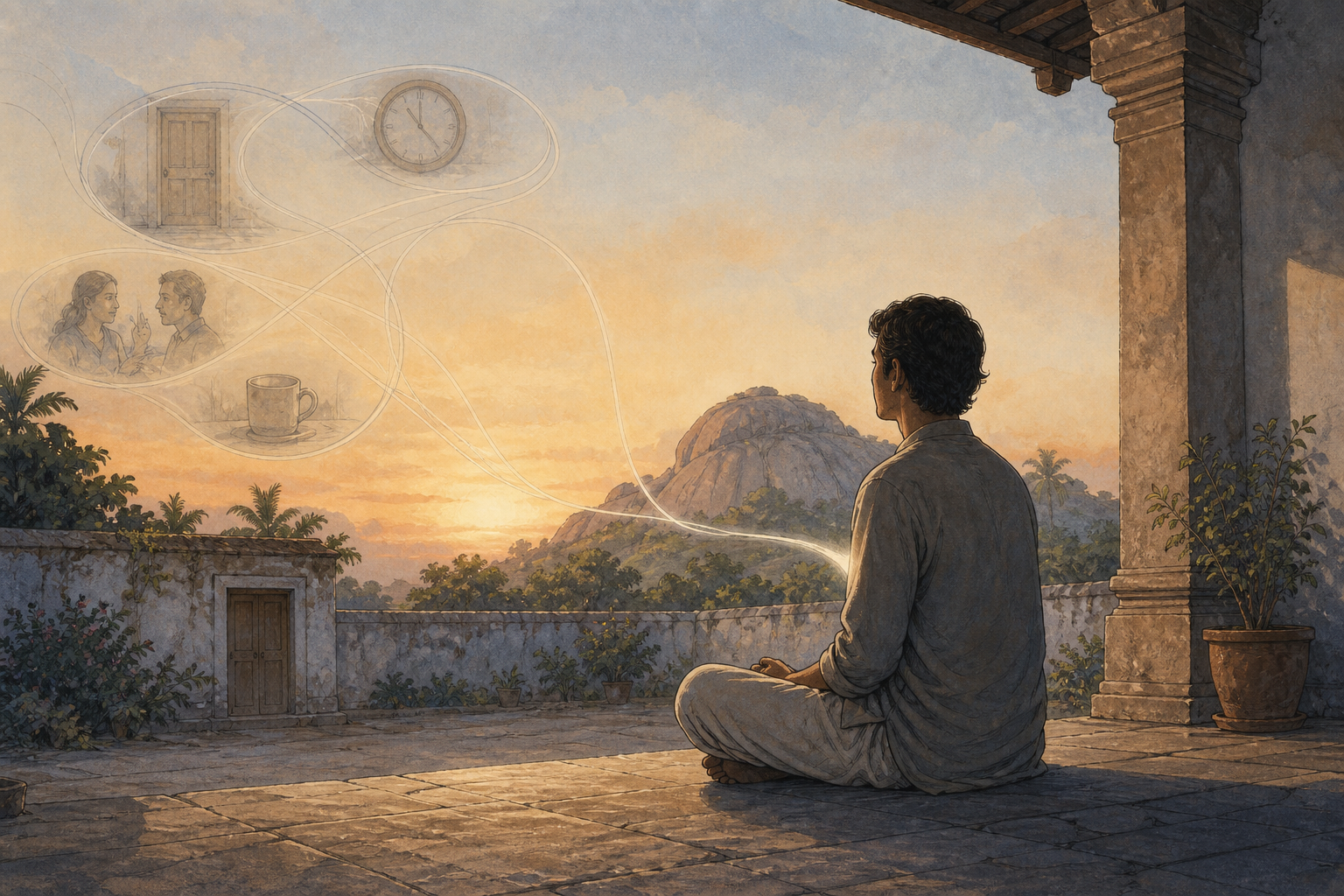
The age-old saying that an idle mind becomes a workshop for unwholesome impulses is reframed here through the shared wisdom of Hinduism, Buddhism, Jainism, and Sikhism. Instead of moralizing idleness, the analysis distinguishes healing rest from tamasic drift and presents a technical, evidence-aligned path to train attention and action. Readers gain a clear map of…
-
Matangi Jayanti 2026: Unlock Vak-Siddhi and Prosperity on Akshaya Tritiya (April 19)

Matangi Jayanti 2026 falls on April 19, coinciding with Vaishakh Shukla Tritiya and Akshaya Tritiya, creating a highly auspicious window for worship. As Tantrik Saraswati, Matangi blesses devotees with vak-siddhi, cultured expression, and prosperity grounded in ethical values. The day is ideal for home puja, sattvic offerings, and mantra-japa aligned with one’s tradition and local…
-
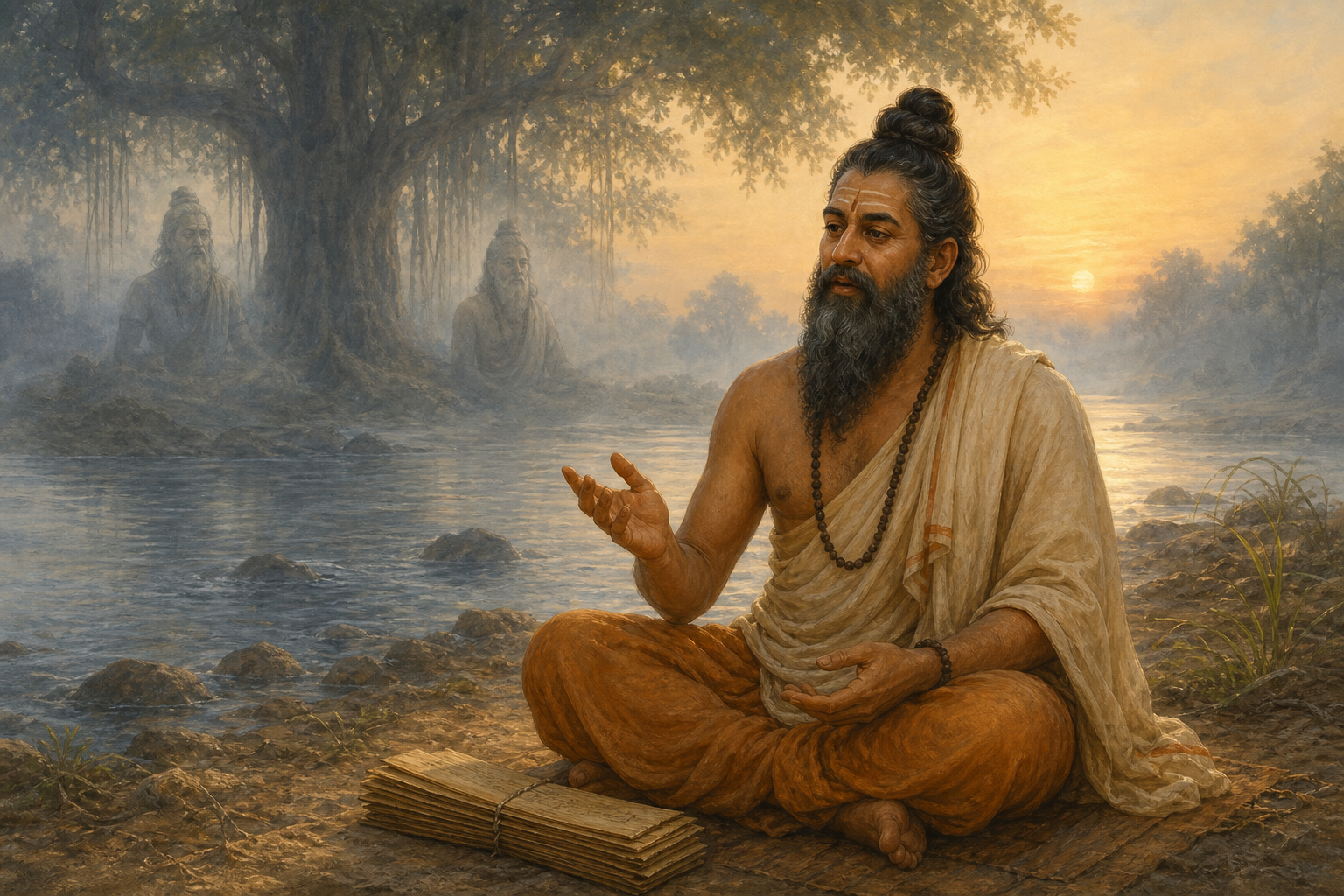
Vashishta Jayanti 2026: Date, Puja Guide, and the Timeless Vedic Wisdom of a Saptarishi

Vashishta Jayanti 2026 falls on 25 April, Vaishakh Shukla Paksha Navami, honoring Maharshi Vashistha—Rigvedic seer, Saptarishi, and guru to Sri Rama. This comprehensive guide explains the festival’s Hindu calendar basis, regional reckoning of Vaishakh, and the meaning of Navami tithi. It surveys Vashistha’s contributions to Vedic literature (Rigveda Mandala 7), Dharma (Vasistha Dharmasutra), and philosophy…
-
Varaha Jayanti 2026 (September 13): Date, Puja Vidhi, Story, Temples and Deeper Significance

Varaha Jayanti 2026, the appearance day of the Varaha Avatar of Vishnu, falls on September 13 according to most regional panchangs. Celebrated on Bhadrapada Shukla Dwadashi, the festival honors Lord Varaha’s restoration of Bhudevi (Earth) and reaffirms dharmic stewardship and ecological responsibility. Devotees observe fasting, perform Varaha puja with tulasi and shodashopachara offerings, and recite…
-
Chinnamasta Jayanti 2026: Fierce Shakti Awakening—Date, Tithi, Rituals, Deep Meaning

Chinnamasta Jayanti 2026 falls on 29 April and is observed on Vaishakh Shukla Trayodashi according to the Hindu calendar. This comprehensive guide explains the festival’s date–tithi alignment, its profound Mahavidya symbolism, and how householders can perform a sattvic, family-friendly puja at home. It connects Chinnamasta’s fierce wisdom to yogic themes of manipura chakra, kundalini, and…
-
Awe-Inspiring Miracles of Venkateshwara Swamy: Testimonies, Temple Science, and Grace

This in-depth exploration examines the miracles attributed to Venkateshwara Swamy through scriptural sources, inscriptional history, and contemporary testimonies. It clarifies how dharmic traditions frame miracles as anugraha (grace) that aligns karmic causes with compassionate help. Readers will discover how temple ritual—Suprabhātam, arjitha sevas, Annadanam, and festival cycles like Brahmotsavam and Vaikuntha Ekadasi—functions as a lived…
-
Vaishakha Masam Mahatmya: Sacred Significance, Vishnu’s Grace, and Dharmic Unity

Vaishakha Masam Mahatmya explains why Vaisakh month—revered as Vishnu’s favored season—unites snana, dana, and japa into a powerful path of spiritual growth and social compassion. It clarifies how Vaishakha is the second lunar month in North India, Karnataka, and Andhra traditions, yet the seventh in the Gujarati calendar due to Kartika New Year. Drawing on…
-
Sita’s Agni Pravesha and Exile: The Contested Ethics of Rajadharma and Public Trust

Sita’s Agni Pravesha and exile remain the Ramayana’s most debated ethical crucible. Read closely, the episodes test the alignment of substantive truth with public trust, contrasting private duty and rajadharma under intense social scrutiny. Valmiki’s narrative presents Agni as the supreme witness, while later traditions (such as the Maya Sita motif) further safeguard Sita’s inviolability.…
-
Vaishakha Masam 2026: Dates, Key Vratas, and Dharmic Significance in the Telugu Calendar

Vaishakha Masam 2026 (Madhava Masam) in the Telugu calendar runs from April 18 to May 16 and is revered for its focus on snana, dana, and japa. The month is dedicated to Lord Vishnu and features seminal observances such as Akshaya Tritiya, Narasimha Jayanti, and Vaishakha Purnima. Akshaya Tritiya emphasizes enduring merit and charitable service,…
-
Desire and Dharma: Unmasking the Hidden Engine of Action from Freud to Srimad Bhagavatam

Does sexual desire really drive much of human behavior? This analysis bridges Freud’s libido theory with Srimad Bhagavatam’s diagnosis of kama as the seed of material striving. It clarifies how Hindu philosophy situates desire within the purusharthas and how the Bhagavad Gita frames its psychological dynamics. Drawing parallels from Buddhism, Jainism, and Sikhism, it shows…
-
Sita Devi and Vedic Mothers: Powerful Lessons in Dharma, Resilience, and Nurturing Leadership

Vedic literature and the epics present mothers as ethical anchors who transmit dharma, cultivate resilience, and preserve cultural memory. Centering on Sita Devi—who chose forest exile and raised Lava and Kusha in Valmiki’s āśrama—the essay examines how maternal agency becomes moral leadership. It extends the analysis to Kunti and Gandhari in the Mahabharata, and to…
-
Rajjusarpa Nyaya Explained: Rope–Snake Illusion, Maya, and Non-Dual Reality in Vedanta

Rajjusarpa Nyaya—the rope–snake maxim—clarifies Advaita Vedanta’s account of Maya, avidya, and Brahman by showing how compelling illusions arise and how true knowledge sublates them. The analogy situates three orders of reality, explains error through adhyasa and anirvachaniya khyati, and illuminates the method of adhyaropa–apavada used by Sankara. It engages parallel insights in Buddhism, Jainism, and…
-
Decoding Kuttichathan: Kerala’s Enigmatic Spirit-Deity, Tantric Symbolism and Theyyam

Kuttichathan, a spirit-deity central to Kerala’s sacred ecology, stands at the nexus of folk worship, Kerala-tantra, and the performative power of Theyyam. This long-form study decodes his iconography—youthful form, rajas-red palette, vigilant eyes, protective weapons, and yantric pedestal—and explains how each attribute supports guardianship, oath-keeping, and social equilibrium. It maps the cult’s sacred geography across…
-
Beyond Luck and Fate: Timeless Dharmic Wisdom on Karma, Free Will, and Untouched Truth

This article reframes “luck” and “fate” through a dharmic lens as shorthand for complex causality rather than forces that control life. It integrates Hindu, Buddhist, Jain, and Sikh perspectives to show how karma, dependent origination, niyama, and hukam together replace fatalism with responsibility and wisdom. Hindu teachings on sañcita–prārabdha–kriyāmāṇa karma and puruṣārtha emphasize effort within…
-
Akshaya Tritiya: Sacred Charity, Timeless Seva, and Dharmic Unity Across Traditions

Akshaya Tritiya—Vaishakha Shukla Tritiya—celebrates inexhaustible merit through charity, seva, and study across the Dharmic traditions of Hinduism, Buddhism, Jainism, and Sikhism. This guide explains the festival’s astronomical timing, its standing as a Sade-Teen Muhurat, and its plural mythic associations, including Parashurama Jayanti and the Mahabharata’s transcription. Readers gain a practical ritual grammar and a dana-first…
-
Nilotpala, the Blue Lotus: Sacred Symbolism and Iconographic Keys Across Dharmic Traditions

This long-form guide decodes the nīlotpala (blue lotus/blue waterlily) as a distinct iconographic attribute across Hindu, Buddhist, and Jain art. It explains how the half-open, slender-petaled bud differs from the full-bloom padma and why that distinction matters in sculpture, painting, ritual, and poetry. Readers learn the botanical correlates (Nymphaea nouchali versus Nelumbo nucifera) and the…
-
Jnana Shasta under the Banyan: The Silent Teacher of Wisdom, Iconography, Practice, and Unity

Jnana Shasta, the Silent Teacher, is a contemplative form of Śāstā (Ayyappa) that embodies inner illumination and serenity beneath the sacred banyan tree. This essay maps the iconography—posture, jñāna-mudrā, pustaka—and its roots in Agamic and śilpa traditions, situating the deity within the larger Hindu philosophy of unity. It explains how the banyan symbolizes lineage, learning,…
-
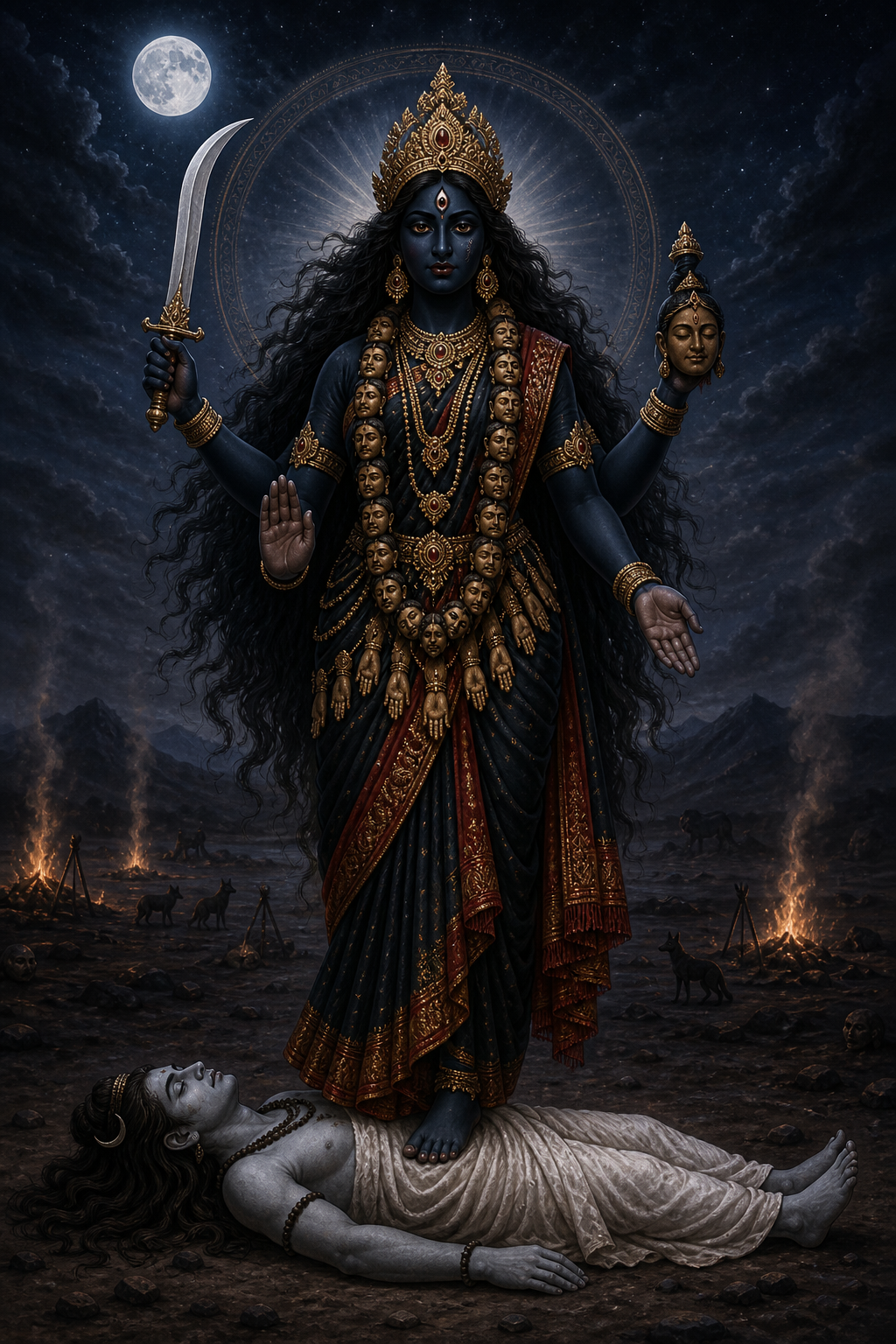
Raksha Kali: Fierce Protector of Dharma—Iconography, Mantras, Ritual Practice, Living Devotion

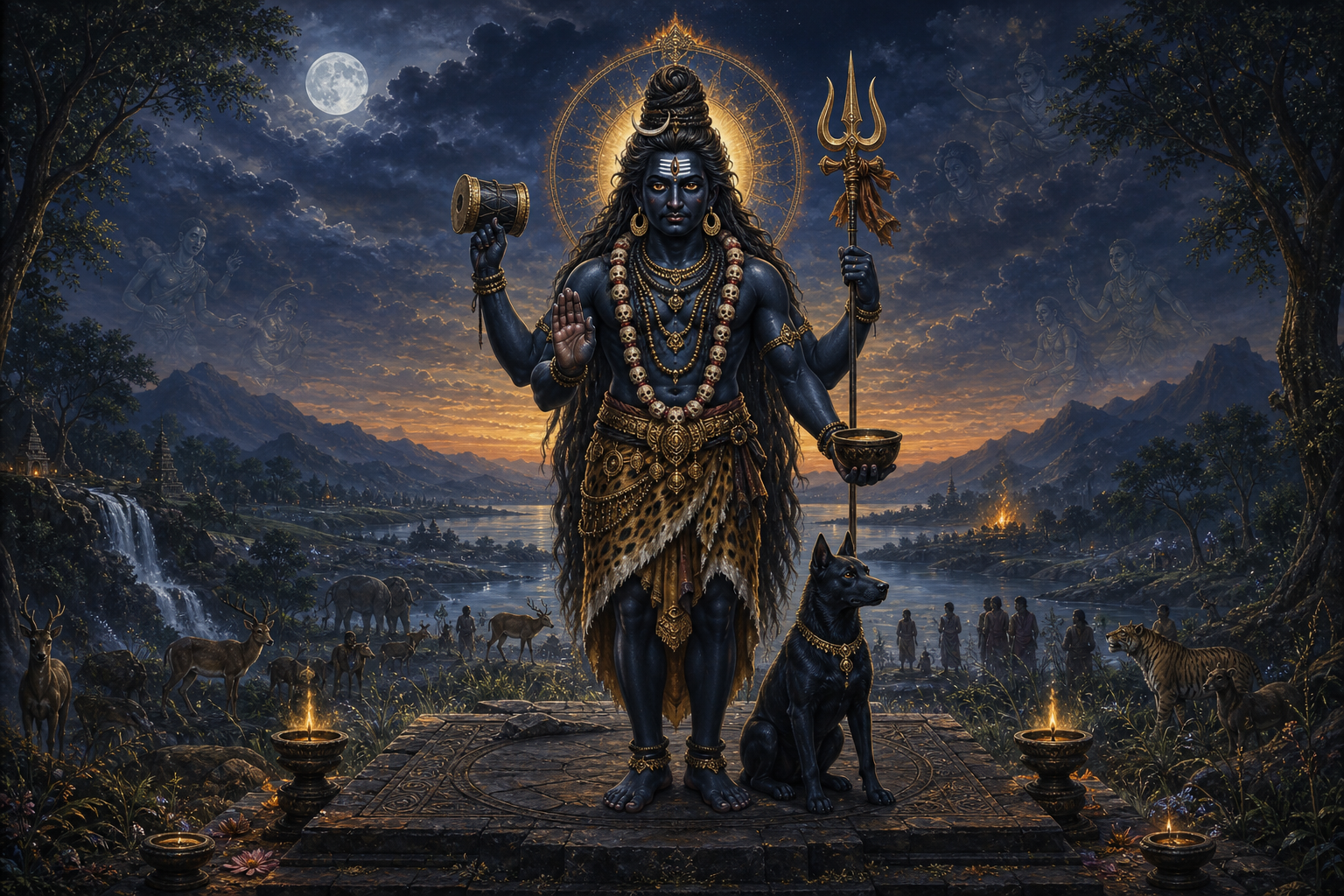
Raksha Kali is revered in Shakta Tantra as the Divine Protector, an aspect closely aligned with Dakshina Kali that amplifies compassionate guardianship. The name “raksha” (protection) captures her role in safeguarding devotees and sustaining dharma, a function expressed through powerful iconography—abhaya and varada mudras, the sword of discernment, and symbols of ego-transcendence. The article explains…
-
The Curse of Immediacy: Reclaiming Kshama and Dhairya for Deep Focus in a Digital Age

Modern life rewards speed yet quietly punishes impatience with poor judgment, anxiety, and brittle relationships. This essay examines Kshama (forbearance) and Dhairya (steadfast patience) as precise antidotes drawn from Hindu philosophy and aligned with Buddhist, Jain, and Sikh insights. It clarifies the terms linguistically and textually, situates them within the Bhagavad Gita, Vedānta’s preparatory disciplines,…