-
Healing Childhood Trauma While Parenting: Evidence-Based Ways to Break Cycles and Build Secure Bonds

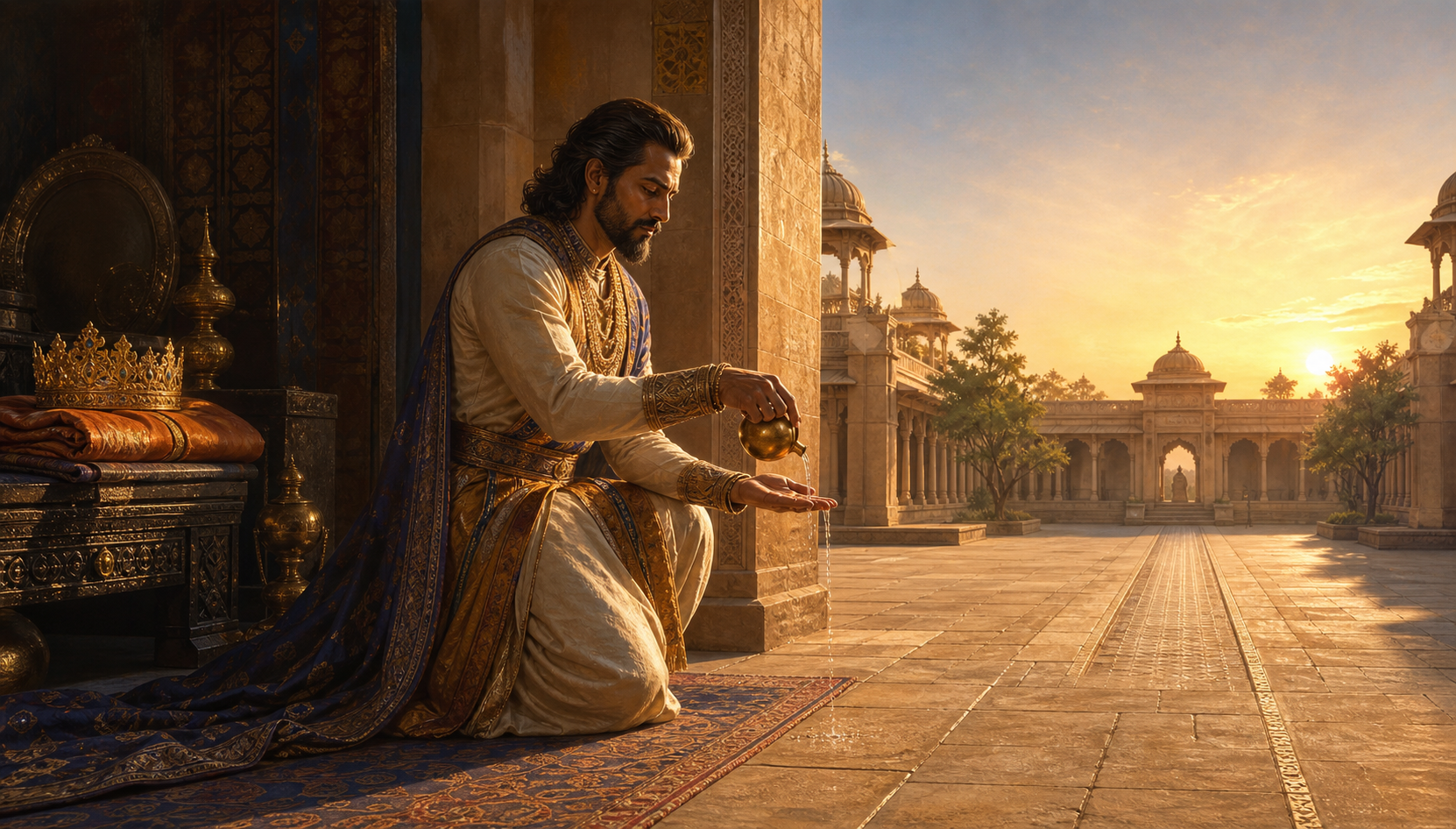
Parents healing from childhood trauma often second-guess even thoughtful choices, wondering whether they are doing too much or not enough. This article reframes those doubts using evidence from attachment science, showing why “good enough” caregiving plus reliable repair predicts secure bonds more than perfection does. It offers concrete guidance on consent-based affection, co-regulation grounded in…
-
Bilva Tree and Goddess Lakshmi: Timeless Symbolism, Prosperity Rituals, and Sacred Ecology

The Bilva tree (Aegle marmelos) is venerated in Hinduism not only as dear to Shiva but also as a sacred abode of Goddess Lakshmi, embodying durable, dharmic prosperity. This long-form exploration synthesizes scripture, ritual practice, Ayurveda, and temple ecology to show how Bilva bridges Śaiva and Vaiṣṇava devotion while nurturing household well-being. It explains the…
-
Usharavṛṣṭi Nyāya: Why Wisdom Fails on Unprepared Minds—and How Dharma Cultivates Readiness

Usharavṛṣṭi Nyāya—the maxim of rain on barren land—explains why even profound wisdom fails when inner preparedness is lacking and how dharma cultivates the conditions for genuine transformation. Drawing on Hindu philosophy and allied dharmic insights, it frames readiness (adhikāra) as a cultivated fitness grounded in ethical discipline, attention, and stability. The essay relates the maxim…
-
Transformative Devotee Relationships: A Dharmic Blueprint for Clear Guidance and Unity

Across Hinduism, Buddhism, Jainism, and Sikhism, deep relationships with committed practitioners serve as a reliable channel for spiritual wisdom. Such association, known variously as satsanga, Saṅgha, kalyāṇa-mitra, and Saadh Sangat, refines perception, stabilizes practice, and grounds ethical action. By prioritizing quality over quantity, seekers gain epistemic reliability, ethical modeling, and attentional steadiness. Discernment is essential:…
-
Beyond IIT Placements: Engineering Souls with Dharmic Ethics for Transformative Careers

Indian Institute of Technology (IIT) admissions are often seen as a finish line, yet long-term success requires a deeper, value-based foundation. This article introduces “Dimension X,” a practical framework that integrates ethics, purpose, and resilience with technical mastery—shifting the focus from merely engineering circuits to also engineering souls. Drawing on the shared ethos of Hinduism,…
-
Sita’s Agni Pravesha and Exile: Understanding Sri Rama’s Dharma, Duty, and Moral Dilemma

This in-depth analysis clarifies why Sri Rama sent Devi Sita to exile despite knowing her purity by separating two often-confused episodes: Sita’s Agni Pravesha in the Yuddha Kanda and her later exile in the Uttara Kanda. It explains Agni Pravesha as a theological attestation within Vedic ritual logic and highlights puranic teachings (such as the…
-
Rama vs Ravana: A Dharma-first resolution to the Ramayana’s toughest moral dilemmas

This essay answers the enduring question of why Rama is revered as righteous while Ravana is condemned, even though Ravana was a learned Brahman and Rama faced morally hard choices. It uses a dharma-first framework grounded in the Ramayana to evaluate intention, lawful means, and just ends across contested episodes such as the exile, the…
-
Why Hindus Wear Janeyu (Yagnopaveetham): Vedic Origins, Ritual Science, and Sacred Duty

Janeyu (Yagnopaveetham) is a Vedic discipline rather than a mere ornament. Grounded in the Grihya Sutras and Dharmasastra, it centres on Upanayana—the ethical and contemplative initiation into study (brahmacharya). The sacred thread’s three strands map to classical Vedic ideas such as the three debts, the three gunas, sacred rivers, or the puruṣārthas, and its orientations…
-
Awe-Inspiring Nataraja: The Timeless Cosmic Dance, Bharatanatyam Roots, and Dharmic Unity

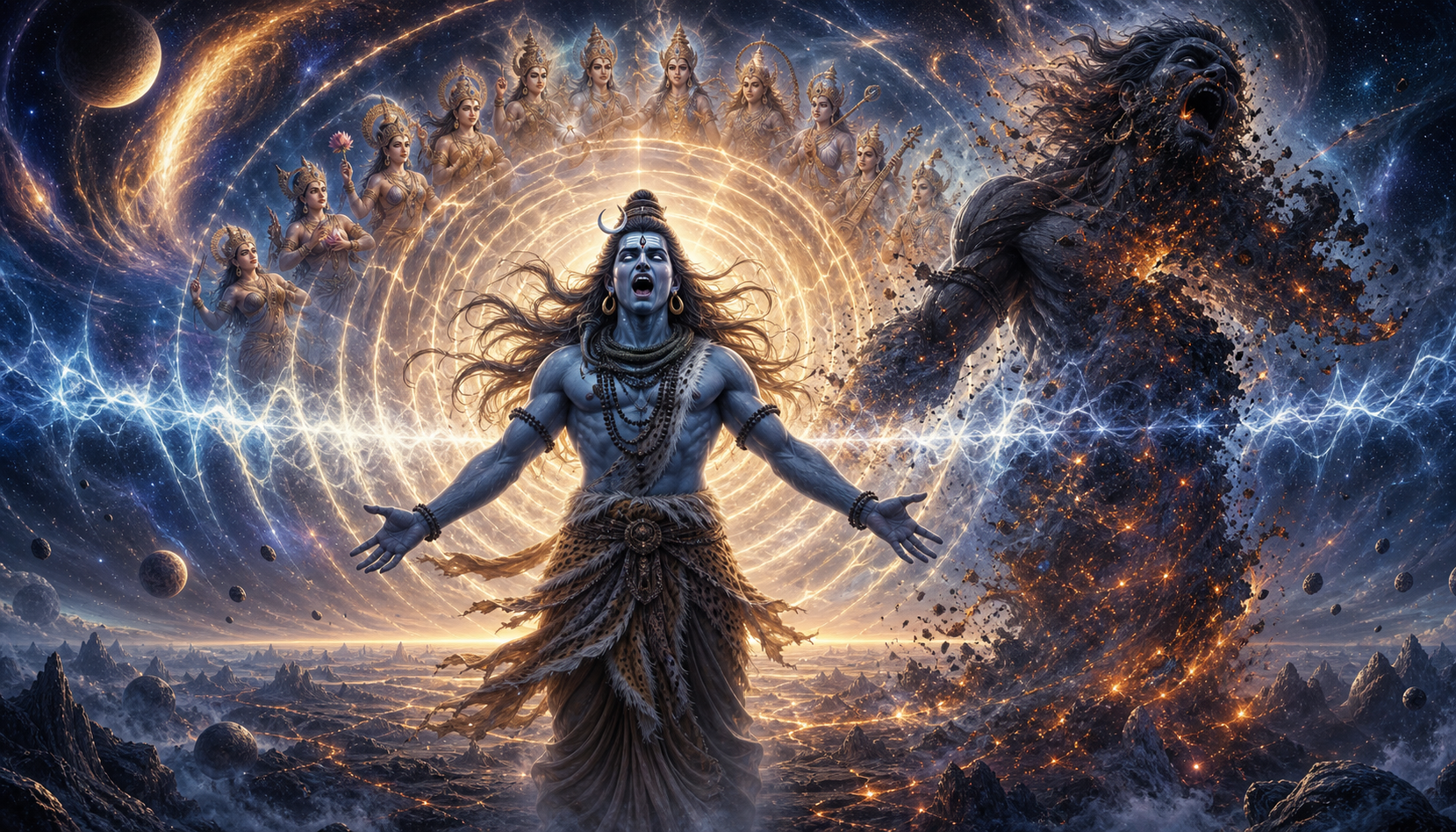
This long-form exploration decodes Shiva as Nataraja—Lord of Dance—through the lenses of iconography, scripture, and performance. Readers discover how the damaru, flame, mudras, and the raised foot together express the fivefold divine operations of creation, preservation, dissolution, concealment, and grace. The article traces Bharatanatyam’s textual grammar (Natya Shastra, Abhinaya Darpana) and the 108 karanas, linking…
-
Shankara Jayanti 2026: Exact Date, Rituals, and the Advaita Legacy of Adi Shankaracharya

Shankara Jayanthi (Shankaracharya Jayanti) in 2026 falls on April 21, aligned with Vaisakha Shukla Panchami, the fifth lunar day of Vaisakha masam (Vaisakh month). The date is determined by the tithi prevailing at local sunrise, so communities outside India should confirm with a regional panchang. The observance honors Jagadguru Shankaracharya’s Advaita legacy through Guru-puja, stotra…
-
Adi Shankaracharya’s Advaita: Timeless Oneness Uniting All Beings, Minds, and Matter

Adi Shankaracharya’s Advaita Vedanta articulates a rigorous, compassionate thesis: all animate and inanimate forms are appearances in one Reality, Brahman. The doctrine’s precision rests on Upanishadic mahavakyas, Shankara’s Adhyasa analysis, and methods like adhyaropa–apavada and neti neti that guide the mind beyond conceptual limits. Practical sadhana—sadhana-chatushtaya, shravana–manana–nididhyasana, Karma Yoga, and Bhakti—integrates inner freedom with ethical…
-
Insults Reveal Insecurity: Dharmic Wisdom on Speech, Self‑Mastery, and Real Strength
Insults are often misread as strength, yet dharmic traditions consistently treat them as signs of insecurity and weak self-mastery. Drawing on the Bhagavad Gita, Dharmaśāstra, Buddhist Right Speech, Jain vows, and Sikh teachings, this analysis outlines a rigorous fourfold test for ethical speech: non-agitating, true, beneficial, and skillfully delivered. Contemporary psychology and neuroscience corroborate these…
-
April 28, 2026 Panchang: Precise Tithi Change, Shubh Muhurat, Nakshatra & Rashi Essentials

April 28, 2026 falls on Shukla Paksha Dwadashi tithi until 7:22 PM (IST), after which Trayodashi begins. The post explains what tithi means technically (12° lunar-solar elongation per tithi) and why transition times matter for temple rites and home puja. It outlines how to use Abhijit Muhurat for auspicious starts and how to steer around…
-
From Nataraja to Raas Leela: The Awe-Inspiring Science, Symbolism, and Legacy of Divine Dance

Divine dance in the dharmic traditions is a precise language of cosmology and devotion. This article explains Shiva as Nataraja with technical iconography (damaru, agni, abhaya, Apasmara) and maps his pañcha-kṛtya to movement, clarifying how sound (nada) and rhythm underpin Sanskrit and ritual. It situates Bharatanatyam, Odissi, Kuchipudi, Kathak, Mohiniyattam, Sattriya, Chhau, Yakshagana, Chakyar Koothu,…
-
Unlock the Power of Yoga: Hatha, Kundalini, Ashtanga, Kriya, Jivamukti—Comprehensive Guide

This comprehensive guide clarifies the major types of Yoga—Hatha, Kundalini, Ashtanga, Kriya, and Jivamukti—through the classical eight-limbed framework. Readers learn how each style emphasizes distinct methods while sharing the same goal: a steady, compassionate, and lucid mind. Practical guidance covers pranayama, dhyana, sequencing, and the role of yama and niyama in everyday life. Evidence-informed notes…
-
Beyond Gossip: Choosing Compassionate Speech to Heal Shame, Build Trust, and Find Peace

Gossip can feel like relief when shame and insecurity spike, yet it often intensifies guilt and erodes trust. This reflection traces a turning point after job loss and the shock of being casually discussed, revealing how gossip masquerades as narrative control when life feels uncontrollable. Drawing on research and dharmic ethics of Right Speech, it…
-
Hargauri Durga in Bengal: Uma’s Tender Homecoming and Her Sacred Union with Shiva

Hargauri Durga reframes Bengal’s Sharadiya devotion as Uma’s tender homecoming, with Shiva’s serene presence completing the sacred tableau. The piece decodes the Hara–Gauri archetype, clarifies its relationship to Mahishasura Mardini, and situates the tradition within Devi Paksha, from Mahalaya to Vijayadashami. It explains core rites—bodhana, nabapatrika, Sandhi Puja, Kumari Puja, and visarjan—while interpreting how they…
-
Spiritual Thirst: Building Unshakable, Heartfelt Devotion across Dharmic Traditions

Spiritual thirst is the disciplined, whole‑hearted longing for the Divine or ultimate truth, expressed across Hinduism, Buddhism, Jainism, and Sikhism through listening, singing, remembrance, contemplation, and seva. Drawing on Yoga Sutra principles such as tivra samvega and nairantarya abhyase, it emphasizes intensity and unbroken practice over half‑hearted effort. The Varkari saints exemplify steadiness through kirtan,…
-
Who Is the Real Father? Dharmic Wisdom on Body, Soul, Karma, and the Supreme Source

What distinguishes a living person from a lifeless body points directly to the dharmic insight at the heart of the Hare Krishna Movement: the living self (atman) is distinct from matter, and its ultimate source is the Supreme. This article presents a rigorous, compassionate exploration of “Who is the real father?” across ISKCON’s Gaudiya Vaishnava…
-
Divine Touch (Anugraha): Timeless Bhakti, Sacred Grace, and Inner Transformation

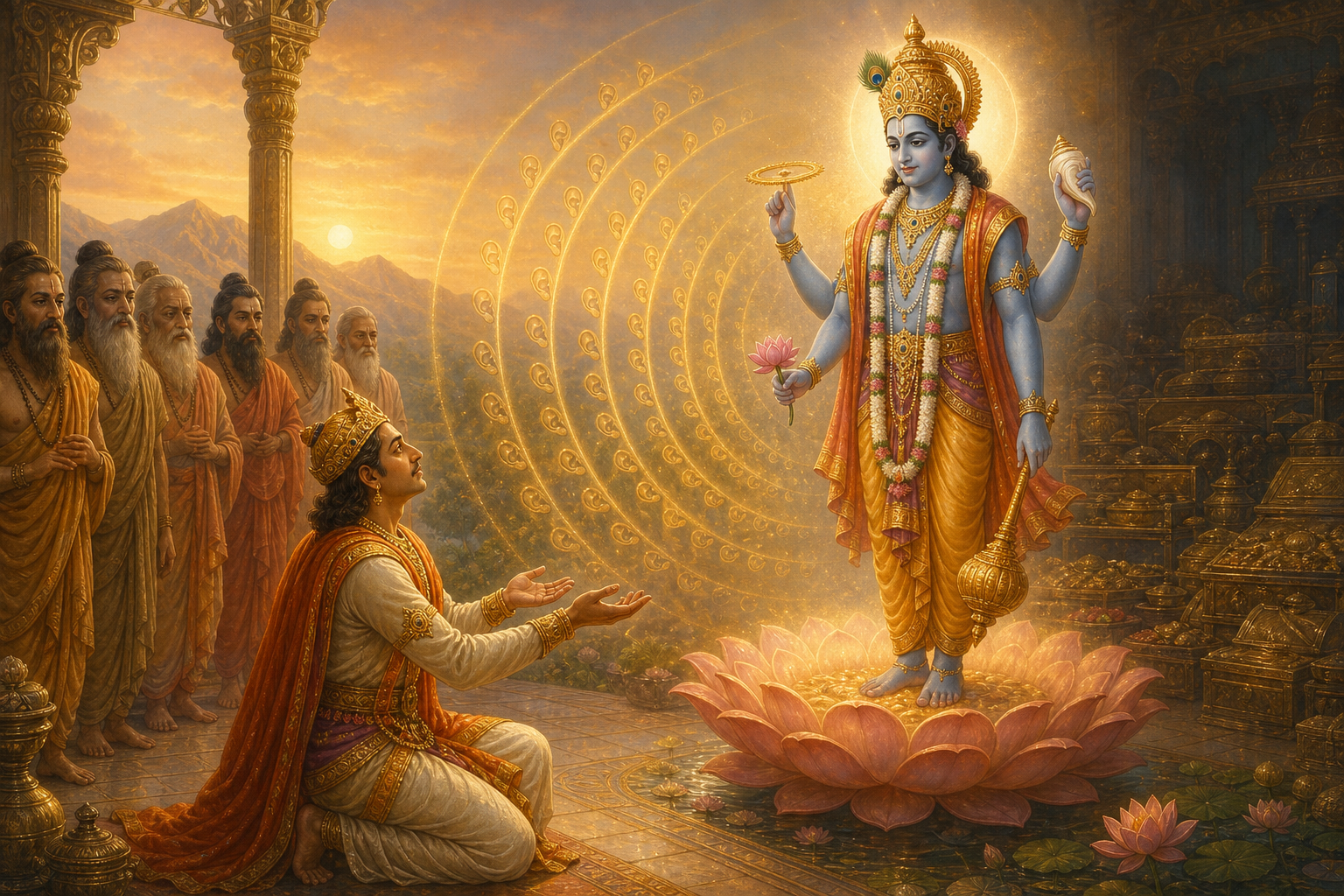
This in-depth exploration clarifies “Divine Touch” (anugraha/divya sparśa) as a core Dharmic idea that unites Hinduism, Buddhism, Jainism, and Sikhism through a shared emphasis on grace aligned with ethical practice. It defines key terms, explains ritual and initiatory dimensions (abhiṣekam, dīkṣā, Guru–Śiṣya Relationship), and connects classical insights from the Upanishads and the Bhakti Tradition to…