-
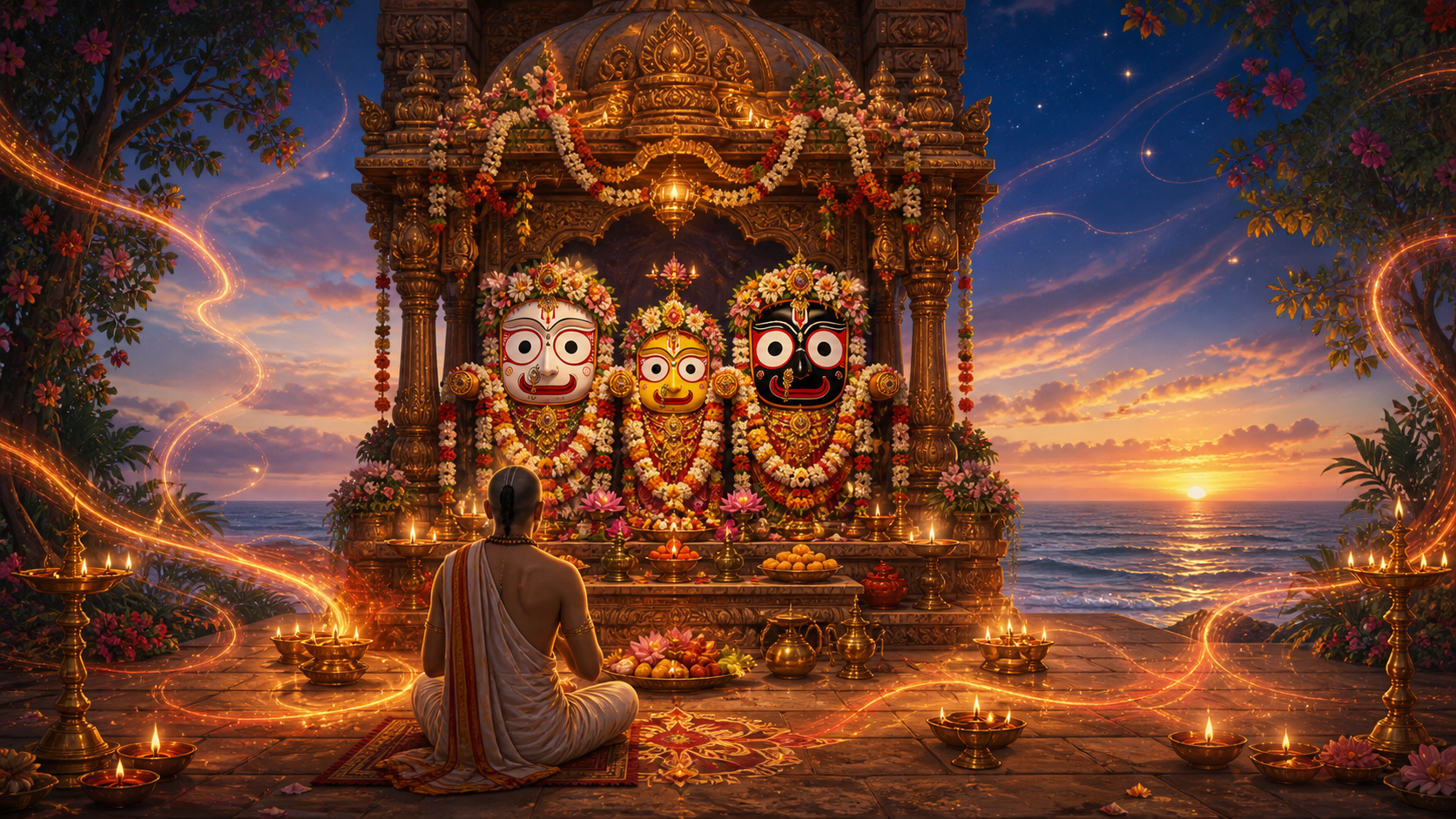
Bhaktivedanta Manor’s Maha Morning Programme: Devotional Dawn and Dharmic Unity (14 Dec 2025)

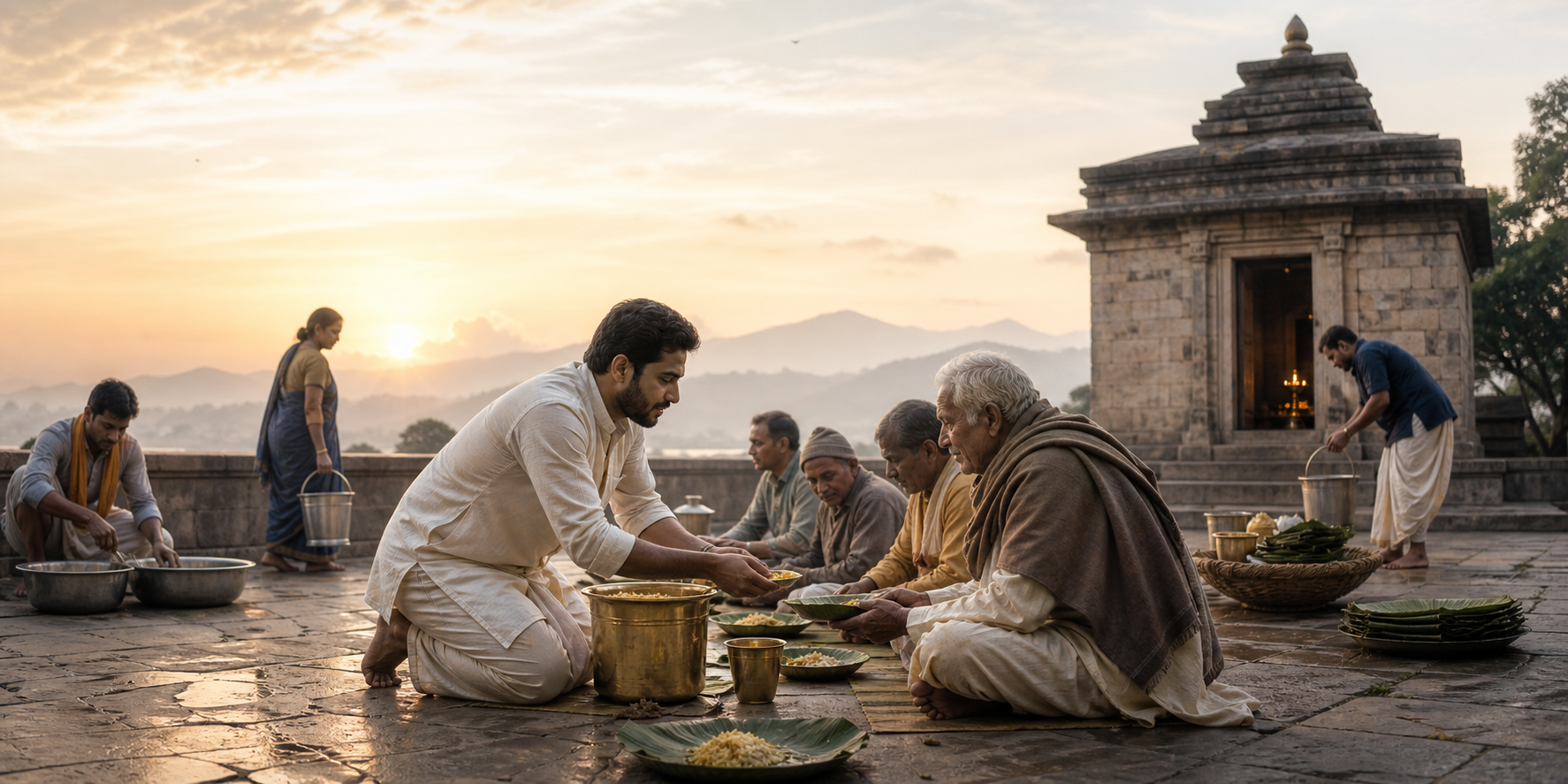
Bhaktivedanta Manor’s Maha Morning Programme on 14 December 2025 offers a serene, devotional start to the day centered on kirtan, japa meditation, and scriptural reflection. Grounded in the bhakti tradition and aligned with ISKCON’s practices, the gathering contemplates Krishna as the beloved of Radha, lifter of Govardhana, and delight of Vraja. The event emphasizes unity…
-
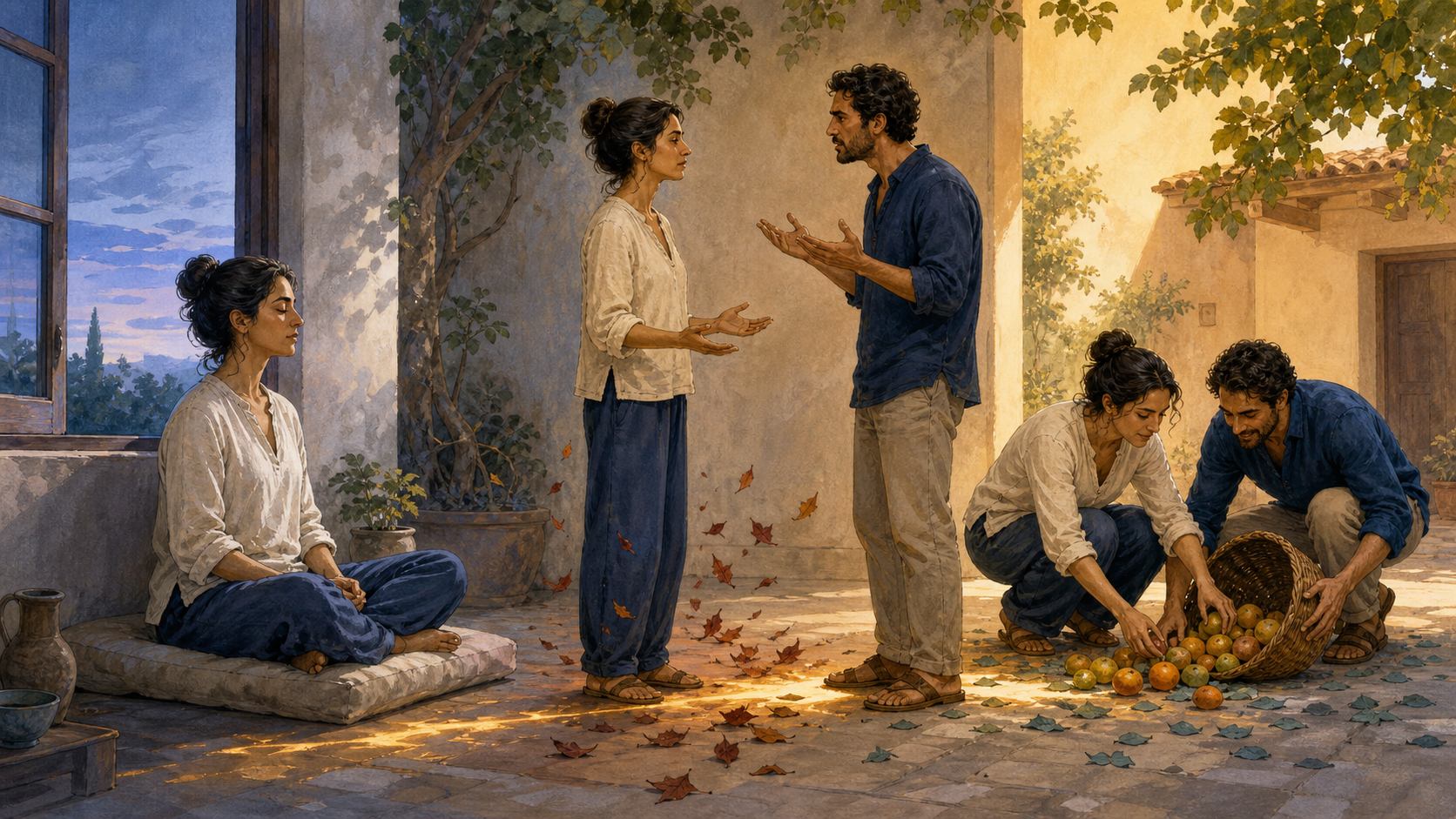
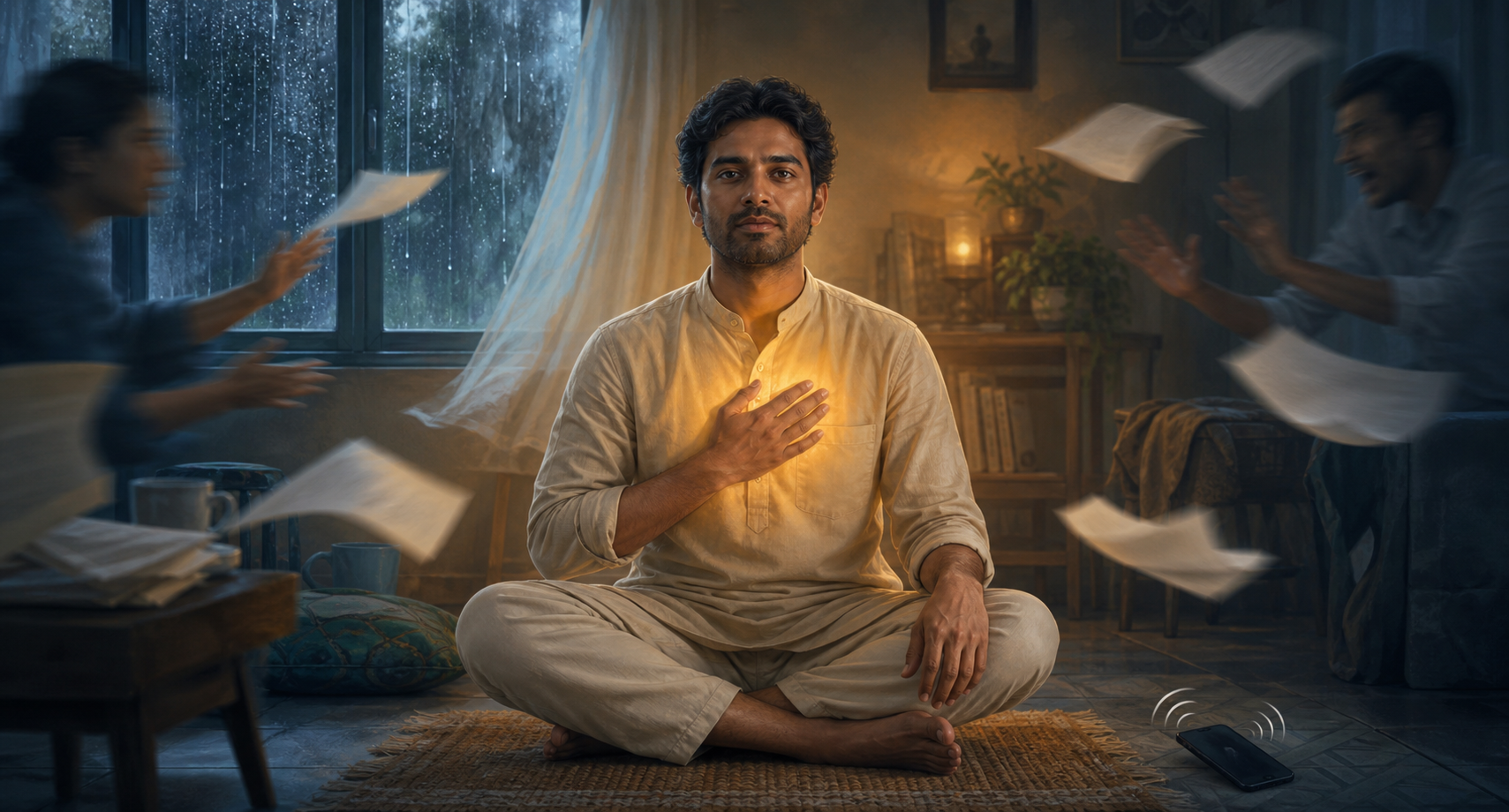
Lord Śiva on the Wounds of Words: SB 4.3.19 and the Power of Compassionate Speech

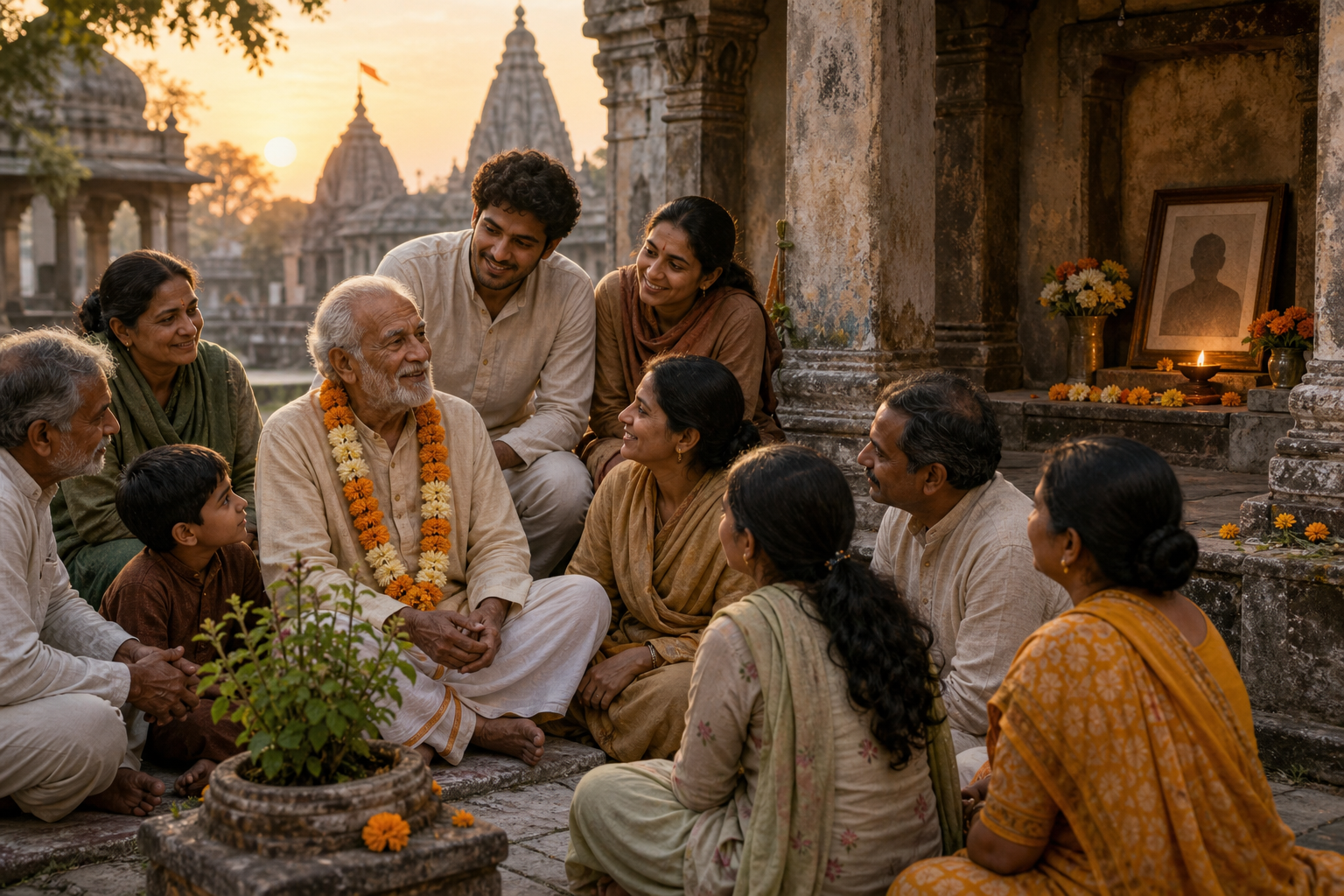
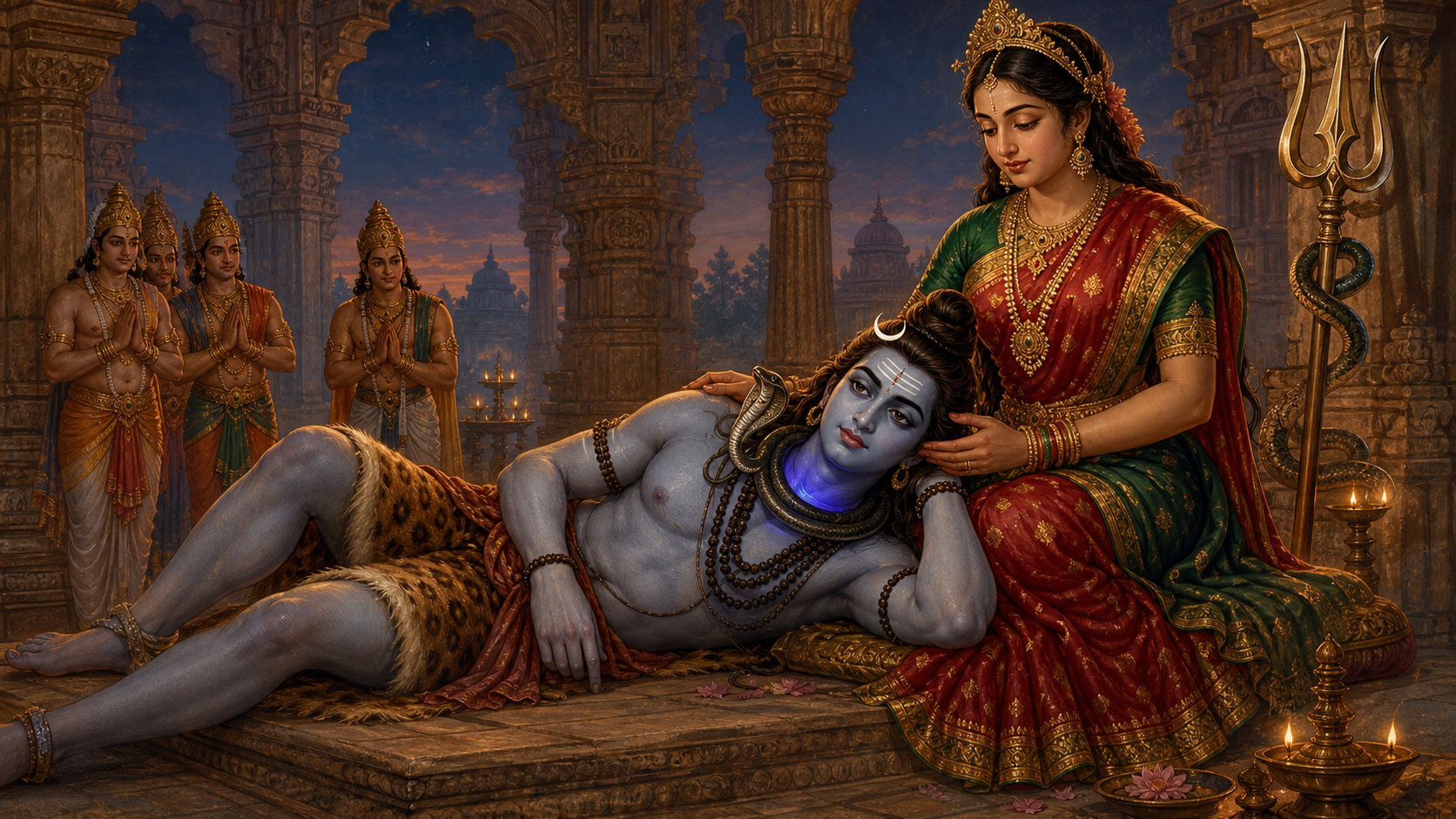
SB 4.3.19 presents Lord Śiva’s profound teaching that unkind words from relatives wound more deeply than physical harm. The verse clarifies why familial speech carries lasting emotional effects and how mindful communication can prevent subtle violence. Set against Satī’s dilemma with Dakṣa, it illuminates the ethics of duty, dignity, and restraint. The insight resonates across…
-
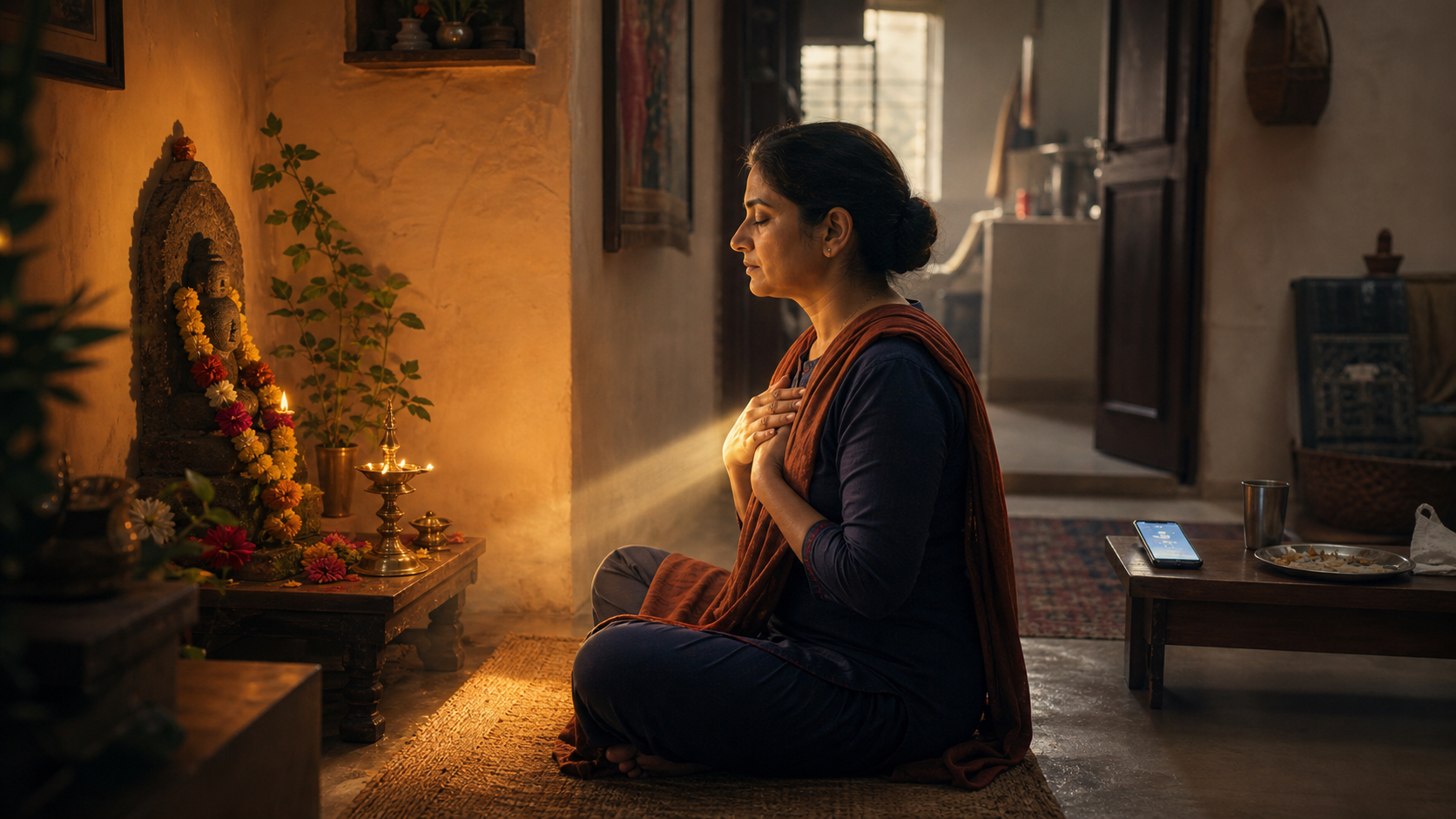
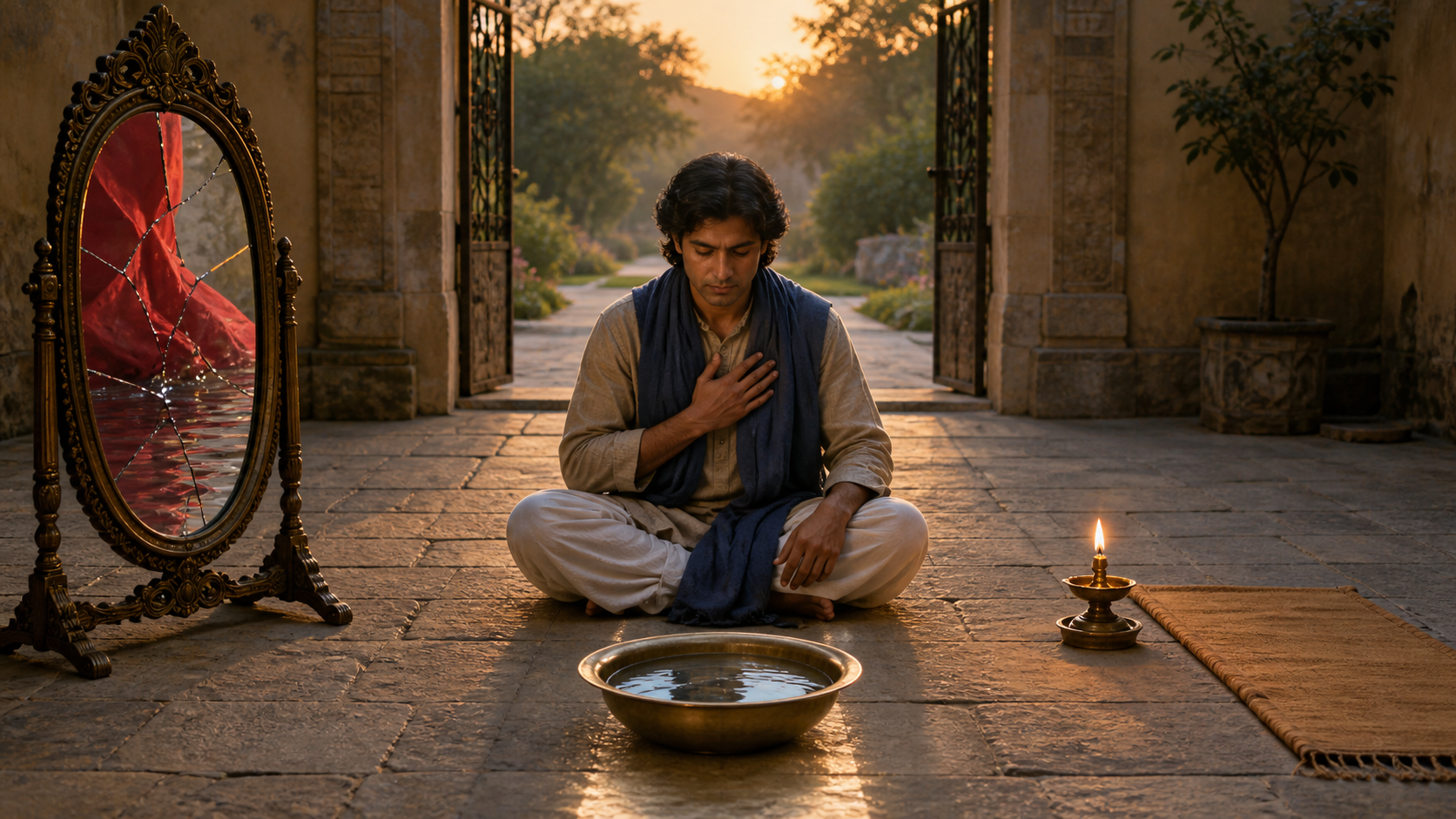
Break Free from Social and Religious Guilt: Dharmic Wisdom for Calm, Authentic Living

This article examines how Dharmic wisdom helps individuals release social and religious guilt without rejecting tradition. It explains how context-sensitive dharma and intention (bhava) guide ethical choices more reliably than fear-driven conformity. Drawing on Hinduism, Buddhism, Jainism, and Sikhism, it highlights inclusive practices such as karma yoga, mindfulness, pratikraman, ahimsa, ardas, and seva. Readers learn…
-
Living Liberation Now: Hindu Moksha (Jivanmukti) and Parallels in Buddhism, Jainism, Sikhism

Hindu thought presents moksha as jivanmukti—liberation achievable in this lifetime—grounded in the Upanishads and the Bhagavad Gita. This living freedom is described as a state beyond pleasure and pain, where equanimity and compassion guide daily action. Multiple pathways—jnana, bhakti, karma, and raja yoga—offer complementary means to stabilize insight. The vision aligns with dharmic parallels: Buddhist…
-
Ucchista Ganapati Revisited: Beyond Stereotypes, the Inclusive Tantric Wisdom of Ganesha

Ucchista Ganapati, the eighth of Ganesha’s 32 forms, is often miscast as merely an “unclean” Tantric deity. Drawing on the ancient “Ucchista Ganapathi Puja Vidhanam,” this analysis clarifies that the practice is scripturally grounded, disciplined, and transformative. The term ucchista—“that which remains”—signals a theology of sanctifying remainders, not endorsing impurity. Framed by mantra, nyasa, and…
-
Goddess Vinayaki (Ganeshani): Unveiling the Sacred Feminine Power of Ganesha
Goddess Vinayaki (Ganeshani) embodies the sacred feminine of Lord Ganesha, uniting wisdom and compassion as a remover of obstacles in maternal form. Rooted in Puranic–Tantric traditions and Yogini lore, she reflects the inclusive plurality of Sanatana Dharma. Her iconography—elephant head, feminine form, and attributes like pasha, ankusha, modaka, and lotus—emphasizes auspicious beginnings and protective grace.…
-
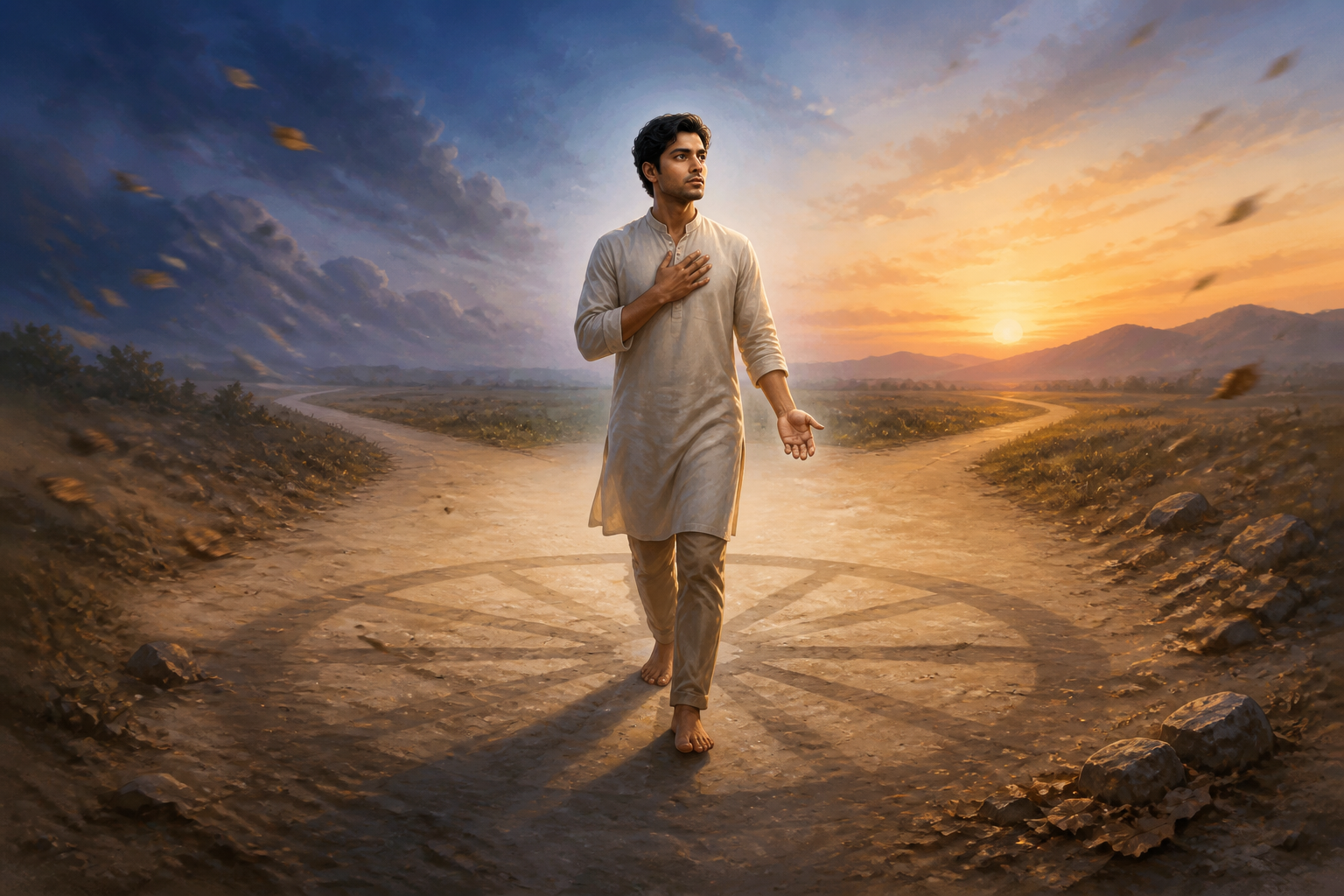
Beyond Labels: Why Modern Identity Feels Hollow—and Dharmic Wisdom to Reclaim Self

Modern life intensifies an identity crisis by tying self-worth to body, mind, and social labels that constantly change. Dharmic traditions respond with a unifying insight: mistaking transient attributes for the true self leads to instability and division. Vedanta, Buddhism, Jainism, and Sikhism differ in doctrine yet converge on loosening attachment to narrow identities. Practical disciplines—mindfulness,…
-
Why People‑Pleasing Fails: Dharma‑Aligned Priorities Prevent Chronic Disappointment

Trying to please everyone guarantees disappointment because competing priorities cannot all be met at once. An academic, dharmic perspective reframes the issue: action should follow values and context, not approval‑seeking. Principles shared across Hinduism, Buddhism, Jainism, and Sikhism—dharma, Karma Yoga, ahimsa, aparigraha, Right Action, and seva—offer a coherent framework. The result is clearer boundaries, compassionate…
-
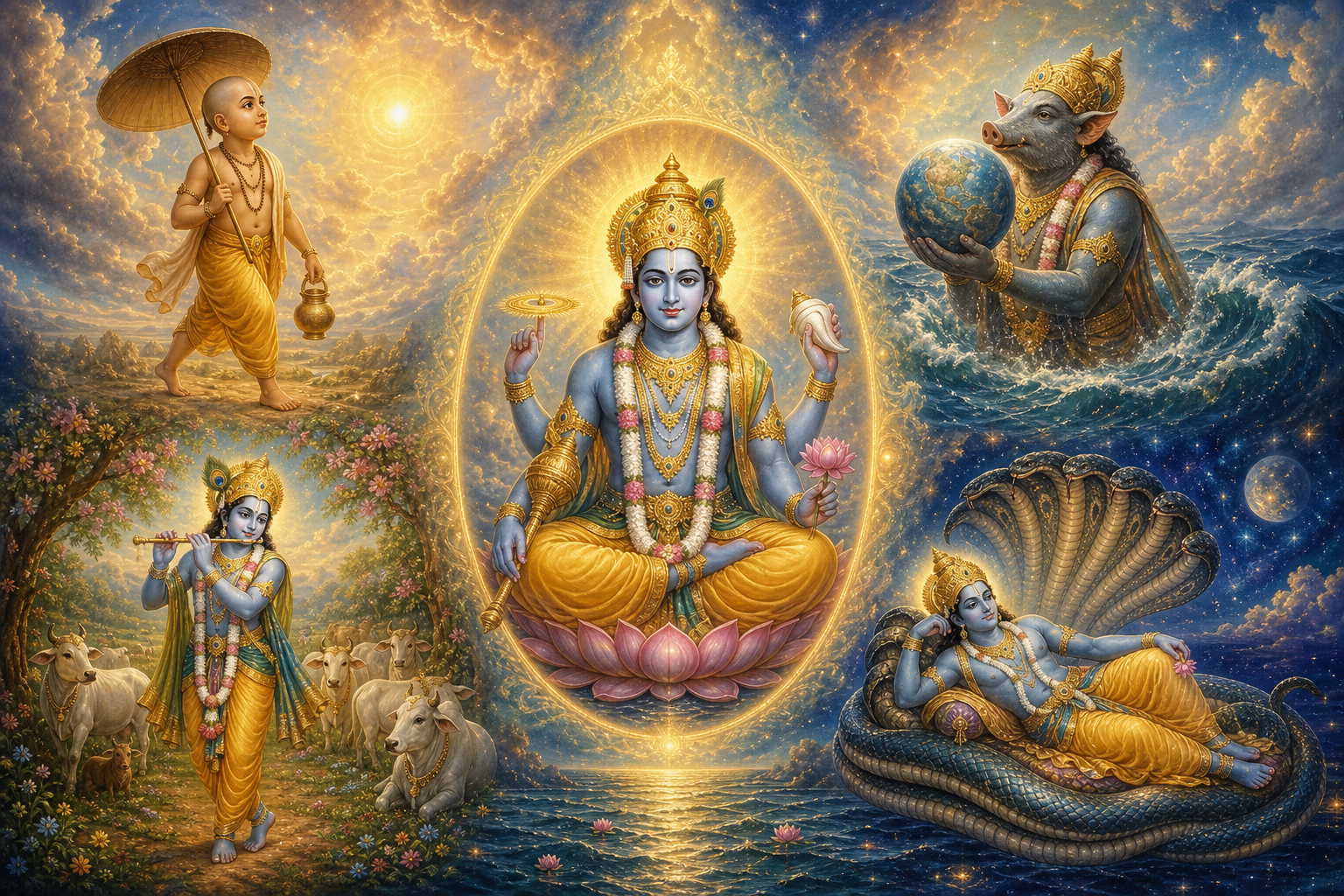
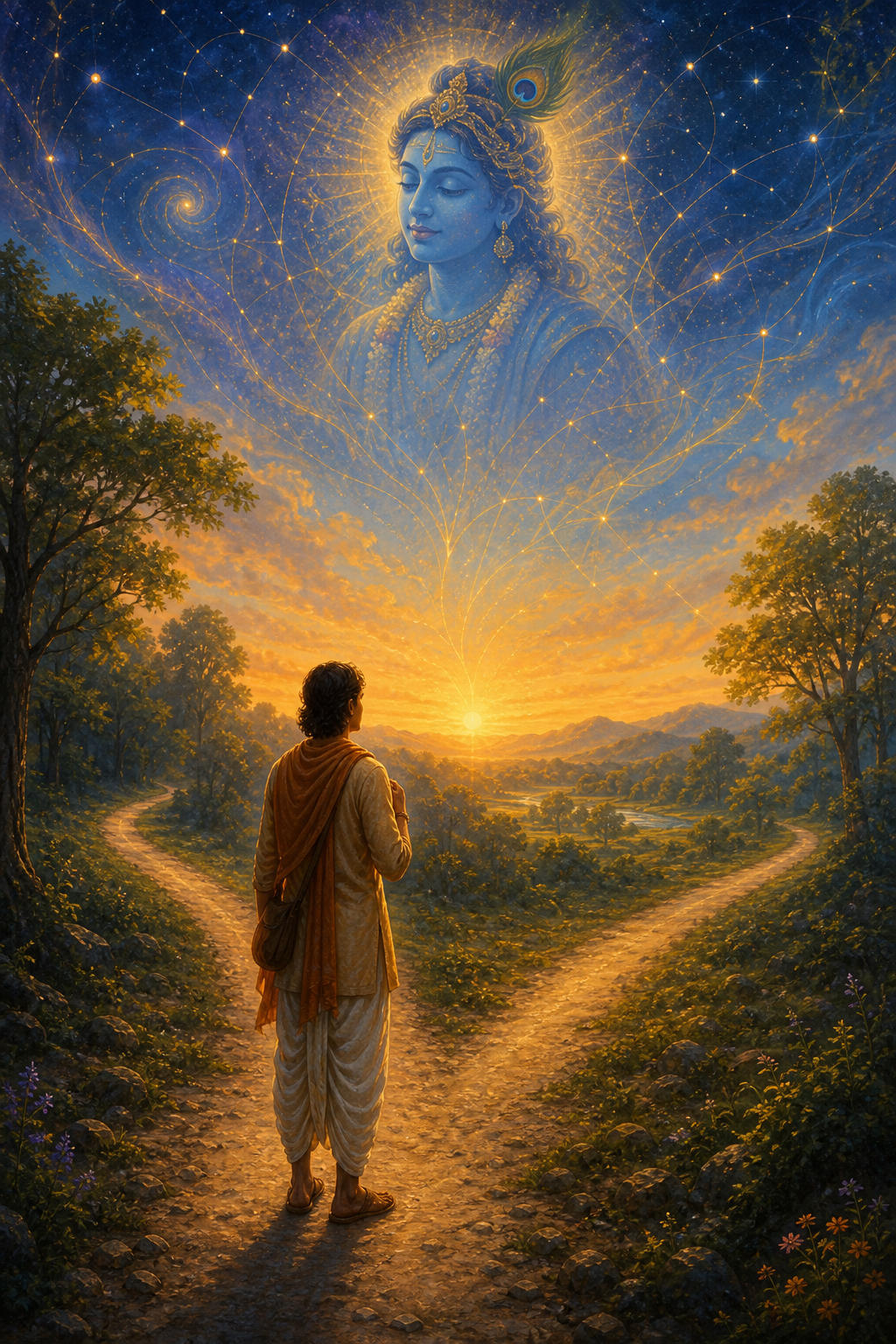
Supersoul and Free Will: How Krishna Guides Choices, Karma, and Spiritual Growth

Hindu philosophy holds that Krishna as the Supersoul (Paramatma) guides from within while fully honoring human free will. When intentions lean toward material aims, inner guidance equips practical intelligence for success, while karmic responsibility remains. When the focus turns spiritual, discernment and compassion deepen, aligning choices with dharma and lasting well-being. Practices across dharmic traditions—japa…
-
From ‘Miracle’ to Menace: Dharmic Wisdom to Curb Plastic Pollution and Restore Balance

Plastic’s promise has turned perilous, with microplastics degrading ecosystems and health. This piece unites Hindu, Buddhist, Jain, and Sikh wisdom to frame a practical, compassionate response. It explains how Dharma, Ahimsa, Aparigraha, and seva align with circular economy solutions such as repair, reuse, and waste reduction. Readers gain actionable steps for Sustainable living—favoring durable, repairable…
-
When Duty Meets Divine Will: Arjuna’s Tapas to Shiva and the Blessing of Astras

Arjuna’s tapas at Mount Indrakeel reveals how inner discipline aligns human duty with divine will in the Mahabharata. Guided by Veda Vyasa, Arjuna seeks Shiva’s grace and receives the Pashupatastra, exemplifying power entrusted only to ethical hands. The episode illustrates Kshatra Dharma as measured protection rather than aggression, echoing cross-dharmic ideals from Hinduism, Buddhism, Jainism,…
-
Four Faces of Varuna: Unveiling Vedic Symbolism for Cosmic Order and Inner Harmony

This article decodes the “Four Faces of Varuna” as a Vedic metaphor for omniscient care, moral order, and compassionate accountability. It clarifies how Rita (ṛta) structures both the cosmos and ethical life, linking Varuna’s symbols—such as the pāśa and waters—to practical integrity and social trust. Readers gain a clear framework that integrates the four Vedas,…
-
Trikala Puja in Hindu Temples: Embracing Time’s Sacred Rhythm for Daily Inner Harmony

Trikala Puja aligns daily life with the sacred cadence of dawn, midday, and dusk, transforming time into a framework for devotion and inner balance. Rooted in Agamic guidance, it harmonizes diverse Hindu temple traditions through shared upacharas, naivedya, and dīpa-ārati. The triadic rhythm cultivates sattva at dawn, sanctifies action at noon, and invites gratitude and…
-
Protecting Each Other: A Dharmic Call to Responsible Action During the Pandemic and Beyond
Representing Krsna and the parampara requires modeling responsibility and compassionate care for all. In the coronavirus pandemic, this means rigorously following public health recommendations and official indications as an expression of Dharma, ahiṁsā, and sevā. Community experience shows that clear protocols and digital engagement preserved connection and protected vulnerable groups. The teaching aligns puruṣārtha (self-effort)…
-
Conquering Inattention: Choosing Effective Sadhana to Deepen Devotion and Inner Focus
This reflective analysis reframes the common spiritual question—“What will bring me closer to Krishna?”—by identifying inattention as the root obstacle to deep practice. It explains how distracted awareness weakens japa, dhyana, simran, and samayik across dharmic traditions, while cultivated attention restores depth and devotion. The piece offers practical, research-informed steps to stabilize focus: mindful preparation,…
-
Andal’s Tiruppavai: Four Transformative Steps to Attain the Divine Presence of Vishnu
Andal’s Tiruppavai, revered across the Sri Vaishnava tradition, presents a clear four-step path to the divine presence of Lord Vishnu: shared discipline (Pavai Nombu), daily remembrance through song, surrender to grace, and compassionate service. These steps reinforce one another, enabling seekers to balance devotion, study, and ethical living. Observances during Margazhi create a supportive communal…
-
Dhritarashtra’s Locked Room: A Powerful Dharmic Lesson on Attachment, Denial, and Freedom

The Mahabharata’s portrait of Dhritarashtra reveals how attachment (moha) and denial create a self-made prison that undermines ethical judgment. This analysis clarifies the difference between ignorance and active refusal to see, mapping the locked-room metaphor onto everyday life, leadership, and responsibility. It highlights convergence across Hinduism, Buddhism, Jainism, and Sikhism on freeing oneself from clinging…
-
Bharani Nakshatra 2026–2027 Predictions: Clear Guidance for Career, Love, Health, and Dharma

Bharani Nakshatra 2026–2027 Predictions (Bharani Nakshatra Phalam 2026-2027) highlight a year favoring steady growth, ethical choices, and calm, deliberate planning. Career progress improves through reliability, process refinement, and values-aligned collaboration. Finances benefit from disciplined budgeting and reduced speculation. Relationships deepen with clear boundaries, respectful communication, and shared responsibilities. Health stabilizes through sustainable routines and stress…
-
Transformative Year for Krittika (Karthigai): Accurate 2026–2027 Vedic Astrology Guide

Krittika Nakshatra 2026–2027 Predictions (Karthigai Nakshatra Phalam) indicate a year of steady, values-driven progress under Saturn in Pisces and supportive Jupiter influences. The Aries portion favors initiative and skill upgrades, while the Taurus portion rewards consistency and relationship equity at work. Career gains are strongest when paired with documentation, clear boundaries, and realistic timelines. Financially,…