-
December 20, 2025 Panchang: Amavasya to Shukla Paksha Pratipada Timings and Shubh Tips

December 20, 2025, features a notable lunar transition in the Hindu calendar from Amavasya to Shukla Paksha Pratipada. Amavasya tithi ends at 6:37 AM, after which Pratipada begins and continues until 8:21 AM, with minor regional variations possible. This shift heralds renewal and is widely regarded as favorable for recommitting to daily disciplines. Observances often…
-
Singlehood as Self-Trust: Reclaiming Joy, Freedom, and Belonging in a Pair-Obsessed Age

Being single is not a failure; it can be a rigorous practice of self-trust, independence, and belonging. This analysis traces how historical dependency and modern dating culture fuel the fear of being single, while showing how mindfulness, self-compassion, and community reshape singlehood into a path of joy. It highlights freedom benefits—agency, clarity, and identity formation—alongside…
-
Jnana vs. Karma in Hinduism: How Knowledge and Selfless Action Unite on the Path to Moksha

Hindu philosophy does not set Jnana Yoga and Karma Yoga in opposition; it unites them. Knowledge clarifies purpose, while selfless action purifies the mind—together advancing dharma and moksha. The Bhagavad Gita models this synthesis, showing how insight and responsibility reinforce each other. Household duties, honest work, and seva become extensions of spiritual practice when guided…
-
Across Lifetimes: Hindu Dharma on Reincarnation, Karma, and the Healing Art of Letting Go

This essay presents a clear, academically grounded account of Hindu teachings on reincarnation (samsara), karma, and moksha, showing how death functions as a transition rather than an end. Scriptural perspectives from the Upanishads and the Bhagavad Gita frame the atman as enduring across lifetimes. The discussion explains karma as a moral law that affirms agency,…
-
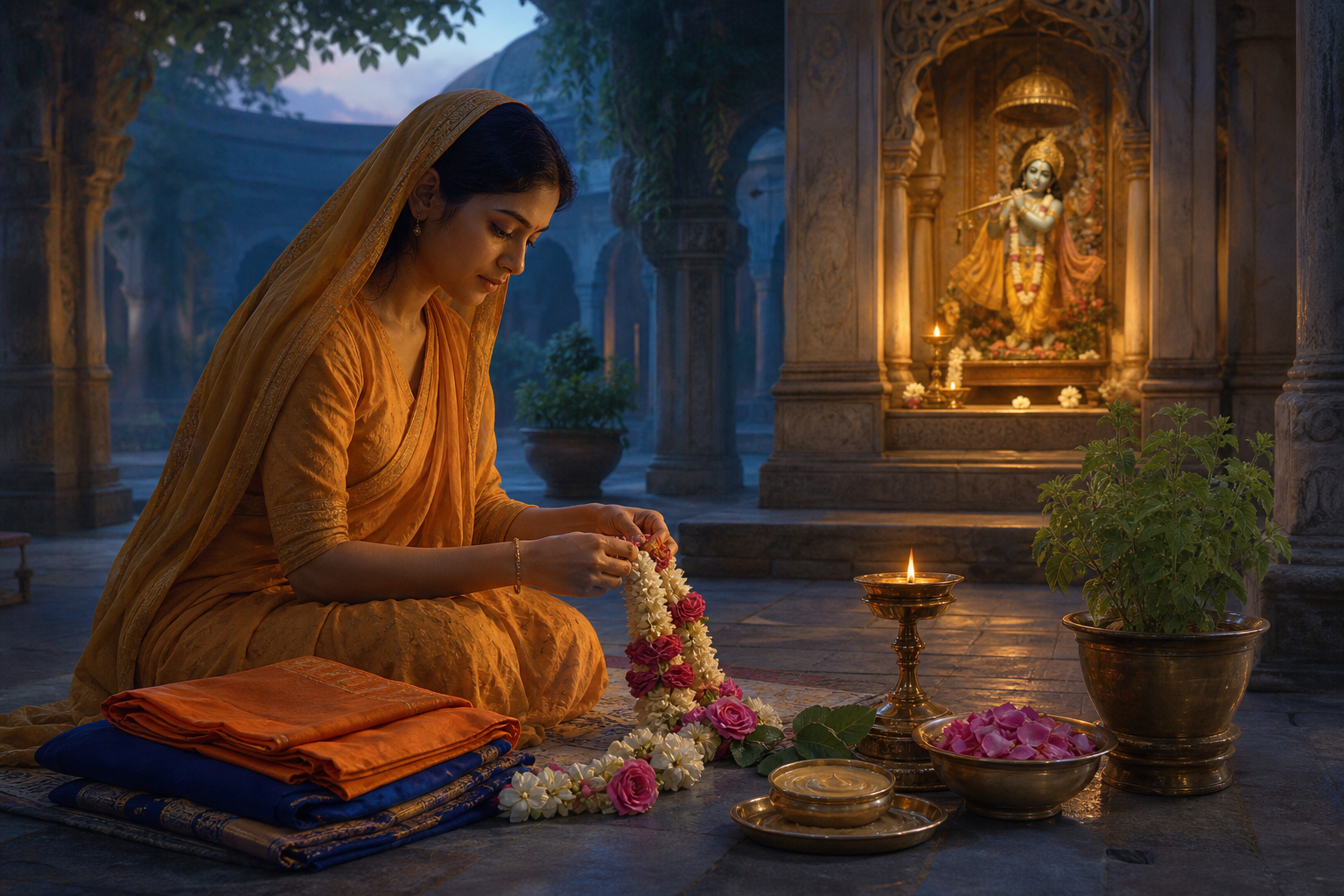
Andal’s Radiant Devotion: The Transformative Symbolism of Wearing Vishnu’s Garland First

Andal (Goda), the only female Azhwar of the Tamil Bhakti movement, is remembered for the profound symbolism of wearing garlands meant for Vishnu before offering them. This gesture—sanctified by tradition and temple lore—embodies atma-nivedana, where authentic intention elevates ritual into intimate devotion. Her Thiruppāvai and Nācciyār Tirumozhi give poetic voice to this theology, uniting aesthetics,…
-
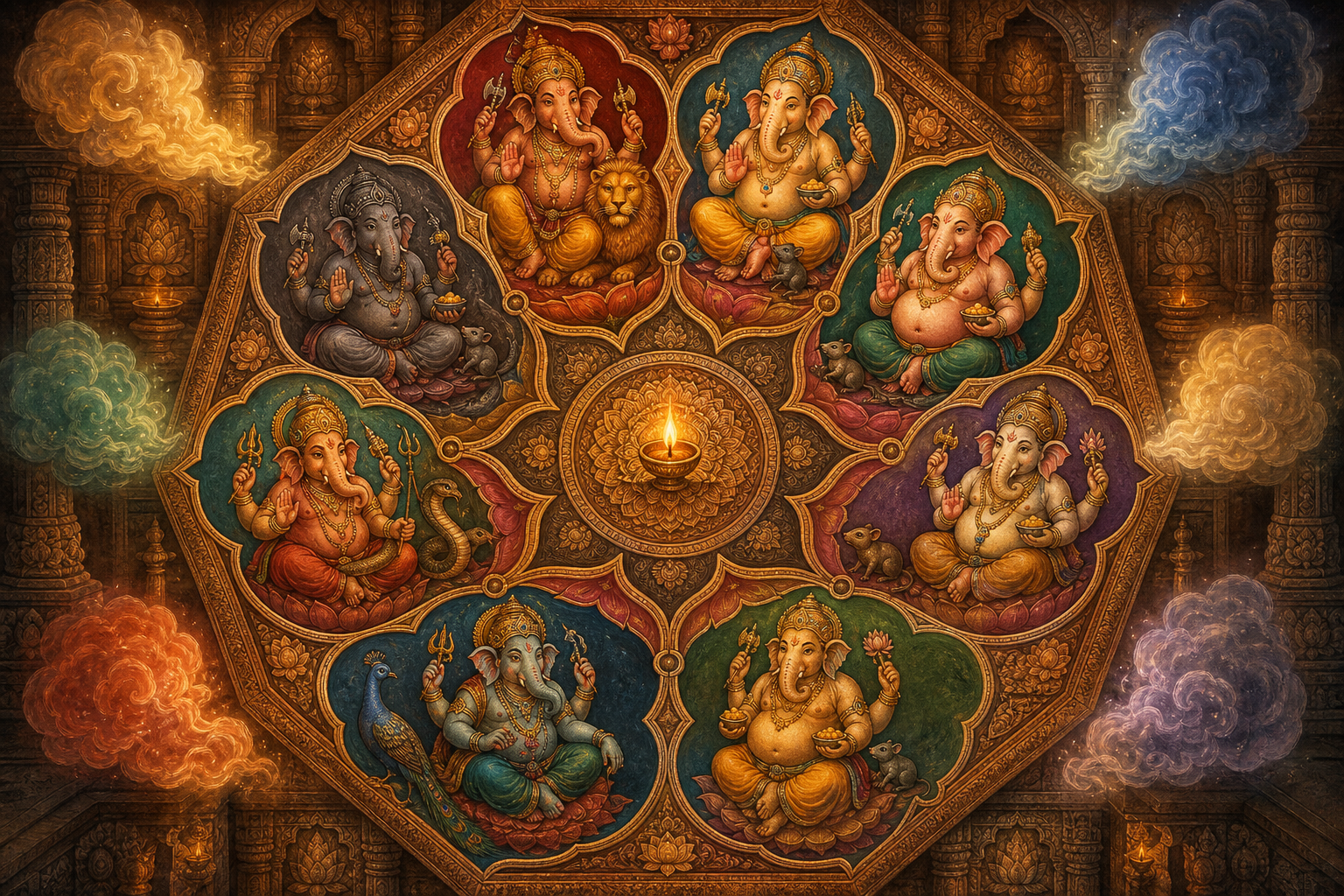
Pasha and Ankusha in Hindu Iconography: Powerful Symbols of Guidance and Restraint

Hindu iconography uses the pasha (noose) and ankusha (elephant goad) to teach a complete ethic of spiritual control—restraining harm while guiding the seeker toward dharma. The pasha symbolizes compassionate containment and moral accountability; the ankusha conveys gentle yet firm redirection of mind and senses. Grounded in Āgamic, Purāṇic, and Śilpa-śāstra traditions, these attributes appear with…
-
A Serendipitous Meeting in Leeds: Dr Ali Hayder, Ramayan, and the Power of Shared Devotion

A chance meeting in Leeds with Dr Ali Hayder led to a thoughtful exchange on devotion, the Ramayan, and shared spiritual values. The conversation echoed Srila Prabhupada’s insight that faith ultimately addresses the human heart beyond religious labels. It offered a living example of religious pluralism and harmony of faiths, grounded in respect and openness.…
-
Why Lack of Contentment Fuels Suffering: Santosha in the Yoga Sutras and Dharmic Wisdom

This article explains why the absence of contentment (santosha) intensifies suffering and how the Niyamas in Patanjali’s Yoga Sutras offer practical remedies. It connects Hindu insights with convergent teachings from Buddhism, Jainism, and Sikhism, highlighting a shared dharmic path toward inner peace and ethical action. Readers learn how karma yoga stabilizes effort without attachment to…
-
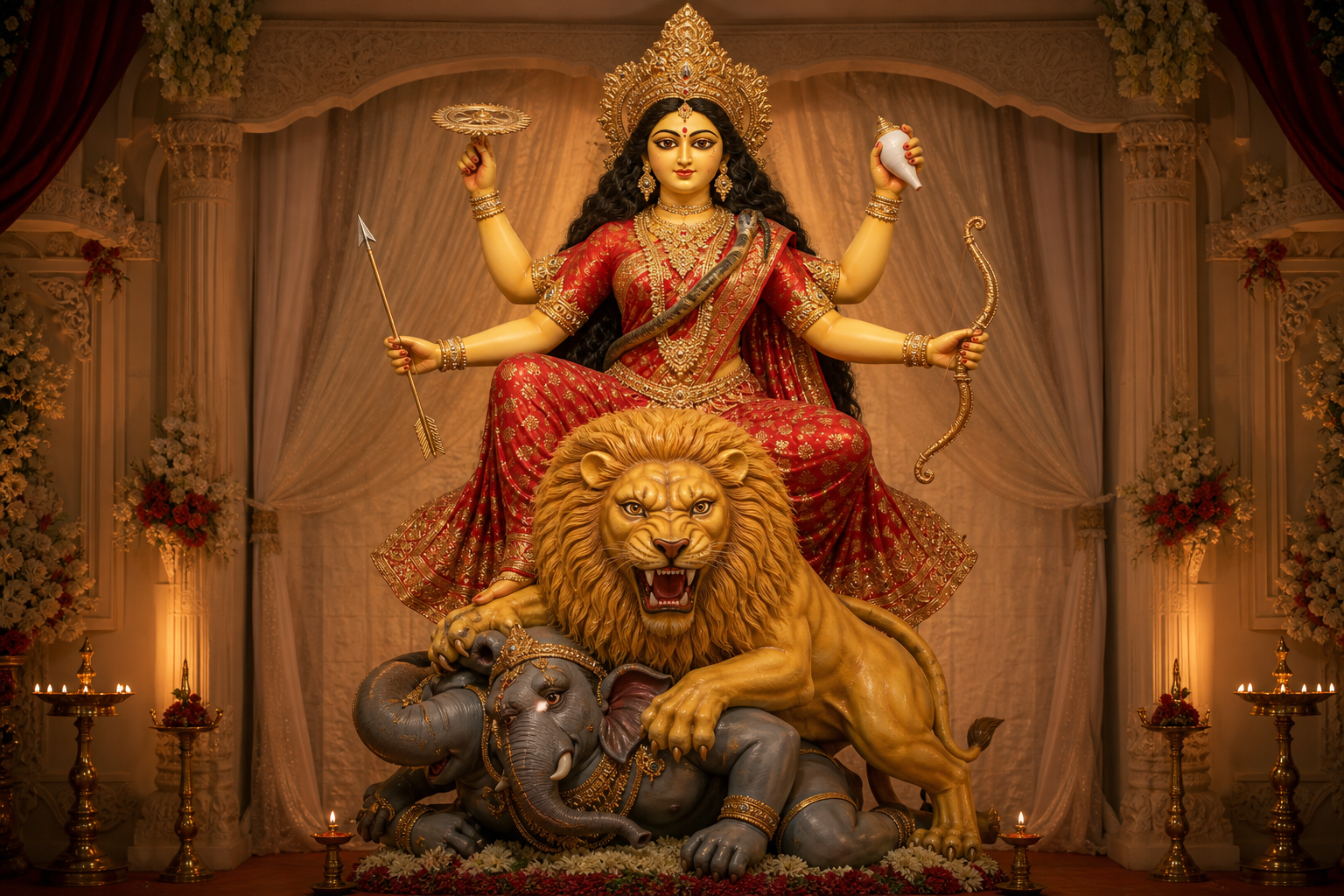
Chamunda’s Sacred Elephant: Fierce Shakti, Ego’s Undoing, and the Path to Inner Freedom

Goddess Chamunda’s association with the elephant in select iconography conveys a profound lesson: the fierce subjugation of ego, pride, and inertia that obstruct spiritual growth. Read as a visual theology of Shakti, the motif transforms heaviness into purposeful clarity aligned with dharma. The symbolism resonates psychologically, echoing Vedantic neti neti and Yogic pratyahara as disciplined…
-
Iccha Mrityu in Hinduism: The Awe-Inspiring Power to Choose Death with Conscious Grace
Iccha Mrityu—“death by will”—is a profound Hindu concept linking ethical living, yogic mastery, and fearless acceptance of mortality. The Mahabharata’s account of Bhishma illustrates this ideal with clarity and dignity. Rather than endorsing self-harm, texts frame conscious dying as a rare fruit of disciplined practice and deep realization. Parallels across dharmic traditions—Buddhist parinirvana, Jain Sallekhana,…
-
How the Sahibzaade’s Martyrdom Ignited Two Teens’ Inner Mission and Lifelong Courage

Two teenagers discovered a practical path to courage and clarity after studying the Sahibzaade’s martyrdom in a youth workshop. The narrative of Guru Gobind Singh’s sons—set around Anandpur Sahib, Chamkaur, and Sirhind—became a framework for daily discipline. By linking seva, simran, and small vows (anuvrat) to study habits, the teens improved focus and reduced anxiety.…
-
December 19, 2025 Panchang: Amavasya Tithi Timings, Shubh Muhurat Overview, and Guidance

December 19, 2025 is observed as Amavasya (no-moon day) in the Hindu calendar, with Krishna Paksha Chaturdashi ending at 4:35 AM IST and Amavasya continuing until 6:37 AM IST on December 20. The civil day is therefore largely Amavasya, a period that traditionally favors reflection, quiet practice, and charitable intent. Across dharmic traditions, this lunar…
-
Krishna’s Cows in New Vrajamandala: Devotional Bonds of Care, Ahimsa, and Sacred Ecology

Krishna’s Cows in New Vrajamandala offers an academically grounded yet accessible meditation on the sacred relationship among Krishna, devotees, and cows. The work highlights go-seva and ahimsa as living practices that nurture compassion, ecological stewardship, and communal responsibility. Guided by an introduction from Yadunandana Swami, the text invites reflective reading—beginning with “In the pages …”—and…
-
Shani Sade Sati for Kanya Rashi: Decode Janma Shani’s Second Phase, Effects, Remedies

Janma Shani, the second 2 1/2-year phase of Shani Sade Sati for Kanya Rashi (Virgo sign), invites disciplined effort, clarity, and ethical alignment. The transit’s effects vary by Lagna, Nakshatra, natal Shani, and Dasha, making outcomes neither fixed nor fated. Practical responses—structured routines, mindful finances, meditation, and steady seva—reduce stress and enhance resilience. Traditional upaya…
-
Shani Sadesati for Kanya Rashi: Master the Final 2.5 Years (Paada Shani) with Grace

Shani Sadesati for Kanya Rashi culminates in Tula Rashi as Paada Shani, an exalted Saturn phase that refines speech, strengthens family duties, and stabilizes resources. The emphasis shifts from short-term comfort to long-term integrity, making discipline and ethical clarity essential. Observing Panchang, and considering Nakshatra and Dasha, helps contextualize individual experiences. Simple, steady practices—seva, daan,…
-
Lal Kitab Moon in 3rd House: Powerful Chandra Remedies, Pujas, Vratas, and Gem Guidance

Lal Kitab views Moon in the 3rd house as a placement that heightens sensitivity in communication, initiative, and sibling ties while noting possible 8th-house vulnerabilities. Practical remedies emphasize Somvar Vrat, Shiva and Chandra worship, and mantra recitation such as “Om Chandraya Namah.” Charity with Moon-friendly items (milk, rice, white sweets) and mindful conduct support emotional…
-
Powerful Lal Kitab Remedies for Venus in 2nd House: Protect Wealth, Harmonize Family, Avoid Misery

Lal Kitab associates Venus in the 2nd house with wealth, speech, and family harmony, while warning against homes that are broad in front and narrow at the rear, and against trading in gold. Practical remedies include Friday donations of white items, gentle recitation of “ॐ शुक्राय नमः,” and cultivating truthful, compassionate speech. Respect for women,…
-
Shani Sade Sati for Kanya Rashi: First 2.5 Years (Viraya Shani) Insights & Remedies
Shani’s entry into Simha Rashi begins Shani Sade Sati for Kanya Rashi, with the first 2 ½ years known as Viraya Shani. This phase emphasizes restraint, careful budgeting, and a compassionate reordering of priorities. Many experience increased responsibilities and subtle lifestyle shifts, which Saturn uses to teach discipline and clarity. Practical steps—mindful spending, organized routines,…
-
Menopause Revealed Hidden Trauma: A Decade-Long Journey to Healing, Resilience, and Rest

Menopause can unmask long-buried trauma, especially in women with higher Adverse Childhood Experiences (ACEs), and research links this history to more severe perimenopausal symptoms. This account traces a decade-long journey from insomnia and anxiety to nervous-system literacy and emotional resilience. Evidence from Maturitas, Emory University, and the Journal of Clinical Psychiatry clarifies why trauma heightens…
-
Protect Your Sacred Energy: Hindu Wisdom to Resist Attention Hijacking in the Digital Age
Ancient Hindu concepts such as prāṇa, indriya-nigraha, pratyāhāra, and dhyāna provide a clear framework to understand how the attention economy drains energy and clarity. Read with Buddhist sati, Jain samayik, and Sikh simran, these ideas form a unifying dharmic ethic that protects attention as sacred. The article outlines practical, low-friction habits—breath-before-click, notification pruning, device-free zones,…