-
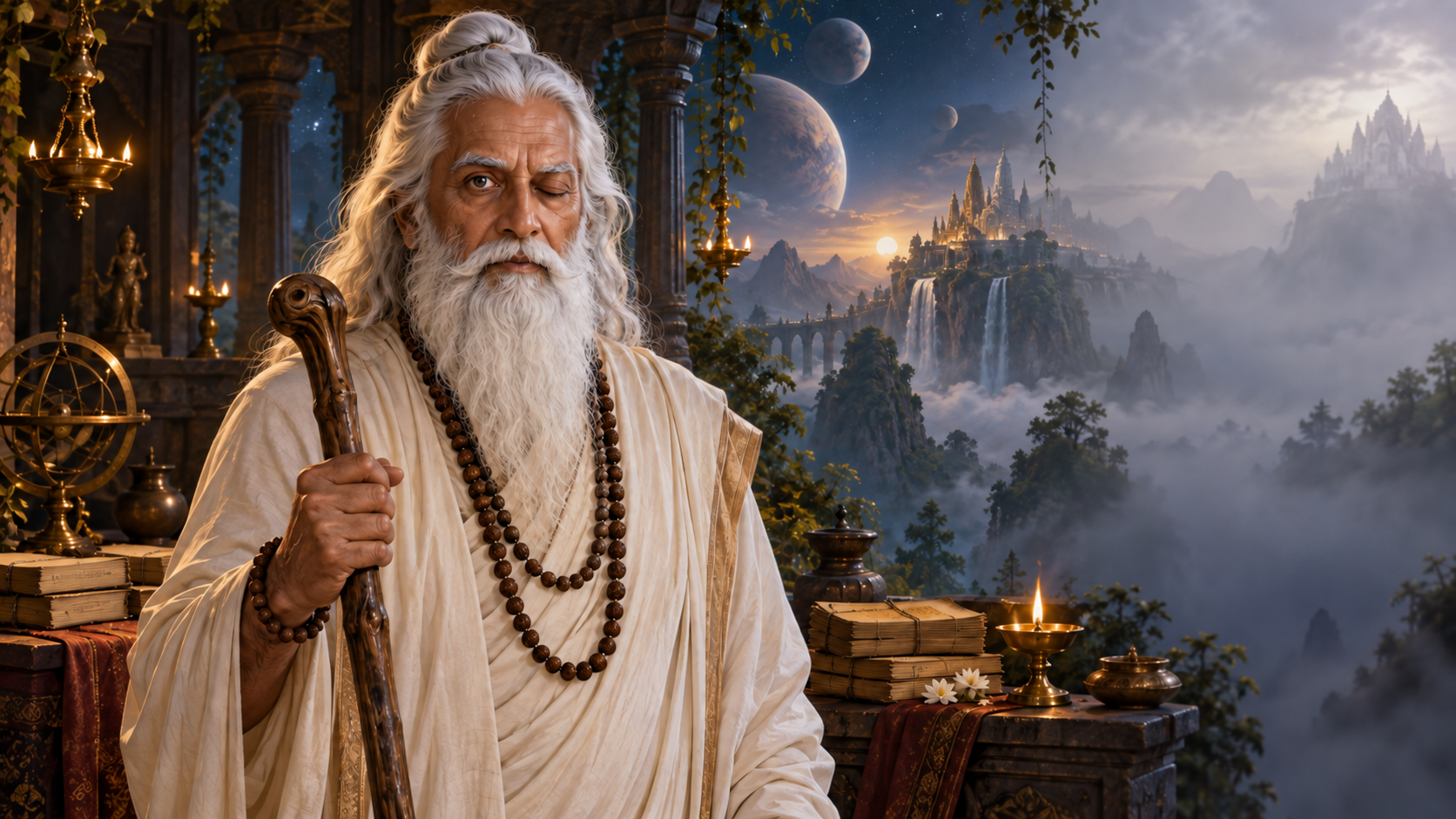
Dvaita vs Advaita in Hinduism: A Clear, Compassionate, Research‑Backed Guide to Vedanta

This research-backed guide clarifies the real differences between Dvaita and Advaita without reducing either system to caricature. It explains Advaita’s non-dual Brahman, Dvaita’s theistic realism, and why both accept the same core scriptures yet read them through distinct hermeneutics. Readers learn how Advaita’s three levels of reality and Dvaita’s Panchabheda lead to different, but equally…
-
Manusmriti in Modern India: Separating Myth from Method for a Dharmic, Inclusive Future

This evidence-based exploration separates myth from method to answer whether Manusmriti is relevant today. It explains what the text is within Dharmashastra, how it actually functioned through custom and commentary, and why colonial codification distorted public perception. It clarifies hotly debated verses on women and caste with historical context while affirming modern constitutional equality. It…
-
Omnipotence and Sacred Sound: Why Krishna’s Words Remain a Living Presence Across Traditions

Omnipotence in Vedic philosophy explains how Krishna remains in unbroken companionship with living beings through sacred sound. Vaishnava theology teaches nāma–nāmi abheda, the non-difference between the Divine Name and the Divine Person, grounding the transformative power of the Hare Krishna Mahāmantra. The principle of śabda-brahman shows that divine words are not merely symbolic; they are…
-
Dharma in Daily Life: A Scholarly Guide to Virtue, Justice, and Well-Being Across Traditions

Dharma functions as a living code of virtue in the Hindu way of life, guiding choices that uphold justice, compassion, and social harmony. This long-form analysis explains its textual roots in the Upanishads, Dharmashastras, and the Bhagavad Gita, and shows how Purusharthas integrate ethics with prosperity and fulfillment. It offers a practical decision framework for…
-
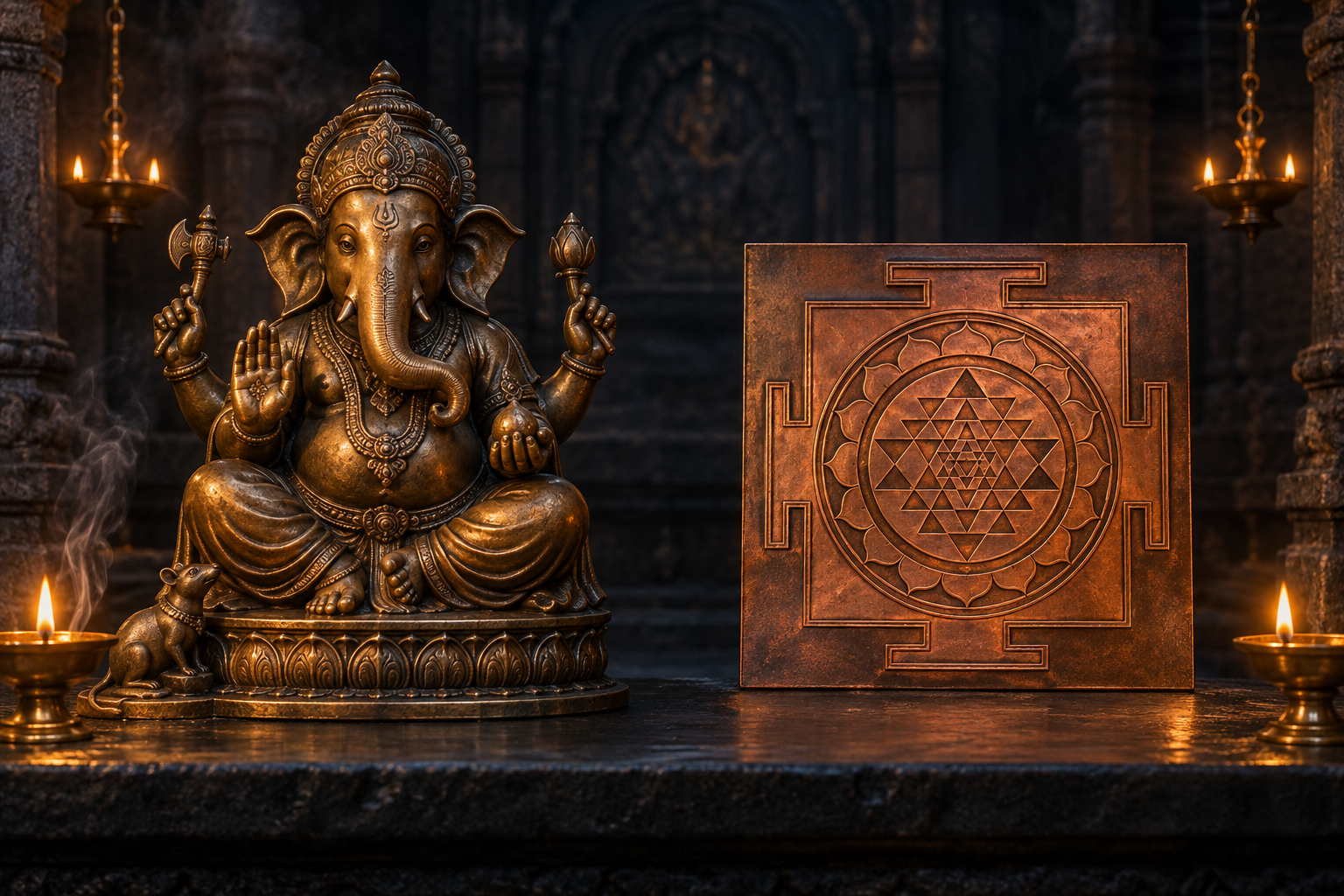
Panchamukhi Ganapati Explained: Five Faces, Five Elements, and Mastery of the Senses

Panchamukhi Ganapati symbolizes the integration of the five elements and the five senses, aligning personal practice with Vedic cosmology. Drawing on the Ganapati Atharvashirsha, this exploration shows how Ganesha is identified with Earth, Water, Fire, Air, and Ether. The five faces are read as guardians of perception, action, and awareness, mapped by many iconographers to…
-
Niyama Vidhi in Purva Mimamsa: A Definitive Guide to Restrictive Injunctions and Dharma Precision

This in-depth guide clarifies niyama-vidhi (restrictive injunction) in Pūrva Mīmāṃsā and shows how it refines an already known duty by selecting a preferred means without creating a new obligation. It distinguishes niyama-vidhi from apūrva/utpatti-vidhi and parisankhyā-vidhi, and explains its cooperation with niṣedha and arthavāda within Vedic hermeneutics. Readers learn practical criteria for identifying a restrictive…
-
Beyond Heaven and Hell: Karma, Consciousness, and Self-Reward in Dharmic Philosophy

This essay explains, in clear academic terms, why Dharmic traditions reject an externalized reward-and-punishment model after death while affirming a rigorous moral universe. It clarifies karma-phala using concepts like sanchita, prarabdha, and agami, and links Mimamsa’s apurva and Nyaya–Vaisheshika’s adrishta to a self-executing moral order. Hindu philosophy, Buddhism, Jainism, and Sikhism are presented in harmony:…
-
Vasudhaiva Kutumbakam and Dharma: A Powerful Blueprint for Shared Global Peace

Vasudhaiva Kutumbakam frames global peace as a disciplined practice of shared responsibility rooted in Rta, Dharma, and the ethics of ahimsa and karuna. The essay explains how loka-samgraha in the Bhagavad Gita links personal virtue to social welfare through reciprocal duty. It outlines pluralism across Hinduism, Buddhism, Jainism, and Sikhism as a practical foundation for…
-
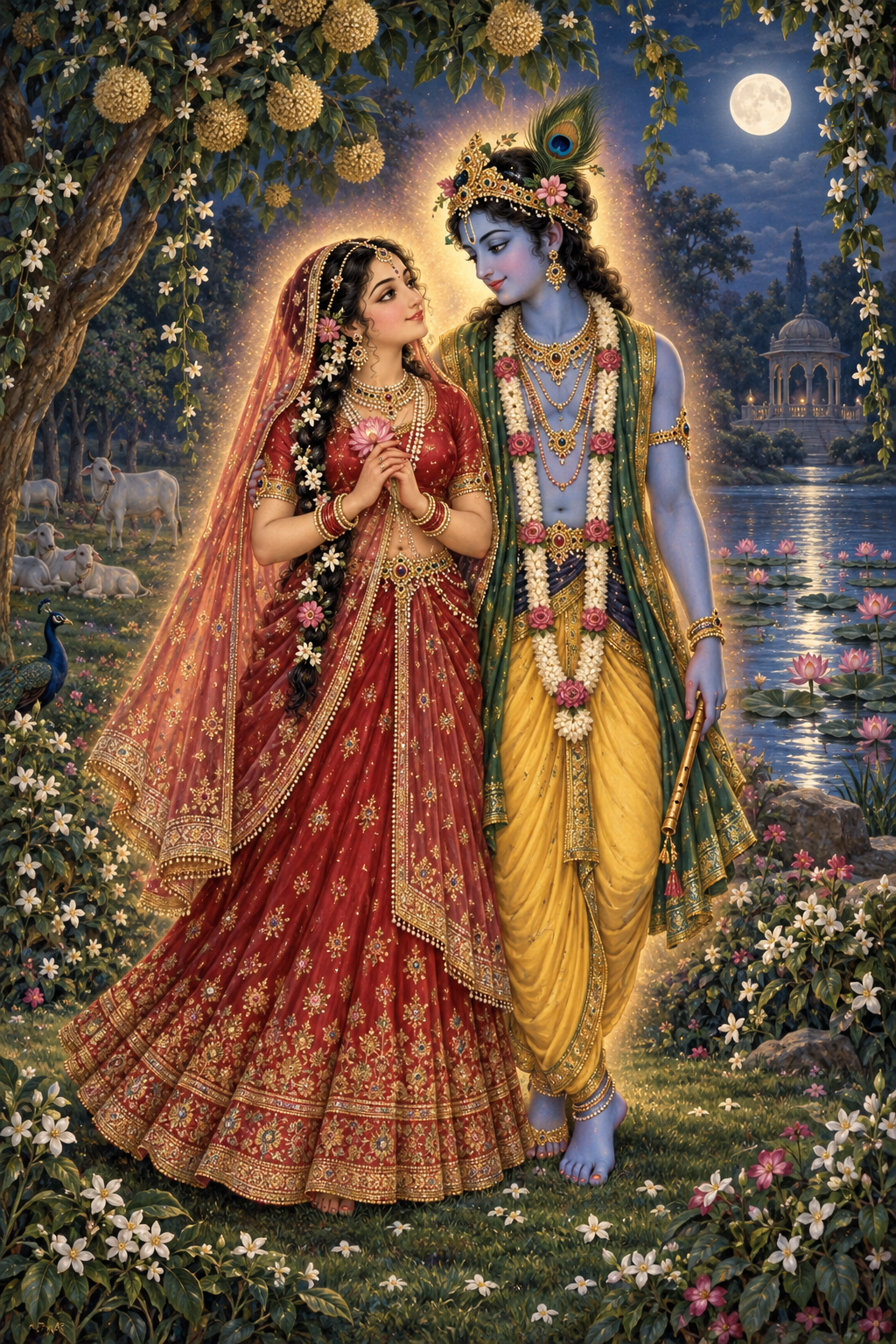
Sringara Murti in Krishna: A Transformative Exploration of Divine Beauty, Rasa, and Bhakti

Sringara Murti presents a rigorous yet tender theology in which divine beauty becomes a disciplined means of knowing. Centered on Krishna and illuminated by the Bhagavata Purana, Gita Govinda, and Vaishnava aesthetics, it shows how śṛṅgāra transforms emotion into insight. The article details rasa theory, iconographic cues such as tribhaṅga and veṇu, and the ritual…
-
Dandaniti and Rajadharma: Ancient Hindu Statecraft for Just, Stable, Ethical Governance

Dandaniti—ancient India’s science of governance—unites authority with ethics by treating punishment as a disciplined last resort under dharma. Drawing on Arthasastra, Dharmasastra, and Vidura-niti, it details institutions, courts, revenue, internal security, diplomacy, and just war norms. The saptanga model organizes the state’s limbs and anticipates modern concerns for fiscal prudence and checks on power. Procedural…
-
How Free Are We, Truly? Karma, Neuroscience, and Moral Choice across Dharmic Paths

Are human choices truly free or fixed by forces beyond control? This analysis surveys determinism, libertarianism, and compatibilism; integrates current neuroscience on readiness potentials, predictive decoding, and conscious veto; and then synthesizes insights from Hinduism, Buddhism, Jainism, and Sikhism. Readers gain a clear, practical model of bounded freedom grounded in karma, dependent origination, Anekantavada, and…
-
Beyond Metaphor: Srimad-Bhagavatam on Reality, Consciousness, and an Enchanted Cosmos

This essay explains how Srimad-Bhagavatam dissolves the divide between literal reality and poetic metaphor by advancing a consciousness-first ontology. It shows why the Bhagavata Purana treats fear, love, and intelligence as living principles, situates humans within a multilayered cosmos of devas, gandharvas, and siddhas, and uses rasa-rich poetry as a genuine mode of knowledge. Readers…
-
Bhagavan and Ishvara, One Truth: Why Vishnu and Shiva Bear These Timeless Honorifics

The titles Bhagavan and Ishvara carry precise theological weight in Hindu philosophy without enforcing hierarchy. Bhagavan highlights the plenary, relational fullness of the Divine, while Ishvara emphasizes sovereign lordship and cosmic governance. Scriptures apply both titles across deities—Vishnu is called Ishvara, and Shiva is addressed as Bhagavan—signaling complementarity rather than exclusivity. Vedantic schools, Shaiva traditions,…
-
Break Free from Maya: Transcending Superimpositions for God‑Realization in Advaita Vedanta

This long-form exploration clarifies why Advaita Vedanta insists that God-Realization demands freedom from limiting superimpositions (adhyāsa, upādhi), and shows how to remove them with rigor and compassion. It unpacks core methods—Pañca Kośa Viveka, Drg-Drśya Viveka, neti neti, śravaṇa–manana–nididhyāsana—while honoring the supportive roles of Karma Yoga and bhakti. Drawing parallels with Yoga’s kleshas, Buddhism’s deconstruction of…
-
Avatar vs Prophet: Decoding Sacred Roles, Divine Presence, and Dharma Across Faiths

This in-depth analysis explains the core difference between a Hindu avatāra and an Abrahamic prophet by examining ontology, revelation, soteriology, and ritual life. It shows how the avatāra is the Divine Presence entering the world to restore dharma, while the prophet is a human messenger who conveys God’s guidance. The piece nuances the comparison by…
-
Dharma Unveiled: The Living Code of Virtue Guiding Daily Life Across Dharmic Traditions

Dharma is presented as a living, context-sensitive code of virtue shared across Hinduism, Buddhism, Jainism, and Sikhism. The article clarifies its scope—from universal virtues like ahiṃsā and satya to role-specific duties—and shows how it governs the pursuit of prosperity and well-being without compromising conscience. It draws on classical sources (Dharmashastras, the Bhagavad Gita, Buddhist canons,…
-
Decoding Panchamukhi Ganapati: Five Faces that Harmonize Elements, Senses, and Self

This in-depth exploration decodes Panchamukhi Ganapati as a five-faced synthesis of the five senses and the five great elements. It clarifies the classical mapping of indriyas to pancha mahabhuta and shows how the image guides pratyahara and allied yogic practices. Readers encounter multiple scholarly interpretations, from pancha prana and Pancha Kosha Viveka to the fivefold…
-
Servant of a Glorious Master: The Transformative Power of Seva and Guru-Tattva Across Dharmic Paths

This long-form reflection reframes ‘Servant of a Glorious Master’ as a disciplined path of seva, wisdom, and devotion shared across Hindu Dharma, Buddhism, Jainism, and Sikhism. It clarifies how dasya-bhava, prapatti, nam-simran, refuge, ahimsa, and anekantavada converge as a common grammar of service. Drawing on the Bhagavad Gita and classical Bhakti theory, it distinguishes service…
-
Damara Tantra Decoded: Unmatta Bhairava’s Fierce Wisdom, Structure, and Practice

Damara Tantra stands out in Shaiva Tantra by presenting Shiva as Unmatta Bhairava instructing Pārvatī, organizing its teachings into six paricchedas framed by a Mangalacharana. The text’s eight Unmatta Bhairavas, including Kapali, Samhara, and Krodha, function as precise modalities for transforming fear and reactivity into wisdom and compassion. This analysis clarifies structure, core ideas, and…
-
Beyond the Flute: Why Bala‑Krishna Thrives as Parthasarathi’s Warrior Ethos Lies Dormant

Images of Bala‑Krishna dominate homes and temples, while Parthasarathi—the charioteer and teacher of the Bhagavad Gita—appears less often in popular devotion. This long‑form analysis explains the imbalance through rasa theory, bhakti history, temple networks, pedagogy, and modern media. It shows how intimacy‑focused worship naturally favored child and flute‑playing forms, whereas Krishna’s kshatra ethics are harder…