-
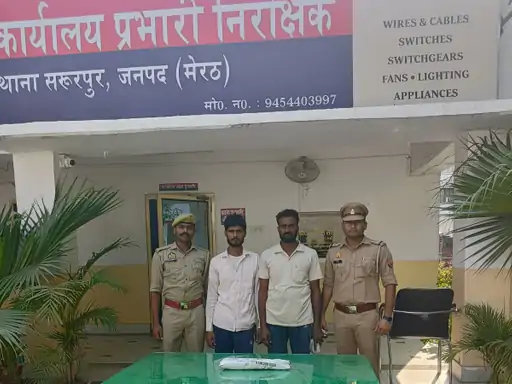
Bihar Madrassa Sealed After Arms Haul; Andhra Links Probed as Authorities Urge Calm and Unity

Bihar Police sealed a madrassa in West Champaran on April 6, 2026, after an arms recovery, detaining three individuals for questioning and probing possible links to Andhra Pradesh. This analysis explains how Indian counterterrorism investigations proceed under the Arms Act, UAPA, and the NIA framework, highlighting forensic protocols and chain-of-custody safeguards. It emphasizes the presumption…
-
Bhopal Hanuman Jayanti Row: Viral Speech Sparks Legal Scrutiny and Dharmic Harmony Call

A viral video from a Hanuman Jayanti rally in Bhopal has intensified debate over public speech, alleged slaughterhouse illegality, and online misinformation. This analysis explains the constitutional boundaries of expression, the penal provisions that may apply when rhetoric crosses the line, and the administrative protocols that govern religious processions. It also summarizes the licensing and…
-
LeT Handler Arrested Near Delhi; Kolkata Hub Exposed, ‘Kalkaji Temple Among Targets’ Reported

A reported arrest near Delhi of LeT-linked Shabbir Ahmed Lone has drawn attention to a suspected Kolkata facilitation hub and the Bangladesh–Kolkata–Delhi corridor, with ‘Kalkaji Temple Among Targets’ cited in public narratives. This analysis explains how handlers segment recruitment, logistics, and reconnaissance while relying on encrypted communications to evade detection. It outlines how Delhi Police,…
-
Protecting Young Minds: HJS urges strict student screen-time limits to Goa CM Sawant

Hindu Janajagruti Samiti (HJS) has urged Goa CM Dr Pramod Sawant to adopt strict, evidence-informed limits on student screen time amid rising concerns about digital addiction. The analysis explains what constitutes problematic digital use, why adolescents are especially vulnerable, and how excess screen exposure harms sleep, attention, eye health, and learning. It outlines a practical,…
-
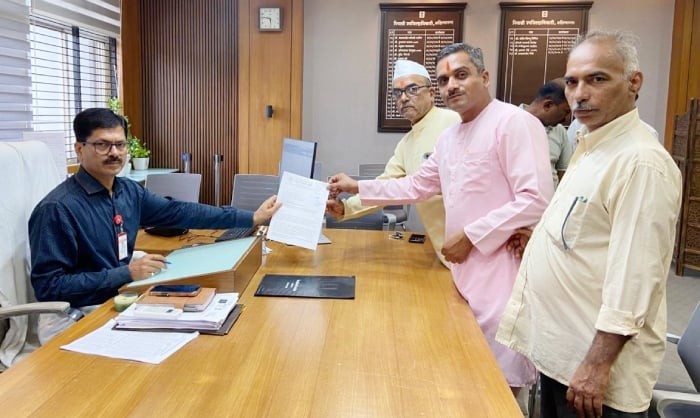
Maharashtra’s ₹50 Lakh Grant to 308 Madrasas: A Bridge‑Building Step for Inclusive Education

The Maharashtra government’s approval of a ₹50 lakh grant for 308 madrasas across 21 districts signals a focused push toward inclusive, modern education. Although modest in size, the allocation can catalyze high-yield improvements such as foundational literacy and numeracy supports, teacher upskilling, and basic digital access. Evidence-based design—micro-trainings, diagnostic assessments, and open educational resources—can convert…
-
Hyderabad Cancels Naseef Akhtar Show After Dharma Complaints: Law, Ethics, and the Way Forward

Authorities in Hyderabad cancelled comedian Naseef Akhtar’s show following complaints that certain remarks were disrespectful to Dharma and culture. This analysis explains how India’s constitutional framework (Article 19) and penal provisions (including Section 295A IPC) shape such decisions while courts insist on a proximate threat standard. It outlines practical steps artists, organizers, and authorities in…
-
Banda ‘Ghar Wapsi’: Voluntary Homecoming, Vedic Rites, and India’s Religious Freedom

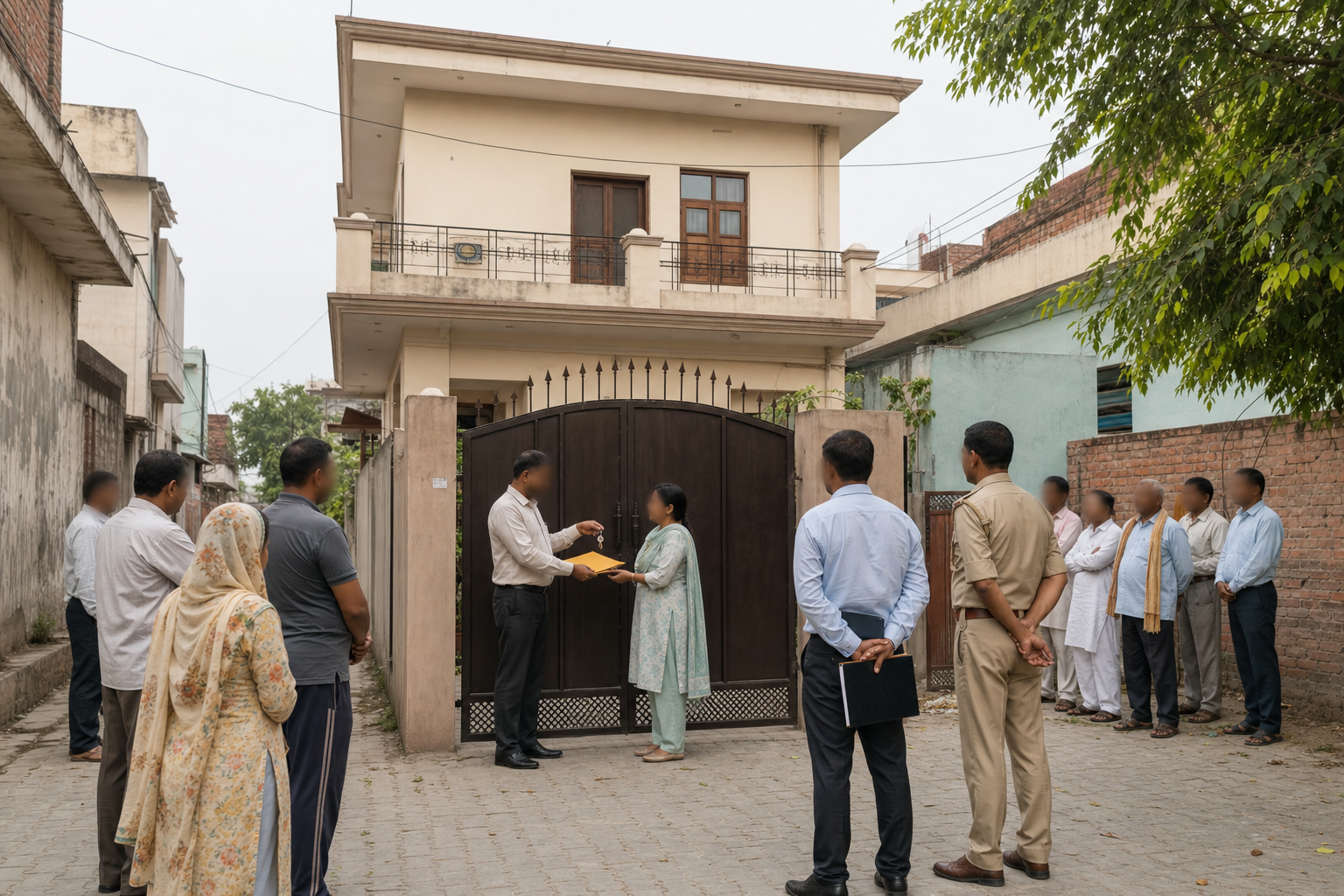
Local media from Banda (UP) reported a consensual Ghar Wapsi on 2 April 2026, where a Muslim family returned to the Hindu fold through Vedic rites. This analysis clarifies how India’s constitutional framework—especially Article 25—protects freedom of conscience while enabling states to curb conversions by force, fraud, or undue influence. It explains the pastoral and…
-
Chhatrapati Sambhajinagar: Banned ‘Made in Pakistan’ cosmetics seized; probe safeguards consumers

Police in Chhatrapati Sambhajinagar seized ‘Made in Pakistan’ cosmetics worth ₹60,000 and arrested three individuals, with a supply-chain probe underway. The case illustrates how cosmetics that breach import permissions, CDSCO authorization, and Legal Metrology labeling can be treated as contraband. India’s regulatory regime—under the Drugs and Cosmetics Act, the Cosmetics Rules, 2020, and BIS-referenced standards—exists…
-
Viral Bengaluru Video: Monkey’s Embrace for Elderly Caregiver Reveals Profound Dharmic Bond

A viral video from Rayara Doddi in Channapatna near Bengaluru shows a monkey approaching the body of an elderly woman who had regularly fed local macaques and briefly embracing her, moving onlookers across India. Placed in context, the behavior aligns with known primate affiliative responses—proximity, touch, and stillness—observed under social stress and familiarity. The incident…
-
Decisive heritage win in Pune: stepwell restored to public records; lawful audits intensify in Gokak

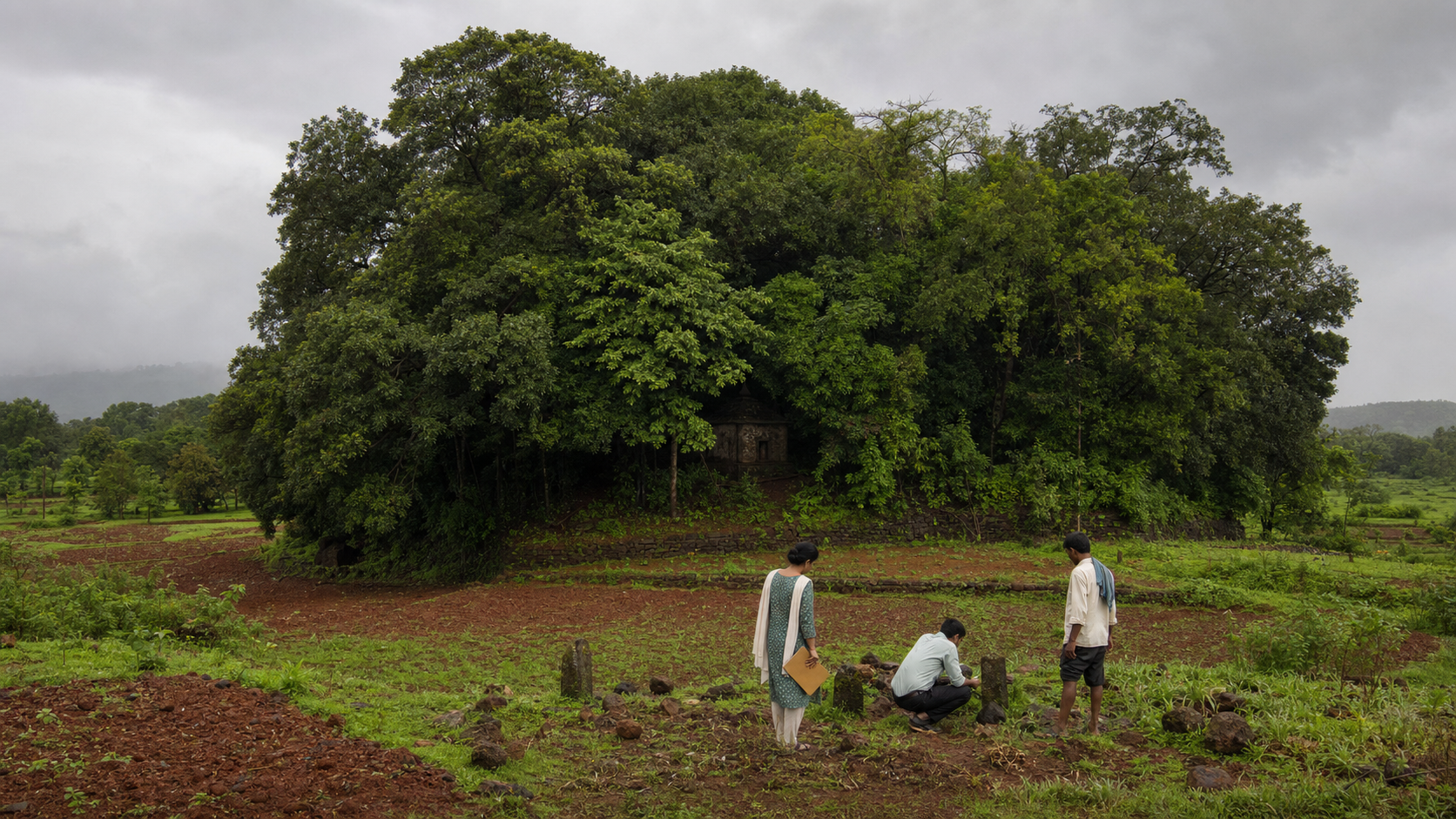
A historic stepwell in Manchar, Pune has reportedly been delisted from waqf records after documentary verification, reinforcing how heritage preservation can align with the Waqf Act 1995. The analysis explains the legal architecture—surveys, listings, and Waqf Tribunal jurisdiction—so readers know exactly how record corrections are lawfully achieved. It outlines the documentary evidence authorities typically assess…
-
Gokak Landowners Face 650 Waqf Notices: Your Essential Guide to Rights and Remedies

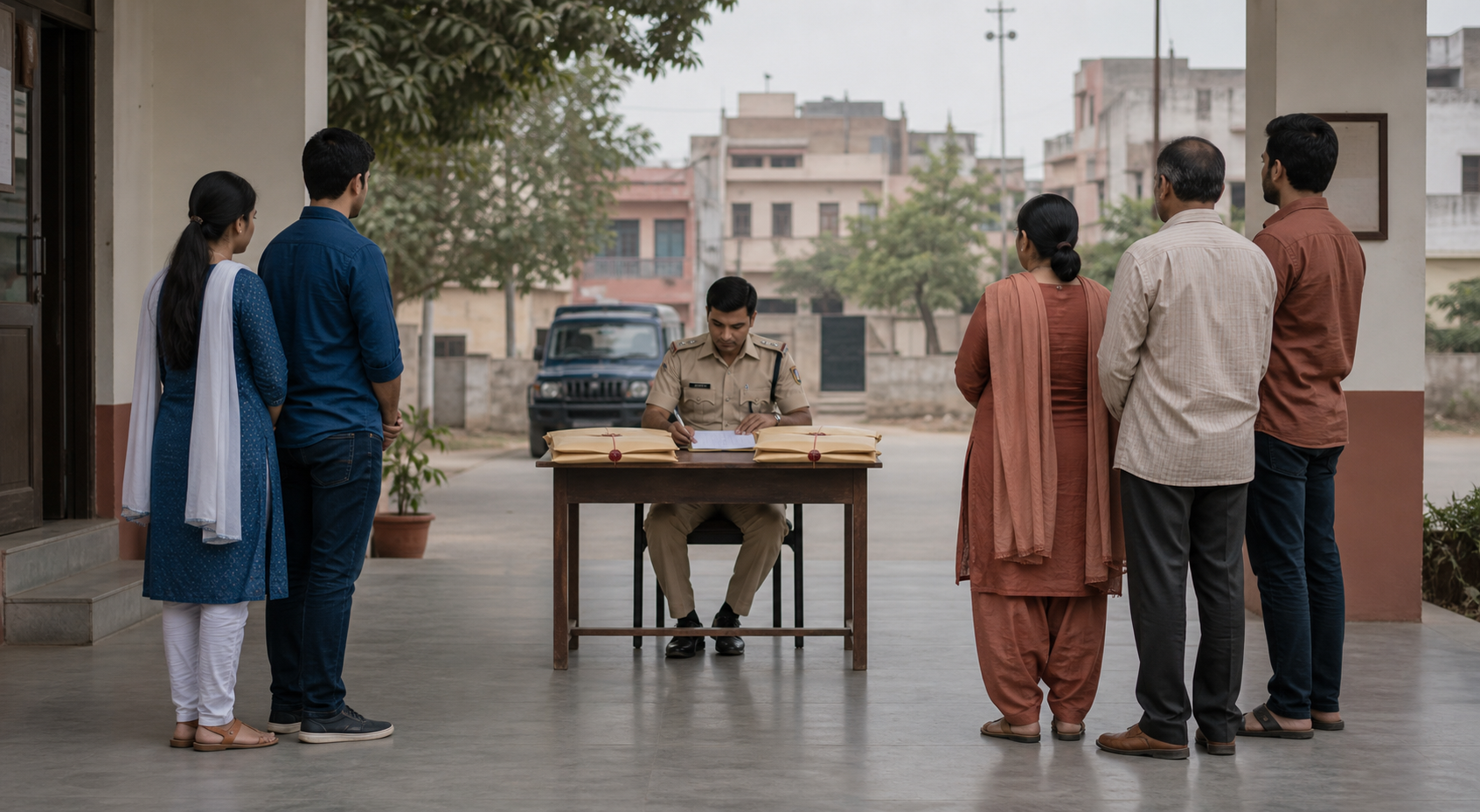
Reports from Gokak, Karnataka, indicate that 650 landowners have received Waqf-related notices after a verification of land records. This in-depth explainer clarifies what a Waqf is, how such claims arise, and which provisions of the Waqf Act, 1995, typically apply. It outlines the procedural safeguards available to landowners, the role of the Waqf Tribunal, and…
-
Bihar cleric’s arrest after remarks on Yogi Adityanath’s mother: law, free speech, and civility

A Bihar-based cleric’s arrest after remarks targeting the mother of Uttar Pradesh Chief Minister Yogi Adityanath, followed by a public apology, has reignited India’s debate over free speech, dignity, and public order. This analysis explains how Articles 19(1)(a) and 19(2) of the Constitution frame the balance between expression and legal limits. It outlines common penal…
-
Surajya Abhiyan condemns BMC’s ‘Vruksha Sanjeevani’, demands FIRs and NGT-backed penalties

Surajya Abhiyan has criticised the Brihanmumbai Municipal Corporation’s ‘Vruksha Sanjeevani’ campaign as a photo event and urged FIRs against contractors that damage trees. The analysis explains how NGT principles, the Maharashtra (Urban Areas) Protection and Preservation of Trees Act, 1975, and related statutes can be leveraged to shift from optics to enforcement. It outlines concrete…
-
Jammu & Kashmir Assembly Rejects Temple Protection Bill: Deputy CM Invokes Existing Laws—What Changes Now?

The Jammu & Kashmir Assembly’s rejection of a proposed Hindu Temple Protection Bill, and the Deputy Chief Minister’s reliance on existing statutes, has refocused attention on how sacred spaces are actually protected on the ground. This analysis maps the current legal framework—from constitutional guarantees and IPC provisions to the Places of Worship Act, shrine-specific statutes,…
-
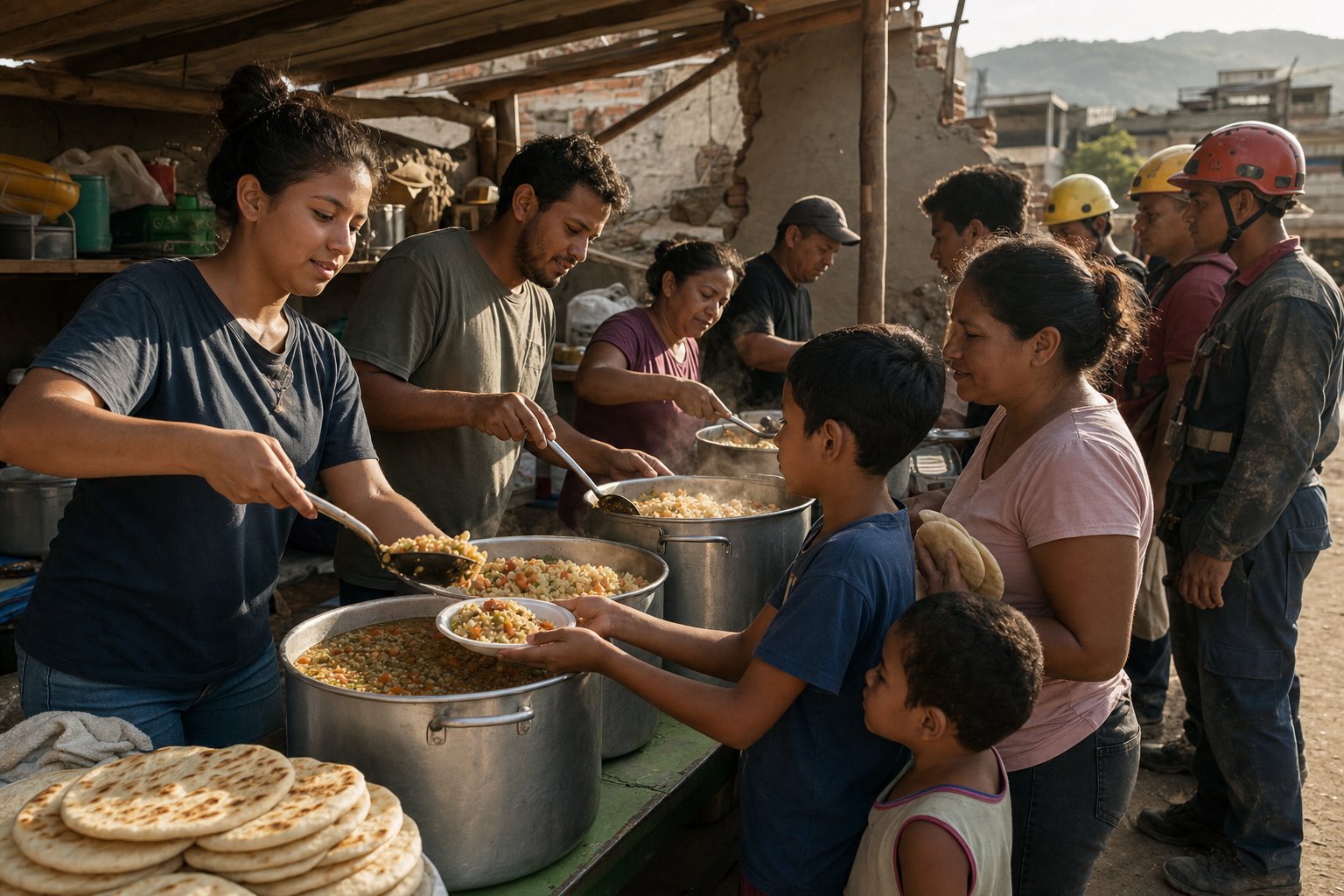
Kashmir’s ₹500 crore lifeline to Iran: community-driven humanitarianism at unprecedented scale

Kashmir’s community networks mobilized more than ₹500 crore (≈ USD 60 million) in humanitarian aid for Iran, combining cash, household gold, and essential items through a region-wide infrastructure of neighborhood collection points and civic associations. The effort reflects a sophisticated blend of moral commitment and logistical discipline, with potential alignment to recognized humanitarian clusters such…
-
UP SP leader’s arrest over Ram–Sita remarks: legal flashpoints, poll stakes, and dharmic harmony

A senior Samajwadi Party leader in Uttar Pradesh was arrested and expelled for derogatory remarks about Lord Ram and Sita, igniting a high-stakes political and legal confrontation as elections approach in UP and West Bengal. This analysis explains the applicable law (IPC 295A, 153A, 505(2)), the constitutional balance between free speech and public order, and…
-
Stone-pelting mars Ram Navami in several states: patterns, causes, and safeguards for harmony

Clashes and stone-pelting reported during Ram Navami processions highlight a recurring risk pattern that can be managed with foresight and fairness. This analysis explains why disruptions recur, mapping spatial, temporal, informational, and organizational drivers. It details the legal architecture that protects religious freedom while preserving public order, and outlines evidence-informed policing that prevents escalation. Organizers…
-
Char Dham at a Crossroads: ‘Panchgavya’ at Gangotri and the High‑Stakes Debate on Entry Norms

As Char Dham Yatra 2026 nears, this analysis examines reports that the Gangotri Temple Committee may incorporate ‘Panchgavya’ into reopening rites, while debates on entry norms intensify across the Himalayan corridor. It explains the ritual and symbolic logic of Panchgavya within Hindu practice and outlines modern governance measures for ethical sourcing, hygiene, and ecological safeguards.…
-
Reassuring Update on HH Mukunda Goswami: Steady Recovery, Compassion, and Dharmic Solidarity

HH Mukunda Goswami (Maharaj) is stable and showing early, encouraging signs after recent brain surgery, with the care team prioritizing structured rehabilitation. The update explains what “encouraging signs” mean clinically and outlines how multidisciplinary rehabilitation supports neuroplastic recovery. Readers learn practical, non-intrusive ways to help—accurate information sharing, privacy respect, and caregiver support—while avoiding rumor or…