-
Jharkhand Governor to Brief PM and CM on Alleged Corporate Bias, Safeguarding Social Cohesion

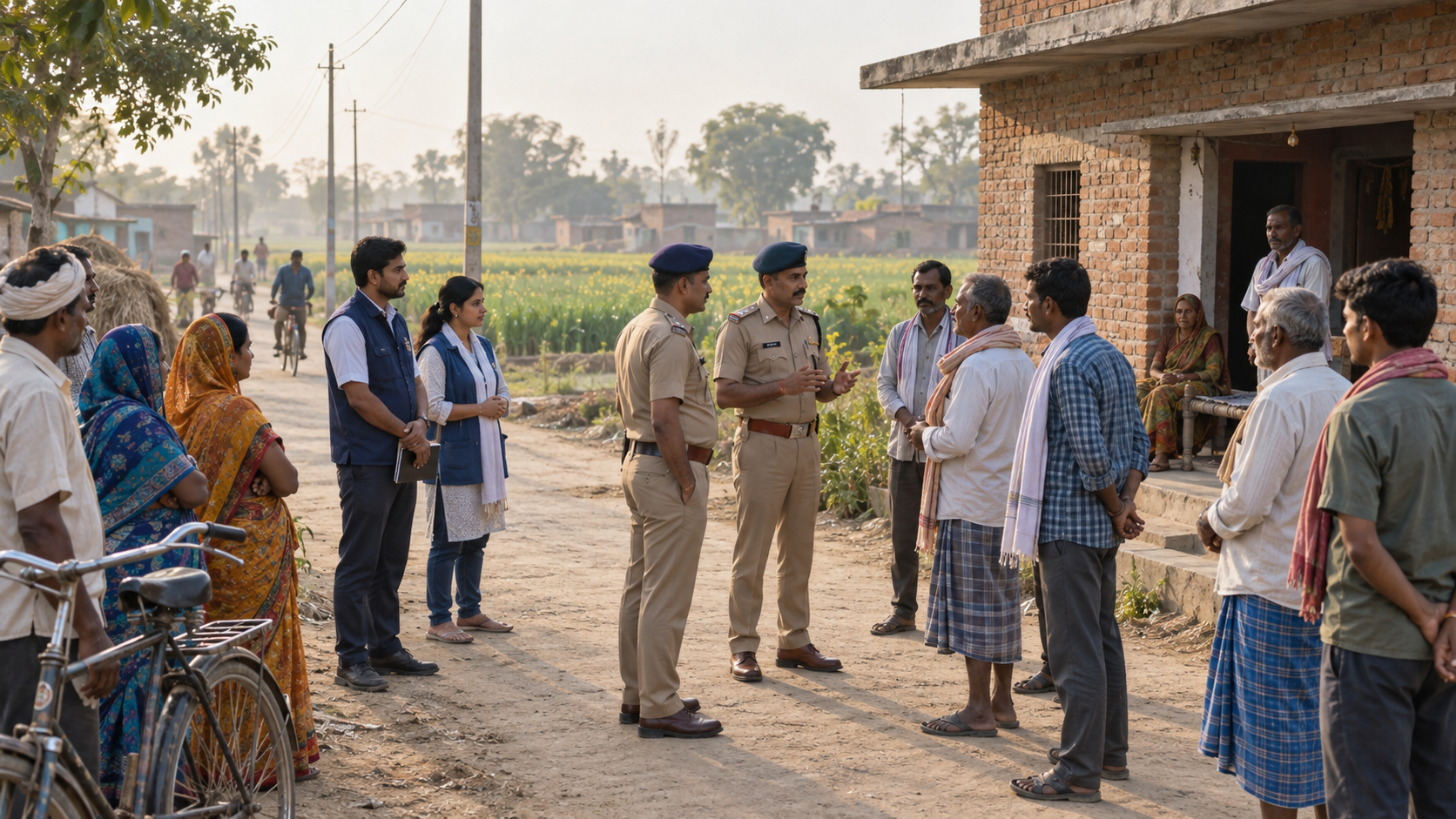
A delegation from Hindu Janajagruti Samiti (HJS) met the Governor of Jharkhand to flag concerns about alleged corporate bias, a claim described by the delegation as “corporate jihad.” The Governor reportedly assured that the matter would be conveyed to the Prime Minister and the Chief Minister through constitutional channels. This analysis situates the development within…
-
Unpacking the ‘Visa Temple’ Controversy: H‑1B Facts, Faith Traditions, and Senator Schmitt’s Claims

A U.S. senator’s remarks about a “Visa Cartel” and Hyderabad’s “Visa Temple” have intensified debate about H‑1B visas, cultural practices, and Indian professionals in America. This analysis separates devotional symbolism from immigration law, explaining how H‑1B really works—caps, LCAs, wages, audits, and recent beneficiary‑centric lottery reforms. It shows why Indian nationals make up a large…
-
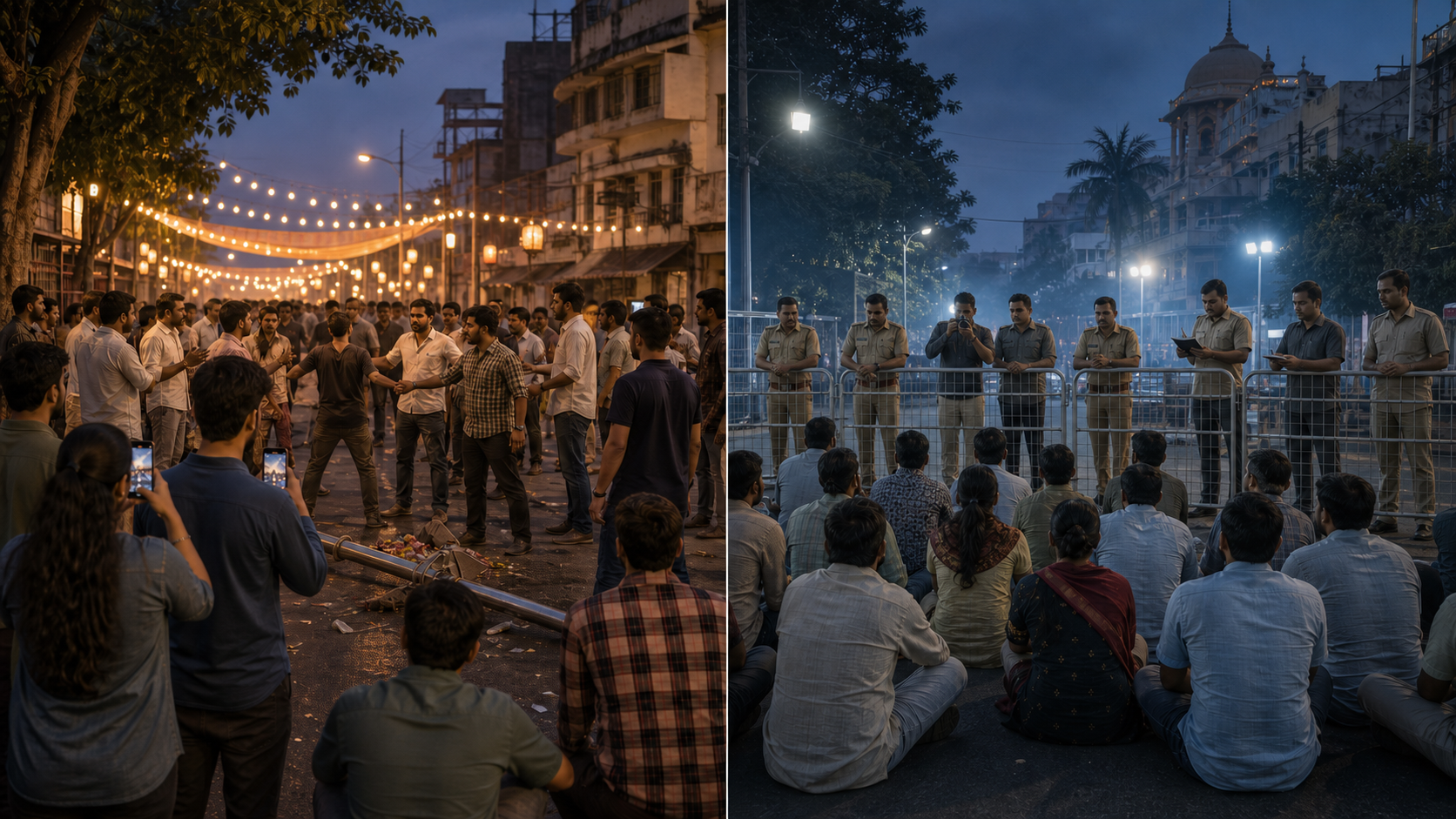
Asansol Loudspeaker Compliance Drive Turns Violent: Police Outpost Vandalized, Appeal for Calm

Asansol, West Bengal, saw brief unrest during a loudspeaker regulation drive when stone pelting and vandalism damaged a police outpost. This analysis explains the legal framework—the Noise Pollution (Regulation and Control) Rules, 2000—and the Calcutta High Court’s emphasis on uniform, permission-based use of amplified sound across religious and secular settings. Readers gain a clear timeline…
-
Jharkhand Governor to raise ‘corporate jihad’ grievances with PM, seeking a transparent probe

A memorandum submitted in Jharkhand alleging coordinated corporate misconduct—described by petitioners as “corporate jihad”—will be conveyed by the Governor to the Prime Minister for appropriate consideration. The constitutional pathway emphasized here prioritizes due process, evidence, and regulatory competence over rhetoric. A rigorous inquiry, if initiated, would likely engage the MCA, SEBI, and the CCI to…
-
Satara memorandum: Hindu organisations demand zero‑tolerance, tougher sentences to protect women and children

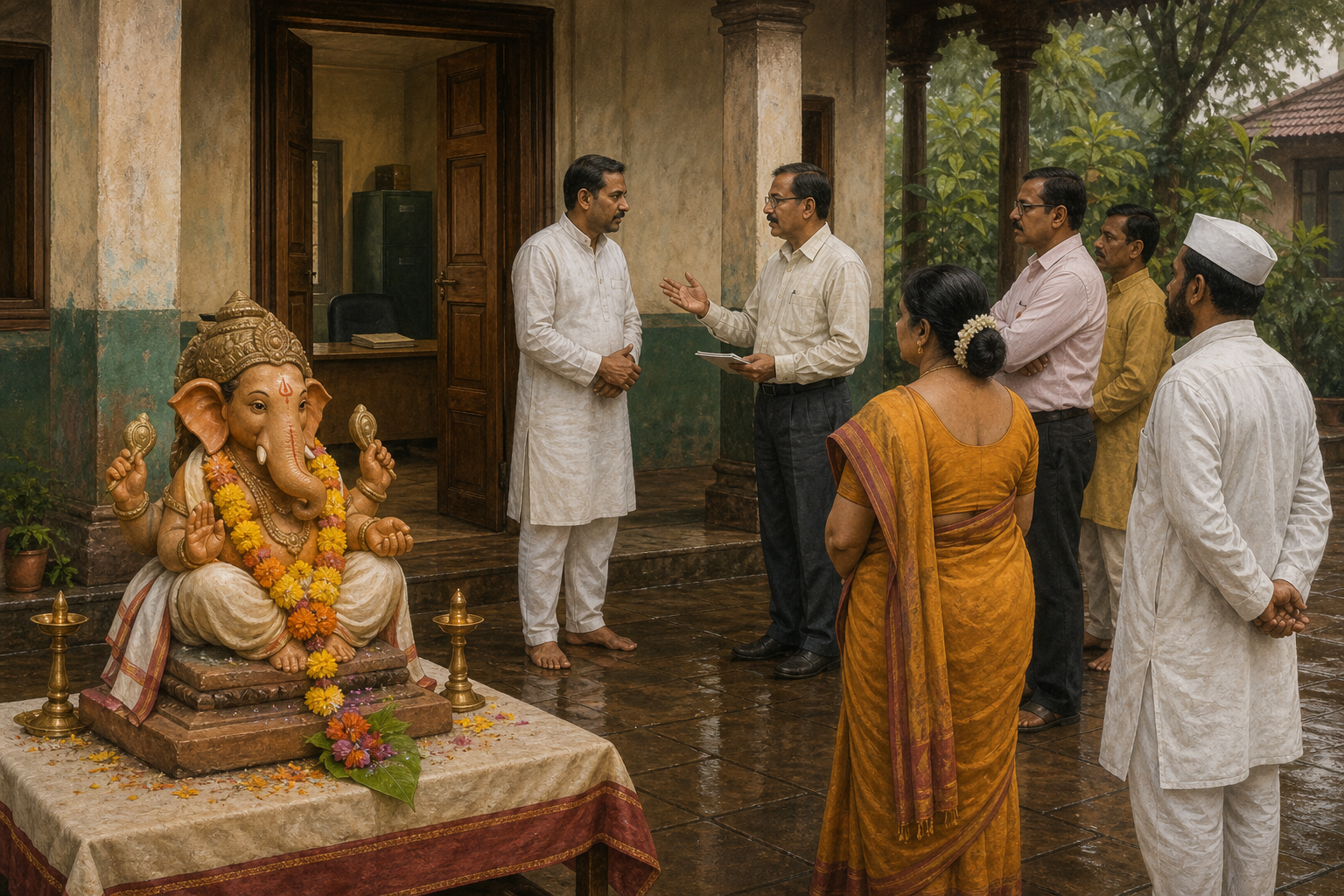
A delegation of Hindu organisations in Satara submitted a memorandum urging zero‑tolerance and tougher sentences for crimes against women and children. The appeal aligns with India’s strengthened legal framework under POCSO and the Bharatiya Nyaya Sanhita while highlighting gaps in implementation. The analysis underscores that certainty and speed of punishment, coupled with survivor‑centric care, drive…
-
Sadguru Dr Charudatta Pingale’s Madhya Pradesh Abhiyan Sparks Dharmic Unity and Dialogue

Sadguru Dr. Charudatta Pingale led the Hindu Rashtra Sampark Abhiyan across Madhya Pradesh to strengthen social cohesion through listening-first dialogue, constitutional literacy, and dharmic unity. The outreach framed Rashtra as a civilizational ethos grounded in pluralism and responsibility, not exclusion. Participants found value in practical tools for conflict de-escalation, media literacy against misinformation, and structured…
-
MP High Court Recognizes Dhar’s Bhojshala as a Hindu Temple: Evidence, Law, and Legacy

The Madhya Pradesh High Court has recognized Dhar’s Bhojshala complex as a Hindu temple, grounding its decision in corroborated archaeological, epigraphic, and archival evidence. The ruling operates within India’s constitutional guarantees under Articles 25 and 26 and aligns with heritage conservation duties under the AMASR framework. Readers will gain a clear view of how courts…
-
Mandir Mahasangh’s Statewide Drive Challenges Maharashtra Devasthan Inam Abolition Draft 2026

Mandir Mahasangh has launched a statewide memorandum campaign opposing the Maharashtra Devasthan Inam Abolition Draft Act 2026, bringing temple autonomy and dharmic heritage to the forefront of policy debate. This analysis explains what Devasthan inams are, why abolition frameworks can affect core religious and charitable functions, and how Articles 25 and 26 shape constitutional limits…
-
Rajabazar Tension in Kolkata After Jumma Namaz Road Block: Upholding Law, Peace, and Pluralism

A brief dispute over Jumma Namaz on a public road in Kolkata’s Rajabazar highlighted a familiar urban challenge: balancing freedom of worship with the right to movement and livelihood. This analysis outlines the constitutional framework (Article 25 and Article 19), relevant judicial principles on the non-occupation of public ways, and Kolkata’s practice of permission-based, time-bound…
-
MP High Court Declares Bhojshala a Hindu Temple: Landmark Ruling, Ayodhya Principles, ASI Proof

The Madhya Pradesh High Court has declared the disputed precinct within the Bhojshala complex a Hindu temple, expressly invoking the Supreme Court’s Ayodhya principles. This long-form analysis explains what the ruling means in constitutional and heritage law, how courts distinguish historical “religious character” from mere possession, and why archaeology and epigraphy matter. It unpacks the…
-
16 May as ‘Black Day’: Unflinching History of the Goa Inquisition and a Roadmap to Reconciliation

The Hindu Ekta Manch has asked Goa to mark 16 May as ‘Black Day’, linking it to a 1546 letter in which Francis Xavier is widely understood to have advocated an Inquisition in Portuguese India. This analysis situates the demand within the documented history of the Goa Inquisition, clarifies the tribunal’s jurisdiction and colonial-era restrictions,…
-
Historic Move: West Bengal Mandates ‘Vande Mataram’ in School Assemblies—Unity, Law, and Learning

West Bengal has mandated the singing of ‘Vande Mataram’ in morning assemblies across recognized schools, positioning the policy as a civic and cultural intervention. Historically rooted in the freedom movement and recognized by the 1950 Constituent Assembly as the national song, ‘Vande Mataram’ can enrich civic learning when framed as gratitude to the motherland rather…
-
Halt Sought for Shyam Manav’s ‘Buva Tethe Baya’: A Measured Call to Protect Faith and Free Speech

A memorandum by the Hindu Rashtra Samanvay Samiti seeks cancellation of Shyam Manav’s proposed ‘Buva Tethe Baya’ lecture, citing a history of objectionable remarks about Hindu Dharma and Saints. The situation spotlights the constitutional balance between religious respect and free speech under Article 19. Courts emphasize that pre-emptive bans must rest on demonstrable risks, not…
-
Satara Hindu groups seek decisive legal action to protect legacy of Rashtraguru Samarth Ramdas

Representatives of pro-Hindu groups in Satara have sought decisive, lawful action against derogatory and unverified claims about Rashtraguru Samarth Ramdas Swami. The report explains why such appeals matter for cultural heritage, outlines the legal framework balancing free speech and public order, and clarifies relevant IPC provisions and due process. It highlights the civic role of…
-
Ghaziabad Shock: Woman Alleges Forced Conversion, 5 Nikahs, 3 Halalas; FIR Against 16 — Explained

A registered FIR in Ghaziabad alleges that a Hindu woman was coerced over thirteen years into forced conversion, five nikahs, and three instances described as halala. This analysis explains the law on consent, coercion, and unlawful conversion in Uttar Pradesh, and clarifies how personal laws interface with non-derogable criminal statutes. Readers gain a clear primer…
-
West Bengal Ends Public Slaughter: Cow/Buffalo Sacrifice Limited to Licensed Abattoirs with Strict Penalties

West Bengal has mandated that cow and buffalo sacrifice occur only within licensed abattoirs during Bakri Eid 2026, ending public or street-side slaughter across urban areas. The directive clarifies venue and hygiene requirements without prohibiting festival observance, aligning with national animal welfare, food safety, and municipal health laws. Concentrating slaughter in authorized facilities enables veterinary…
-
Landmark relief for commuters: Maharashtra to cap private bus fares, regulate online aggregators

Maharashtra has announced a landmark plan to cap private bus fares and regulate online travel aggregators, responding to Surajya Abhiyan’s sustained advocacy. The initiative leans on strong legal foundations under the Motor Vehicles Act, 1988, and complementary consumer protection and IT rules. Expected provisions include fare bands with indexation, caps on algorithmic surge, upfront all-in…
-
Ulhasnagar Interfaith Marriage Tensions: Legal Rights, Policing Protocols, and Paths to Harmony

Reports from Ulhasnagar on 13 May 2026 describe an alleged post-marriage family altercation linked to an interfaith union; this analysis uses the case as a lens to clarify law, policing, and peacebuilding. Readers will learn how Article 21, landmark Supreme Court rulings, and the Special Marriage Act protect adult choice while guiding authorities to deter…
-
ISIS-style mock ‘execution’ of PM Modi in UK: legal boundaries, community harm, and a dharmic response

A widely shared video from Birmingham shows a small protest staging an ISIS-style mock execution of Prime Minister Narendra Modi outside the Indian consular premises, triggering public outrage and legal scrutiny. The analysis explains how UK statutes—Public Order Act 1986, Terrorism Acts of 2000 and 2006, and the Crime and Disorder Act 1998—define boundaries around…
-
Unmasking Blame-Shifting: POCSO, Clergy Accountability, and Child Safeguarding in India

This analysis examines how some offenders externalize blame to supernatural forces, a known rationalisation that can obstruct justice. It uses a reported case from Andhra Pradesh, registered under POCSO, to explain the legal, medical, and ethical contours of child protection in India. Readers gain a clear overview of key POCSO provisions, including mandatory reporting, child-friendly…