-
Historic First: Dr. Gunisha Kaur Named First Sikh to Serve as a U.S. Federal Commissioner

Dr. Gunisha Kaur’s appointment as a U.S. federal commissioner is a historic first for the Sikh community and a milestone for Dharmic unity across Hindus, Buddhists, Jains, and Sikhs. The role carries substantive responsibilities: convening stakeholders, analyzing evidence, and issuing policy recommendations that can strengthen civil rights and religious freedom. The piece explains how federal…
-
Historic First for Nevada: Gayatri and Vedic Sanskrit Mantras to Open Elko City Council

On 26 May 2026, the Elko City Council in Nevada will, for the first time, open a meeting with Hindu prayers led by Rajan Zed, featuring the Gayatri Mantra and other Vedic-Upanishadic verses. This inclusive civic moment aligns with U.S. constitutional guidance that permits non-coercive, rotating legislative invocations. The Gayatri Mantra (Rigveda 3.62.10), composed in…
-
CSA Honour for Dr. Sahota: Inspiring, Transformative Leadership in Sustainable Agronomy

Dr. Sahota has been recognised with a CSA honour for outstanding leadership in agronomy. This feature explains why CSA recognition matters and unpacks the science it typically celebrates: soil health, 4R nutrient stewardship, precision agriculture, climate-resilient cropping, and integrated pest management. It shows how systems agronomy links productivity, profitability, and planetary boundaries while protecting water…
-
Shyam Manav’s Pune Remarks Ignite Fierce Debate: Free Speech, Faith, and Social Harmony

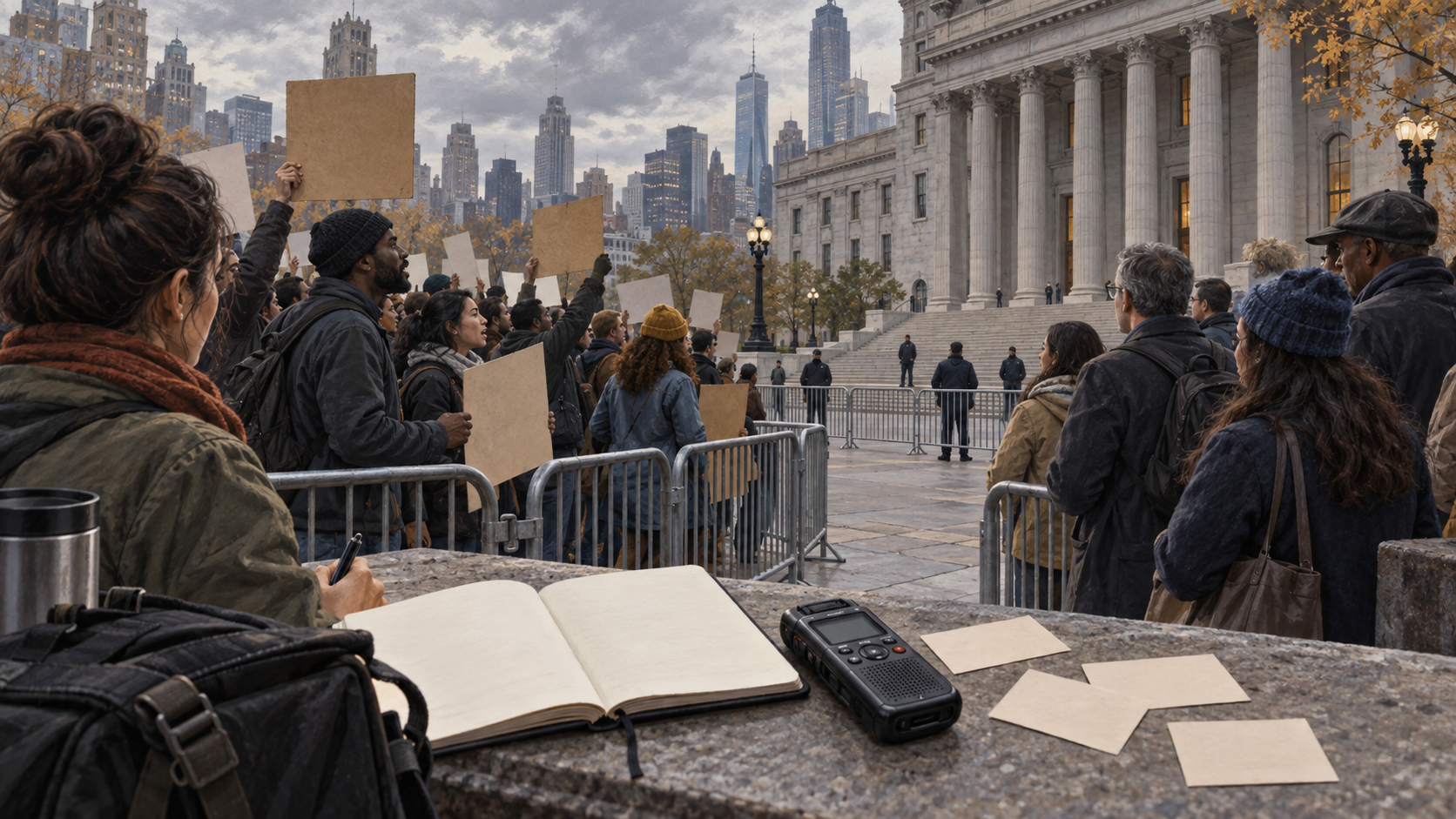
A public programme in Pune featuring rationalist activist Shyam Manav sparked a forceful debate about the boundaries of criticism, constitutional protections for free speech, and the duty to uphold dignity around Hindu Dharma, saints, and traditions. This analysis frames the incident through a dharmic-unity lens, emphasizing shared values across Hinduism, Buddhism, Jainism, and Sikhism. It…
-
Bengaluru Debate on ‘Corporate Jihad’: Safeguarding Business with Law, Compliance, and Unity

A Bengaluru awareness programme by the Hindu Janajagruti Samiti spotlighted concerns surrounding the contested term “corporate jihad,” urging a pivot from rhetoric to evidence-based risk management. The dialogue emphasized lawful remedies under India’s existing frameworks, including the Companies Act, SEBI’s LODR, PMLA, UAPA, and Karnataka’s KCOCA. Participants outlined practical compliance controls—beneficial ownership checks, sanctions screening,…
-
Calcutta HC upholds Bengal’s Bakri Eid cattle curbs, says cow sacrifice non-essential

Calcutta High Court has upheld West Bengal’s pre‑Bakri Eid notification that restricts cattle slaughter and bars public slaughter, clarifying that cow sacrifice is not an essential religious requirement of Islam. The bench led by Chief Justice Sujoy Paul and Justice Partha Sarathi Sen anchored its analysis in Article 25, stressing that religious freedom is subject…
-
West Bengal Flashpoint: Police Complaint Over Mamata Banerjee’s Alleged Anti-Hindu Remarks

A police complaint against Mamata Banerjee over alleged anti-Hindu remarks has ignited a West Bengal flashpoint where constitutional rights, statutory limits on hate speech, and communal harmony meet. This analysis explains the relevant IPC provisions (295A, 153A, 505), the Supreme Court’s tests for intent and harm, and the procedural safeguards including Section 65B electronic evidence…
-
Bantwal Adhiveshan ignites Dharmic unity and values-driven vision for Constitutional Hindu Rashtra

The Bantwal district-level Hindu Rashtra Adhiveshan, organized by Hindu Janajagruti Samiti (HJS), concluded with a values-driven call to strengthen Hindu unity, safeguard Sanatan Dharma, and cultivate value-based families. Discussions framed a Constitutional Hindu Rashtra as a pluralistic, dharma-anchored civic vision aligned with Articles 25–28 of the Indian Constitution and the spirit of fundamental duties. On…
-
Mumbai land row: Hindu Vidhidnya Parishad seeks transparent action on alleged Church encroachment

Hindu Vidhidnya Parishad has sought administrative action over an alleged illegal occupation of government land by the Church of St Andrew and St Columba in Mumbai. This analysis explains why a neutral, evidence-based approach—grounded in land records, joint surveys, and fair hearings—is essential to uphold rule of law and public trust. It outlines the legal…
-
High-Stakes Calcutta HC Row on Bakri Eid Slaughter: TMC Petition, Cow Laws, and a Path to Harmony

A reported petition by TMC leaders Mahua Moitra and Adv Akhruzzaman over West Bengal’s cattle slaughter notification ahead of Bakri Eid has spotlighted how constitutional rights, animal welfare, and public order must be balanced. This analysis explains the state’s statutory framework (notably the WB Animal Slaughter Control Act 1950), national overlays such as the Prevention…
-
Norway’s Modi Cartoon: How ‘Freest Press’ Narratives Enable Hinduphobia—and How to Fix It

Aftenposten’s cartoon of Prime Minister Narendra Modi as a snake charmer revived a colonial stereotype long weaponized against Indians, especially Hindus, and ignited debate about press freedom versus media responsibility. This analysis situates the image within the history of Orientalism and the semiotics of political cartoons, explaining how such racialized coding undermines informed discourse on…
-
Trailblazing at 23: Tushar Kumar Becomes UK’s Youngest Indian‑Origin Mayor

At just 23, Tushar Kumar has become the youngest-ever Indian-origin mayor in the UK, taking on the civic chair of Elstree and Borehamwood Town Council. This milestone blends representation with delivery, aligning youth engagement, digital accessibility, and inclusive cultural initiatives. The post explains how the mayoral role in England’s town councils operates and why Kumar’s…
-
Mirzapur crackdown: UP invokes Gangster Act against 10 to safeguard safety, rule of law, harmony

Uttar Pradesh has invoked the Gangster Act against ten individuals in Mirzapur after police inquiries into an alleged organized network linked to a local gym. Media references to a “Gym Jihad” episode highlight public anxiety, but the state’s operative frame is organized criminality and public order, not communal identity. The article explains how the UP…
-
Safeguarding the Sacred in Goa: A Strong Policy Case to Rename Deity-Named Liquor Shops

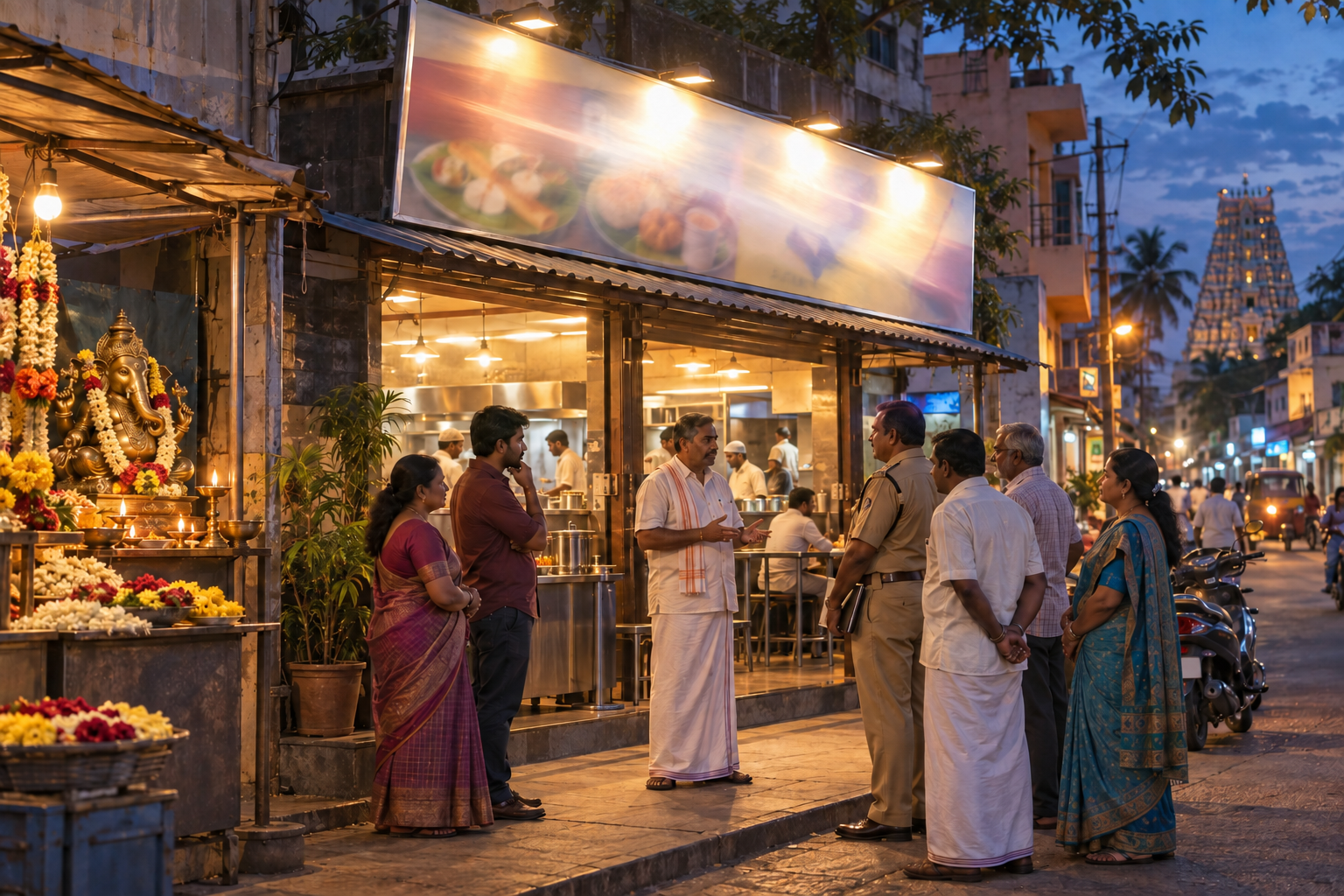
The Gomantak Mandir Mahasangh has urged Goa Chief Minister Dr Pramod Sawant to bar liquor outlets from using names of Hindu deities and to require existing shops to rename. A carefully designed, religion-neutral policy that covers sacred signifiers across Hindu, Buddhist, Jain, and Sikh traditions can protect sanctity while preserving business freedoms. Constitutionally, a narrow…
-
West Bengal Ends Religion-Based Aid: Imam–Muezzin–Purohit Stipends Reviewed for Neutral Welfare

West Bengal has announced the sunset of religion-based aid schemes and a comprehensive review of imam, muezzin, and purohit stipends, signaling a transition toward religion-neutral welfare. The move is framed within Articles 14, 15, 25–27 of the Constitution and long-standing jurisprudence that safeguards religious freedom while prohibiting the promotion of any particular denomination using tax…
-
Miraj Temple Trust Land Encroachment Halted: Authorities Seal Site, 30‑Day Resolution Sought

Authorities in Miraj halted unauthorized construction on Shri Dnyangiri Swami Maharaj Trust land and sealed the site, initiating a due-process pathway for resolution. The legal framework—including Article 26 of the Constitution, the Bombay Public Trusts Act, 1950, and the MRTP Act, 1966—supports firm, fair enforcement against encroachment. Community representatives have requested complete removal of the…
-
Shahuwadi Tehsildar Office Toilets: Hindu Vidhidnya Parishad Demands Urgent, Dignity-Centered Steps

Hindu Vidhidnya Parishad has sought urgent remediation of unhygienic public toilets at the Shahuwadi Tehsildar office in Kolhapur, placing public health and dignity at the center of the discussion. The issue engages constitutional protections for sanitation under Article 21 and long-standing Supreme Court guidance on abating public health nuisances. National standards (Swachh Bharat Mission, National…
-
Varanasi Vigilantism Allegations: Interfaith Rumors, Rule of Law, and Paths to Communal Harmony

Allegations of an assault in Varanasi over interfaith rumors highlight why vigilantism has no place in a constitutional democracy. This analysis explains the legal framework in Uttar Pradesh and India, including key Supreme Court judgments protecting adult autonomy and anti-lynching guidelines. It clarifies that the phrase “love jihad” lacks a legal definition and that only…
-
Historic MP High Court Verdict Affirms Bhojshala as Saraswati Temple: Devotees Pray Peacefully

A day after the Madhya Pradesh High Court affirmed Bhojshala as the Mata Saraswati temple, Hindu devotees in Dhar offered prayers peacefully under a robust security plan. The verdict clarifies the site’s religious character while embedding worship within heritage protection norms and public-order protocols. Historical and archaeological evidence—documented by the Archaeological Survey of India—underpins the…