
-
Explosive CSI Land Scandal: Court Battles Raising Hard Questions in South Bharat

The CSI controversies raise serious questions about land ownership, institutional governance, and public accountability in Bharat. The reported Madurai Tallakulam case, where the Madras High Court directed a CBI probe into the alleged illegal sale of 31.10 acres of government land, shows why religious property disputes cannot be treated as private internal matters. Allegations involving…
-
Why Bharat’s PL-15 Shock Demands More Than a Powerful Long-Range Missile

Bharat’s reported interest in the Russian R-37M missile is best understood as an interim response to Pakistan’s J-10C and PL-15 combination, not as a complete solution. The PL-15 challenge is rooted in networked air warfare, where sensors, datalinks, AEW&C aircraft, electronic warfare, and pilot training matter as much as missile range. The R-37M can threaten…
-
Prasthānas, Advaita, and the Powerful Unifying Vision of Bhāratīya Wisdom

Śrī Madhusūdana Sarasvatī’s Prasthānabheda offers a powerful way to understand the diversity of Bhāratīya philosophical traditions without reducing them to contradiction. Its closing vision argues that the various prasthānas were composed by wise munis who taught according to the readiness of different seekers. The article explains how this framework culminates in Advaita Vedānta and the…
-
Mughal Nostalgia Exposed: Why Bharat’s Civilizational Memory Matters Now
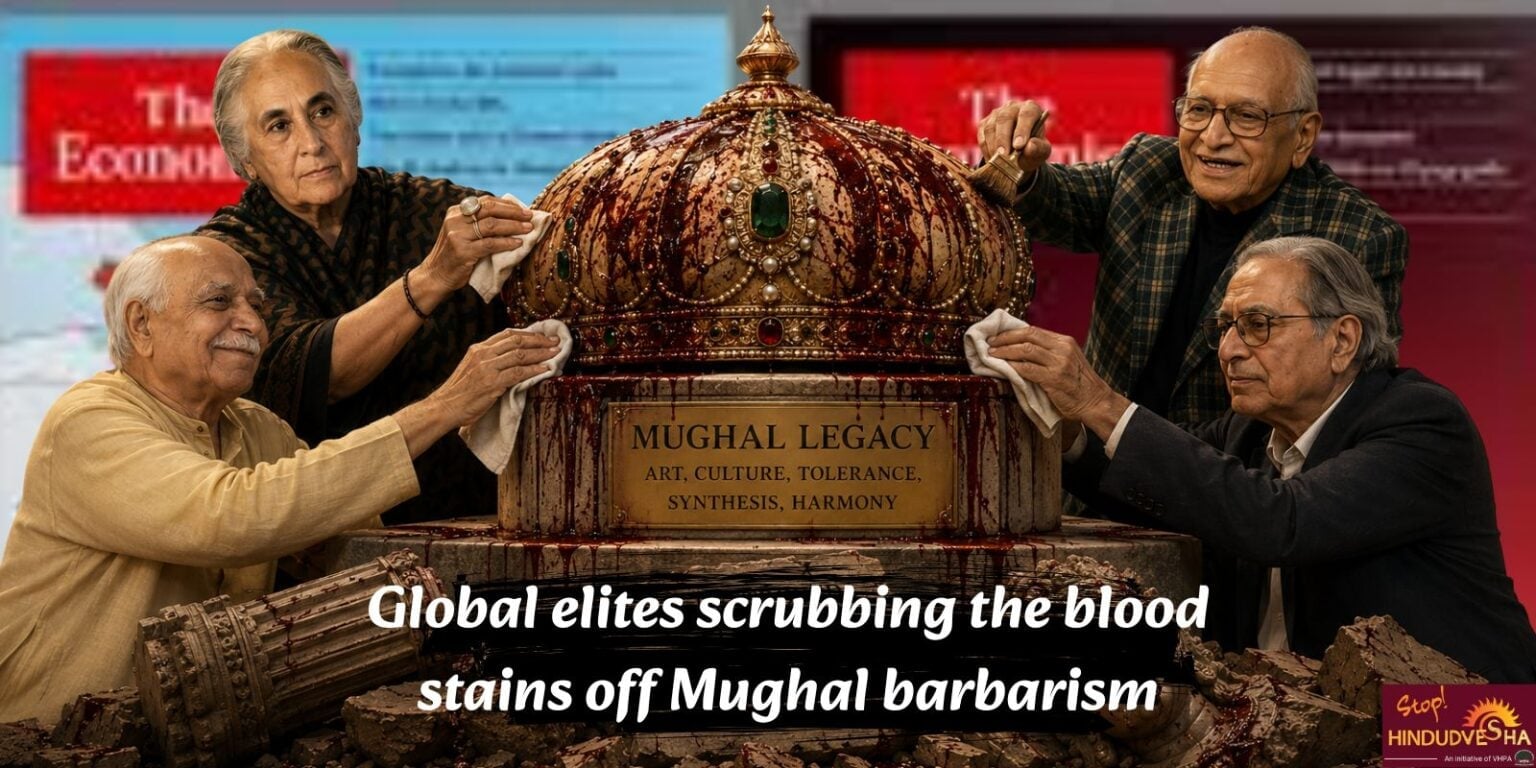
This article examines the controversy around elite media nostalgia for the Mughal Empire and argues that Bharat’s historical memory deserves a fuller, more honest treatment. It explains why Mughal cultural achievements cannot be used to erase conquest, temple destruction, religious coercion, and civilizational disruption. The piece distinguishes between medieval imperial regimes and present-day communities, emphasizing…
-
Canada’s Hard Truth on Air India 182: Justice, Memory, and Khalistani Extremism

Air India Flight 182 remains the deadliest terrorist attack in Canadian history and a defining test of Canada’s counterterrorism memory. The recent acknowledgment naming Canada-based Khalistani extremists as responsible for the Kanishka bombing is significant because it confirms what India had long argued: the massacre was not an abstract aviation disaster but a terrorist conspiracy…
-
Rebuilding Sonar Bangla: Bengal’s Powerful Path Back as India’s Eastern Gateway
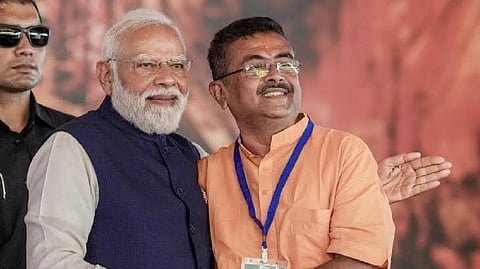
West Bengal’s decline was not inevitable; it followed Partition, policy errors, institutional weakness, labour conflict, and missed industrial opportunities. The article explains how Bengal once combined ports, factories, railways, finance, education, and cultural confidence to become one of India’s strongest economic regions. It highlights the rupture of the jute economy after Partition and the long-term…
-
Ramnath Goenka’s Defiant Stand: The Emergency Lesson India Must Never Forget
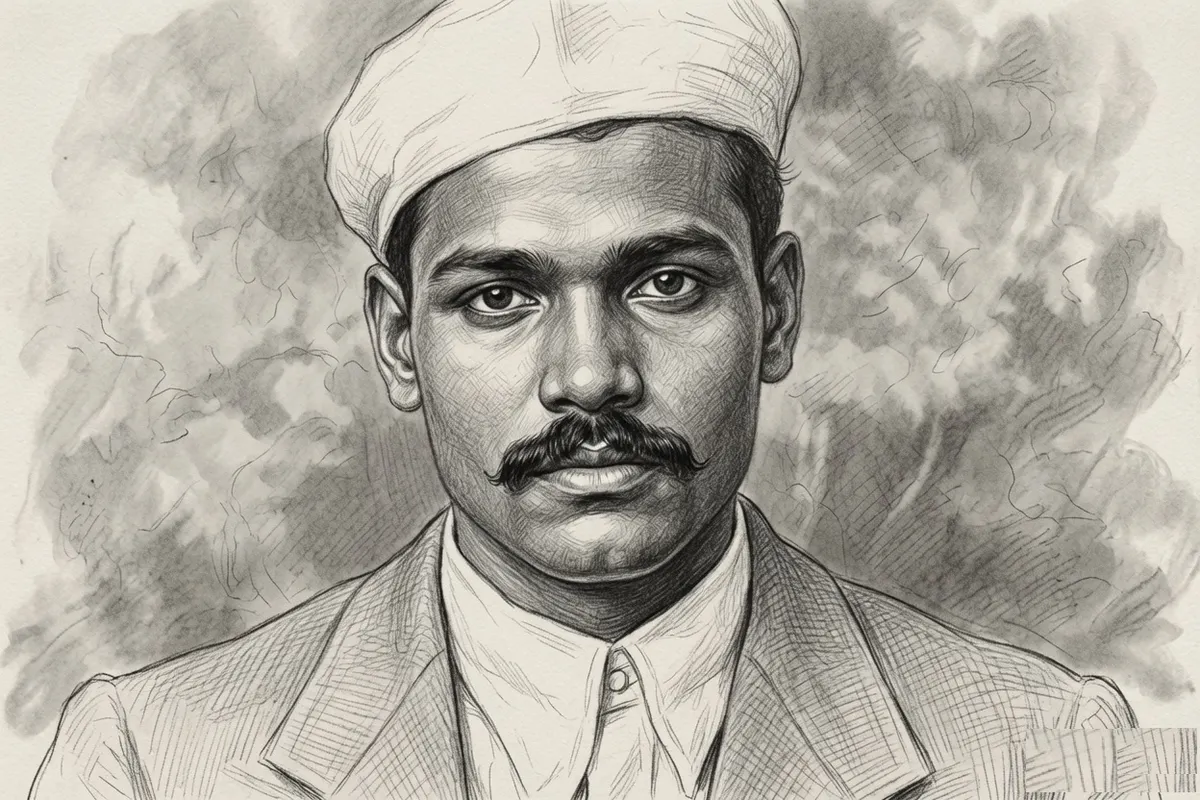
This long-form analysis revisits Ramnath Goenka’s confrontation with Indira Gandhi’s government during the 1975 Emergency and explains why it remains central to Indian media history. It examines how press freedom was threatened through censorship, surveillance, corporate pressure, bureaucratic harassment, and threats under MISA. The article highlights Goenka’s strategic use of legal and company procedures to…
-
Erasing Hinduism from Yoga: A Powerful Decolonial Call for Dharmic Integrity
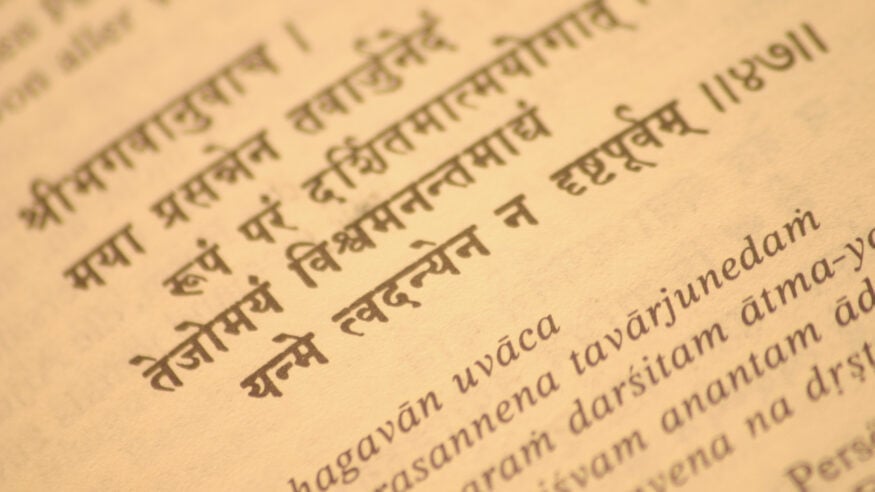
This article examines how the Bhagavad Gītā and Patañjali’s Yoga Sūtra are sometimes detached from Hinduism through selective academic terminology. It explains why the modern history of the word “Hinduism” does not erase the older continuity of Hindu traditions, sampradāyas, and textual reception. The discussion places yoga within a shared Indic civilizational field shaped by…
-
Punjab’s Hidden Bonded Labour Crisis: Why a 1976 Law Still Fails Villages
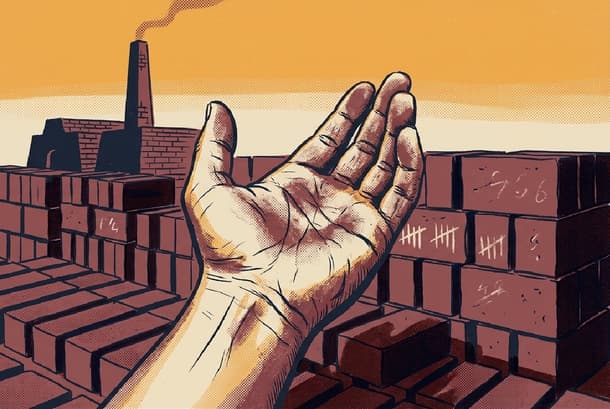
The reported escape of Ankush Kumar from a brick kiln in Punjab exposes the continuing gap between India’s 1976 abolition of bonded labour and the reality of rural labour markets. This long-form analysis explains how small advances, caste vulnerability, migration, child labour, opaque wage records, and weak enforcement can turn ordinary debt into coercion. It…
-
PM Research Chair Scheme: India’s Bold Bid to Bring Global Talent Home

The Prime Minister Research Chair Scheme 2026 is a major initiative to attract Indian-origin researchers and scientists working abroad into India’s premier institutions and national laboratories. It seeks to address brain drain through structured research roles, competitive funding, relocation support, and alignment with national priorities. The scheme is expected to support at least 120 researchers…
-
Bharat’s Strategic Reset: Why De-Americanising Must Not Mean Trusting China
The debate over de-Americanising Indian statecraft must be treated with historical depth rather than emotional reaction. Bharat was never fully Americanised, as its record of non-alignment, the 1971 Indo-Soviet Treaty, and repeated resistance to external pressure demonstrate. At the same time, disappointment with Washington should not lead India to romanticise China or ignore the realities…
-
Six Vedāṅgas Explained: Powerful Keys to Preserve Vedic Wisdom with Precision
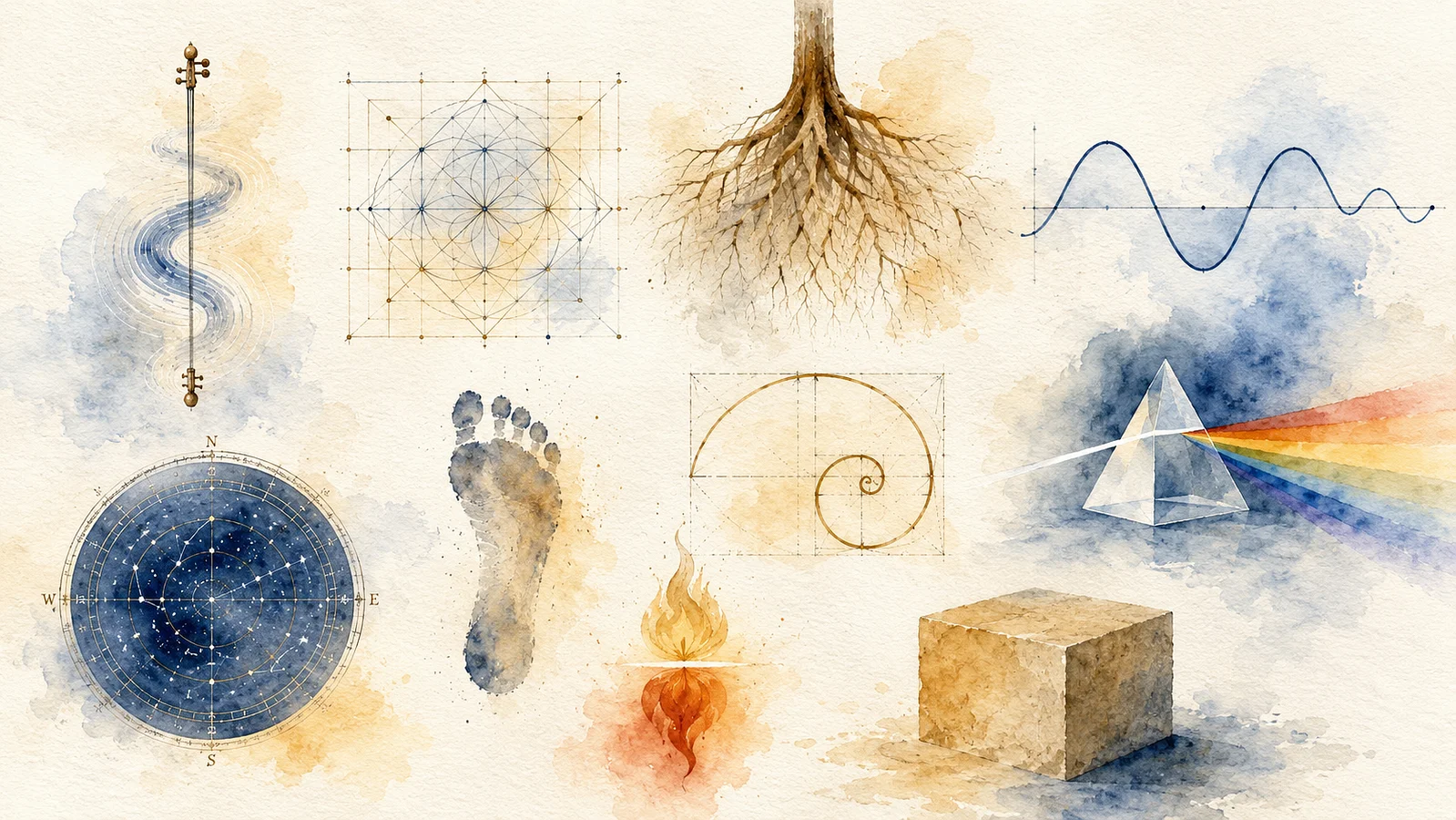
The six Vedāṅgas explain how the Veda was preserved through disciplined systems of sound, grammar, metre, meaning, time, and ritual procedure. Śikṣā protects precise pronunciation, while Vyākaraṇa safeguards linguistic correctness through the tradition of Pāṇini, Kātyāyana, and Patañjali. Chandas preserves rhythm and memory, and Nirukta recovers the layered meanings of difficult Vedic words. Jyotiṣa situates…
-
Inside the NIA-ATS Ram Mandir Plot Case: Serious Security Lessons from Saharanpur Arrest

The arrest of Mohammad Sohail from Karnataka’s Davanagere region has raised serious questions about alleged threats to the Ram Mandir in Ayodhya and the wider challenge of counterterrorism in India. The case, reported by IANS on June 25, 2026, involves a joint NIA-ATS operation and remains under active investigation. Investigators are reportedly examining digital devices,…
-
Maharshi Sushruta: The Forgotten Surgical Genius Bharat Must Honour Now
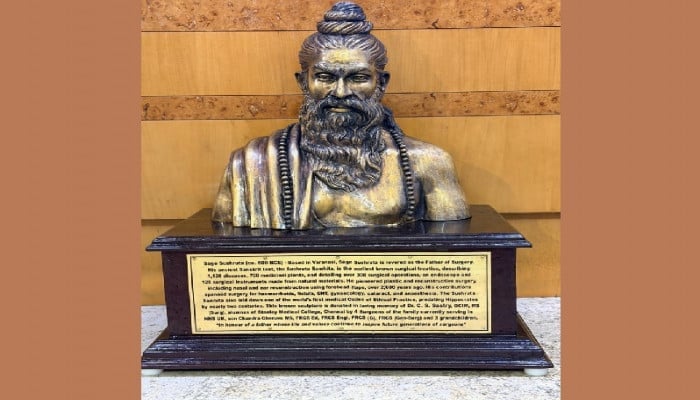
The recent honouring of Maharshi Sushruta at the Royal College of Surgeons of Edinburgh has renewed an important question for India’s medical institutions. Sushruta, associated with ancient Kashi and the Sushruta Samhita, belongs to the global history of surgery, medical education, reconstructive procedures, and clinical ethics. His recognition does not oppose modern medicine; it strengthens…
-
Britain’s Grooming Gang Reckoning: How Fear Silenced Child Protection

Britain’s grooming-gang debate is not merely about crime; it is about institutional truthfulness, child protection, and the danger of political fear. This rewrite examines Rupert Lowe’s report alongside official findings from the Jay Report, the Home Office, and the 2025 Casey audit. It explains why ethnicity data matters without endorsing collective blame against any community.…
-
NASM-SR Salvo Test: Powerful Boost to Bharat’s Indigenous Naval Strike Edge
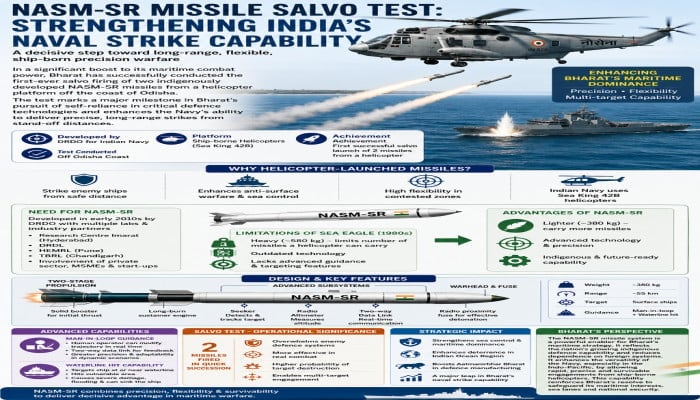
The NASM-SR salvo test marks a major advance in Bharat’s indigenous naval strike capability. By launching two Naval Anti-Ship Missile Short Range weapons in quick succession from a helicopter platform, DRDO and the Indian Navy demonstrated a more realistic and tactically demanding combat capability. The test matters because salvo firing can complicate enemy ship defences…
-
Haldighati to Iran: Powerful Lessons on Why Battlefield Victories Still Fail
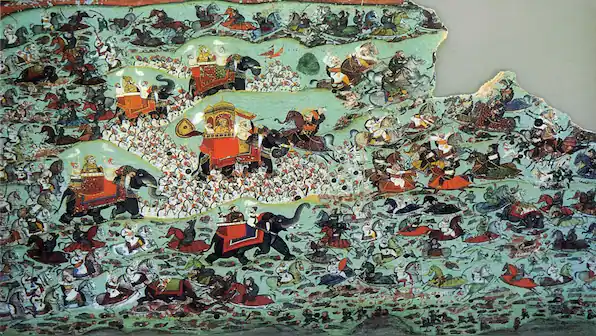
The Battle of Haldighati remains powerful because it separates battlefield victory from civilizational legitimacy. Maharana Pratap’s resistance shows that a ruler may lose a military encounter yet preserve moral authority for centuries. The article examines how Mughal expansion, Rajput alliances, and imperial statecraft must be studied with nuance rather than simplified as automatic nation-building. It…
-
RFID, QR IDs and Resolve: Inside the High-Security Amarnath Yatra 2026
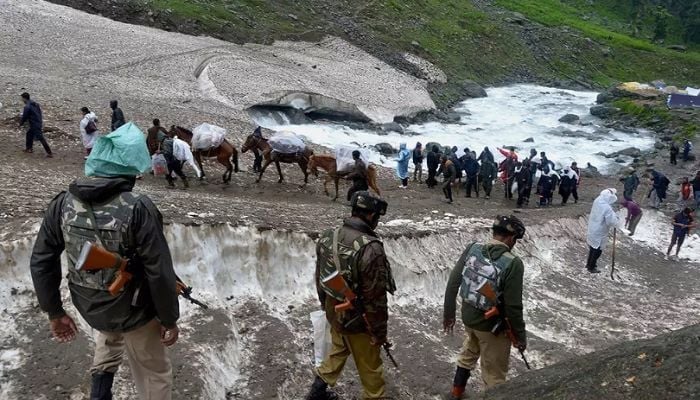
Shri Amarnath Ji Yatra 2026 is scheduled from 3 July to 28 August, with one of the most extensive security arrangements planned for the pilgrimage in recent years. The security grid combines RFID tracking for registered pilgrims, QR-code-based identity cards for service providers, CCTV surveillance, watch towers, mock drills, and strict traffic regulation. The Shrine…
-
Girmitiya Resilience and the Urgent Test Facing Prosperous Hindu Americans

The Girmitiya experience offers a profound lesson in cultural preservation under extreme hardship. Indian indentured laborers in Fiji, Guyana, Trinidad, and other plantation societies carried Sanatan Dharma across the kala pani with few resources but extraordinary resilience. Their mandirs, festivals, songs, and household rituals became instruments of memory and survival. Today, Hindu Americans face a…
-
No R&D, No Subsidy: The Hard Lesson India Must Learn From China

China’s industrial policy offers India both inspiration and warning. Its successes show that strategic subsidies can build manufacturing power, but failures such as Hongxin Semiconductor reveal the danger of funding ambition without research depth or technical discipline. India should link public incentives to R&D, domestic value addition, export competitiveness, workforce training, and measurable technology milestones.…