
-
How the Haridāsas Built a Powerful Five-Century System of Living Bhakti
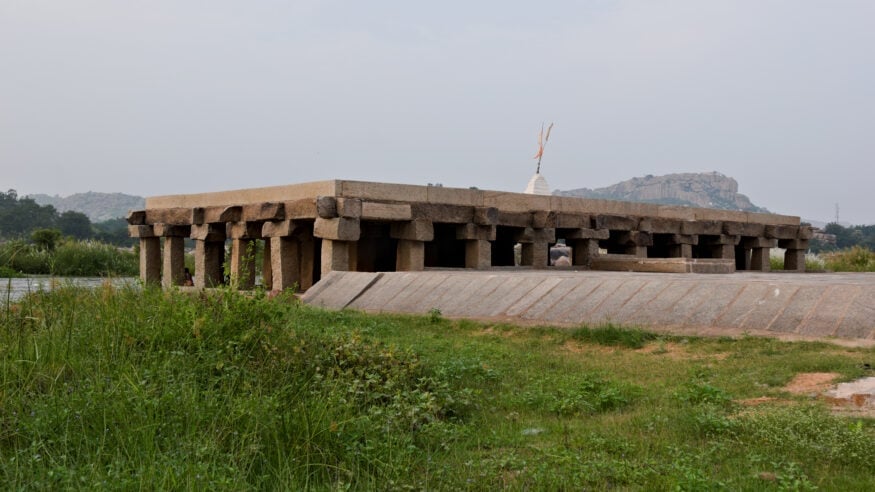
The Haridāsa tradition endured for five centuries because it combined bhakti, philosophy, music, and institutional design. Śrī Śrīpādarāja opened a Kannada access layer for Madhva-Dvaita ideas, while Śrī Vyāsatīrtha strengthened the maṭha network that preserved teaching beyond political change. Purandaradāsa compressed dense Vedantic ideas into memorable compositions that could be sung in households and concert…
-
Indus Waters Treaty Explained: Powerful Rivers, Partition, and Bharat’s Water Legacy
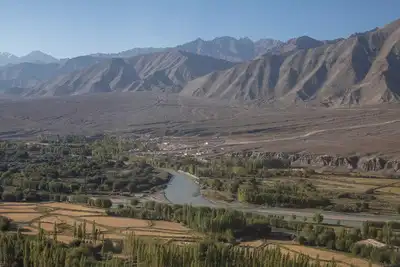
This long-form analysis explains why the Indus Waters Treaty is not merely a legal agreement but a civilisational, agricultural, and geopolitical turning point. It traces the Indus basin from Harappan water management and British canal engineering to Partition and the 1960 treaty. The piece clarifies how the Ravi, Beas, Sutlej, Indus, Jhelum, and Chenab were…
-
FCRA 2026: Powerful New Rules Defend Dharmic Communities from Funding Abuse
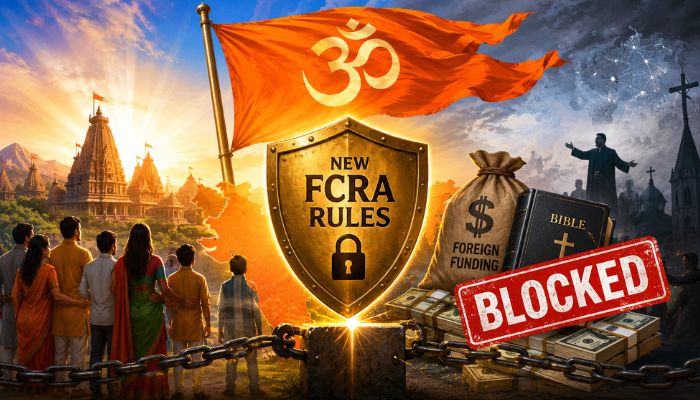
The Foreign Contribution (Regulation) Amendment Rules, 2026 introduce a sharper compliance framework for organisations receiving foreign funds in India. The new rules require precise objectives, declared operational areas, donor transparency, social media disclosure, and stricter accountability for key functionaries. Their most important religious provision permits legitimate faith-based activities while excluding proselytisation from specified categories. This…
-
True Health Beyond Lab Reports: Ayurveda, WHO, and the Science of Whole Well-Being
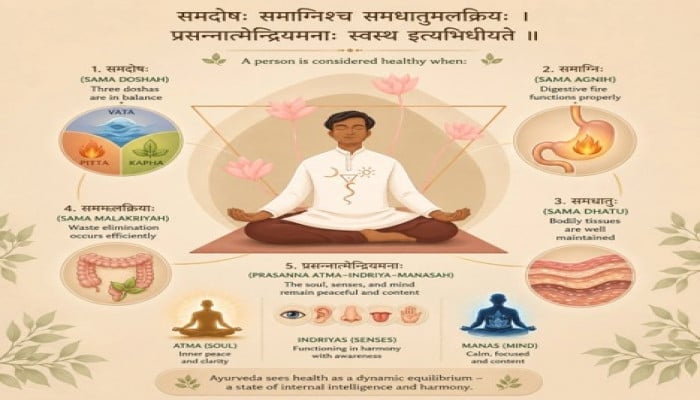
True health is far more than normal medical reports or the absence of disease. Ayurveda and modern global health thinking both describe wellness as an integrated state involving the body, mind, senses, relationships, environment, and inner balance. The Sushruta Samhita presents health through balanced doshas, strong agni, nourished tissues, proper elimination, and peaceful atma, indriya,…
-
Why NLSIU’s Dharma Motto Deserves Serious, Humane, and Scholarly Defense
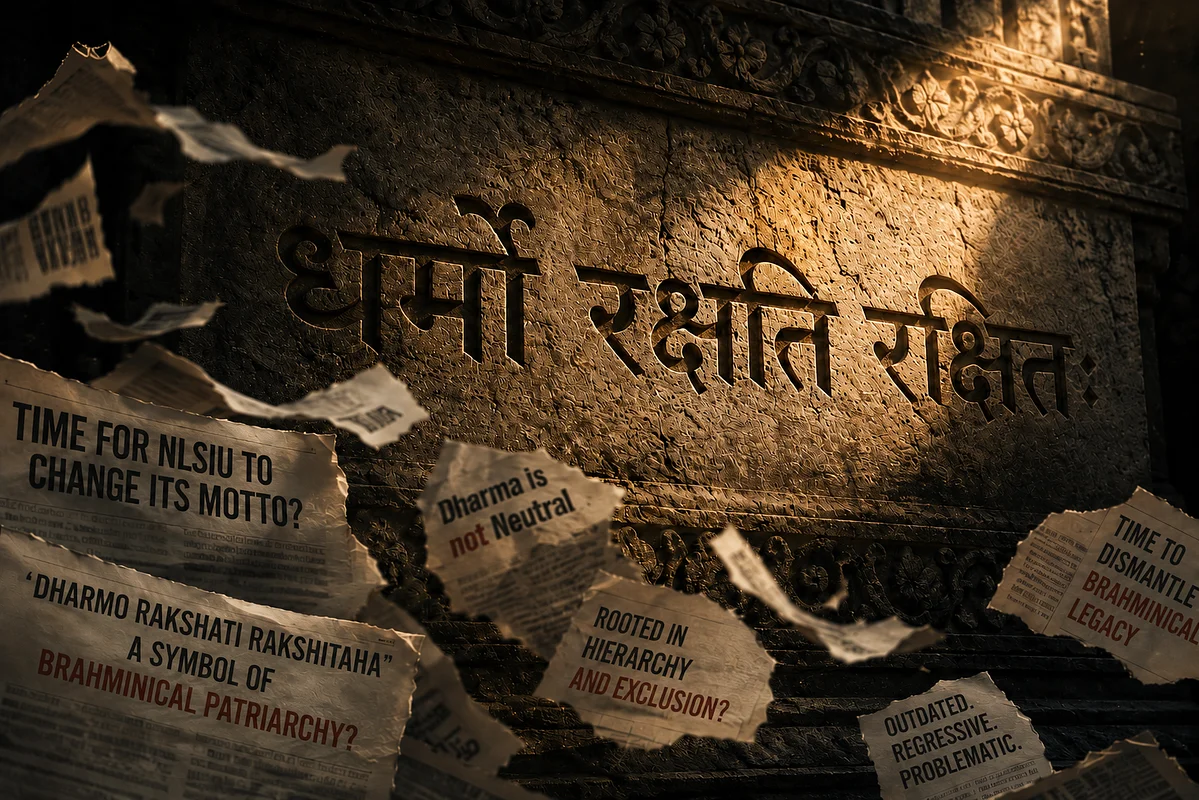
This article examines the debate over NLSIU’s motto, “Dharma Rakshati Rakshataha,” in the context of public commentary following the tragic Twisha Sharma case. It argues that a criminal case involving serious allegations should be approached first with empathy, due process, and concern for justice rather than used to indict an entire civilizational concept. The discussion…
-
Dhamlej’s Vanished Surya Temple: Powerful Clues to Gujarat’s Sacred Past
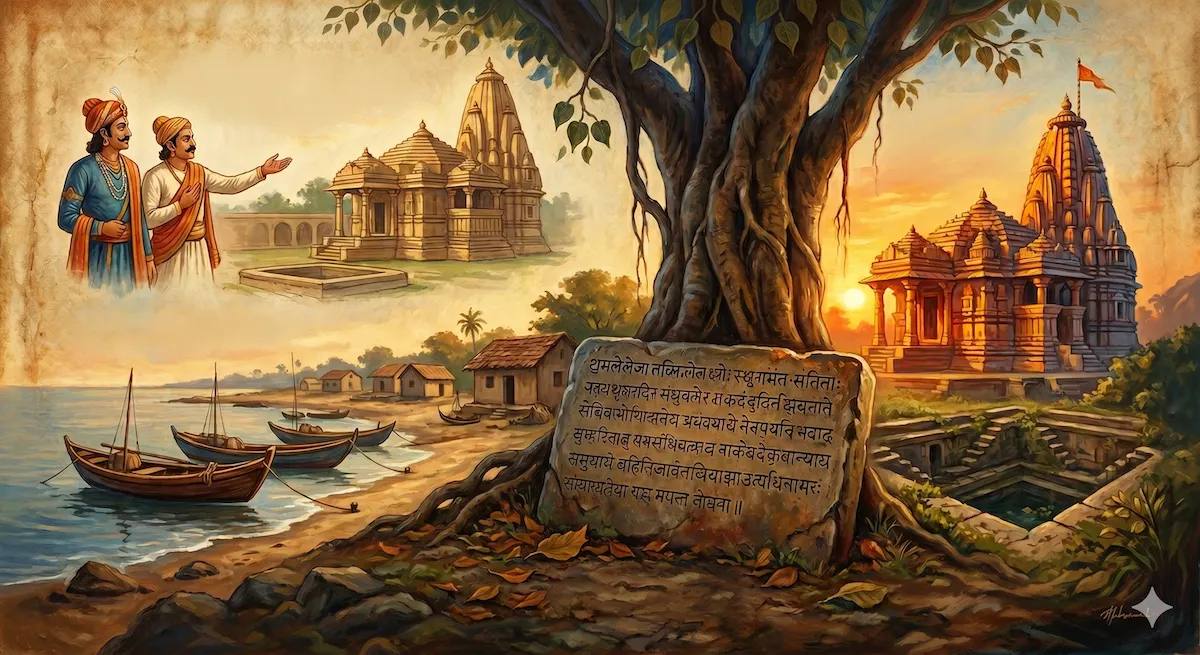
Dhamlej in Gujarat’s Saurashtra region was once remembered as MŪLA-GAYĀ, a sacred Surya Kshetra near Sri Somanatha Kshetra. The 1380 CE Dhamleja Inscription preserves evidence of a restored Surya Mandira, the Vishnu Gaya Kunda, and a wider sacred landscape connected with Prabhāsa and Somanatha. The account highlights the role of Karma Simha, a devout Porwal…
-
Bharat’s Drone-Age Army: Powerful Lessons in Self-Reliant Future Warfare
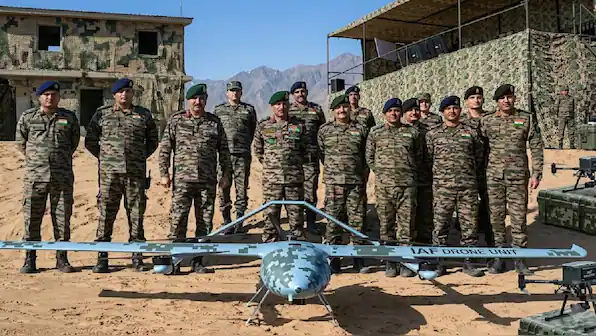
Bharat’s Indian Army is entering a decisive phase of military modernisation shaped by drones, artificial intelligence, electronic warfare, cyber operations, and precision fires. General Upendra Dwivedi’s tenure is significant because it accelerated the move from manpower-heavy structures toward a more technology-enabled and future-ready force. The rapid expansion of drone and counter-drone capabilities reflects hard lessons…
-
UP’s 2027 Welfare Showdown: Can Yogi Counter Akhilesh’s Rs 40,000 Promise?
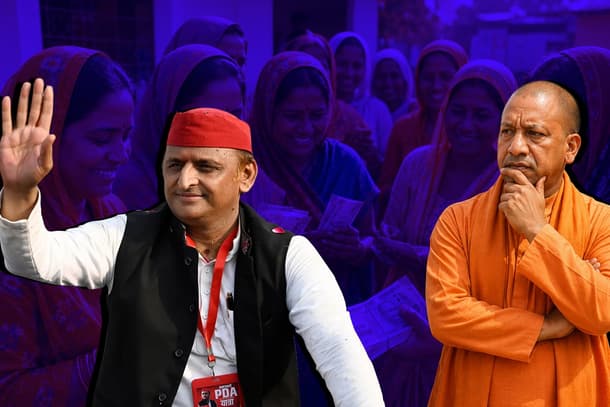
Akhilesh Yadav’s promise of Rs 40,000 a year for poor women has made women’s welfare a central issue in the 2027 Uttar Pradesh election. The proposal is politically powerful because it is simple, direct, and emotionally connected to household needs. Yogi Adityanath can respond by matching the cash offer, improving existing schemes, or presenting a…
-
Ayodhya’s Warning: Temple Freedom Needs Stronger Public Accountability
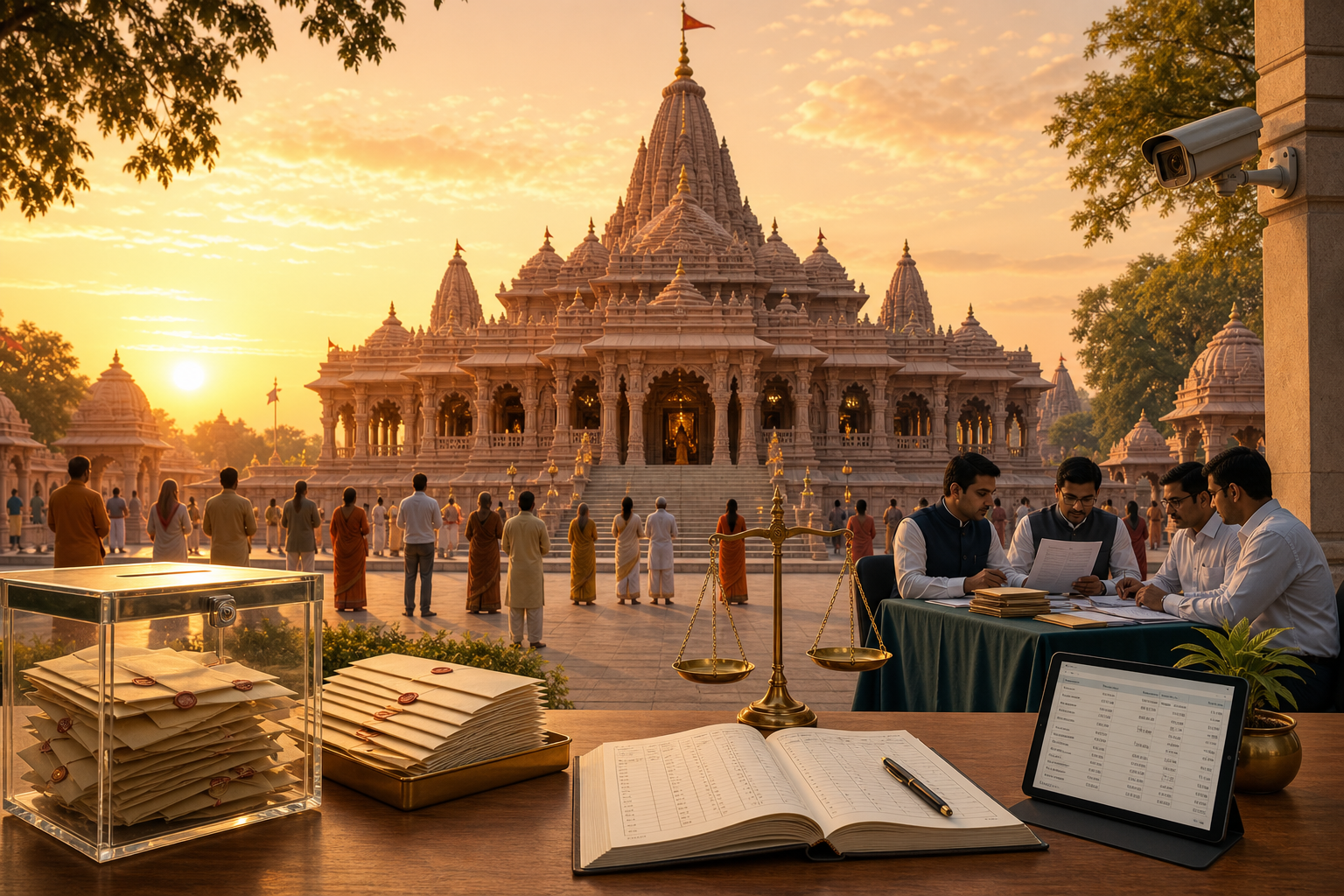
The Ayodhya donation controversy shows that keeping temples outside direct state control is not enough unless autonomy is matched with strong accountability. The Ram Mandir carries immense civilisational importance, making allegations of donation mismanagement especially painful for devotees. A serious temple governance model must include segregation of duties, audited accounts, secure handling of cash and…
-
Yogi Dileep’s Quiet Power: From Kerala Roots to the Global Rise of Yoga Day

This long-form reflection examines the life of Dileep Kumar Thangappan, known as Yogi Dileep or Guruji, and his quiet role in the global recognition of International Yoga Day. It traces his Kerala childhood, interfaith family background, formative trauma, early yogic influences, and association with teachers such as Swami Bua. The article explains how yoga moved…
-
Gandhi, Khilafat, and the Explosive 1941 Warning That Still Shakes History
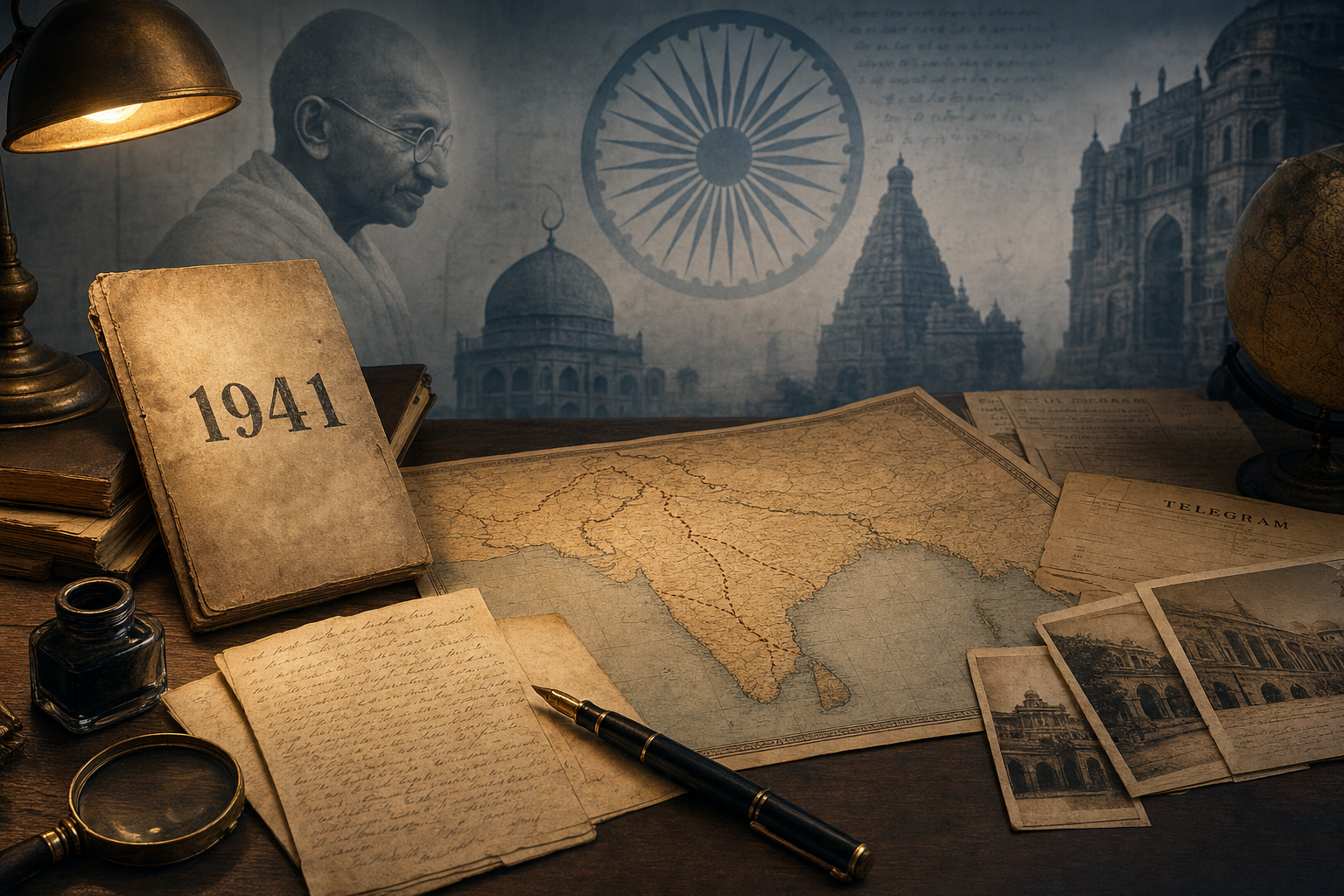
This long-form analysis revisits the 1941 book Gandhi-Muslim Conspiracy and the Dharma Dispatch essay that brought it back into discussion. It examines Gandhi’s Khilafat policy, the Ali Brothers, Afghan invasion allegations, Non-cooperation, Chauri Chaura, and the rise of the Muslim League within the wider history of Bharat’s freedom struggle. The piece treats controversial claims with…
-
Britain’s Grooming Gangs Scandal: A Devastating Lesson in Truth and Justice

The British grooming gangs scandal exposes a grave failure of child protection, institutional courage and public accountability. This analysis examines the issue through a factual and academic lens, separating legitimate evidence-based inquiry from collective blame against any community. It explains how poor data collection, weak safeguarding systems, fear of political controversy and agency failures allowed…
-
Bharat’s Urgent Sovereignty Test: AI, Starlink, and Resilient National Power

Bharat’s sovereignty challenge in the age of AI and Starlink is not limited to ownership of technology. It is about whether critical systems can continue to function during disruption, coercion, cyberattack, electronic warfare, or denial of access. The Ukraine conflict shows how commercial satellite networks can become decisive military infrastructure and also strategic vulnerabilities. Artificial…
-
Powerful Truth: Why Mahabharata Was Not Simply Jaya Expanded into Bharata

The familiar claim that the Mahabharata evolved from an 8,800-verse Jaya into a 24,000-verse Bharata and then into the 100,000-verse Mahabharata is more complicated than it appears. A close reading of the Adi Parva suggests that the number 8,800 refers to difficult or knotty verses, not necessarily to a complete early text called Jaya. The…
-
Bangladesh’s Hindus Face a Defining Fight for Faith, Safety and Dignity
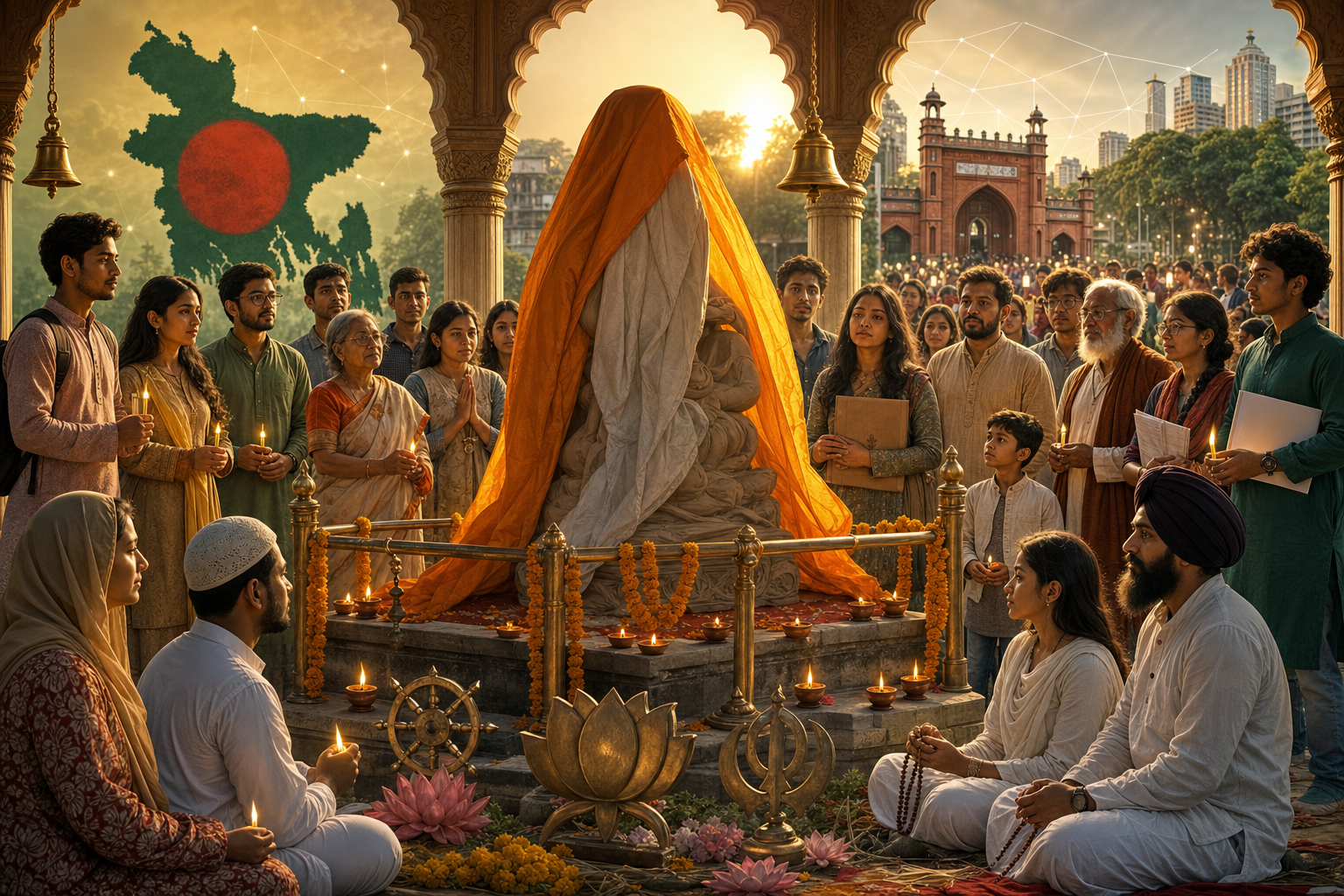
The controversy over the proposed Shri Ram murti in Bangladesh has become a major test of religious freedom, minority rights, and state responsibility. What began as a temple development project reportedly turned into a national flashpoint after online agitation, extremist mobilisation, and public intimidation. The issue is not only about one murti, but about whether…
-
Bharat Before 1947: Powerful Historical Evidence Against a Colonial Myth

The modern Republic of India began with independence in 1947 and constitutional consolidation in 1950, but Bharat as a civilizational idea is far older. This article separates modern statehood from cultural geography, sacred memory, political history, and dharmic continuity. It examines Bharatavarsha, the Constitution’s phrase ‘India, that is Bharat,’ the mahajanapadas, Ashokan inscriptions, pilgrimage networks,…