
-
Kumbhakarna’s Six-Month Slumber: A Tragic Shield, Strategic Weakness, and Dharma in the Ramayana

Kumbhakarna’s six-month sleep in the Ramayana is both armor and Achilles’ heel, a boon that restrains destructive potential while creating a fatal strategic gap when broken. Drawing on Valmiki’s account and later retellings, this analysis clarifies how a slight, divinely guided shift from indrāsana to nidrāsana reconfigures cosmic balance. It explores the symbolism of nidra…
-
Telugu Vaishakha Masam 2026 (Madhava Masam): Dates, Key Festivals, Rituals, and Panchang Guide
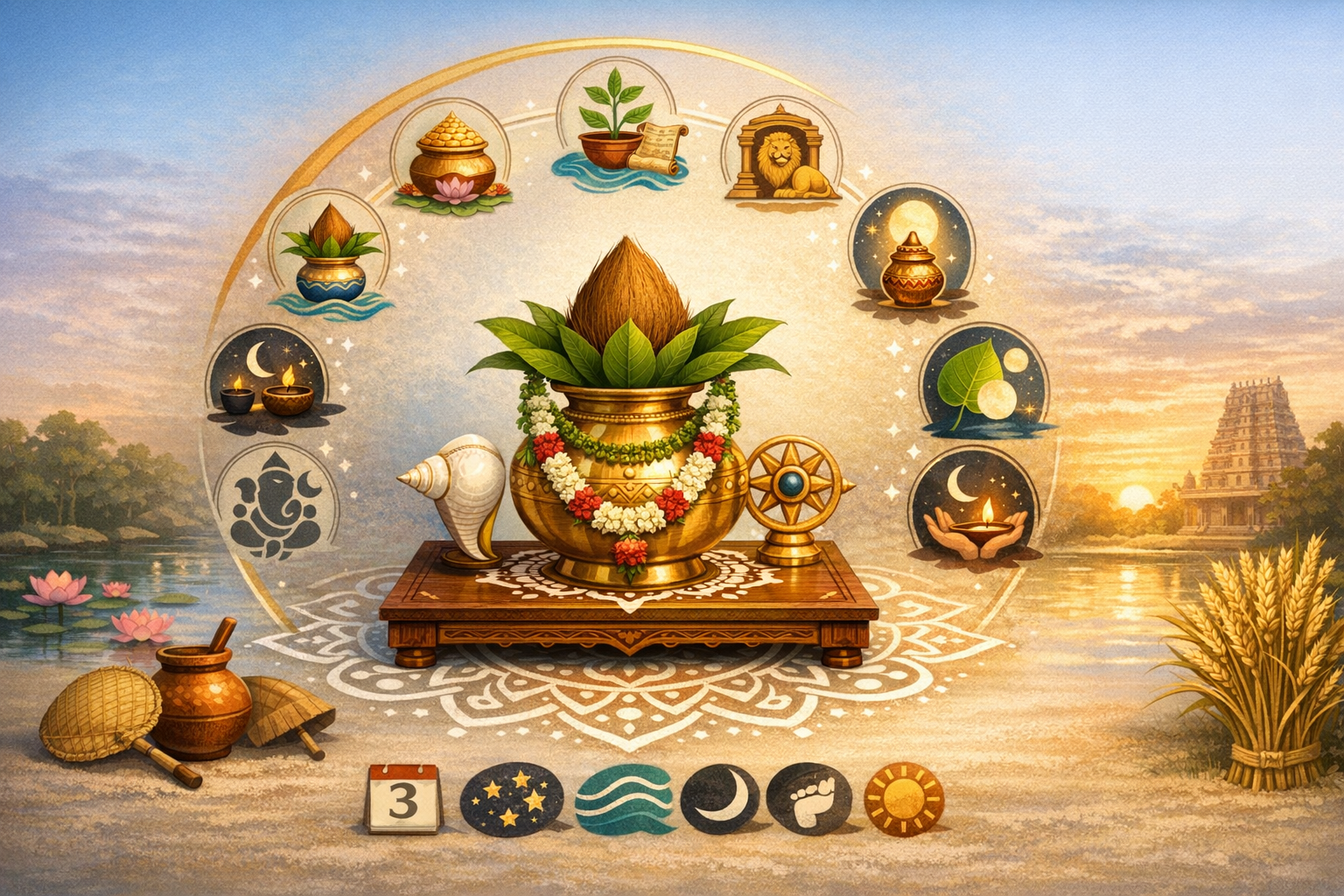
Vaishakha Masam 2026 in the Telugu calendar runs from 18 April to 16 May in the Amanta system used across Andhra Pradesh, Maharashtra, Karnataka, and Gujarat. The month, revered as Madhava Masam and dedicated to Lord Vishnu, emphasizes snana, dana, japa, and vrata guided by precise sunrise-based Panchang calculations. Key observances within this window include…
-
Vidyaranya Jayanti 2026: Date, Puja Guide, and the Timeless Legacy of Vijayanagara’s Sage
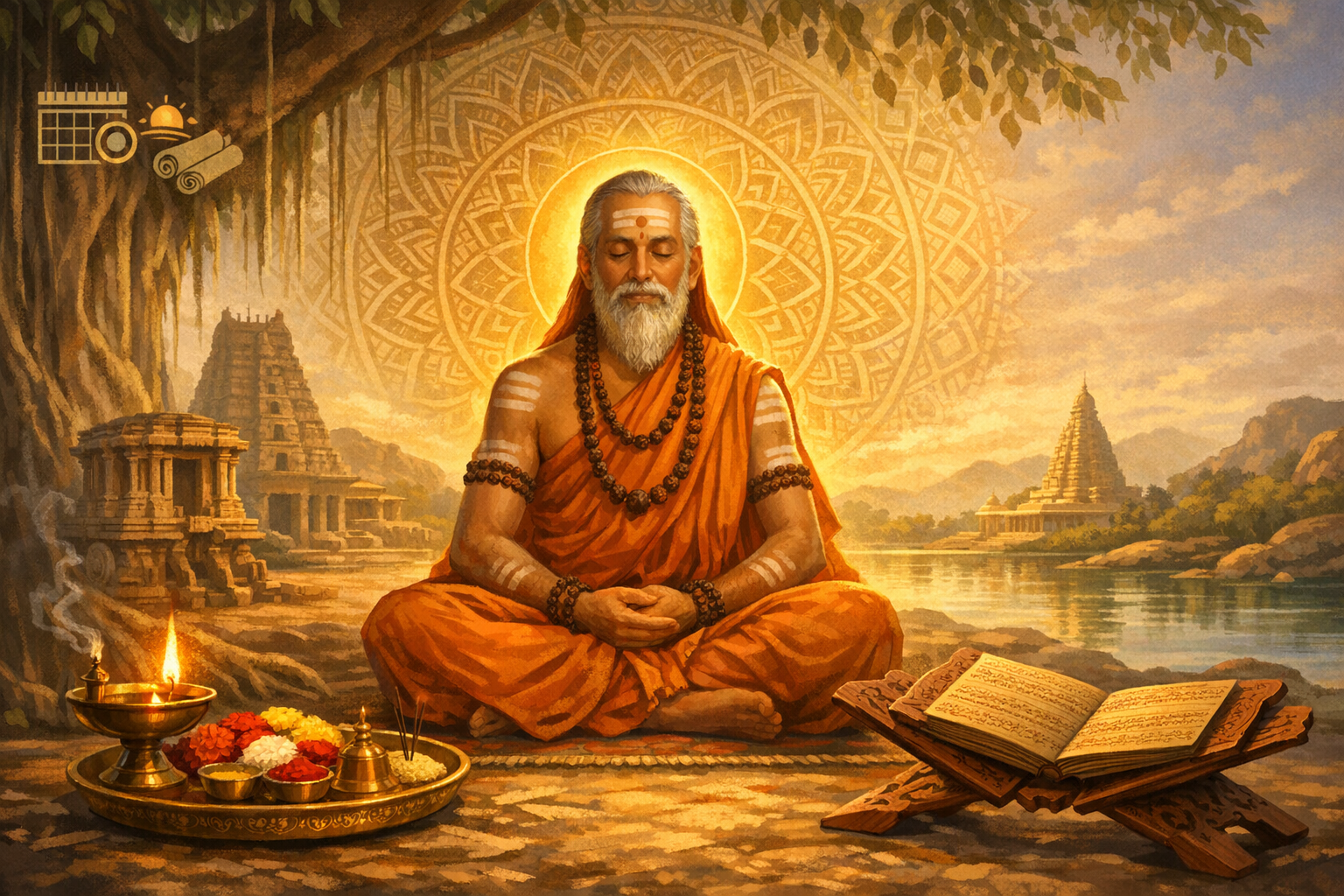
Vidyaranya Jayanti 2026 will be observed on April 23 (Vaishakha Shukla Saptami), honoring Swami VidyaranyaMadhavacharya (Madhava Vidyaranya)the Advaita luminary and rajaguru of the early Vijayanagara Empire. This long-form guide outlines historical context, key texts (Panchadasi, Jivanmuktiviveka, Sarvadarśanasaṅgraha), and his association with Sringeri Sharada Peetham. Readers gain a practical puja framework for home observance, guidance on…
-
Parthan Palli Parthasarathy: Thirunangur Divya Desam Where Arjuna Received Divine Wisdom
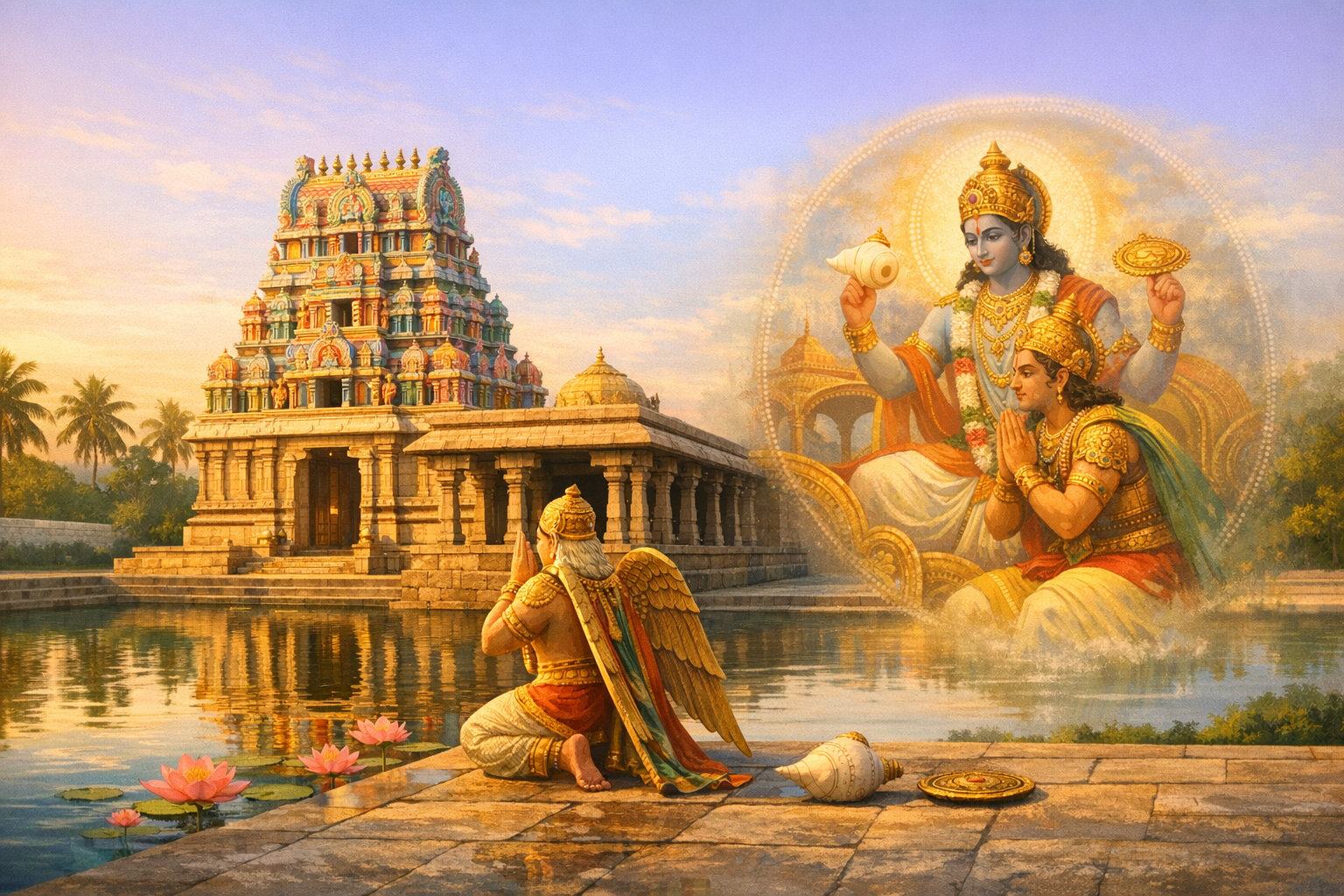
Parthan Palli Parthasarathy Perumal Temple, near Thiruvenkadu and Sirkazhi in Tamil Nadu, is revered as a Thirunangur Divya Desam where Arjuna received transformative divine guidance from Sri Parthasarathy. The kshetra’s very nameParthan Pallievokes a sanctified place of learning, aligning the temple’s living practice with the Bhagavad Gita’s ethos of duty, devotion, and discernment. Rooted in…
-
April 25, 2026 Panchang: Shukla Navami to Dashami, Shubh Muhurat, Nakshatra & Rashi

Saturday, April 25, 2026 features Shukla Paksha Navami until 21:44 (IST), transitioning thereafter to Shukla Paksha Dashami. This guide explains what a tithi is, why its start and end are not tied to midnight, and how to plan Shubh Muhurat using Abhijit Muhurta, Choghadiya, and sunrise-based calculations for Rahu Kaal, Yamaganda, and Gulika. It clarifies…
-
Sita’s Agni Pravesha and Exile: The Contested Ethics of Rajadharma and Public Trust
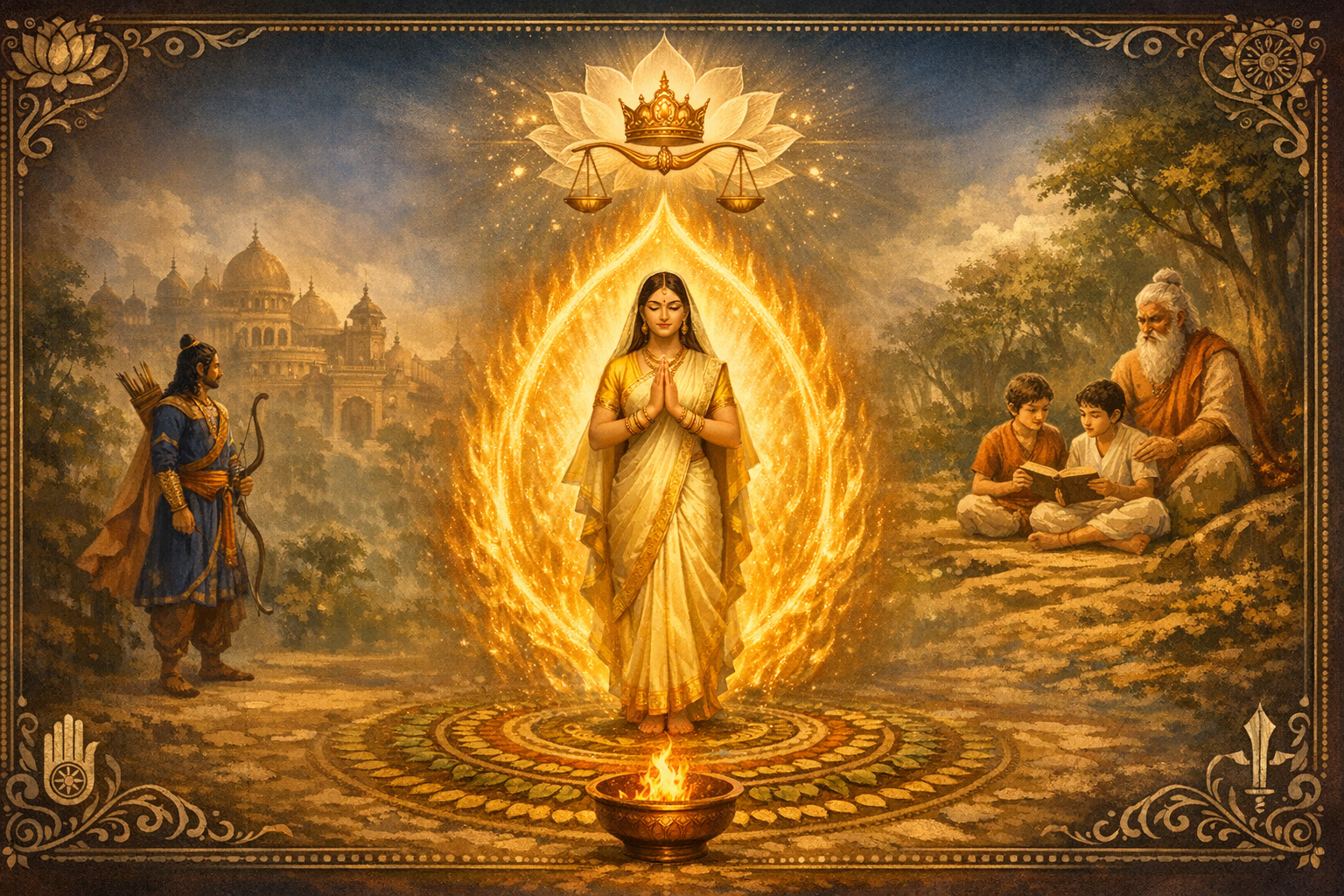
Sita’s Agni Pravesha and exile remain the Ramayana’s most debated ethical crucible. Read closely, the episodes test the alignment of substantive truth with public trust, contrasting private duty and rajadharma under intense social scrutiny. Valmiki’s narrative presents Agni as the supreme witness, while later traditions (such as the Maya Sita motif) further safeguard Sita’s inviolability.…
-
Annamacharya Jayanti 2026: Definitive Vaishakha Purnima Guide to Date, Rituals & Legacy
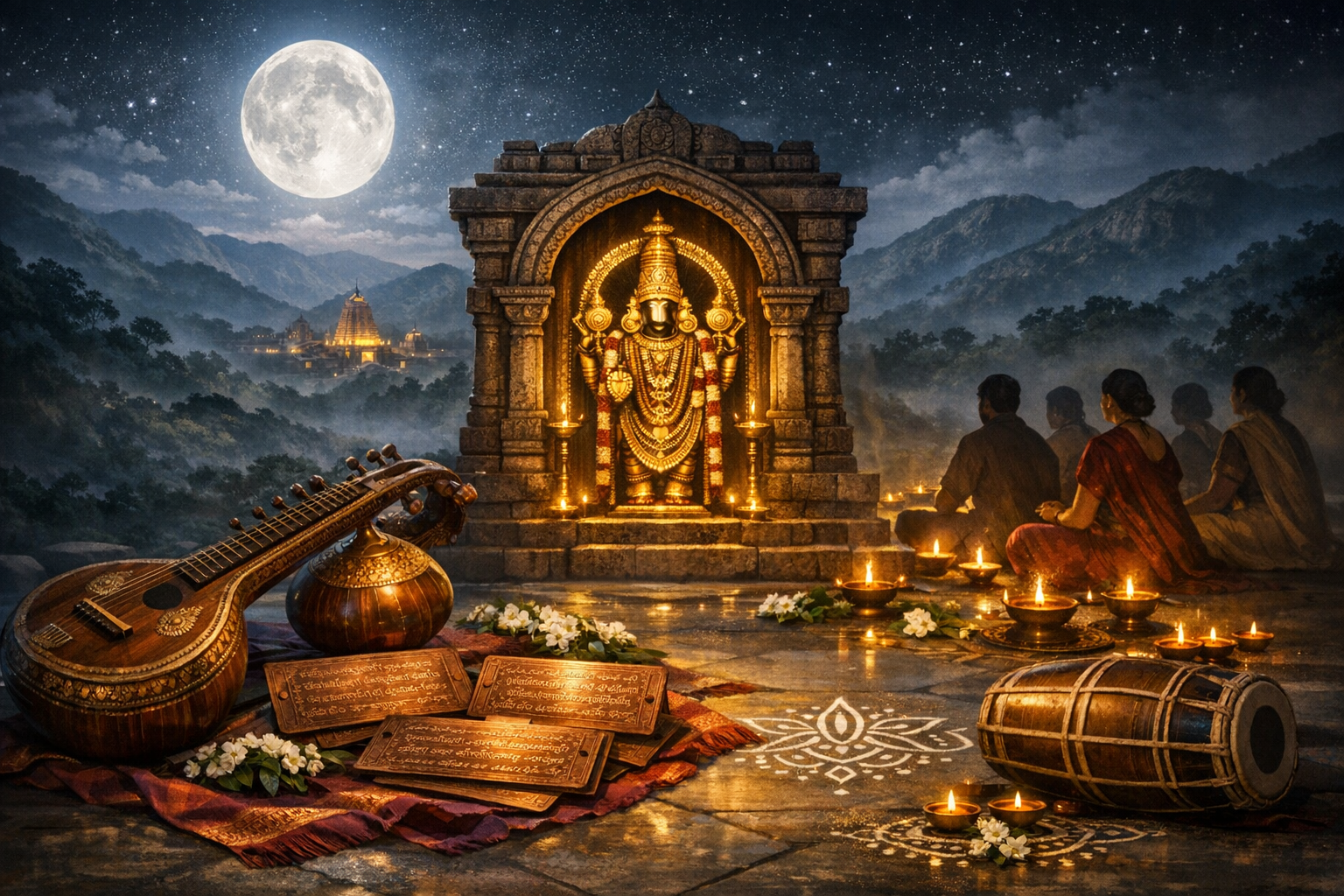
Annamacharya Jayanti 2026 will be observed on 1 May, aligning with Vaishakha Purnima. This definitive guide explains the date, calendar nuances, and how the Jayanti honors Tallapaka Annamacharyavaishnava saint-poet and pioneering Telugu vaggeyakarawhose tradition credits 32,000 sankeertanas to Sri Venkateswara. Readers will discover how TTD preserved copper-plate manuscripts (about 14,000 extant), how modern maestros tuned…
-
April 21, 2026 Panchang: Shukla Chaturthi to Panchami, Auspicious Timings, Nakshatra & Rashi

April 21, 2026 is a Tuesday featuring a tithi transition from Shukla Paksha Chaturthi (until about 08:13 AM IST in most regions) to Shukla Paksha Panchami. The post explains the technical basis of tithi12° lunar-solar longitude segmentsand shows how this early-morning Chaturthi window suits concise Vinayaka puja, while the remainder of the day favors Panchami’s…
-
BG 18.75 Unveiled: Vyāsa’s Grace, Kṛṣṇa’s Living Voice, and the Timeless Science of Yoga
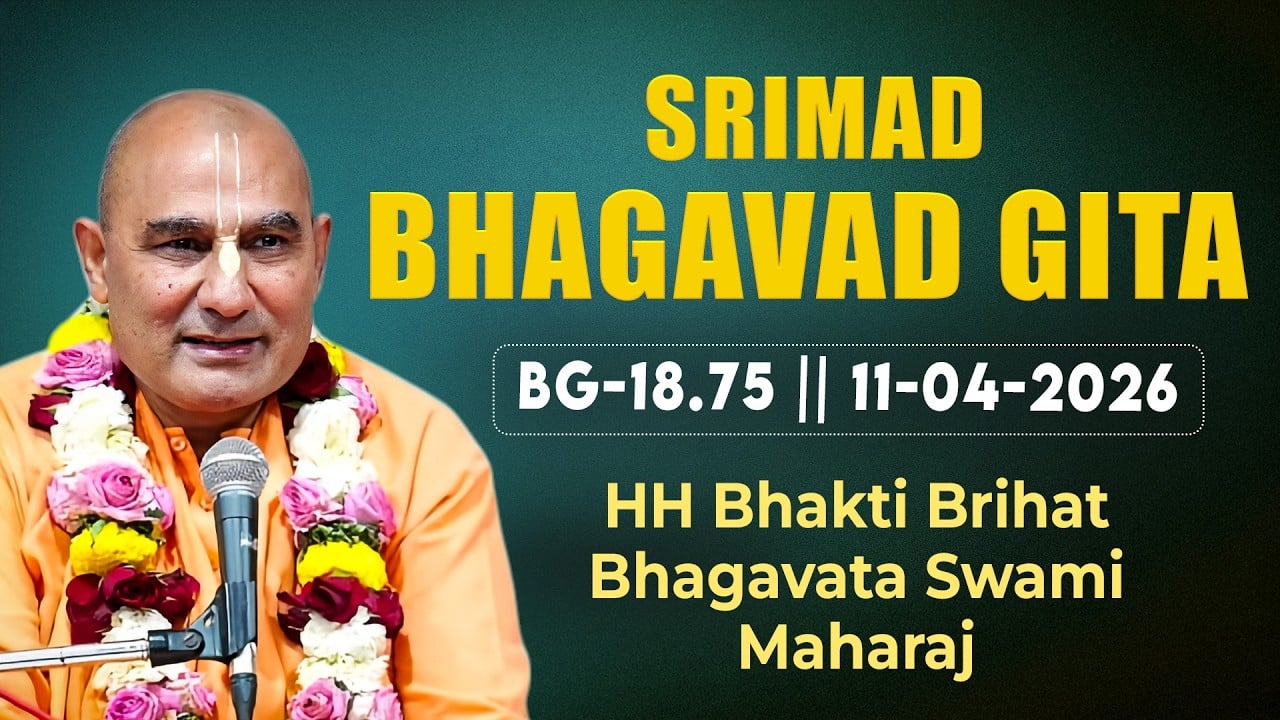
Bhagavad-gītā 18.75 crystallizes how liberating wisdom is known: by Vyāsa’s grace, Sañjaya directly hears Kṛṣṇa guiding Arjuna, modeling lineage-based transmission and receptive practice. The verse illuminates Vedic epistemologyśabda-pramāṇa, paramparā, and divya-dṛṣṭiwhile clarifying that “most confidential” teaching is inward profundity, not exclusion. By presenting Kṛṣṇa as Yogeśvara, it frames yoga as an integrated science of action,…
-
Idle Mind Is the Devil’s Workshop: A Dharmic, Scientific Guide to Focus and Virtue

This article reframes the proverb ‘An idle mind is the devil’s workshop’ through a dharmic and scientific lens, unifying insights from Hinduism, Buddhism, Jainism, and Sikhism with contemporary psychology. It distinguishes restorative rest from unstructured idleness and shows how right effort, seva, and mindfulness reduce rumination and impulsivity. Readers gain a practical framework: align purpose…
-
Bringing Sikh Stories to Screen: Authentic Representation, Dharmic Unity, and Cultural Power
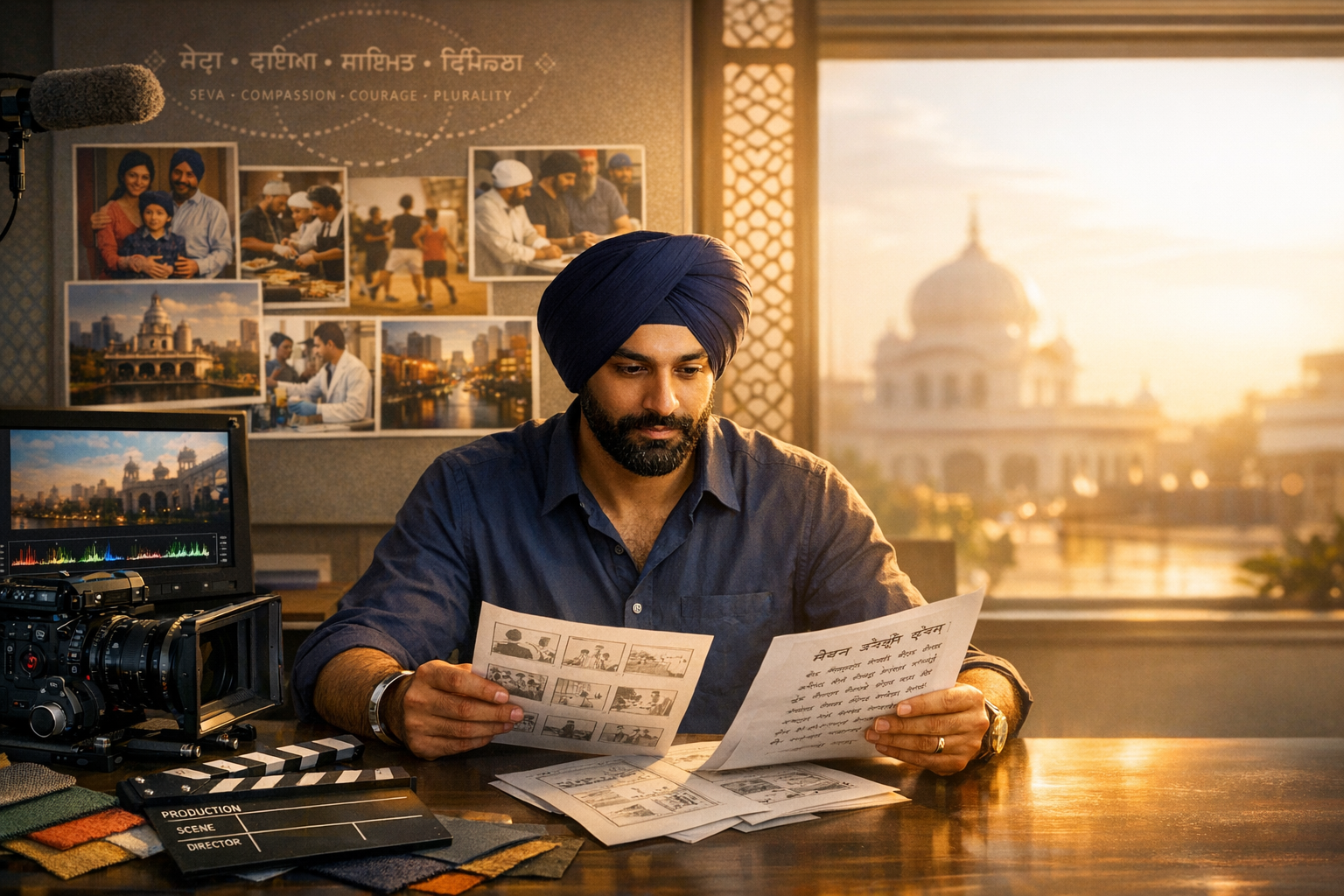
This article outlines a research-led, production-ready framework for bringing nuanced Sikh stories to screen while advancing unity across dharmic traditions. It details how respectful depiction of articles of faith, language authenticity, and community consultation improve cinematic representation and trust. Practical guidance covers writing-room research, casting and wardrobe, sound and music ethics, location protocols in gurdwaras,…
-
SB 10.4.8 on Power and Protection: Kamsa’s Rage, Devi’s Deliverance, and Living Dharma Today

This long-form analysis of Srimad-Bhagavatam (SB) 10.4.8 explores Kaṁsa’s attempt to kill a newborn and Devi’s decisive deliverance as a powerful study in dharma versus adharma. It situates the verse within the Bhagavata Purana’s narrative, unpacks its ethical, theological, and symbolic layers, and highlights its convergence with Buddhist, Jain, and Sikh principles of compassion and…
-
3 a.m. Thought Spirals, Decoded: Science-Backed Reasons for Night Anxiety and How to Reclaim Calm

Night anxiety feels absolute because the brain prioritizes threat detection under low sensory input and reduced executive control. This article explains the neuroscience of 3 a.m. thought spiralscircadian influences, predictive processing, the default mode network, and hyperarousalso the experience becomes understandable rather than shameful. It then outlines practical, evidence-based approaches that lower arousal without arguing…
-
Surdas Jayanti 2026: Date, Panchang, Rituals and the Timeless Bhakti Legacy of Krishna’s Poet
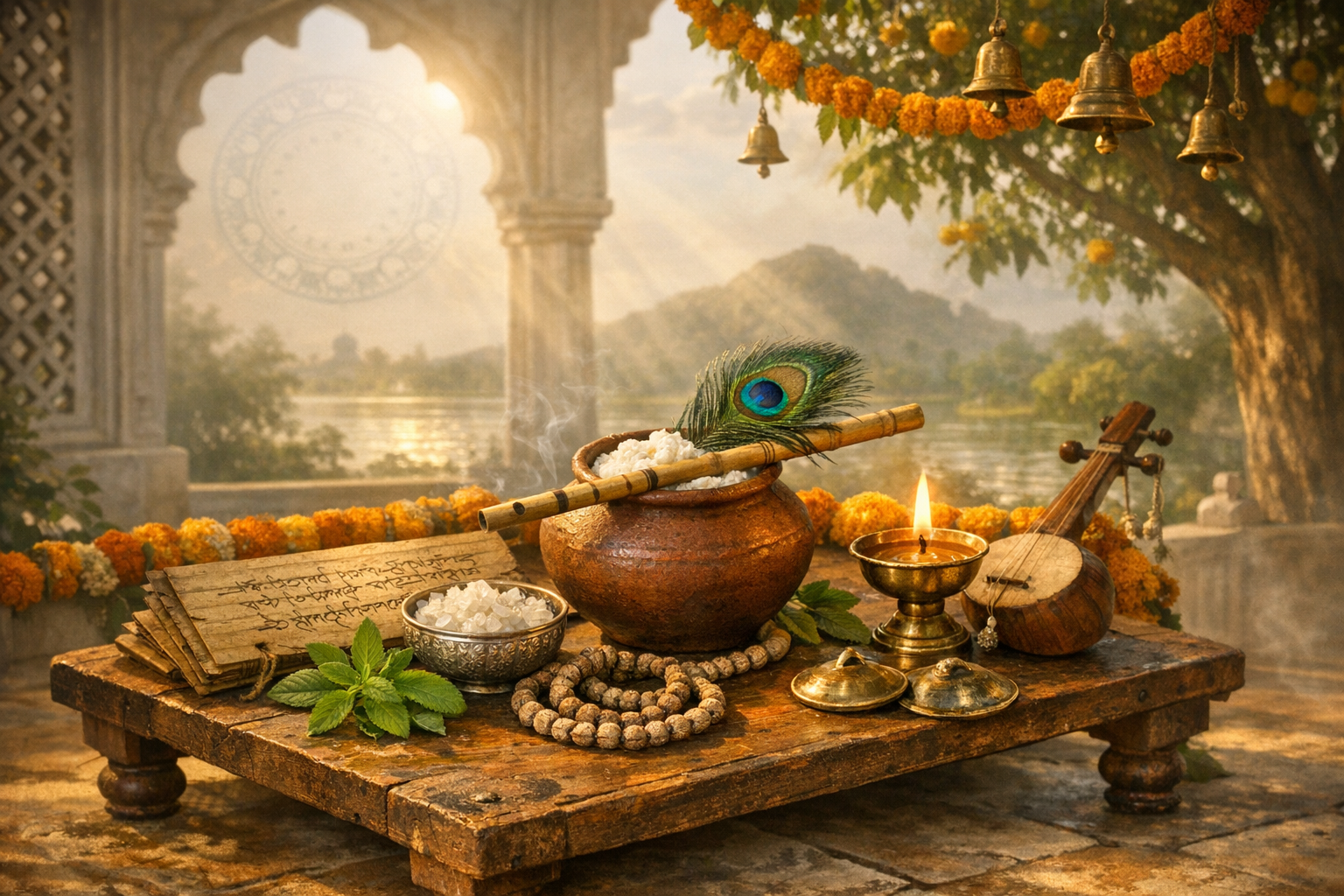
Surdas Jayanti 2026 will be observed on 21 April, aligning with Vaishakh Shukla Paksha Panchami in the North Indian Hindu calendar. The day honors SurdasKrishna’s beloved Bhakti poetwhose Braj Bhasha padas shaped devotional literature, temple music, and community kirtan across North India. Devotees typically celebrate with Krishna puja, recitation from the Sursagar, congregational singing, and…
-
Shobha Karandlaje’s Kerala claims of ‘Love, Land, Business’: evidence, law, and dharmic unity

Reports attributing to Union Minister Shobha Karandlaje claims of “Love, Land, and Business Jihad” in Kerala have ignited debate. This analysis replaces rhetoric with a rigorous, law-and-data framework that separates allegations into three testable domains: intimate-partner coercion, property intimidation or illegality, and unfair or illicit business practices. It outlines applicable statutes, proposes investigation protocols, and…
-
Madras HC PIL on SC-Reserved Seats: Protecting Dharmic Rights and Tamil Nadu’s Poll Integrity

A new PIL before the Madras High Court seeks to align eligibility for SC-reserved seats in Tamil Nadu with the Constitution (Scheduled Castes) Order, 1950limiting candidacy to Hindus, Sikhs, and Buddhists under current law. The plea highlights concerns over alleged misuse through covert conversions and asks for uniform, transparent verification by election authorities. Readers gain…
-
Kali Yuga’s Vanishing Divide: Decoding How Asuras ‘Turn Human’ and What It Means for Dharma

This in-depth analysis decodes the Hindu claim that in Kali Yuga the line between asuras and humans fades, showing it as a moral-psychological map rather than a literal prophecy. Drawing on the Vishnu Purana, Bhagavata Purana, and the Bhagavad Gita, it explains how dharma degrades across the yugas and why the age demands simpler, heart-centered…
-
Madurai Meenakshi Sthala Puranam: Indra’s Atonement, the Divine Wedding, and Temple History
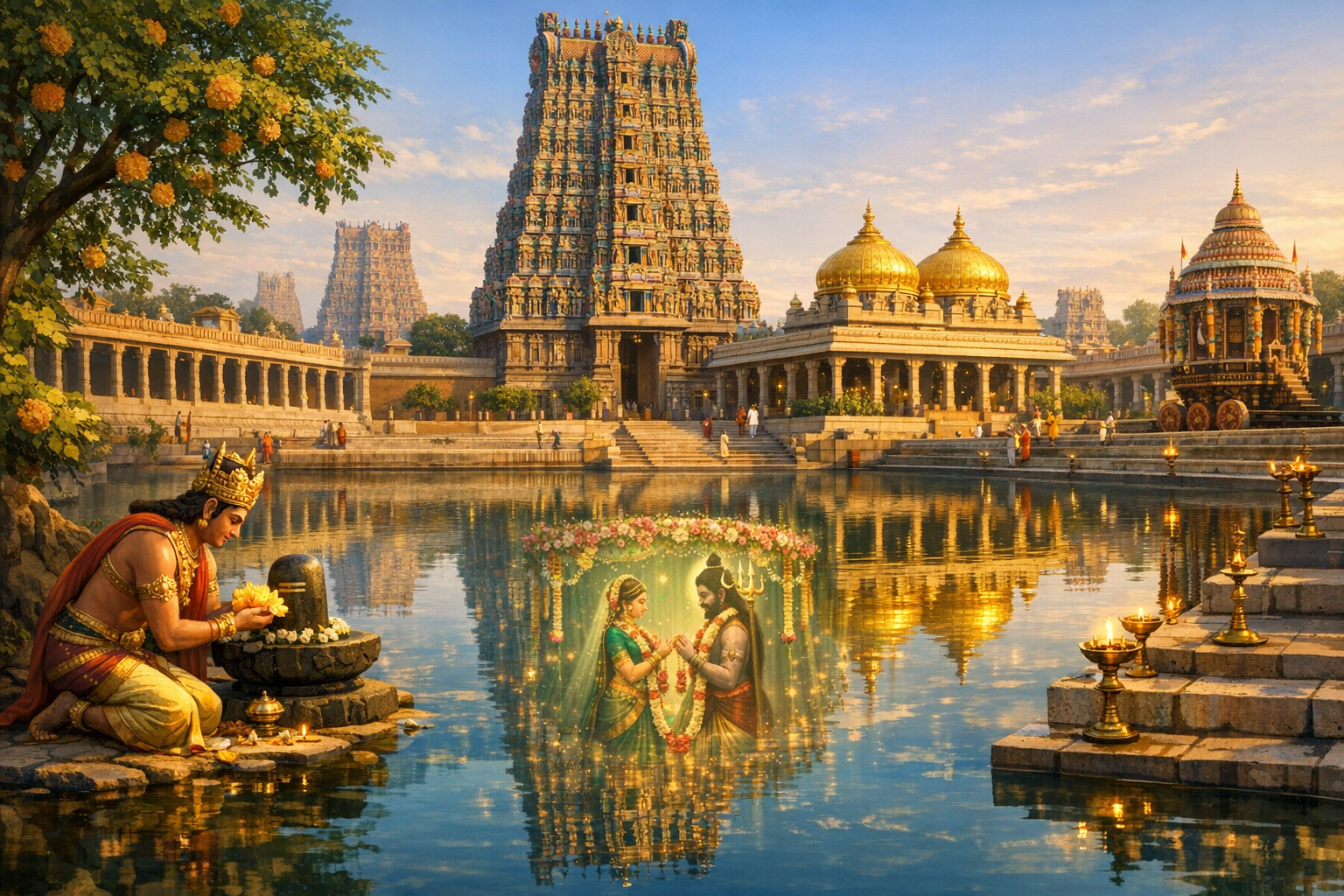
This in-depth, research-driven overview unpacks the Sthala Puranam of the Madurai Meenakshi Sundareshwarar Templefrom the ‘effacing of Indra’s sin’ beneath the kadamba tree and by the Pottamarai Kulam to Meenakshi’s birth, prophecy, and the divine wedding with Sundareshwarar. It elucidates how the legends express the ethical logic of karma and reincarnation, resonating with the wider…
-
Timeless Sthala Purana of Kukke Subramanya: Legends, Rituals, and Sacred Ecology of Western Ghats

Situated at the foothills of Kumara Parvatha and along the Kumara Dhara, Kukke Subramanya Swamy Temple fuses mythic memory with living ritual. The sthala purana recounts Kumara Swamy’s arrival with Lord Ganapathi to defeat Tarakasura and sanctify the valley through the marriage to Devasena. Core symbolism centers on Subramanya’s guardianship of Vasuki and Shesha, with…
-
Beyond Endless Craving: Dharmic Science of Ambition, Lust, and Lasting Happiness
Progressive ambition often fails to produce lasting happiness because the senses–mind complex is mismatched to the goal of enduring joy. Vedic philosophy explains this law of material nature and locates fulfillment in the jiva’s spiritual quality as a particle of Sachidananda Vigraha. Converging insights from Hinduism, Buddhism, Jainism, and Sikhism show that inner realignmentnot external…