
-
Indra and Varuna’s Celestial Rivalry: Vedic Kingship, Cosmic Law, and the Battle for Order
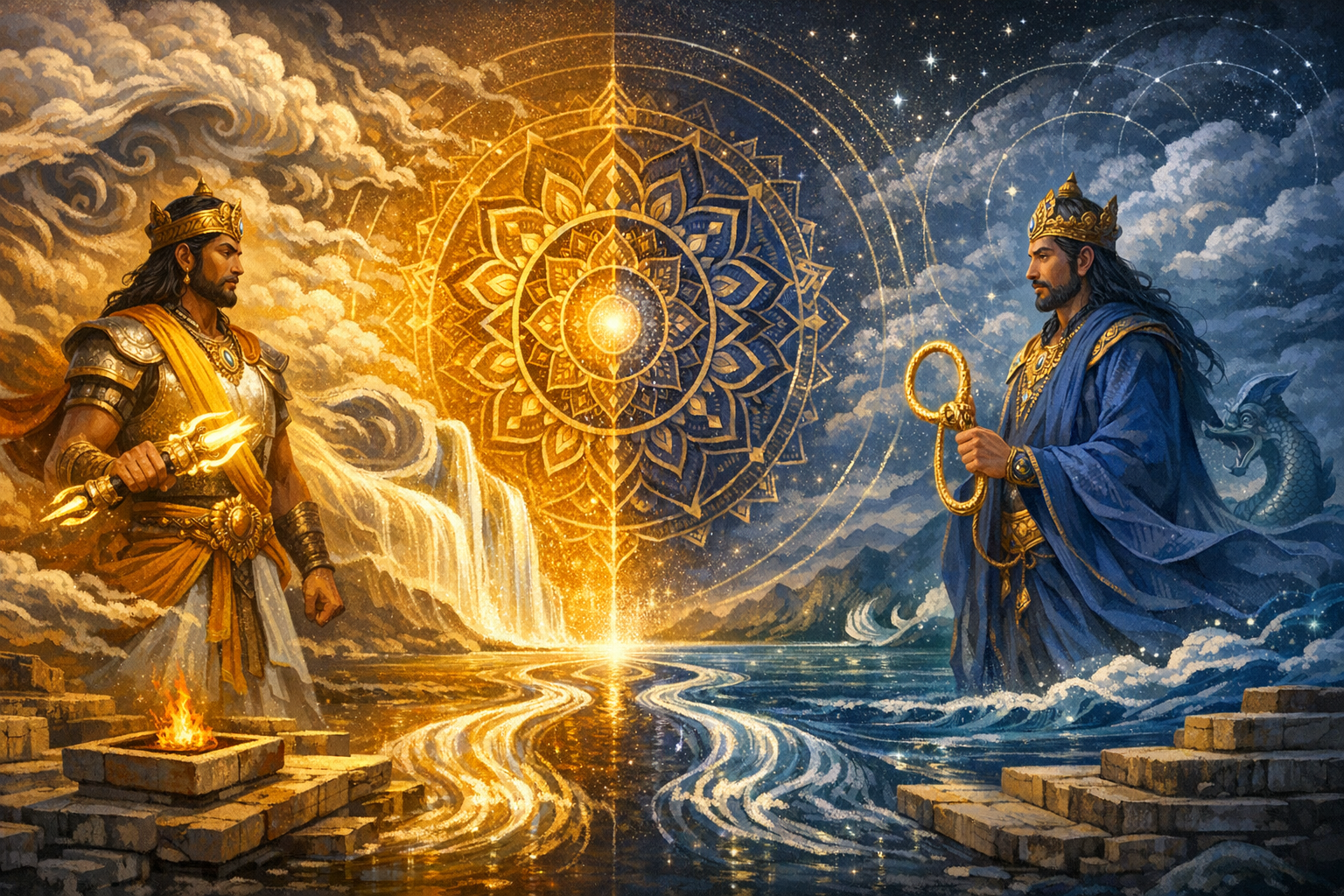
Indra and Varuna frame a profound Vedic conversation about power, law, and legitimacy. Indra’s thunderous decisiveness (kṣatra) complements Varuna’s guardianship of ṛta, revealing why force must be answerable to truth and why law must be capable of protection. Rigvedic hymns, especially RV 1.32 and RV 7.86–7.89, ground this dialectic, while Brāhmaṇa and Upaniṣadic texts transform…
-
Why Arjuna’s Grief Is Called Yoga: The Transformative Power of Viṣāda in the Bhagavad Gita
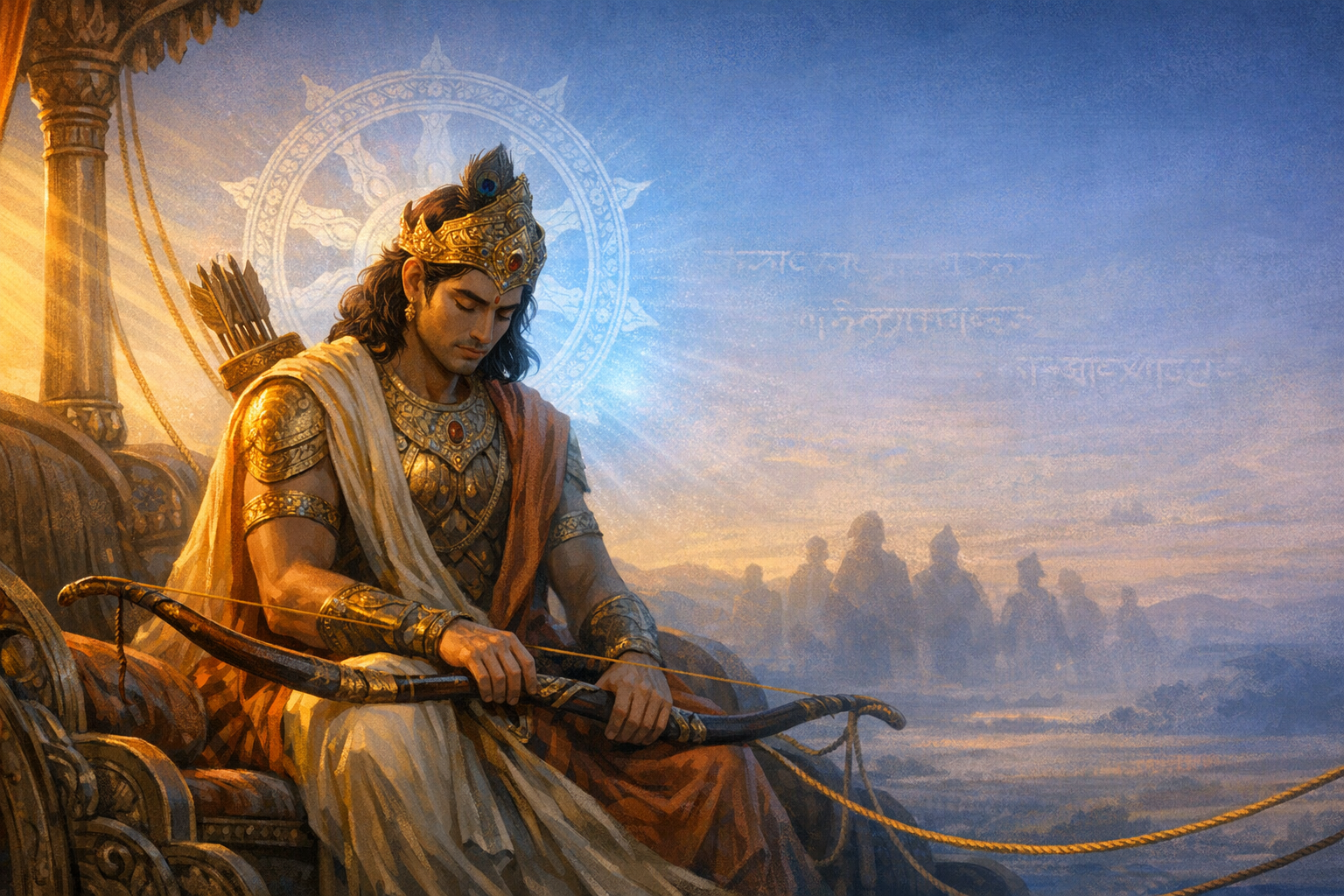
Why is Arjuna’s grief in the Bhagavad Gita called “yoga”? The first chapter, Arjuna Viṣāda Yoga, frames sorrow as a disciplined gateway to discernment and ethical clarity. By exposing attachment, catalyzing viveka–vairāgya, and inspiring surrender“śiṣyas te ’ham”grief becomes the very condition for transformative instruction. The Gita’s own colophon names it a yoga-śāstra, indicating that each…
-
Chandra Grahan Alert: TTD suspends Annaprasadam on 3 March 2026what devotees must know
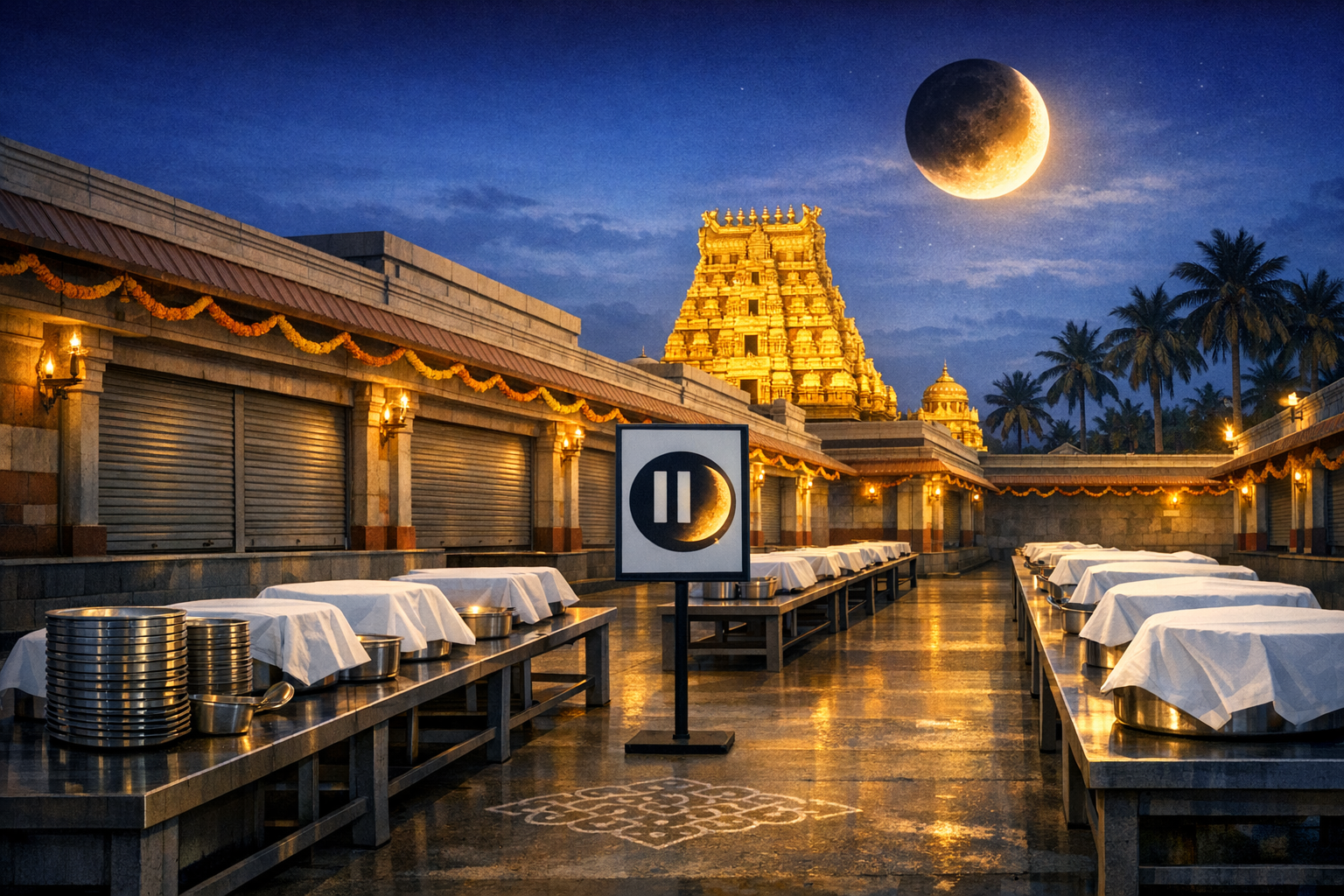
On 3 March 2026, TTD will suspend Annaprasadam distribution at select facilities in Tirupati and Tiruchanoor in observance of the Chandra Grahan (lunar eclipse). The measure, grounded in Āgama and Dharmaśāstra guidance, pauses cooking and food distribution during Sutak and the eclipse, with services resuming after prescribed purification. Affected locations include the SV Nitya Annaprasadam…
-
Maharashtra withdraws ad with sadhu caricature: ethics, law, and lessons for inclusive governance

Maharashtra’s Social Justice Ministry has withdrawn an advertisement that used a demeaning caricature of a Hindu sadhu, following calls by Hindu Janajagruti Samiti (HJS) for accountability. The episode highlights why state communication must avoid stereotyping and adhere to ethical and constitutional norms. This analysis outlines relevant legal touchpoints, including Article 25 and the duty to…
-
Masi Magam 2026 at Kumbakonam’s Chakrapani Temple: Rituals, Theerthavari, and Sacred Significance

Masi Magam 2026 at Kumbakonam’s Chakrapani Temple will be held on 2 March 2026, aligning the full Moon with Magha Nakshatra for a day of ritual immersion and renewal. The festival centers on the theerthavari of the utsava-murti, framed by Vedic chant, abhishekam, and deepa-aradhana within Kumbakonam’s storied temple-tank network. Devotees value this observance for…
-
Hanuman and the Five Elements in Kamba Ramayanam: Transformative Symbolism and Yogic Science
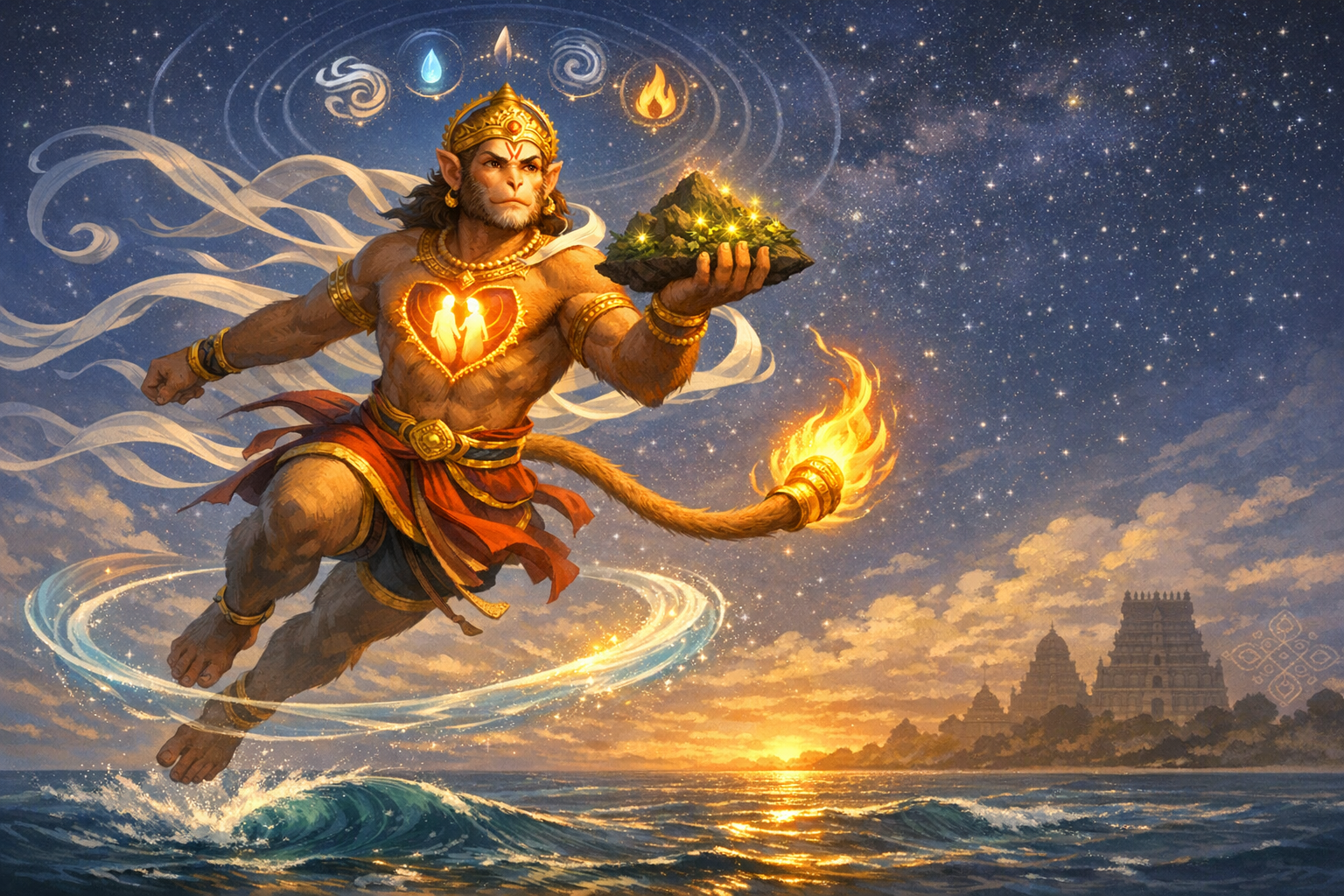
The Kamba Ramayanam presents Hanuman as an embodied map of the five great elementsVayu, Jala, Akasha, Agni, and Bhoomitransforming epic episodes into a precise guide for ethical action and inner balance. Vayu becomes pranic mastery and courage, Jala becomes adaptable resolve, Akasha becomes the clarity of spacious awareness, Agni becomes purifying discernment, and Bhoomi becomes…
-
Why Devotees Offer 21 Durva Blades to Ganesha: Analasura Legend, Ayurveda, and Ritual Science
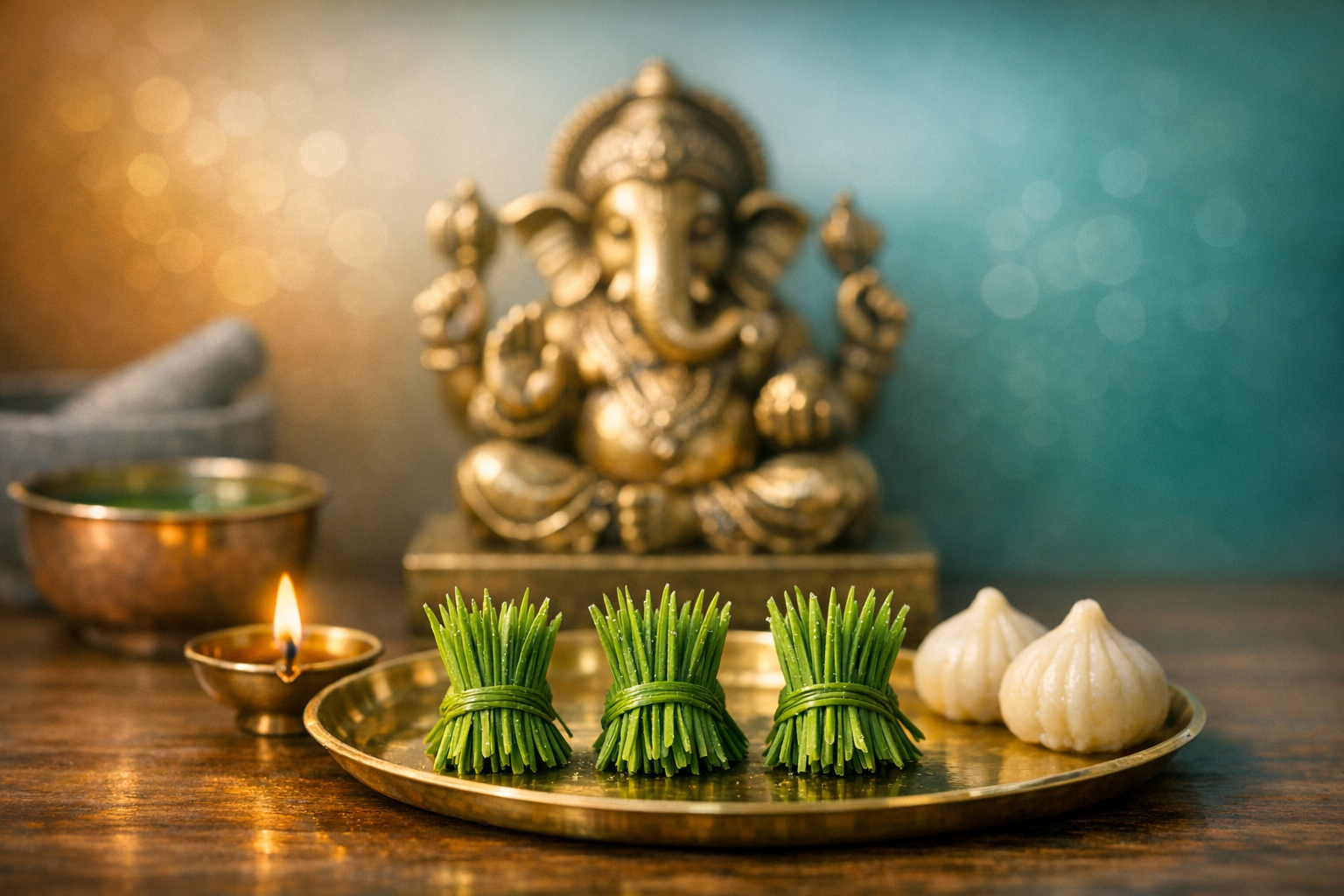
Offering 21 durva blades to Ganesha unites Puranic legend, Vedic symbolism, and Ayurvedic wisdom into a single, elegant practice. Rooted in the Analasura episode, the ritual uses the cooling properties of durva to signify pacifying inner heat and restoring balance. The number 21 encodes a yogic vow to harmonize the 10 senses, the 10 pranas,…
-
Ashtanga vs Panchanga Namaskara: Decode the Sacred Bows for Devotion, Alignment, and Safety

This in-depth guide distinguishes Ashtanga Namaskara (eight-limbed) from Panchanga Namaskara (five-limbed) with precise technique, symbolism, and practical guidance for temple and home worship. Readers learn safe alignment grounded in yogic anatomy, step-by-step instructions, and breath cues that integrate devotion with mindful movement. The article clarifies regional variations and etiquette, including when temples prefer Panchanga for…
-
Ravana’s Fatal Breach of Rajadharma: Desire Over Duty and the Ruin of Lanka’s Statecraft

This long-form analysis examines Ravana’s breach of rajadharma in the Ramayana as a rigorous lesson in Dharmic statecraft. It situates kingship within Hindu, Buddhist, Jain, and Sikh ethical frameworks, showing how a ruler’s personal desire must remain subordinate to public duty. It explains how Ravana’s abduction of Sita, dismissal of counsel, and politicization of private…
-
Samarth Ramdas Swami Jayanti 2026 on Ram Navami: Date, Rituals, History, and Enduring Legacy
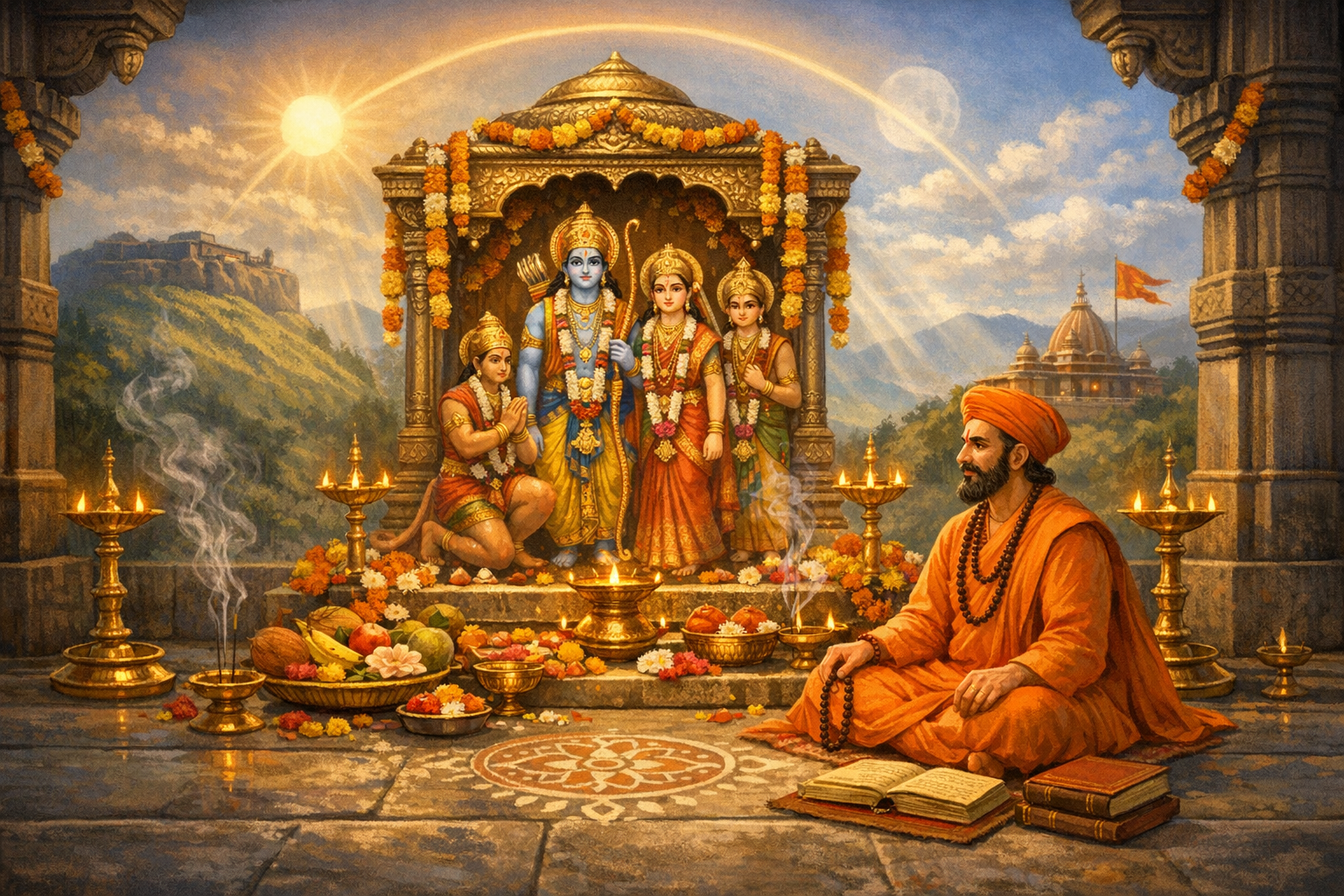
Samarth Ramdas Swami Jayanti in 2026 will be observed on March 26, the day of Sri Ram Navami (Chaitra Maas Shukla Paksha Navami). Rooted in Rama-bhakti and Hanuman’s ideal of disciplined strength, the observance blends inward contemplation with outward service. The legacy of Samarth RamdasGuru of Chhatrapati Shivaji Maharajspans profound texts like Dasbodh and Manache…
-
Comprehensive Panchang for 22 February 2026 (IST): Tithi, Nakshatra, Choghadiya, Muhurat Guide

This comprehensive Panchang guide for 22 February 2026 (Sunday, IST) explains how to read and apply Tithi, Nakshatra, Yoga, and Karana alongside Choghadiya, Abhijit Muhurat, Amrit Kalam, and Durmuhurtham. It clarifies the computation of Rahu Kalam, Yamaganda, and Gulikai from local sunrise and sunset, and shows how Lagna, Tarabalam, and Chandrabalam personalize timing for individuals.…
-
Maha Shivratri 2026 Muhurat: Precise Nishita Kala, Lingodbhava Meaning & Complete Puja Guide
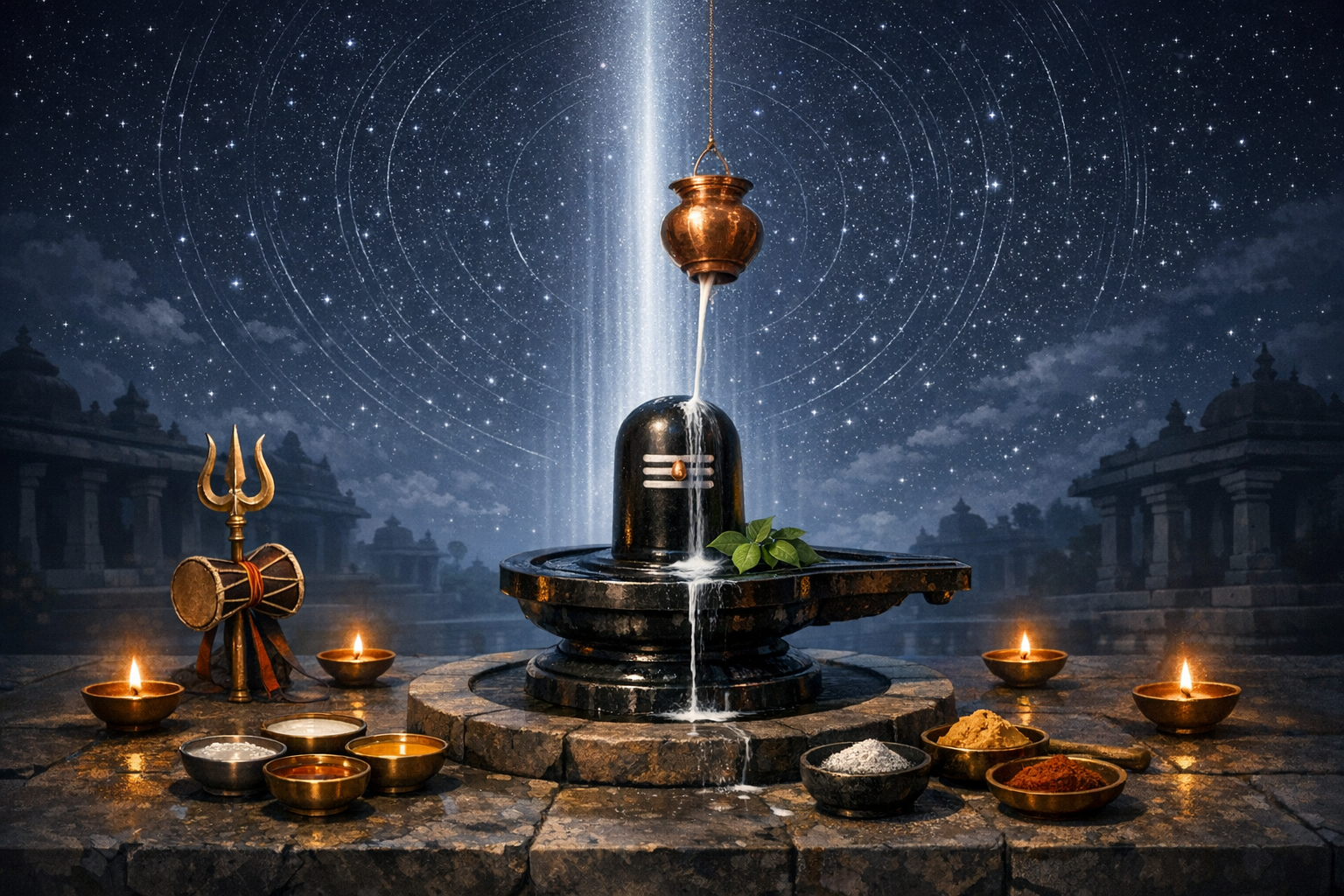
Maha Shivratri 2026 will be observed on the night of 15 February across South and North India, with the principal Shivalinga Puja anchored to the deep-night Nishita Kala Muhurat. This guide explains how tithi and the Ratri-first rule determine the correct date, why Nishita is the gold-standard Muhurat, and how to approximate it locally from…
-
Ugra Narasimha of Maddur: Fierce Divinity, Temple History and Arjuna’s Living Legend
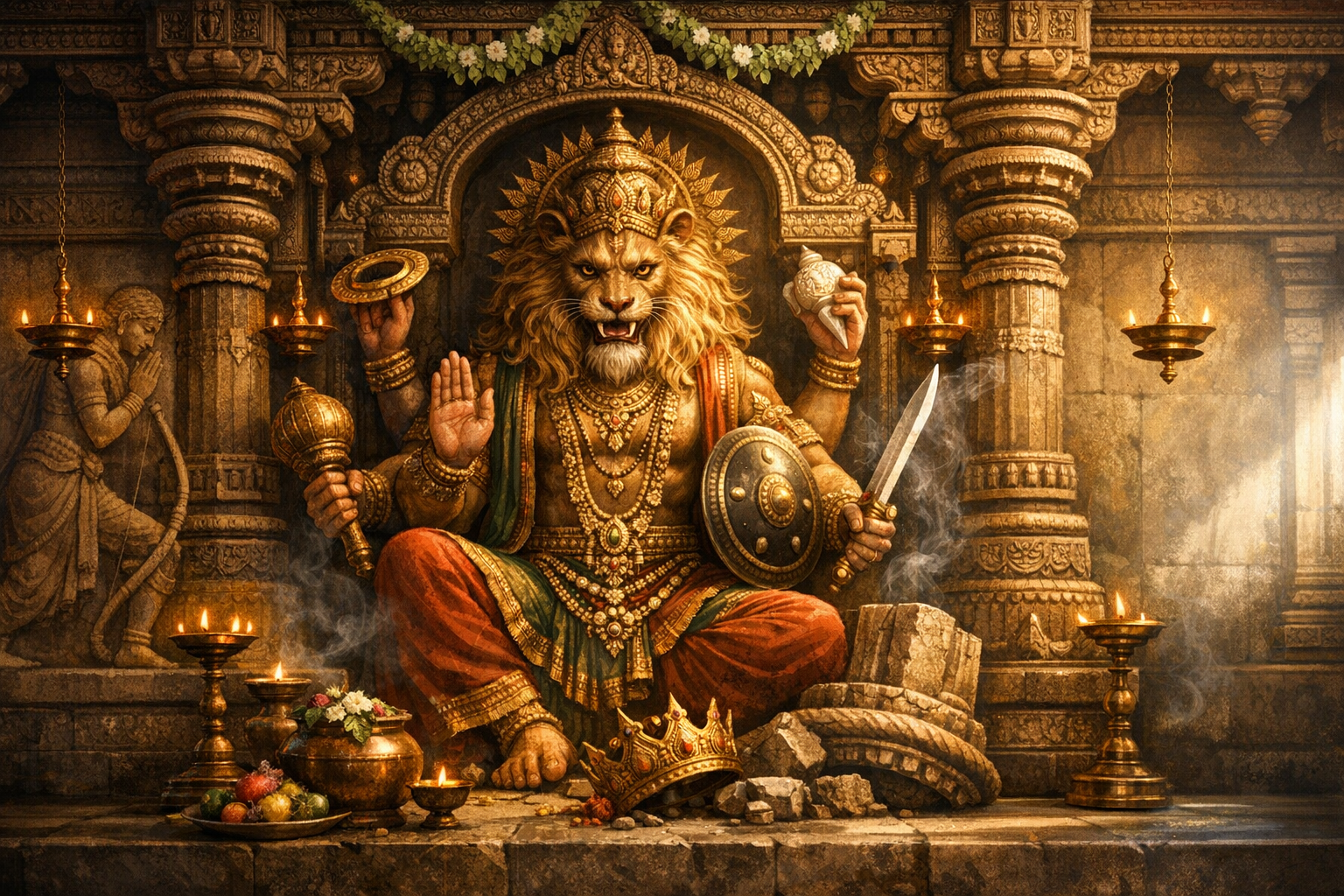
Maddur’s ancient Ugra Narasimha Murty in Karnataka presents Vishnu’s half-man, half-lion avatar at the very instant of protecting Prahlada and ending Hiranyakashipu’s tyranny. This in-depth study situates the shrine within regional temple history, explains the murti’s technical iconography through Puranic and Pancharatra lenses, and evaluates the local oral tradition linking Arjuna of the Mahabharata to…
-
Ram Swarup and Sita Ram Goel: Unflinching Analyses of Communism, Christianity, and Islamism

This long-form analysis situates Ram Swarup and Sita Ram Goel within India’s post-independence intellectual history and explains why their critiques of Communism, missionary Christianity, and Islamism remain salient. It clarifies how they distinguished personal faith from ideological programs and why they argued for constitutional equality before law over selective appeasement. It examines their diagnosis of…
-
Unsung Heroes of the Mahabharata: Bahlika Raja’s Legacy, Dharma, and Living Lessons
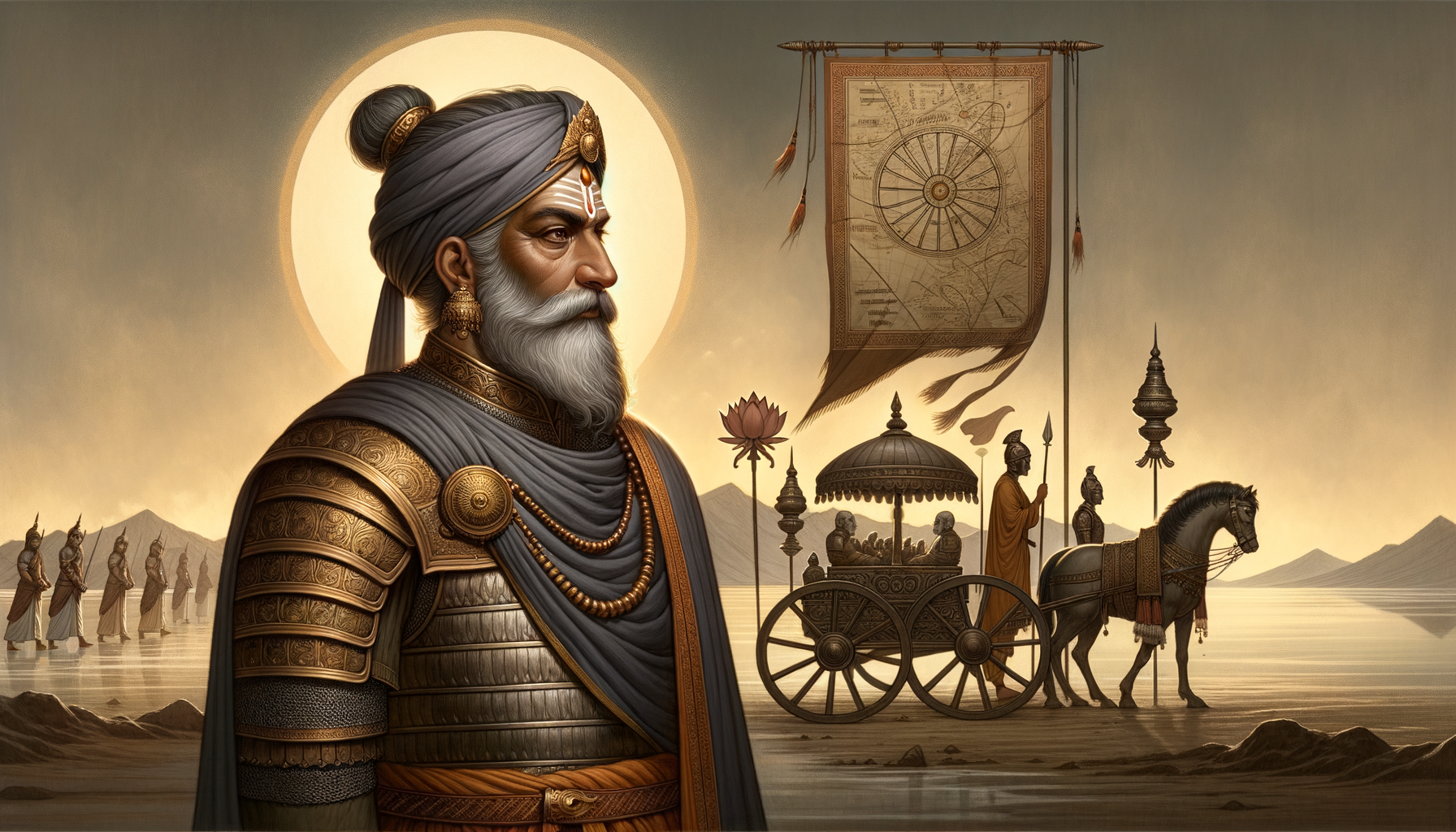
This exploration spotlights Bahlika Raja, a lesser-known yet consequential figure in the Mahabharata. It outlines his lineage, regional associations with Bahlika (Balkh/Bactria), and his role and fall in the Kurukshetra War. The discussion presents the revered belief that he is the next birth of Bhakta Prahalada, highlighting themes of devotion and continuity of merit. Readers…
-
Indrani Mata Mahatmyam: Vedic Origins, Saptamatrika Power, and Living Devotion

Indrani (Shachi), the queen of the Devas and consort of Lord Indra, is a vivid presence in the Vedas, with Rig Veda (10.86) preserving a powerful hymn in her honor. As Aindri among the Saptamatrikas, she embodies Devi Shakti’s protective strength, symbolized by the vajra and the elephant. Her mahatmyam bridges Vedic literature and Puranic…
-
Sacred Sharing Before Eating: Remembering Dharmic Food Sanctity and Everyday Generosity

This reflective essay examines the Indian discipline of food sanctity, where households once set aside portions for a cow, ants or crows, a dog, and the Gurudvara before eating. It explores how these practices, rooted in the Hindu way of life and echoed across Sikh, Jain, and Buddhist traditions, framed eating as a moral act…
-
Uma (Gauri) Tandava: Shiva’s Cosmic Dance of Grace – Symbolism, Yogic Balance, Compassion
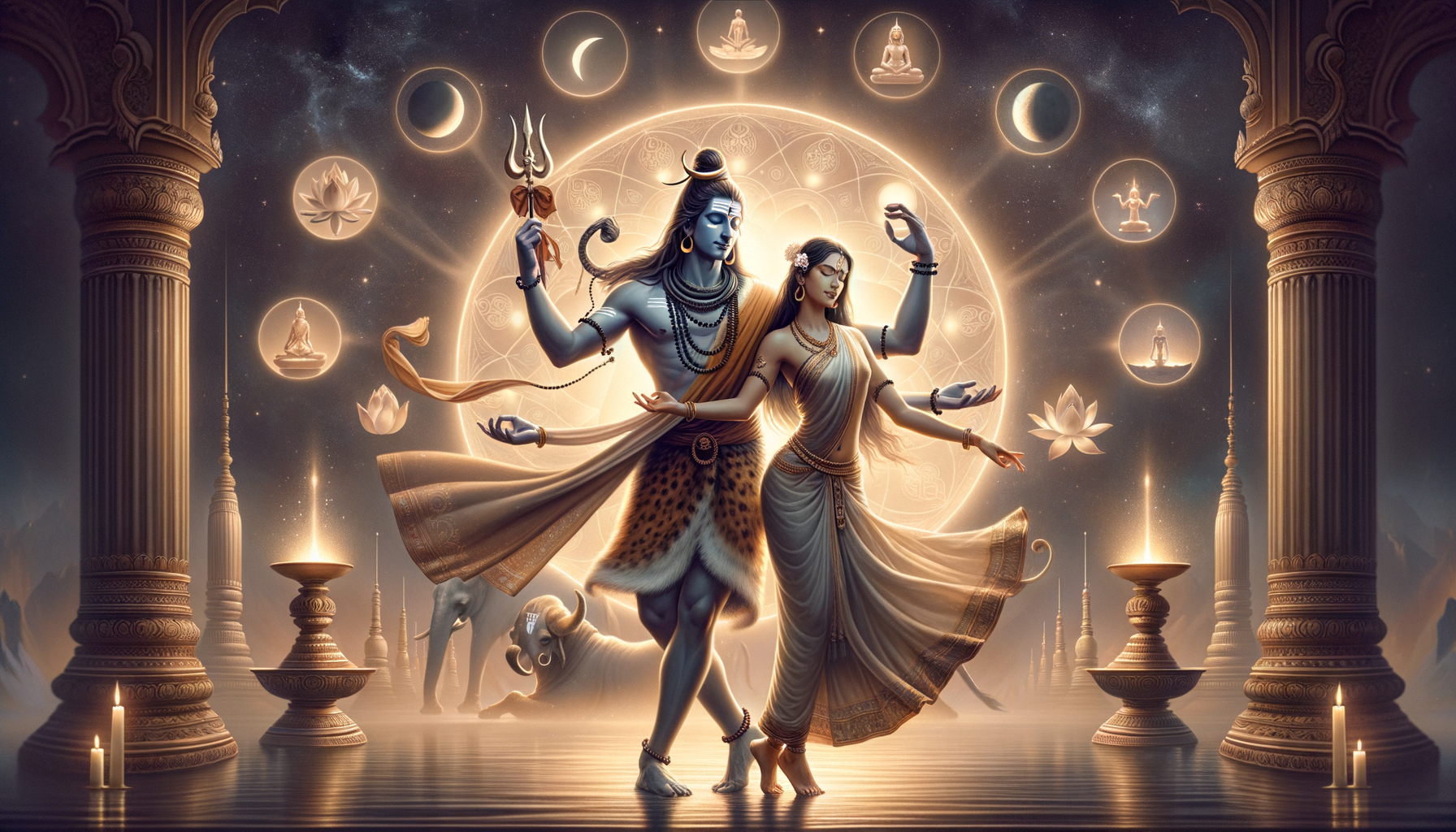
Uma or Gauri Tandava portrays Shiva’s cosmic dance in its most compassionate register, emphasizing balance, disciplined energy, and grace. This gentle form highlights Shiva’s unity with Uma (Shakti), showing how strength is refined by tenderness and moral clarity. Iconographysuch as abhaya and varada gesturesinvites assurance and generosity, while yogic readings link the dance to calm…
-
Beliefs as Mirrors of Consciousness: Timeless Dharmic Wisdom from Yoga Vasishta to Today

This reflection explores how Hindu philosophy understands beliefs as mirrors of consciousness, drawing on the Yoga Vasishta, the Upanishads, and Advaita Vedanta. It highlights convergences with Buddhism, Jainism, and Sikhism, showing how Dharmic traditions foster clarity, compassion, and ethical living. Readers gain a precise frameworksamskara, vasana, manas, buddhi, and ahamkarato understand how beliefs form and…
-
Om Namah Shivaya Benefits: A Transformative Mantra for Calm, Clarity, Courage, and Grace
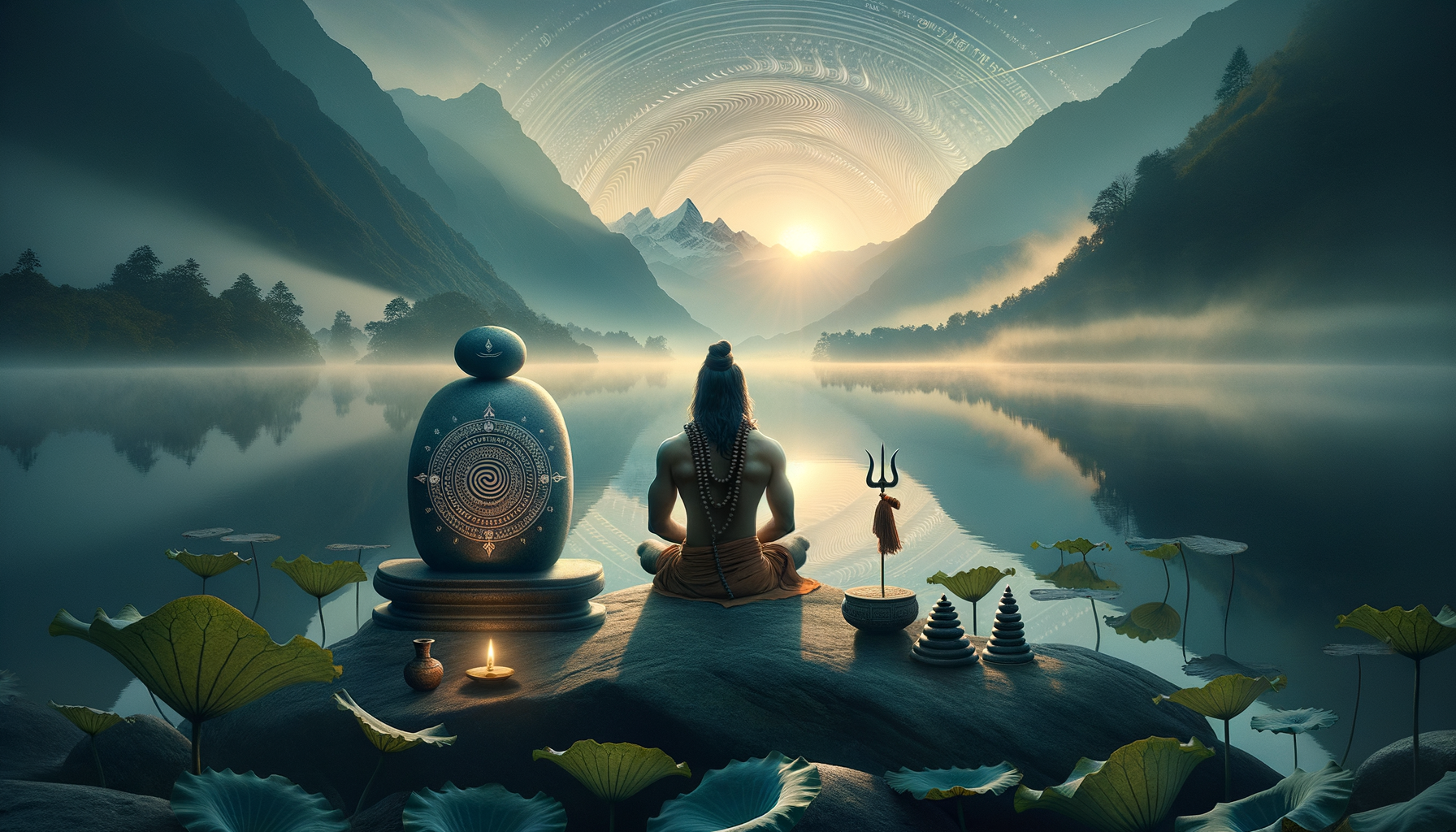
Om Namah Shivaya is a foundational Shaivite mantra known for enhancing calm, clarity, and emotional resilience through focused japa and mantra meditation. Its meaningsalutation to Shiva as auspiciousnessanchors ethical living and compassionate strength. Rhythmic recitation, aligned with the breath, supports stress reduction and balanced mood by gently calming the nervous system. Practitioners often experience improved…