
-
Replace ‘What’s Wrong with Me?’ with a Science-Backed, Compassionate Question that Heals

This article examines a practical and science-backed reframing that replaces the deficit-based question “What’s wrong with me?” with the context-seeking “What happened to me?” The analysis explains how deficit framing recruits threat physiology and fuels the inner critic, whereas compassionate inquiry engages the ventral vagal system, broadens perspective, and supports mental health. Drawing on self-compassion…
-
Srimad Bhagavatam 11.5.32 Decoded: Chaitanya’s Sankirtana as Kali Yuga’s Transformative Path

Srimad Bhagavatam 11.5.32 presents congregational chanting of the divine Name as Kali Yuga’s most intelligent path, a vision Gaudiya Vaishnavism reads as pointing to Sri Chaitanya Mahaprabhu. Drawing on classical commentaries by Jiva Goswami and Krishnadasa Kaviraja, and on expositions by H.H. Jayapataka Swami Maharaj, this analysis unpacks the verse’s grammar, theology, and praxis. The…
-
Kashi’s Tilbhandeshwar Mahadev: The Shivling Said to Grow a Sesame Each Year and Its Meaning

In Varanasi’s Tilbhandeshwar Mahadev Temple, devotion, memory, and material processes meet around a unique tradition: the Shivalinga is said to grow by a sesame seed each year. The temple’s name, lore, and ritual life together illustrate how communities preserve sacred knowledge through practice. Technical factorsmineral accretion from abhishekam and subtle structural shiftsoffer plausible mechanisms for…
-
Ghaziabad Attack on YouTuber Saleem Wastik: Verified Facts, Investigation, and Safety Guide

On 28 February 2026, YouTuber Saleem Wastik was reportedly stabbed in Ghaziabad, Uttar Pradesh, and remains in serious condition per initial media accounts. This report focuses on verifiable procedures rather than speculation, outlining how investigations of targeted attacks typically proceed under Indian law. It explains relevant legal provisions such as IPC Section 307 (attempt to…
-
Goa’s Holi Parties Under Scrutiny: HJS Urges Alcohol Ban to Safeguard a Sacred Festival

Hindu Janajagruti Samiti (HJS) has urged an immediate halt to alcohol-centric, commercially branded Holi parties in Goa’s nightclubs and cruise venues, arguing that such formats distort a sacred festival. The issue highlights a broader policy challenge: protecting intangible cultural heritage while sustaining tourism and lawful enterprise. A constitutional lens supports tailored, reasonable restrictions near sacred…
-
Dissolving Matter’s Mirage: Dharmic Wisdom on Returning to the Primordial, Nondual Source

This essay examines how dharmic traditions understand the illusion of materiality and the emergence of a primordial, nondual source through deep inquiry. Drawing on the Upanishads, Bhagavad Gita, Advaita Vedanta, and yogic practice, it explains the movement from gross to subtle via pañca-kośa and the triad of sthūla–sūkṣma–kāraṇa śarīra. It highlights complementary perspectives in Buddhism…
-
World Punjabi Conference 2026, Ludhiana: A Landmark Book Release Uniting Dharmic Heritage

The World Punjabi Conference in Ludhiana (20–22 February 2026) anchors a landmark book release that advances Punjabi literature, script literacy, and cultural heritage while fostering unity among Hindu, Buddhist, Jain, and Sikh traditions. The analysis outlines how a conference-based launch delivers scholarly rigor, curriculum integration, and community engagement beyond a ceremonial unveiling. Technical guidance covers…
-
Madanikas in Hindu Temples: Sacred Feminine in StoneSymbolism, History, and Devotional Aesthetics
Madanikasalso known as śālabhañjikāsare among the most evocative symbols in Hindu temple architecture, uniting beauty, devotion, and metaphysics. This comprehensive overview traces their origins in early yakṣī imagery at Bharhut and Sanchi, follows their classical flowering in Hoysala temples at Belur, Halebidu, and Somanathapura, and situates related figures at Khajuraho, Konark, and Warangal. It explains…
-
Jabalpur Sihora Temple Stone-Pelting: Urgent Calls for Justice, Peace, and Interfaith Unity

Reports from Sihora in Jabalpur, Madhya Pradesh, describe alleged stone pelting near a Mandir during Aarti, prompting peaceful demonstrations and calls for swift, lawful action. The analysis separates allegations from verified facts, emphasizing due process and the need for impartial investigation. It outlines relevant legal provisions (IPC 153A, 295/295A, Arms Act, PDPP Act) and procedural…
-
Tarigonda Lakshmi Narasimha Brahmotsavams 2026: Dates, Rituals, TTD Arrangements & Darshan Guide

Tarigonda Sri Lakshmi Narasimha Swamy Temple will observe Brahmotsavams from 24 February to 05 March 2026, with Ankurarpanam on 23 February. TTD has organized comprehensive arrangementspandals, rangolis, queue lines, and barricadesfor an orderly and comfortable darshan. The festival sequence typically features Dhwajarohanam, daily vahana-sevas (including the popular Garuda Seva), Rathotsavam, and Chakrasnanam. Devotees can expect…
-
Enigmatic Two-Headed Golden Deer: What Regional Ramayanas Reveal about Sita’s Abduction

The Ramayana’s Sita abduction episode is not a fixed script but a living tradition across India. In select Kerala and Tamil Nadu repertoires, the golden deer becomes a two-headed marvel, amplifying the epic’s meditation on maya, desire, and deception. Anchored in Valmiki’s Aranya Kanda yet enriched by Kamba Ramayanam, Adhyatma Ramayanam Kilippattu, and folk performance,…
-
Overcoming Inner Battles in Meditation: Hindu-Yogic, Buddhist, Jain, Sikh Tools for Calm

Meditation across the dharmic traditions often collides with restlessness, distracting thoughts, emotional agitation, doubt, and subtle resistance. Drawing on the Yoga Sutras of Patanjali and the Bhagavad Gitaalongside Buddhist, Jain, and Sikh parallelsthis piece delivers a technical, evidence-informed roadmap to stabilize dhyana. Readers learn how to diagnose obstacles (antaraya), regulate arousal with breath awareness and…
-
Why Ganesha Rides a Mouse: Mastering the Restless Mind Through Ancient Sacred Symbolism
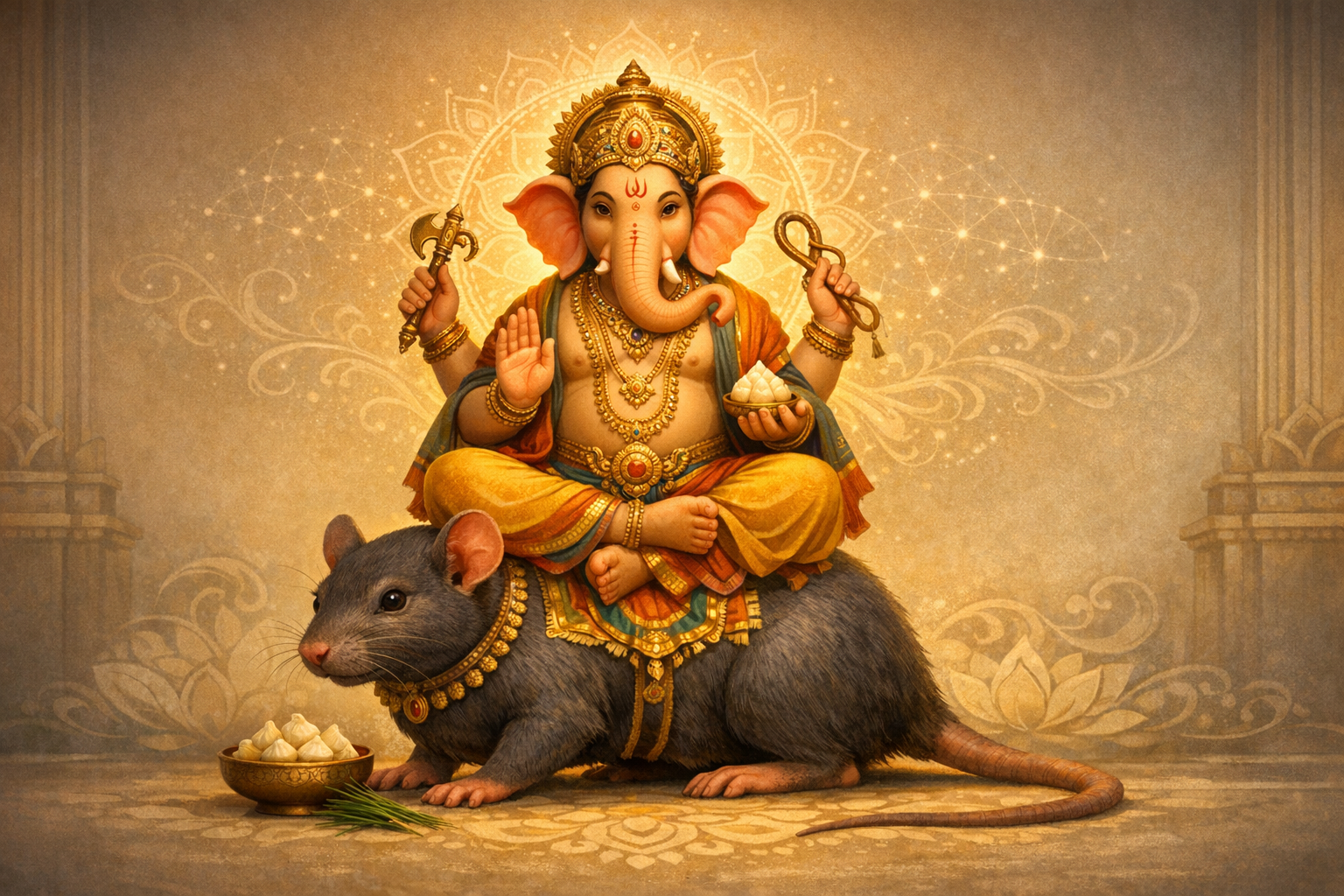
The celebrated image of Śrī Gaṇeśa seated on a mouse encodes a complete psychology of spiritual practice: wisdom seated above impulse, directing and calming the restless mind. Philological analysis of mūṣika (“the thief”) aligns with traditional models of manas, buddhi, and ahaṃkāra, while Purāṇic sources frame the vāhana as a pedagogical tool. Read alongside Yoga,…
-
Vemulawada Rajarajeshwara Swamy Maha Shivaratri 2026: Jatara Dates, Key Rituals, Pilgrim Guide

The Shivaratri Jatara at Sri Raja Rajeshwara Swamy Temple, Vemulawada (Telangana), will be held from 14–16 February 2026, with Maha Shivaratri on 15 February. This long-standing Shaiva pilgrimagerevered as Dakshina Kashifeatures Dharma Gundam sacred bathing, Kode Mokku vows, and night-long Nishita Kāla worship aligned to Krishna Paksha Chaturdashi. The three-day program typically includes Ankurārpaṇa and…
-
Safeguarding Religious Freedom: Outrage in Chhatrapati Sambhajinagar over Mangalsutra Row

A large protest in Chhatrapati Sambhajinagar, led by Hindu Janajagruti Samiti (HJS), condemned the alleged forced removal of mangalsutras at CTET centres and demanded suspension and criminal charges against officials. The episode underscored the constitutional imperative to balance exam security with religious freedom and women’s dignity. Community voices stressed calm, lawful accountability and called for…
-
Stop Waiting for Signs: Reclaim Spiritual Agency with Dharmic Wisdom and Courage

This reflection traces a shift from passive petitioning to active participation, showing how spiritual bypassing can masquerade as humility and how reclaiming agency restores integrity. It demonstrates the measurable difference between surrender and abdication, reframing prayer as partnership rather than pleading. By naming habits of waiting for signs, it illustrates how opportunities are often deferred…
-
Srimad Bhagavatam 1.10.26–27: Unveiling Krishna’s Divine Appearance and Timeless Grace
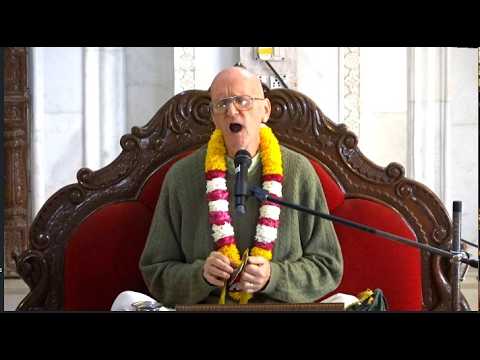
This analysis of Srimad Bhagavatam 1.10.26–27, presented at ISKCON Ujjain by HG Gaurashakti Prabhu, explains why Krishna’s appearance is transcendental and not bound by material causality. Using the sun’s rising and setting as an accessible analogy, it clarifies how divine presence remains constant even when not outwardly perceived. The discussion shows how understanding Krishna’s birth…
-
Srila Prabhupada’s Daring Voyage and Enduring Legacy: How One Sage Ignited Global Bhakti
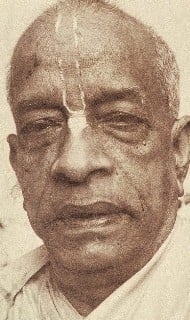
Srila Prabhupada’s achievement stands out as a singular moment in global religious history: at seventy, with no resources or contacts, he catalyzed the Hare Krishna movement across cultures. Thomas Hopkins’s assessment underscores the uniqueness of this feat in a foreign social landscape. The movement’s accessible practiceskirtan, prasadam, and studyblend devotional depth with public engagement. Readers…
-
Inside ISKCON London, 1968–69: Srila Prabhupada’s Swift Training and Shared Memories
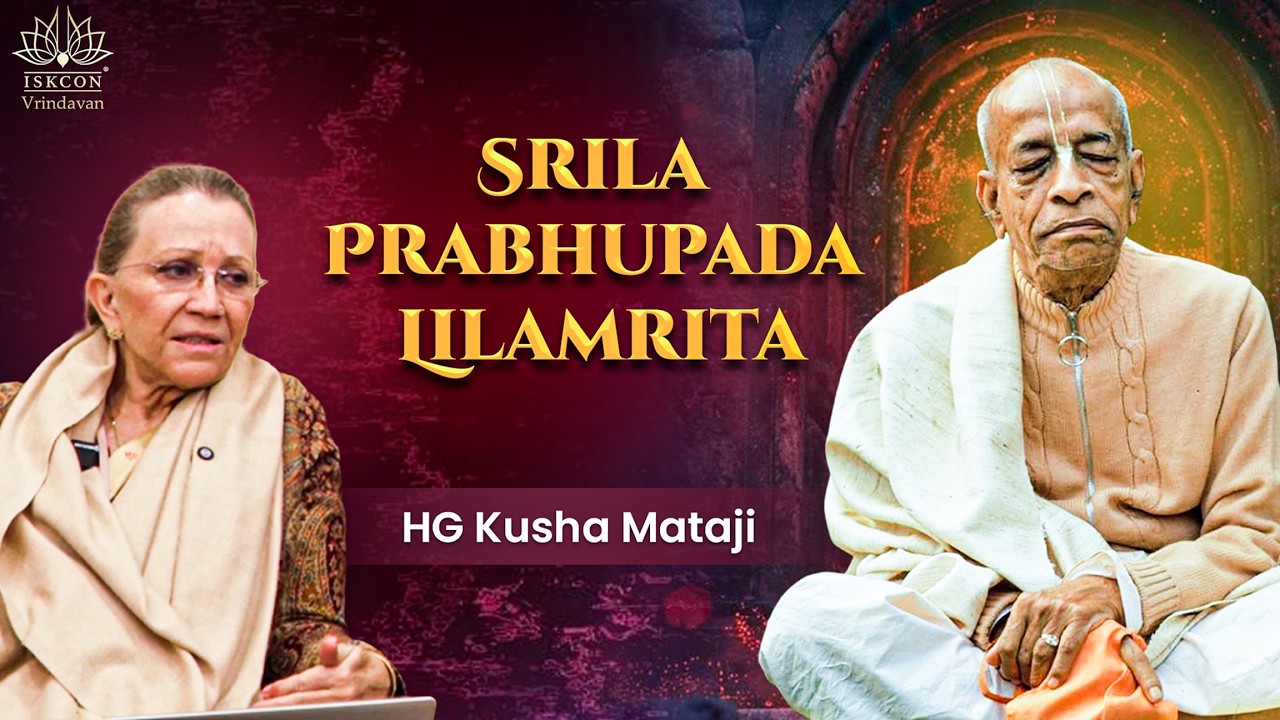
This study traces the early history of ISKCON’s London mission (1968–1969) through HG Kusha Mataji’s synthesis of Jamuna Devi’s and Shyamasundar’s recollections alongside letters from Srila Prabhupada. Juxtaposing memoirs and correspondence reveals how swift, precise training empowered a small devotee circle to build resilient community practices. Convergences in memory highlight key milestones, while nuanced differences…
-
GBC AGM 2026 Day 4: Organizational Reforms, ISKCON Constitution Milestones, and TOVP Honors

Day Four of the GBC AGM 2026 showcased concrete progress in governance, education, and service. The Organization Development Committee presented reforms to strengthen roles, training, and accountability across regions. Updates on the ISKCON Constitution clarified implementation paths and affirmed a new Constitution Dissemination Committee focused on multilingual, inclusive education. Attendees emphasized that transparency and gratitude…