
-
April 30, 2026 Panchang Guide: Shukla Chaturdashi to Purnima, Essential Auspicious Timings & Rashi

Thursday, April 30, 2026 transitions from Shukla Paksha Chaturdashi to Purnima after 8:17 PM, offering a powerful arc from culmination to fullness in the Hindu calendar (Panchang). The day’s structure supports clarity for planning worship, study, and ethical decision-making. Abhijit Muhurat around local noon and Brahma Muhurta before sunrise are recommended for auspicious undertakings and…
-
Tirupati Kodandarama Swamy Pushpayagam Ankurarpanam: Timings & Complete Guide (22 April 2026)

Sri Kodandarama Swamy Temple in Tirupati will perform Ankurarpanam for Pushpayagam on 22 April 2026 from 6:00 PM to 8:30 PM IST. This seed-sowing rite, grounded in Agamic tradition, sanctifies the temple and community before the flower-offering ceremony. Following Brahmotsavams held from 17–25 March, the sequence underscores a complete liturgical arc: festival, consecration, and floral…
-
Urgent Call to Enforce Maharashtra’s Anti-Conversion Law in Nashik TCS Case, With Due Process

The Nashik TCS case has prompted a focused demand to apply Maharashtra’s emerging anti-conversion framework with rigor and due process. Grounded in Article 25 and the Supreme Court’s jurisprudence, the analysis explains how state Freedom of Religion Acts are designed to deter force, fraud, and allurement without chilling voluntary faith choices. It outlines practical steps…
-
Ramayana in Brief: A Powerful, Immersive Summary of Lord Rama’s Epic, Dharma, and Legacy
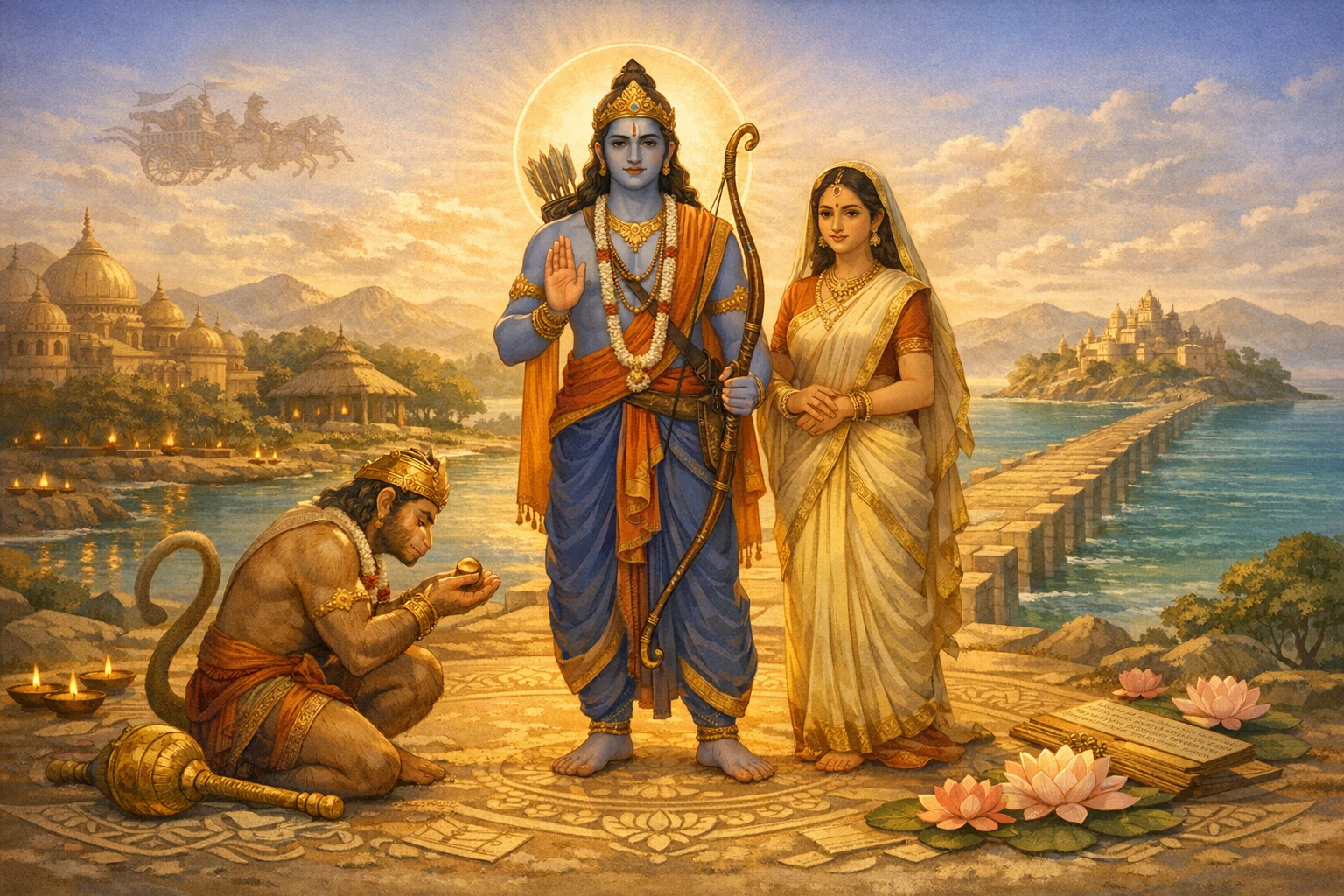
This academically grounded Ramayana in Brief presents a lucid, kāṇḍa-by-kāṇḍa Summary of Ramayana, highlighting Lord Rama’s ethical leadership, Sita’s steadfastness, Hanuman’s service, and the triumph of dharma. It carefully situates the Valmiki Ramayana within its seven-part structure, notes key textual traditions, and clarifies how themes like maryada, rajadharma, and dharma-yuddha shape the story. Readers gain…
-
Thirunangur’s Eleven Divya Desams: How Shiva–Vishnu Harmony Shaped Tamil Nadu’s Sacred Landscape

Thirunangur near Sirkazhi hosts eleven closely clustered Divya Desams uniquely linked to a single sacred event in which Shiva’s Rudra Tāṇḍava leads Vishnu to manifest in eleven forms. This long-form guide situates the temples within Tamil Nadu’s Kaveri delta, clarifies the puranic and Āḻvār foundations of the tradition, and shows how Shaiva–Vaishnava harmony is lived…
-
End ‘Paid Darshan’ Now: Mandir Mahasangh Demands Equal Access and Depoliticised Temple Governance

The Mandir Mahasangh’s call to ban “paid darshan” and end political appointments in temple trusts places equality, transparency, and accountability at the heart of Hindu temple governance. The analysis explains why monetised priority queues undermine darshan’s egalitarian spirit and sit uneasily with constitutional principles under Articles 14, 25, and 26. It outlines lawful, practical alternativestime-slot…
-
Raising God-Conscious Children: Parenting as Daily Seva and a Living Practice of Dharma
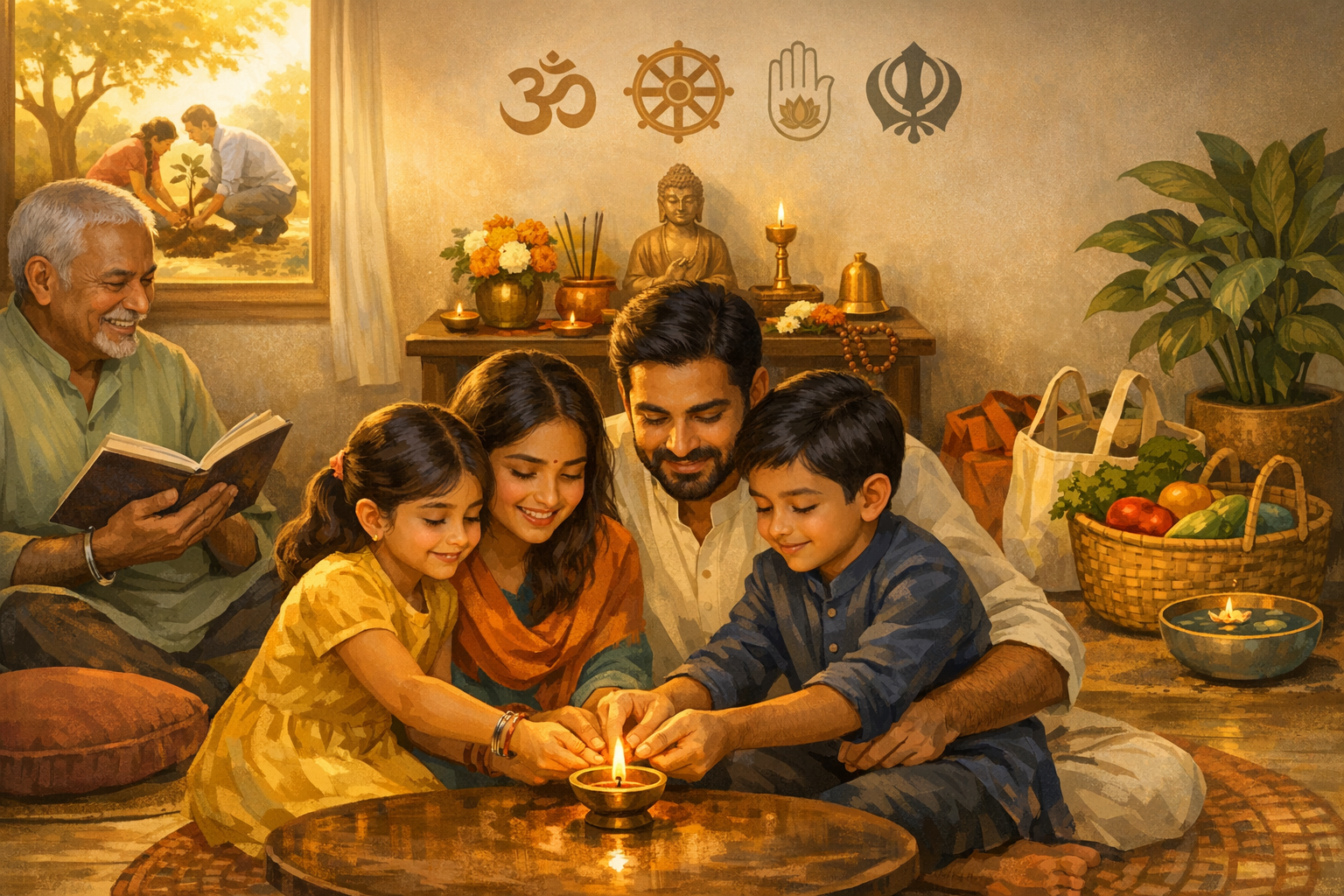
Parenting as service to God reframes the household as a sacred space where love, responsibility, and everyday choices become a living practice of dharma. Grounded in social learning research, the approach emphasizes that children internalize what they observe, making adult role modeling decisive. Practical routinesbrief daily prayer or mindfulness, ethical storytelling, shared meals with gratitude,…
-
What Hurts and Why: A Dharmic, Science-Backed Exploration of Pain and Inner Peace

Hurt is experienced through many private definitions, which often escalate conflict and fragment peace. A dharmic, science-supported lens shows how this plurality can be honored without dividing communities. Drawing on Hinduism, Buddhism, Jainism, and Sikhismalongside modern psychology and neurosciencethis piece explains why appraisals shape pain and how regulation, reappraisal, and repair reduce suffering. It offers…
-
Anand Karaj Unveiled: A Soul-Stirring, Shabad-Centered Guide to Lifelong Companionship

Anand Karaj is more than a wedding; it is a Shabad-centered rite that orients marriage around Guru Granth Sahib and the lived culture of Gurbani. This long-form guide explains the ceremony’s canonical flow, the musicology of the Laavan and Anand Sahib, and the ethical commitments enshrined in Sikh Rehat Maryada. It clarifies common misconceptions, distinguishes…
-
Saints Power a Nationwide Dharmic Renaissance: Alok Kumar on Ethical, Voluntary ‘Ghar Wapsi’
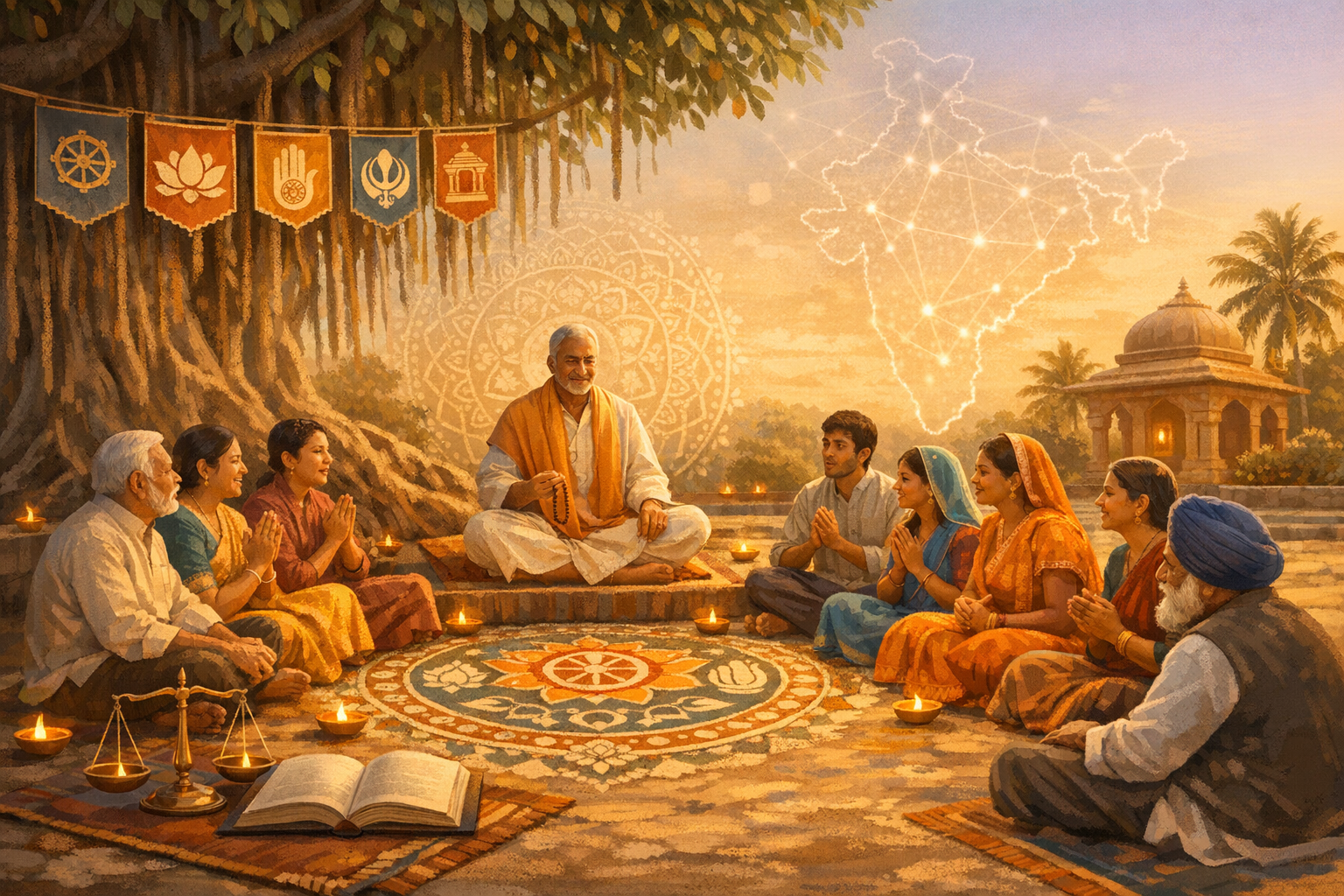
Advocate Alok Kumar (VHP) noted in Goa that saints are catalyzing a nationwide wave of ‘ghar wapsi’ by expanding Dharmic awareness at the grassroots. This analysis frames ‘ghar wapsi’ as a voluntary, plural, and constitutionally grounded homecoming to Dharmic heritage encompassing Hinduism, Buddhism, Jainism, and Sikhism. It explains the legal context (Articles 25–28 and state…
-
Rameshwaram’s Sacred Paradox: Ananda Ramayana on Rama Consecrating Shiva’s Jyotirlinga

RameshwaramRāmeśvara, “Shiva, the Lord of Rama”embodies the Ramayana’s sacred paradox: the vanquisher of adharma kneels in devotion. Drawing on the Ananda Ramayana and the Skanda Purana’s Setu-mahātmya, this long-form analysis traces how Rama’s consecration of the Ramanathaswamy liṅga shaped South Indian pilgrimage, temple architecture, and living ritual. It explains the paired sancta of Rāmalīṅga and…
-
Timeless Grace Beyond Scholarship: Women’s Devotional Intelligence Unifying Dharmic Traditions

This essay reframes spiritual intelligence through a Dharmic lens, showing how sincerity of purposeexpressed through bhakti, seva, and ethical disciplineelicits transformative results more reliably than scholastic display alone. It grounds this claim in Indian epistemology (pramana), the Bhagavad Gita, and parallel concepts in Buddhism, Jainism, and Sikhism. Historical exemplarsfrom Gargi and Maitreyi to Andal, Mirabai,…
-
Akshaya Tritiya Dos & Don’ts: Proven Rituals, Timings, and Ethical Choices for Enduring Prosperity
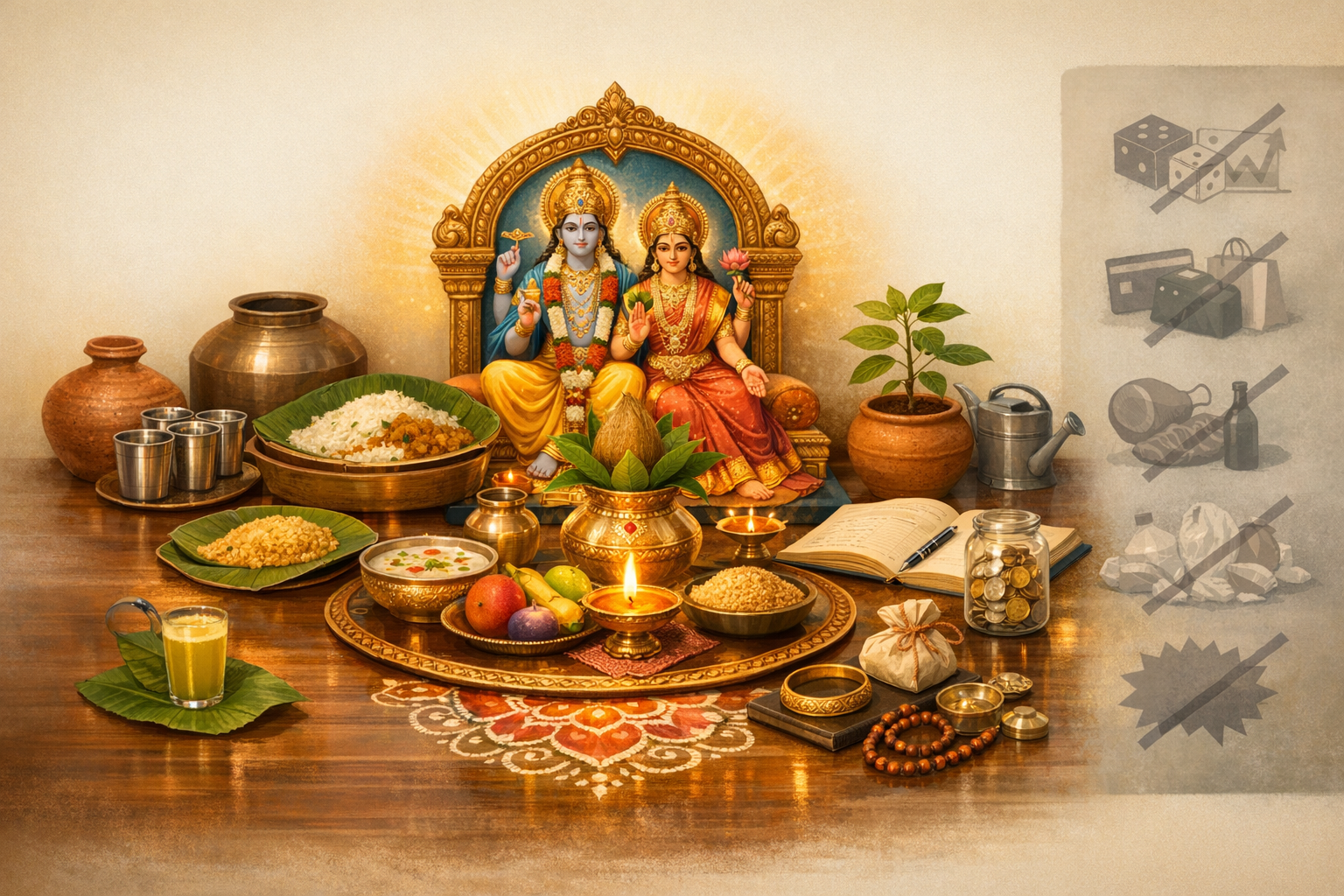
Akshaya Tritiya (Akha Teej) is celebrated as a Sade-Teen Muhuratan intrinsically auspicious day for new beginnings, Vishnu Puja, fasting, and charity. This guide clarifies what to do and what to avoid on Akshay Tritiya with academic rigor and practical detail, from puja sequences and fasting options to ethical giving and sustainable community service. It explains…
-
Gandham Amavasya 2026 at Simhachalam: Sacred Sandalwood Rites Before Nijaroopa Darshanam

Gandham Amavasya at Simhachalam initiates the sacred sandalwood preparation that culminates in Chandanotsavam on Akshaya Tritiya. In 2026, it falls on 17 April, three days before Nijaroopa Darshanam on 20 April. The temple’s unique tradition keeps the moola vigraha covered in chandan year-round, removing it only on Akshaya Tritiya for rare darshan. Rituals are conducted…
-
Pratyaksha in Mimamsa Darsana: Unlocking the Power of Direct Perception in Dharma and Reason

Pratyaksha in Mimamsa Darsana presents a rigorous, experience-centered account of how direct perception functions as a trustworthy pramana. It clarifies the two-phase structure of perception (from indeterminate to determinate), the role of the mind in perceiving inner states, and the conditions that distinguish valid perception from illusion. The article explains how Mimamsa integrates perception with…
-
April 12, 2026 Panchang Guide: Tithi Change, Auspicious Timings, Nakshatra & Rashi Insights

Sunday, April 12, 2026 in most Hindu Panchangs is Krishna Paksha Dashami until 9:19 PM, after which Krishna Paksha Ekadashi begins. This guide explains how tithi is computed, why a tithi can span two civil dates, and why most Ekadashi observers will fast on Monday, April 13, 2026. It outlines how to use Abhijit Muhurta…
-
Once Tasted, Never Lost: The Transformative Power of Rasa-Graha in Bhakti-Yoga
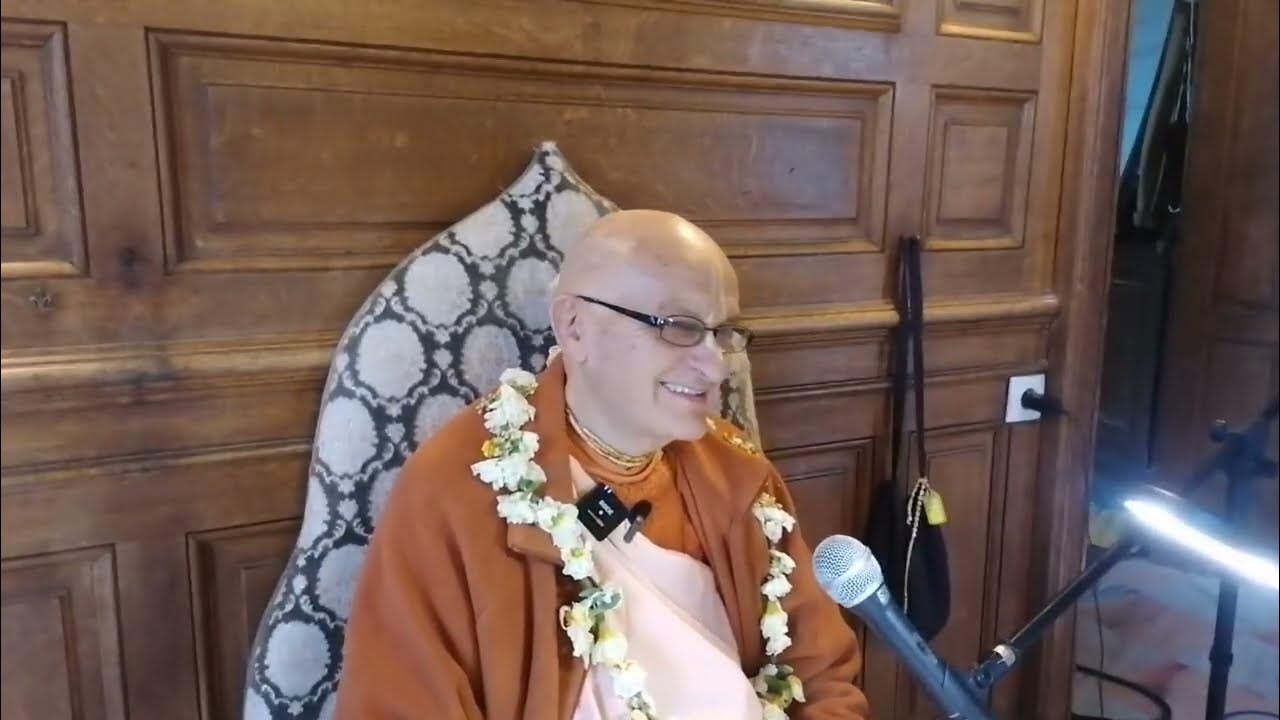
This article examines the Gaudiya Vaishnava principle of rasa-grahaonce the joy of devotion to Krishna is genuinely tasted, one cannot fully return to a purely material life. Grounded in the Śrīmad-Bhāgavatam (SB 1.5.17–19), it explains why a devotee who appears to fall does not become “ordinary” again: powerful bhakti-saṁskāras repeatedly draw the heart back to…
-
Decoding Hanuman’s Saffron and Scarlet: The Timeless Color Science of Devotion and Power

Color in Hindu traditions carries philosophical intent, and Hanuman’s saffron and scarlet encode a complete ethic of devotion and power. Saffron (bhagwa/kesari) signals tapas, renunciation, and sattva illumined by disciplined rajas; scarlet expresses vira-bhava, purposeful courage, and dharmic action. The beloved sindoor narrative explains why many Hanuman murtis are orange-red, while regional iconography shows valid…
-
Hanuman Jayanti 2026 Puja Vidhi: Authoritative Step-by-Step Vrat, Muhurta, Mantras, Aarti

Hanuman Jayanti 2026, aligned with Chaitra Purnima on April 1–2, is a comprehensive occasion for vrata, puja, and stotra-parayana centered on Sri Hanuman’s ideals of strength, devotion, and seva. This authoritative guide details the Hanuman Vrat Pooja Procedure from preparatory cleanliness and sattvic discipline to sankalpa, dhyana, abhishekam, archana, and aarti. It explains practical muhurta…
-
Vulnerability Without Regret: Evidence‑Based Ways to Soothe the Post‑Sharing Hangover

Vulnerability often produces a predictable nervous-system surge after sharingtightness, second-guessing, and the urge to retract. This evidence-based guide explains why that “vulnerability hangover” occurs and offers practical, somatic strategies to restore safety. Drawing on neurobiology, mindfulness, and shared dharmic ethics (satya, ahiṁsā, aparigraha, maitri/karuṇā), it clarifies the difference between oversharing and conscious sharing. Two orienting…