
-
Maharashtra’s ‘Dharma Swatantrya Adhiniyam, 2026’: What the anti-conversion bill changes

On March 6, 2026, the BJP–Shiv Sena-led Maharashtra Cabinet cleared ‘Dharma Swatantrya Adhiniyam, 2026’, a proposed anti-conversion law aimed at curbing conversions by force, fraud, or undue inducement while affirming freedom of conscience. The analysis situates the move within India’s broader state-level frameworks and Supreme Court jurisprudence, especially Rev. Stanislaus (1977). It outlines likely featuresclear…
-
Sacred Splendor at Siddalingapura: Subramanya Shashti Jathra 2026 on the Mysuru–Bengaluru Highway
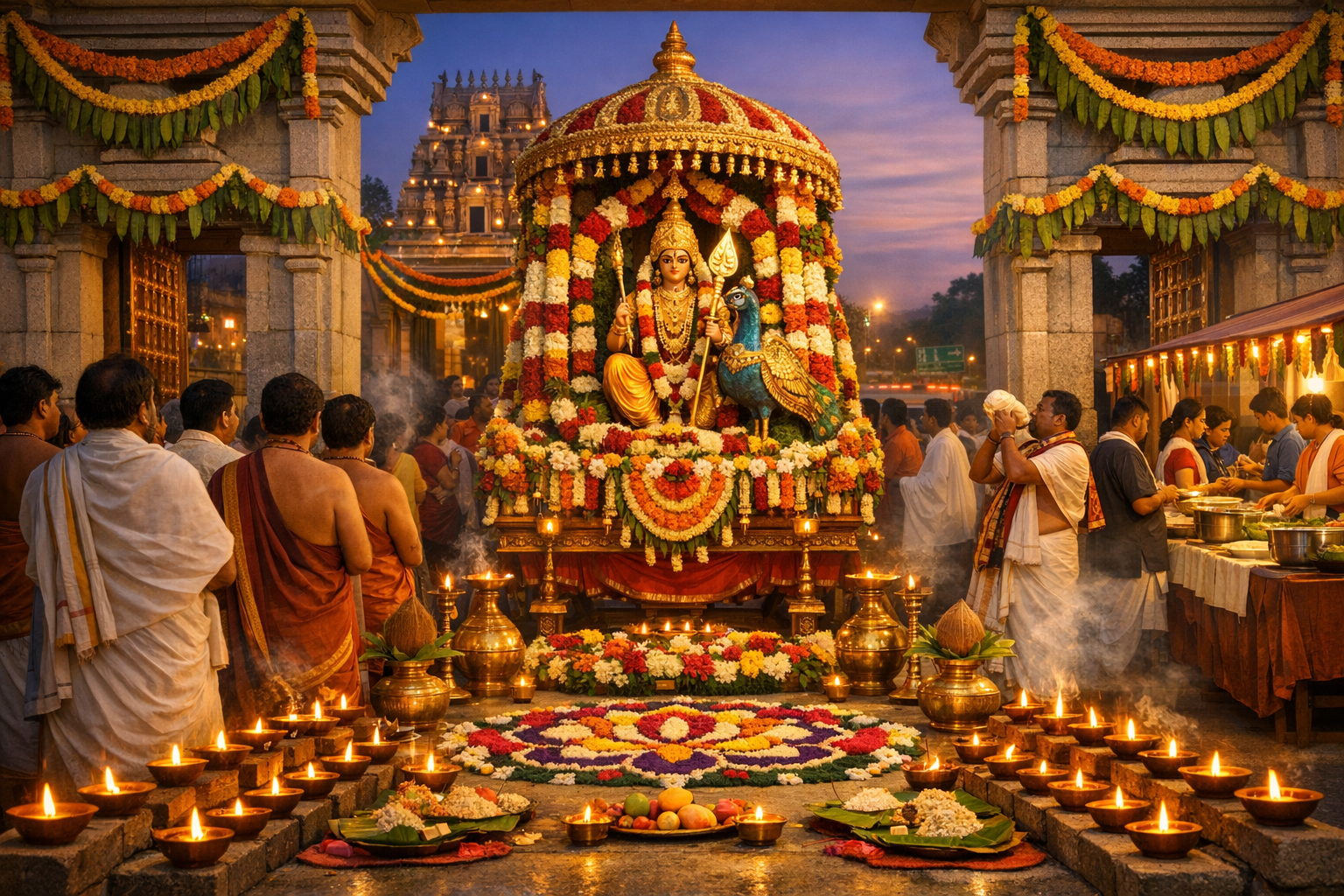
The Subramanya Shashti Jathra 2026 at Sri Subramanyeswara Swamy Temple, Siddalingapura, brought together devotees from Mysuru, Mandya, and Chamarajanagar in a disciplined, high-footfall celebration along the Mysuru–Bengaluru Highway. Held on Margashirsha Shukla Paksha Sashti, the event balanced liturgical rigorabhishekam, alankara, and stotra recitationwith inclusive darshan and efficient prasada distribution. The article explains the calendrical logic…
-
10 Sacred Shakti Peethas of Bengal: Definitive Guide to Legends, Deities, and Pilgrimage

This definitive guide maps ten widely venerated Shakti Peethas across West Bengal, uniting legend, ritual practice, and practical travel insights. It introduces the Shakti Peetha tradition through Puranic sources, then profiles Kalighat, Tarapith, and eight additional sanctuaries in Birbhum, Bardhaman, Murshidabad, and North Bengal. Each entry highlights the associated body part of Sati, local worship…
-
Divine Lawkeeper: How Dharma and Karma Make God the World’s Most Just Policeman

This essay presents a rigorous, accessible account of how Hindu philosophy understands God as the ideal lawkeeper through the integrated workings of dharma, karma, and ṛta. Readers learn how justice in Sanatana Dharma is primarily restorative and educational, privileging conscience, proportionality, and reform over retribution. The discussion bridges scripture (Bhagavad Gita, Dharmasastra, Arthasastra) with social…
-
Shweta Kali Unveiled: The White Radiance of Kali, Creation’s Source and Ash’s Return

Shweta Kali, the white, luminous manifestation of Kālī, embodies both creation’s dawning radiance and the serene return of all forms to ash. Rooted in Shakta Tantra and cherished in Bengal and Nepal, this form unites sattvic clarity with Kālī’s timeless power, offering a sophisticated theology of origin, transformation, and dissolution. The essay surveys iconography, mantric…
-
‘Nari Samarthyachi Navi Pahat’ Jalgaon: Actionable Self‑Defence and Dharmic Heritage for Women

On 7 March in Jalgaon, Maharashtra, the Ranragini wing of the Hindu Janajagruti Samiti will host “Nari Samarthyachi Navi Pahat,” a women’s empowerment programme focused on self-defence awareness and cultural heritage. The initiative emphasises prevention, de-escalation, and proportionate response, supported by practical movement drills and verbal boundary-setting. Participants benefit from legal literacy on the right…
-
The Charismatic Harinama: ‘Jai Shri Rama’, Ram Setu, and the Dharmic Science of Naam

Harinama, the sacred practice of chanting the Divine Name, is explored through the Ramayana’s setu narrative, where ‘Jai Shri Rama’ symbolizes devotion’s power to bridge the impossible. The discussion grounds Harinama in scripture, citing the Bṛhan-nāradīya Purāṇa and the Kali-santarana Upaniṣad, and explains nāma-tattvathe non-difference of Name and Named. It highlights inter-dharmic resonances with Sikh…
-
Ignite Sacred Community at Home: A Strategic Blueprint for Dharmic Congregational Growth
This article presents a research-grounded blueprint for “Make Homes Into Centers,” aligning congregational preaching with dharmic pluralism across Hinduism, Buddhism, Jainism, and Sikhism. It defines a home-based model that complements temples and gurdwaras while building resilient, high-trust micro-communities. The roadmap details consent-based data stewardship, ethical follow-ups, and a stepwise engagement pathway that honors non-coercion and…
-
Affirmation, Repetition, and Social Contagion: A Dharmic Roadmap from Greed to Renewal
This essay reframes today’s overlapping crisesconflict, displacement, disasters, and economic strainthrough the lens of affirmation, repetition, and social contagion. It explains how these mechanisms have normalized material excess and how, redirected by dharmic wisdom, they can catalyze renewal. Readers gain a clear framework linking behavioral science with the shared ethics of Hinduism, Buddhism, Jainism, and…
-
Kalidasa’s Kumārasambhava: Epic Elegance of Śiva–Pārvatī and Skanda’s Sacred Birth

Kumārasambhava by Kālidāsa is a classical Sanskrit mahākāvya that fuses exquisite poetics with profound spiritual philosophy. Through the sacred union of Śiva and Pārvatī and the birth of Skanda (Kārtikeya), the poem dramatizes how tapas, love, and dharma restore cosmic balance. Readers gain a structured overview of the cantos, an introduction to key aesthetic concepts…
-
Bhramari Devi’s Storm of Bees: The Goddess Who Shattered the Demon Aruna’s Boon

Bhramari Devihailed as the Bee Goddessembodies a dharmic strategy where collective intelligence overcomes seemingly invincible tyranny. Drawing on Shakta traditions and Purana-based retellings, the tale of Aruna (often Arunasura) shows how the Goddess honors the letter of a boon while revealing its limits through a six‑legged, many‑voiced response. The myth’s iconography and ritual practicesfragrant flowers,…
-
Lotus in Hand vs. Lotus Throne: Revealing Sacred Power and Meaning in Hindu Sculptures

The lotus in Hindu iconography carries two distinct messages: as a throne it signifies transcendence and cosmic sovereignty, while in the hand it becomes an active emblem of purity, abundance, and compassion. This guide decodes how pedestal, posture, color, and the lotus-as-attribute work together to form a visual grammar in sculptures of Lakshmi, Saraswati, Brahma,…
-
Nagarkot Mata Mandir of Kangra: Shakti Peeth legacy, Pandava vision, Mahabharata ties
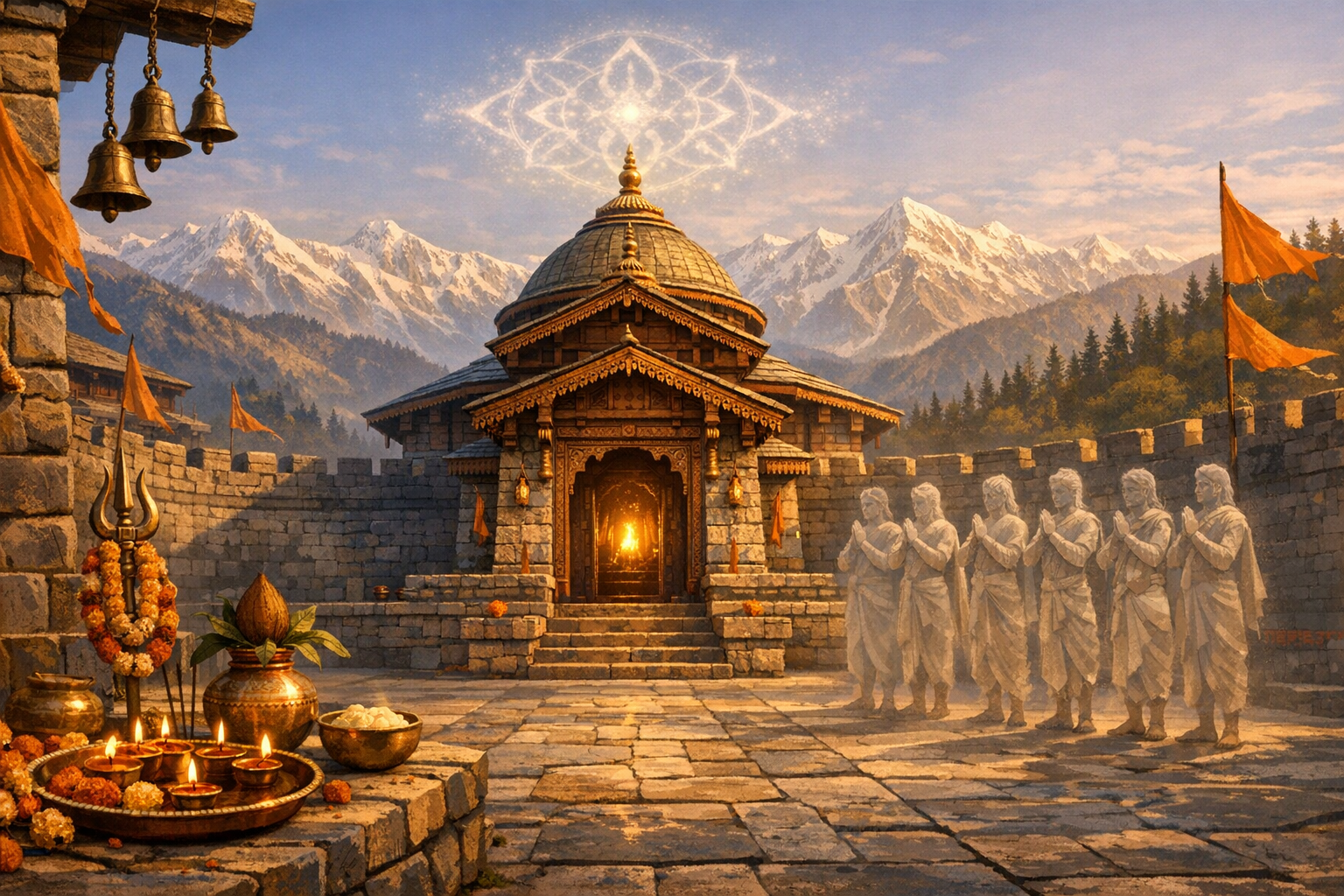
Nagarkot Mata Mandir (Brajeshwari/Vajreshwari) in Kangra, Himachal Pradesh, stands among the most revered Shakti Peeths, where Puranic cosmology and regional lore meet. Local tradition holds that the Pandavas established or restored the shrine at the Devi’s command, embedding Mahabharata memory within Himalayan sacred geography. The temple’s Nagara idiom, fortified precincts, and resilient reconstruction after the…
-
Kapalini: Shakti’s Terrifying Grace and the Awe-Filled Storm that Seeds Creation Cycles

Kapalini, the skull-bearing form of Goddess Shakti, stands at the threshold where dissolution gives birth to creation. Set against the awe-filled storm of pralaya, Kapalini carries the Brahma-substancethe causal seed from which new worlds emergeoffering a precise map of Hindu cosmology. The narrative clarifies the five cosmic acts, types of pralaya, and the role of…
-
Universality as the Heart of Spirituality: Bridging Reason and Intuition across Dharmic Paths

Universality is the defining mark of spiritual maturation: it expands identity beyond self-interest into a lived concern for the whole. In Dharmic traditions, reason and intuition are complementaryanalysis clarifies and prepares, while intuition unifies and completes. Hindu, Buddhist, Jain, and Sikh frameworks each root this universality in distinctive insights and practicesfrom Upanishadic oneness and Buddhist…
-
March 13, 2026 Panchang Guide: Krishna Paksha Dashami Timing, Good Time, Nakshatra & Rashi

Friday, March 13, 2026 marks a transition in the Hindu calendar from Krishna Paksha Navami (until 4:12 AM in most regions) to Krishna Paksha Dashami for the remainder of the day. The Panchang’s tithi system is explained with its astronomical basis12-degree Sun–Moon separationsand the role of nirayana calculations. Practical guidance highlights Brahma Muhurta, Abhijit Muhurta,…
-
CDM 2025 Annual Report: Transformative Bhakti-vriksha, Nama-hatta, and Global Seva for Dharmic Unity
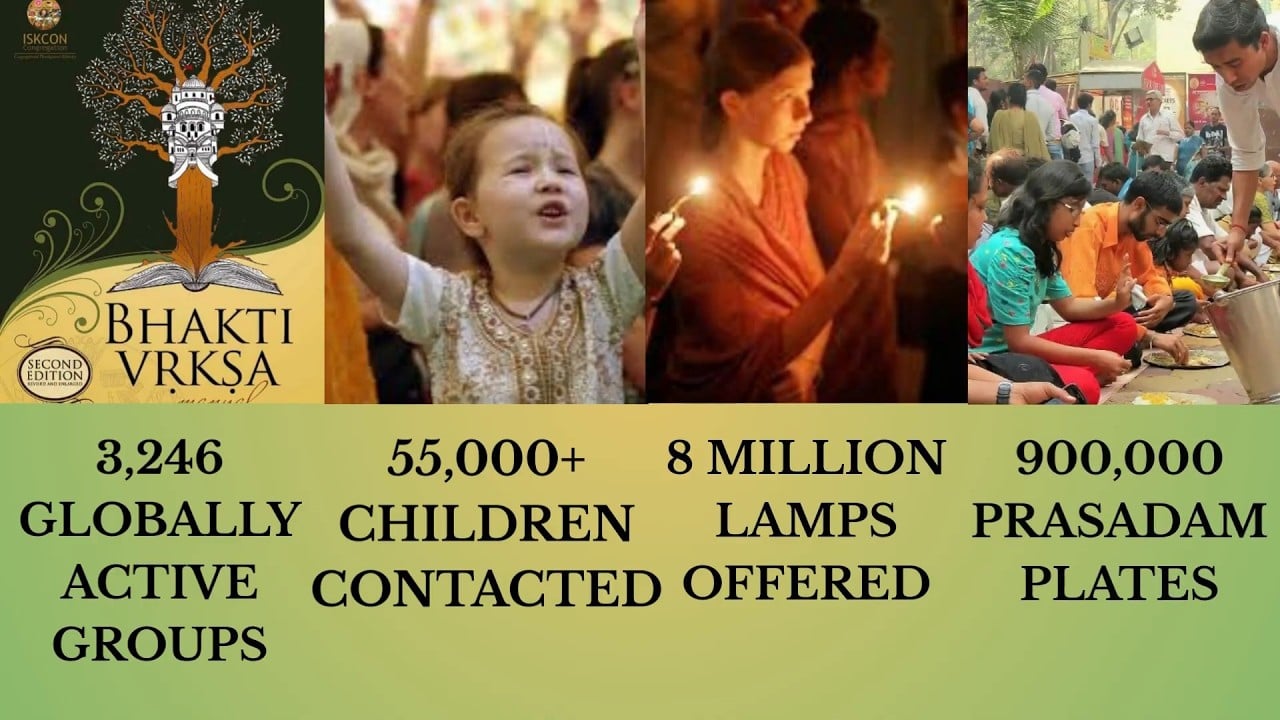
The CDM 2025 Annual Report outlines how a global, volunteer-led network advances congregational development through Bhakti-vriksha, Nama-hatta, Bhakti Steps, Bhakti Kids, Bhakti Homes, and Damodara Outreach. It details a scalable, small-group architecture that strengthens household practice, intergenerational learning, and accessible seva. The analysis highlights ethical governance, child safeguarding, volunteer care, and privacy-by-design as non-negotiable pillars.…
-
Overwhelmed? An Evidence‑Based, Dharmic Guide to Pause, Deep Rest, and Recenter Your Life

Many people today live in survival modeshort breath, scattered focus, and chronic exhaustiondue to nonstop demands and digital noise. This evidence-based, dharmic guide explains how to create restorative space that lowers allostatic load, improves sleep, and strengthens emotional resilience. It distills accessible practices from Hinduism, Buddhism, Jainism, and Sikhismbreathwork, mindful movement, attention training, compassion, and…
-
Inside Vijayanagara’s Golden Age: Kavi Sarvabhauma Srinatha’s Daring Challenge to Arunagirinatha
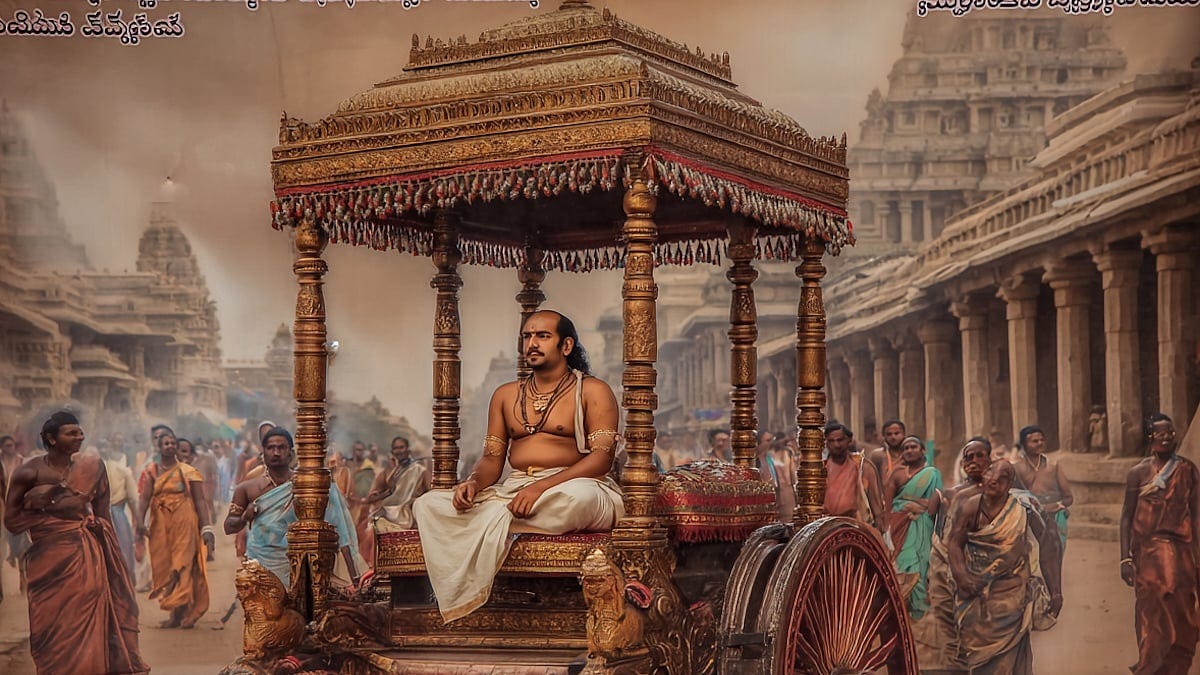
Set during the golden age of the Vijayanagara Empire, this episode from Kavisārvabhaomuḍu reconstructs how Kavi Sarvabhauma Srinatha strategically challenged the Vidyādhikāri Arunagirinatha in a high-stakes courtly contest. Readers discover how a subtle Sanskrit deviceapaśabdābhāsacan invert a debate by disguising correctness as error. The narrative explains why grammar (anchored in Panini, Vararuchi, and Patañjali) is…
-
Kalantaka Shiva Unveiled: Tantric Iconography and the Fearless Conquest of Death and Time
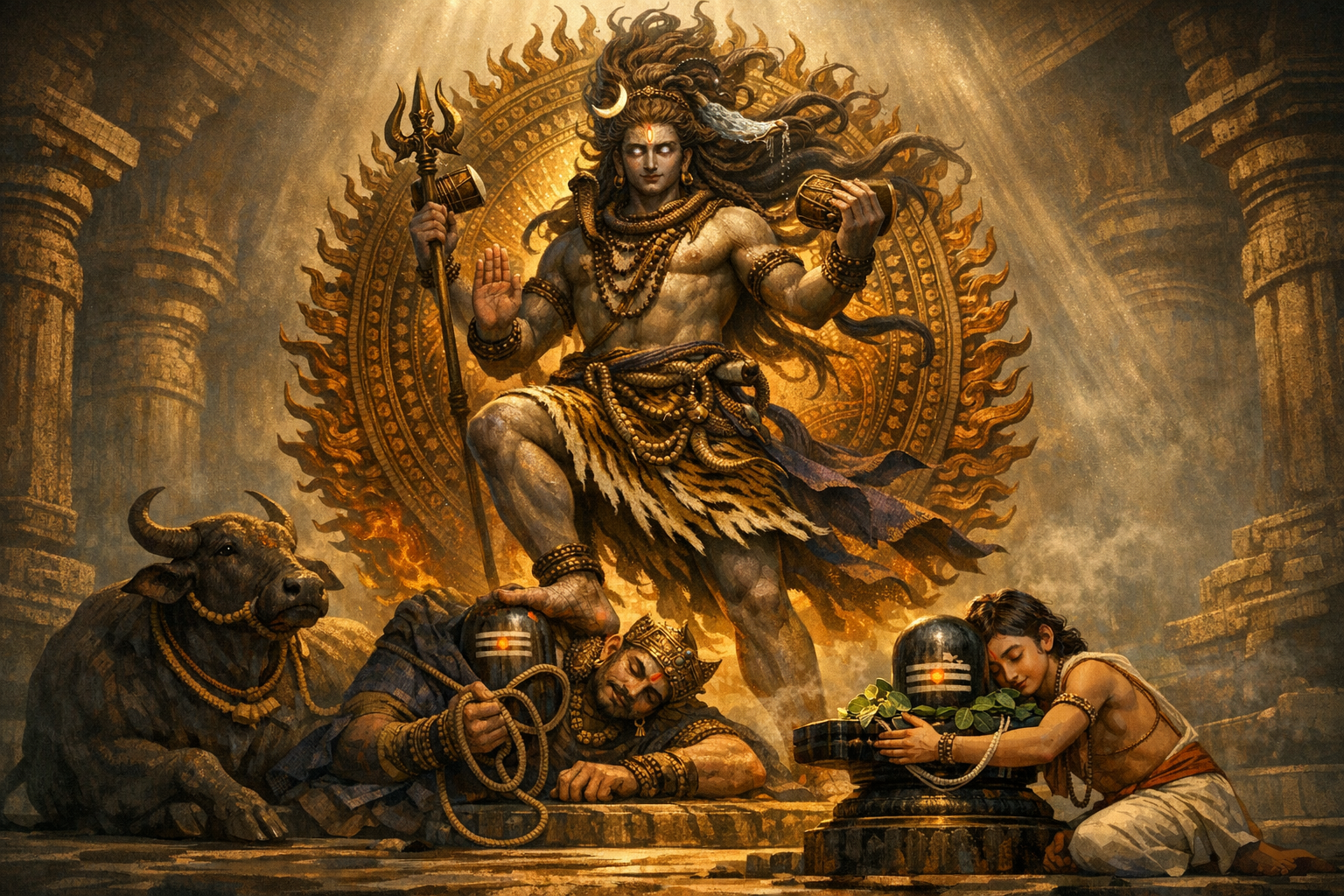
Kalantaka Shiva embodies Lord Shiva’s sovereignty over death and time, uniting narrative, ritual, and art into a coherent path of fearlessness. Drawing on Puranic sourcesespecially the Markandeya episodethis study unpacks the icon’s ugra yet compassionate character and explains how the trishula, damaru, and noose operate as precise Tantric symbols. Readers gain a field guide to…