-
Yamunanagar case: Woman alleges coercion; police probe, plea to reclaim faith in Haridwar

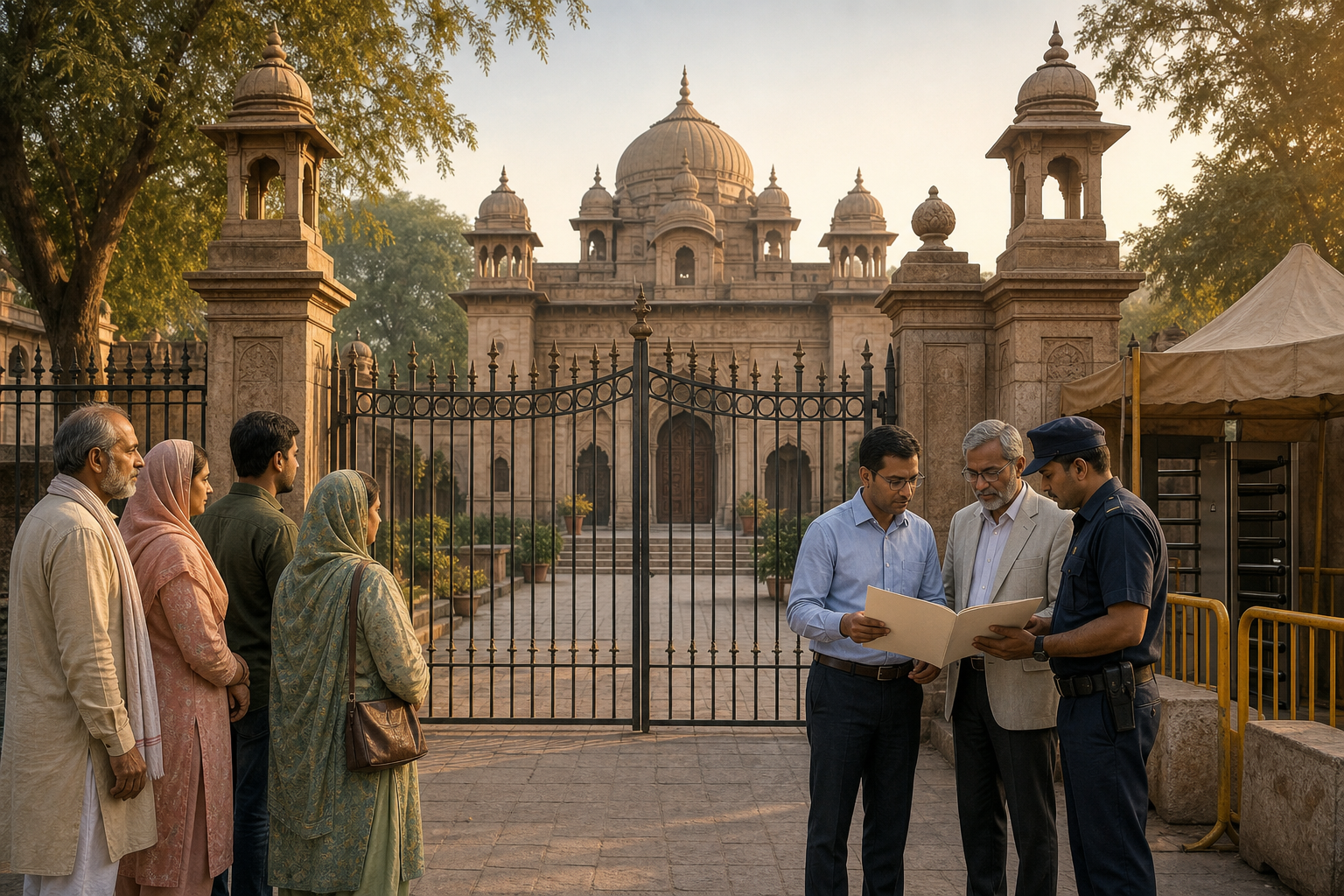
A woman in Yamunanagar, Haryana, has alleged coercion and abuse, seeking protection and the freedom to return to her original faith with a planned ritual bath in Haridwar. Police have opened an investigation, underscoring the need for due process and evidence-based conclusions. The case spotlights core constitutional values: personal autonomy, religious freedom, and women’s safety.…
-
February 2, 2026 Panchang: Purnima to Krishna Paksha Pratipada Timings and Significance

February 2, 2026 begins with Purnima tithi until 3:46 AM and then shifts to Krishna Paksha Pratipada until 2:32 AM on February 3 in most regions. This transition marks the start of the reflective waning fortnight, ideal for steady japa, dhyana, and simple, sattvic routines. Readers benefit from clear, time-specific guidance to plan puja and…
-
Bengaluru Rally Decries Violence, Urges Due Process and Communal Harmony at Freedom Park
A large public demonstration at Freedom Park, Bengaluru, condemned the Chamarajapete attack and called for justice through due process. The gathering emphasized constitutional methods, impartial investigation, and swift prosecution of those responsible. Rather than inflaming tensions, speakers urged humane, evidence-based enforcement of immigration law without collective blame. The event highlighted unity across Hinduism, Buddhism, Jainism,…
-
Debunking Siyar-ul-Mutakhkherin: Exposing False Allegations and Reclaiming Shared History

Siyar-ul-Mutakhkherin is frequently quoted to justify sweeping, divisive claims about the late Mughal era. This analysis explains how to read the chronicle critically by situating its authorship, context, and transmission through colonial translations. It shows why triangulating the text with Persian, Marathi, Sikh, and early British records corrects exaggerations and misunderstandings. The piece highlights shared…
-
Sukhmani Sahib: A Timeless Pathway to Inner Peace, Compassion, and Dharmic Unity

Sukhmani Sahib, a revered composition in the Guru Granth Sahib, offers a structured path to inner peace through Naam, Simran, humility, and Seva. Organized in 24 ashtapadis, it marries clear doctrine with musical cadence to aid contemplation and practice. The scripture translates spiritual insight into actionable ethics—truthfulness, compassion, and community service—that improve emotional balance and…
-
Dukh Bhanjani Beri at Harmandir Sahib: A Sacred Tree of Healing, Faith, and Unity

Dukh Bhanjani Beri at Harmandir Sahib (Golden Temple) in Amritsar is revered as a living symbol of faith, healing, and devotion. Rooted beside the Amrit Sarovar, the sacred jujube tree is associated in Sikh tradition with the transformative grace exemplified in the account of Bibi Rajni. The site’s practices—kirtan, ardas, parikrama, and quiet contemplation—cultivate resilience…
-
Nishan Sahib Etiquette: How Gurudwaras Maintain, Honor, and Protect the Sacred Sikh Flag
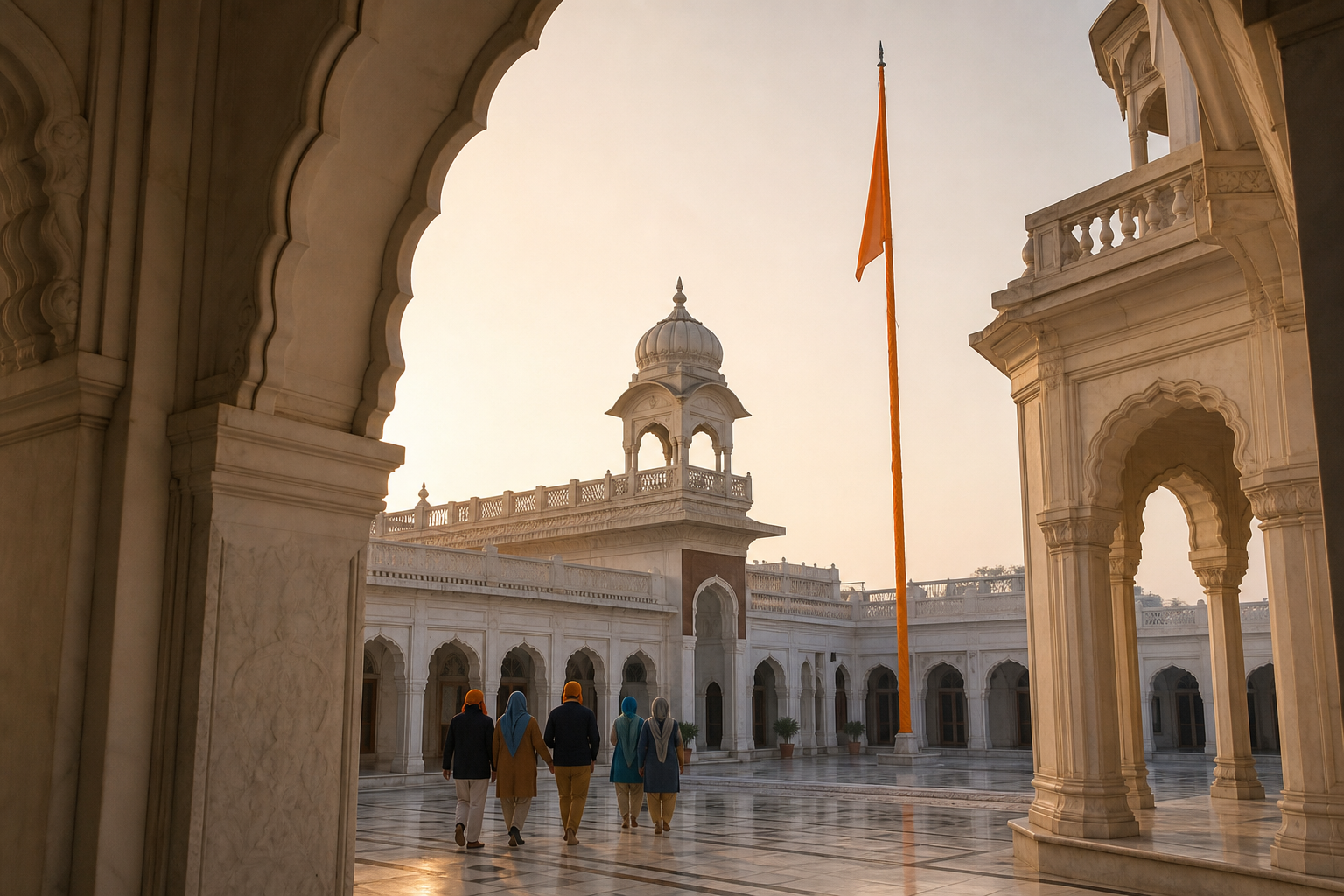
The Nishan Sahib stands as a global emblem of Sikh identity, seva, and equality, maintained with care in Gurudwaras worldwide. This guide explains its symbolism, daily respect, and the ceremonial renewal often performed during Vaisakhi or Gurpurabs. Readers learn practical maintenance protocols, from fabric selection and chola wrapping to lightning protection and responsible lighting. It…
-
Sikhs in Clinical Research: Insights, Ethics, and Community-Centered Innovation with Ekta Grewal

This analysis explores Sikh participation in clinical research through insights from an interview with Ekta Grewal, emphasizing ethics, cultural competence, and community engagement. It shows how seva and sarbat da bhala align with Good Clinical Practice to improve recruitment, retention, and trust. The piece outlines practical steps—mentorship pipelines, community advisory boards, and partnerships with gurudwaras—to…
-
Awakening to a Living, Intelligent Universe: Dharma’s Cosmic Order vs Human Greed and Avidya

Hindu philosophy describes the universe as a living, intelligent reality governed by Rta or Dharma. This cosmic law sustains balance and harmony, shaping everything from galaxies to human thought. Parallel insights in Buddhism, Jainism, and Sikhism—through Dhamma, Ahimsa, Aparigraha, and Hukam—affirm a shared moral order across dharmic traditions. When greed and Avidya prevail, ecological, social,…
-
Shantipur Pilgrimage: Sri Advaita Acarya’s Sacred Home and the Call of Harinama

Shantipur, one hour from Sri Mayapur Dhama near Ranaghat, preserves the home and living legacy of Sri Advaita Acarya. Here, he vowed to invoke Lord Krishna’s advent in Kali-yuga as Sri Caitanya Mahaprabhu through Harinama and pure devotion. Pilgrims encounter the deity of Sri Madan Gopal and the saligrama-sila he worshipped, a direct link to…
-
Advaita Acarya’s Sacred Role: Mapping Sri Caitanya’s Tree and Dharmic Unity in Bhakti

Caitanya-caritamrta introduces Advaita Acarya through two foundational verses that illuminate the structure of the Bhakti Tradition. The text’s spiritual tree—Sri Caitanya Mahaprabhu as trunk, Lord Nityananda as first branch, and Advaita Acarya as second—clarifies how guidance and grace flow through lineage. This metaphor resonates with lived practice, where mentors and communities sustain discipline and insight.…
-
Advaita Acarya’s Sacred Union: Sita Thakurani and the Roaring Call of Yogamaya-Bhakti

This post presents an academically grounded yet accessible portrait of Advaita Acarya, tracing his journey from early loss and pilgrimage to a sanctified family life with Sri and Sita, daughters of Nrsimha Vaduri. It clarifies why he is known as Sita-natha/Sita-pati and explains the Gaudiya understanding of Sita Thakurani as an incarnation of Yogamaya and…
-
Honoring Parampara: The Sastric Case for Advaita Acarya’s Beardless Deity and Dharmic Unity

This analysis explores the sastric reasoning behind depicting Sri Advaita Acarya’s deity—particularly the beardless form—through the lens of parampara and the Guru-Shishya Tradition. Drawing on Srila Prabhupada’s guidance (SB 5.1.20 purport) and the Skanda Purana (as cited in NOD Ch. 7), it shows why following past acaryas preserves devotional integrity and prevents confusion. The discussion…
-
Honoring Advaita Acharya: A Powerful Reflection on Devotion, Wisdom, and Dharmic Unity

Advaita Acharya’s appearance day offers a timely reflection on the enduring legacy of Sri Advaita Acarya and the Vaishnava tradition of Navadwip. The observance emphasizes the harmonious integration of knowledge, renunciation, and devotion as a practical framework for ethical living. By framing scriptures through Krishna-bhakti, his teachings render complex ideas accessible and practice-oriented. The day’s…
-
Advaita Acarya’s Sacred Journey: Catalyst of Sri Caitanya’s Descent and Bhakti Renewal

Shri Advaita Acarya, venerated in Gaudiya Vaishnavism and identified devotionally with Mahavishnu, is cherished as the saint whose profound prayer is credited with invoking Shri Krishna Caitanya. Born in Navagram to Näbhadevé and Kuvera Pandit, and known as Kamaläkña and Advaita, his early life included the sacred thread ceremony and a move to Shantipur on…
-
Jagannath as Dakshina Kali: Odisha’s Powerful Vaishnava–Shakta Synthesis and Symbolism

Odisha’s sacred traditions reveal a powerful Vaishnava–Shakta synthesis in which Lord Jagannath’s presence is experienced as resonant with the compassionate fierceness of Dakshina Kali. Ritual practice at Puri Srimandir, especially the offering of Mahaprasad first to Goddess Bimala, demonstrates a living integration of Shakti within a Vaishnava temple ecology. Jagannath’s iconic form and all-seeing gaze…
-
Paramapurushartha Explained: The Supreme Human Goal in Hindu Thought for Inner Freedom

Paramapurushartha signifies the supreme human goal in Hindu philosophy, situating moksha as the culmination of life’s aims while harmonizing dharma, artha, and kama. It offers a practical framework for meaning, guiding ethical prosperity and refined enjoyment toward inner freedom. Drawing on the Upanishads, Bhagavad Gita, and Yoga, it aligns with parallel ideals across Dharmic traditions—nirvana…
-
Timeless Dharma: How Ancient Teachers and Healers Sustained a Compassionate Gift Economy

Ancient Hindu ethical traditions envisioned teachers and healers as custodians of knowledge and care who refrained from demanding fees, receiving voluntary dakshina instead. This gift economy placed dharma and social trust above transactional exchange, preserving the sanctity of education and healthcare. Related principles across Buddhism (dana), Jainism (ahimsa and aparigraha), and Sikhism (seva) reveal a…
-
Swastika on the Kalash: Timeless Symbolism of Creation, Prosperity, and Dharmic Harmony

The Swastika on the Kalash unites two powerful dharmic symbols into a visual theology of creation, prosperity, and cosmic order. The Swastika embodies auspiciousness and balanced motion, while the Kalash represents the life-bearing womb and sacred abundance. Together, they anchor household and communal rituals—from Griha Pravesh to Navaratri—in a lived experience of harmony (ṛta). The…