
-
Bangladesh 2026 Holiday List Drops Dharmic Festivals: A Call for Inclusion and Harmony
Reports suggest Bangladesh’s 2026 official holiday list removes Saraswati Puja, Buddha Purnima (Vesak), Janmashtami, and Durgashtami, raising concerns among Dharmic communities about recognition and accommodation. The analysis explains why these observances matter for spiritual life, family traditions, and intergenerational bonds. It frames the issue through religious freedom, minority rights, and inclusive governance, aligning with Bangladesh’s…
-
Arpora Shock Spurs Surajya Abhiyan to Urge Urgent Crackdown on Unauthorised Nightclubs

Surajya Abhiyan has urged the North Goa District Collector to take urgent action against unauthorised nightclubs following the Arpora incident, citing immediate public safety concerns. The representation emphasizes strict licensing verification, adherence to sound and safety norms, and coordinated enforcement. It argues for a balanced model that preserves Goa’s vibrant nightlife while safeguarding residents and…
-
Asim Sarkar Faces FIRs, Threats After Remarks on Dipu Das Lynching—Call for Unity, Law

Multiple FIRs have reportedly been filed against BJP MLA Asim Sarkar after remarks referencing the Quran in the wake of the lynching of Dipu Chandra Das in Bangladesh. Reports of life threats have raised serious concerns about public safety and the integrity of democratic discourse. This analysis explains how India’s free speech protections operate alongside…
-
Kumarila Bhatta: The Brilliant Mimamsa Sage Who Revitalized Vedic Thought and Unity

Kumarila Bhatta, the eminent Mimamsa thinker of the 7th–8th century CE, revitalized Vedic philosophy through rigorous hermeneutics and disciplined reasoning. His major works—Ślokavārttika, Tantravārttika, and Tuptikā—refine language theory, epistemology, and the authority of the Veda. Rather than opposing other dharmic paths, his precise critiques of Buddhist and Jaina arguments exemplify a constructive culture of debate…
-
Pradeśa-Mātra Unveiled: Upanishadic Wisdom on the Infinite Within the Heart

Pradeśa-mātra, a refined Upanishadic term, explains how the Infinite can be contemplated in a “measurable” heart-space without limiting the Self. Grounded in the Chandogya and Katha Upanishads, it offers a practical doorway for meditation and self-inquiry. By focusing attention in the hṛdaya-ākāśa, practitioners stabilize the mind and intuit the all-pervading Ātman. Vedānta resolves the paradox…
-
Kumara Vyasa (Naranappa): Architect of the Kannada Mahabharata and a Beacon of Dharma

Kumara Vyasa (Naranappa) crafted the iconic Kannada Mahabharata, the Karnata Bharata Kathamanjari, blending poetic elegance with moral inquiry. Situated in the cultural radiance of the Vijayanagara era, his work remains central to Kannada literature and living performance traditions like Gamaka and Yakshagana. The narrative’s Bhamini Shatpadi meter and nuanced characterizations of Krishna, Arjuna, Karna, and…
-
Legendary New Vrindaban Prasadam: Devotional Sweet Rice and Ice Cream from Krishna’s Cows

New Vrindaban’s early prasadam culture is remembered through two legendary offerings: Amburish Dasa’s sweet rice and Pitambar Dasi’s ice cream, both made with fresh milk from Krishna’s cows. Without prior culinary or cow-care experience, they learned through seva, transforming simple dairy into much-loved treats. Amburish’s journey began with a 1971 visit, initiation by Srila Prabhupada,…
-
Purification and Transcendent Elevation: Sincere Chanting, Bhakti Practice, and Dharmic Unity
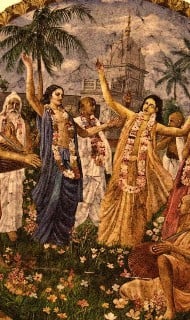
This reflection presents a Gaudiya Vaishnava perspective on how sincere chanting of the holy name of Krishna, supported by worship, listening, and service, cultivates purification and transcendent elevation. It explains that intention and humility, rather than mere repetition, unlock the practice’s transformative power. The discussion connects these insights with shared dharmic values across Hinduism, Buddhism,…
-
Serving the Divine Through Tulasi: Gaudiya Insights on Bhakti, Wonder, and Sacred Growth

Gaudiya Vaishnava teachings present Tulasi as a sacred manifestation of the Lord’s internal potency, inviting devotion grounded in humility and wonder. This article explains how serving Tulasi functions as direct service to Krishna through daily care, offerings, and the Hare Krishna chant. It highlights Srila Jiva Gosvami’s insight on the Divine’s inconceivable nature and shows…
-
Why ‘Name and Form’ Create Suffering: A Powerful Dharmic Lens on Oneness and Freedom

Hindu philosophy traces suffering to separateness born of nāma (name) and rūpa (form), a misidentification that obscures underlying unity. Upanishadic and Advaita perspectives treat names and forms as provisional, while the Bhagavad Gita offers practices—jñāna, bhakti, and karma yoga—to reorient attention toward what endures. Everyday experiences show how labels intensify anxiety and craving; loosening identification…
-
Infinite Paths, One Truth: How Hinduism Empowers Personal Realization and Sacred Unity

Hinduism (Sanatana Dharma) teaches that no two individuals experience the Divine in the same way—and turns that insight into a strength. Drawing on the Upanishads and the Bhagavad Gita, it validates personal realization through concepts like Ishta and multiple yogic paths. This pluralism resonates across Dharmic traditions through Anekantavada in Jainism, upaya in Buddhism, and…
-
Pracinavita Revealed: Why the Sacred Thread Shifts Right in Hindu Śrāddha Rites

This article explains Pracinavita—the right-shoulder orientation of the sacred thread—within Hindu Shraddha rites. It clarifies how the yajnopavita changes from upavita to pracinavita to signal a shift in ritual intention toward the ancestors (Pitrs). Readers learn the doctrinal basis in Vedic traditions, the symbolism of the thread as a tactile mnemonic, and the practical sequence…
-
Meena Rashi Chandrashtama 2026: How to Find Accurate Dates, Timings, and Plan Calmly

Meena rasi (Pisces Moon) natives—those under Purvabhadra Nakshatra 4th pada, Uttarabhadra, and Revati—experience Chandrashtama when the Moon transits the eighth house (Ashtama Sthana). In 2026, this occurs each month as the Moon moves through Tula (Libra), typically spanning about two to two-and-a-half days. Exact dates and timings depend on location and are best found by…
-
January 9, 2026 Panchang: Sashti to Saptami Tithi Timing, Auspicious Cues, Spiritual Insights

January 9, 2026 spans two tithis in the Hindu calendar: Krishna Paksha Sashti until 10:21 AM (local time in most regions) and Krishna Paksha Saptami thereafter. Readers benefit from confirming local Panchang timings because tithi shifts and the Moon’s Rashi or Nakshatra can vary by place and time. The day’s reflective tenor suits simple, steady…
-
Why a Harmonious Hindu Rashtra Remains Elusive: Confusion, Compromise, and Consequence

This analysis explains why the goal of a widely accepted Hindu Rashtra in Bharat remains elusive and how to realign the conversation with constitutional dharma. It clarifies the term’s meaning, separating civilizational ethos from theocracy, and shows how political compromises without clear frameworks erode trust. It maps the social consequences of ambiguity—polarization, misinformation, and policy…
-
When Control Collapses: A Practical Path to Peace with Uncertainty, Change, and Letting Go

This reflective narrative traces a shift from over-control to acceptance during a season marked by relationship loss and job uncertainty. It demonstrates how surrender, mindfulness, and presence can reduce anxiety and cultivate inner calm. Through simple practices—breath awareness, attentive walking, and allowing questions to remain open—peace emerges without perfect plans. A volunteer teaching role reveals…
-
Narasimha and the Yogini Shaktis: Unveiling the Four Vyuhashaktis and Their Sacred Power
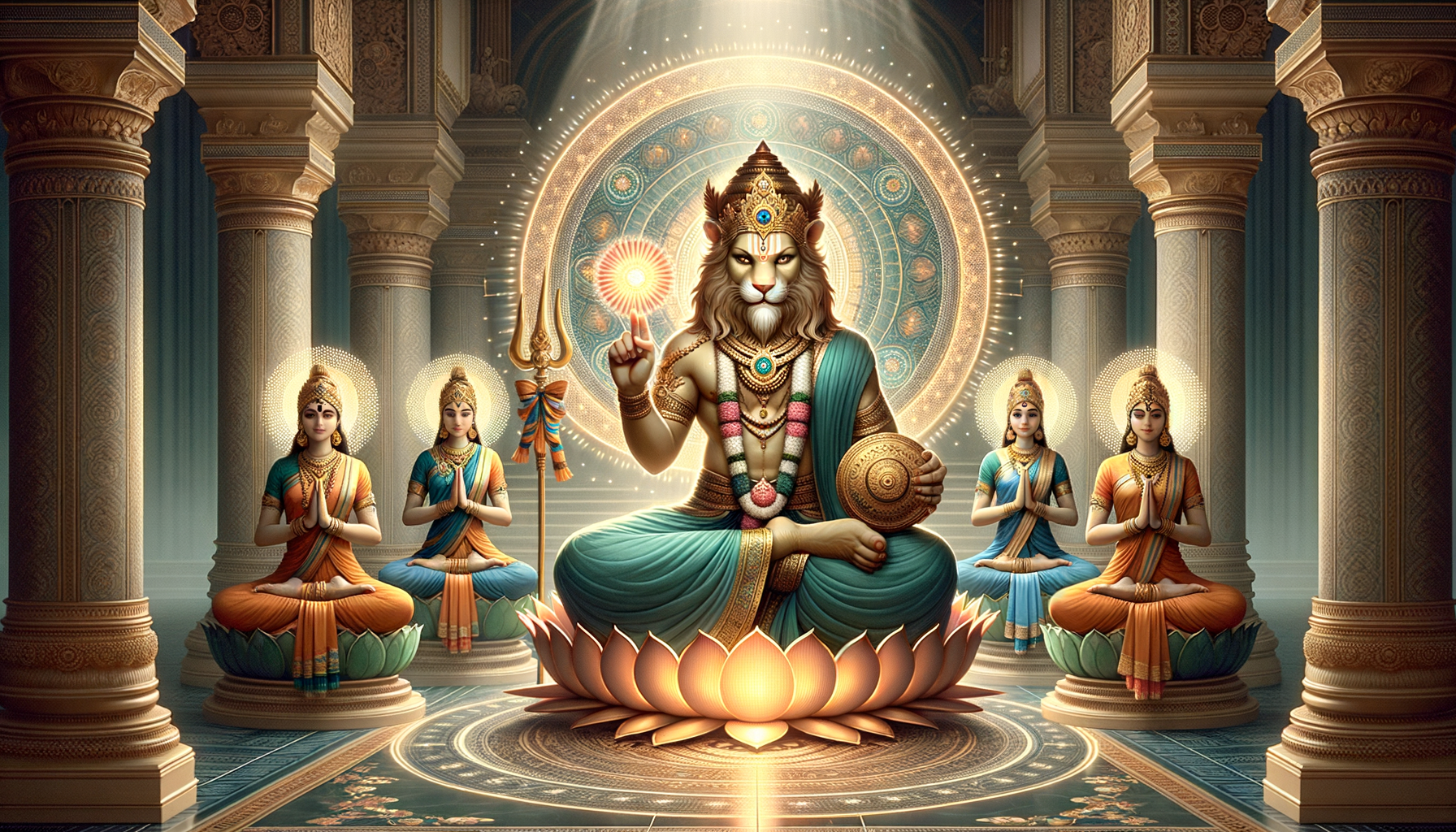
This article examines the narrative of Narasimha creating the Yogini Shaktis as a sophisticated expression of divine reciprocity. It situates the account within tantric traditions, including references to the Kamakoti Mandali, and explains how the four Vyuhas and their Vyuhashaktis become experientially present through Yogini manifestations. Readers gain a clear, academic overview of key concepts…
-
Srila Prabhupada Night in Phoenix, South Africa: Honoring a 1965 Voyage that Changed Faith
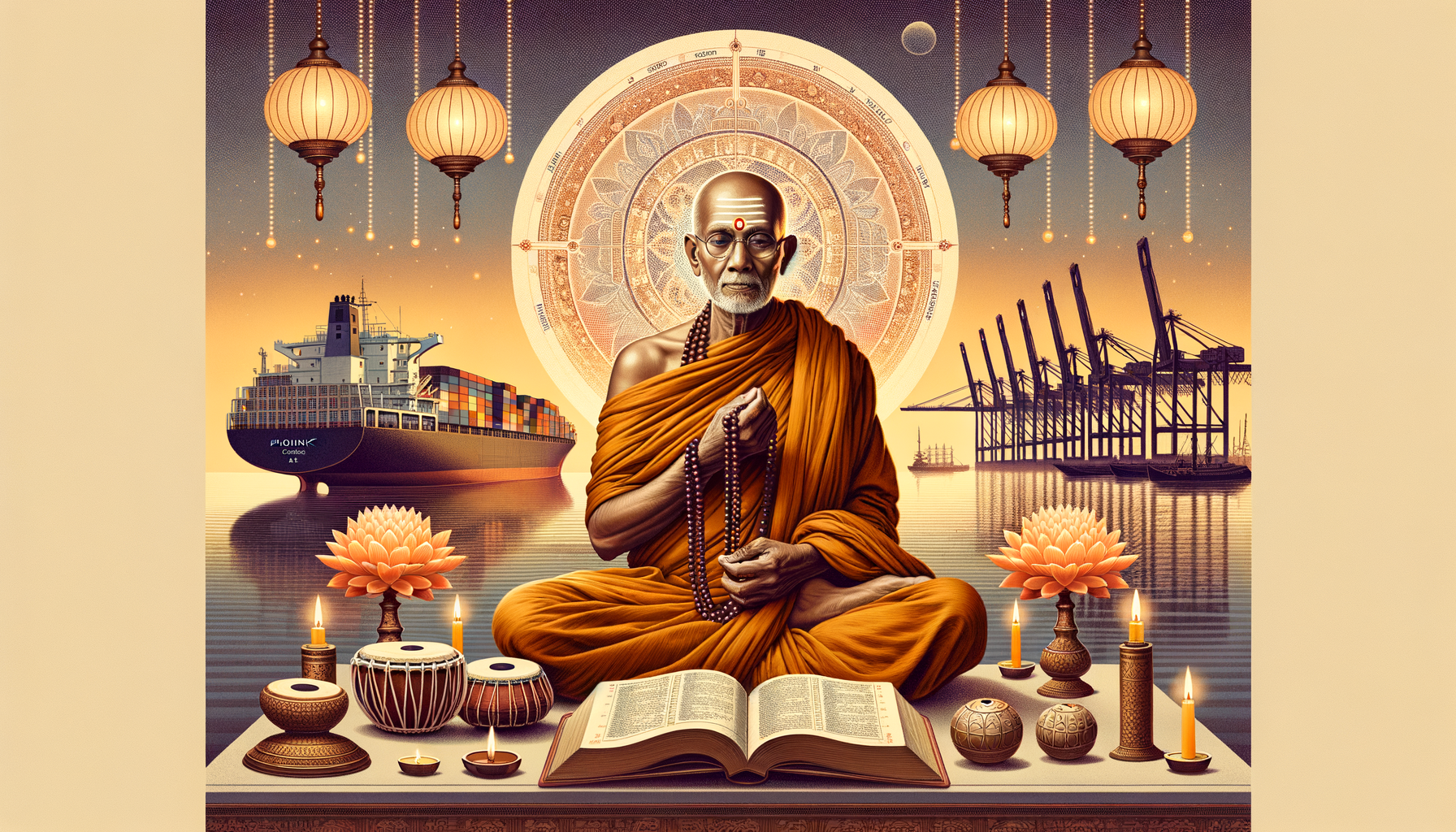
Srila Prabhupada Night at NJP dham, Phoenix, South Africa, honored the historic 1965 arrival of A.C. Bhaktivedanta Swami Srila Prabhupada in New York and the global impact of his Vedic teachings. Presented in an academic tone, the program highlighted the Bhakti Tradition’s core values of compassion, service, and disciplined practice. The reflections situated ISKCON’s growth…
-
Why Only Universal Truths Stay Fresh: Dharmic Wisdom to Beat Information Fatigue

Modern life delivers endless information yet little renewal. Dharmic wisdom explains why: knowledge not grounded in universal truth quickly grows stale, while insights rooted in satya, ṛta, and dharma remain evergreen. Drawing on Hinduism alongside Buddhism, Jainism, and Sikhism, this reflection highlights how compassion, non-violence, and service keep knowledge alive and transformative. It offers practical…
-
Shakambari Purnima 2026: Sacred Full Moon of Nourishment—Date, Meaning, and Traditions
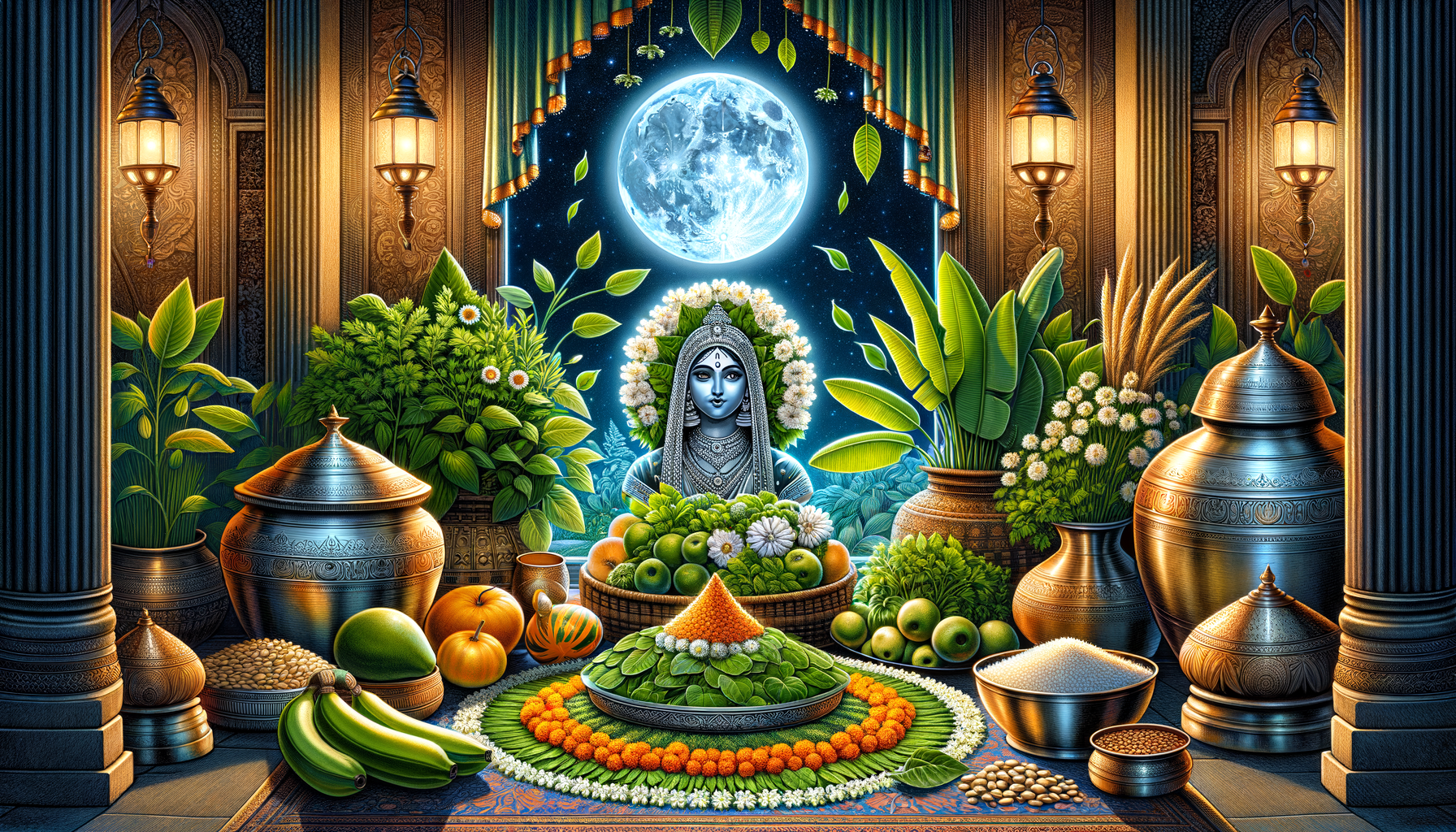
Shakambari Purnima (Shakambari Jayanti) falls on January 3, 2026, the Paush Purnima full moon devoted to Goddess Shakambari as the embodiment of nourishment and seasonal abundance. The festival is especially significant in South India—Karnataka, parts of Maharashtra, Telangana, and Andhra Pradesh—where rituals center on offering greens, grains, fruits, and water to Shakambari Devi. It concludes…