
-
Can Violence and Sport Coexist? HJS Demand Spurs Debate on Bans, Fair Play, and Unity

Hindu Janajagruti Samiti asserted that violence and sports cannot coexist and called for a ban on players from Bangladesh, prompting a wider debate on sports ethics and non-violence. This analysis places the statement in the context of global governance norms that emphasize due process and proportionate, evidence-based sanctions. It underscores dharmic principles—especially ahimsa—shared across Hinduism,…
-
IPL 2026 Row: Mustafizur Rahman’s Exclusion, SRK Allegations, and a Call for Peaceful Sport

A measured debate has surfaced over reports of Mustafizur Rahman’s exclusion from IPL 2026, with wider discussion touching on KKR, Shah Rukh Khan, and the responsibilities of public figures in protecting sportsmanship. This analysis centers on a unifying principle shared across dharmic traditions: violence and sport must remain separate. It highlights practical, benefit-driven steps—transparent selection…
-
From Near Annihilation to Empire: The Sikh Rise through Khalsa, Misls, and Ranjit Singh

This article traces how the Sikh Community rebuilt power after near-annihilation in the eighteenth century, culminating in a pluralist, stable state in Punjab. It explains how Khalsa discipline, Misls, and the Dal Khalsa translated spiritual ideals into practical governance. Readers gain clarity on pivotal moments from Anandpur Sahib and Banda Singh Bahadur to the Vadda…
-
Empty the Cup to Fill the Soul: Hindu Wisdom on Ego, Learning, and Spiritual Growth

This article explores the Hindu metaphor of the “empty vessel,” showing how releasing ego creates the space necessary for continuous learning and spiritual growth. It explains the paradox that genuine wisdom requires inner emptiness, contrasting avidyā (illusion of knowledge) with jñāna (true insight). Drawing on the Bhagavad Gita and Upanishadic methods, it highlights humility, contemplation,…
-
Mother Goddess Dhara & Dakshinamurthy Shiva: Sacred Union of Wisdom-Shakti
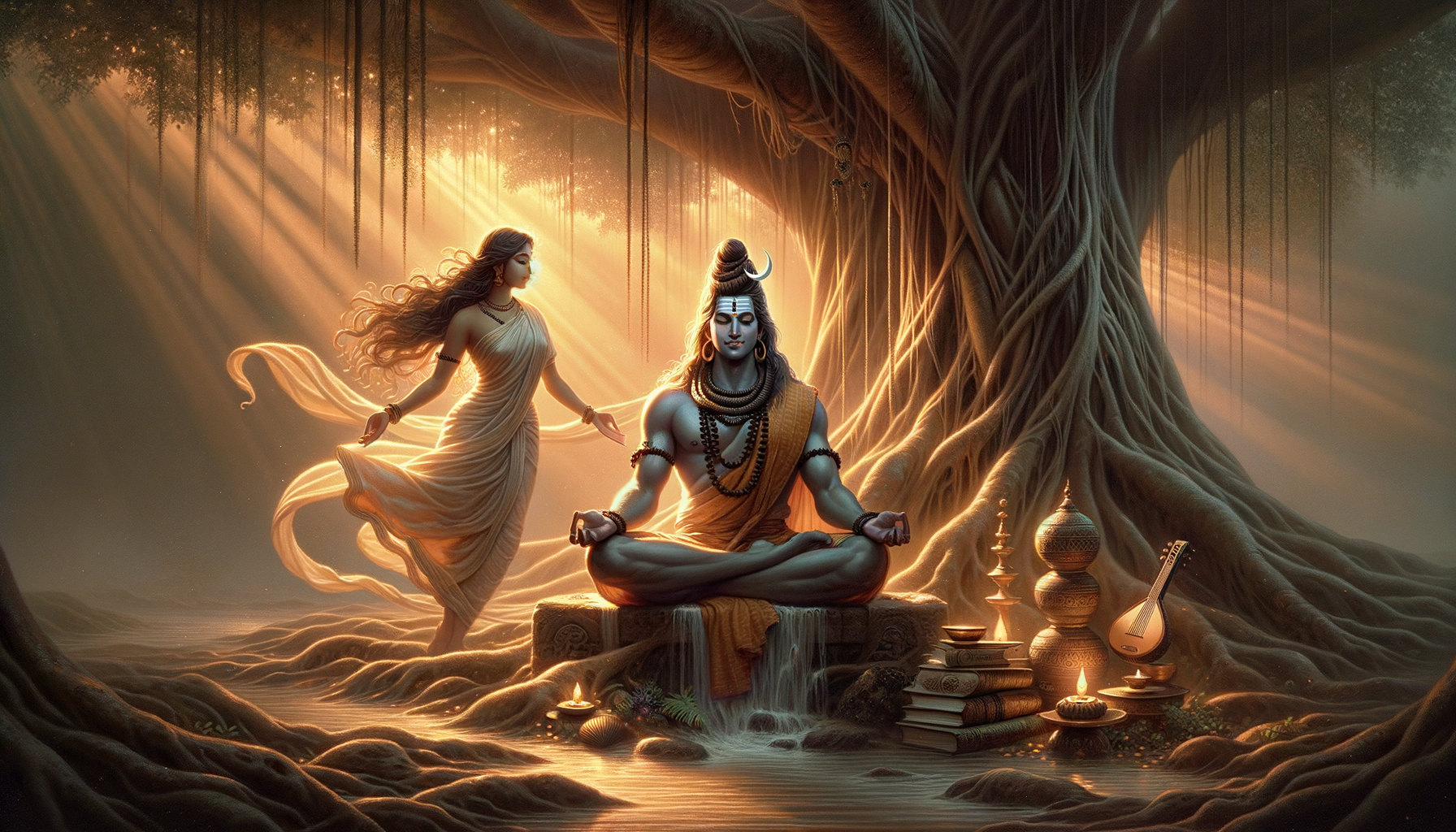
Sanatana Dharma venerates Dakshinamurthy as the Adi Guru whose luminous silence reveals inner knowledge. Honoring “Mother Goddess Dhara” as the flowing Shakti of wisdom offers a symbolic, devotional complement to this south-facing form of Shiva. The union of wisdom and Shakti affirms an Advaita insight: consciousness and its compassionate expression are inseparable. Framed through the…
-
Why Black Matters in Dharmic Life: Powerful Protection, Inner Confidence, and Devotion

Black holds profound significance across dharmic traditions, symbolizing protection, discipline, and inner steadiness. In Hindu practice, it is closely linked with Lord Shaneeswarar (Shani) and guardian deities like Muneeswarar, reflecting themes of karmic balance and safeguarding. Ayyappa devotees wear black during vratham to express austerity, humility, and equality ahead of the Sabarimala pilgrimage. Many practitioners…
-
Singhanath Temple, Odisha: Awe-Inspiring Kalinga Architecture and Shaiva–Vaishnava Harmony
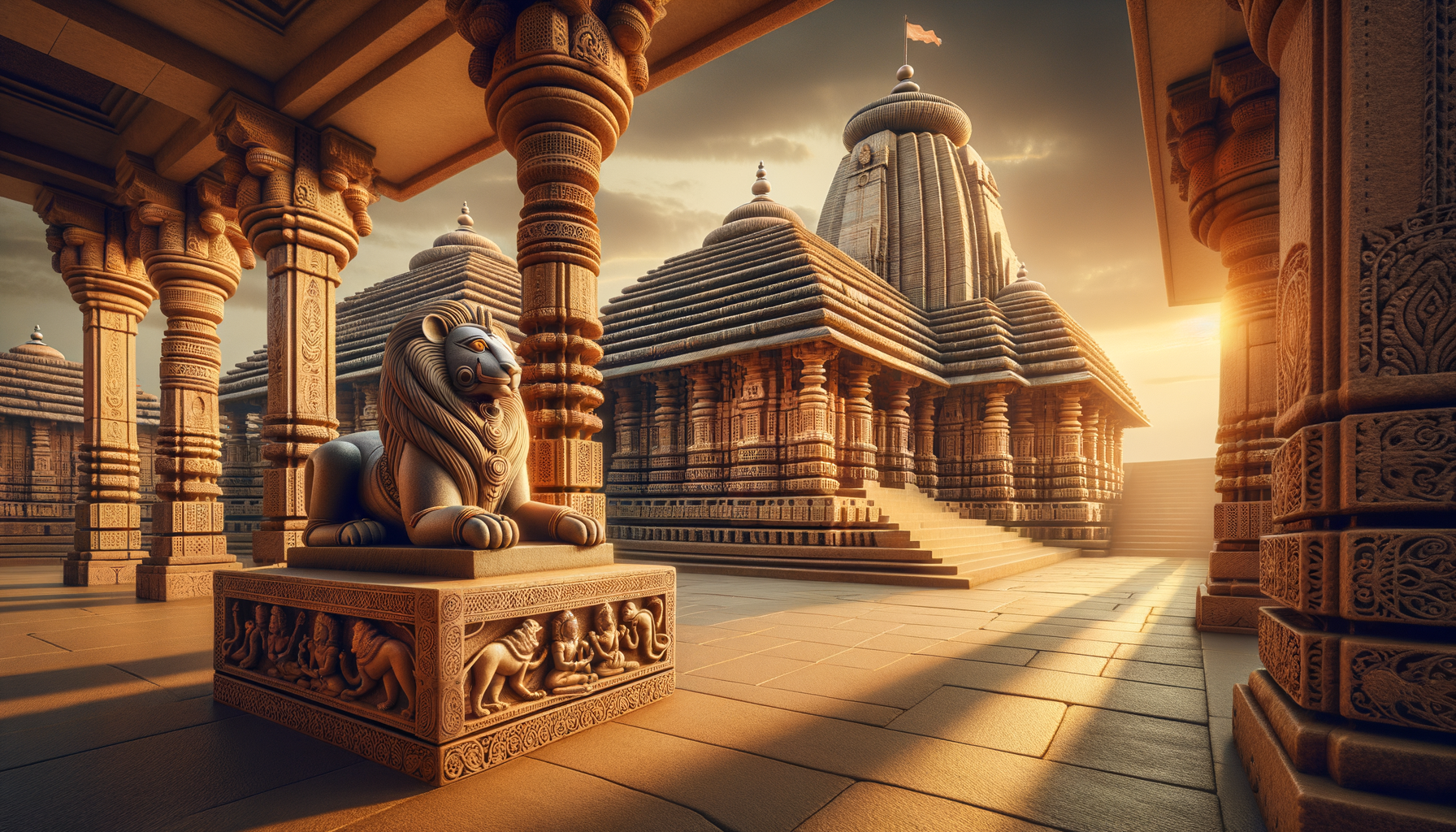
Singhanath Temple in Gopinathpur, Baramba (Badamba), Cuttack, Odisha, is a remarkable shrine where Shiva is venerated alongside the narrative of Narasimha’s devotion—an elegant symbol of Shaiva–Vaishnava harmony. The temple’s rekha deula and terraced-roof jagamohana exemplify the classical Kalinga architectural order. Visitors often experience a serene, contemplative ambiance that encourages close attention to sculptural details and…
-
Vibhishana’s Wise Boon in the Ramayana: Timeless Dharma Over Power—and Why It Matters
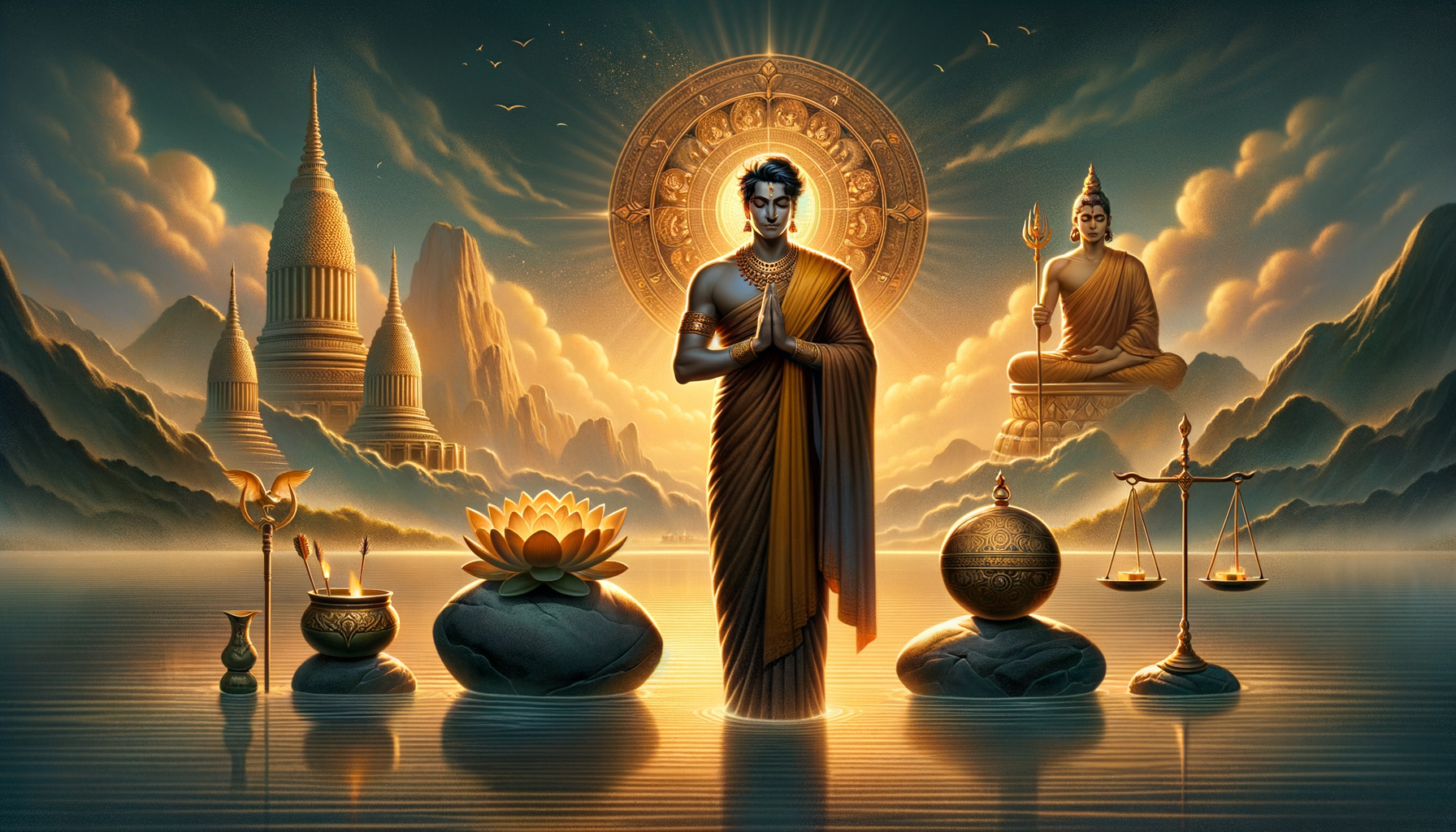
The Ramayana records three pivotal boons, yet Vibhishana’s dharma-centered request proves the most transformative. Rather than seeking power, he asked for unwavering righteousness and moral clarity, and this orientation shaped the fate of Lanka. His counsel to Ravana, subsequent sharanagati to Sri Rama, and ethical leadership grounded the war’s outcome in dharma and adharma. The…
-
Decoding Shiva’s Timeless Jata Mukuta: Kaumudi, Kapala, Sarpa and Dharmic Unity

Shiva’s Jata Mukuta, adorned with Kaumudi – Kapala – Sarpa, distills a deep program for inner clarity, ethical grounding, and courageous transformation. The crescent moon cools the mind and aligns attention to nature’s rhythms; the skull teaches humility through impermanence; the serpent awakens vigilant, protective awareness. Early Chalukya sculptures at Badami preserve this iconographic triad…
-
Gurukula Children Illuminate New Year’s Eve with Devotion, Culture, and Confidence

The Gurukula Hare Krishna Primary School’s New Year’s Eve event highlighted a holistic, Krishna conscious approach to learning. Students demonstrated confidence, creativity, and devotion through music, recitation, and storytelling. The program affirmed how cultural training enriches academic development with public speaking, teamwork, and emotional resilience. Families observed visible progress in attentiveness, gratitude, and empathy at…
-
Culture, Community, and Kirtan: A Soulful New Year’s Eve at the Haveli Uniting Dharmic Traditions

A New Year’s Eve celebration at the Haveli, hosted by the School of Bhakti, brought together a diverse community in a warm, devotional setting. The gathering emphasized unity in diversity across dharmic traditions—Hinduism, Buddhism, Jainism, and Sikhism—through culture, community, and chanting. Kirtan and devotional singing created a contemplative rhythm that encouraged mindfulness, gratitude, and inner…
-
At Death the Mind Shapes Destiny: Insights from Srimad Bhagavatam 10.1.36–45
Srimad Bhagavatam 10.1.36–45 teaches that the mind’s thinking, feeling, and willing at death direct the next embodiment. The principle links karma with a moral psychology in which habits and intentions shape destiny. Readers gain a practical framework: daily remembrance, scriptural study, meditation, and service stabilize attention and prepare consciousness for a peaceful transition. The message…
-
Reflections of the Soul—SB 10.1.43 with HG Aniruddha Prabhu: Calm Mind, Clear Vision

This session on Srimad-Bhagavatam (SB) 10.1.43 with HG Aniruddha Prabhu uses a vivid reflection metaphor to clarify how mental turbulence distorts perception while the self remains unchanged. It draws unifying parallels across Hindu, Buddhist, Jain, and Sikh traditions, showing a shared commitment to clarity and compassion. Practical takeaways include breath awareness, mantra-japa, and contemplative self-inquiry…
-
Thomas Jefferson’s Paradox: Equality, Slavery, and the Moral Limits of a Revolutionary

Thomas Jefferson’s legacy embodies a profound paradox: the champion of equality who expanded a slave society. This analysis clarifies how Scottish moral-sense philosophy informed his universal claims while his racist pseudoscientific beliefs narrowed their application. Readers gain a concise, evidence-based overview of Jefferson’s thought, key quotations from Notes on the State of Virginia, and the…
-
Happiness Beyond Problems: Hindu Wisdom for Unshakable Inner Peace and Resilient Living

Hindu philosophy reframes happiness as inner steadiness rather than problem-free living. Drawing on the Bhagavad Gita, Karma Yoga, and meditative practices, it shows how equanimity reduces reactivity and supports ethical clarity. Practical tools—mindfulness, pranayama, Yoga, and reflective self-inquiry—help cultivate resilience and emotional balance. Everyday challenges then become opportunities for insight instead of triggers for turmoil.…
-
From Limitation to Liberation: How Physical Weakness Fuels Spiritual Power in Dharmic Wisdom

Hindu scriptures and the wider dharmic traditions illuminate a shared truth: physical limitations can become instruments of spiritual power. Examples such as Rishi Ashtavakra, Vāmana, Ganesha’s broken tusk, and Surdas show how weakness transforms into insight and purpose. Buddhism reframes illness and pain as fields for compassion and mindfulness; Jain narratives elevate tapas that turns…
-
Chaturtha Visarga Shradh Explained: Honor Three Generations, Preserve Ancestral Bonds
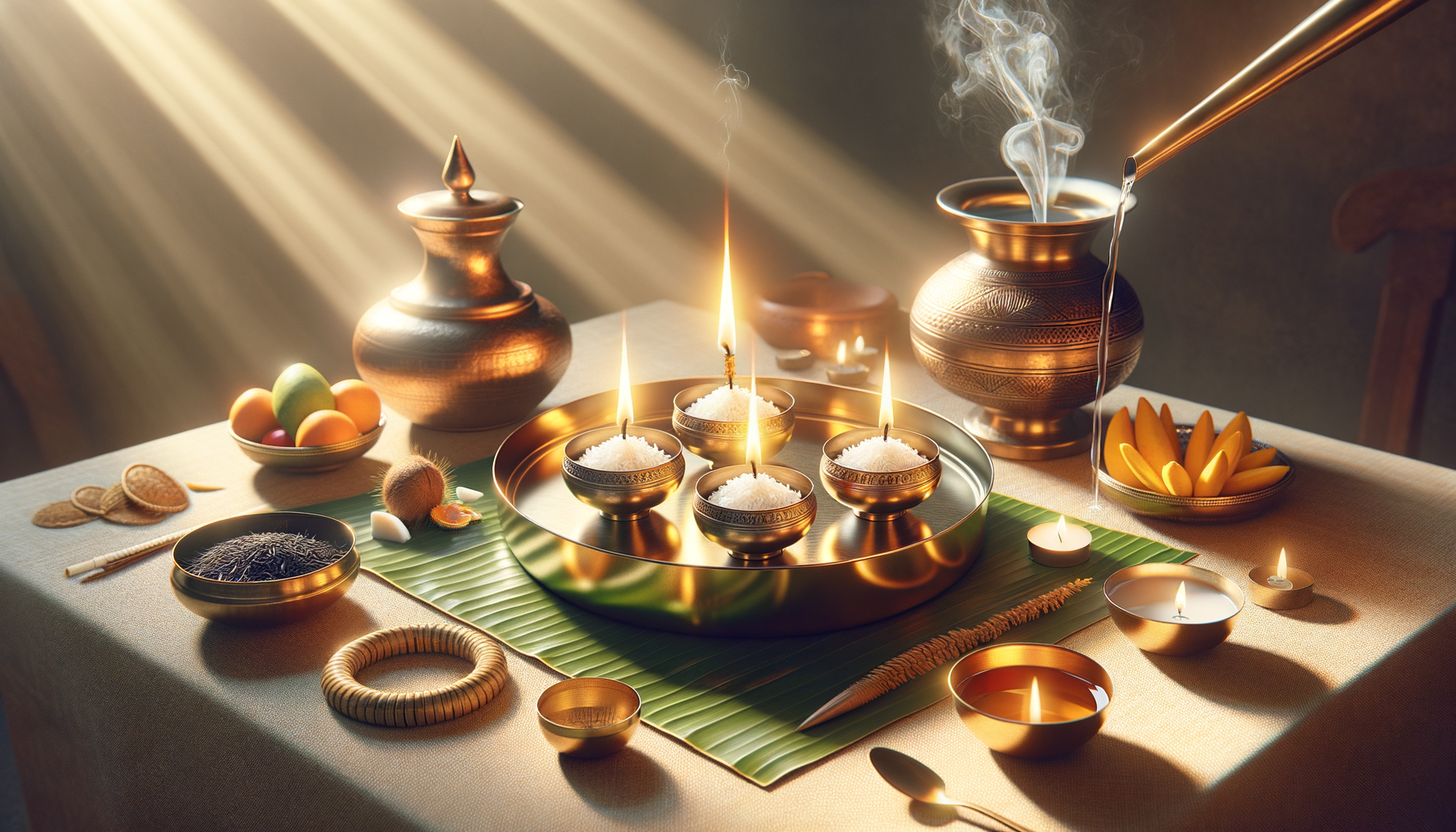
Chaturtha Visarga Shradh (Caturtha Visarga) focuses Shradh offerings on three generations of ancestors while intentionally omitting the fourth and beyond. Grounded in Dharmashastra concepts of sapinda and samanodaka, it preserves ritual precision and devotional clarity. Families commonly observe it during Pitru Paksha or on specific death anniversaries, adapting practice to regional and familial traditions. The…
-
January 10, 2026 Panchang: Exact Tithi Timings, Auspicious Windows, and Devotional Guidance

January 10, 2026 features Krishna Paksha Saptami until 11:05 AM, followed by Krishna Paksha Ashtami for the remainder of the day. This precise timing helps devotees plan puja, vrata, and family rituals with confidence. Scheduling key acts before 11:05 AM aligns with Saptami phala, while post-11:05 AM observances suit Ashtami. Shubh Muhurat depends on local…
-
Auspicious Days for Mithuna (Gemini) Rashi in 2026: Expert Guide to Make Milestones Count
This guide explains how to identify auspicious days for Mithuna (Gemini) Rashi in 2026 using a clear, Panchang-based method. It outlines the importance of the Moon’s transit through Mithuna and its Nakshatras—Mrigashirsha (3 & 4), Ardra (1–4), and Punarvasu (1–3). It highlights supportive factors such as Shukla Paksha, favorable yogas and karanas, and Mercury’s weekday.…
-
Magh Bihu 2026 in Assam: Date, Uruka Feasts and Meji Bonfires that Unite Communities
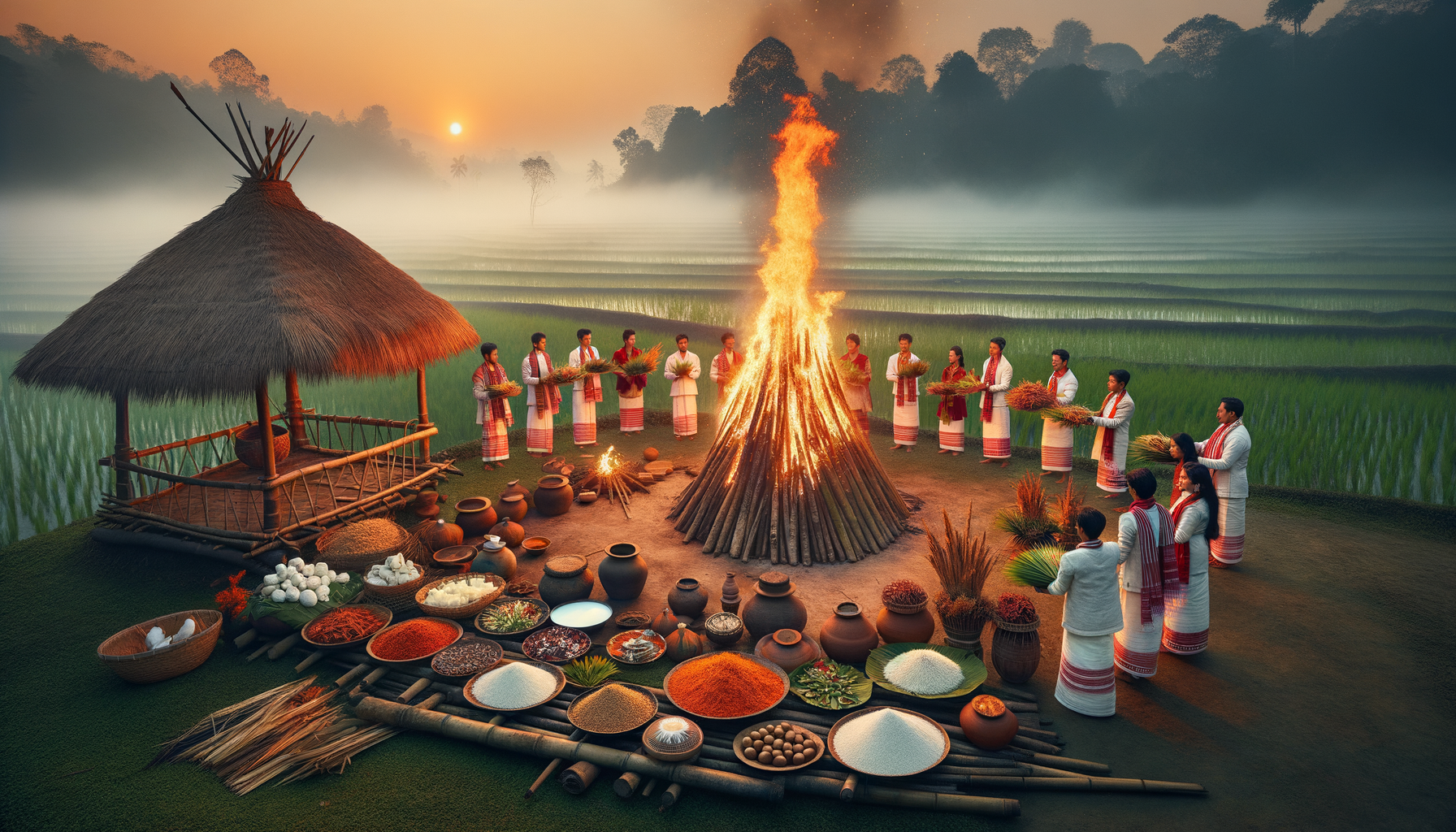
Magh Bihu (Bhogali Bihu or Maghar Domahi) in 2026 falls on January 14 and marks the close of Assam’s harvest season with Uruka feasts and Meji bonfires. Observed over several days, the festival blends agrarian rhythms with community fellowship. Key rituals include building bhelaghar, offering grains and sesame to the dawn bonfire, and sharing traditional…