-
Ajmer Court Admits Ajmer Dargah Petition: What It Means for Heritage, Law, and Interfaith Unity

An Ajmer court has admitted a petition concerning the Ajmer Sharif Dargah, triggering a formal legal examination of claims about a pre-existing Hindu temple at the site. Admission of a case is not a judgment; it begins a structured process of notices, pleadings, and evidence. The post explains what this procedural step means, what to…
-
Hinduism’s Expansive Spectrum: How Flexibility and Pluralism Empower Inner Freedom

Hinduism’s strength lies in flexibility: a civilizational habit of accommodating diverse ideas, practices, and philosophies under shared ethical principles. This pluralism is mirrored across Dharmic traditions—Buddhism, Jainism, and Sikhism—creating unity in spiritual plurality without erasing distinct identities. The concept of Ishta exemplifies personal spiritual freedom coupled with respect for others’ paths. Historically, Hinduism has evolved…
-
Beyond Money: Dharmic Wisdom for Inner Riches, Community Bonds, and Lasting Fulfillment

This essay explores how Hinduism, in harmony with Buddhism, Jainism, and Sikhism, reframes wealth as inner stability, ethical character, and community bonds. It explains artha’s role within the puruṣārthas, showing how money serves dharma and mokṣa rather than replacing them. Readers gain practical steps—seva, mindful consumption, dāna, right livelihood, and Karma Yoga—to cultivate spiritual wealth…
-
Kali Yantra Unveiled: Sacred Geometry, Bindu Power, and the Living Symbolism of Shakti

The Kali Yantra presents a precise map of sacred geometry—square, circles, lotus petals, triangles, and a central bindu—guiding attention from multiplicity to unity. The bindu functions as a powerful focal point that many practitioners experience as a gateway to calm, clarity, and compassion. Each geometric form carries layered symbolism: the bhupura stabilizes, circles harmonize, lotus…
-
Santan Gopal Stotra (संतान गोपाल स्तोत्र): Hope, Santan Prapti, and Prosperity Through Japa Vidhi

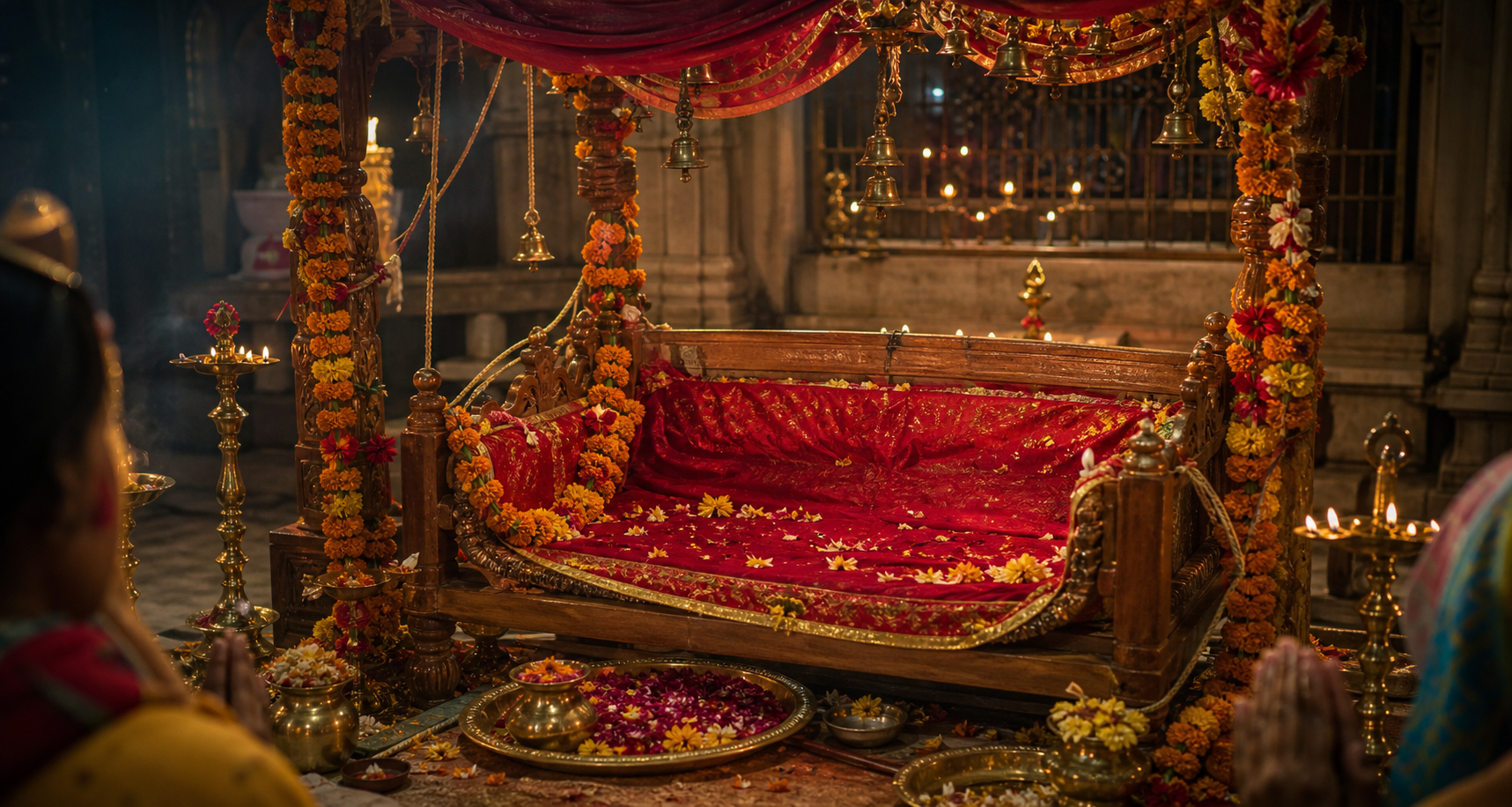
Santan Gopal Stotra (संतान गोपाल स्तोत्र) is revered for its association with santan prapti and holistic well-being through Santan Gopal Stotra Japa Vidhi. The practice centers on devotion to Shri Krishna as Gopāla, guided by faith, discipline, and a clear sankalpa. Many devotees report renewed hope, calm, and strengthened family harmony through sustained chanting. Traditions…
-
Unraveling the Mystery: Does Hanuman Ji Have Five Brothers? Evidence, Legends, Insights

This article examines the widely circulated query—“हनुमान जी के भी है पांच सगे भाई”—through a careful review of Hindu scriptures, later Puranic compilations, and regional folklore. It clarifies that standard editions of Valmiki Ramayana and Ramcharitmanas do not mention five biological brothers of Hanuman. It also explains how later or local traditions sometimes enumerate five…
-
Angaraka Loka Unveiled: Mangala’s Sacred Realm and the Red Planet in Hindu Cosmology

Angaraka, also known as Mangala and identified with the Red Planet Mars, is honored in Hindu cosmology as a graha of disciplined courage and ethical action. Legends connect him with Lord Varaha and Ma Bhudevi, or with Bhudevi through Shiva’s grace, highlighting strength anchored in compassion. Angaraka Loka is approached through Navagraha worship and vivid…
-
Khodiyar Mata Jayanti 2026: Timeless 8th‑Century Katha, Vrat Significance, and Dharmic Unity

Khodiyar Mata Jayanti (Khodiyar Maa Pragatya Din) falls on January 26, 2026, inviting focused observance through the Khodiyar Mata Vrat Katha. Rooted in 8th‑century Gujarati and Rajasthani scriptures, the Katha sustains living traditions of devotion, ethical reflection, and community solidarity. The festival draws diverse communities across Gujarat and Rajasthan into shared worship, exemplifying unity within…
-
Bhishma Tharpanam Vidhi on Bhishma Ashtami: Sacred Step-by-Step Procedure, Mantras, Slokas & Meaning

Bhishma Tharpanam on Bhishma Ashtami honors Bhishma Pitamaha—guardian of Dharma and revealer of the Vishnu Sahasranama Stotram—through a mindful sequence of preparation, sankalpa, recitation, and offerings. The Vidhi encourages beginning with Sandhya Vandana nitya karmas, followed by simple, sattvic preparations and focused devotion. Reciting “Om Namo Narayanaya” or “Om Namo Bhagavate Vasudevaya” and reading the…
-
How Kali Kalkattewali Became Kolkata’s Soul: History, Symbolism, and Sacred Identity

“Jai Kali Kalkattewali!” captures Kolkata’s enduring bond with Goddess Kali, uniting history, symbolism, and civic life. This article traces how Kalighat and Dakshineswar shaped the city’s sacred geography and how Ramakrishna and Vivekananda deepened its Shakti-centered identity. Readers learn the meaning of Kali’s iconography, the social significance of Kali Puja and Durga Puja, and the…
-
January 28, 2026 Panchang: Shukla Dashami to Ekadashi Timing, Tithi Guide & Good Time

Wednesday, January 28, 2026 features Shukla Paksha Dashami until 2:00 PM (most regions), followed by Shukla Paksha Ekadashi. This concise Panchang guide clarifies the January 28 2026 Tithi transition and encourages readers to consult local almanacs for precise Nakshatra, Rashi, and shubh muhurta. It highlights the spiritual significance of Dashami’s disciplined preparation and Ekadashi’s reflective…
-
UK School Row Over Hindu Tilak–Chandlo: Disturbing Claims Force 8-Year-Old to Transfer

An eight-year-old Hindu child in London was allegedly compelled to leave Vicar’s Green Primary School for wearing a Tilak–Chandlo, a sacred Hindu mark. According to Insight UK, staff questioned the child’s faith, closely monitored him, and removed responsibilities despite parental explanations of its religious significance. The group also claims similar issues for at least four…
-
Lucknow University Conference on Hindutva Calls for Teaching Hindu Texts to Enrich Curriculum

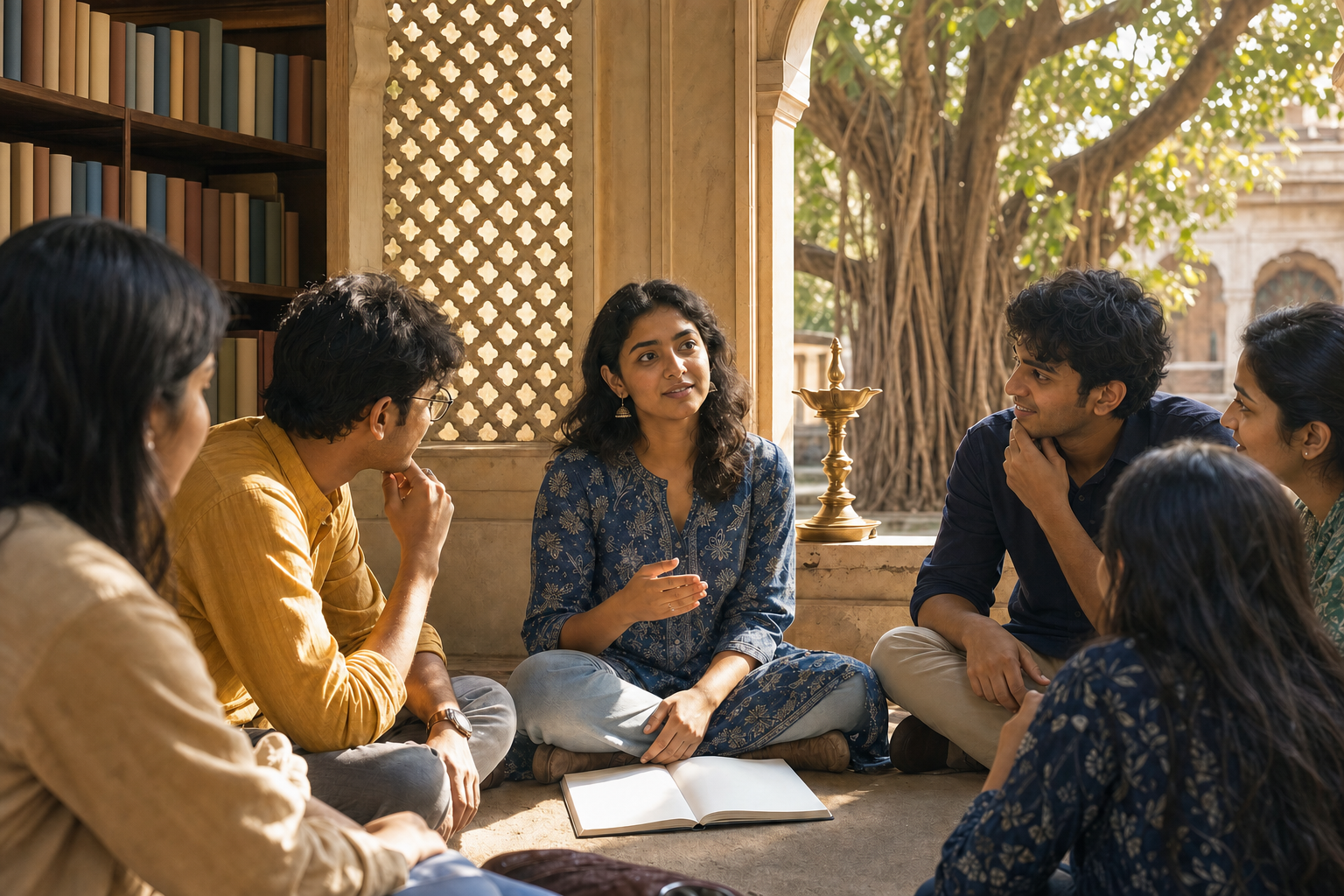
A national conference at Lucknow University on 20 January 2026 explored how the study of Hindu texts can be academically integrated into university curricula. Framed as civilizational inquiry rather than partisanship, the dialogue emphasized comparative study across Hinduism, Buddhism, Jainism, and Sikhism. Proposed pathways included electives, reading seminars, philological methods, and interdisciplinary courses that connect…
-
Shaheedi Asthan of Baba Banda Singh Bahadur: A Moving Tribute to Courage and Dharma
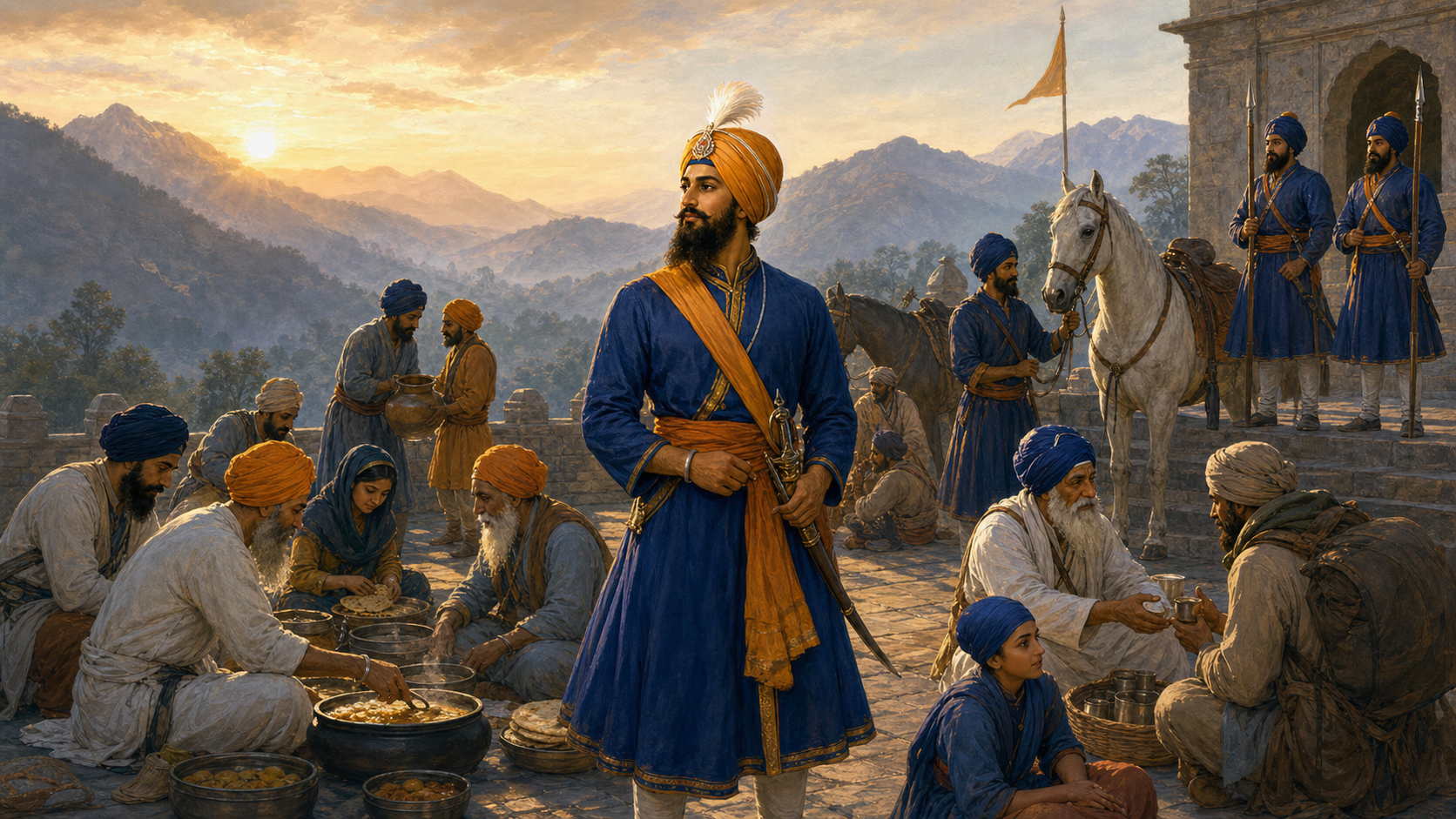
The Shaheedi Asthan of Baba Banda Singh Bahadur offers a powerful encounter with Indian history and Sikh heritage. It commemorates a principled leader whose life exemplified dharma, courage, and service. The memorial contextualizes Mughal–Sikh interactions while honoring Indian martyrs. Visitors experience a contemplative environment shaped by shabad kirtan, ardas, and living heritage. The site models…
-
A Quiet Spark of Hope: Finding Joy and Compassion in Caregiving, Disability, and Daily Life

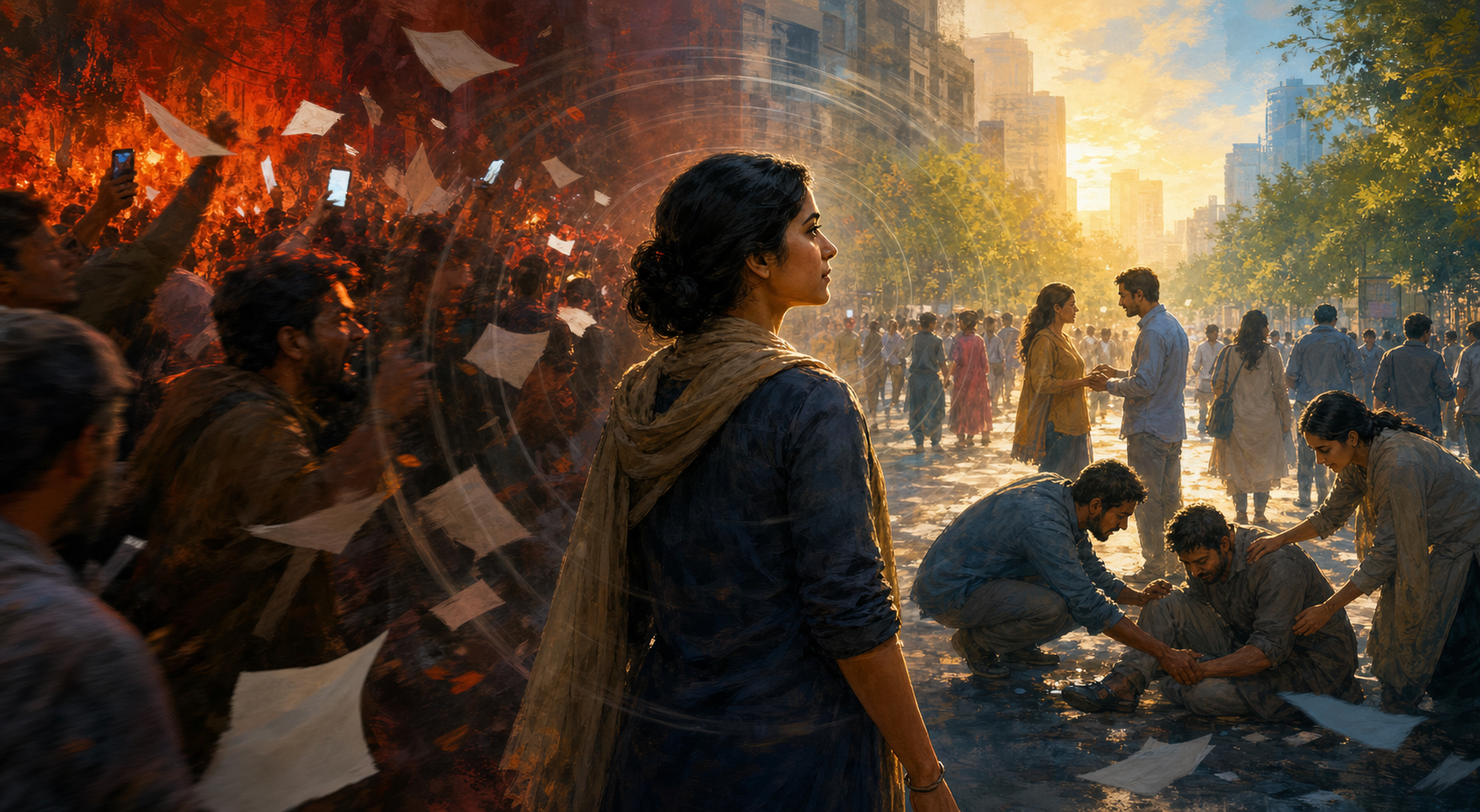
When daily life feels joyless and the future narrows, a single authentic moment can reframe everything. This reflection traces how progressive vision loss, caregiving, and financial strain made joy seem unreachable—until a shared laugh revealed that hope persists as brief, quiet sparks. By viewing public anger as a symptom of unprocessed pain rather than a…
-
Understanding Karma’s Three Natures in Hinduism: Good, Mixed, and Dark for Ethical Living

Karma in Hindu philosophy links intention, action, and consequence, shaping ethical character and spiritual progress. A clear triad—śukla (good), śukla–kṛṣṇa (mixed), and kṛṣṇa (dark)—explains why motives matter as much as deeds. Drawing on the Yoga Sūtra (4.7) and the Bhagavad Gita, this guide shows how Karma Yoga and mindful discernment reduce mixed motives and prevent…
-
Sacred Yet Transient: How Hindu Philosophy Illuminates the Soul’s Journey and the Body’s Role

Hindu philosophy presents the body as a sacred yet impermanent vessel for the eternal Atman, a view memorably expressed in Bhagavad Gita 2:22. Understanding this distinction encourages reverence for embodied life while cultivating non-attachment. The model of sthula, sukshma, and Karana Sharira explains experience across physical, mental, and karmic layers, clarifying why ethical action matters.…
-
Karanda Mukuta: The Basket-Shaped Crown of Divine Authority, Grace, and Unity

The Karanda Mukuta (karaṇḍa-mukuṭa) is a basket-shaped, tiered crown central to Hindu iconography and visible across dharmic arts. Its conical tiers and auspicious finial symbolize divine authority blended with nurturing abundance and spiritual ascent. Commonly adorning goddesses like Lakshmi and Parvati, and appearing in select regional depictions of Vishnu and Skanda, it also has parallels…
-
Garudasana in Temple Iconography: Awe-Inspiring Symbolism of Garuda Bearing Bhagavan Vishnu

Garudasana, the temple iconographic posture of Garuda bearing Bhagavan Vishnu, is a visual theology of devotion and service. Rooted in Puranic narratives and guided by Agama shastras, it communicates humility, vigilance, and courage through codified mudras and stances. The wings, anjali mudra, and poised form collectively symbolize strength offered in service to dharma. Temple features…