
-
Surpanakha in Kerala Folklore: A Gripping Tale of Love, Betrayal, and Sacred Justice
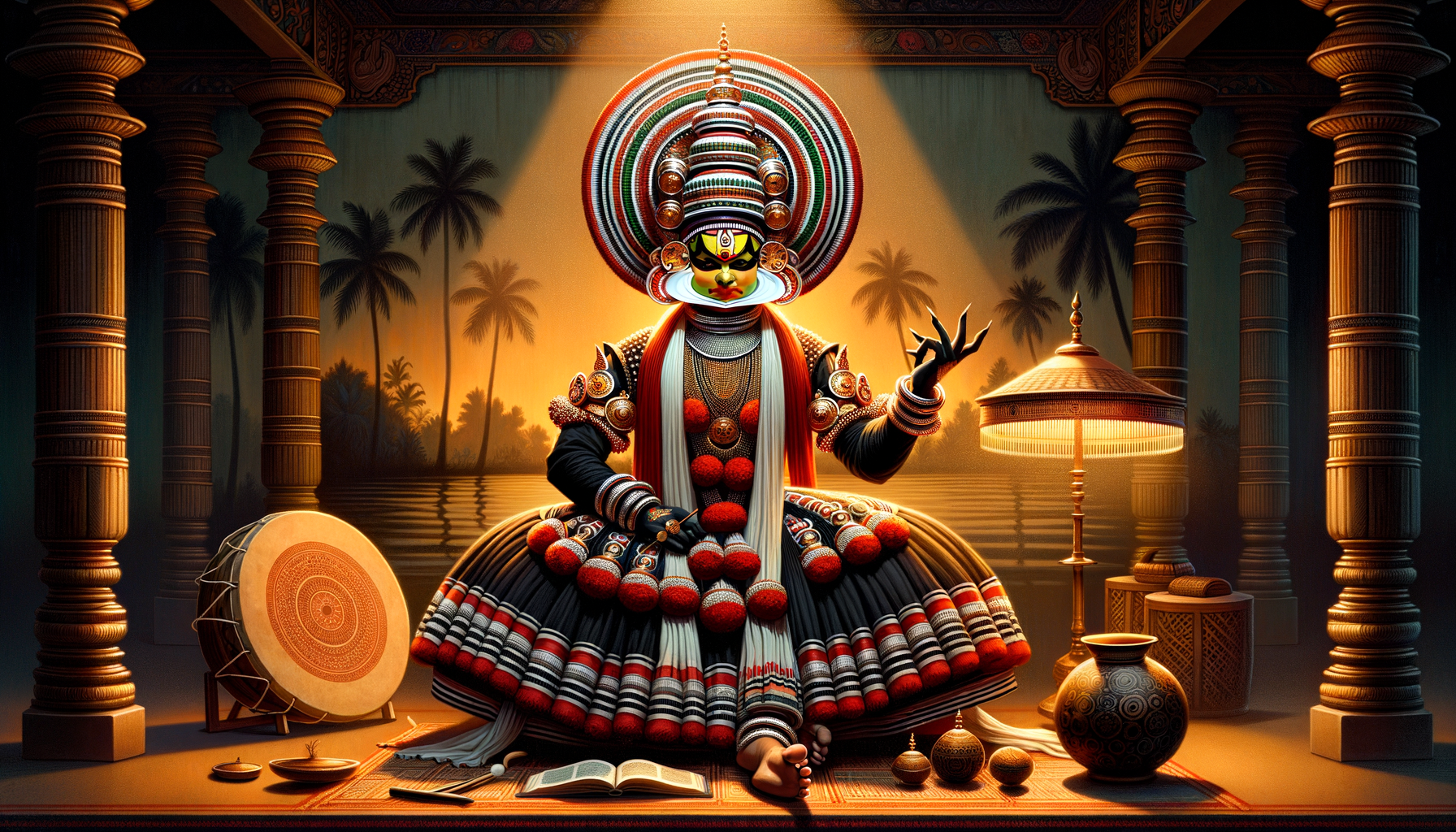
This article explores a compelling Kerala folktale in which Surpanakha is depicted as killing her husband, highlighting how regional Ramayana variants deepen ethical reflection. It situates Surpanakha within the sacred lineage of Pulastya, Vishrava, and Ravana while examining how Kerala’s oral tradition reframes her agency and motives. The discussion analyzes themes of raudra rasa and…
-
5 Telltale Signs You Were Raised by Emotionally Immature Parents—and How to Heal

Many adults carry anxiety, low self-esteem, and codependent patterns without realizing they began in childhood with emotionally immature parents. This article outlines five research-aligned signs—parentification, unsafe emotional expression, lack of repair, poor emotion regulation, and premature “growing up”—and explains how they shape adult relationships. It reframes self-blame as a predictable response to intergenerational trauma, not…
-
Ishvara in Advaita Vedanta: Unveiling the Compassionate Face of Non-Dual Reality

Advaita Vedanta explains Ishvara as Brahman perceived through Maya, reconciling devotion to a personal deity with the non-dual insight of Nirguna Brahman. This two-level approach—ultimate and empirical—anchors ethical life, ritual, and meditation without sacrificing philosophical rigor. Many practitioners find that devotion to Ishvara offers emotional solace and moral orientation, while inquiry reveals the one Reality.…
-
Divine Economics Unveiled: Why Lakshmi Chooses Vishnu—Eternal Wealth, Preservation, Dharma

The union of Lakshmi and Vishnu is a precise ethical model in Hindu philosophy: prosperity endures only when guided by preservation. Scriptural narratives like Samudra Manthan show wealth choosing the preserver, while the Bhagavad Gita illuminates how stewardship sustains social balance. The insight translates into daily life—families, businesses, and communities flourish when accountability, restraint, and…
-
‘Three Crore Gods’? A Scholarly, Respectful Reply Clarifying Hinduism’s Unity-in-Diversity

This article addresses the familiar question, “How many gods do Hindus believe in? Are there three crore?” with a calm, scholarly explanation. It clarifies that Hinduism centers on one ultimate reality (Brahman), while allowing many names and forms as legitimate approaches. The Ishta-devata principle explains personal choice in devotion, grounded in unity rather than fragmentation.…
-
Ishvara Krishna and the Sankhya Karika: A Timeless Beacon of Dharmic Wisdom

Ishvara Krishna’s Sāṅkhya Karika is among the earliest and most influential works in classical Indian philosophy, presenting Sāṅkhya with brevity and rigor. Through seventy-two kārikās, it clarifies Purusha–Prakriti, the twenty-five tattvas, and pramāṇa, guiding readers toward kaivalya. Its commentary tradition, including the Yuktidīpikā and Tattvakaumudī, shows its lasting scholarly impact. The Karika’s analytic method resonates…
-
SB 10.87.03 Unveiled by HH Bhakti Anugraha Janardan Swami: Paramparā and Inner Freedom
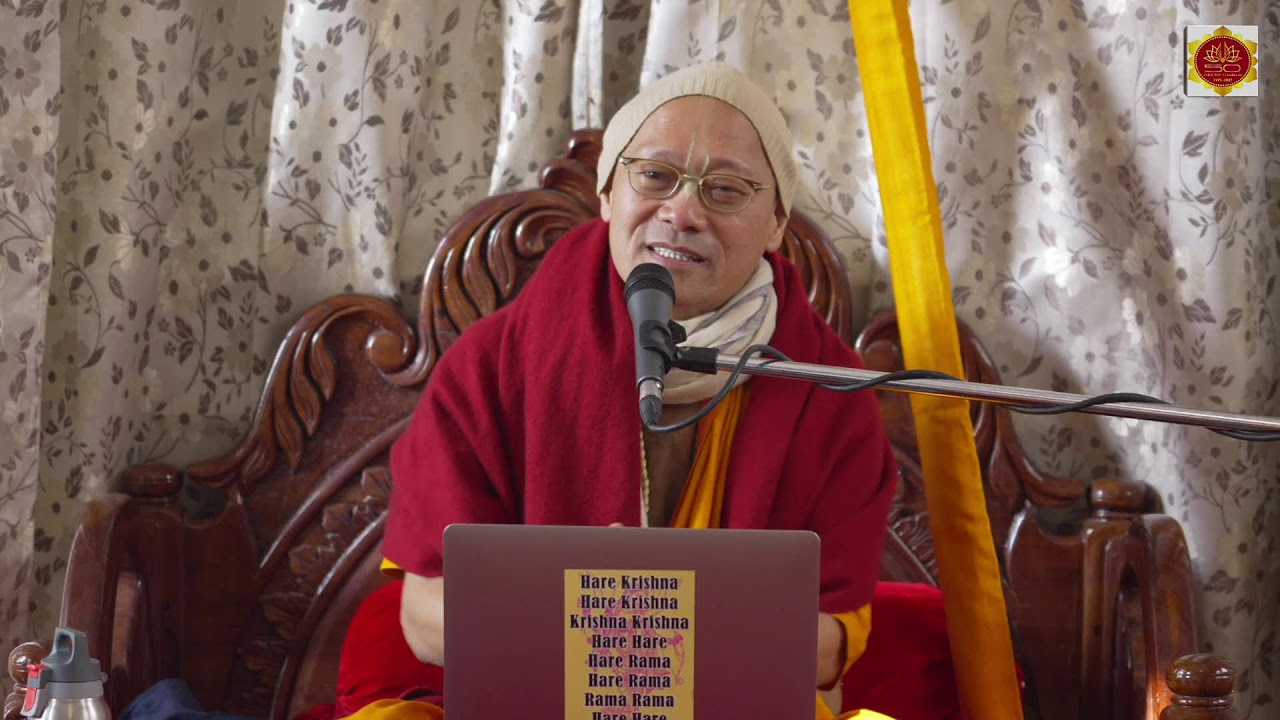
This reflection on Srimad-Bhagavatam 10.87.03, presented at ISKCON Vrindavan on 03.12.2025 by HH Bhakti Anugraha Janardan Swami, explains why knowledge of the Absolute Truth is trustworthy when received through authentic paramparā. It encourages disciplined reverence over fruitive ritualism and unanchored speculation, guiding practitioners to relinquish upādhis—false designations—and cultivate inner freedom. The analysis situates the teaching…
-
Durvasa and Ambarisha: Perils of Offending Devotees and the Restorative Power of Bhakti
Sri Sukadeva Goswami’s narration of Durvasa Muni and King Ambarisha (SB 9) demonstrates how offending devotees imperils spiritual progress, while humility and devotion offer a reliable remedy. The story’s turning point—Durvasa glorifying Ambarisha and seeking permission before traveling to Brahmaloka—exemplifies how bhakti resolves conflict and restores harmony. The text advances an ethic of respect for…
-
Hindutva as Bharat’s Soul: Hosabale Calls Ethical Anti-Conversion Safeguards for Unity
RSS General Secretary Dattatreya Hosabale emphasized that “Hindutva is the soul of Bharat” and urged ethical anti-conversion safeguards in Indore on December 1, 2025. The stance underscores a civilizational ethos that includes Hinduism, Buddhism, Jainism, and Sikhism, advocating unity through respect for diverse spiritual paths. An academic reading of the proposal points to laws that…
-
RSS-BJP Lucknow Convention Signals Push to Elevate Yogi Adityanath Before 2027 UP Polls

A major Hindu convention planned by RSS and BJP in Lucknow is widely viewed as a strategic move to elevate Yogi Adityanath before the 2027 Uttar Pradesh elections. The gathering is expected to consolidate Hindutva Politics messaging, mobilize cadres, and present a unified narrative on governance and culture. Framed through a dharmic unity lens, it…
-
Beyond Religious Rigidity: Dharmic Paths Realize the Divine Through Personal Freedom

This article examines how Hinduism, Buddhism, Jainism, and Sikhism converge on a core principle: authentic divine realization emerges through personal freedom rather than religious rigidity. Drawing on the Upanishads, the Bhagavad Gita, Ishta philosophy, Anekantavada, and Sikh devotion to Naam, it shows how discipline functions as a tool for liberation, not coercion. The discussion clarifies…
-
Dashavatara Decoded: Ancient India’s Hidden Scientific Genius and Dharmic Unity
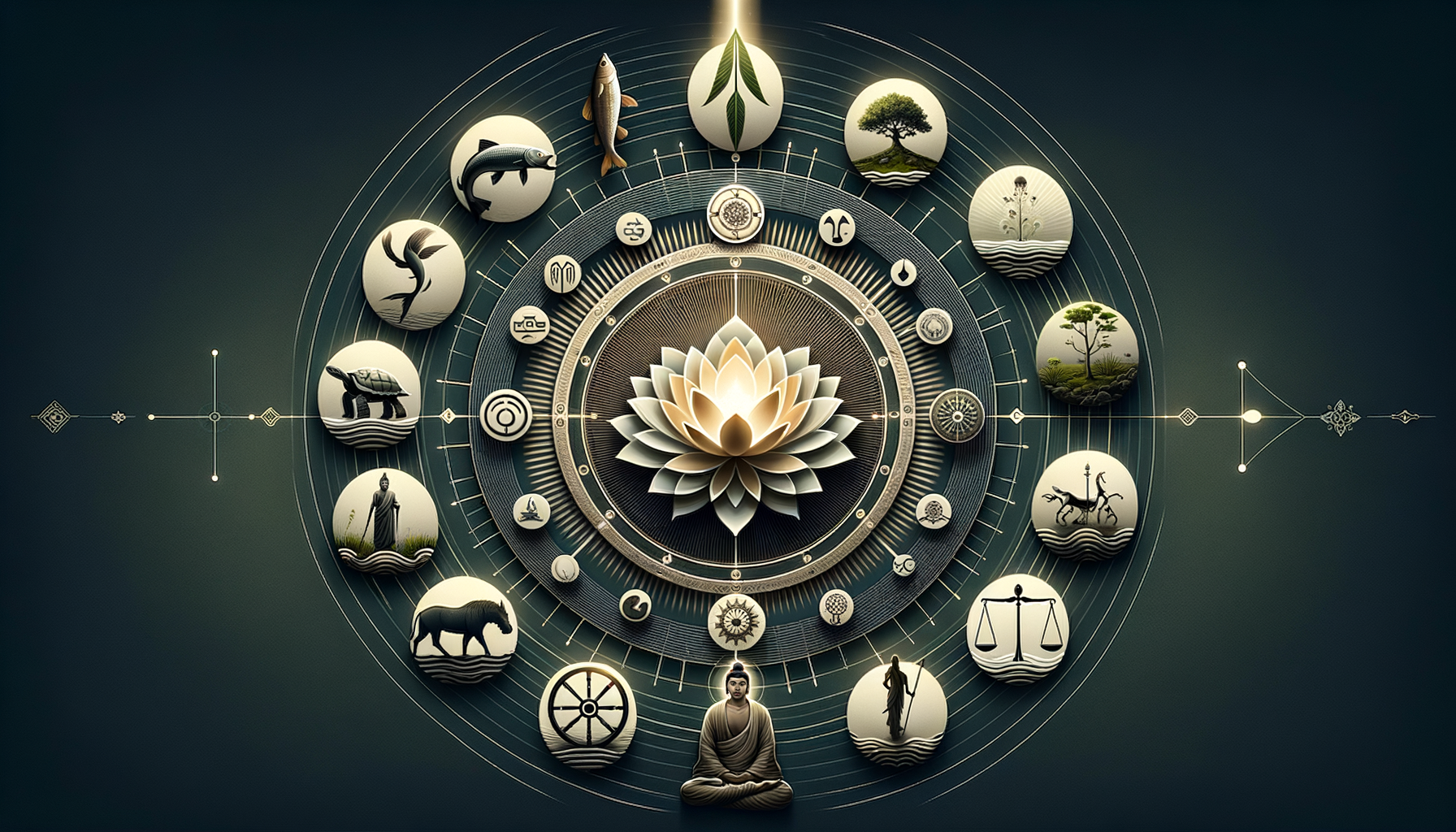
The Dashavatara offers a sophisticated, non-sectarian framework for thinking about evolution, consciousness, and cosmic order in a way that resonates across Hinduism, Buddhism, Jainism, and Sikhism. Interpreted academically, the avatars serve as pedagogical metaphors for ecological insight, ethical formation, and inner refinement. This approach avoids anachronism while honoring ancient India’s scientific wisdom expressed through symbols.…
-
Pepper-Spray Attack on Indian Family at San Antonio River Walk Shocks Tourists

An alarming pepper-spray attack during a San Antonio River Walk boat ride left at least eight passengers—among them an Indian family with a toddler—seeking help for exposure-related symptoms. Witnesses report the assailant fled after discharging the spray, and the family has filed a complaint. Viral videos allege the suspect later said on TikTok she was…
-
December 10, 2025 Panchang: Krishna Paksha Sashti to Saptami, Auspicious Timings & Insights

December 10, 2025 features Krishna Paksha Sashti until 7:10 PM local time, followed by Krishna Paksha Saptami. This Panchang overview explains how the waning phase supports steady discipline, reflection, and meaningful action. Readers gain practical guidance on aligning activities with Sashti and Saptami while preserving accuracy through local Panchang verification. The note on Nakshatra and…
-
Complaint over Simhastha Kumbh Mela Remarks Spurs Calls for Respect, Harmony, and Due Process
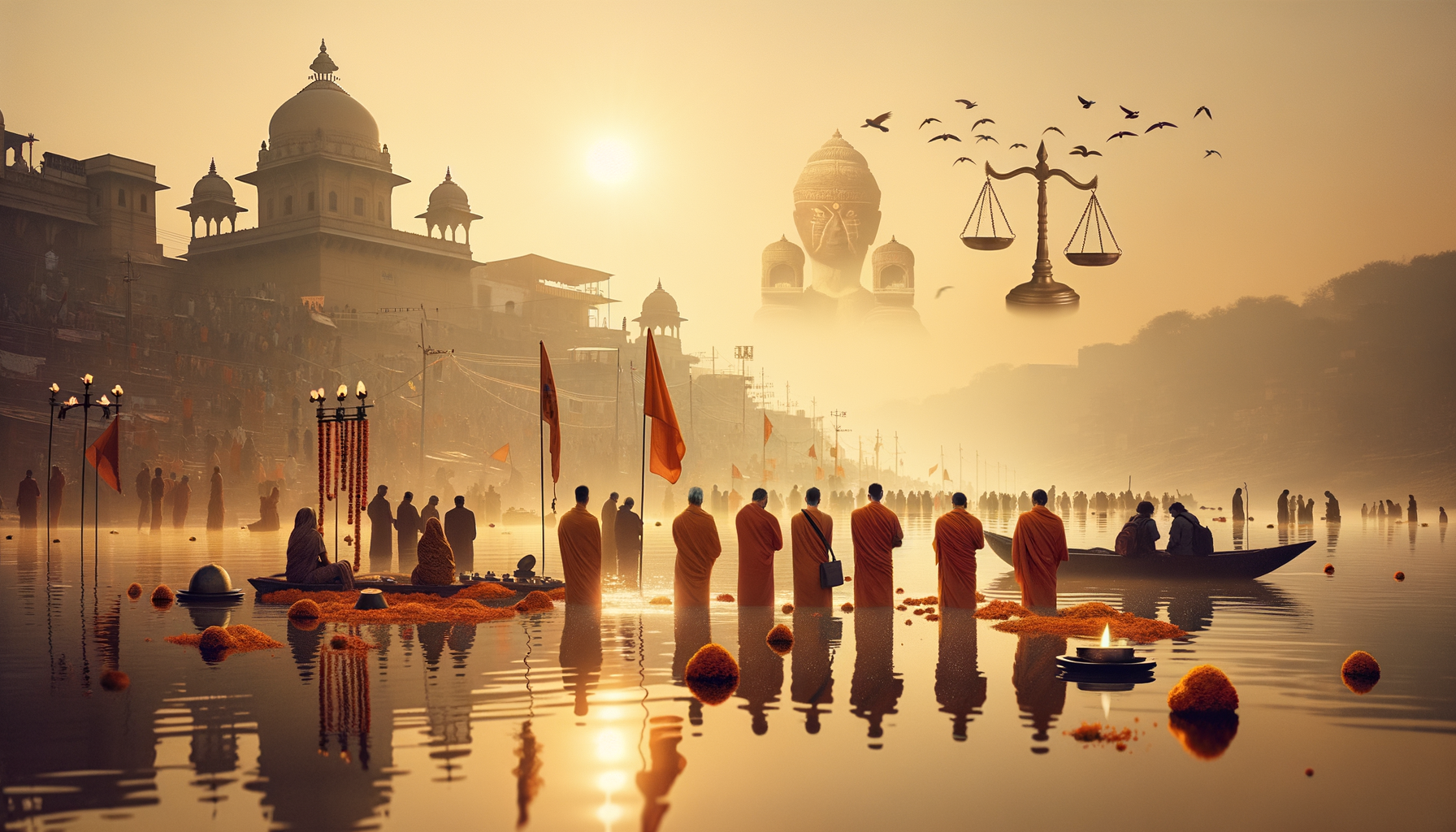
Activists have filed a complaint against journalist Niranjan Takle for alleged derogatory comments about Saints and Sadhus at the Simhastha Kumbh Mela. The case highlights the need for respectful discourse around sacred traditions and those who serve within them. It underscores how freedom of expression and freedom of worship must be balanced to protect pluralism.…
-
Work Is Not Family: How Workplace Trauma Redefined Boundaries, Healing, and Self‑Trust

This essay analyzes workplace trauma through an academic, trauma-informed lens while tracing a real-world journey from institutional betrayal to sustained healing. It explains how neuroception and somatic responses signal danger long before the mind recognizes abuse, and why toxic work culture often hides behind family metaphors. It clarifies the employment contract, HR’s risk-management role, and…
-
Unlocking Kundalini: The Mad Sadhu on Purusha–Prakriti, Nirvikalpa, and Praṇava
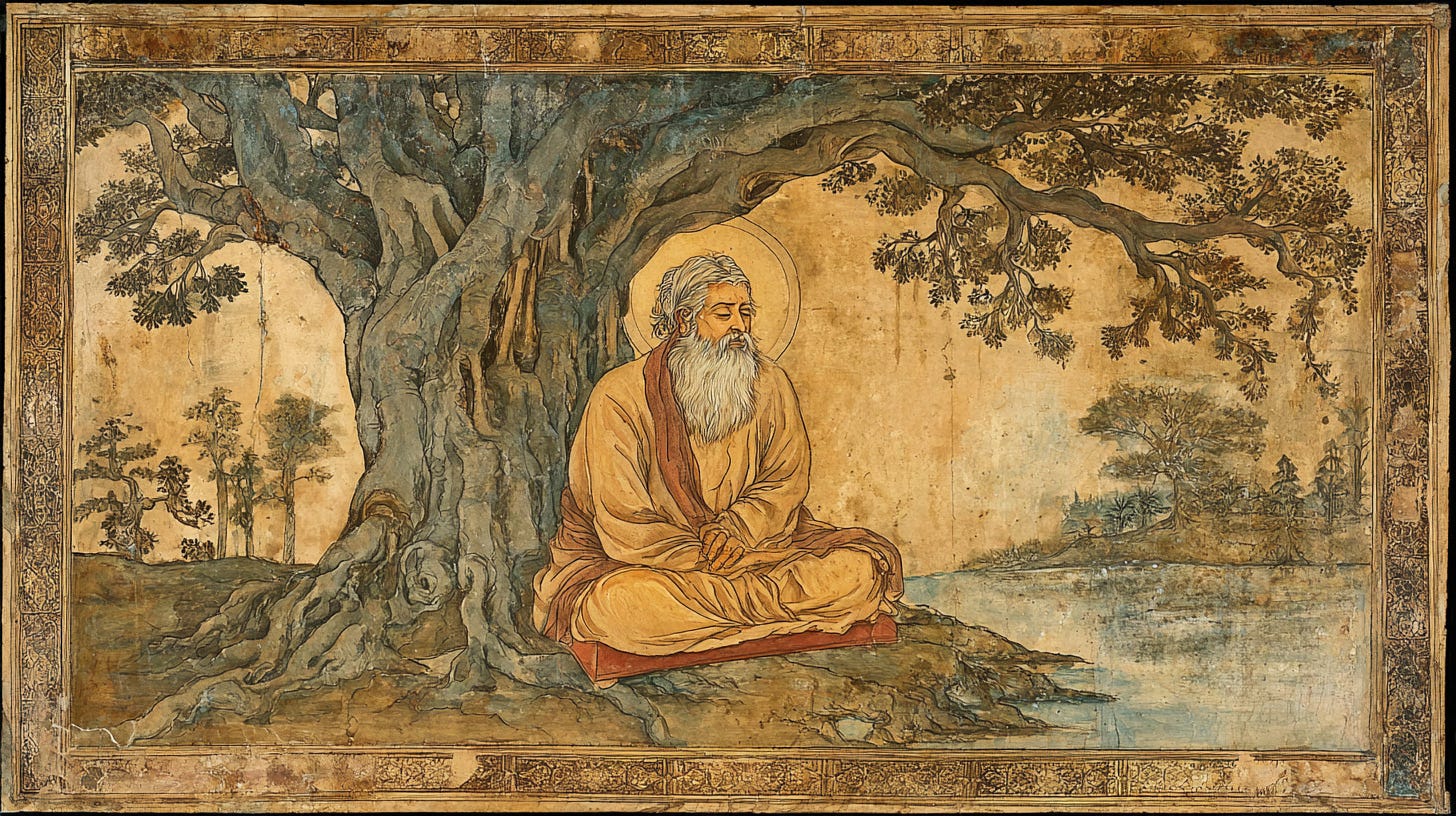
This rigorous retelling of Babaji’s discourse on Kundalini Yoga clarifies how the mind’s restraint (nirodha) opens into laya and nirvikalpa samādhi, where stillness reflects Purusha and activity reflects Prakriti. It explains how icchā-śakti awakens near nirvikalpa, refining desire into a unitive will aligned with pure consciousness. The analysis of bhāva-ākāśa shows how feeling unfolds as…
-
Ishtapurta Unveiled: Powerful Harmony of Vedic Offerings and Social Charity in Hinduism

Ishtapurta (Ishta Purta) unites two essential dimensions of Hindu practice: Vedic offerings (Ishta) and charitable works for public welfare (Purta). This balanced ideal frames spiritual merit (punya) as the fruit of aligning ritual discipline with social responsibility. In lived tradition, devotees often integrate pūjā and mantra with seva, philanthropy, and ecological care, experiencing a felt…
-
When Honor Is Misplaced: Skanda Purana’s Warning—Fear, Famine, and Death Follow
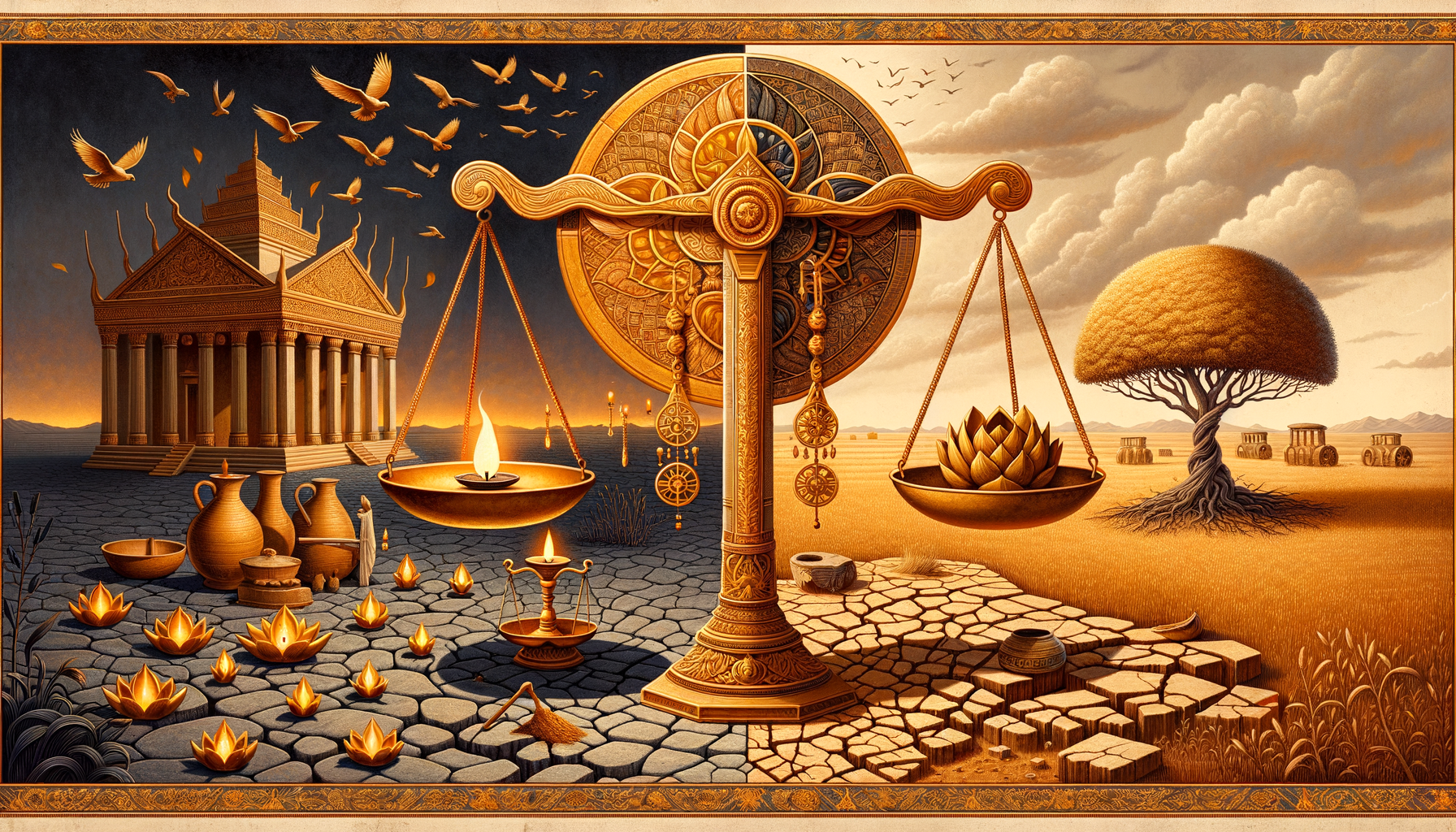
Skanda Purana, Kedara Khanda (3.45), links misplaced honor to societal breakdown symbolized as fear, famine, and death. The teaching, conveyed through Lord Vishnu, gains clarity when read alongside the narrative of Daksha’s transgression and the disruption of ritual order. Interpreted as a diagnostic model of dharma and adharma, it explains how fear rises when moral…
-
Krishnakali: Bengal’s Enchanting Fusion of Sri Krishna and Goddess Kali, Devotion and Unity
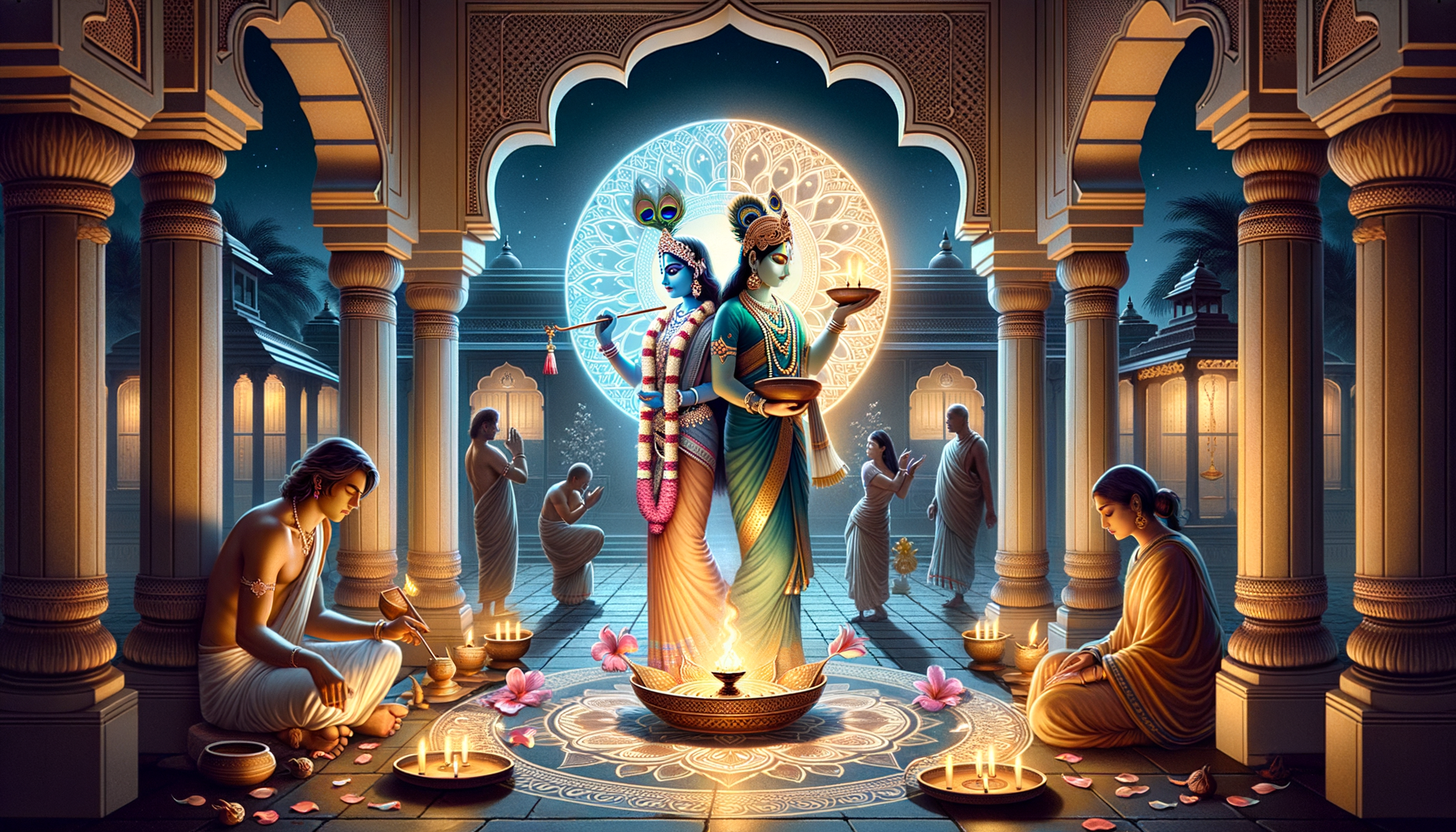
Krishnakali, cherished in Bengal, unites Sri Krishna’s compassionate play with Goddess Kali’s protective power in a single devotional vision. Rooted in bhakti traditions linked to Radharani, it demonstrates Hinduism’s pluralism and the Ishta principle—honoring personal freedom in worship. The folkloric episode, featuring Jatila, Kutila, and Ayan, highlights how divine wisdom reconciles social tension without conflict.…