
-
Living Sikhi with Grace: How Gurbani Shapes Daily Lifestyle, Service, and Unity

Gurbani offers a clear, practical orientation for living Sikhi with integrity and compassion. Through simran, remembrance of Naam, and alignment with hukam, daily life gains steadiness and clarity. Principles such as kirat karo, vand chhako, and seva translate spiritual insight into ethical work, sharing, and service. This approach nurtures inner peace through meditation and breath…
-
Quieting Food Noise: Evidence-Based Steps to End Mental Chatter and Rebuild Self-Trust

Persistent food noise—intrusive thoughts about eating—often reflects learned stress responses rather than true hunger. This analysis distinguishes physiological hunger from psychological cravings and outlines practical methods to interrupt the habit loop. Evidence-based steps include labeling thoughts, inserting a brief pause, using cognitive refutation to challenge distortions, and practicing self-compassion to prevent all-or-nothing spirals. Over time,…
-
Modern Screens Numb the Sacred Tongue: Dharmic Wisdom to Reclaim Mindful Eating Today
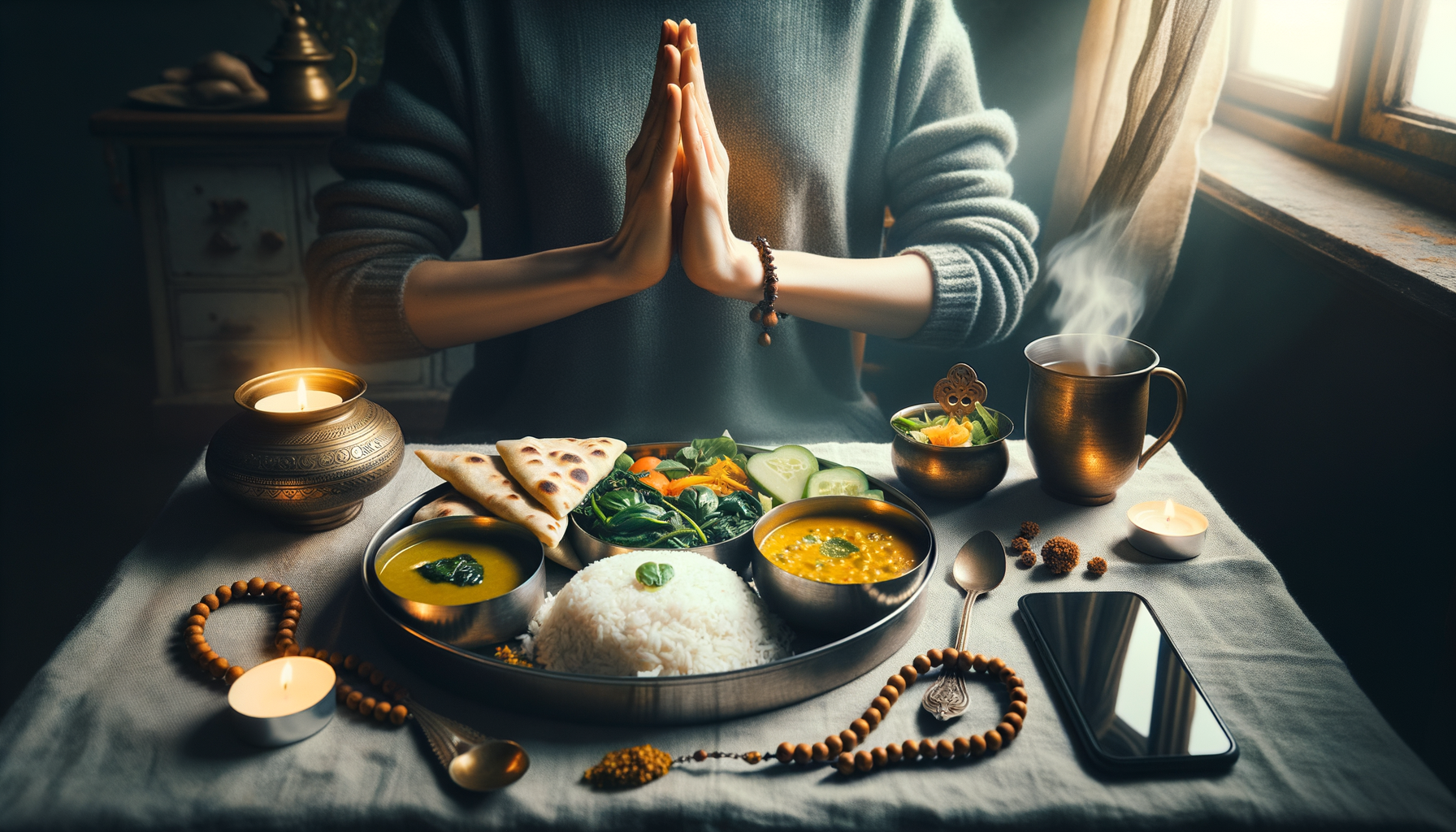
Meals in the digital age often unfold under the glow of screens, numbing the tongue and dulling awareness. Dharmic traditions—Hinduism, Buddhism, Jainism, and Sikhism—offer a unifying path to reclaim mindful eating as a sacred practice. Ayurveda illuminates the effects of sattvic, rajasic, and tamasic foods, while Yoga’s pratyahara redirects attention from devices to the plate.…
-
Sacred Water Circles at Mealtime: The Hindu Ritual Uniting Mindfulness, Ahimsa, and Ecology

Sprinkling water around food in Hindu households consecrates the meal, creating a mindful boundary that elevates eating into a sacred practice. The ritual blends spiritual symbolism with practical wisdom, reinforcing cleanliness, gratitude, and ecological responsibility. It often includes mantras such as Brahmārpaṇaṃ and prāṇa invocations, centering nourishment around prāṇa and dharma. Across dharmic traditions, similar…
-
Historic Revival in Kashi: 19-year-old Vedic scholar completes 50-day Dandakrama Parayana

A 19-year-old Vedic scholar, Shri. Devavrat Mahesh Rekhe, has completed a 50-day Dandakrama Parayana in Kashi, reviving a rare Vedic tradition after nearly two centuries. The accomplishment showcases exemplary svādhyāya, discipline, and mastery of Sanskrit recitation. Held in Varanasi, it reinforces the city’s status as a living center of Vedic traditions and temple culture. The…
-
Mapusa’s Shri Bodgeshwar Jatrotsav: Protecting Tradition, Local Livelihoods, and Dharmic Unity

Community groups in Mapusa have urged that stall operations at Shri Bodgeshwar Jatrotsav prioritise local families, citing tradition, livelihoods, and security. This article presents a constructive, unity-focused approach that honours cultural heritage while welcoming respectful participation from Hindu, Buddhist, Jain, and Sikh communities. It outlines non-discriminatory security protocols, transparent stall-allotment processes, and clear merchandising guidelines…
-
Annapurna Jayanti 2025: Date, Powerful Mantra, Vrat Guide, Significance and Sacred Symbolism
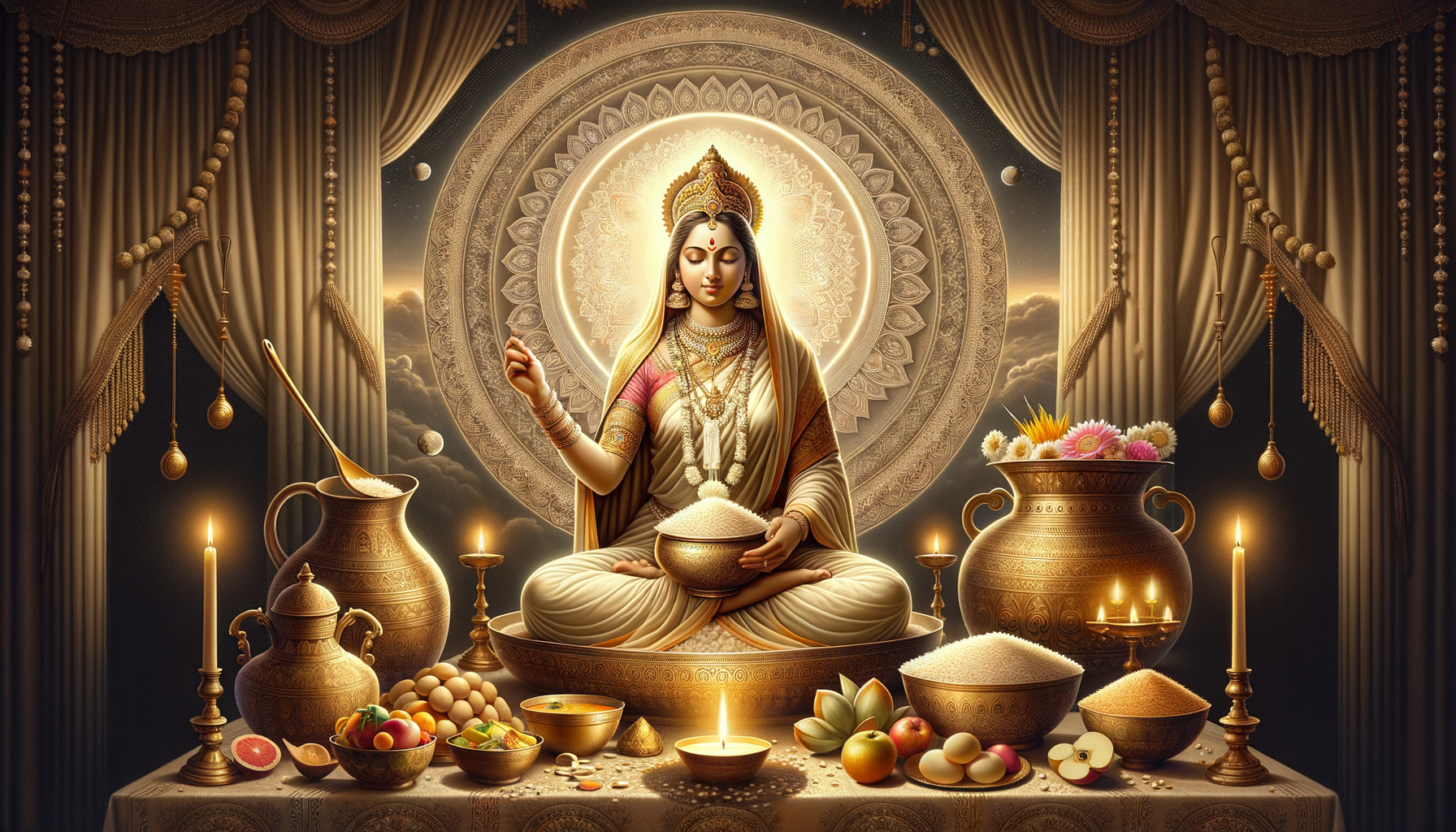
Annapurna Jayanti 2025 falls on December 4, coinciding with Margashirsha Purnima in the Hindu calendar. The festival venerates Goddess Annapurna, celebrating the sacredness of food, gratitude, and community care. Devotees observe Annapurna Vrat, offer naivedya, and prioritize annadanam, affirming compassion through the act of feeding. The mantra ह्रीं अन्नपूर्णायै नम:॥ is chanted to invoke abundance…
-
Aruna’s Incomplete Form: Hindu Symbolism of Patience and Dharma in Surya’s Charioteer

Aruna, the charioteer of Surya, is portrayed with an incomplete lower body to convey a precise ethical message: impatience deforms outcomes, while patience enables wholeness. Rooted in Ancient Hindu Texts and the Mahabharata, the narrative of Vinata’s premature act and Aruna’s emergence becomes a timeless lesson in timing, restraint, and service. As the personification of…
-
Vishnu and Lakshmi in Dreams: Decode Sacred Signs, Find Peace, and Invite Prosperity

Dreams of Vishnu and Lakshmi are treated in Hindu tradition as sacred messages that connect the subconscious with the divine. This guide explains common symbols—like Vishnu’s Sudarshana Chakra or Lakshmi’s lotus—and how they relate to protection, balance, and sattvic prosperity. It offers practical steps for integration, including journaling, mantra, meditation, and compassionate action. The approach…
-
Jagannatha Dasa’s Early Genius: From Byagavatte Prodigy to Dwaita Philosophy Luminary

Jagannatha Dasa—born Srinivasacharya in Byagavatte, Raichur—showed exceptional talent for Sanskrit poetry from a young age, signaling a disciplined mind tuned to learning and devotion. His early engagement with the Dwaita philosophy of Madhvacharya combined rigorous thought with heartfelt bhakti, laying the foundation for his later influence as a revered figure in the Bhakti Tradition. Rooted…
-
Sacred Oneness in Marriage: Dharmic Principles for Fidelity, Compassion, and Lasting Harmony

Across Hinduism, Buddhism, Jainism, and Sikhism, marriage is framed as a sacred partnership grounded in shared purpose rather than the loss of individuality. Oneness signifies alignment in serving the Divine, upholding dharma, and sustaining family values. Mutual protection, humility, and faithfulness become daily practices that build trust and resilience. Practical disciplines—such as meditation, mindful dialogue,…
-
Vaishnava Compassion: Ending Criticism and Centering Ahimsa in Krsna Conscious Practice
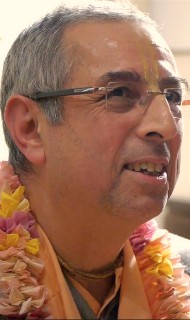
Vaisnava compassion is presented as a practical ethic grounded in The Nectar of Devotion’s injunction to avoid giving unnecessary trouble to any living entity. The daily recitation “vancha-kalpatarubhyas ca… vaisnavebhyo namo namah” reinforces an ideal of care for all beings. The analysis explains why criticism disturbs both its target and its audience, echoing Srila Prabhupada’s…
-
Compassion with Purpose: Dharmic Wisdom on Krsna Consciousness Beyond Material Aid
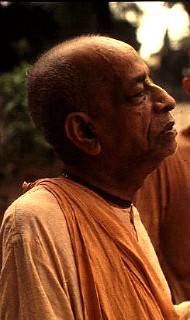
Compassion is most powerful when guided by spiritual intelligence. Drawing on the insight associated with His Divine Grace A.C.B. Swami Prabhupada, this piece explains why care centered solely on bodily comfort is limited, while compassion that elevates consciousness brings enduring relief. It unifies Hindu, Buddhist, Jain, and Sikh perspectives, showing how practices like dhyana, japa,…
-
Tirupparankundram Temple Row: Prohibitory Orders After Clashes, Appeals for Peace and Unity

Prohibitory orders were imposed in parts of Madurai after reported clashes between Hindu activists and police near the Tirupparankundram Temple. Authorities emphasized the measures are preventive and temporary, aimed at protecting devotees, residents, and public property. Devotees can expect regulated entry to worship areas where permitted, along with traffic diversions and heightened police presence. Community…
-
Why Indiscriminate Advice Backfires: Viveka, Anekantavada, and Dharmic Wisdom

The maxim “Indiscriminate advice often backfires” is clarified through Hindu philosophy’s viveka (discernment) and adhikāri-bheda (readiness). Foundational texts such as the Bhagavad Gita, the Upanishads, Vidura-niti, Panchatantra, and Hitopadesha affirm that counsel should be tailored to the person, time, and circumstance. A cross-dharmic view—drawing on Buddhism’s upaya, Jainism’s Anekantavada, and Sikh traditions—promotes plural-sensitive guidance rather…
-
Awaken Beyond Survival: Hindu Dharma on Human Nature, Karma, and Cosmic Responsibility
Human life clearly exceeds mere survival, and dharmic traditions explain why. Hinduism, Buddhism, Jainism, and Sikhism converge on a shared ethic of self-awareness, non-violence, service, and responsibility. Hindu teachings frame purpose through the puruṣārthas, guiding artha and kāma with dharma toward mokṣa. The Bhagavad-Gita and the Upanishads show how karma, guided by clarity and detachment,…
-
Goddess Parvati’s Transformation into Shakti: From Himalayan Maiden to Universal Mother

This article presents an academic yet accessible account of Goddess Parvati’s transformation from a Himalayan princess into Shakti, the Universal Mother. It traces her origins as Shailaputri, examines her disciplined tapas as Brahmācharini, and explains how her union with Shiva symbolizes cosmic balance. Readers gain a clear understanding of how devotion, self-mastery, and ethical living…
-
December 11, 2025 Panchang: Saptami to Ashtami Timings, Auspicious Guidance, Nakshatra & Rashi with Practical Tips
December 11, 2025 features Krishna Paksha Saptami in most regions until 6:48 PM (local time), after which Krishna Paksha Ashtami begins. Aligning rituals before and after the tithi transition helps maintain clarity and balance. Readers benefit from checking local Panchang data for accurate shubh muhurat, Nakshatra, and Rashi, which vary by location. The day’s waning…
-
Kolkata’s Grand Gita Recitation: Massive Preparations to Welcome 5 Lakh Devotees at Brigade

Kolkata is completing massive preparations for a grand Bhagavad Gita recitation at Brigade Parade Ground, with an expected turnout of five lakh devotees. The event, known as Panch Lokkha Konthe Gita Path 2025, emphasizes disciplined devotion and meticulous civic planning. Safety, accessibility, and sanitation measures aim to ensure a calm and orderly experience for families,…
-
Quieting the Overthinking Mind: Ashtavakra’s Advaita Wisdom for Modern Mental Clarity

Information overload and constant notifications have intensified overthinking and anxiety. Ashtavakra’s Advaita insight—one is not the mind—offers a clear, practical antidote by shifting identity from mental turbulence to steady awareness. The article explains sakshi (witness) consciousness, links it to Pancha Kosha discernment, and shows how breath awareness, pratyahara, dhyana, and inquiry (vichara) reduce reactivity. It…