
-
Why Shiva Rejected Ravana After Sita’s Abduction: Dharma, Bhakti, and Divine Justice

This analysis explores why Shiva is portrayed as withdrawing protective grace from Ravana after the abduction of Sita, drawing on the Valmiki Ramayana and regional traditions like Kamba and Krittivasi Ramayanas. It shows that divine boons operate within the moral framework of dharma and cannot shield adharma. The piece highlights how Ravana’s sacred deception—misusing the…
-
Vin Diesel’s ‘Shroom’ Quotes the Bhagavad Gita: Duty, Fear, and Dharma in Billy Lynn’s World

A pivotal scene in Billy Lynn’s Long Halftime Walk (2016) brings the Bhagavad Gita into a modern war setting, as Vin Diesel’s ‘Shroom’ reflects on karma, fear, and duty with Joe Alwyn’s Billy Lynn. By invoking Krishna’s counsel to Arjuna, the film reframes courage as ethically grounded clarity rather than mere boldness. The moment resonates…
-
Ardhanareeswara’s Radiant Unity: Manickavasagar’s Vision of Shiva–Shakti Harmony
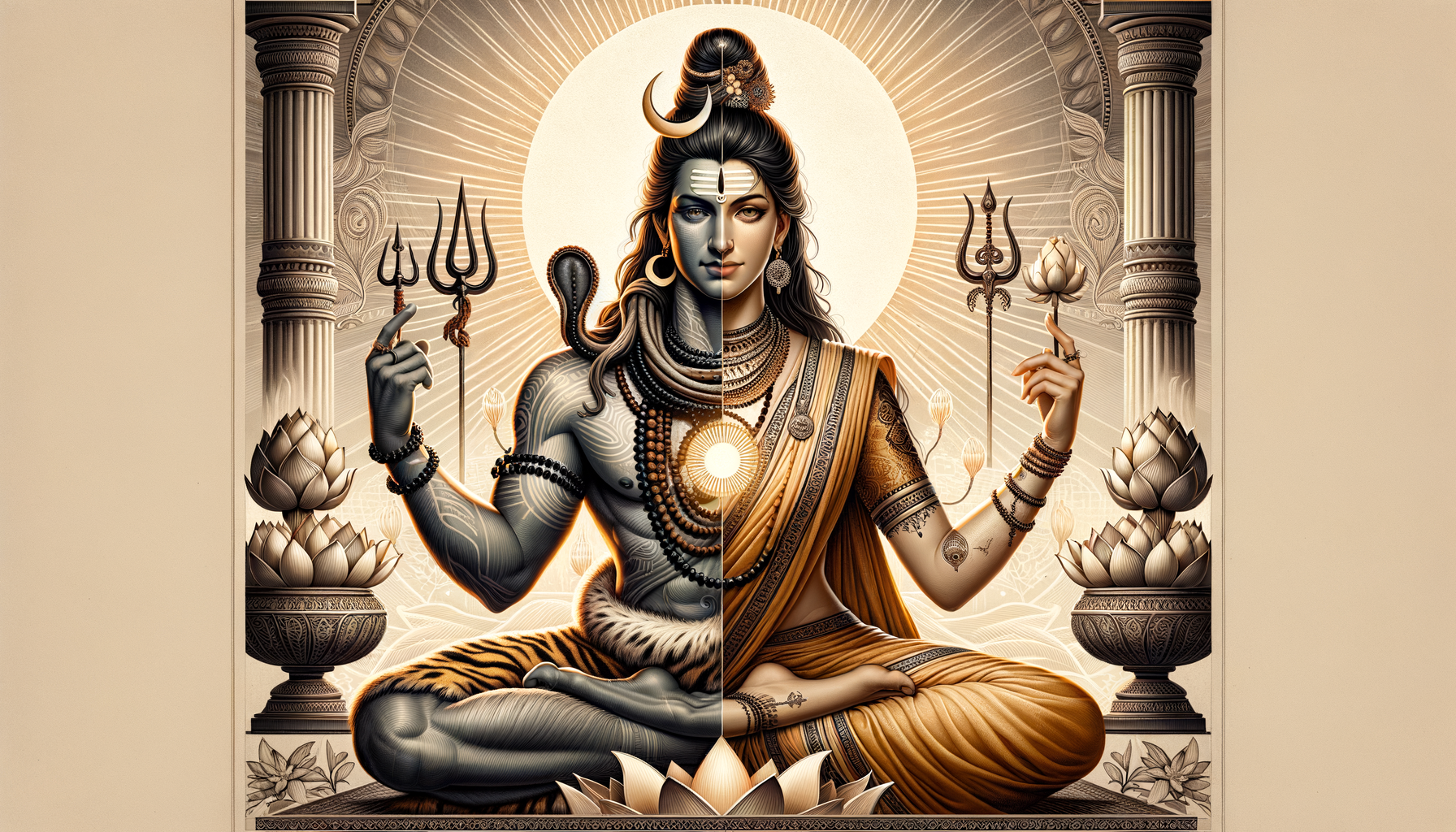
Ardhanareesvara—“the Lord Who Is Half Woman”—presents the inseparable union of Shiva and Shakti as a living doctrine of balance. Drawing on Manickavasagar’s Tiruvācakam, the vision reveals divinity as both motherly and fatherly, integrating tenderness with strength. Temple iconography reinforces this unity by joining ascetic steadiness and auspicious grace in a single body. Philosophically, the form…
-
Why Parashurama Stood Alone: The Profound Dharma Behind Vishnu’s Consortless Avatar

Parashurama’s consortless form is a purposeful feature of Vaishnava theology rather than an omission. Scriptural narratives emphasize his ascetic mission, where tapas, mobility, and disciplined detachment were essential to restoring kshatra-dharma. The diversity of Vishnu’s avatars reflects role-specific embodiments: Rama models household righteousness, Krishna social and relational dharma, and Parashurama corrective austerity. His status as…
-
Srila Bhaktisiddhanta Sarasvati Thakura’s Disappearance Day: Visionary Ray of Visnu, A Legacy
Srila Bhaktisiddhanta Sarasvati Thakura’s Disappearance Day is an occasion to contemplate a teacher described by Srila Prabhupada as a ray of Visnu, a liberated soul sent by Krsna. The Ratha-yatra episode, where a garland from Lord Jagannatha fell upon the infant, is received as an early sign of divine sanction. His life aligned with Srila…
-
Honoring Srila Bhaktisiddhanta Sarasvati Thakur: Disappearance Day Reflections from Mayapur

This article reflects on the Disappearance Day of Srila Bhaktisiddhanta Sarasvati Thakur, presenting the day’s significance within the Gaudiya Vaishnava tradition and its wider relevance to contemporary spiritual life. It situates a lecture at ISKCON Mayapur by HH Bhakti Charu Swami as a thoughtful lens for understanding the Thakur’s disciplined sadhana, shastra-centered devotion, and compassionate…
-
Baghbazar to Mayapur: Disappearance Day Tribute to Bhaktisiddhanta Sarasvati Goswami

This Disappearance Day reflection honors Srila Bhaktisiddhanta Sarasvati Goswami Prabhupada, who departed in 1937 at Sri Gaudiya Math, Baghbazar, Kolkata, with his samadhi mandir in Sri Mayapur Dham at Sri Chaitanya Math. A rare visit to his private room—ordinarily restricted—enabled documentation of personal belongings and the bed of his final moments, captured in a thoughtful…
-
Lord Shiva’s Meditative Focus on Vishnu: Timeless Guidance for Unity and Inner Clarity
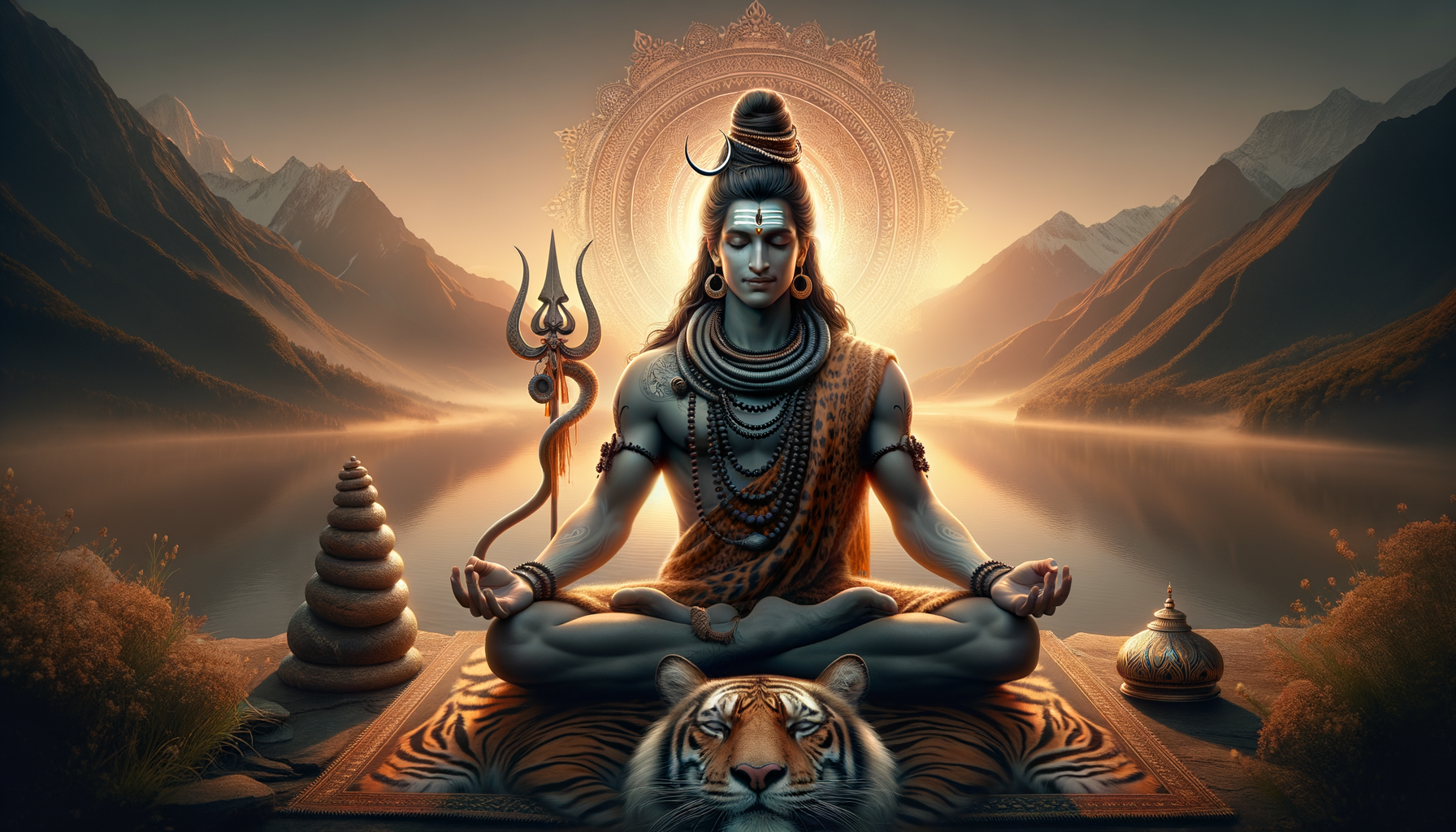
Depictions of Lord Shiva in deep meditation communicate disciplined inner focus and inclusive spiritual ethics. Traditions often describe Shiva’s contemplation as fixed on Lord Vishnu, signaling mutual reverence rather than sectarian hierarchy. The imagery also points to the Supreme Truth beyond names and forms—Brahman, Īśvara, or ātman—supporting devotion to one’s Ishta while honoring other paths.…
-
Choose Wonder Over Hype: Dharmic, Mindful Parenting Lessons from an Ordinary Life

This reflection explores William Martin’s The Parent’s Tao Te Ching as a guide to mindful parenting grounded in Dharmic values. It shows how attention to ordinary experiences—food, grief, and touch—builds emotional literacy, resilience, and secure attachment. The analysis connects these insights with shared principles across Hinduism, Buddhism, Jainism, and Sikhism, including ahimsa, seva, mindfulness, and…
-
When Silence Speaks: Hindu, Buddhist, Jain, and Sikh Wisdom for Social Media Calm

Social media rewards speed and outrage, yet dharmic traditions teach that silence is disciplined strength. Hindu philosophy frames silence (mauna), meditation (dhyana), and sensory restraint (pratyahara) as ethical practices that refine speech and preserve clarity. Parallel insights in Buddhism, Jainism, and Sikhism elevate non-reactivity, compassionate truth, and inner equipoise. Applied today, choosing “no response” can…
-
From Restraint to Revenge: Dharmic Psychology of Violence and Paths to Compassionate Action

Retaliatory violence feels intuitive, yet Dharmic wisdom reveals why it often harms more than it heals. Hindu, Buddhist, Jain, and Sikh traditions converge on Ahimsa, disciplined intention, and compassionate restraint. Hindu Dharma distinguishes protective duty from vengeful harm through Dharma-Yuddha principles. Buddhism interrupts anger’s cycle with mindfulness, right intention, and skillful means. Jainism extends non-violence…
-
Awaken the Dashavatara Within: Transformative Practices to Embody Vishnu’s Ten Archetypes

This article reframes the Dashavatara of Vishnu as ten inner states of consciousness that anyone can cultivate for ethical clarity, resilience, and compassion. Each avatar is paired with practical ways to invoke it—such as breath awareness, mindfulness, micro-habits, service, and values-based action. The approach aligns with Vedic wisdom, the Upanishads, and the Bhagavad Gita while…
-
Indra’s Triumph over Vritrasura: Awe-Inspiring Symbolism, Dharma, and Unity Across Traditions
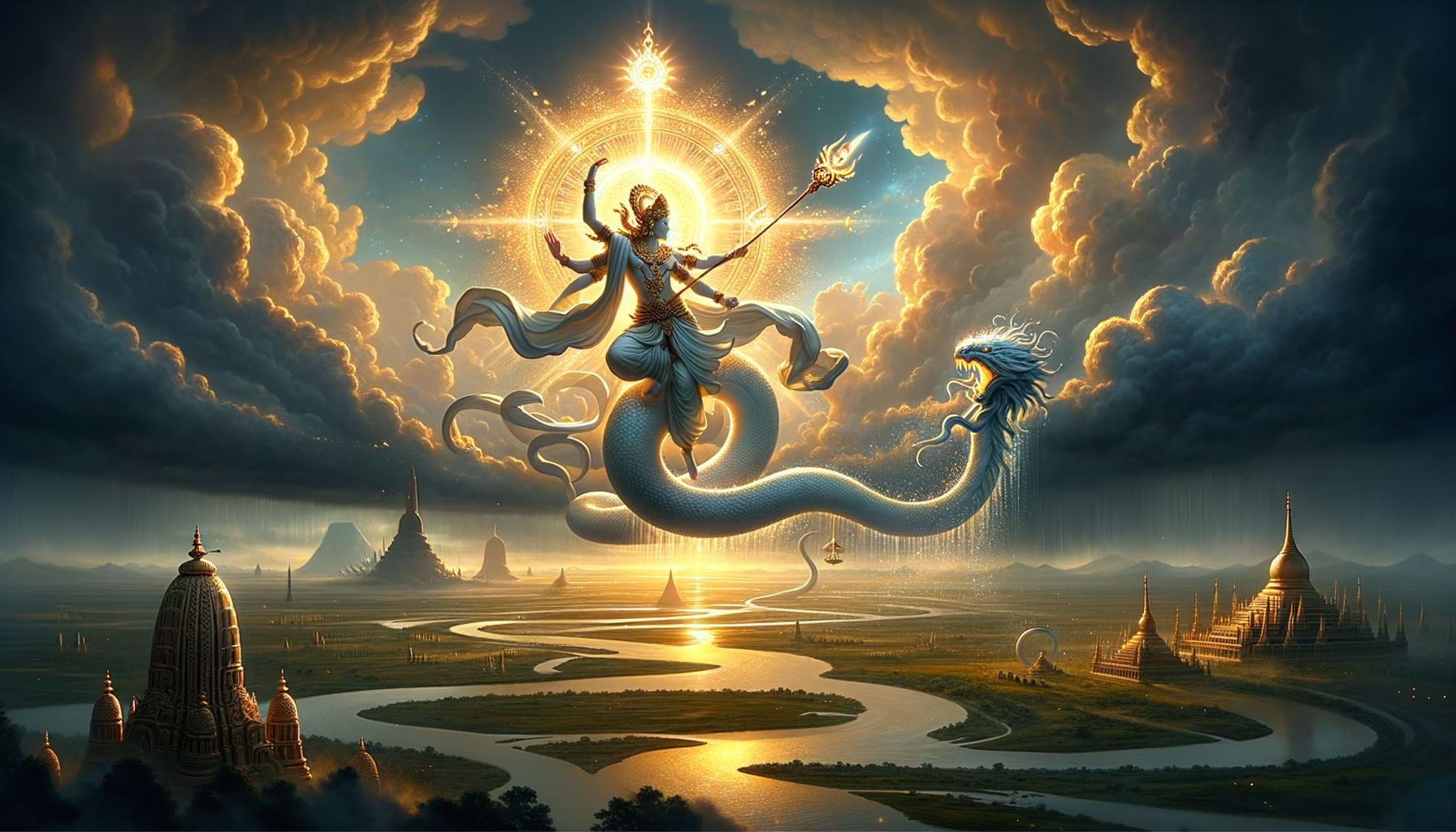
Vritrasura Samhara Murthy honors Indra’s victory over Vritrasura with the Vajrayudha, a decisive act that restores cosmic balance in Hindu mythology. The story, rooted in Vedic and Puranic traditions, symbolizes removing obstacles and renewing life. Its imagery maps to inner ethics: Indra as discerning courage, Vritrasura as obstruction, and the Vajrayudha as unshakable clarity. Read…
-
Sankashti Chaturthi December 2025 Dates (7–8 Dec): Rituals, Significance & Dharmic Unity
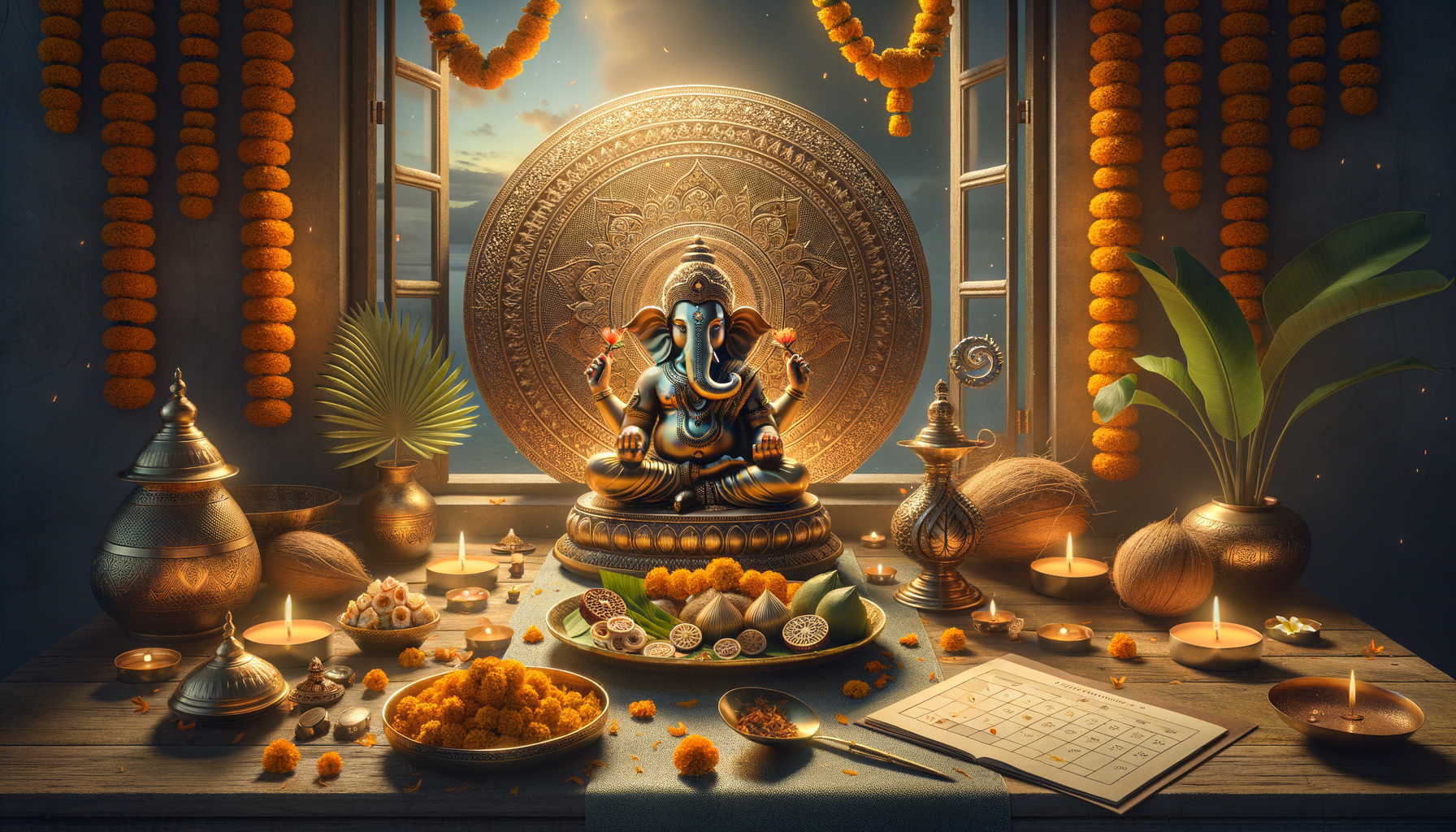
Sankashti Chaturthi in December 2025 falls across 7 and 8 December (Sunday–Monday) due to the lunar tithi spanning two civil dates. Observed on Krishna Paksha Chaturthi, the vrata is dedicated to Shri Ganesha and typically concludes after Chandra Darshan. The North Indian (Purnimanta) calendar places this observance in Poush, highlighting the importance of consulting the…
-
Delhi cab driver killing sparks outrage: prime accused arrested, call for safer streets

A cab driver in New Delhi was fatally stabbed after refusing a late-night joyride, prompting widespread concern over public safety. Delhi Police have arrested the prime accused, Mohammad Imran, and are investigating the involvement of three minors. The case highlights the heightened risks drivers face during late hours and the importance of upholding the rule…
-
December 14, 2025 Panchang: Precise Tithi Timing, Ekadashi Onset, and Sacred Guidance

On December 14, 2025, Krishna Paksha Dashami prevails until 8:46 PM, after which Krishna Paksha Ekadashi begins. This precise tithi timing helps devotees plan fasting, puja, and meditation with confidence. The day’s natural rhythm encourages completing responsibilities under Dashami and embracing inward practices as Ekadashi starts. Shubh muhurat choices may be observed, yet the tithi…
-
Madurai Erupts on Karthigai Deepam: Court Order Defied, Sacred Flame Halted Amid Clashes

Madurai saw a tense Karthigai Deepam night as authorities halted the lighting of the sacred flame at the Deepathoon stone pillar, despite a Madras High Court directive permitting a police-protected ritual. The dispute centers on the lamp’s precise location, near Uchi Pillaiyar Temple or the Deepathoon pillar close to Sikandar Badusha Dargah. Clashes between segments…
-
Naming Hinduphobia: Why Clarity Protects Civil Rights and Strengthens Dharmic Unity

Recognizing Hinduphobia—alongside antisemitism and racism—gives institutions the clarity needed to document, prevent, and address targeted hate without restricting free speech. Georgia’s SB 375 adds a definition; it creates no new penalties and does not reference India or any political leader. Evidence from reports and incident data underscores the urgency of accurate terminology to protect temples,…
-
Chamunda Devi’s Skull Cup (Kapala): Fierce Symbolism of Protection, Purification, and Grace
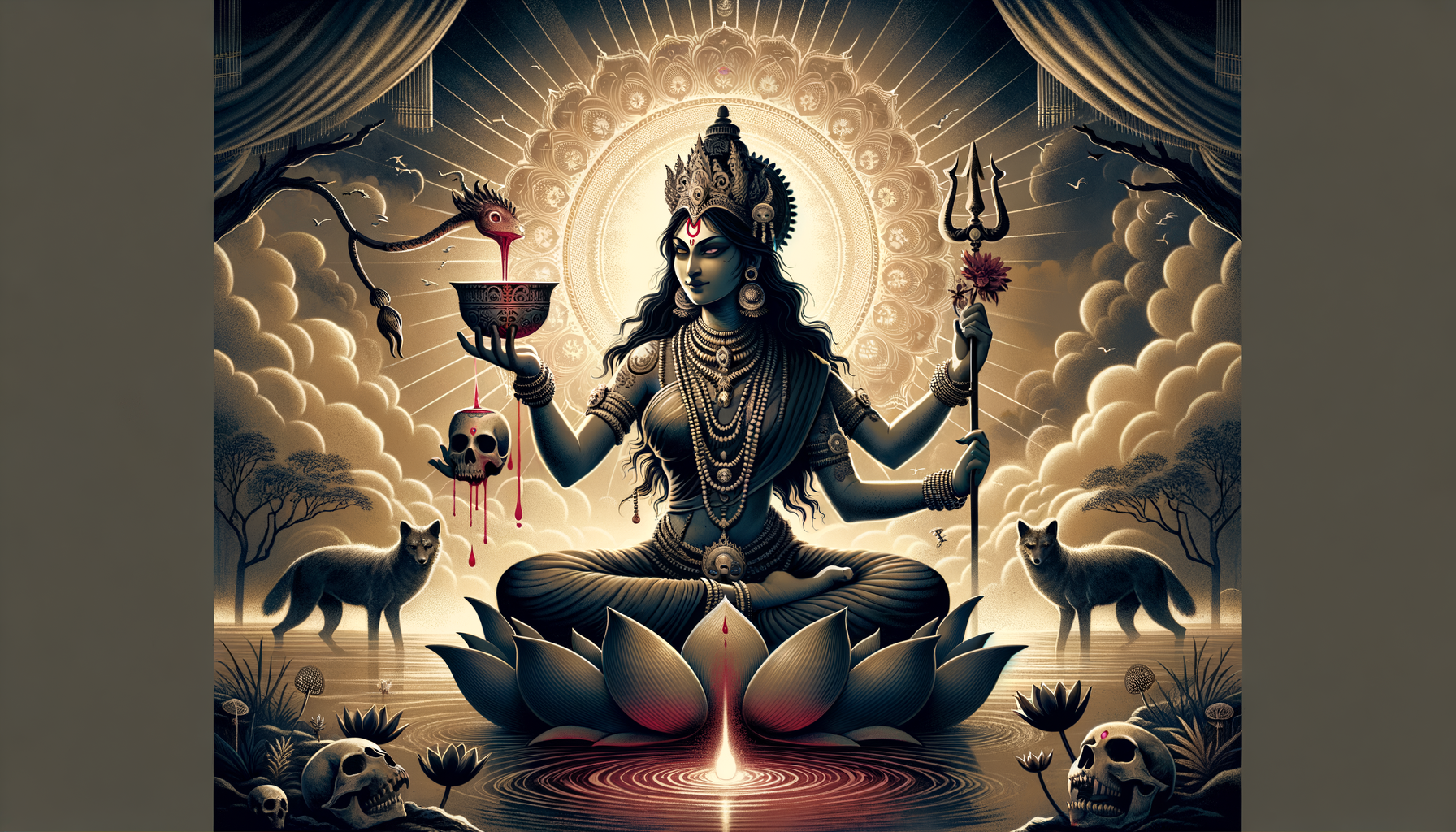
Chamunda Devi’s skull cup (kapala) encapsulates a powerful teaching from the Devi Mahatmya and Tantric scriptures: transform fear and impurity into wisdom and compassionate strength. The blood within the kapala symbolizes prana and ego, consciously purified in the goddess’s grasp to protect and uplift. Read through a dharmic lens, this fierce icon harmonizes with Vajrayana…
-
Bhasa’s Bold Reimagining of Sita’s Abduction in Pratima Natakam: Ethics, Dharma, Drama

Bhasa’s Pratima Natakam (Pratimanatakam) presents Sita’s abduction not as onstage spectacle but as a reflective, ethically charged episode grounded in classical Sanskrit dramaturgy. By channeling the event through memory, messenger-reports, and the symbolic power of the pratima (statue), the play emphasizes dharma, agency, and the psychology of crisis over physical action. This approach foregrounds rasa—especially…