
-
Why Bharat Should Reconsider Sunburn: Protecting Culture, Health, and Community Harmony
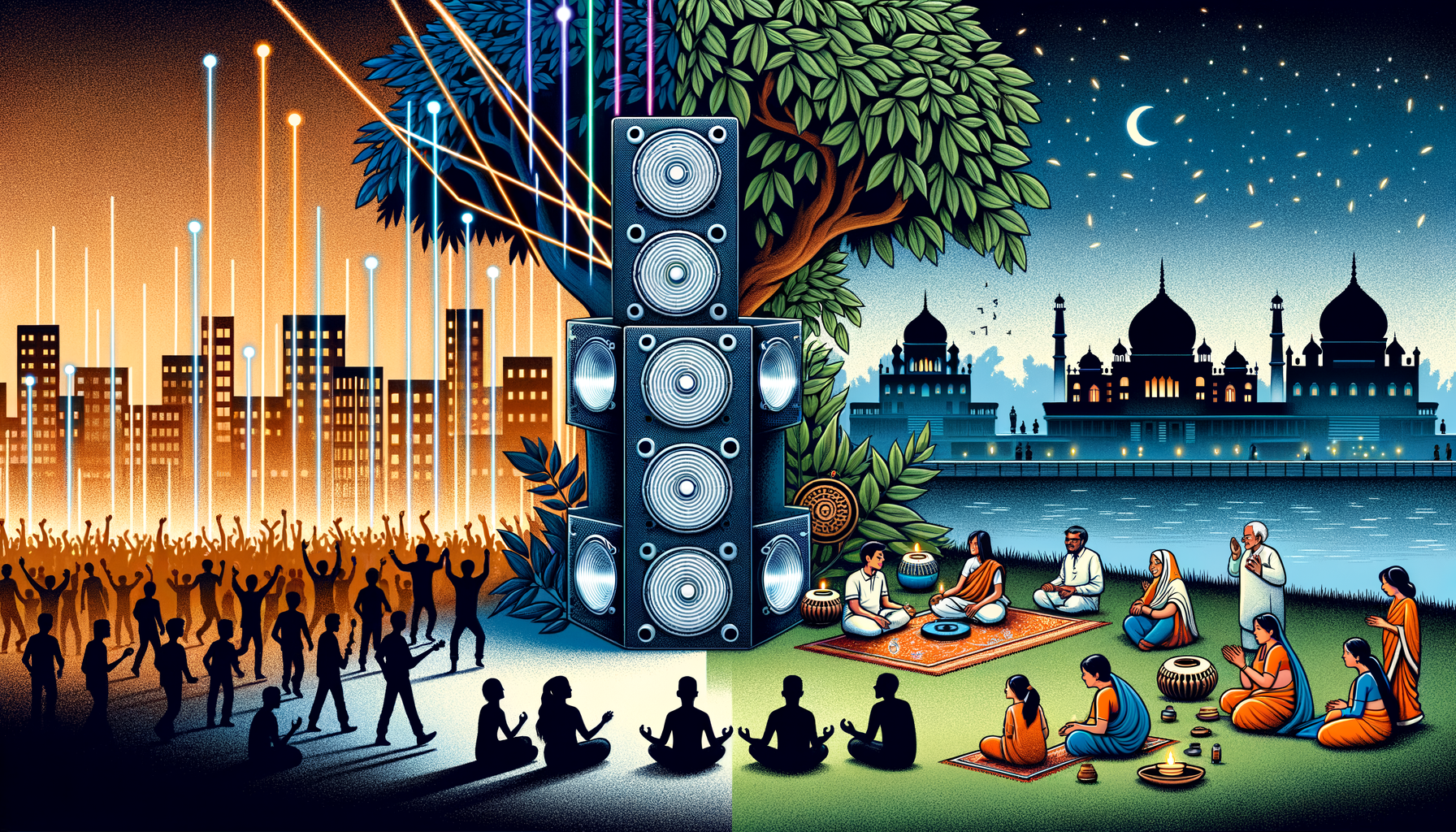
This analysis examines why Bharat should reassess the “Sunburn” festival and similar rave culture events in light of community harmony, public health, and cultural integrity. It highlights the social costs of noise pollution, crowd risk, and substance misuse commonly associated with mega-gatherings. The piece proposes safety-forward, culturally rooted alternatives that blend modern creativity with devotion.…
-
India’s GDP Puzzle, Decoded: Formal–Informal Shifts, Volatile Deflators, and Smarter Metrics

India’s strong GDP prints often feel out of sync with daily experience. A simple two-sector lens—formal jackets and informal juices—clarifies how Nominal versus Real GDP, base-year choices, and deflator arithmetic shape the headline number. Since 2011, lower inflation, rapid digitisation and formalisation, and shifting consumption patterns have strained older methods and proxies. As visibility of…
-
Jati in Nyaya Philosophy: Exposing False Analogies to Elevate Dharmic Dialogue and Truth

Jati in Nyaya philosophy identifies fallacious rebuttals that rely on superficial comparisons rather than addressing the core claim. By naming these errors, Nyaya helps readers detect false analogies, category mistakes, and shifting grounds in everyday debate. The approach supports rigorous, fair, and focused discussion. Practical examples show how irrelevant similarities can mislead, while simple tests…
-
Who Created Brahma? Unveiling Devi, the Supreme Mother and Cosmic Source of All

Hindu cosmology addresses the classic question—who created Brahma?—by pointing to Devi, the Divine Mother, as the primordial creative potency (Shakti) behind all manifestation. Purāṇic narratives and Vedic philosophy converge on a hierarchy of emanation rather than a simplistic creator-of-creator chain. Symbols like the lotus and the Śri Yantra, and texts such as the Devi Mahatmya…
-
Jatukarnya: Unveiling an Ancient Dharmashastra Luminary Shaping Dharma and Society

Jatukarnya (Jatukarni/Jatukarna) emerges from the Dharmashastra tradition as an early voice in Hindu legal history, likely predating the 3rd century CE. Even without a fully preserved standalone text, later references attest to his participation in formative debates on law, ethics, and social norms in Ancient India. His remembered contributions exemplify how the Dharmashastras blend jurisprudence,…
-
When Srila Prabhupada Met Allen Ginsberg: A Transformative Kirtan at Ohio State University

A rare joint program at Ohio State University brought Srila Prabhupada and Allen Ginsberg onto the same stage, drawing a crowd of about 2,000. An eyewitness recalls Srila Prabhupada’s striking humility toward Sriman Allen Ginsberg before the program, setting a respectful tone of dialogue. Ginsberg’s bohemian reflections contrasted with traditional parampara, highlighting the breadth of…
-
Astonished in Vrndavan: Uddhava’s Joy and the Power of Spontaneous, Selfless Bhakti
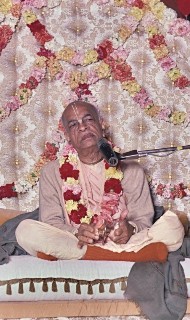
Uddhava’s experience in Vrndavan illustrates how pure bhakti evokes both astonishment and deep joy. The mood of Vrndavan centers on a natural, spontaneous attraction to Krsna, where each devotee’s unique offering coexists without rivalry or hierarchy. This non-competitive spirit models unity without uniformity and aligns with the shared values of dharmic traditions. It offers a…
-
Society, Friendship, and Love: Unmasking Maya and Embracing Dharmic Unity
This reflection clarifies why Srila Prabhupada described “Society, Friendship and Love” as a gift of maya when driven by clinging, not by dharma. It explains maya as misidentification with roles and relationships, then shows how Hinduism, Buddhism, Jainism, and Sikhism converge on transforming attachment into compassionate engagement. Readers gain a practical framework—seva, satsang, japa or…
-
Ego and the Vast Cosmos: A Dharmic Reflection on Humility, Unity, and Inner Freedom

This reflection explores how Hindu philosophy situates ahankara (ego) within the vast Brahmanda, revealing the fragility of pride and the wisdom of non-attachment. It connects Vedantic insights with parallel teachings in Buddhism, Jainism, and Sikhism, emphasizing a shared dharmic commitment to humility, compassion, and Aparigraha. Readers gain practical pathways—japa, pranayama, dāna, mettā, Naam Simran, and…
-
The Divine Paradox of Ganesha on a Mouse: Transformative Symbolism to Conquer Ego
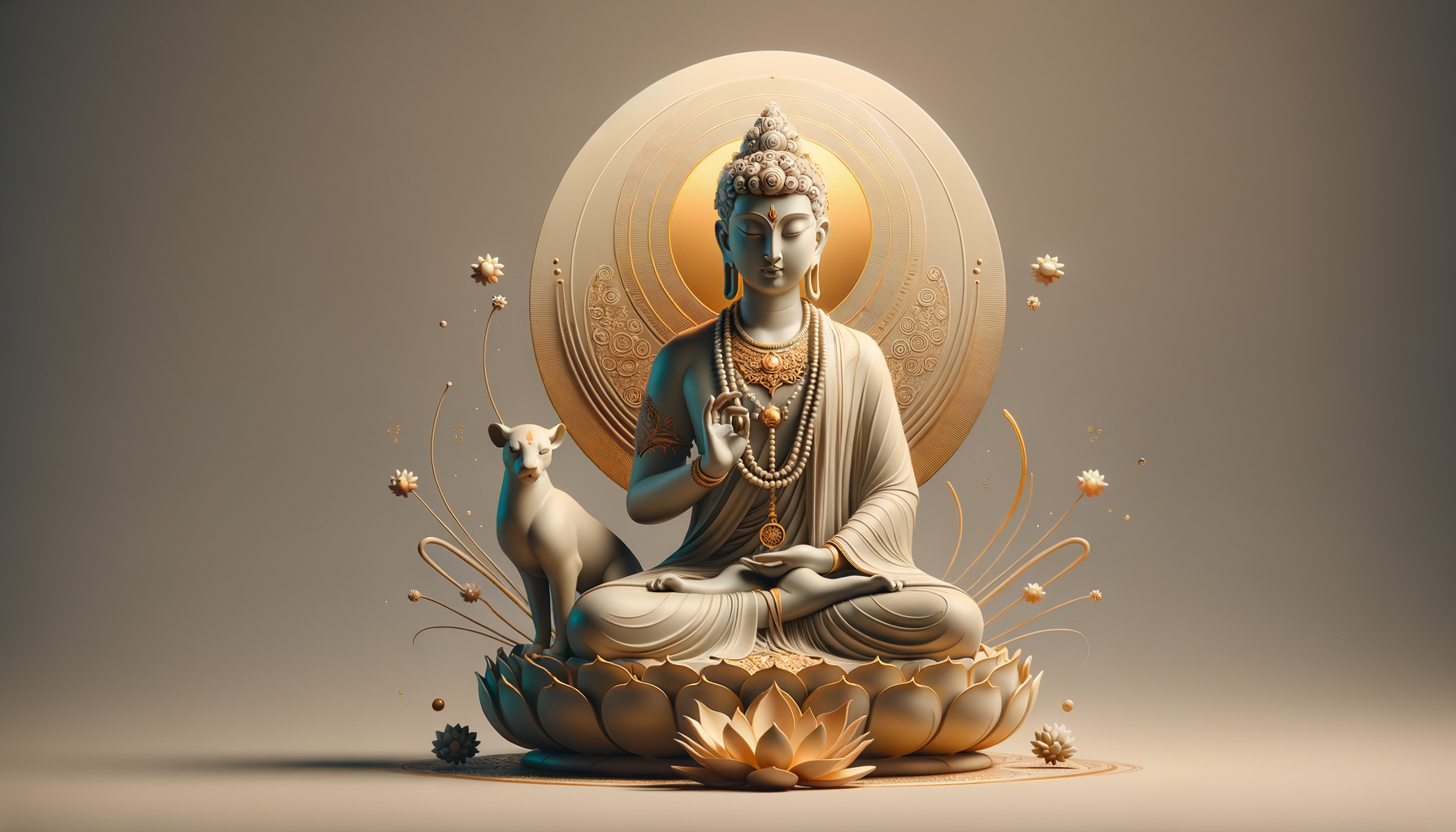
The iconic image of Lord Ganesha seated on a small mouse conveys a profound lesson: wisdom governs and transforms ego rather than destroying it. In Hindu symbolism, Ganesha embodies discernment while the mouse represents restless impulses, illustrating mastery of mind through knowledge. This insight harmonizes with Buddhist mindfulness, Jain aparigraha, and Sikh teachings on overcoming…
-
Wheel of Brahma and Naimisharanya Dham: A Sacred Refuge in Kali Yuga, Revealed in the Puranas

Naimisharanya Dham, or Naimisha Vana, is celebrated in the Puranas as a sacred forest where the divine Wheel of Brahma marked a refuge for seekers in Kali Yuga. The site’s name recalls nimisha—a moment—signifying swift inner transformation when devotion, study, and discipline align. Purāṇic accounts describe sages convening here for extended sacrifice and study, with…
-
Sanghamitra’s Sacred Mission: How Ashoka’s Daughter Forged India–Sri Lanka Buddhist Ties
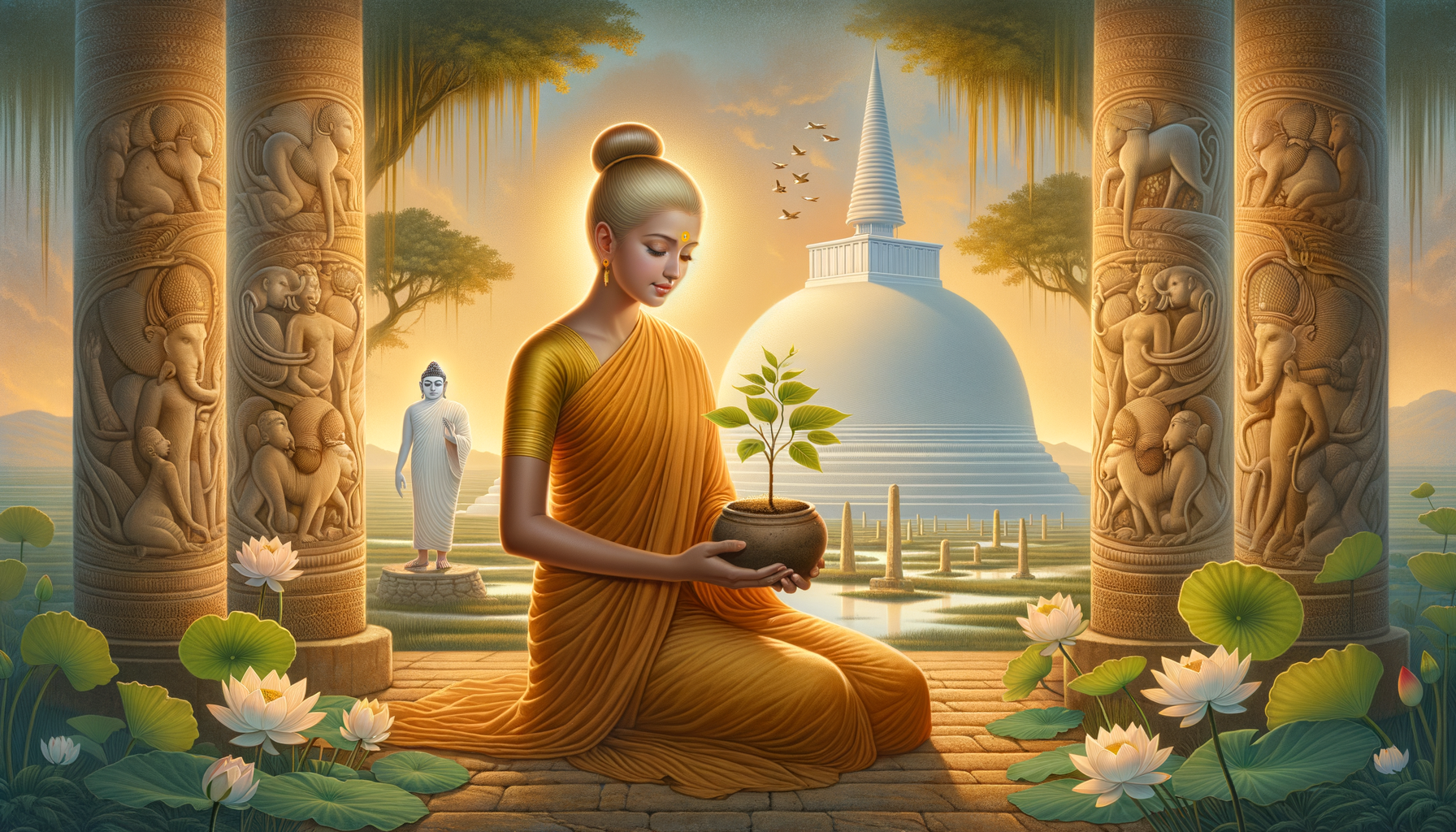
Sanghamitra, the daughter of Emperor Ashoka, exemplifies the dharmic spirit of Ancient India through her pivotal role in bringing Buddhism to Sri Lanka. Alongside her brother Mahinda, she embodied a culture of learning and compassion that connected Hindu and Buddhist traditions within a shared ethical framework. Historical traditions credit her with establishing the Bhikkhuni order…
-
Experience the Divine Everywhere: Applying Bhagavad Gita Wisdom in Everyday Life
Bhagavad Gita teaches that the Divine pervades all, and this can be experienced through a disciplined union of Bodha (insight) and Vyavahara (lived practice). A simple, relatable analogy—the house of wooden objects—shows how shared essence and distinct functions coexist. Practical methods such as mindful breathing, silent japa, and small acts of seva make awareness tangible…
-
Tara Devi Mahatmyam: Fear-Dispelling Power and Cross-Traditional Significance of Tara Mahavidya
Tara Devi, one of the Dasamahavidyas and a manifestation of Durga Devi, is honored for fear-dispelling power and liberating wisdom. The Adbhuta Ramayana recalls Tara within the Goddess’s cosmic play, celebrated after Kali’s defeat of a powerful asura. Shakta Tantra presents Tara as both fierce and compassionate, associated with insight (jnana), transcendent speech (vak), and…
-
Anagha Devi, Shakti of Lord Dattatreya: Radiant Grace of the Divine Mother
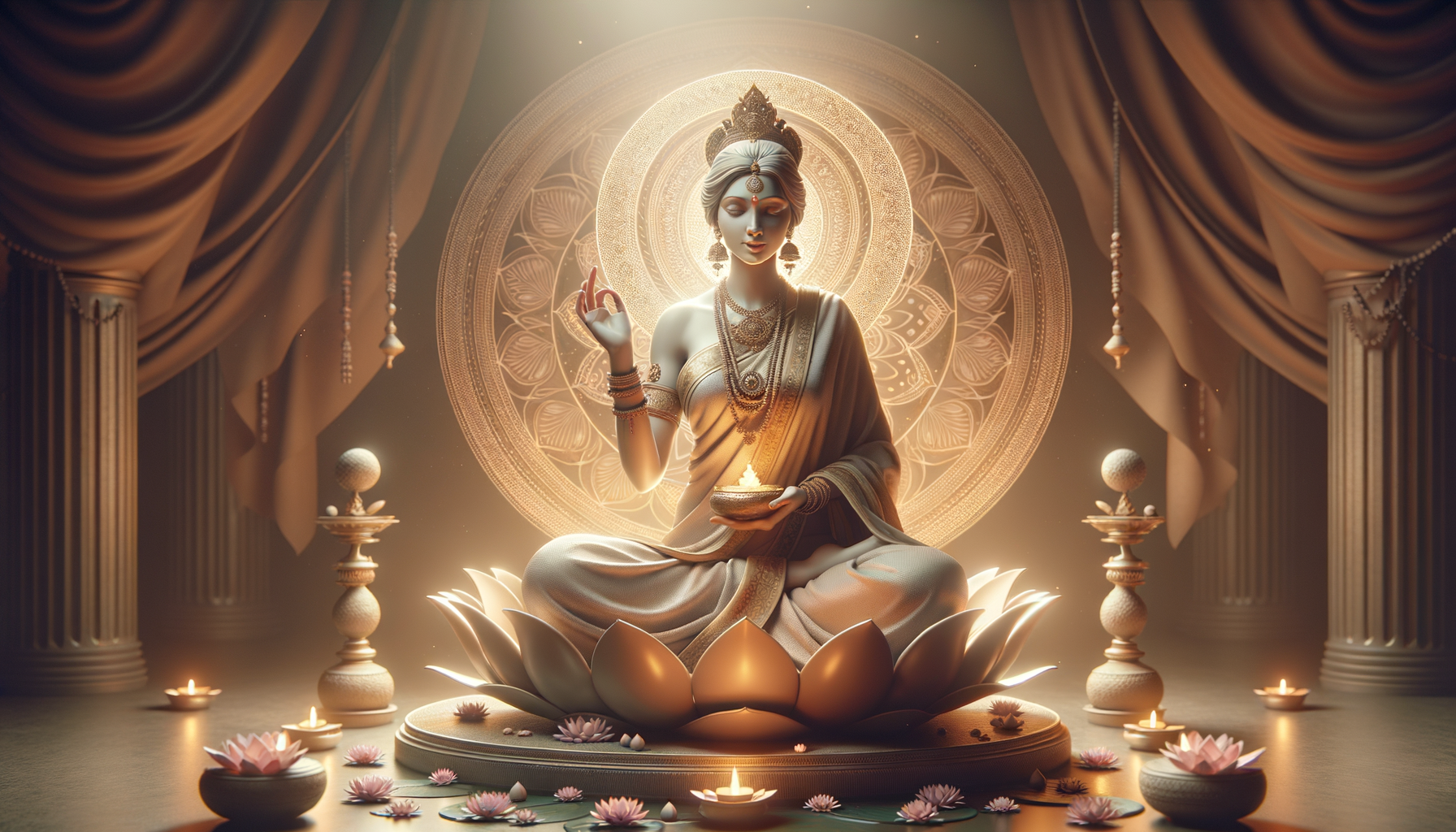
Anagha Devi is honored as the Shakti of Lord Dattatreya, radiating the Divine Mother’s compassionate energy in the Datta tradition. Her iconography—especially the vessel of divine nectar and luminous countenance—symbolizes healing, insight, and protection. The name “Anagha,” meaning “stainless,” points to an ethical ideal that inspires purity of intention and dharmic conduct. Devotional practice emphasizes…
-
Matangi Mahatmyam: Unlocking Matangi Mahavidya’s Blessings for Wisdom, Music, and Protection
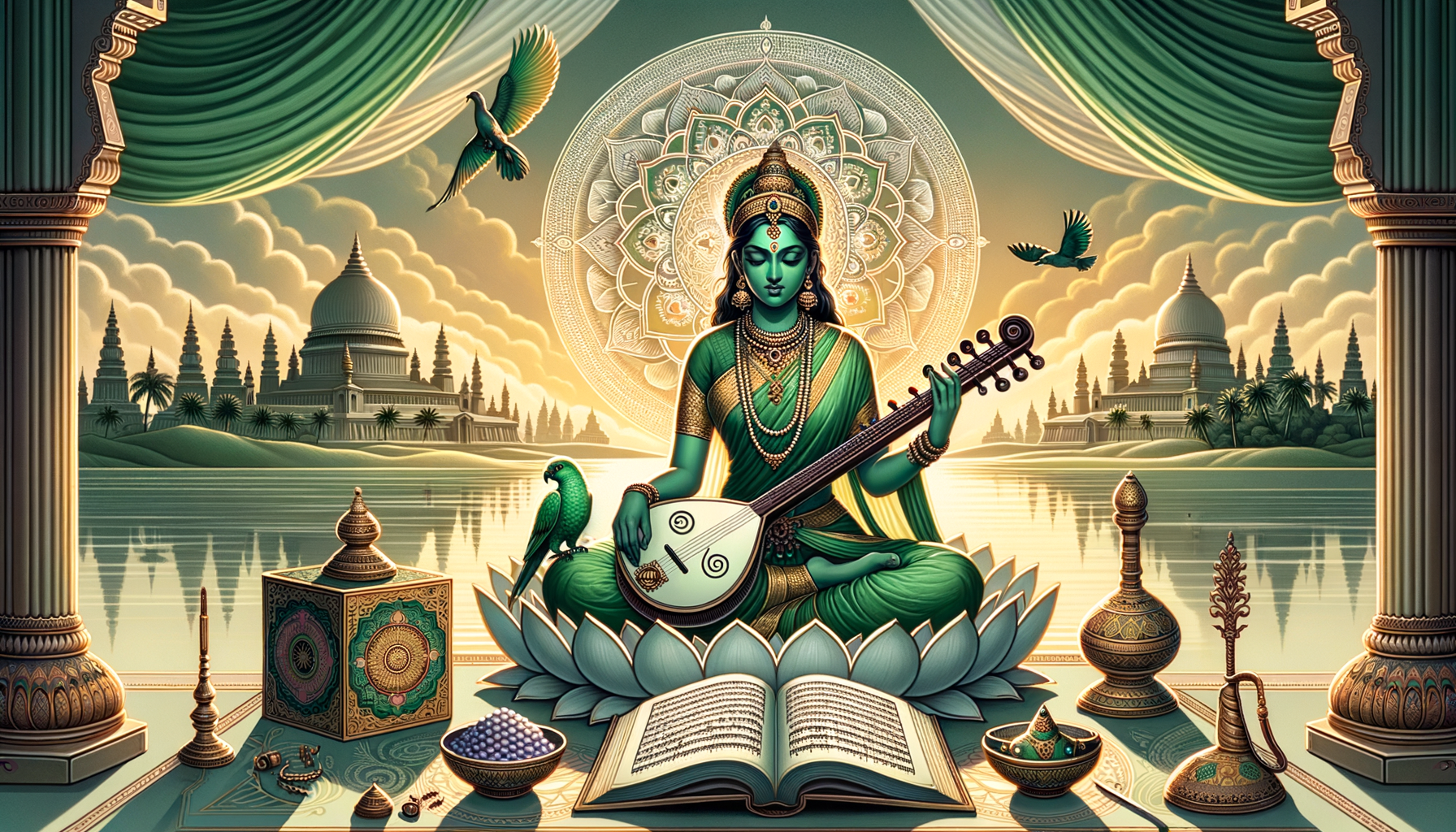
Matangi Mahatmyam presents Matangi Mahavidya as a unifying synthesis of Parvati’s protective grace and Saraswati’s luminous wisdom. Venerated for education, music, knowledge, and courage, Matangi guides seekers toward clarity, refined speech, and ethical action. Devotees commonly report enhanced focus, creativity, and calm through steady remembrance, study, meditation, and music. The Devi’s blessings are associated with…
-
Shiva’s Calm Power: Patience and Compassion as a Motivating Force for Dharmic Life

Lord Shiva, revered in Shaivism as a supreme and guiding presence, embodies calmness, patience, and compassion that motivate ethical living and inner transformation. While his fierce aspect is often emphasized, scriptural narratives highlight Ashutosh—“easily pleased”—whose impartial grace extends even to antagonists, inviting self-correction and growth. Contemplating Shiva’s meditative stillness helps transform anger into tapas and…
-
Rama’s Darbha Sayana: Sacred Patience and Yoga Nidra Before Crossing the Ocean

This post explores Darbha Sayana Murthy, the Ramayana moment when Sri Rama, seeking to cross the ocean to Lanka, prays to Varuna and rests in Yoga Nidra on a bed of darbha grass. Readers learn the ritual significance of darbha (kusa) in Vedic practice and how Yoga Nidra symbolizes restful awareness and ethical clarity. The…
-
Dhanurmasam 2025–2026 (Margazhi): Auspicious Dates, Rituals, and a Sacred Dawn Guide

Dhanurmasam (Margazhi) in 2025–2026 begins on 16 December 2025 with Dhanur Sankramanam and concludes on 14 January 2026 at Makara Sankranti. The month is traditionally revered in the Vaishnava tradition for predawn worship, Tiruppavai recitation, and disciplined devotional practice. Across Tamil regions, Margazhi also highlights kolams, bhajans, Arudra Darshan, Pavai Nombu, and Katyayani Vratam. The…
-
Vritrasura Samhara Murthy: Indra’s Vajrayudha, Dharma, and the Defeat of Obstruction
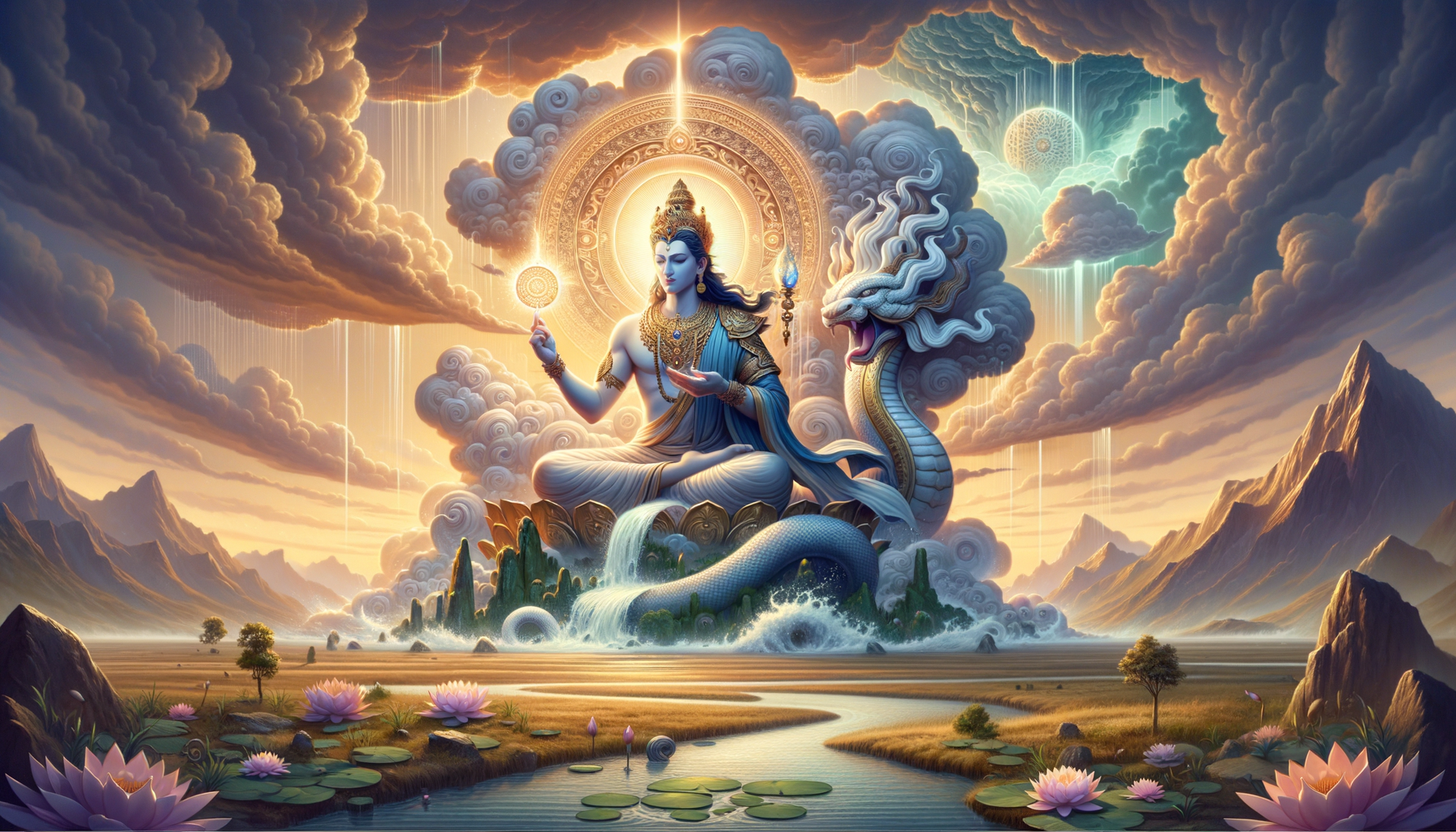
Vritrasura Samhara Murthy honors Indra’s decisive victory over Vritrasura with the Vajrayudha and the restoration of dharma. The narrative portrays Vritra as a symbol of obstruction and Indra as a restorer of cosmic order. Read through a dharmic lens, this tale aligns with Buddhist, Jain, and Sikh teachings on overcoming inner afflictions and ego. The…