
-
Sage Gopatha’s Legacy: Gopatha Brahmana and Why the Atharva Veda Matters Today

Sage Gopatha is traditionally linked with the Gopatha Brahmana, the only Brahmana of the Atharva Veda and a cornerstone of Vedic literature. The text explains Atharvan ritual and cosmology, emphasizing healing, protection, and communal well-being. Rather than being marginal, the Atharva Veda emerges as a complementary and indispensable voice within the Vedic canon. Readers gain…
-
Why Sri Krishna’s Yellow Pitambara Still Inspires: Sacred Symbolism, Dharma, and Unity

Sri Krishna’s yellow pitambara is more than attire; it is a layered symbol of sattva, wisdom, and compassionate action. Rooted in Vaishnava texts and art, the garment visually echoes the Bhagavad-Gita’s call to clarity and dharma. Its earth-toned associations connect spiritual insight with ecological stewardship and community care. Rituals and festivals amplify these meanings through…
-
Why the Puranas Matter Now: Srila Jiva Goswami’s Case for Vedic Truth and Unity
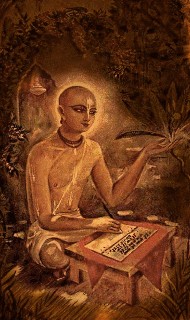
Srila Jiva Goswami’s Sri Tattva-sandarbha argues that the Puranas are indispensable for understanding the unified message of the Vedas. By privileging śabda over perception and inference, this approach presents the Puranas as hermeneutical guides that translate Vedic truths into accessible narratives and practices. The result is clarity: seekers gain a coherent framework that bridges philosophy,…
-
Fifty Transcendent Qualities of Sri Krishna: Rupa Gosvami’s Timeless Portrait of Divinity
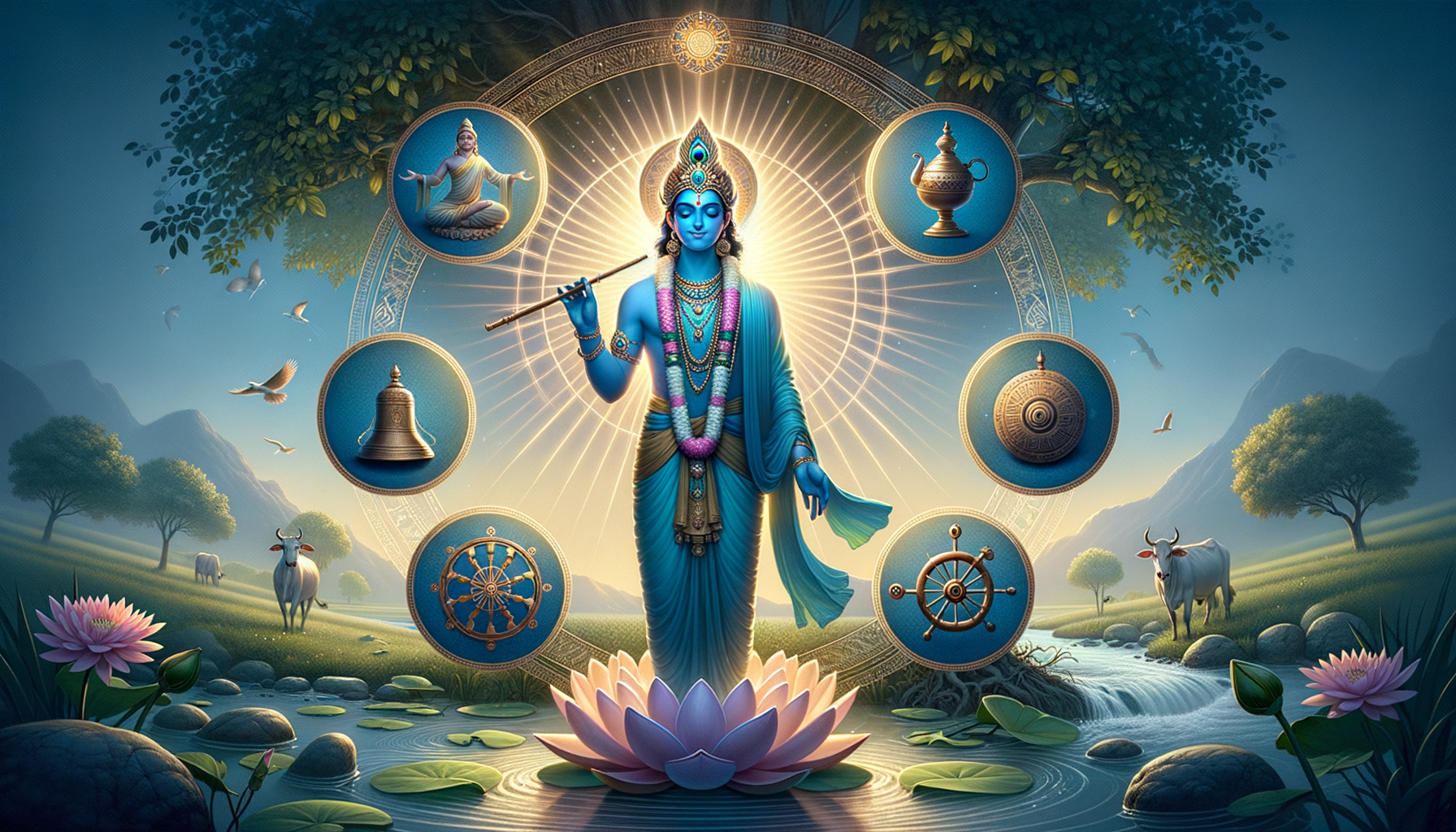
Srila Rupa Gosvami’s classic enumeration of Sri Krishna’s qualities offers a clear, contemplative framework for devotion and ethical living. Organized across themesbeauty, intellect, virtue, compassion, and sovereigntyit provides a practical syllabus for daily reflection. Readers gain a succinct yet comprehensive guide to cultivate truthfulness, compassion, self-control, and forgiveness. The portrait aligns naturally with the shared…
-
How Personal Letters Shaped Krishna Consciousness: Srila Prabhupada’s Lesson on Compassionate Outreach

A disciplined, personal approach to letters transformed early outreach in Krishna Consciousness, inviting seekers to read Srila Prabhupada’s books, chant Hare Krishna, and continue the dialogue. A later reflection in the Bhaktivedanta Book Trust offices affirmed the principle of steady, respectful follow-up. Reframed within Gaudiya Vaishnavism, this practice prioritizes relationship-centered spiritual growth over persuasion. The…
-
Honoring His Grace Gokulendra Das: Lessons in Devotion from Rhodes University to ISKCON

This tribute reflects on His Grace Gokulendra Das (Greg), a Rhodes University student in early 1970s South Africa whose disciplined devotion and study converged meaningfully. Recollections note that he met Ksudhi Prabhu in 1972 or 1973 and often hitchhiked after Friday lectures, a choice that signaled uncommon commitment. His example shows how scholarship and spirituality…
-
Raja Bhaiya joins Baba Bageshwar’s Sanatan Hindu Ekta Padyatra, a symbolic push for Dharmic unity
Raghuraj Pratap Singh (Raja Bhaiya) joined Baba Bageshwar’s Sanatan Hindu Ekta Padyatra in a move that blends political timing with a message of cultural unity. The event’s core emphasis on Sanatan Dharma reframed participation as community service and social harmony rather than sectarian signaling. By aligning with Dhirendra Krishna Shastri’s widely attended platform, the outreach…
-
Healing Without Reconciliation: Boundaries, Self-Love, and Dharmic Compassion in Family Life

This reflective account examines healing without full reconciliation after family estrangement. It documents how a brief apology, while meaningful, did not resolve deeper patterns, yet still became a turning point. The narrative emphasizes boundaries, emotional well-being, and resilience as practical tools for long-term recovery. Therapy, chosen family, and key texts supported the shift from approval-seeking…
-
Beyond Dogma: Hindu and Dharmic Wisdom on Religion as a Universal Spiritual Journey
The idea that the soul of religion is a universal journey, not a single doctrine, sits at the heart of Hinduism and aligns with Buddhism, Jainism, and Sikhism. This perspective emphasizes inner transformation, disciplined practice, and ethical living over rigid belief. It is grounded in concepts such as Ishta, anekāntavāda, the Buddhist Middle Way, and…
-
Dhritarashtra’s Blindness as a Mirror to the Mind: A Mahabharata Guide to Moral Clarity
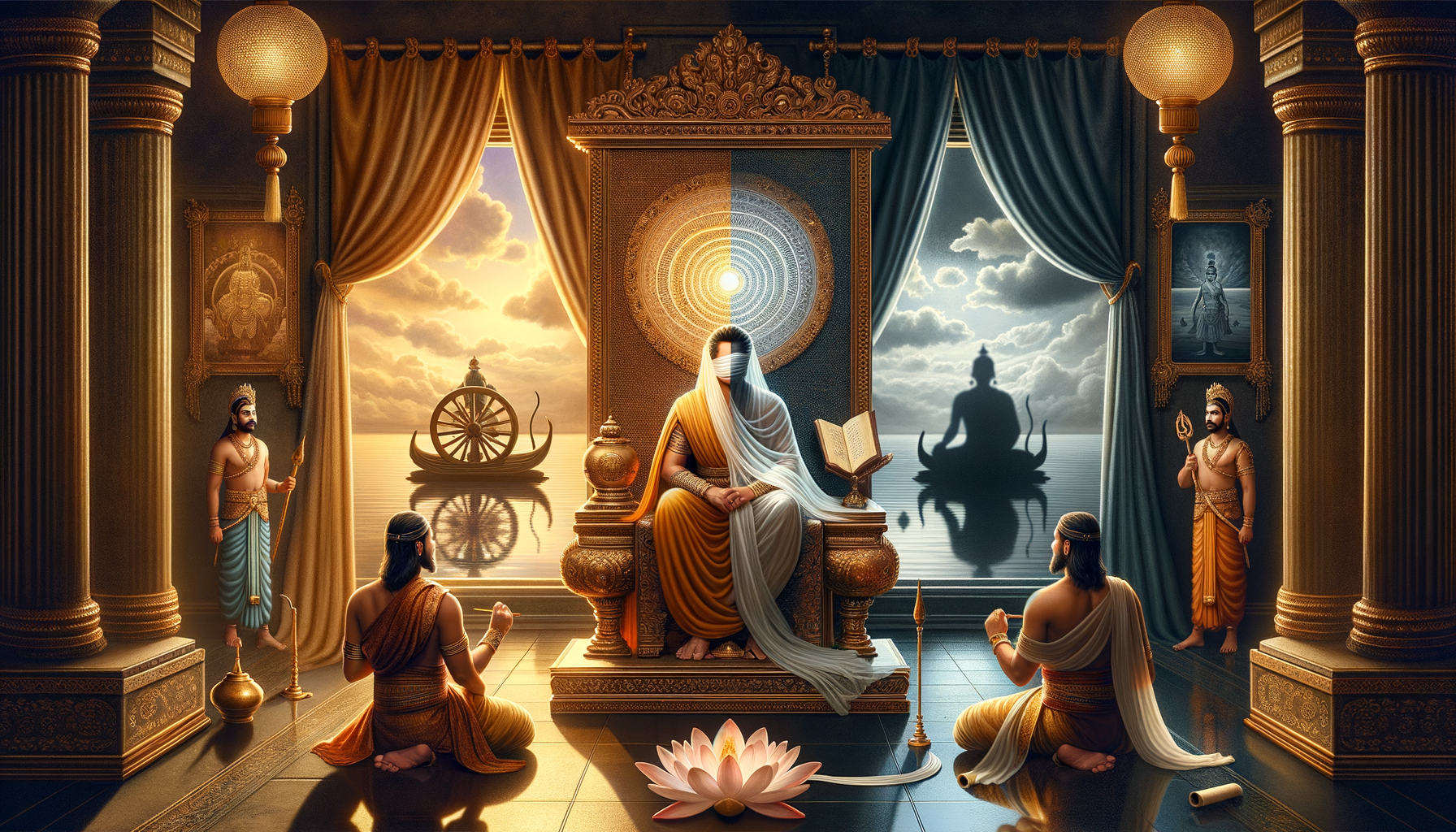
Dhritarashtra’s blindness in the Mahabharata symbolizes a universal human challenge: the mind’s tendency to turn away from uncomfortable truths when gripped by attachment and fear. Anchored in Hindu philosophy, the narrative shows how moha undermines viveka and invites motivated reasoning. Vidura and Sanjaya represent conscience and clarity, offering models for ethical perception that remain relevant…
-
Discover the Rare Standing Dakshinamurthy at Thiruvaikavur’s Vilwavaneswarar Temple
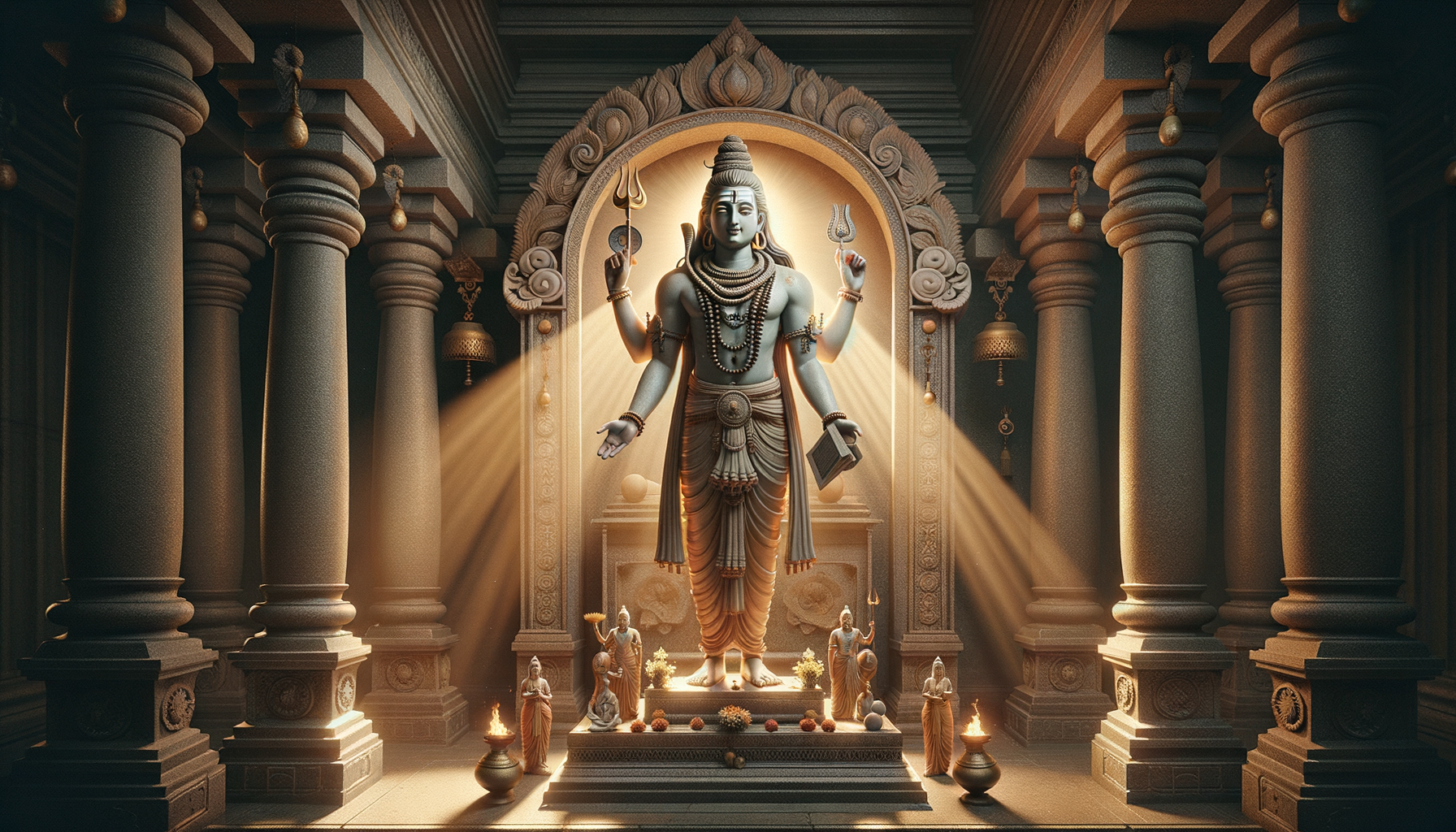
At the Thiruvaikavur Vilwavaneswarar Temple in Tamil Nadu, a rare standing Dakshinamurthy offers a distinctive encounter with Shiva as the supreme teacher. Unlike the more common seated icon beneath a banyan tree, this south-facing form conveys wisdom in motionknowledge that actively guides seekers. Visitors often find the darshan simultaneously grounding and invigorating, encouraging clarity, humility,…
-
How to Choose the Right MLA/MP: A Practical, Dharma-Centered Checklist for Indian Voters

Voters often feel every candidate looks the same; this guide offers a clear, dharma-centered method to choose an MLA or MP. It draws on shared values from Hinduism, Buddhism, Jainism, and Sikhismtruth, non-violence, compassion, and serviceand translates them into democratic criteria. The checklist emphasizes integrity, proven public service, policy competence, inclusivity, accessibility, and financial ethics.…
-
दसमहाविद्या साधना: Protection, Wisdom, ProsperityA Practical, Ethical Guide

This post presents a clear, ethically grounded overview of दसमहाविद्या (Dasamahavidya) as living principles that cultivate protection, wisdom, and resilience. It preserves the original non-English descriptors for selected Mahavidyas and provides concise, practice-oriented context for each. Readers learn how Kali supports fearlessness and protection, Tara fosters learning and resourcefulness, Tripura Sundari harmonizes mental and subtle…
-
Dashavatara Moorthy: The Ten Sacred Incarnations of Lord Vishnu and Their Timeless Call to Dharma
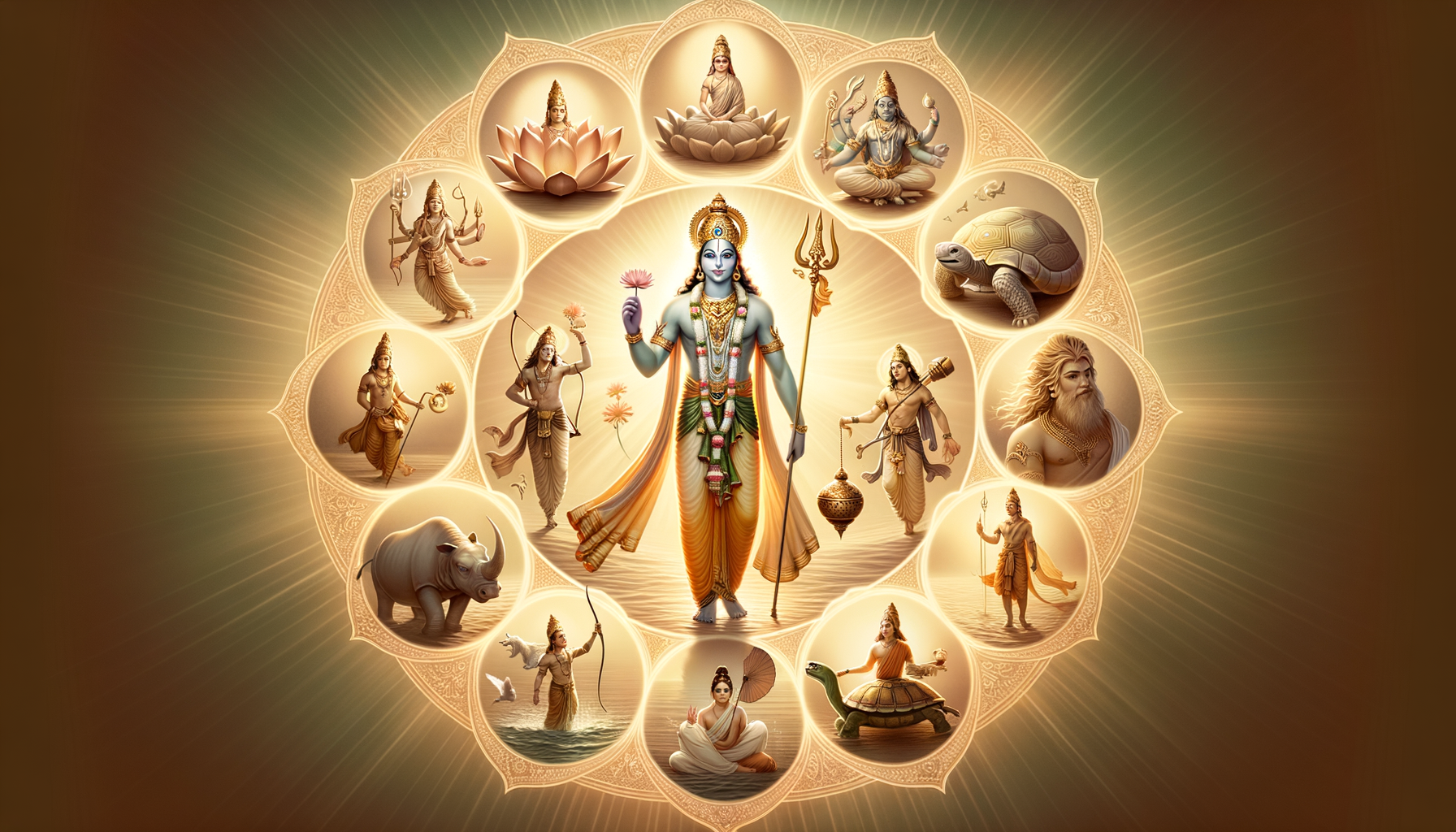
Dashavatara Moorthy signifies Lord Vishnu’s ten incarnations as articulated in Hindu scriptures and Puranas, emphasizing divine protection and the restoration of Dharma. Tradition holds that nine avatars have appeared, while the tenthKalkiwill manifest at the end of the current age. The narratives function as ethical frameworks, demonstrating how righteous action responds to specific historical and…
-
Vaikuntha Kamalaja: The Awe-Inspiring Union of Vishnu and Lakshmi Symbolizing Sacred Balance
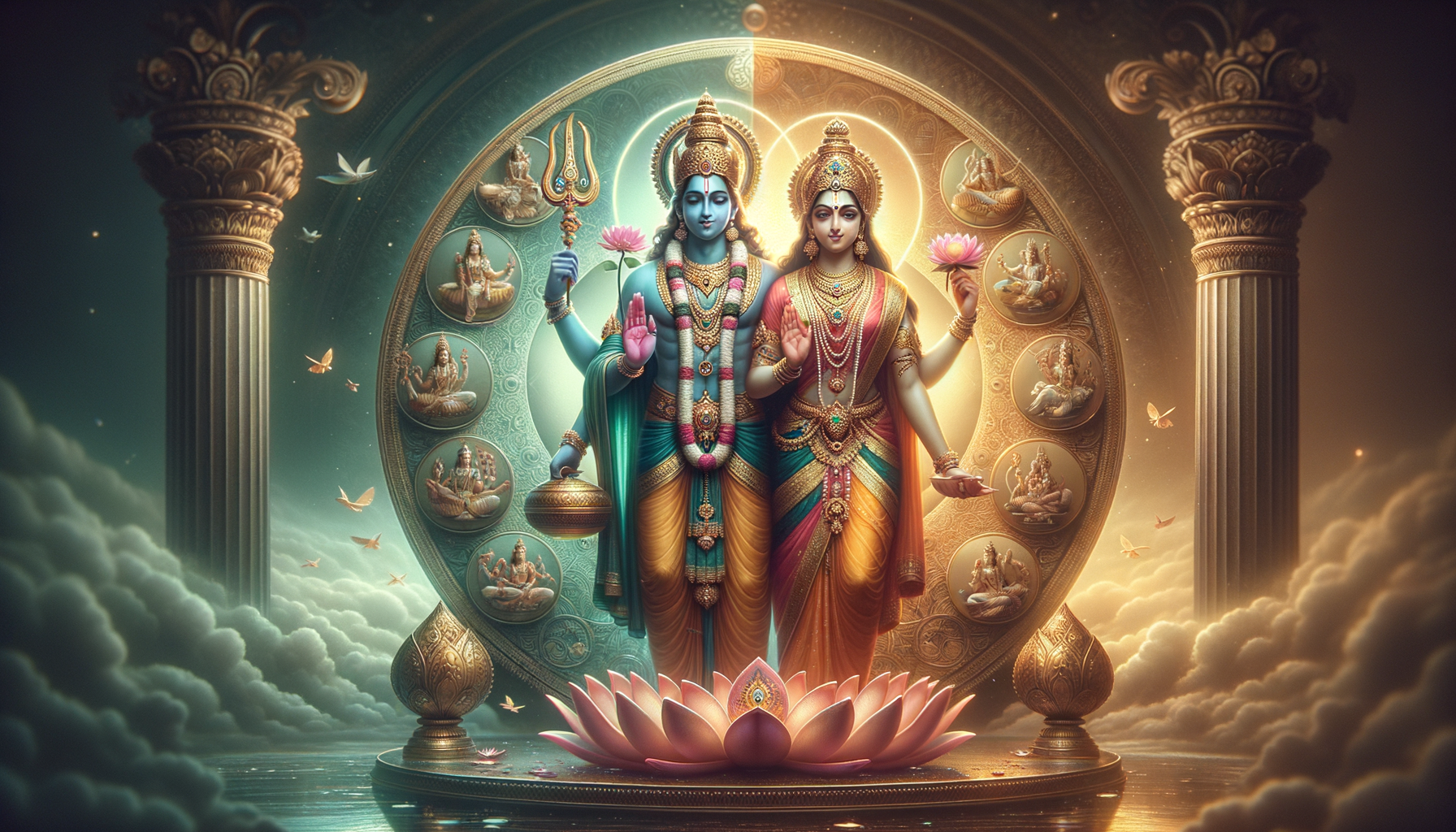
Vaikuntha Kamalaja presents a unified icon of Lord Vishnu and Ma Lakshmi, often described as Vishnu’s Ardhanarishvara. The form emphasizes the harmony of preservation and prosperity, highlighting that divine energies function as a complementary whole. Iconography typically divides the figure vertically, with Vishnu’s emblems on one side and Lakshmi’s auspicious lotus on the other. This…
-
Planets and Health Decoded: Ayurvedic, Dharmic Insights for Body–Mind Balance and Healing

This article explores how planetary correspondencesgrains, colors, shapes, birds, animals, and even the fingersserve as a contemplative map for holistic health within Ayurveda and related dharmic traditions. It explains the macrocosm–microcosm idea in an academic yet accessible manner, showing how symbolic associations can guide gentle, personalized routines. Readers gain practical suggestionsmindful breathing, light exposure, simple…
-
Ghata (Ghatavastha) in Hatha Yoga: Unlocking Breath, Balance, and the Jiva–Paramatman Union

Ghata or ghatavastha is a pivotal Hatha Yoga stage where breath, mind, and subtle energy stabilize, aligning the jiva with Paramatman. Drawing on the Hatha Yoga Pradipika and Gheranda Samhita, it highlights pranayama as both physiological refinement and spiritual integration. Practitioners experience steadier kumbhaka, balanced prana and apana, and a calm, clear mind. Benefits include…
-
18 Parvas of Mahabharata: A Life-Changing Guide to Dharma, War, and Wisdom
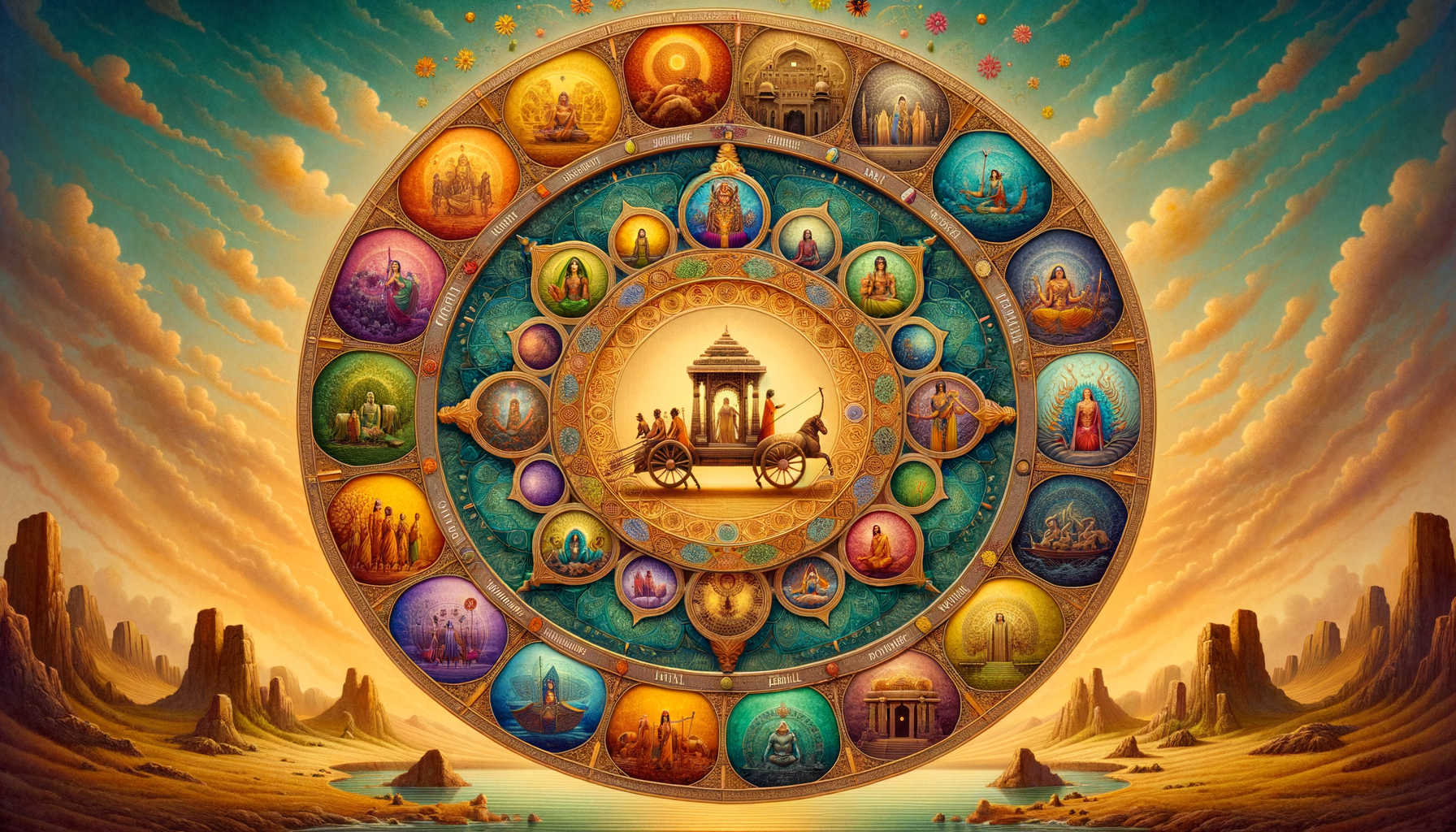
This guide to the 18 Parvas of the Mahabharata dispels the misconception that the epic breeds disorder, showing instead how it clarifies dharma and strengthens ethical discernment. It outlines each Parvafrom Adi to Svargarohanahighlighting key teachings such as Vidura-niti and the Bhagavad Gita. Readers across Hinduism, Buddhism, Jainism, and Sikhism will find shared values like…
-
Panchamukhi Hanuman and the Five Elements: Decoding a Powerful Symbol of Cosmic Balance for Harmony
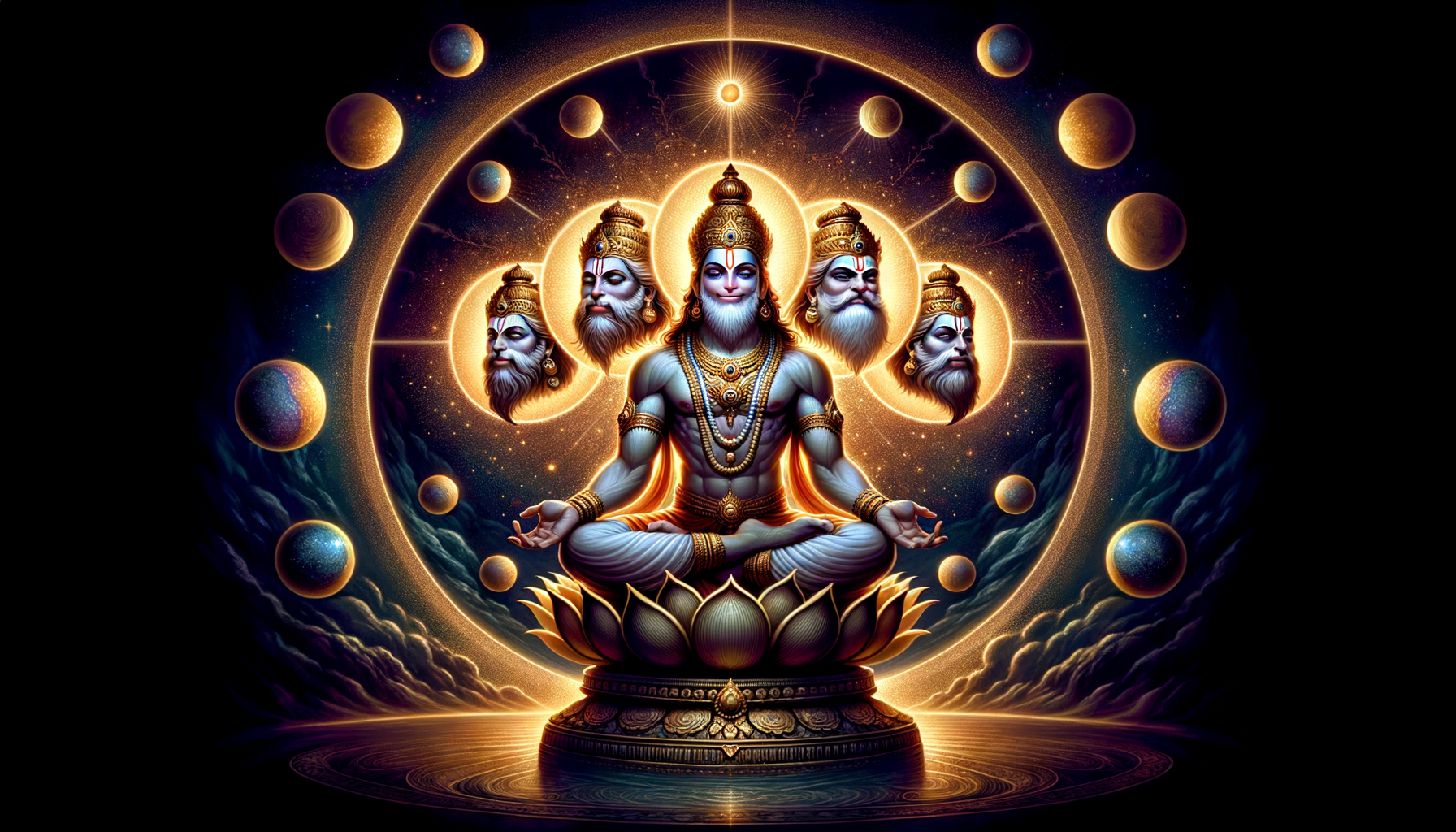
Panchamukhi Hanuman symbolizes vigilant protection and the harmony of the five elements, connecting devotion with a clear framework for inner balance. The five-faced form aligns with directions and elemental qualities, offering a contemplative map for stability, courage, breath, adaptability, and spacious awareness. While specific face–element mappings vary across traditions, the shared message remains: symbolism is…
-
November 19, 2025 Panchang: Chaturdashi to Amavasya Timing, Meaning, and Sacred Practices

Wednesday, November 19, 2025 begins with Krishna Paksha Chaturdashi and transitions to Amavasya at 8:54 AM in most regions. This Panchang guidance highlights the contemplative tone of the waning moon and the no moon day, encouraging disciplined routines, focused prayer, and acts of service. It explains the spiritual significance of both tithis and offers practical…